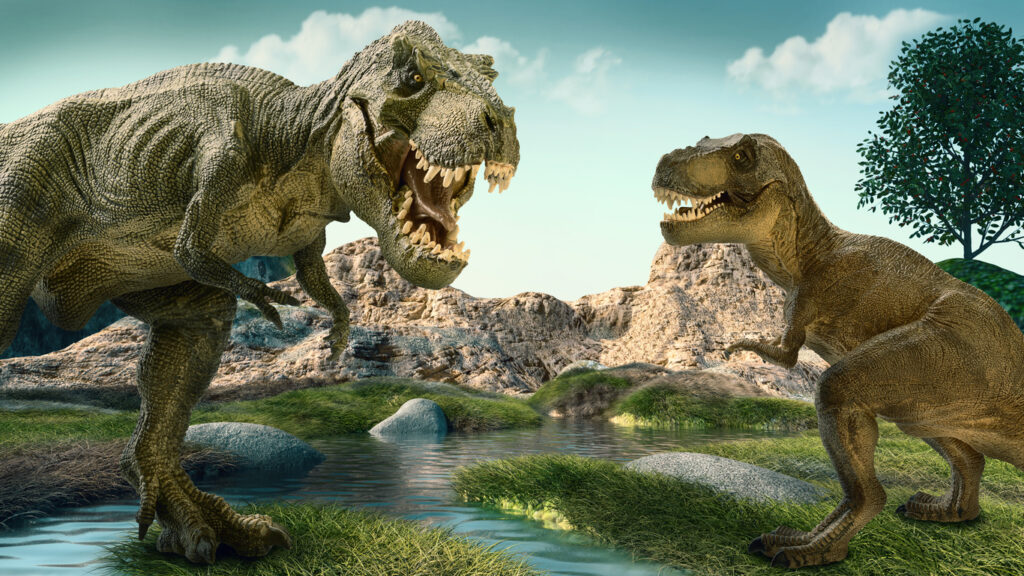
These days, oil comes from wells and drilling in the ocean, but how did it get there in the first place? Plenty of people have suggested that oil comes directly from dinosaurs dying, decomposing, and turning into black goo underground. It’s a popular myth, but the truth tells a very different story. Oil’s origins are stranger, older, and involve creatures most of us never think about.
Where the dinosaur myth came from
The idea of oil being “dinosaur juice” stuck because it sounds simple and dramatic. Dinosaurs are famous fossils, so people assume they must be the source of other underground resources too. In reality, this isn’t the case. The truth is that oil was forming millions of years before dinosaurs appeared. Linking oil to them makes the story sound catchy, but it doesn’t reflect the science behind how it’s really made.
Oil is mostly from tiny sea life
Instead of dinosaurs, oil mostly comes from ancient plankton and algae. These were microscopic plants and animals that lived in vast numbers in the oceans. When they died, their remains sank to the seabed. As time went on, these layers of tiny organisms built up. Trapped under mud and sand, they became the raw material for oil, showing that it’s not giant creatures but tiny ones that made the difference.
How layers of sediment preserved it
When the remains of plankton and algae sank, they didn’t just vanish. They were quickly covered by layers of sediment. This stopped them from fully rotting away and kept the organic material trapped underground. Without these protective layers, the remains would have broken down completely. The burial process was essential for turning simple sea life into the beginnings of oil reserves.
Heat and pressure did the work

As more layers piled on top, the pressure and temperature deep underground started to change the material. Over millions of years, heat and weight broke down the remains into liquid hydrocarbons, which is what we call oil today. The slow transformation explains why oil is considered a fossil fuel. It takes geological time and the right conditions to turn organic matter into something we can pump from the ground.
Why dinosaurs didn’t play a role
Dinosaurs lived on land, not in the seas where most oil was forming. Their remains were scattered and rare compared to the enormous amounts of plankton and algae that died daily in the oceans. Even if dinosaur remains broke down underground, the quantity would be tiny compared to the scale needed. Oil reserves are vast, and only microscopic sea life could build up enough material to create them.
The difference between oil, coal, and gas
It helps to know that not all fossil fuels come from the same source. Oil and natural gas mostly came from marine plankton and algae, while coal mainly formed from ancient plants that grew in swampy forests. This is why coal deposits are often linked to land plants, whereas oil and gas fields are usually associated with old seabeds. Each fuel type reflects the environment that created it.
Why it’s called a ‘fossil’ fuel

The name “fossil fuel” makes people think of dinosaur bones, but it actually refers to the age and origin of the material. It comes from ancient life that was fossilised into fuel, though usually microscopic life rather than giant animals. The term stuck because it highlights that these fuels are made from once-living things. That’s also why they’re finite, since the processes that created them can’t be quickly repeated.
How oil collects in reservoirs
Once oil forms, it doesn’t just float aimlessly underground. It seeps into porous rocks and gets trapped under harder rock layers. These natural pockets, called reservoirs, are where humans drill to extract it. Understanding that fact explains why not every area has oil. The geology has to line up just right for the material to form, migrate, and then collect in a place where it can be reached.
The role of ancient oceans
Most of the oil we use today came from shallow, warm seas that existed hundreds of millions of years ago. These seas were packed with plankton and algae, making them perfect for building the raw materials of oil. Modern oceans don’t produce oil in the same way because conditions have changed. The ancient seas created the right mix of life, sediment, and stability for oil to form over time.
Why the myth persists
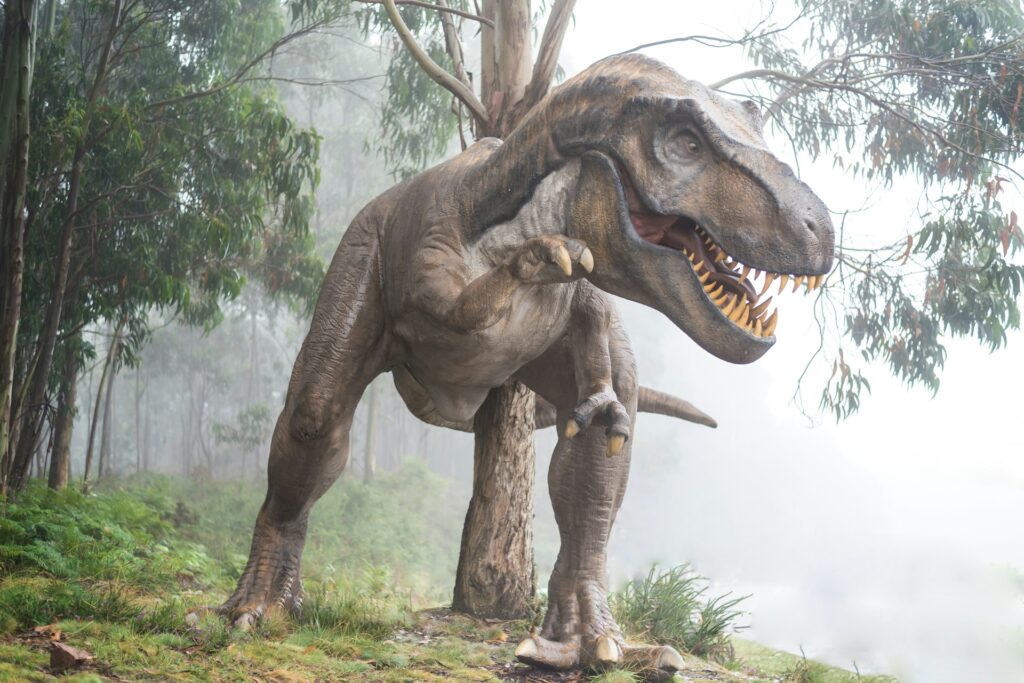
Even though scientists know oil doesn’t come from dinosaurs, the myth lingers in popular culture. Cartoons, adverts, and everyday talk still mention “dinosaur fuel,” which keeps the idea alive in people’s minds. Understanding the real story helps people separate fact from fiction. It also makes it easier to appreciate just how extraordinary it is that something so small and ancient powers so much of modern life.
What this means for the environment
Knowing oil’s true origin shows why it isn’t renewable. It took millions of years for plankton and algae remains to turn into fuel. Once we burn through those reserves, they won’t come back in our lifetimes. That’s why conversations about alternatives are so important. If oil was endless, the source wouldn’t matter, but its ancient origin highlights how limited it really is.
Why people confuse fossils and fuel
Dinosaur skeletons and fossil fuels both come from deep underground, which makes the mix-up easy. People connect the two because they imagine everything buried turns into fuel, when the truth is much more selective. Fossils preserve the shape of creatures, while fossil fuels come from organic material broken down chemically. They share the “fossil” name, but not the same formation process.
Oil’s connection to modern life
Even though it doesn’t come from dinosaurs, oil has shaped the modern world. It fuels cars, heats homes, and makes plastics. Realising its link to ancient plankton and algae makes it feel even more remarkable. Thinking of oil as the legacy of tiny sea creatures, rather than giant reptiles, helps put its value in perspective. It’s a resource born from deep time, not dinosaur leftovers.