When we think of extinction, we often picture something vanishing forever. However, in the plant world, that’s not always the case.
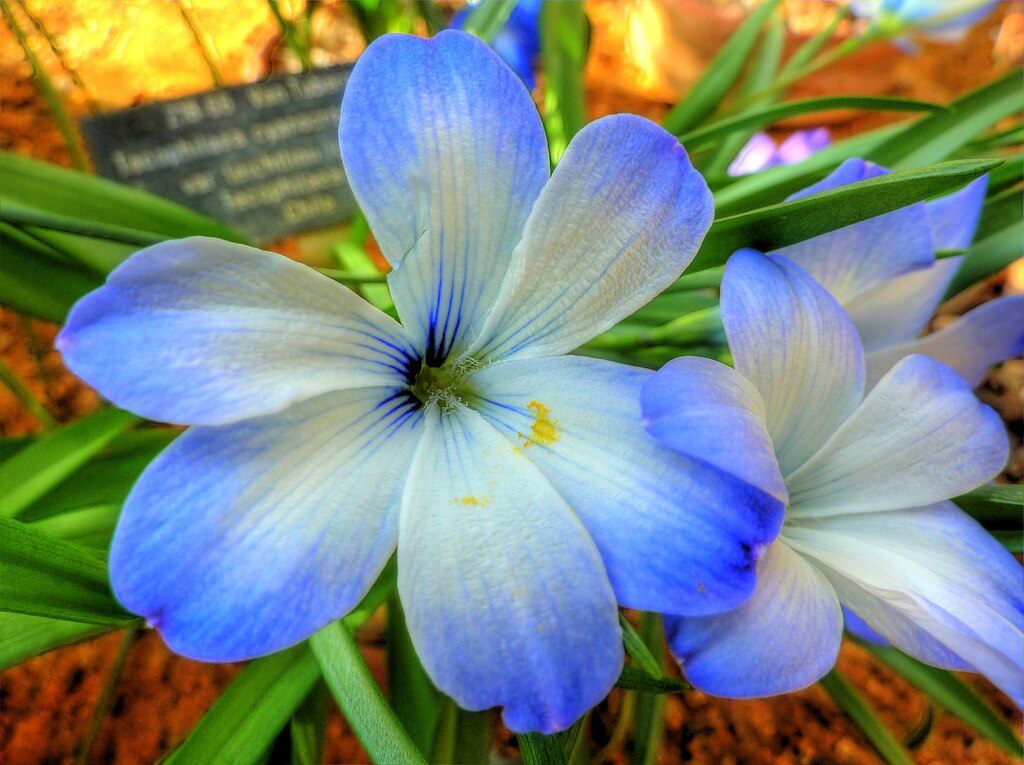
Some species have vanished from their natural habitats but still survive thanks to greenhouses, botanical gardens, and the occasional hobbyist who refused to let them die out. In the UK, our gardens and institutions have quietly become safe havens for a surprising number of these plants. Here’s a look at species that have disappeared from the wild but are still alive, thanks, in part, to British gardeners, collectors, and conservationists.
1. Chilean crocus (Tecophilaea cyanocrocus)
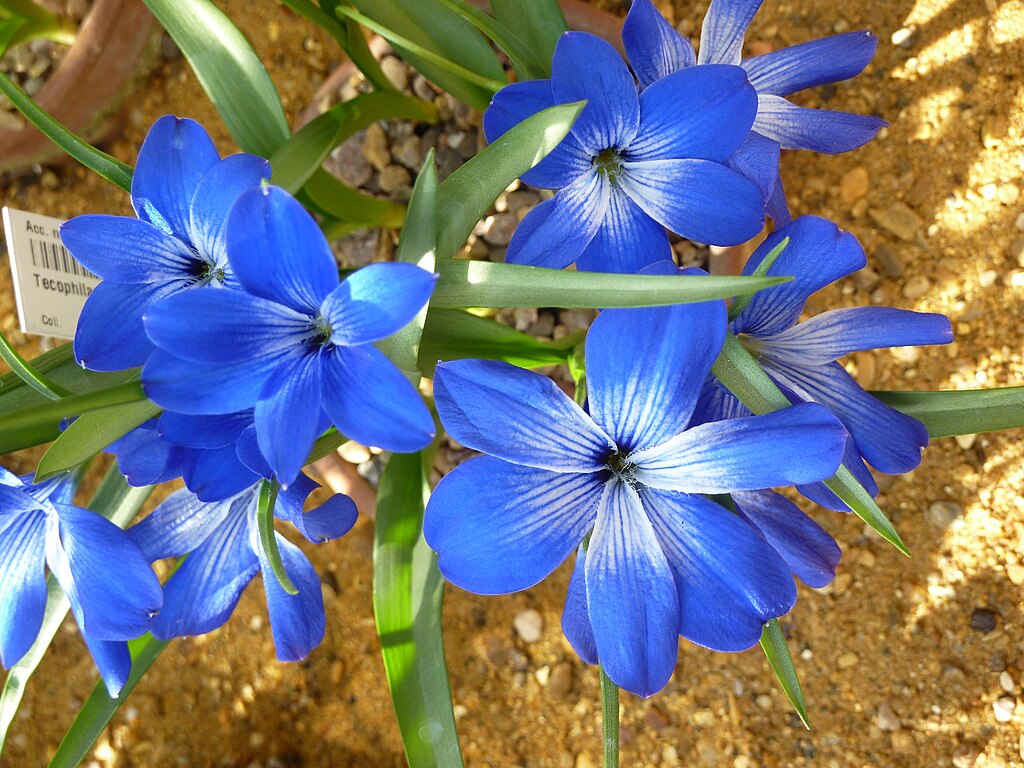
This electric blue beauty vanished from its native Chilean mountains in the 20th century but lives on in cultivation, including right here in the UK. It’s been a popular ornamental plant in British alpine collections for decades, with enthusiasts preserving it even when it disappeared from the wild.
Several UK botanical gardens now play a key role in keeping this species alive. You might spot it blooming in spring at Kew or Edinburgh Botanic Garden, which is proof that some plants can make a spectacular comeback, at least behind garden gates.
2. Toromiro tree (Sophora toromiro)
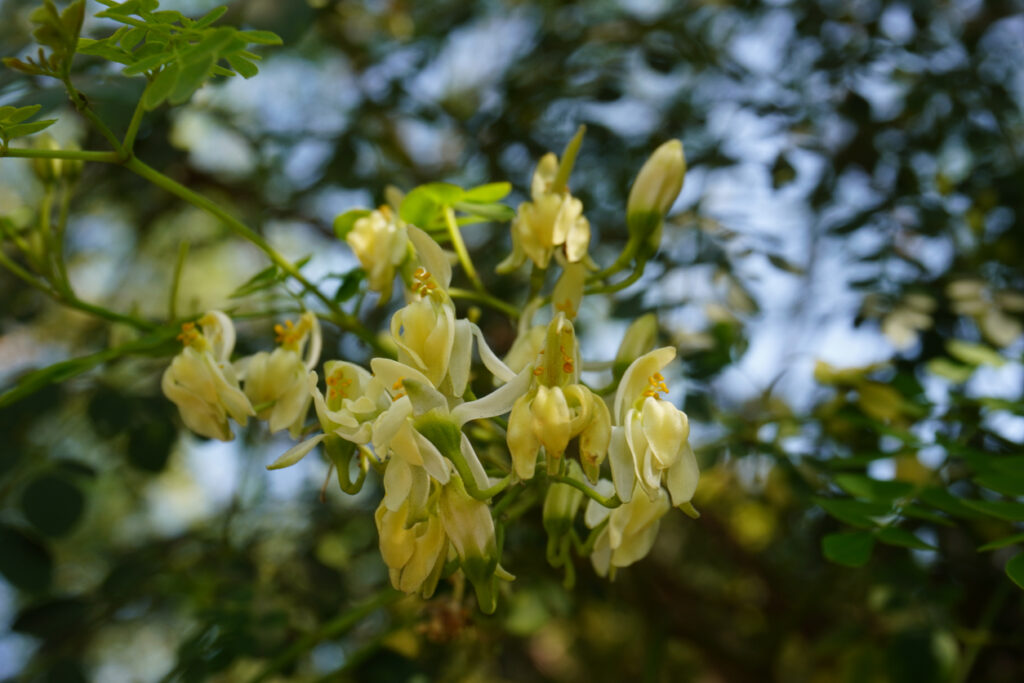
Native to Easter Island and extinct in the wild since the 20th century, this gnarly little tree has been rescued by a handful of global institutions, including Kew Gardens. The UK’s involvement in its survival has been vital, with careful cultivation from the few remaining seeds.
Though it’s no longer growing where it originally evolved, it’s now thriving in the controlled care of botanic gardens. With any luck, and the right reintroduction programmes, it might someday return to the wild. Until then, it’s one of the rarest trees you’ll never see in a forest.
3. Saint Helena boxwood (Mellissia begoniifolia)
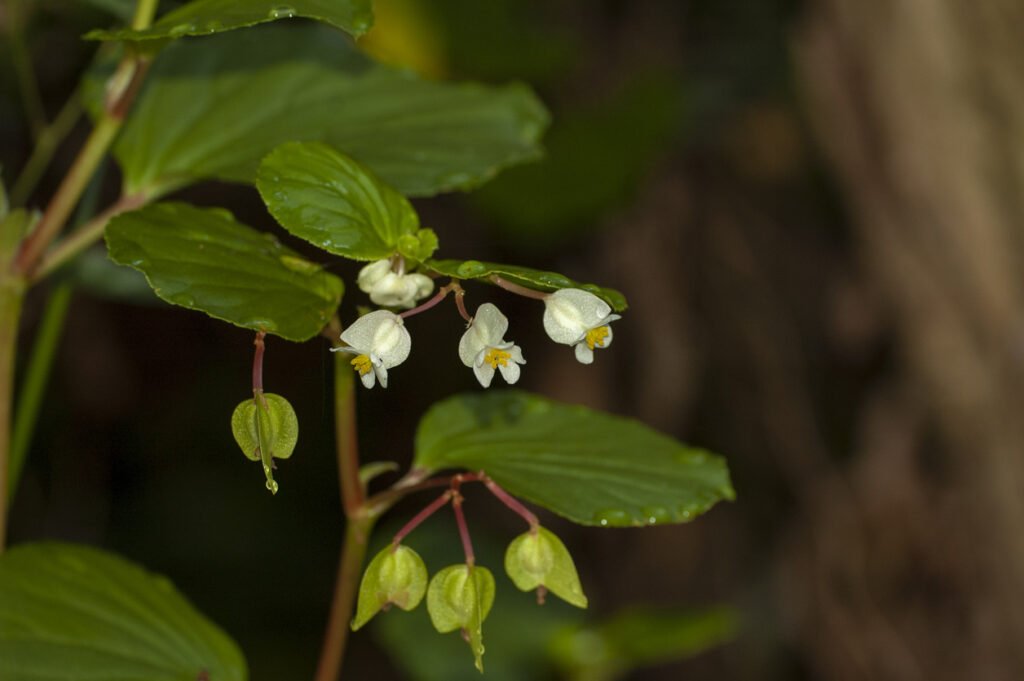
This critically endangered shrub from the island of Saint Helena was once thought to be completely extinct. But thanks to UK-led conservation efforts, including propagation at Kew, a handful of specimens have survived and been slowly reintroduced.
It’s a reminder of how global Britain’s plant rescue missions have become. The UK’s historic connection to far-flung territories has created unexpected responsibility, some of which is now being taken seriously in the world of plant preservation.
4. Plymouth pear (Pyrus cordata)
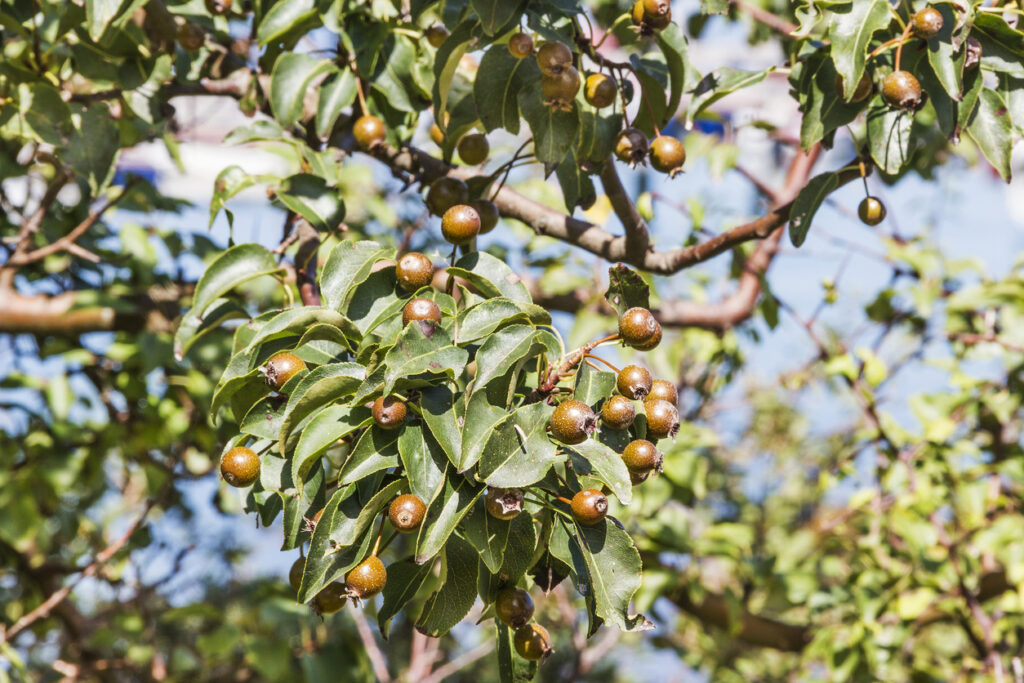
One of the UK’s rarest native trees, the Plymouth pear is now virtually extinct in the wild, with fewer than 20 known natural specimens. Thankfully, it’s been cultivated in specialist British gardens, keeping the species alive and preventing total loss.
Conservationists and local councils in Devon and Cornwall have worked with botanists to replant and protect this delicate tree, which flowers with small pink-tinged blossoms in early spring. It’s a quiet survivor, hiding in hedgerows and research collections alike.
5. Windsor groundsel (Senecio eboracensis)
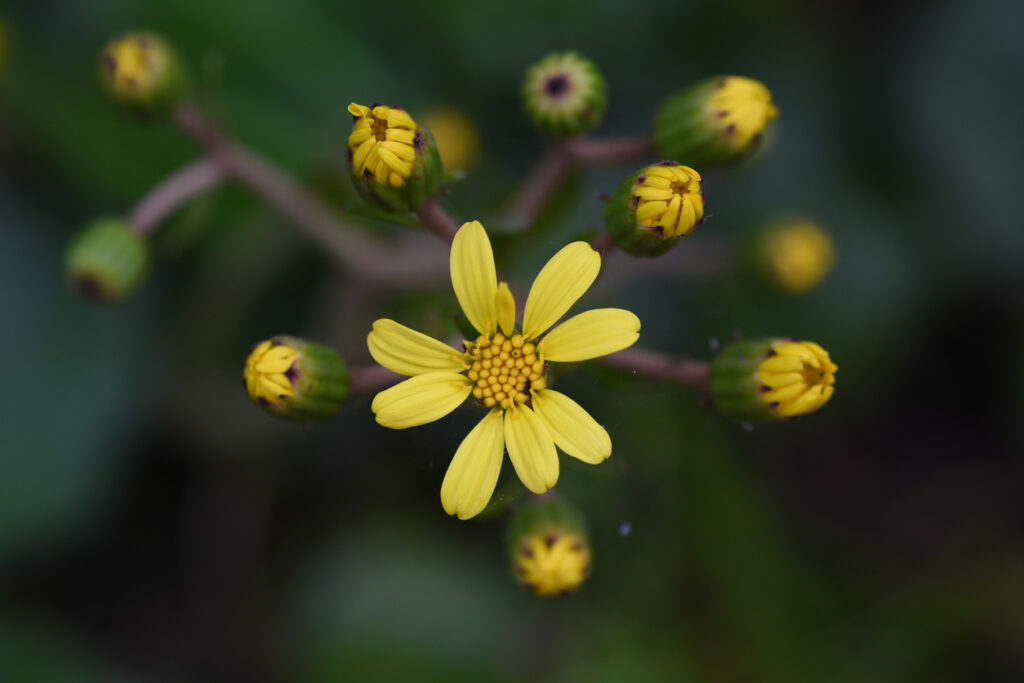
This one’s especially strange because it’s a plant that only ever existed in the UK to begin with. The York groundsel, a hybrid species, once grew along railway tracks in York before disappearing entirely from the wild. Luckily, it was preserved in seed banks and has since been re-cultivated by British researchers.
Though it’s not the flashiest flower in the bunch, it’s a great example of local conservation paying off. A modest yellow plant that came back from the brink, thanks to the dedication of people who spotted its loss before it was too late.
6. Wollemi pine (Wollemia nobilis)
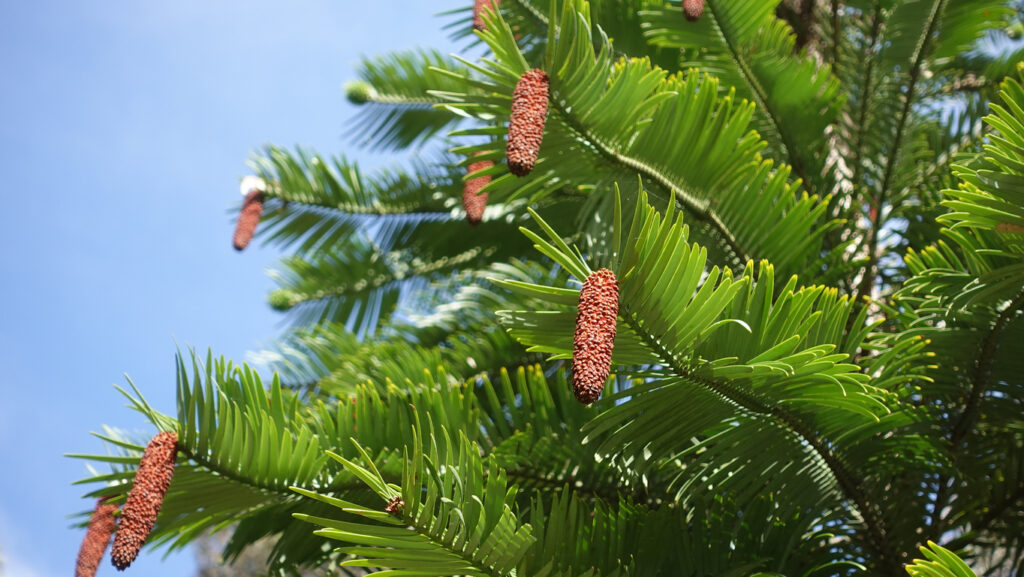
Although discovered in Australia, the Wollemi pine has been adopted enthusiastically by UK gardens and arboretums since its rediscovery in the 1990s. Technically not extinct anymore, but once thought to be for millions of years, this ancient tree is one of the rarest in the world.
You can now find Wollemi pines growing safely in places like the Eden Project and Kew Gardens. They’re survivors from the age of dinosaurs, and now, oddly enough, a staple in British living fossil collections.
7. Starved wood-sedge (Carex depauperata)
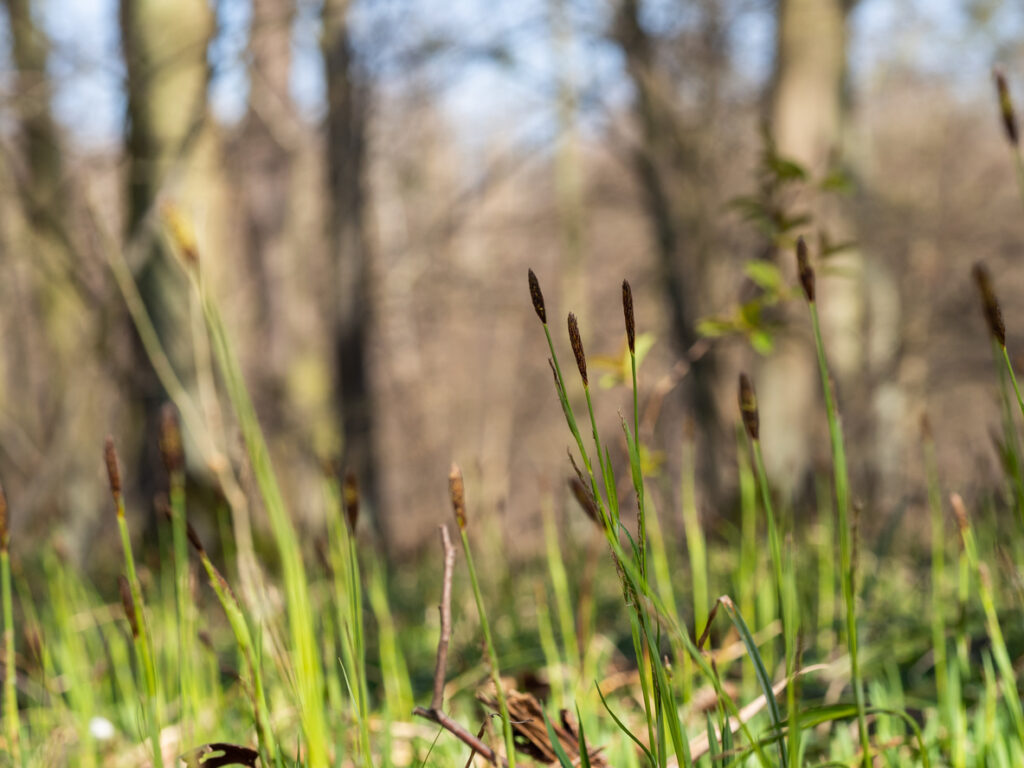
This plant disappeared from most of its UK range decades ago and was thought lost, until a few overlooked specimens were discovered. Though still teetering on the edge, it now survives mostly through cultivated reintroductions and care in specialist British gardens.
It’s not the flashiest plant, but its survival story is a powerful one, proving that even the plainest species deserve a second chance. Thanks to garden-based cultivation, it’s making a slow but steady comeback.
8. Tree dandelion (Sonchus arboreus)
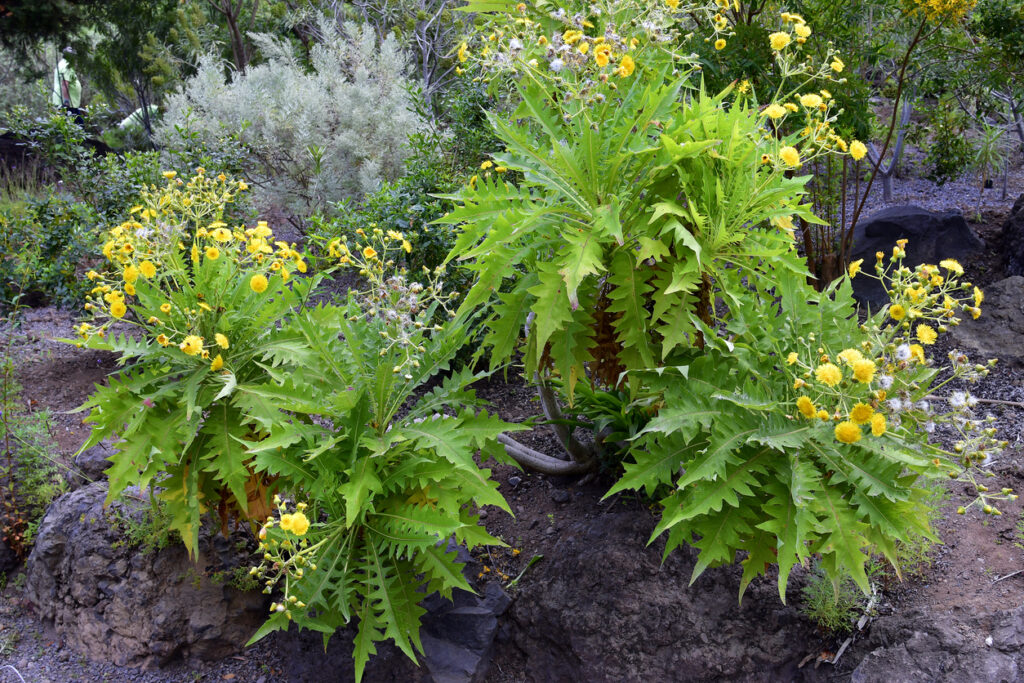
This tall plant from the Canary Islands was once on the edge of extinction in the wild, but now it’s grown in specialist gardens across Europe, including in the UK. Kew and other botanic collections have helped stabilise its numbers through careful propagation.
It looks a bit like a dandelion on stilts, hence the name, and while it’s not exactly a household plant, it’s another quiet win for conservation done by hand. Sometimes, saving a species starts with a labelled pot in a greenhouse.