In a world obsessed with fresh blooms and fast growth, it’s easy to overlook the plants that don’t peak early, but instead become more stunning as time goes on.
These are the slow burners of the garden world, the ones that age with grace, develop richer colours, and take on character as they mature. Whether it’s peeling bark, dramatic twists, or flowers that only appear after years of patience, these plants are proof that getting older can be a glow-up, not a decline. Here are some plants that only get better the longer they’re around, and absolutely deserve a permanent spot in your garden.
1. Wisteria
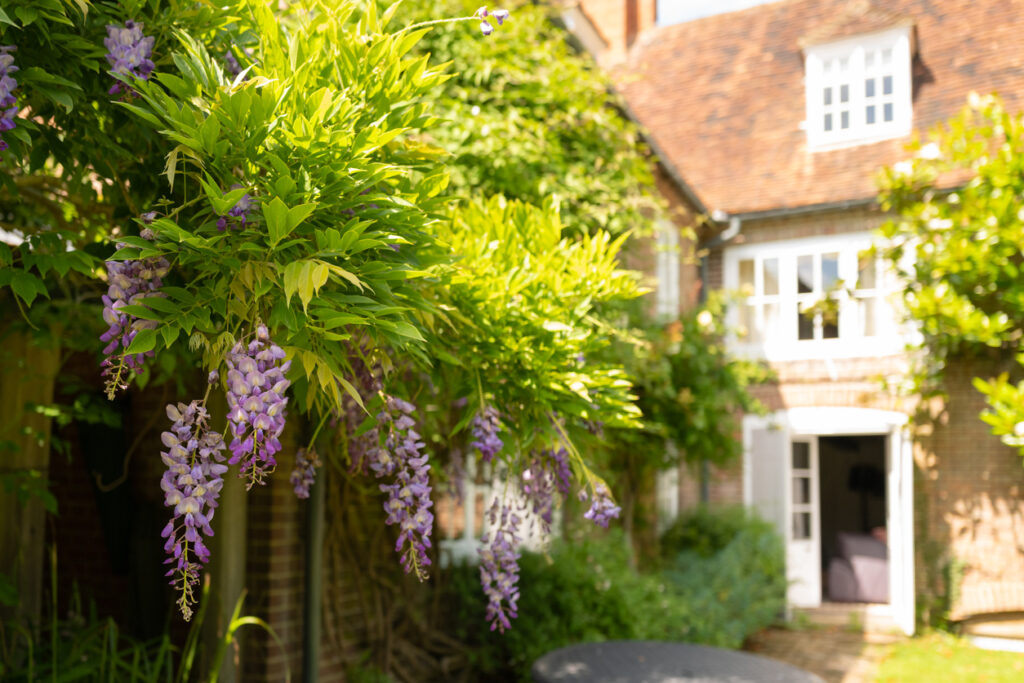
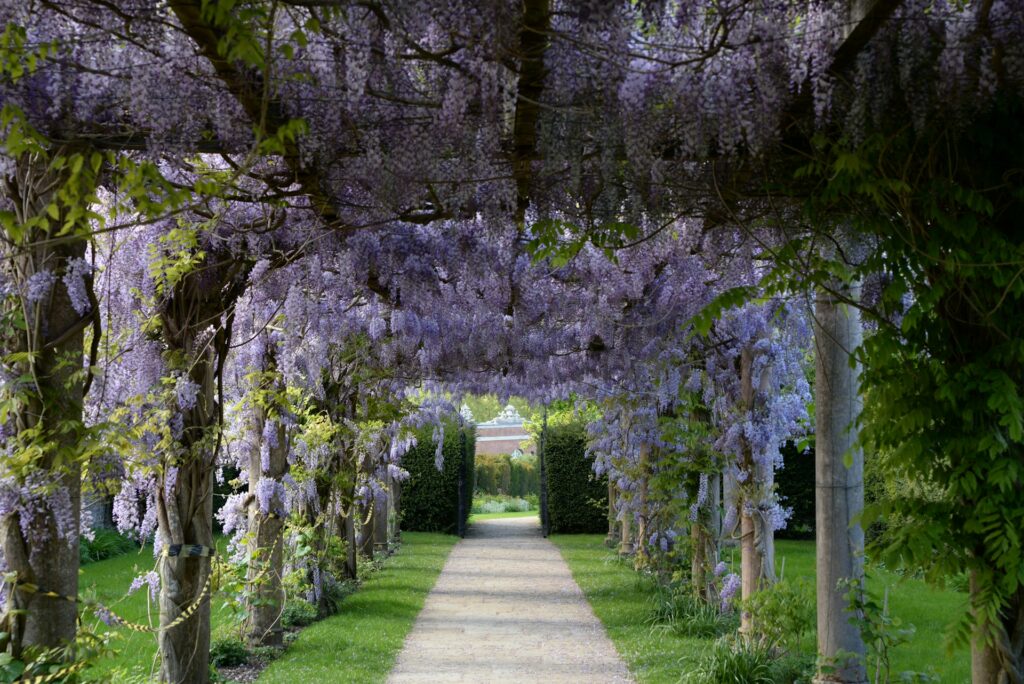
Young wisteria vines can be all leaves and very few flowers, especially in their early years, but give them time, and they’ll turn into jaw-dropping cascades of purple or white blooms every spring. Their twisting trunks and gnarled branches become more sculptural and dramatic with each passing year, especially when trained over arches or pergolas.
Wisteria thrives on structure and time. It might test your patience at first, but once it establishes itself, it becomes a showstopper. Mature plants also tend to flower more abundantly, making all that early pruning and training totally worth it.
2. Japanese maple (Acer palmatum)
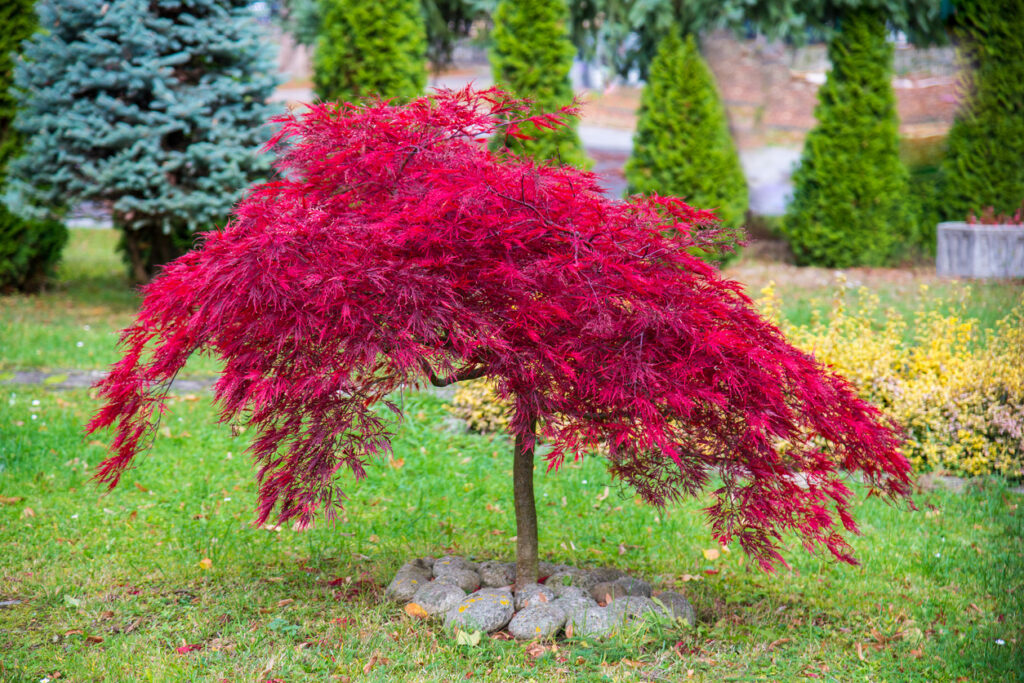
Japanese maples are beautiful from the start, but as they age, their form becomes more refined and their bark often gains rich texture or colour. Some varieties, like ‘Sango-kaku’ (coral bark maple), even develop striking winter colour on their stems as they mature.
The foliage puts on a seasonal show, but it’s the slowly evolving shape and structure that really elevate an older Japanese maple. Left undisturbed, it develops an almost bonsai-like elegance that brings year-round interest, even when it’s bare in winter.
3. Camellia
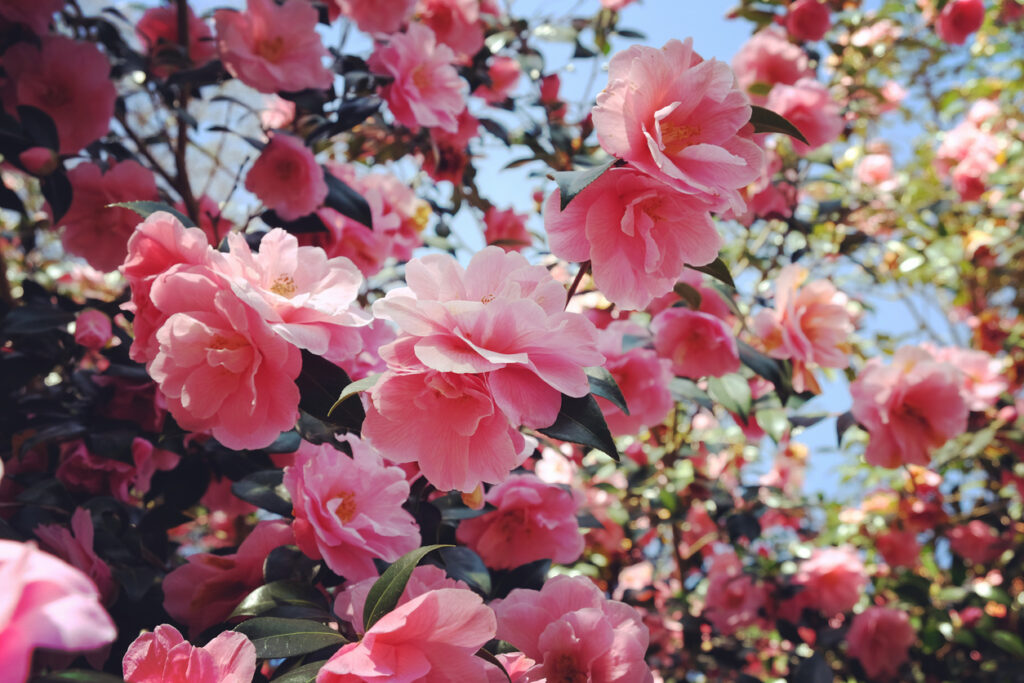
Camellias are slow growers, but patience is rewarded with glossy evergreen leaves and a heavy flush of rose-like blooms every winter or early spring. As they age, they develop a beautifully tiered structure that gives them real presence in a garden.
Unlike some flowering shrubs that get leggy with time, camellias become denser and more balanced, especially with light pruning. Older plants tend to be more floriferous too, meaning more blooms just when the rest of the garden looks sparse.
4. Tree ferns (Dicksonia antarctica)
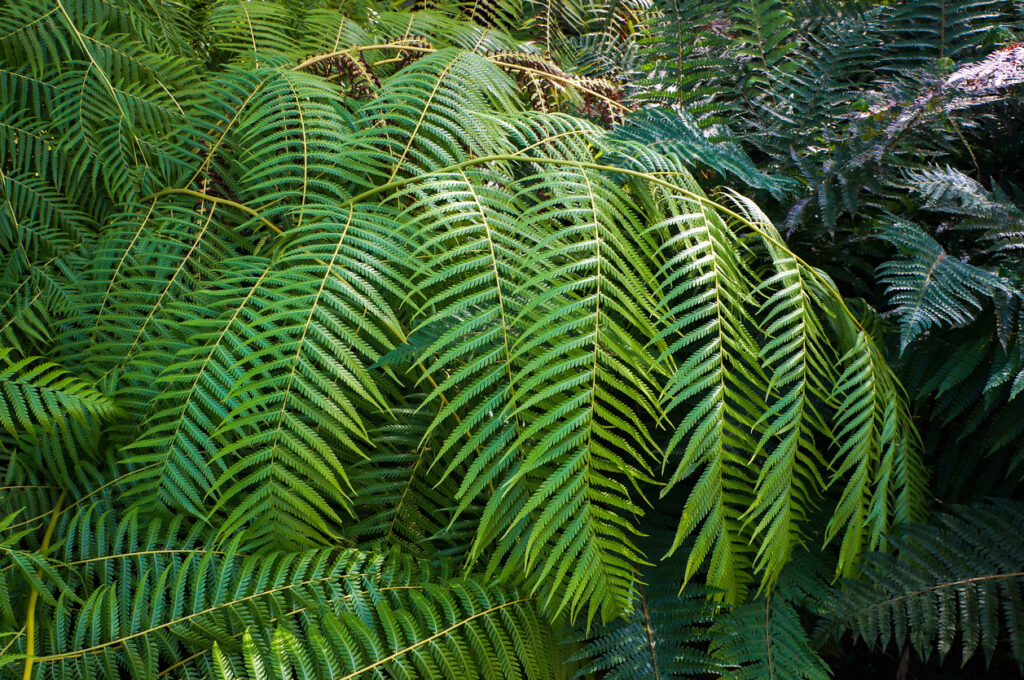
Tree ferns start small, but over the years, they grow into towering prehistoric-looking wonders. With each passing season, they gain height and their trunks become covered in old frond bases and moss, adding loads of texture and interest. They’re slow to grow but incredibly rewarding long-term. In sheltered gardens, they can eventually form a dramatic focal point, offering an ancient, jungle-like feel that’s hard to replicate with younger, fast-growing plants.
5. Clematis montana
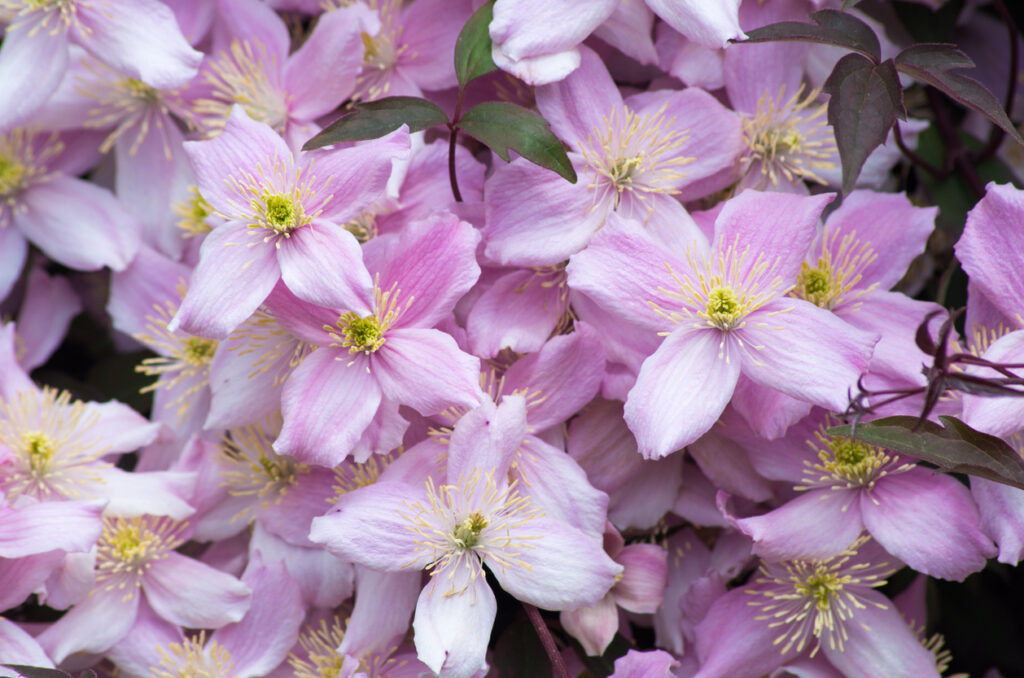
Early on, clematis montana may look like just another fast-growing climber, but as it matures, it blankets entire fences, trees, or pergolas with clouds of scented blooms. The older it gets, the more coverage and flowers it offers. The real beauty lies in its ability to become part of the structure it climbs over. Over time, its woody stems give it weight and character, and when in full bloom, it looks like an entire wall of soft colour and movement.
6. Silver birch (Betula pendula)
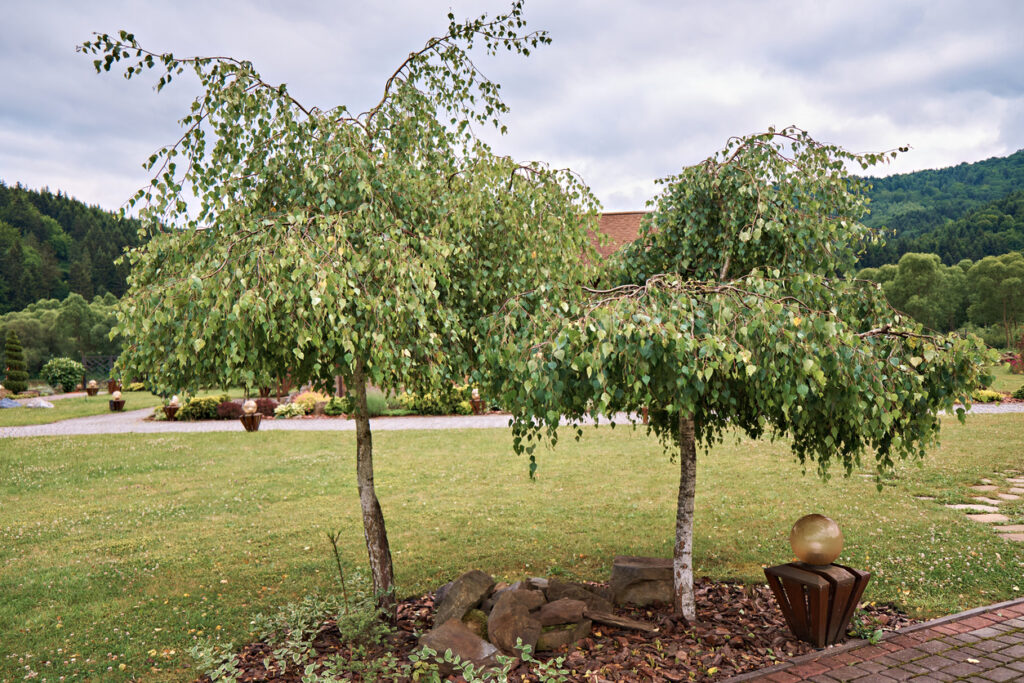
Silver birch trees age with quiet elegance. Their peeling white bark becomes more pronounced with time, contrasting beautifully with dark winter skies or summer greens. Older trees often take on a slight lean or curve, adding drama to their appearance.
Their delicate leaves and graceful movement in the wind are always pretty, but it’s the mature bark and distinctive silhouette that make them garden favourites. They bring a kind of calm, understated beauty that only improves as they grow.
7. Heuchera
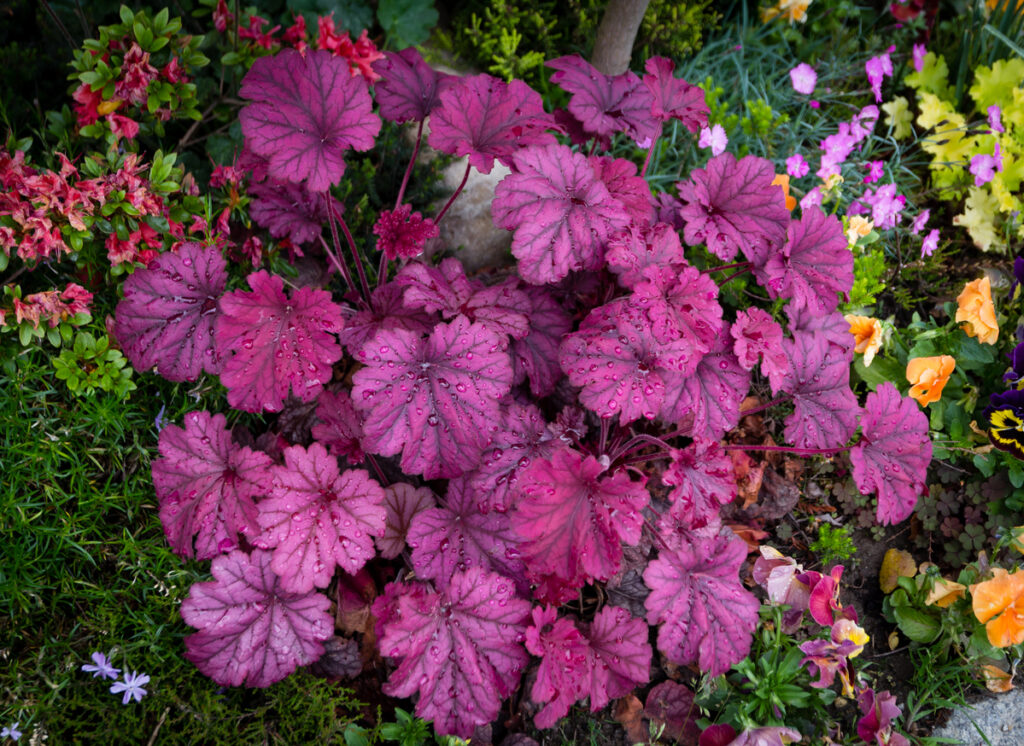
Heucheras are known for their colourful foliage, and while younger plants start off strong, it’s the older clumps that really make a statement. As they mature, they often spread out into attractive mounds with layered leaves that deepen in colour over time.
With a little care, established heucheras look lusher, more varied in tone, and send up more flower spikes year after year. They’re low effort but high reward, especially when left to develop in a part-shade border or under taller plants.
8. Hydrangea (particularly paniculata and macrophylla)
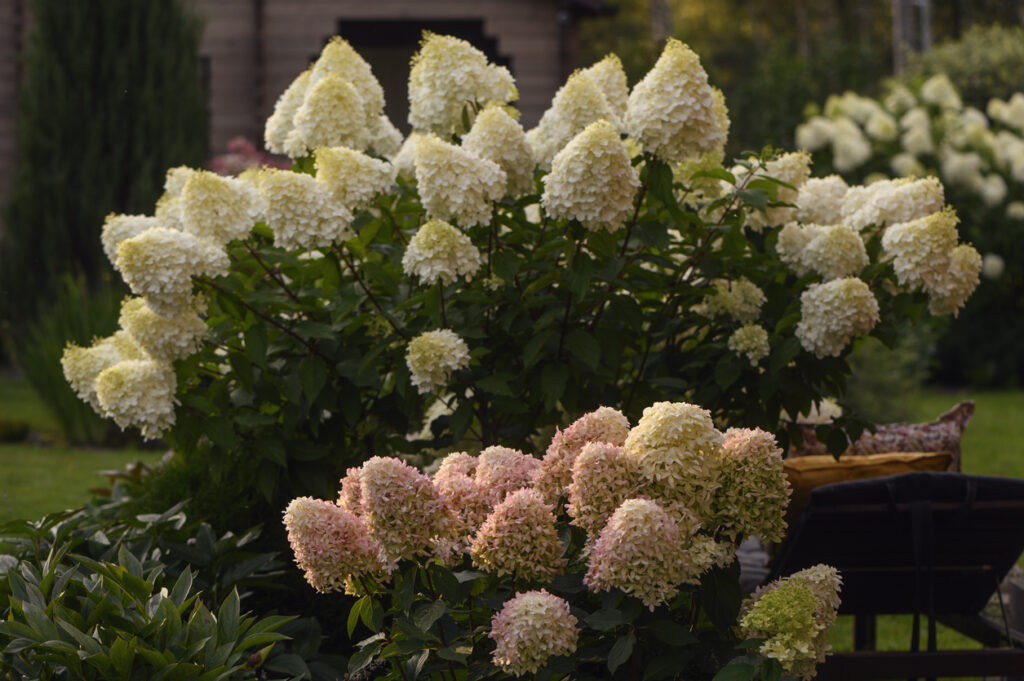
Hydrangeas become more robust and floriferous with age. Their woody stems strengthen, the plant fills out, and flower heads become larger and more reliable each season. Older shrubs also tend to produce more variation in colour and shape.
With proper pruning, an ageing hydrangea takes on a lovely layered structure that looks just as good in winter as it does in full bloom. And many varieties, like paniculata types, have flowers that change colour as they age, adding another layer of beauty to older plants.
9. Rhododendron
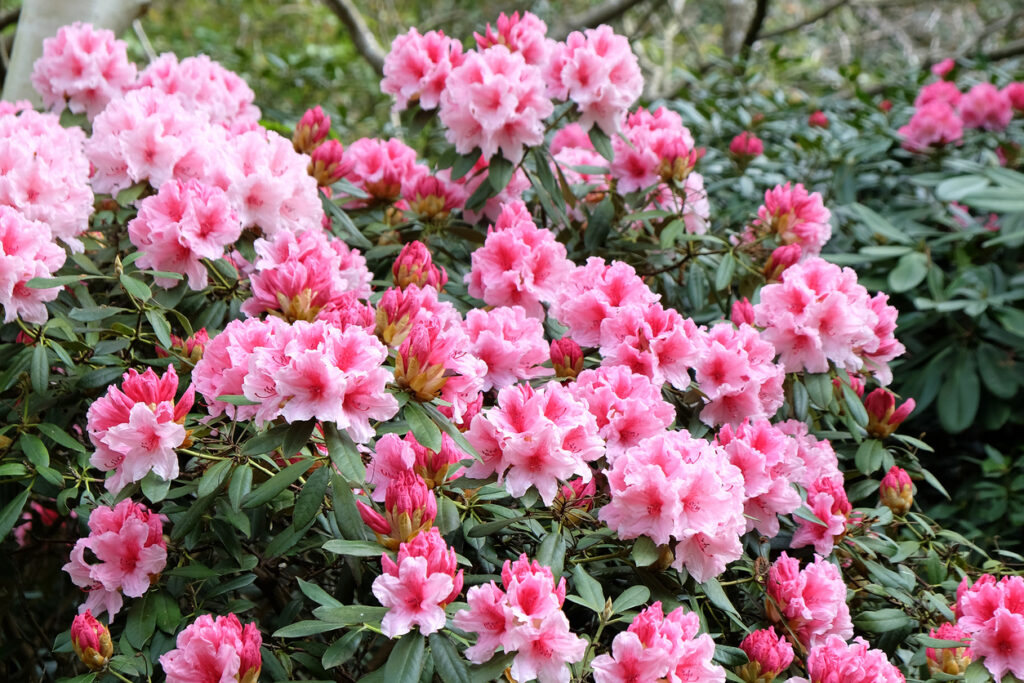
Rhododendrons take their time, but they grow into impressively sculpted shrubs with thick, glossy foliage and big, dramatic blooms. As they age, they often develop gnarled branches and a tree-like structure that makes them stand out in woodland or shaded gardens.
The bigger and older they get, the more blooms they produce—some mature rhododendrons can be absolutely covered in flowers come spring. Plus, they often need less attention as they get established, letting their structure and strength shine.
10. Box (Buxus sempervirens)
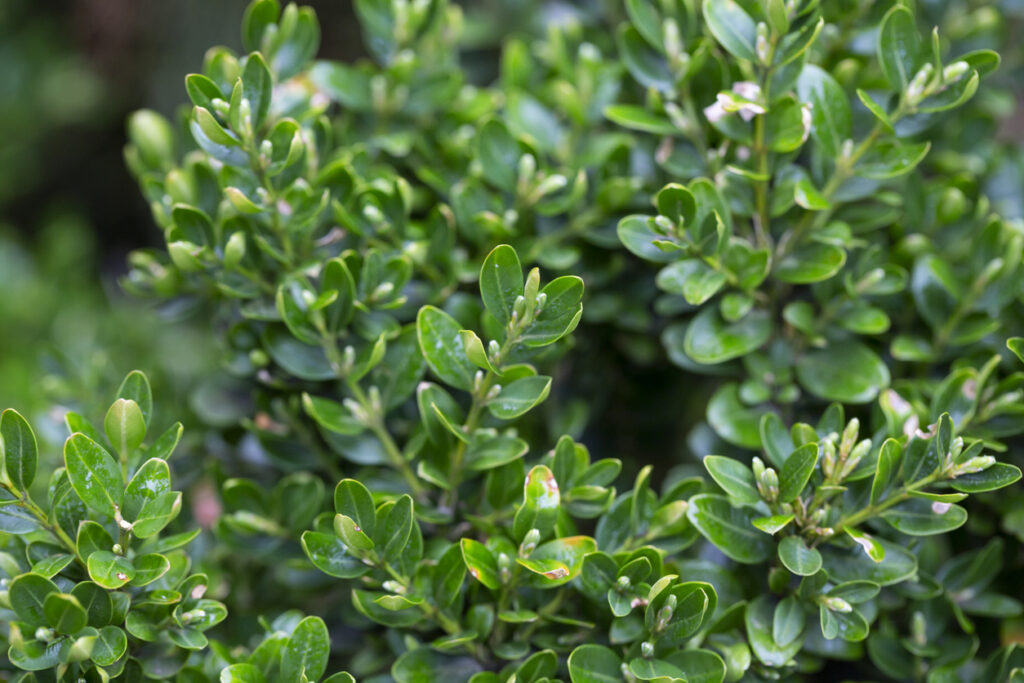
Boxwood might seem like a humble hedging plant, but it’s actually one of the most striking plants when allowed to age naturally, or shaped into topiary. With time, box takes on dense, compact growth that holds sculpted forms beautifully. Older box plants can also develop charming character when slightly weathered or left to grow into soft, rounded shapes. Whether clipped or free-form, the maturity of a well-aged boxwood adds texture, elegance, and structure to any garden.
11. Peonies
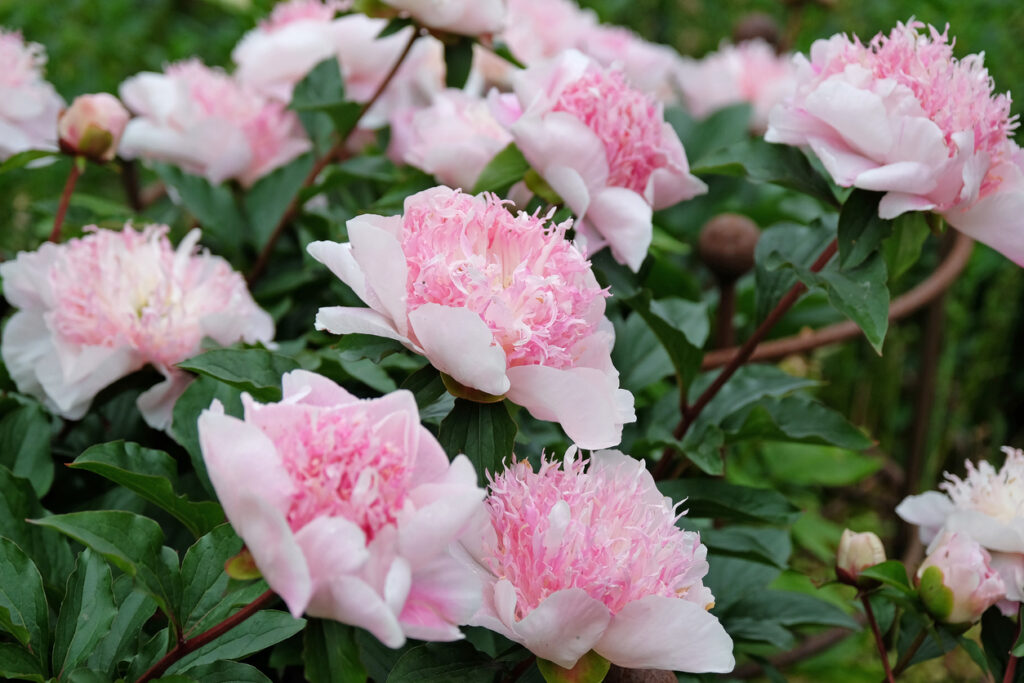
Peonies are a lesson in patience. They often don’t flower in their first year or two, but once they’re established, they can bloom spectacularly for decades. The plants become stronger, with more flower stems and bolder foliage as they mature. The reward? Huge, showy blooms that return reliably each spring. Some peony varieties are known to thrive and flower beautifully for 50 years or more, getting better with time if left undisturbed in a sunny spot.
12. Apple trees

Apple trees improve not just in beauty, but in usefulness as they mature. Older trees often have gnarly trunks, arching branches, and a kind of rustic charm that younger ones just don’t have yet. They become living sculptures with seasonal colour.
Their productivity also increases over time. A well-pruned mature apple tree not only offers more fruit but becomes a feature in the garden—casting dappled shade, inviting birds, and marking the seasons with blossom, fruit, and falling leaves.
13. Hellebores
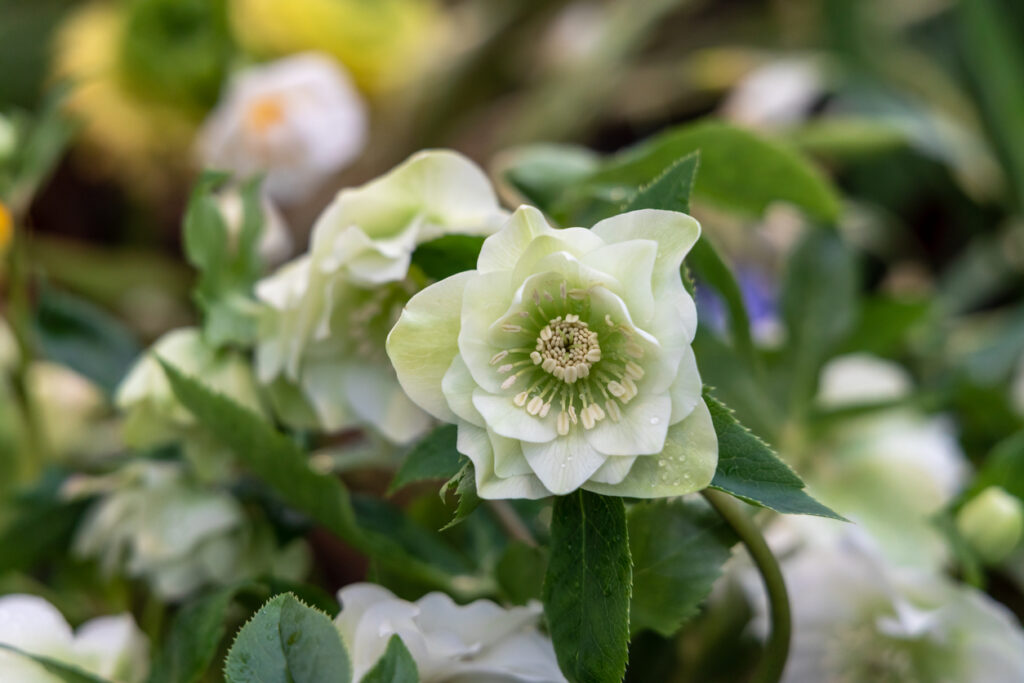
Hellebores quietly expand into robust clumps that bloom through winter and early spring, just when you need colour most. Young plants can be a bit sparse, but mature ones fill out and throw up more and more nodding flowers every year. They’re a slow burn, but once established, they become reliable performers in shade, with dark foliage and a long bloom time. Many varieties also self-seed subtly, leading to new plants that add richness and natural layers to older patches.