Creating a Zen garden isn’t just about how it looks—it’s about how it feels.
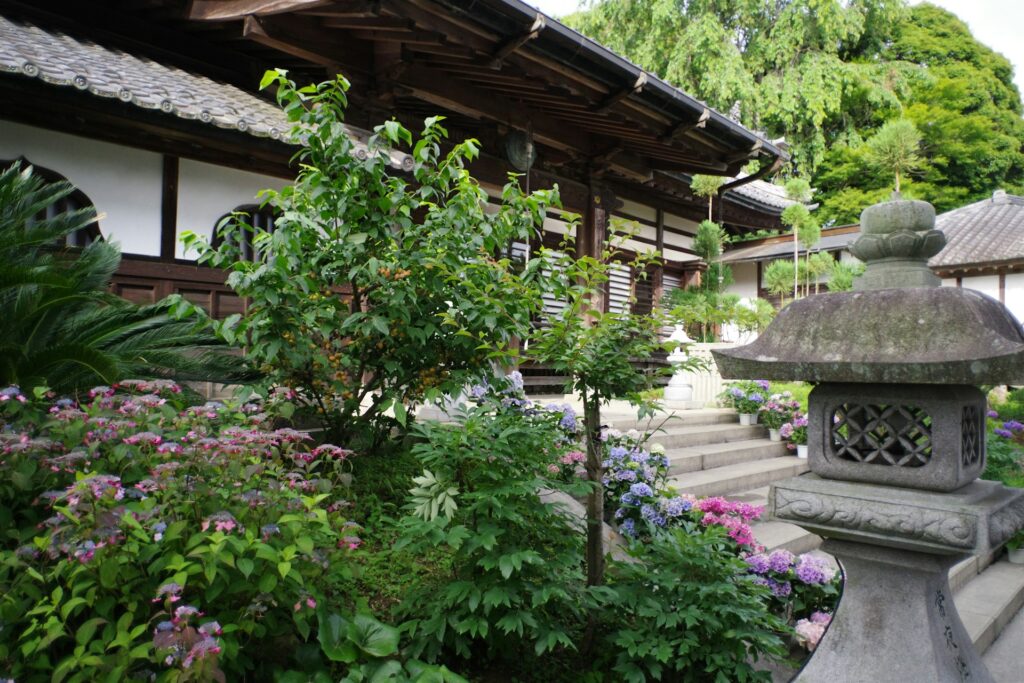
These spaces are designed to invite peace, stillness, and simplicity into your outdoor life, offering a quiet counterbalance to the noise and clutter of modern living. Whether you’ve got a big garden or just a small corner to work with, a few mindful choices can transform it into a place that calms your mind and helps you breathe a little easier. These relaxing Zen garden ideas will inspire your space.
1. Rakeable gravel or sand
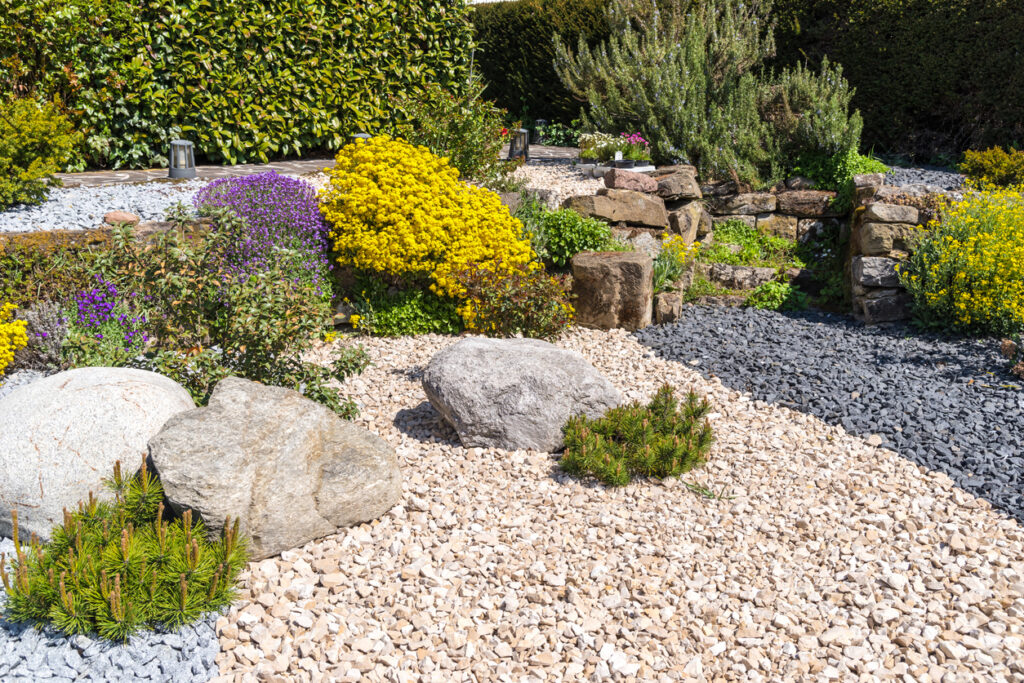
One of the most iconic elements of a Zen garden is the raked gravel or sand. It represents water and can be shaped into ripples and patterns that mimic waves or flowing streams. The act of raking it into patterns isn’t just for looks—it can be genuinely meditative and grounding.
Choose a light-coloured gravel or fine sand and create a contained area using timber, stone, or metal edging. Even a small patch can become a focal point, especially if you change the patterns depending on your mood or the seasons. It’s low-maintenance, too—no watering required.
2. Moss for softness and age
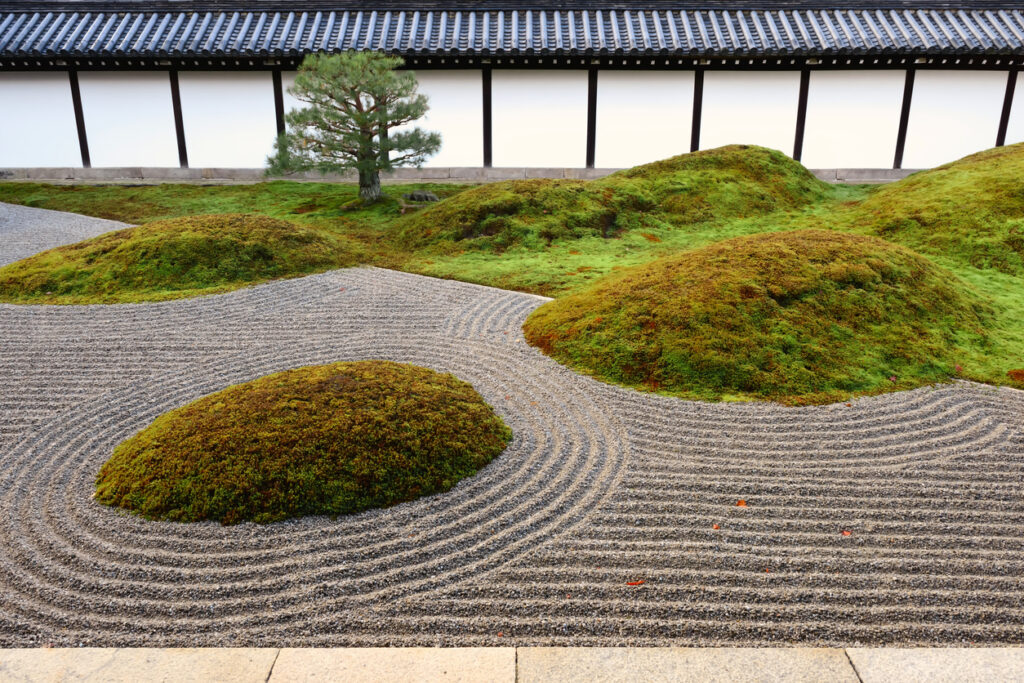
Moss adds an ancient, lived-in feel to a Zen garden and creates a soft green carpet that contrasts beautifully with stone or wood. It thrives in damp, shady areas, making it perfect for north-facing gardens or corners that struggle with grass. It also doesn’t need mowing or fussing, and its velvety texture instantly slows the space down. You can grow moss on soil, rocks, or even logs. Let it spread naturally and enjoy the peaceful, undemanding beauty it brings to the garden floor.
3. Simple stone arrangements
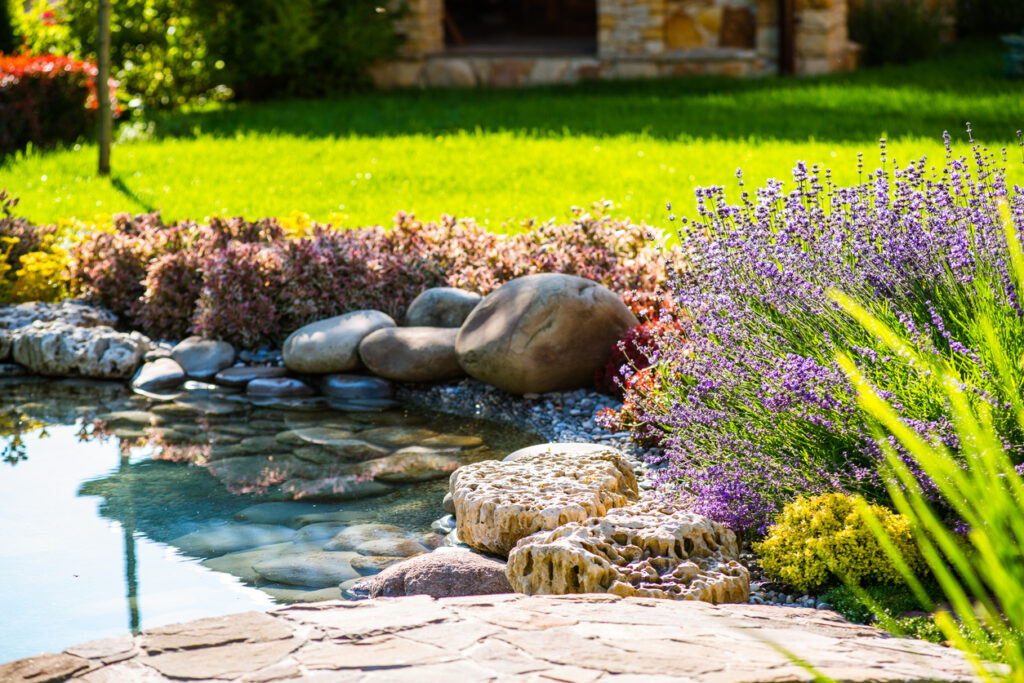
In Zen design, rocks aren’t just decoration. They symbolise strength, stability, and stillness. A few well-placed stones can be more powerful than a whole border of plants. The trick is to place them intentionally, leaving space around them rather than crowding them in.
Use a mix of sizes for contrast, and don’t be afraid to go asymmetrical. An odd number of stones often looks more natural and balanced. As time goes on, weather and lichen will give them even more character, making them feel like they’ve always belonged there.
4. Bamboo accents
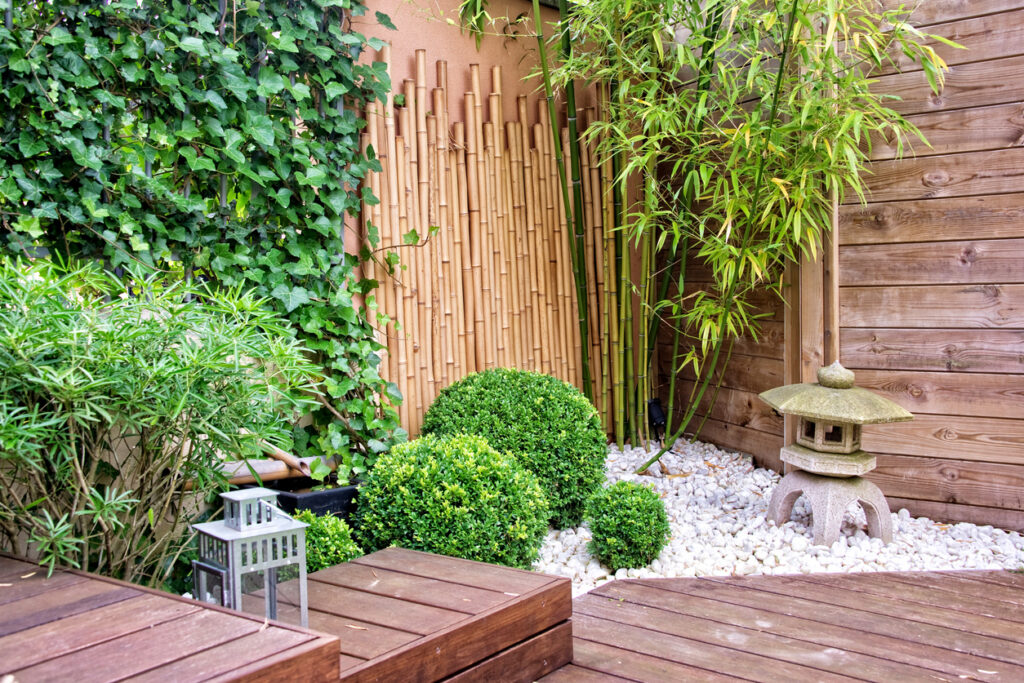
Bamboo brings a gentle movement and soft rustling sound to a Zen garden, as well as clean, upright lines that create a sense of structure. You can plant it as a screen, use it in water features, or add it in the form of fencing and trellises. If you’re planting it, choose clumping rather than spreading types to avoid it taking over. Even a few bamboo canes in a large vase or planter can bring the look and feel of a Zen retreat, without needing much upkeep.
5. Water features for sound and stillness
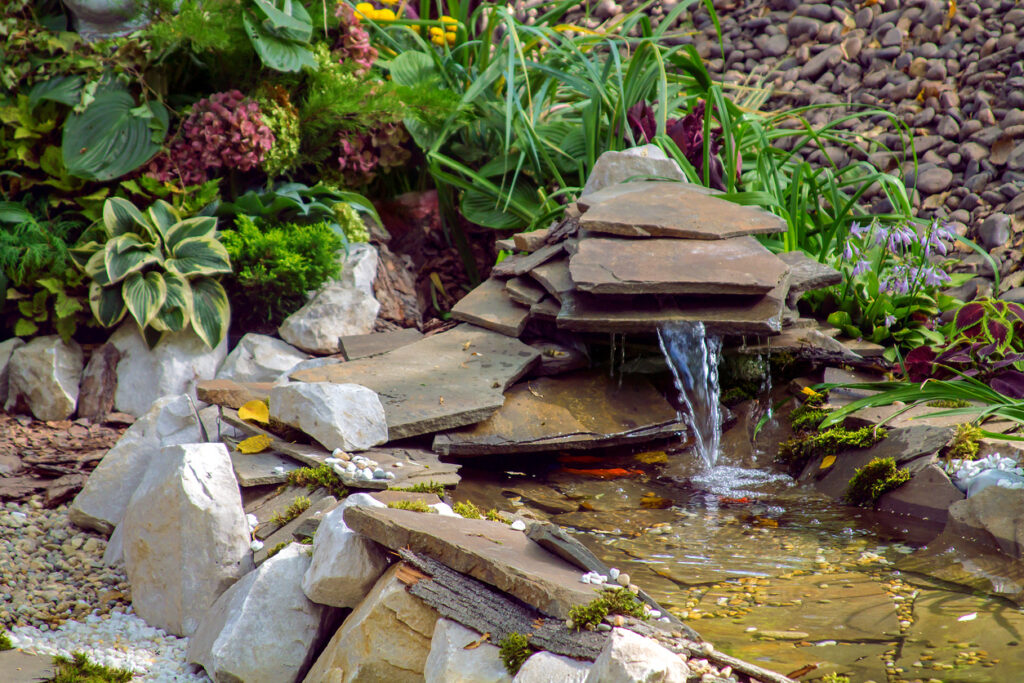
Water is a core element in Zen design, representing calm and reflection. A trickling fountain, a still pond, or even a simple bowl of water can add a sense of quiet rhythm to your space. The sound of flowing water drowns out distractions and invites deeper presence.
You don’t need a big setup—a small tabletop fountain or a bubbling pot feature works just as well. Place it somewhere you can sit nearby and let the sound become part of your wind-down routine. It turns your garden into a sensory space, not just a visual one.
6. A stepping stone path
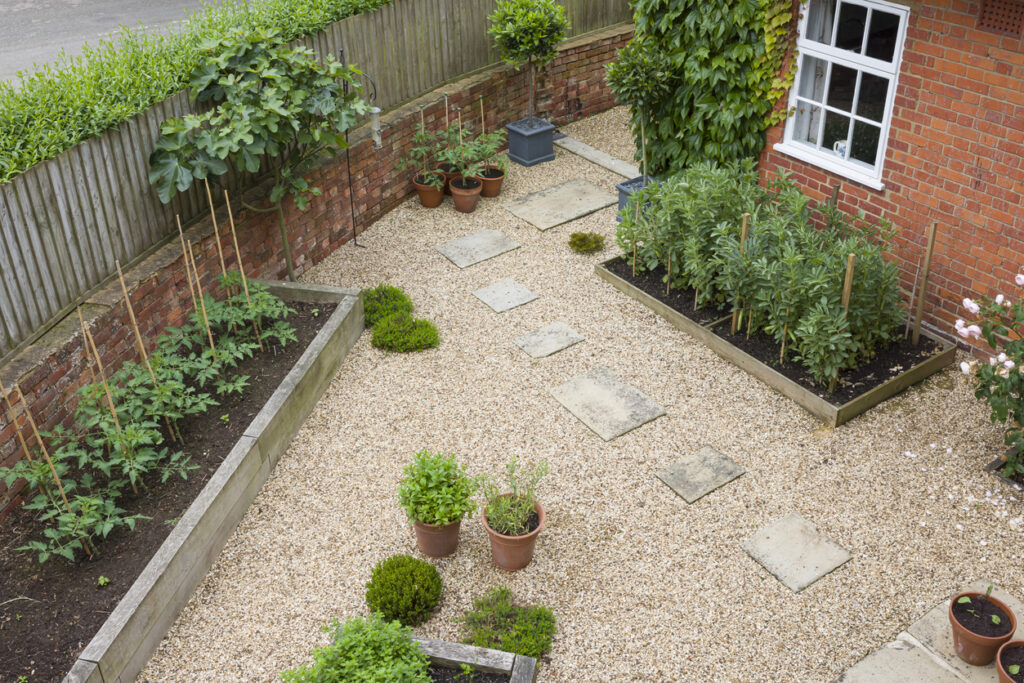
Paths are more than just ways to get around—they can guide the flow of movement and thought. A simple stepping stone path made of flat rocks or slabs encourages you to slow down and walk mindfully through the garden.
Space the stones out slightly to encourage a slower pace, and use gravel or moss between them for softness. The irregularity of natural stone helps keep things feeling organic and uncluttered, which is exactly the tone you want in a peaceful outdoor space.
7. Minimalist planting
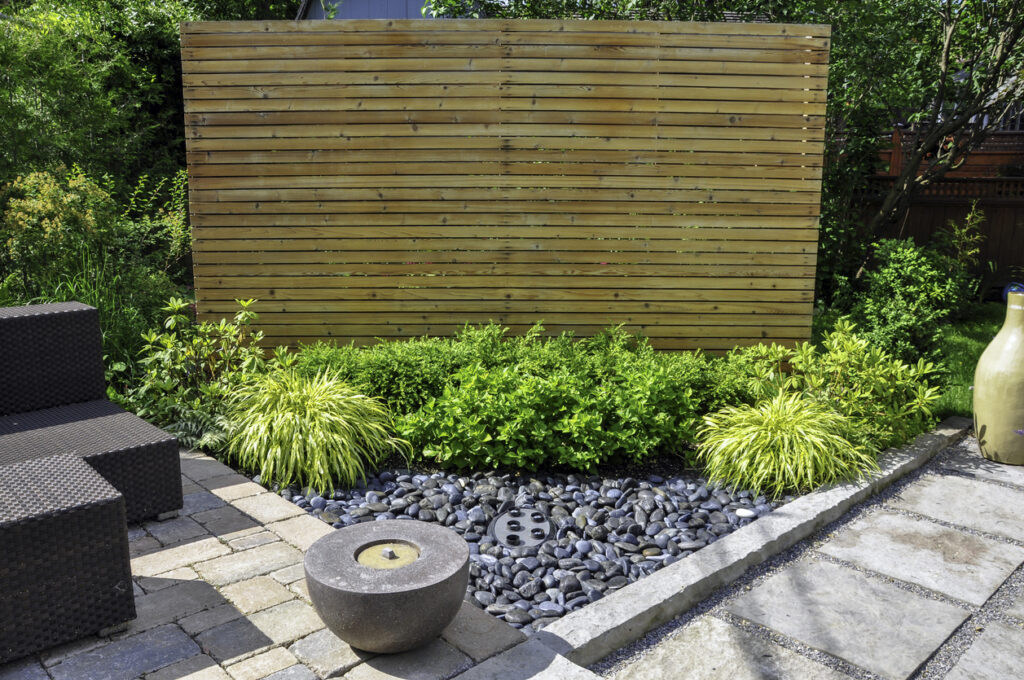
In a Zen garden, less is more. Instead of cramming borders with colour, choose a few plants with clean shapes and calming textures. Think ornamental grasses, ferns, dwarf conifers, or Japanese forest grass—plants that sway gently and hold their shape well.
Stick to greens and soft neutrals, and avoid heavy floral displays. This keeps the garden feeling restful instead of busy. You can always add a focal plant like a small acer or clipped pine for structure and seasonal interest without disrupting the calm.
8. A seating spot for reflection

Even the most peaceful garden needs somewhere to sit and enjoy it. A simple wooden bench, a smooth boulder, or a single weathered chair tucked into a corner can give you space to rest and take it all in without distraction. Keep the seating low and unobtrusive, and ideally facing something soothing—like a water feature, stone arrangement, or view of the sky. Let it be a place that invites pause, not just rest. Somewhere you can just be, without needing to do anything else.
9. Lanterns or soft lighting
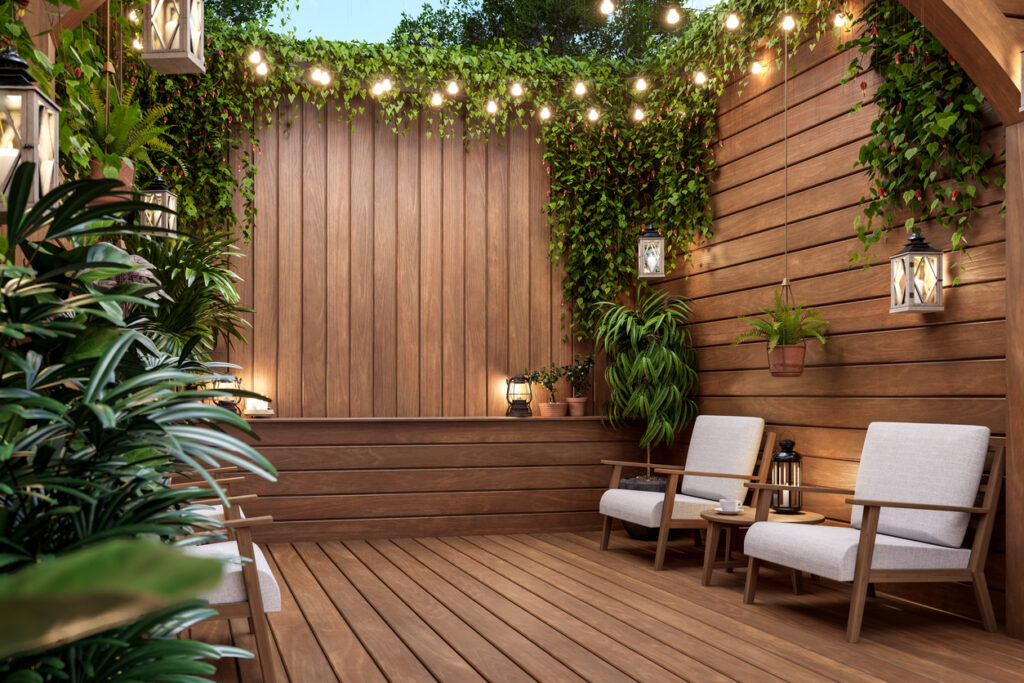
Zen gardens often come to life in the evening, when the shadows lengthen and the stillness deepens. A few well-placed lanterns, low lights, or even solar-powered candles can give your space a subtle glow without overpowering it. Stick with warm-toned lighting and keep it gentle. You’re aiming for ambience, not floodlighting. Lighting the edges of a path or spotlighting a tree or stone can help you enjoy your garden after dark and make the space feel safe and serene.
10. A single sculptural element
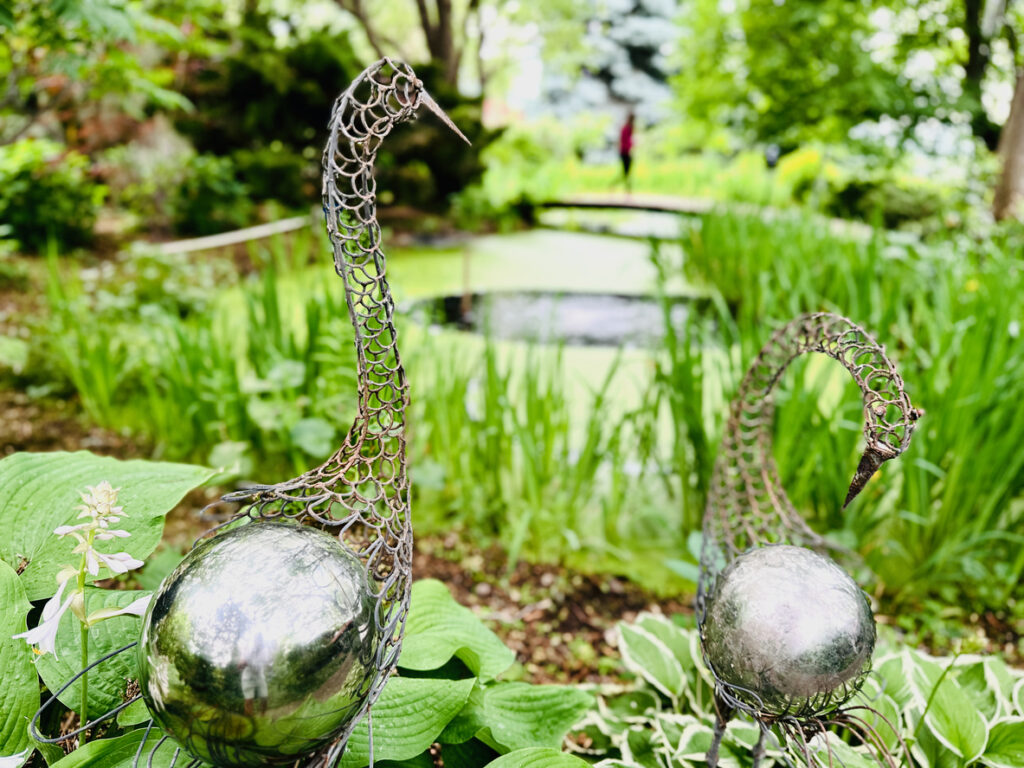
Instead of lots of decor, Zen gardens often use one striking feature to draw the eye and ground the space. It could be a stone lantern, a Buddha statue, a weathered bowl, or a twisted piece of driftwood—something simple that brings character without clutter.
Let it stand alone with space around it so it can be appreciated fully. It doesn’t need to be expensive or dramatic—just meaningful or beautiful to you. In a peaceful garden, even one object can become a quiet anchor that helps everything else fall into place.