The minute a strange light appears in the sky, people start speculating about UFOs.
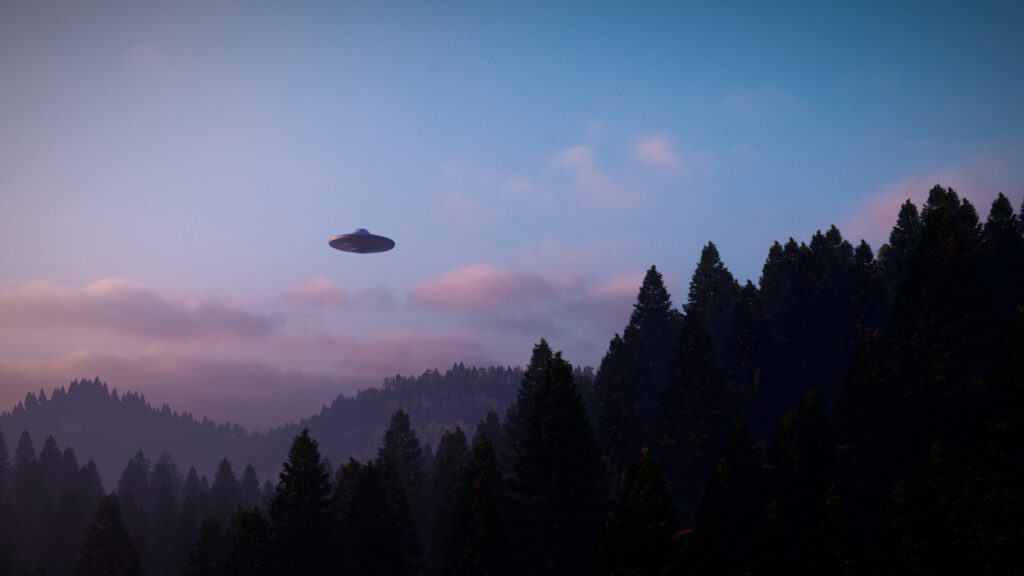
However, for all the fun in conspiracy theories about little green men landing on Earth, there are usually far simpler explanations for these sightings. Here are the everyday objects people often mistake for something mysterious and otherworldly.
Bright planets
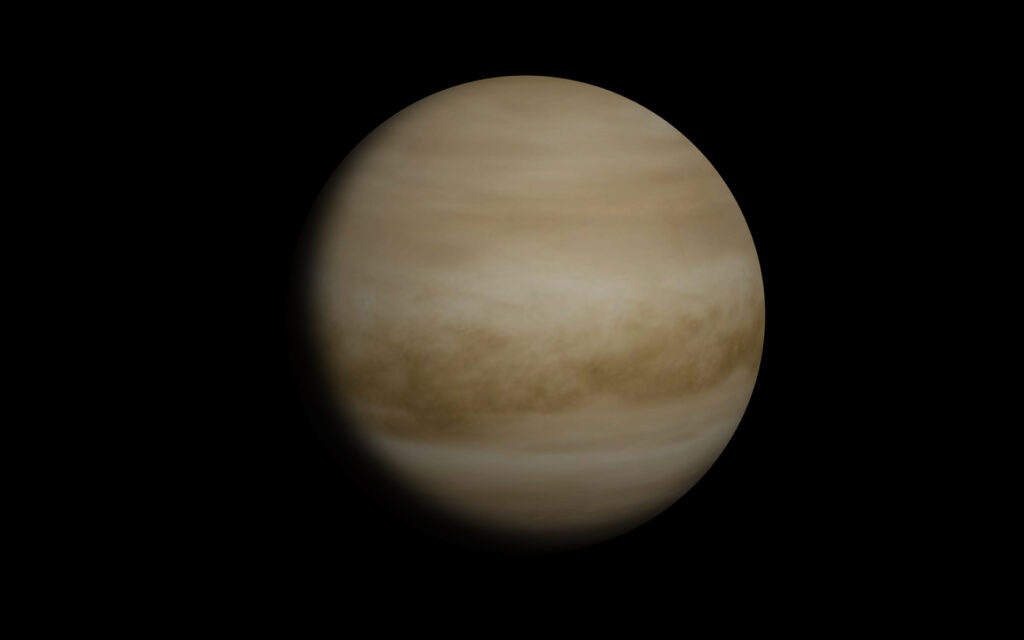
Venus, Jupiter, and sometimes Mars can shine brighter than most stars. When they’re low on the horizon, they often appear larger or flicker oddly, which makes them look like moving lights to the naked eye.
Remember, planets don’t twinkle the way stars do. Once you know where to spot them, you’ll see that what looked like a UFO is usually just a bright planet putting on a show.
Satellites
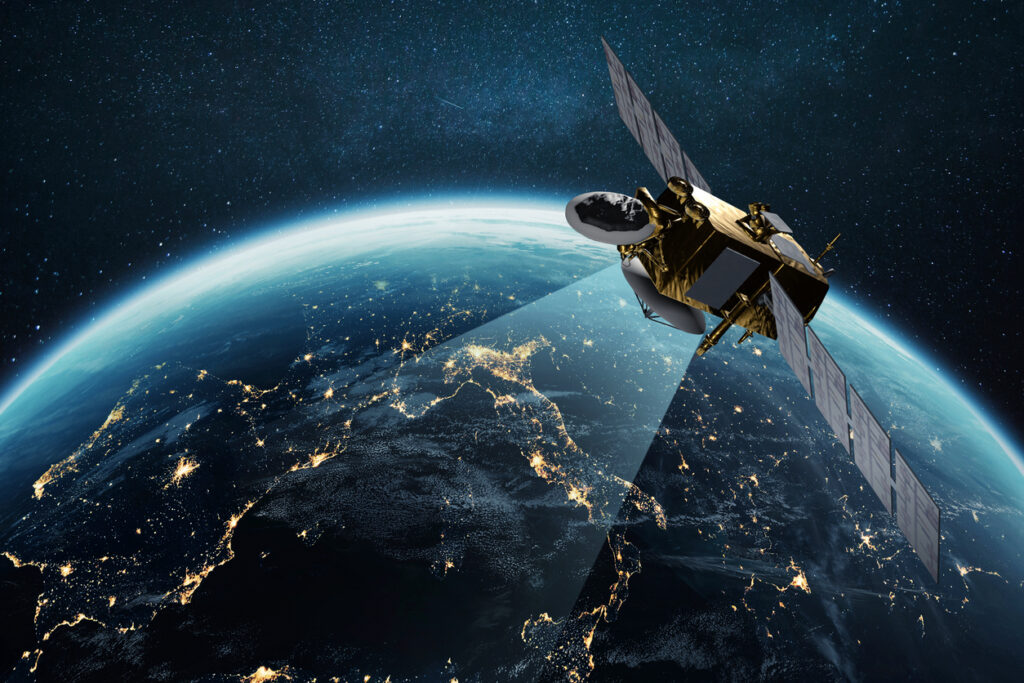
Satellites move steadily across the sky without flashing or noise. They can look like glowing dots drifting silently, which often catches people off guard, especially when seen for the first time.
Most follow predictable paths. Apps and websites can even show you when they’ll appear overhead, which helps you recognise them quickly instead of mistaking them for strange flying objects.
The International Space Station
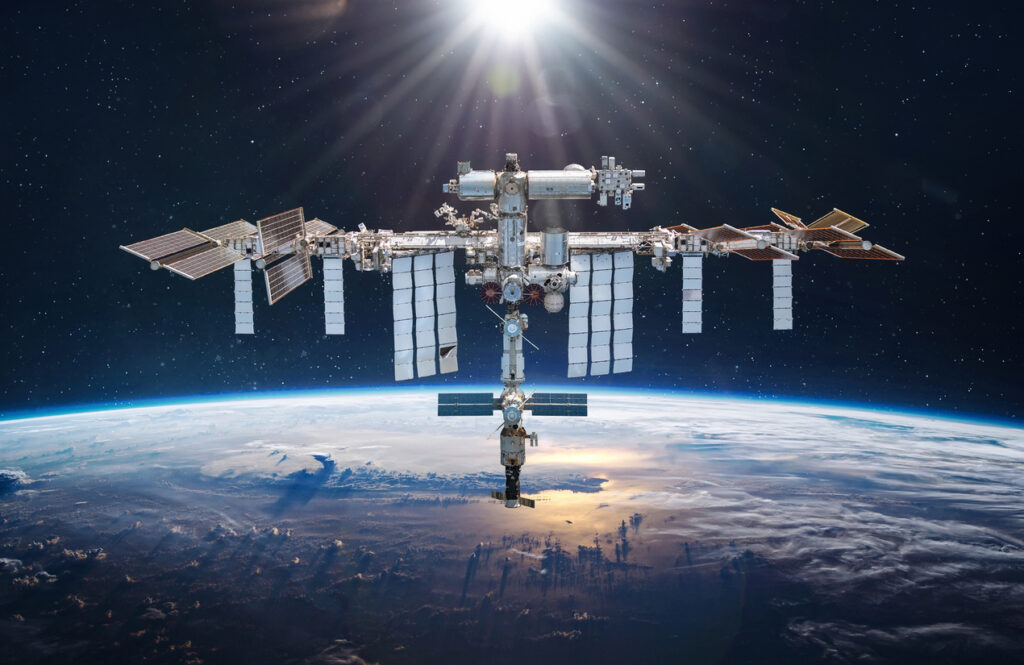
The ISS is one of the brightest moving objects in the night sky. It glides smoothly overhead, appearing like a fast, bright star crossing the heavens in just a few minutes.
Because it’s visible with the naked eye, many first-time watchers think it’s a UFO. Checking ISS pass times online quickly clears up the mystery and adds excitement to spotting it again.
Aircraft lights

At night, plane lights can look unusual from the ground. Depending on distance, the flashing strobes or landing beams may seem like strange glowing orbs, especially if you can’t hear the engines.
Flight patterns near airports make sightings more common. Remember, planes usually move in straight lines and often flash rhythmically, which is a clear giveaway compared to anything truly unexplained.
Drones

Recreational drones are becoming more common, often with bright LED lights. At night, they hover silently or dart around quickly, creating shapes and movements that many mistake for controlled alien craft.
If you see something moving erratically close to the ground, it’s likely a drone. Their buzzing noise and relatively small size are giveaways, though spotting that in the dark isn’t always easy.
Weather balloons
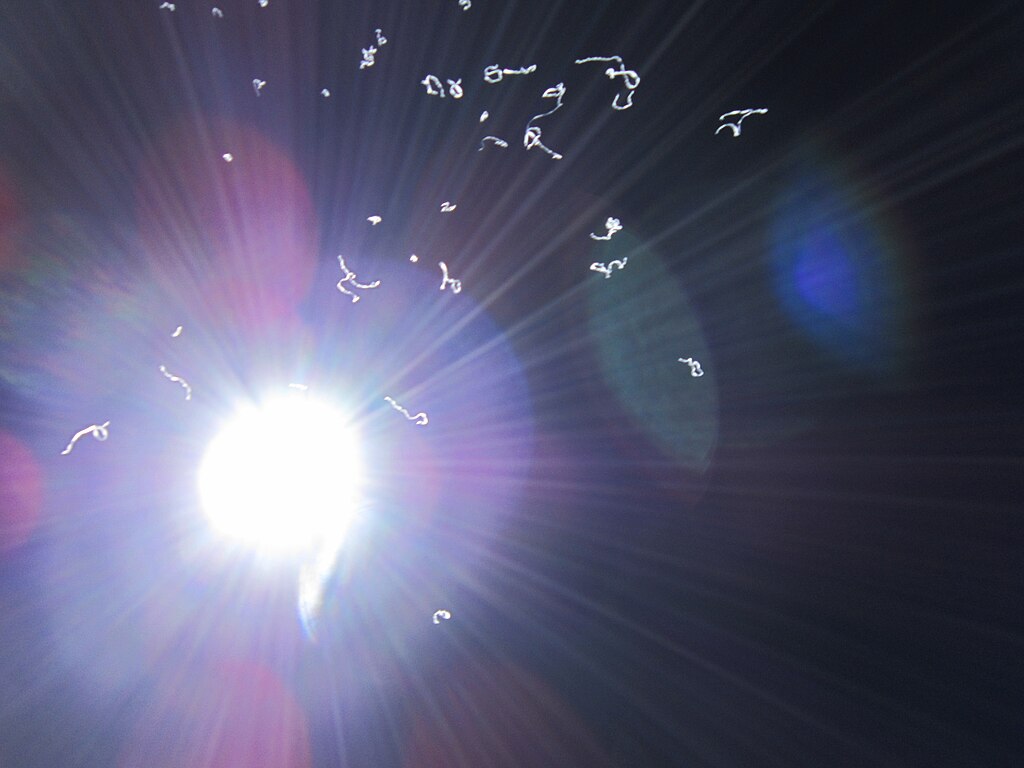
Weather balloons rise high into the atmosphere, reflecting sunlight at unusual angles. To people on the ground, they can appear like glowing orbs, slowly changing in brightness as they move upwards.
These balloons eventually burst, sometimes scattering debris. The unusual way they drift and disappear makes them one of the most common culprits behind UFO reports over the years.
Meteors
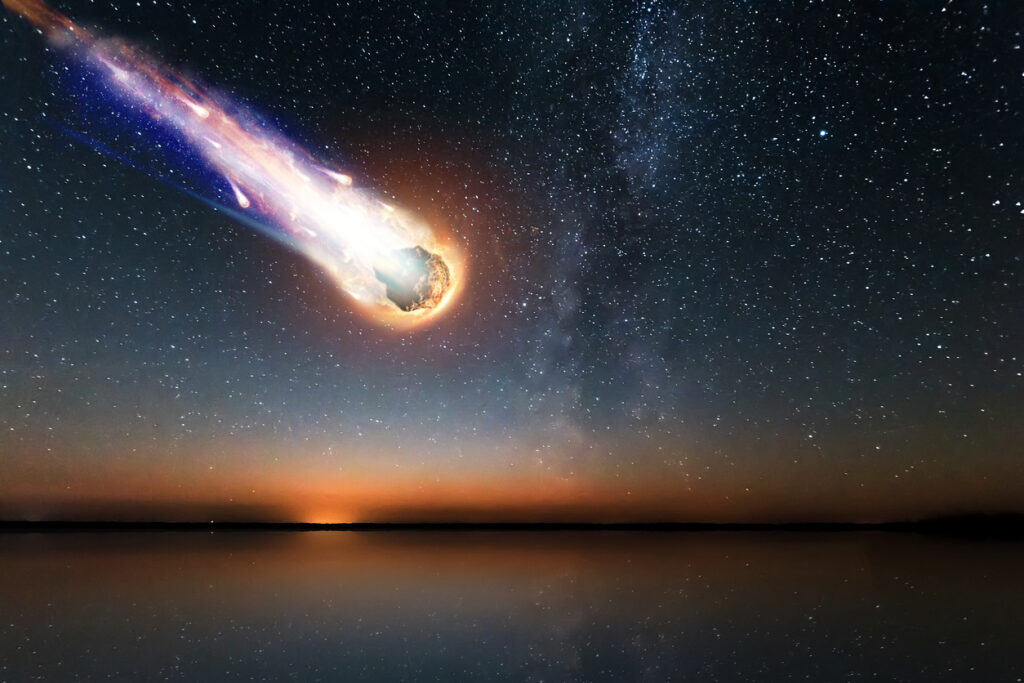
Shooting stars streaking across the sky can look dramatic. When they burn up in the atmosphere, they leave bright trails or flashes, which some mistake for mysterious craft zipping overhead.
Meteor showers are predictable, so if you see many in one night, it’s nature putting on a show. A single bright streak, though, often gets reported as a possible UFO.
Space junk
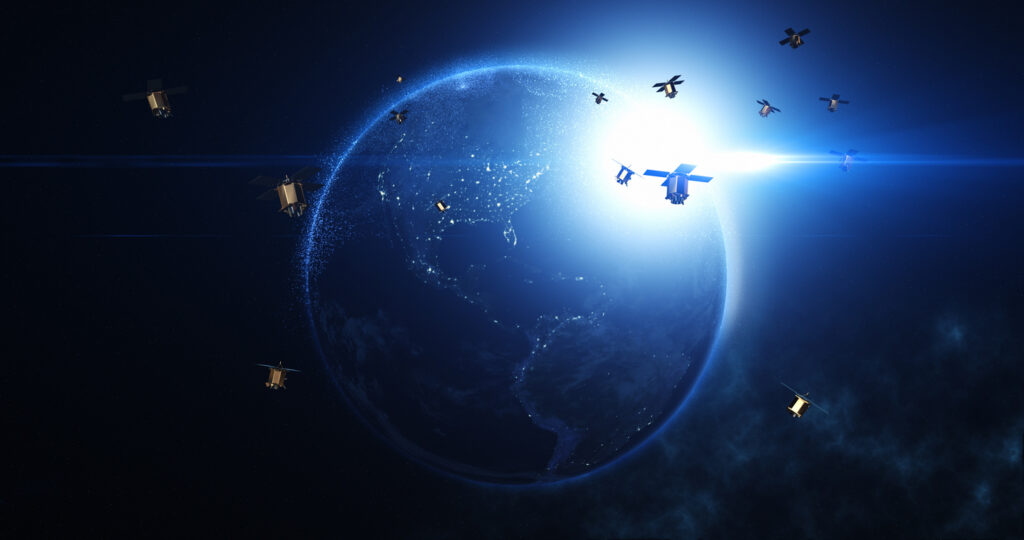
Debris falling back through the atmosphere burns up in fiery trails. These break apart into glowing fragments that look spectacular but fleeting, often convincing people they’ve just witnessed something alien.
Most of the time, it’s simply old satellites or rocket pieces re-entering. The sight can be dramatic, but it’s still just human-made material burning up high above us.
Flares
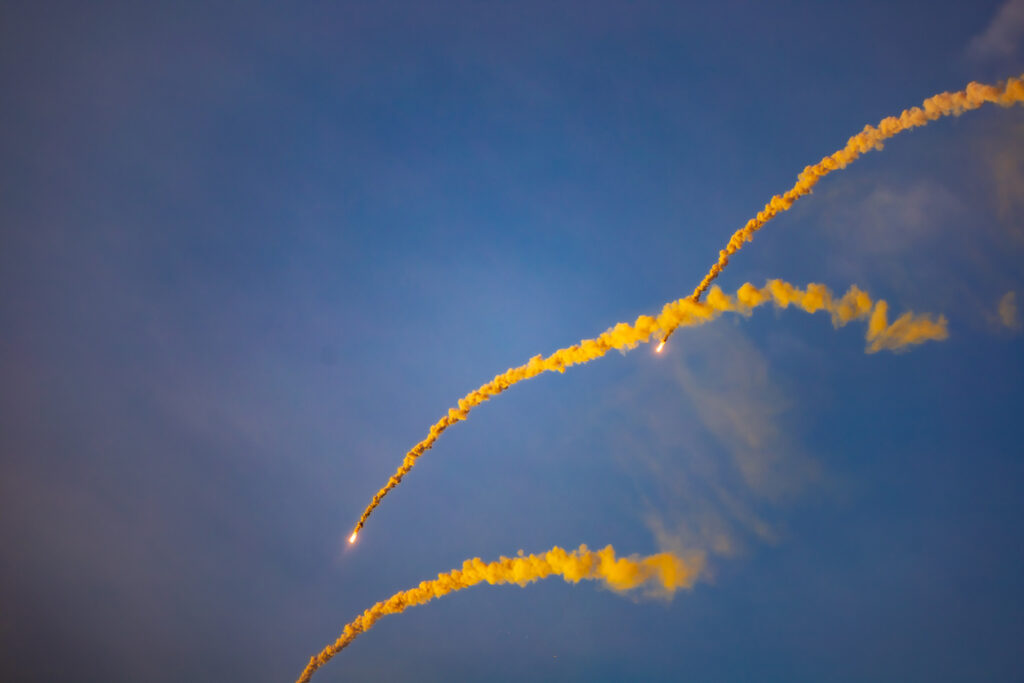
Military or rescue flares can hover in the air, glowing brightly before fading. Their unusual movement and intense light often confuse onlookers who aren’t familiar with how they behave.
Flares usually appear near coastlines or training areas. If you spot a cluster of bright lights hanging in the sky before slowly dimming, chances are they’re flares, not alien visitors.
Atmospheric effects
Temperature changes and moisture can distort light in surprising ways. Stars or planets can shimmer, stretch, or appear coloured, making ordinary objects look mysterious under certain weather conditions.
These distortions are common in the UK, especially on hazy nights. Once you realise the atmosphere bends light, many “unidentified” sightings become far less puzzling.
The Moon

It might sound obvious, but the Moon can catch people off guard. When it rises low, it often looks huge, orange, or oddly shaped, making some mistake it for something unusual.
Thin cloud cover can make it look like a glowing disc with a strange halo. In those moments, even our nearest neighbour in space gets mistaken for a UFO.
Birds catching light

Large birds flying at dusk or night can reflect streetlights or moonlight. Seen at the right angle, they appear as glowing shapes moving unpredictably, which fuels plenty of mistaken UFO reports.
This happens often near coastlines where seabirds gather. Their quick, uneven flight paths make them look strange from below, especially when spotted against a darkening sky.
Fireworks

Bright bursts high in the sky can easily trick people, especially when seen from a distance without the accompanying noise. Strange trails or floating sparks often get mistaken for something unexplained.
Seasonal celebrations make these sightings common. If it’s near Bonfire Night, New Year, or a local event, fireworks are usually behind the strange lights you’ve spotted overhead.