
A newly discovered dinosaur species found on the Isle of Wight has been named after record-breaking sailor Dame Ellen MacArthur, according to BBC News, and the connection is all down to the creature’s distinctive sail like spine that reminded scientists of her famous yacht journeys. The medium-sized plant eater roamed the island 125 million years ago with an eye-catching sail running along its back, and now it carries the name of one of Britain’s most famous seafarers in a tribute that bridges ancient history with modern achievement.
The dinosaur has been named Istiorachis macarthurae.
Scientists have officially named the new species Istiorachis macarthurae, with the first part meaning “sail spine” in reference to the long spines sticking up from its back, and the second part honouring Dame Ellen MacArthur’s surname. The name perfectly captures both the dinosaur’s most distinctive feature and the sailing connection that made researchers think of the famous yachtswoman.
This naming convention follows the scientific tradition of honouring people who’ve made significant contributions, and in this case, the link between the dinosaur’s sail and MacArthur’s sailing career was too good to pass up. It’s not every day someone gets a prehistoric creature named after them, making this a pretty special honour for the record-breaking sailor.
It had a distinctive sail running along its back.
The most striking feature of this dinosaur was the row of unusually long neural spines sticking up from its backbone, creating what looked like a sail running along its back. These spines were much longer than those found on similar dinosaurs from the same period, making this species stand out from its relatives.
Scientists believe this sail might have been used for display purposes, similar to how a peacock uses its tail feathers to show off. It could have been brightly coloured or patterned to attract mates or warn off rivals, though we’ll never know exactly what it looked like because soft tissue doesn’t fossilize like bone does.
The fossils were found on the Isle of Wight.
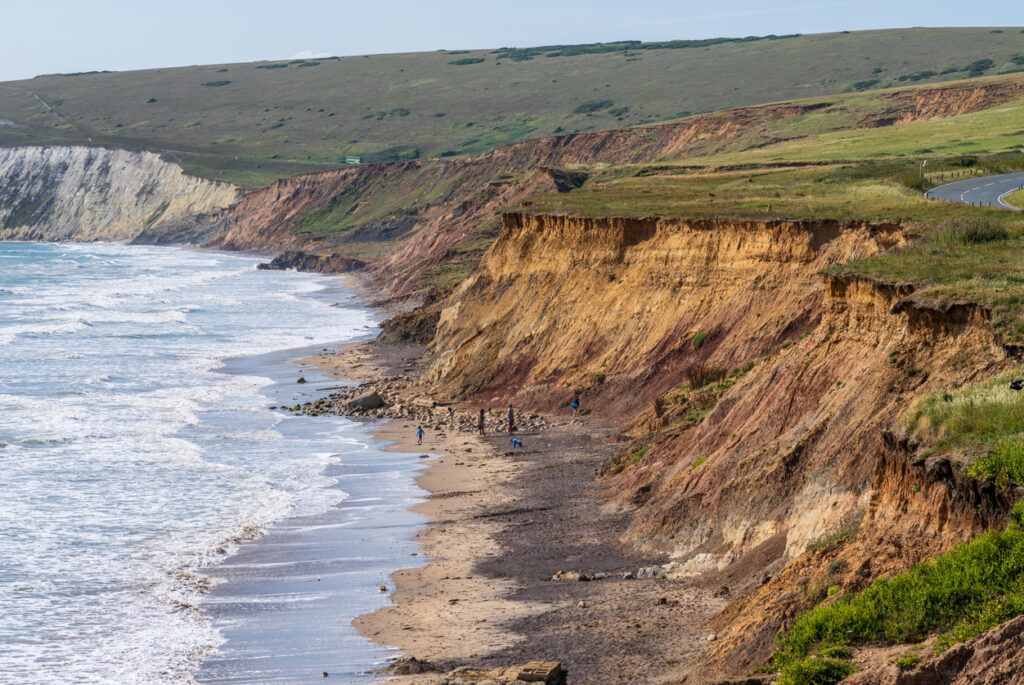
The remains were discovered on the Isle of Wight, which is basically a goldmine for dinosaur fossils and has produced loads of important finds over the years. This particular dinosaur once roamed the floodplains of what is now the island’s south west coast, back when the whole area looked completely different.
The Isle of Wight’s rocks from this period are perfect for preserving dinosaur remains, which is why the island keeps producing new discoveries. The location has become internationally important for understanding what dinosaurs lived in Europe during the Early Cretaceous period around 125 million years ago.
It was originally found by fossil hunter Nick Chase.
The fossils were originally discovered by Nick Chase, a dedicated fossil hunter who spent years searching the Isle of Wight’s coastline for prehistoric remains. Sadly, Chase died of cancer in 2019 before the dinosaur was officially identified and named, but his discovery has now secured his place in palaeontological history.
Chase was exactly the sort of person who made these discoveries possible, spending countless hours walking beaches and examining rocks that most people would walk straight past. His work contributed massively to our understanding of Isle of Wight dinosaurs, and this new species is part of his lasting legacy.
Scientists initially thought it was a known species.
When the fossils were first examined, researchers assumed they belonged to one of the two already known iguanodontian dinosaur species from the Isle of Wight, rather than something completely new. It wasn’t until scientist Jeremy Lockwood took a proper close look at the bones that he realised something was different.
This shows how easy it is to miss new species if you’re not looking carefully, especially when you’re expecting to find something familiar. The distinctive long neural spines were the giveaway that this wasn’t just another specimen of a known dinosaur, but actually an entirely separate species that had been hiding in plain sight.
It was a medium-sized plant-eating dinosaur.
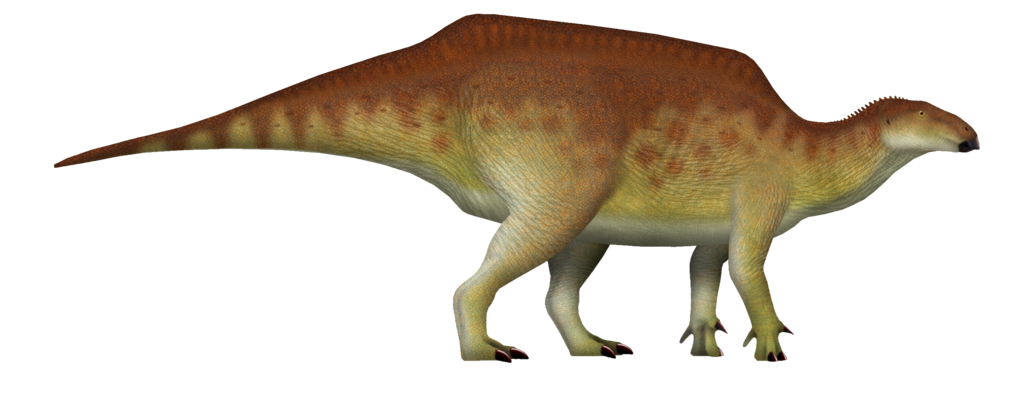
Istiorachis macarthurae was a herbivore that fed on plants rather than hunting other animals, and it was medium-sized rather than one of the absolutely massive dinosaurs that usually grab headlines. It would have spent its time munching on the lush vegetation that covered the floodplains where it lived.
Being a plant eater meant it probably lived in herds for protection and would have been constantly grazing to get enough nutrition from plants, which are less energy dense than meat. Its medium size meant it was big enough to defend itself from some predators, but not so massive that it needed truly enormous amounts of food every day.
The sail might have been used for attracting mates.
Scientists think the sail was probably used for display rather than having any practical function like temperature regulation or defence. The most likely explanation is that it helped the dinosaur attract mates, with bigger or more impressive sails signalling that an individual was healthy and strong.
This kind of sexual display is common throughout nature, from peacock tails to deer antlers, where features evolve primarily because the opposite sex finds them attractive. The sail would have made these dinosaurs very eye catching and distinctive, helping them stand out when it was time to find a partner and reproduce.
Dame Ellen MacArthur said it was a huge honour.
Dame Ellen MacArthur, who broke the world record for fastest solo circumnavigation of the globe in 2005, said having the dinosaur named after her was “both extraordinary and a huge honour.” She was particularly touched by the connection between the dinosaur’s sail and the yacht sails she’s spent so much of her life working with.
The sailor admitted she was taken aback when scientists first asked if they could use her name for the dinosaur, but felt hugely privileged to be associated with the discovery. It’s a pretty unique honour that connects her modern achievements with a creature that lived 125 million years ago.
The fossils are now on display at Dinosaur Isle Museum.
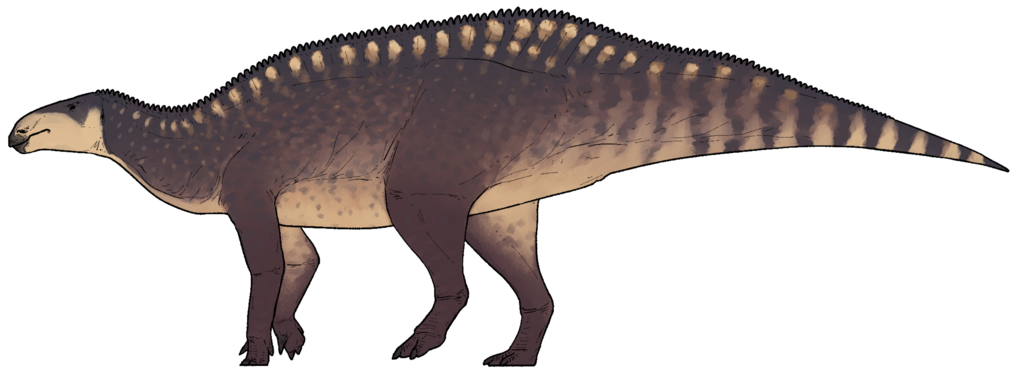
After being properly analysed and officially named, the fossils of Istiorachis macarthurae are now on display at Dinosaur Isle Museum in Sandown on the Isle of Wight. Visitors can now see the actual bones of this newly identified species and learn about what makes it different from other dinosaurs.
Having the fossils on public display means people can appreciate the discovery firsthand rather than just reading about it, and it adds another significant exhibit to a museum that’s already packed with important dinosaur finds from the island. It’s a chance to see genuine history from 125 million years ago.
Researchers compared it to a database of similar dinosaur backbones.
To confirm this was a new species, researchers compared the fossilized bones to a massive database of similar dinosaur backbones from around the world. This scientific approach allowed them to see exactly how these sail like formations had evolved and how this species differed from its relatives.
This kind of detailed comparison work is essential for properly identifying new species rather than just guessing, and it helps scientists understand the evolutionary relationships between different dinosaurs. The database showed that Istiorachis macarthurae’s elongated neural spines were genuinely unusual and not just individual variation within a known species, confirming it deserved its own name.