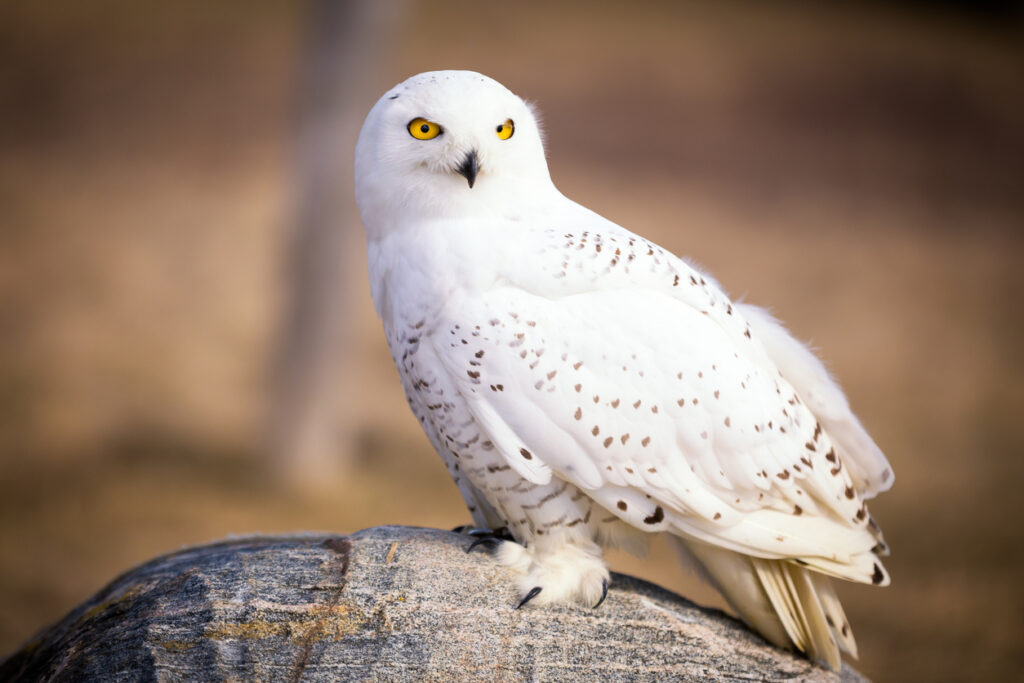
Snowy owls look calm and mysterious from the outside, but they have far more odd habits than most people realise. They don’t behave like the typical owls we see in stories or on TV, and many of their quirks only show up when you look closely at how they live. These small details make them surprisingly charming and completely different from what most people expect from a bird that looks so serious and majestic.
They’re one of the few owls that actually enjoy daylight.
It’s easy to assume all owls are night hunters. Snowy owls break this rule completely because they often hunt in full daylight. Their bright white feathers help them blend into snow even when the sun is shining, so they don’t need darkness to stay hidden.
This habit makes them easier to spot if you ever visit places where they live. Watching an owl fly in daylight feels unusual at first, but snowy owls treat it as normal. They’ve learned to take advantage of long Arctic days and turn them into perfect hunting conditions.
They don’t hoot in the way you’d expect.
People expect all owls to make the classic hooting sound, but snowy owls rarely do. Their voices sound more like barking, clapping, or loud scratching noises, which can be quite surprising if you hear them up close.
Once you know their vocal habits, it becomes easier to understand why recordings of snowy owls sound so unusual. Their strange calls help them communicate across long snowy landscapes where sound travels differently, giving them an advantage in cold, open areas.
They eat much more than people imagine.
Snowy owls need far more food than their delicate look suggests. Living in freezing regions burns a huge amount of energy, so they sometimes eat several small animals in a single day just to stay warm and strong.
Understanding how much they eat helps you see how skilled they are at hunting. Their large appetite pushes them to stay active, which is why they’re one of the most powerful hunters among owls. It also explains why they travel long distances during years when food is scarce.
They sometimes store food in unexpected ways.

When prey is too plentiful, that’s not actually a good thing. Snowy owls can end up catching more than they need, and instead of wasting it, they hide the extra food in the snow for later. This habit looks strange but helps them survive tough weather.
Knowing they behave this way shows how clever they are with resources. They use the frozen landscape as a natural freezer, keeping meals fresh when hunting becomes difficult. This trick gives them a strong advantage in long winters.
They don’t stay in the Arctic all year.
People picture snowy owls living in permanent snow, but many travel thousands of miles when food becomes scarce. They can show up far south in places where nobody expects to see them.
Their wandering habit helps them survive years when their usual prey is low in number. If you ever hear about a snowy owl appearing in Britain or parts of Europe, it’s usually because they’re following food rather than staying in one fixed home.
They build their nests right on the ground.
Ground nests seem risky for such a large bird, but snowy owls don’t use trees or cliffs like many other owls. They choose open, flat areas with a clear view of their surroundings, which looks unsafe at first glance.
Once you understand why, it makes more sense. Their white feathers hide them well, and nesting on the ground gives them a wide view so they can spot danger early. It also keeps them close to their hunting areas, making feeding young chicks easier.
They change colour as they age.
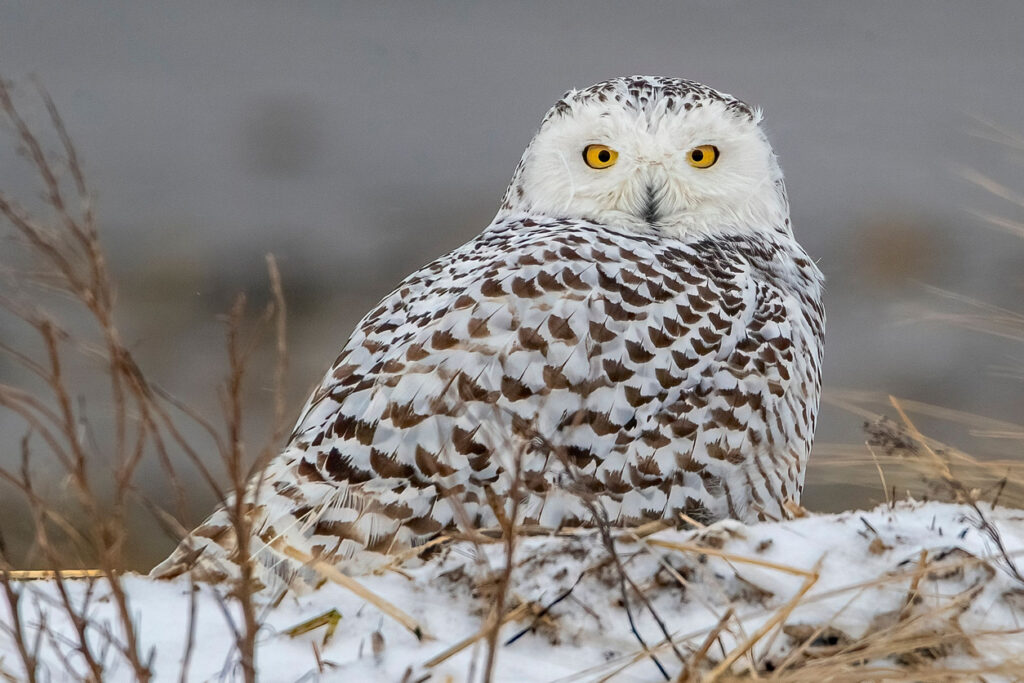
People assume snowy owls are always pure white. In reality, young owls have dark spots or thick markings that fade as they get older. This makes identifying their age much easier than with many other bird species.
Knowing about their changing feathers helps you see the story of an owl’s life just by looking at it. Older males become the whitest, which helps them blend into bright snow. Females keep more markings because it protects them better while nesting.
They’re calmer around humans than many other owls.
Many owls fly off the moment someone comes near. Snowy owls can be more relaxed in open areas because they’re used to watching large animals pass without being threatened. This sometimes gives people the false idea that they’re tame.
Understanding this behaviour helps you know how to approach them safely. They’re still wild and can get stressed if you invade their space, but they often sit still and observe rather than panic. This makes snowy owl sightings feel wonderfully close and personal.
They’re extremely protective of their space.
This is on full display during nesting season, when they become fierce defenders of their territory. They’ve been known to chase foxes, large birds, and even people if they get too close to their nest. Their calm look hides how bold they can be.
Knowing this helps you keep a respectful distance if you ever see one nesting. Their bravery helps their chicks survive harsh Arctic conditions, where predators are always searching for food. Their bold defence is one reason snowy owls remain strong survivors.
They have huge wings but stay surprisingly low to the ground

People imagine large birds soaring high in the sky. Snowy owls hunt low, skimming just above the snow to keep a close eye on their prey. This low flight style makes them fast and controlled hunters.
Watching them fly in this way shows how perfectly adapted they are to their environment. Staying close to the ground helps them stay hidden and strike with precision, making them one of the most effective predators of the far north.
They sometimes follow humans for warmth or food clues.
When snowy owls pick up habits from observing people, things get a bit dicey. In remote areas, they sometimes follow researchers or travellers because footprints or movement can reveal hidden animals under the snow.
This behaviour doesn’t mean they rely on people, but it shows how intelligent they are. They watch, learn, and adapt quickly to anything that helps them survive the cold. Their curiosity makes them one of the most fascinating birds to study.
They can sit completely still for long periods.
The problem is that stillness makes people think they’re resting or bored. Snowy owls are often in full focus mode, watching the landscape for the slightest movement. This patience is a huge part of their hunting success.
Once you recognise this behaviour, you can see how skilled they are at staying sharp in harsh conditions. Their stillness is a form of discipline, helping them save energy while staying alert. It’s one of the quirkiest but most impressive things about them.