At first glance, you might mistake it for a large insect.
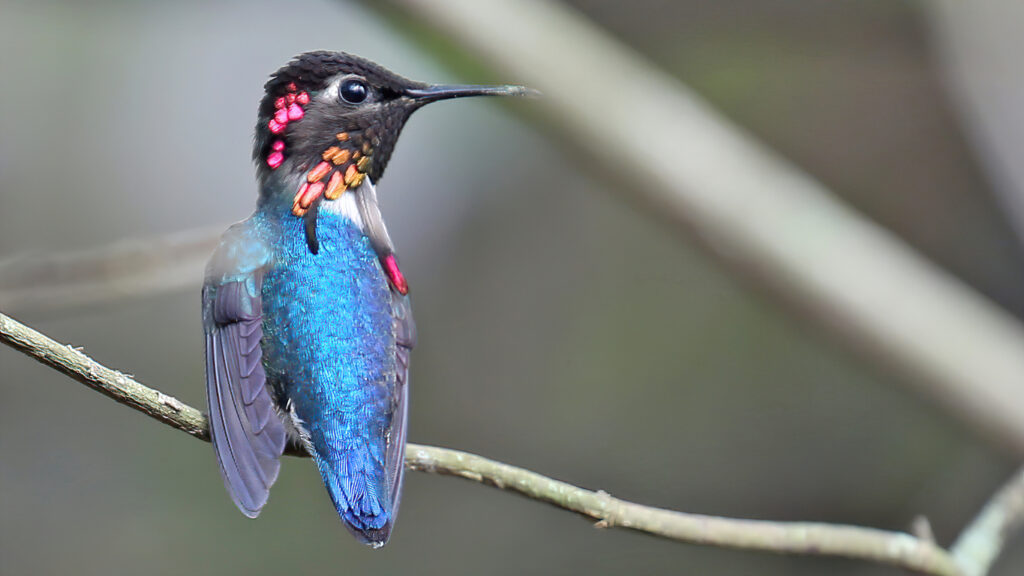
Blink, and it’s gone in a blur of colour and movement that seems too fast to follow. However, what you’re seeing isn’t a bug at all; it’s the bee hummingbird, found only in Cuba, and it holds the title of the smallest bird in the world.
Smaller than your thumb and lighter than a penny, this tiny creature is one of nature’s most extraordinary designs. Despite its delicate size, the bee hummingbird lives a life full of power, precision, and purpose, showing that strength doesn’t always come in big packages.
It’s barely bigger than a bee.

The bee hummingbird measures just five to six centimetres from beak to tail and weighs less than two grams. To put that into perspective, that’s about the same as a paperclip or a single raisin. In flight, it’s so quick and compact that it’s easy to mistake it for a bee darting between flowers.
Its wings beat around eighty times per second, so fast that the human eye can’t keep up. This incredible speed allows it to hover in midair with absolute control, staying perfectly still as it sips nectar through its fine, needle-like beak. Watching it is like seeing a tiny burst of colour suspended in space, flickering and buzzing with precision that looks almost mechanical.
Males shine like flying jewels.
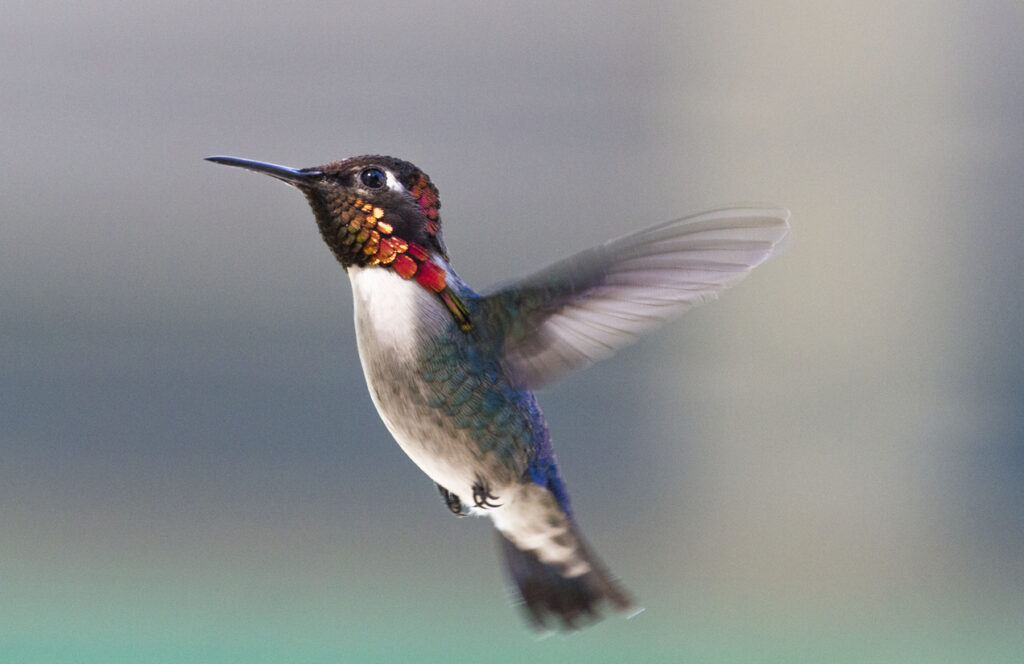
Male bee hummingbirds are genuinely breathtaking to see. Their feathers shimmer like gemstones in the sunlight, with iridescent shades of pink, red, blue, and green that shift as they move. The colours aren’t from pigment, but from the microscopic structure of their feathers, which scatter light in different ways to create that jewel-like glow.
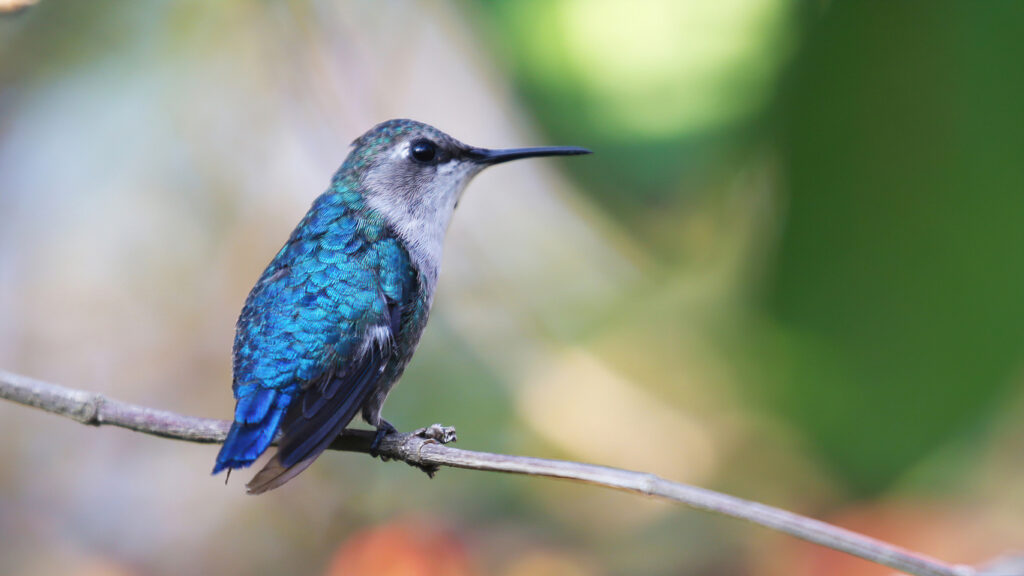
Females are slightly larger and less vivid, with green backs and white underbellies, but no less beautiful in their own right. During breeding season, males put on a dazzling display of colour and speed to impress potential mates. In the sunlight, their throats flash a brilliant pink-red that looks almost electric, like a spark brought to life.
Its heart beats faster than any other bird’s.
To power its constant motion, the bee hummingbird’s heart beats at an astonishing rate: up to 1,200 times per minute. That’s faster than any other bird, and about twenty times faster than a healthy human heart during exercise.
That kind of output demands serious fuel. The bee hummingbird spends most of its waking hours feeding, visiting hundreds of flowers each day to sip nectar. It also eats tiny insects and spiders for protein. In a single day, it can consume nearly half its body weight in food. Without that steady supply of energy, it wouldn’t survive for long.
It’s a master of flight.

Hummingbirds are famous for their flying skills, but the bee hummingbird takes it to another level. It can fly forwards, backwards, sideways, and even upside down for short bursts. Its wings rotate in a figure-eight motion, giving it the ability to hover with pinpoint accuracy.
This agility allows it to feed without landing, darting from flower to flower with almost surgical precision. Scientists studying its flight have compared it to a helicopter on a miniature scale: remarkably stable yet capable of rapid, complex manoeuvres. Its control in the air is one of the finest examples of nature’s engineering.
It builds a nest the size of a coin.

Everything about the bee hummingbird is miniature, including its nest. The female builds a tiny cup-shaped nest out of soft materials like plant fibres, spider silk, and downy fluff from seed heads. She weaves it together so delicately that the whole structure can stretch as the chicks grow.
Once finished, the nest is about the size of a two-pound coin and usually hidden among the branches of a bush or small tree. Inside are two white eggs, each no bigger than a coffee bean. The female alone handles incubation and feeding, protecting her fragile brood with surprising fierceness.
It’s vital for pollination.
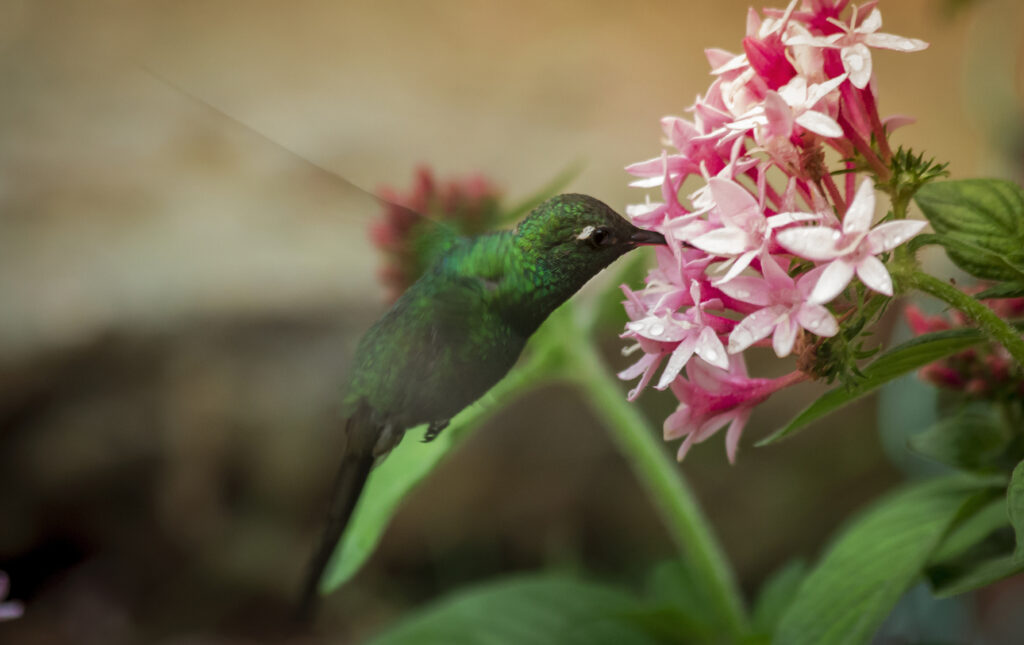
Despite its tiny size, the bee hummingbird plays a huge role in Cuba’s natural balance. As it feeds on nectar, pollen sticks to its feathers and beak, transferring from one flower to the next. This simple act makes it a vital pollinator for many native plants.
Without this small bird, entire ecosystems could struggle. It helps keep wildflowers and fruiting plants reproducing, supporting countless other species that depend on them. In this way, the bee hummingbird’s role is far bigger than its size suggests. It’s one of the quiet caretakers of the Cuban landscape.
It never stops eating or moving.
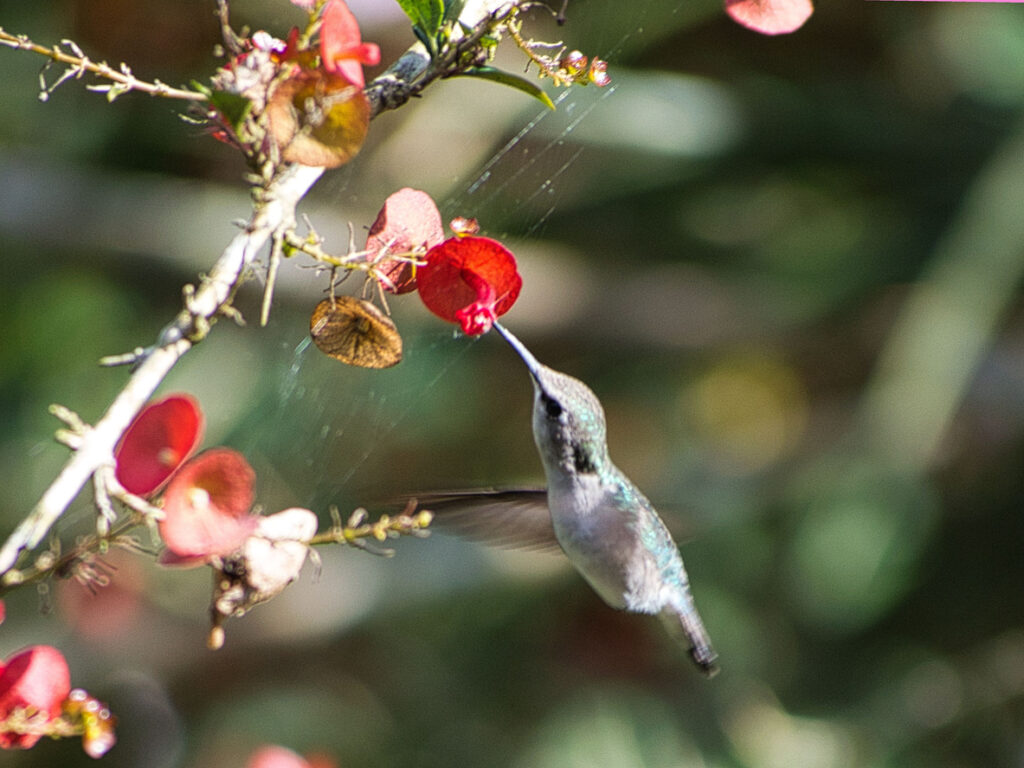
A bee hummingbird is almost always in motion. Its metabolism is so fast that it needs to eat roughly every ten to fifteen minutes. Over the course of a day, that means visiting around 1,500 flowers.
When night falls, the bird slows down dramatically to save energy. It enters a state called torpor, similar to deep sleep, where its heart rate and body temperature drop to conserve fuel. By morning, it “wakes up” and resumes its constant buzzing routine. Without this nightly reset, it simply couldn’t survive.
It lives only in Cuba.

The bee hummingbird is found nowhere else on Earth. It lives in Cuba and on a few small surrounding islands, preferring areas filled with flowering plants such as forests, meadows, and gardens. Because it’s so specialised, it’s extremely vulnerable to habitat loss.
Deforestation and development have reduced the wild spaces it depends on, and as a result, the bee hummingbird is now considered near-threatened. Conservationists are working to protect its remaining habitats, but its survival depends heavily on preserving Cuba’s delicate ecosystems.
It has a surprisingly loud buzz.

For something that weighs less than a teaspoon of sugar, the bee hummingbird makes a surprisingly noticeable sound. Its rapid wingbeats produce a clear, steady hum that can be heard several metres away. The noise is constant while it’s hovering: part bee, part miniature engine, which is how it got its name.
That hum isn’t just background noise; it’s a by-product of the bird’s unique wing structure and speed. Every flap pushes air in a way that creates vibration, turning flight into an audible rhythm that seems far too powerful for such a tiny body.
It proves small can still be mighty.
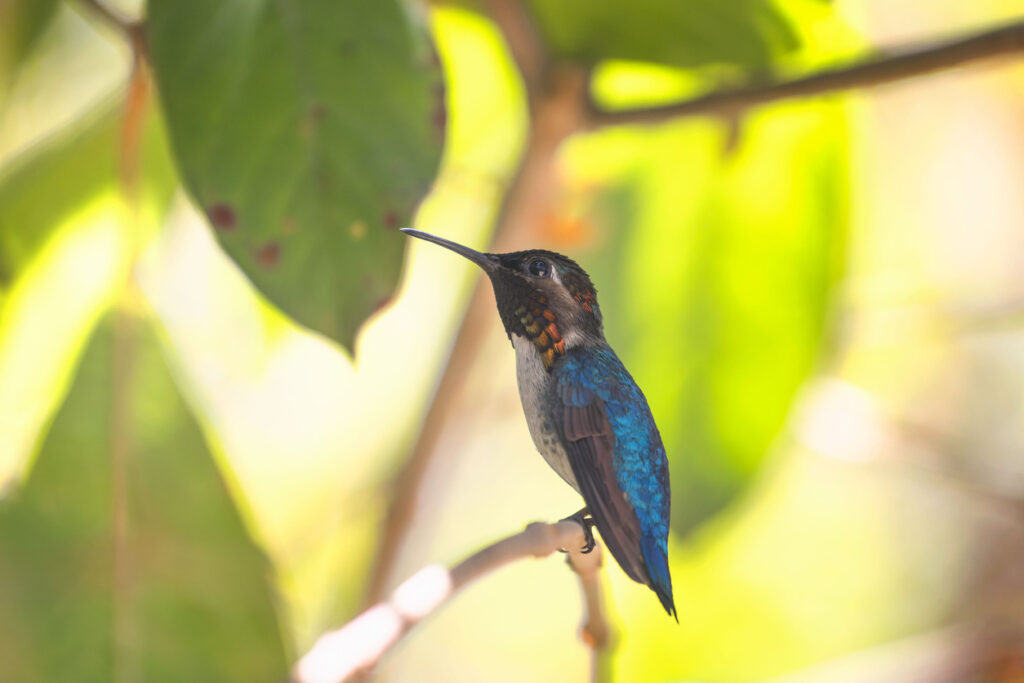
The bee hummingbird may be the smallest bird in the world, but it’s one of the most impressive examples of evolution at work. It’s fast, efficient, beautifully adapted, and vital to the ecosystem around it. Its tiny frame hides a level of endurance, speed, and precision that few larger animals could match.
It’s easy to overlook creatures like this, but they remind us that nature’s brilliance doesn’t depend on size. The bee hummingbird fits in the palm of a hand, yet it keeps forests blooming and entire ecosystems alive. For something that weighs less than a penny, that’s an extraordinary legacy.