Dogs are great at hiding when something’s wrong.
They can seem happy, playful, and full of energy even when they’re uncomfortable or unwell. Most owners don’t realise anything’s off until the symptoms become too obvious to miss, and by then, it can be much harder to help them. There are subtle signs that vets wish more people would notice, though. There are plenty of small changes in behaviour, posture, or routine that often get overlooked. They might not seem serious at first, but they can tell you a lot about what your dog’s really feeling.
1. They’ve stopped greeting you at the door.

If your dog used to go mad when you got home but now barely lifts their head, it’s not because they love you less. Pain in their joints or back can make jumping up and running over genuinely hard work. Dogs won’t cry or limp about it. They’ll just stop doing things that hurt. You’ll think they’re getting older or calmer, but really that excited greeting hurts too much now. It could be arthritis, hip problems, or even tooth pain that makes panting uncomfortable.
2. Their sleeping position has changed.
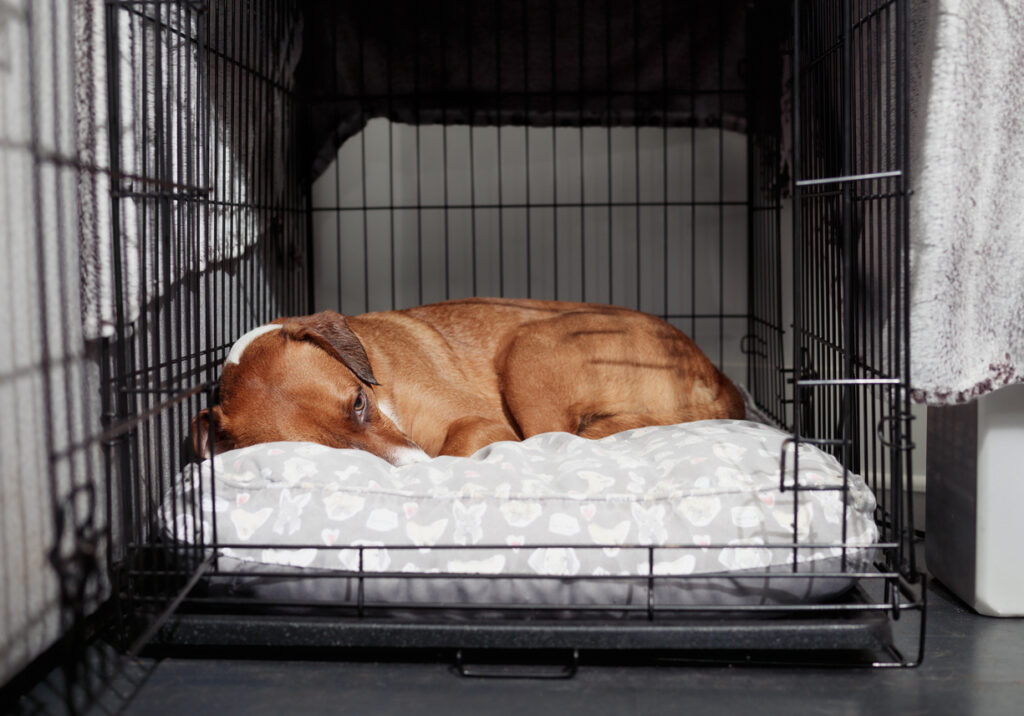
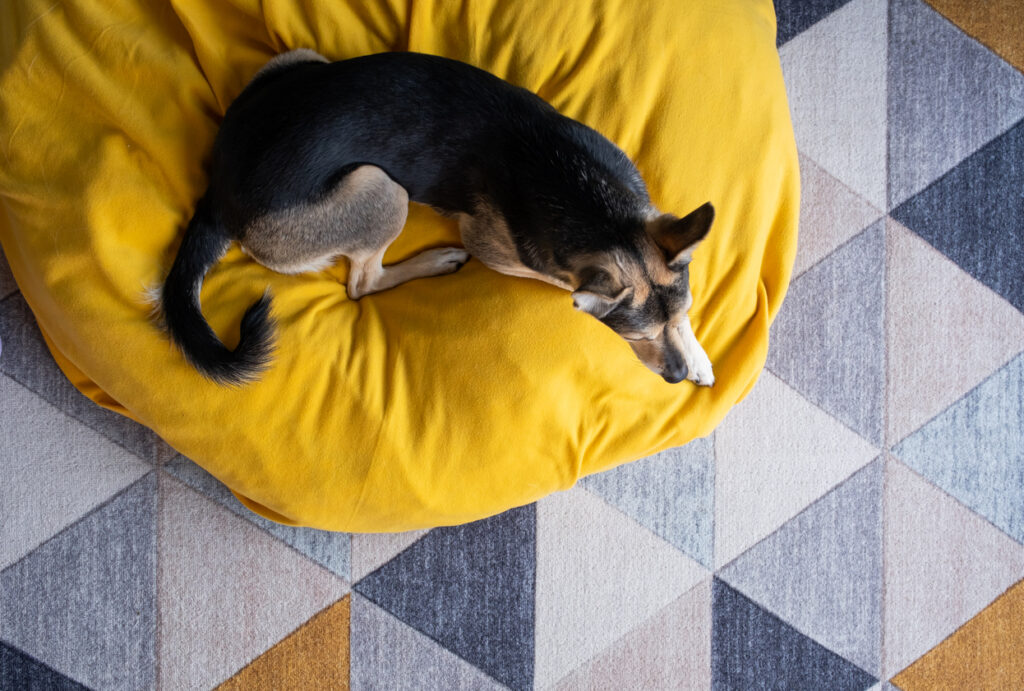
Dogs in pain will sleep differently to feel more comfortable. A dog who used to curl up tight might start sleeping stretched out because curling hurts their joints. Or a dog who sprawled out might start sleeping curled up to protect a sore spot. If your dog keeps getting up and moving around at night, or seems restless when they used to sleep soundly, their body hurts. They’re not being fussy about their bed.
3. They’re eating more slowly or messily.
If your dog suddenly eats slower or drops food, they might have tooth pain or neck problems that make bending down to the bowl uncomfortable. You’ll notice they eat from one side of their mouth or take more breaks during meals. This is easy to miss because they’re still eating, but how they eat has changed. Dogs with bad teeth will keep eating even when it hurts because they’re too hungry to stop.
4. They’re suddenly “clingy” or withdrawn.
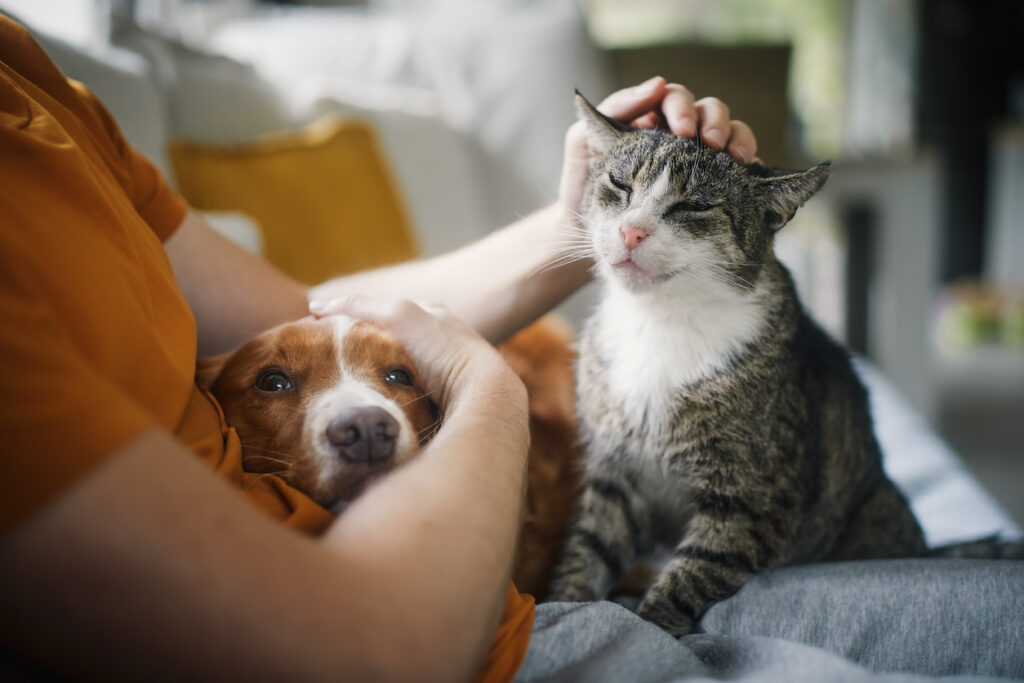
Dogs in pain often act differently around people. Some become really clingy and follow you everywhere. Others hide away more and don’t want to be touched. Neither means they’ve stopped loving you. Pain makes them anxious, and dogs deal with anxiety in different ways. The clingy dog wants comfort. The withdrawn dog is protecting themselves from being touched in ways that might hurt.
5. They’re panting when they shouldn’t be.
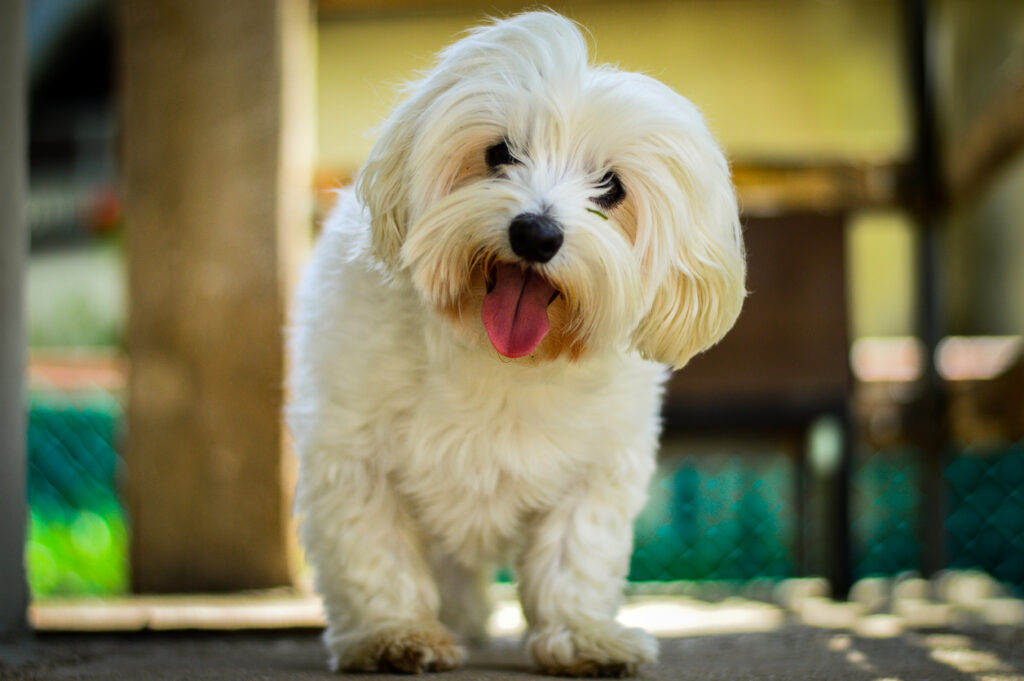
Dogs don’t just pant because they’re hot. They pant when they’re in pain or stressed. If your dog is panting while lying still in a cool room, something’s wrong. This matters even more if they’re panting at night when they should be relaxed. It’s how their body deals with pain, like how people breathe heavy when something hurts.
6. Their tail carriage has dropped.
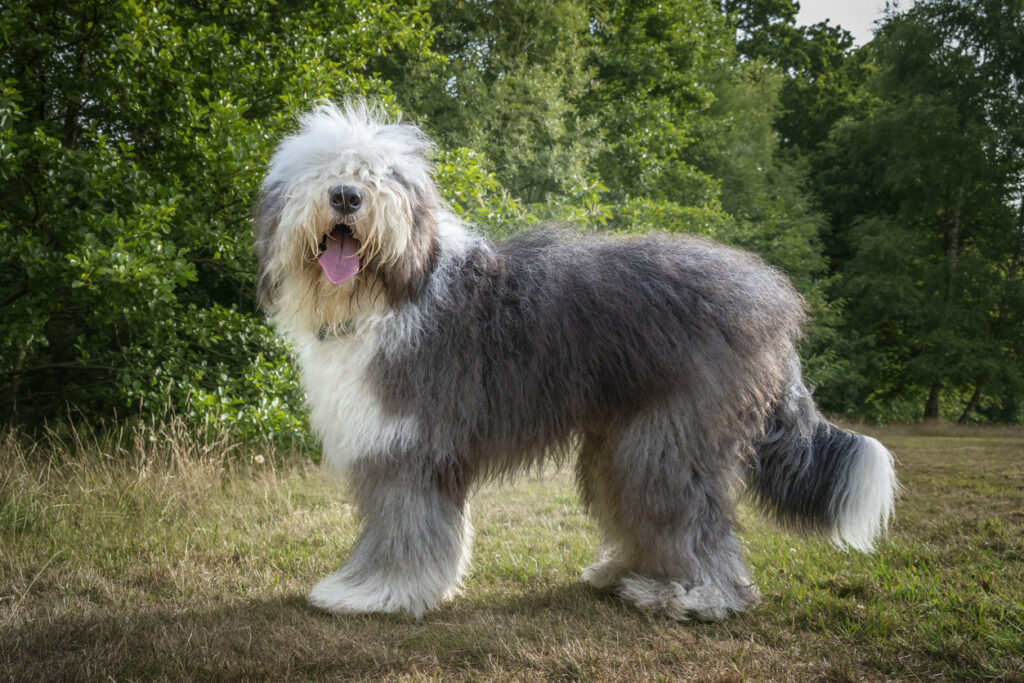
Look at where your dog’s tail sits when they’re just walking about. If it used to stick up or curl over and now hangs lower or tucks under, it could mean pain in their back, hips, or tail. It’s not about wagging when you get home. It’s about where their tail sits normally throughout the day, which you’ve probably stopped noticing.
7. They’re reluctant about stairs or jumping.
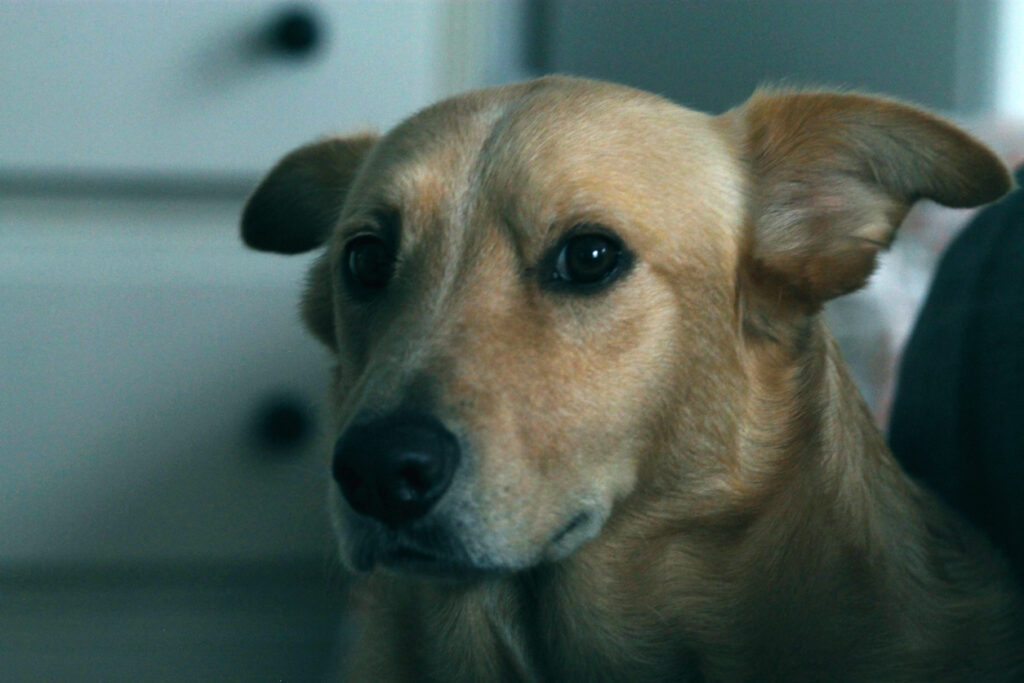
Dogs are good at hiding joint problems. They won’t limp. They’ll just stop using stairs, or take them really slowly, or refuse to use them when they used to run up and down no problem. Same with jumping into cars or onto the sofa. If your dog who used to leap up now looks at it and hesitates, or tries and can’t make it, they’re not being difficult. That movement hurts.
8. They’re licking one area constantly.
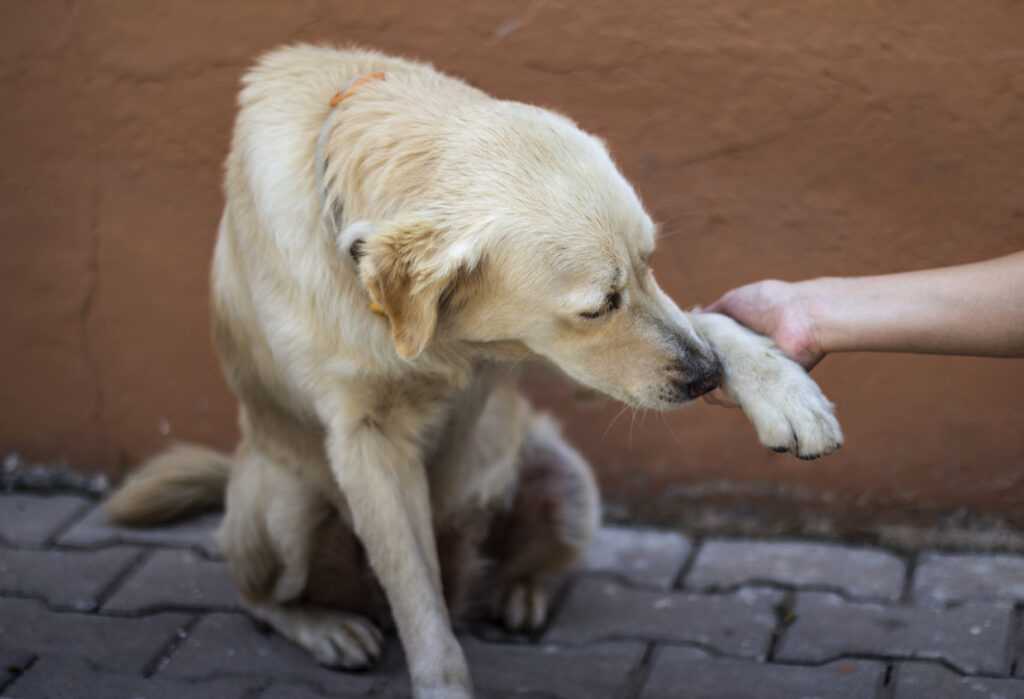
If your dog keeps licking the same spot over and over, especially their paws or legs, it usually means that area hurts. Dogs can’t tell you where it hurts, so they lick it instead. What looks like a habit or minor itch might actually be your dog trying to soothe pain. If the licking has made a bald patch or red skin, they’ve been hurting for longer than you think.
9. Their eyes look different.
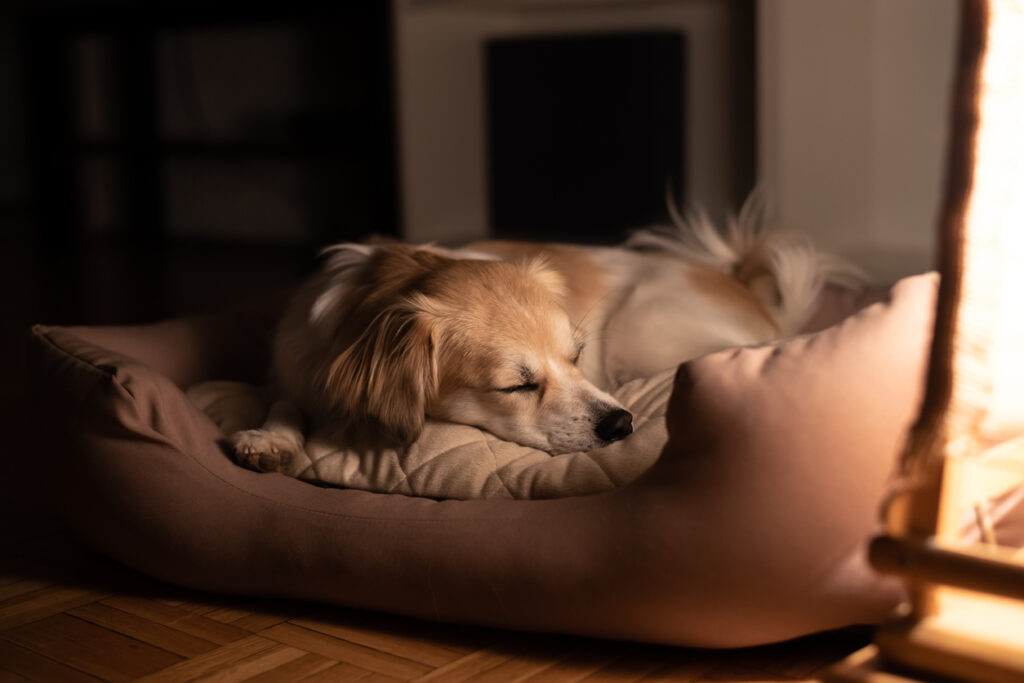
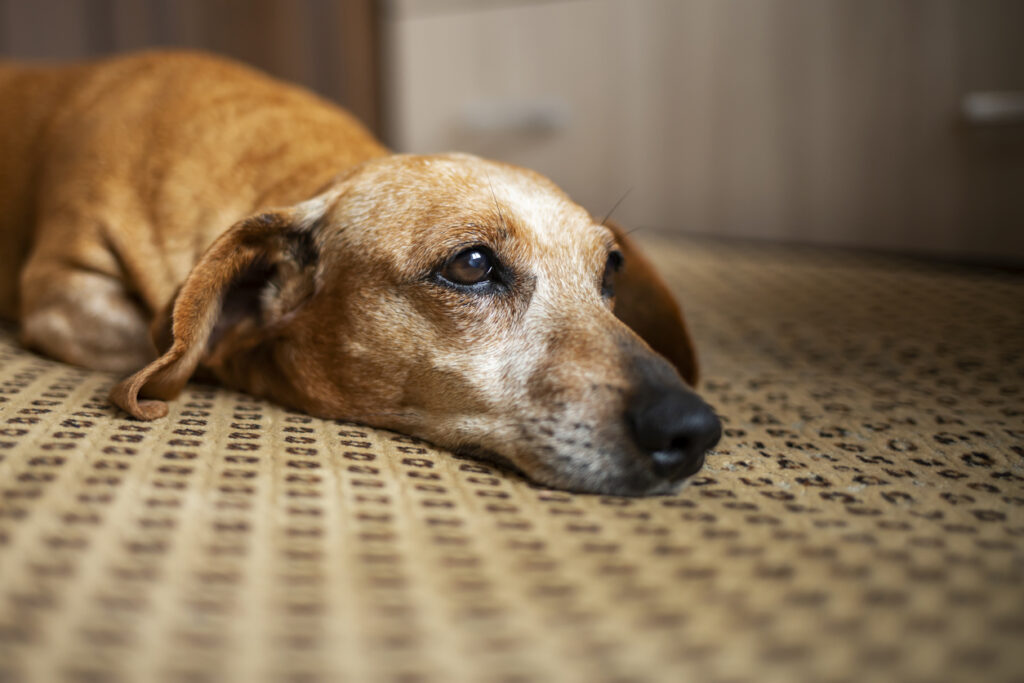
Pain changes how a dog’s face looks in small ways. Their eyes might look a bit squinted, or they’ll have a worried look around the eyes and forehead. Some dogs get what vets call “pain eyes” where the eye shape looks slightly different. You know your dog’s face better than anyone. If something looks off about how they look even when they’re resting, trust that feeling. They’re not just tired or sad for no reason.
10. They’re drinking significantly more water.
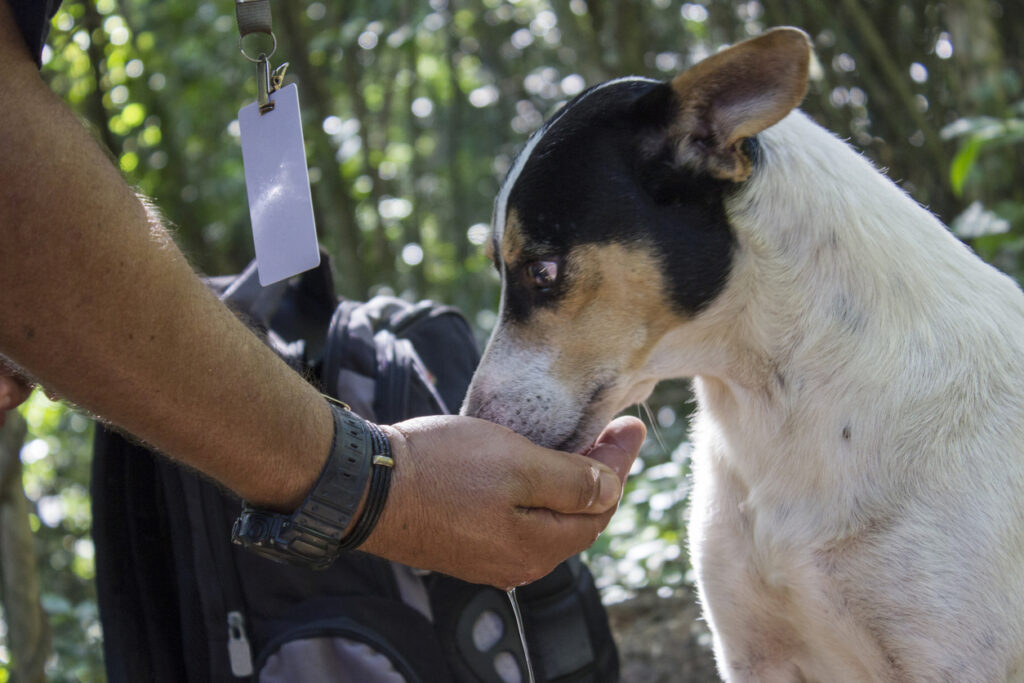
Drinking loads more water isn’t normal. It’s often the first sign of kidney problems, diabetes, or hormone issues that are making your dog uncomfortable inside. If you’re filling the water bowl way more often, something’s changed. People often brush this off as just getting older, but it’s usually something that needs checking. A routine vet visit often finds problems that have been there for months.
11. They’re having “accidents” indoors.

A dog who was house-trained and starts having accidents isn’t being naughty. It usually means a urine infection, bladder stones, kidney problems, or pain that makes getting up and going outside too hard. Older dogs might have arthritis that makes squatting painful, so they hold it too long. Your dog hates this too. Dogs naturally want to keep their home clean, so when they can’t, it’s because something’s made it physically impossible.
12. Their breathing sounds different.
Small changes in how your dog breathes can mean pain, breathing problems, or heart issues. If their breathing seems a bit harder when they’re resting, or they’re taking shallower breaths, their body is dealing with something. Dogs with chest or stomach pain will breathe more shallowly because deep breaths hurt. It’s not dramatic or obvious. Just a slight change in their normal breathing that you might think is them being relaxed.
13. They’re more irritable or snappy.
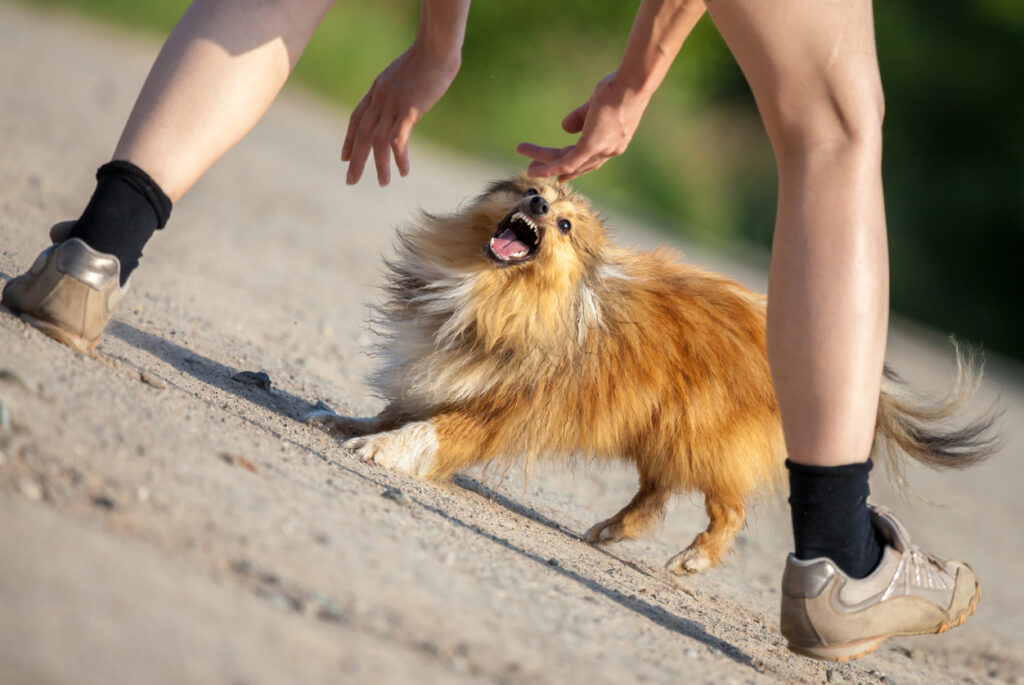
Pain makes everyone grumpy, dogs included. If your normally calm dog has started growling when you touch certain spots, snapping at other pets, or getting annoyed with kids they usually love, they’re not being bad. They’re in pain and trying to protect themselves. People often think this is a behaviour problem or bad training, but vets recognise it straight away as a pain response.
14. Their coat looks duller or unkempt.

Dogs in pain often stop grooming themselves properly because twisting to reach certain spots hurts. If your dog’s coat has lost its shine, has mats in places they used to keep clean, or just looks scruffier, they’re likely dealing with joint pain that makes grooming uncomfortable.
A dull coat can also mean health problems on the inside. Either way, it’s not just about looks. It’s a visible sign that something in their body isn’t working right, and they need to see a vet.