From snakes and sugar gliders to servals and tarantulas, the UK’s fascination with exotic pets is bigger than most people realise.
However, while owning an unusual animal might sound exciting, it’s far from simple, and the law around it is stricter than many pet owners know. The UK has a long list of rules designed to protect both the animals and the public, covering everything from licensing to enclosure standards and transport regulations. Some creatures require special permits, while others are banned outright, no matter how tame they seem.
Before anyone decides to bring home a wild or unusual companion, it’s worth understanding what the law actually says. These are some of the key rules and surprising details about owning exotic pets in the UK that most people don’t know about.
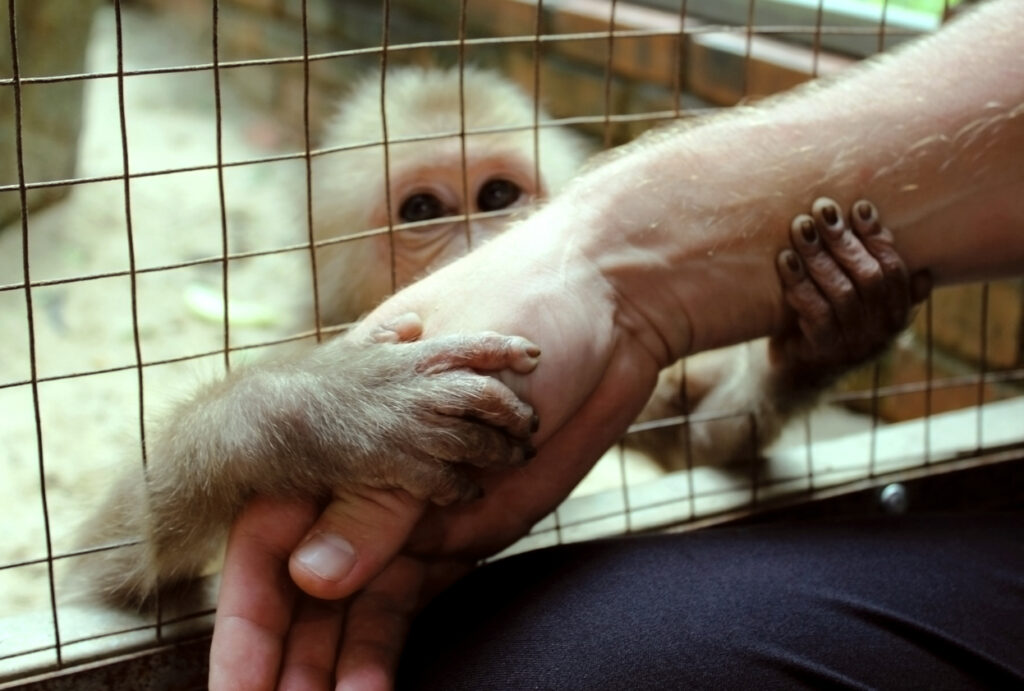
Primates are basically banned from April 2026.
New legislation coming into force in 2026 means you’ll need a zoo level licence to keep any primate as a pet, which effectively bans them from domestic settings. This covers everything from marmosets to lemurs to capuchins, and between 1,000 to 5,000 primates currently kept as pets will need to meet these new standards or be rehomed.
If you’ve already got a primate, you’ve got two years from when the law passes to get compliant with the licensing conditions, or you’ll face unlimited fines and have the animal removed. The government’s position is clear that primates have complex needs that can’t be met in a home environment.
The Dangerous Wild Animals Act covers way more than you think.
This 1976 law requires licences for loads of animals people don’t realise are classified as dangerous, including certain snakes, wild cats, primates, and even some species of tortoise. You need to apply to your local council for a licence before you get the animal, not after.
The law was brought in because people in the late 60s and early 70s were keeping increasingly exotic pets without any regulation, and it became a public safety issue. Now over 2,700 dangerous wild animals are legally kept in UK homes under these licences.
Hybrid animals might need a licence too.
Even if you’ve got a cross between a wild and domestic animal, you might still need a licence depending on how far removed it is from its wild ancestor. Bengal cats and wolfdogs fall into this category, and if you’re not sure whether yours needs licensing, you have to ask your local council.
This catches people out because they assume that because their animal is part domestic, it’s fine to own without restrictions. The law doesn’t see it that way and judges each case on how much wild genetics the animal has.
Venomous snakes require serious licensing.
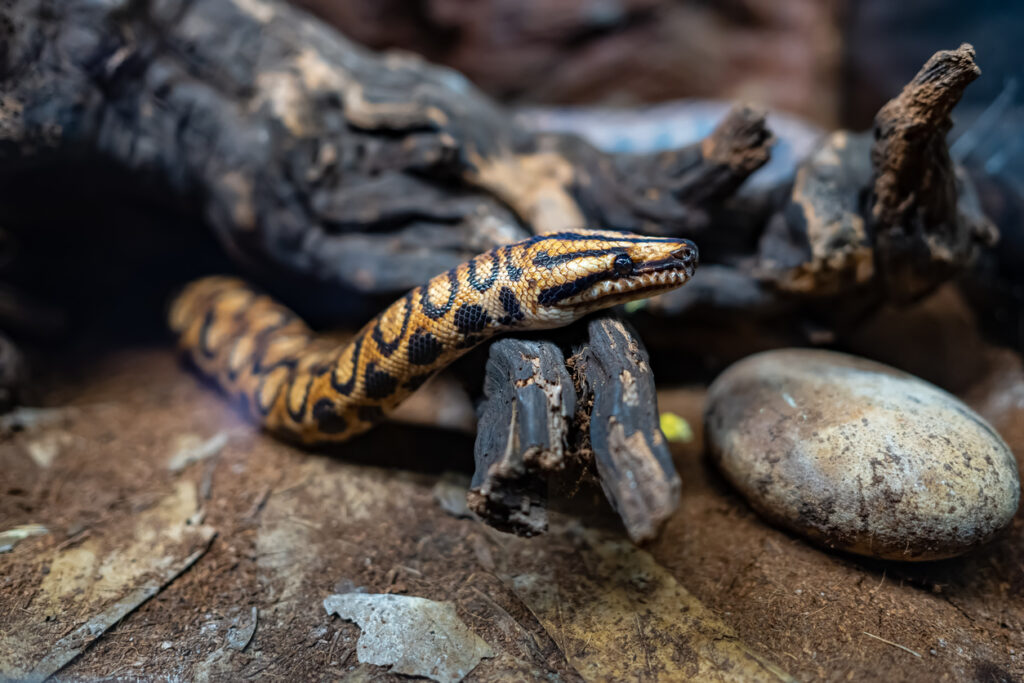
Over 400 venomous snakes are currently kept as pets in the UK under the Dangerous Wild Animals Act, including cobras and vipers. Getting a licence for these requires proving you can house them safely and that there’s no risk to the public.
Local councils will inspect your setup before granting a licence, and they can refuse if they think the enclosure isn’t secure enough or if you live somewhere that puts neighbours at risk. The licence isn’t cheap either and varies by council.
Wild cats, including small species, need licences.
It’s not just big cats like lions that are restricted, over 200 wild cats including smaller exotic species are kept under licence in the UK. Social media has driven a craze for exotic cat ownership, particularly hybrids, which worries animal welfare organisations.
These cats have needs that are virtually impossible to meet in a domestic setting, and keeping them often results in suffering for the animal. The licensing system is meant to ensure only people who can genuinely provide proper care are allowed to keep them.
You don’t need a licence for some surprisingly exotic animals.
Weirdly, you can legally own things like sugar gliders, certain reptiles, and various birds without any licence at all as long as they’re not on the dangerous list. This creates a confusing situation where some genuinely challenging animals to care for are completely unregulated.
Just because something’s legal to own doesn’t mean you should get one, though. Loads of exotic pets end up neglected or abandoned because owners didn’t realise what they were taking on, and there’s no legal requirement to prove you can care for them first.
Invasive species have their own separate rules.
Some animals are banned not because they’re dangerous but because they’re invasive non-native species that could damage UK ecosystems if they escaped or were released. These rules are completely separate from the Dangerous Wild Animals Act and people often don’t know they exist.
If you’re caught keeping a listed invasive species without the proper permits, you can have the animals seized and face prosecution. The rules got updated in 2025 to make them clearer about what’s allowed and what isn’t.
Local councils have huge variation in enforcement.

Each local authority handles dangerous animal licences independently, which means standards and costs vary massively across the country. Some councils are really strict and others are more relaxed, creating a postcode lottery for exotic pet owners.
Licence fees aren’t standardised either, so what costs you £200 in one area might cost £500 in another for exactly the same animal. This inconsistency makes it hard to know what you’ll actually face until you apply.
You can be prosecuted even with a licence if welfare standards drop.
Having a licence doesn’t give you a free pass to keep an animal however you want. The Animal Welfare Act 2006 still applies, and you can be prosecuted for failing to meet the animal’s welfare needs even if you’re technically licensed to keep it.
Penalties for animal cruelty have increased from six months to five years imprisonment, and courts can hand out unlimited fines. Inspectors can show up to check conditions and revoke your licence if standards have slipped.
Born Free tracks where dangerous animals are kept.
There’s now a public map showing where dangerous wild animals are being kept as pets across the UK, created by the Born Free charity using data from local authorities. You can literally check if someone near you has a venomous snake or a big cat.
This transparency is meant to push for stricter regulations because Born Free argues the Dangerous Wild Animals Act was supposed to make keeping these animals exceptional, not routine. They’re calling for the law to be reviewed and tightened up significantly.