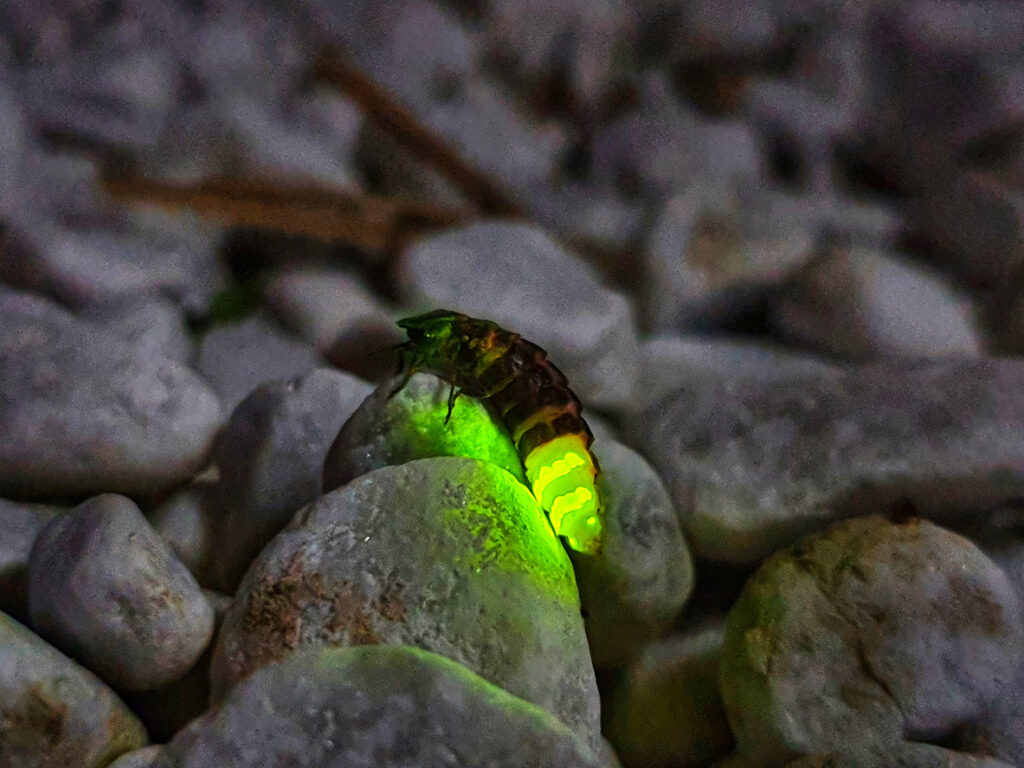
There’s something magical about watching fireflies light up a summer evening, with those soft, flickering glows turning a field or garden into something out of a dream. However, across the UK and around the world, that glow is fading fast. Fireflies are disappearing, and their decline is about far more than losing a bit of natural beauty. These tiny beetles are part of an intricate ecological balance, and their vanishing is a warning that the environments supporting them are collapsing too.
In many places, fireflies are becoming harder to find with each passing summer. Their breeding grounds are shrinking, their food sources are poisoned, and artificial light now fills the dark spaces they once needed to communicate and mate. What’s happening to fireflies reflects the wider damage being done to biodiversity across the planet, and while it’s worrying, it’s not hopeless. There are still plenty of ways to make a difference, from changing how we light our gardens to supporting wildlife-friendly habitats.
Fireflies rely on healthy habitats.
Fireflies thrive in damp meadows, hedgerows, and woodland edges—basically, the soft, shaded places where the ground stays moist and there’s plenty of shelter. As cities expand and the countryside becomes more fragmented, those habitats are disappearing. Draining wetlands, clearing scrubland, and building over green spaces leave them with fewer places to feed, breed, and lay their eggs.
When those natural habitats shrink, firefly populations collapse. Protecting the overgrown corners of gardens, parks, and community spaces helps them enormously. Leaving patches of long grass, keeping hedgerows intact, and avoiding overdevelopment aren’t small acts. They’re exactly what gives species like fireflies the space they need to recover.
Artificial lights confuse their mating signals.
Fireflies find their mates by communicating through bioluminescent flashes, which are a language of light that’s easily drowned out by modern life. Street lamps, garden lighting, car headlights, and even the glow from nearby homes make it harder for fireflies to see each other’s signals. When the night sky never truly goes dark, they can’t find partners, and their numbers plummet.
Reducing unnecessary outdoor lighting has an immediate impact. Turning off garden lights overnight, using motion sensors instead of constant illumination, and choosing warmer, low-glow bulbs all help restore the darkness fireflies need. Protecting natural night isn’t just about them. It also benefits countless species, including bats, moths, and nocturnal pollinators.
Pesticides wipe out their food supply.
Many firefly species rely on small invertebrates like snails and slugs to feed their larvae. But widespread pesticide and herbicide use wipes out these food sources, and poisons the fireflies themselves. Chemical treatments may make gardens look neat, but they strip ecosystems bare.
Switching to organic gardening or using natural pest control alternatives gives fireflies a chance to return. Encouraging healthy soil with compost, avoiding chemical sprays, and letting ecosystems regulate themselves naturally creates a thriving microhabitat for fireflies and the species they depend on.
Climate change is throwing off their life cycle.
Like many insects, fireflies rely on seasonal cues to time their hatching and mating. Warmer winters, erratic rainfall, and earlier springs caused by climate change throw that natural rhythm off. Some emerge too early, before food is available; others too late, missing their brief breeding window altogether.
Even small shifts in temperature can have huge ripple effects. Supporting rewilding initiatives, reducing energy consumption, and planting trees that stabilise local microclimates all play a part. Fireflies are a visual reminder that climate change isn’t just about melting ice caps. The tiny, everyday species struggling to adapt also deserve our attention and care.
Pollution blocks their signals.
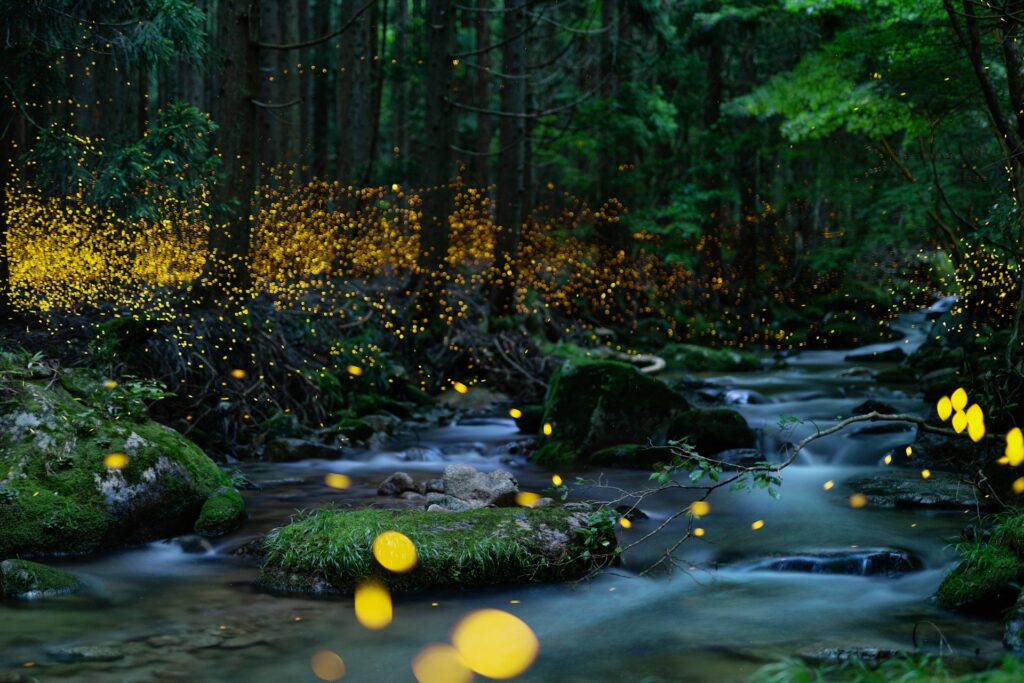
Air pollution doesn’t just cloud the skies; it also dulls the glow of fireflies. Their bioluminescent flashes don’t shine as brightly when surrounded by smog or chemical particulates, making it harder for them to find mates. Pollution also damages the ecosystems that support them, from the soil they breed in to the plants their prey rely on.
Cleaner air means brighter nights. Choosing public transport, walking, or cycling for short trips, supporting low-emission zones, and backing green policies all help clear the air. The benefits stretch far beyond human health. They bring back the natural magic of the night.
Over-manicured gardens limit their survival.
Fireflies need messy, damp, and shaded environments to thrive. Perfect lawns and overly tidy gardens might look beautiful to us, but they’re disastrous for them. Short grass dries out quickly, offering no cover for larvae, while excessive weeding removes vital microhabitats.
Leaving part of your garden untamed makes a real difference. Letting grass grow longer, leaving leaf litter, or allowing a small patch to “rewild” provides shelter for larvae and the insects they feed on. It’s one of the simplest and most effective ways to help fireflies bounce back.
They’re vital for pest control.
Firefly larvae are efficient hunters. They feed on slugs, snails, and other soft-bodied pests that often plague gardens and crops. When firefly numbers drop, those pest populations can rise unchecked, forcing heavier reliance on harmful chemicals, which only worsens the cycle.
Supporting fireflies is an easy way to promote natural pest control. A garden balanced with biodiversity doesn’t need as many interventions, and it thrives in a healthier, more sustainable way. Every glowing beetle plays its part in keeping nature balanced.
Their decline affects other wildlife, too.
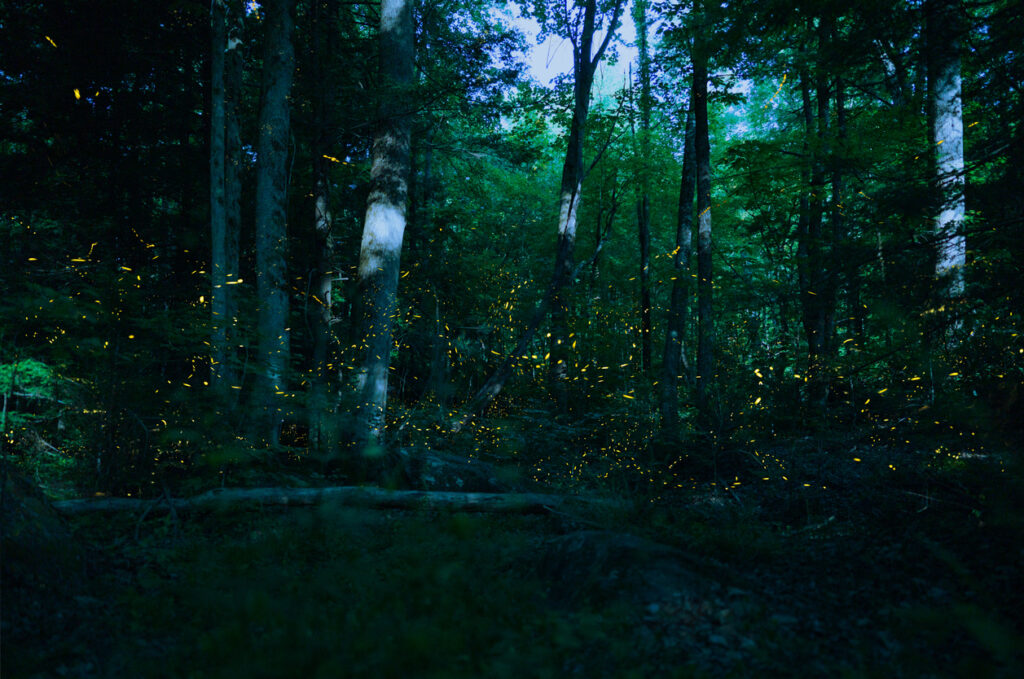
Fireflies aren’t just victims of ecosystem loss. They’re also vital players within it. Birds, bats, frogs, and toads all rely on them as a food source. When firefly populations fall, those predators struggle too, and the disruption ripples through the entire web of local wildlife.
Protecting fireflies helps stabilise that balance. What benefits one species often benefits many. The more we preserve the habitats that support them, the more we strengthen the overall health of our ecosystems.
They’re indicators of ecosystem health.
Fireflies are what ecologists call “indicator species,” which means their presence (or absence) tells us a lot about the state of the environment. When fireflies disappear, it usually means water quality is poor, pollution levels are high, or local habitats are collapsing. Their fading glow is often one of the first signs that something bigger is going wrong.
Monitoring them gives scientists vital insight into how healthy (or unhealthy) local ecosystems really are. Supporting firefly surveys, community conservation projects, or even logging sightings online helps create the data needed to protect them.
You can help by protecting natural darkness.
It sounds small, but simply switching off unnecessary lights is one of the most powerful things anyone can do. Fireflies evolved in deep darkness, and their communication, feeding, and breeding all depend on it. Reclaiming the night by reducing light pollution helps them recover quickly.
Installing motion sensors, shading garden lights, or using red-toned bulbs makes a difference. It keeps spaces safe for people while restoring the kind of darkness wildlife depends on.
Planting native wildflowers supports them.
Fireflies thrive in biodiverse spaces, especially those filled with native plants that attract other insects. Wildflowers provide food for the creatures fireflies feed on, while also supporting pollinators and improving soil health.
Even a small patch of native planting can become a haven for fireflies. Meadows, wildflower strips, and pollinator gardens all contribute to a richer, healthier ecosystem.
Local conservation groups are making progress.

Across the UK, wildlife trusts and conservation groups are tracking firefly populations, identifying hotspots, and restoring the habitats they need. Volunteers are mapping sightings, protecting hedgerows, and campaigning against light pollution.
Supporting these efforts doesn’t take much. Joining a local wildlife trust, reporting sightings online, or simply keeping your garden wildlife-friendly helps researchers and ecologists understand where to focus attention.
Saving fireflies keeps magic alive for future generations.
There’s something timeless about watching fireflies glow in the dusk, a natural magic that connects generations. Letting that fade away would be more than an environmental loss; it would be a cultural one, too.
Protecting them isn’t just about science or conservation, it’s about holding onto moments of quiet awe that remind us how connected we are to nature. Every small action, from turning off lights to leaving wild spaces alone, helps ensure future generations can look out on a summer evening and see the night sparkle again.