Kids who were glued to dinosaur books and documentaries tend to become totally different adults as a result.
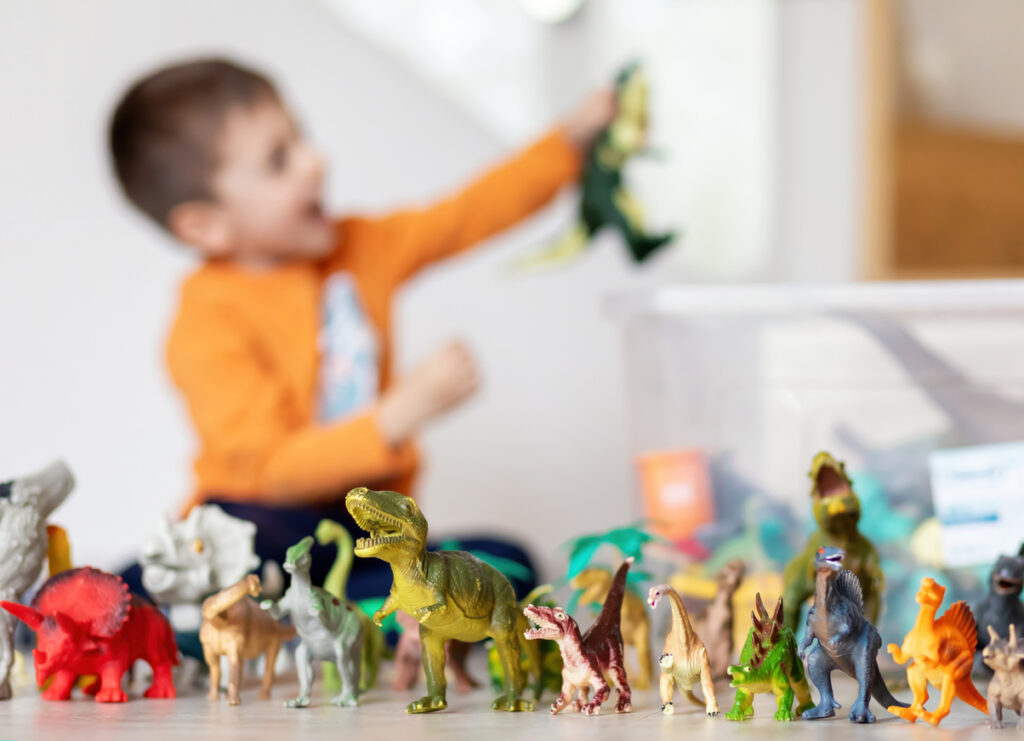
While most children drifted to the next big obsession, these kids stayed hooked, memorising names, sketching prehistoric creatures, and soaking up any scrap of information they could find. Looking back, that level of focus says a lot, and it tends to leave a mark long after childhood fades into grown-up life.
As adults, many of them show patterns that feel strangely tied to those early years of digging into a world that no longer exists. The habits they formed back then still colour the way they think, learn, and move through life now. Once you look closely, you can see how that early fascination shaped them in ways that are easy to miss until you know what you’re looking for.
1. They stay naturally curious about how things work.
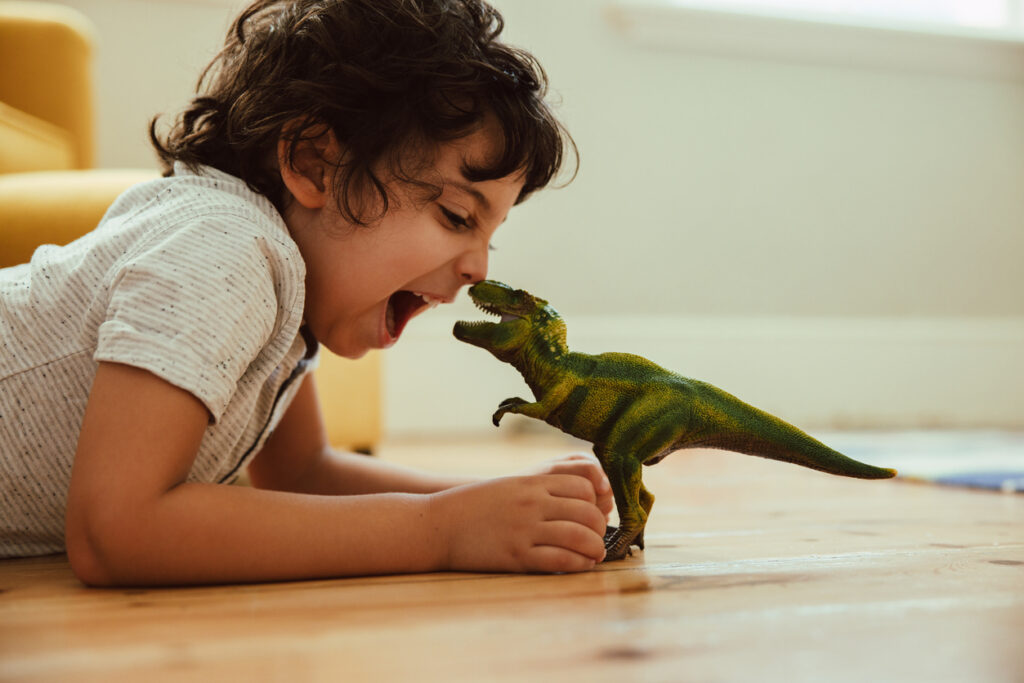
Dinosaur kids grow up asking questions about everything, and that habit rarely disappears. They want to know why something happens, how it works, and what sits behind the surface. Their curiosity pushes them to look deeper instead of accepting simple answers.
As adults, they often enjoy learning new facts or researching topics for fun. They like understanding the bigger picture and feel more alive when they’re discovering something new.
2. They tend to be strong visual thinkers.
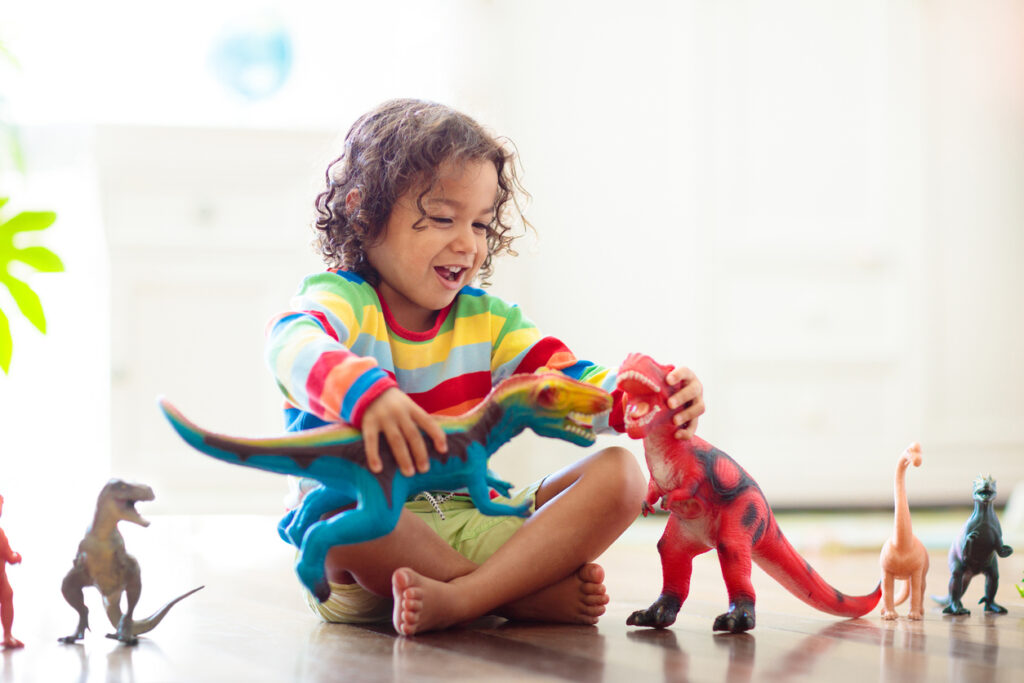
Dinosaurs spark the imagination early, and children who loved them often created whole scenes in their heads. That ability to picture details becomes a skill later in life. They can imagine ideas clearly and understand things by visualising them.
It makes them good at problem-solving, planning and creative tasks. They often find it easier to understand concepts when they can see them in their mind rather than through long explanations.
3. They carry a deep focus for topics they care about.
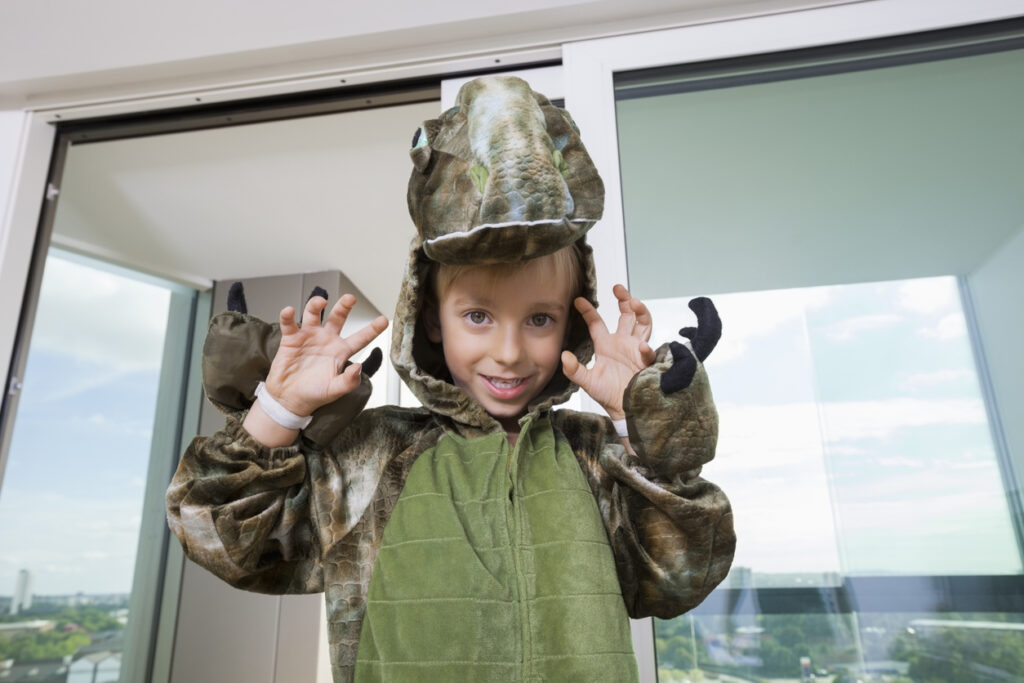
Most dinosaur kids could talk for hours about fossils or species names. That early deep focus often remains and becomes a long-term strength. They can concentrate intensely when something interests them and stay committed until they understand it fully. Having that level of focus often helps them in work and hobbies. They can stick with complex tasks without losing interest, and enjoy diving into details that other people might overlook.
4. They often enjoy collecting or organising things.
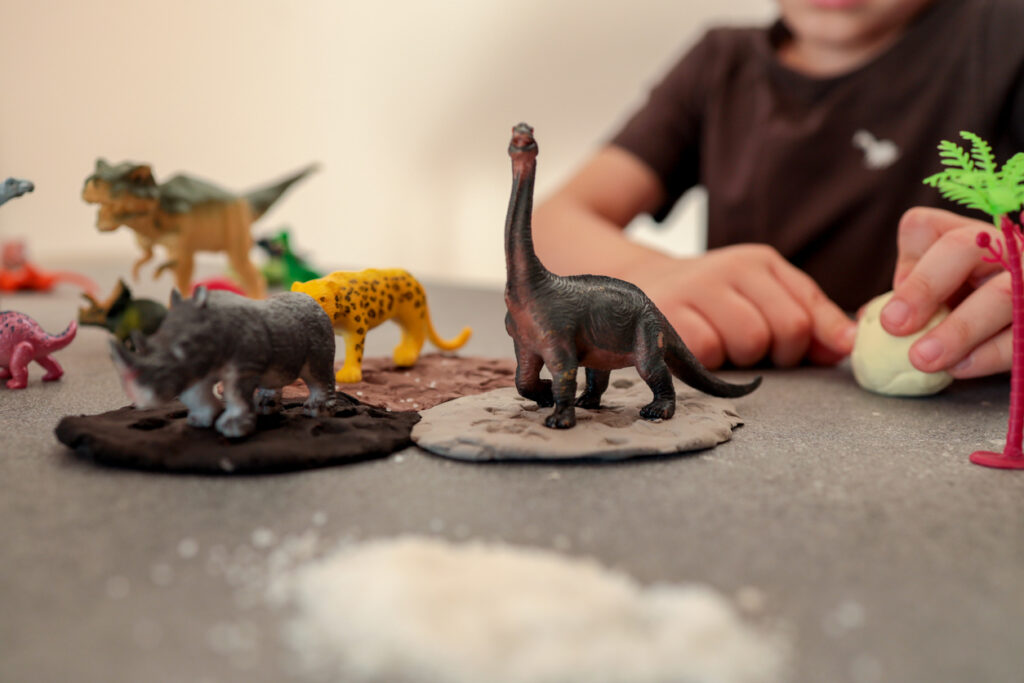
Dinosaur fans usually loved gathering models, cards, or books. As adults, this often turns into collecting hobbies or a natural skill for organisation. They enjoy sorting, labelling or building sets of related items.
It’s a trait that can make them reliable and methodical in everyday life. They feel calm when things are in order and enjoy seeing patterns or links between different objects or ideas.
5. They tend to be patient and comfortable learning slowly.

Understanding dinosaurs takes time, and the slow discovery process teaches patience. Kids who loved dinosaurs often learned to enjoy long explanations and detailed information. That mindset stays with them into adulthood.
They can work through slow tasks without frustration and aren’t put off by complicated subjects. They enjoy learning at their own pace and don’t rush their understanding.
6. They usually have a soft spot for nature and animals.

An interest in dinosaurs often leads to a wider love of wildlife. People who grew up obsessed with prehistoric creatures tend to respect animals and care about conservation. They enjoy spending time outdoors and feel connected to natural spaces.
Having such profound respect for nature gives them a calmer approach to life. They often choose hobbies or routines that involve animals, green spaces or environmental awareness.
7. They appreciate science even if they’re not scientists themselves.
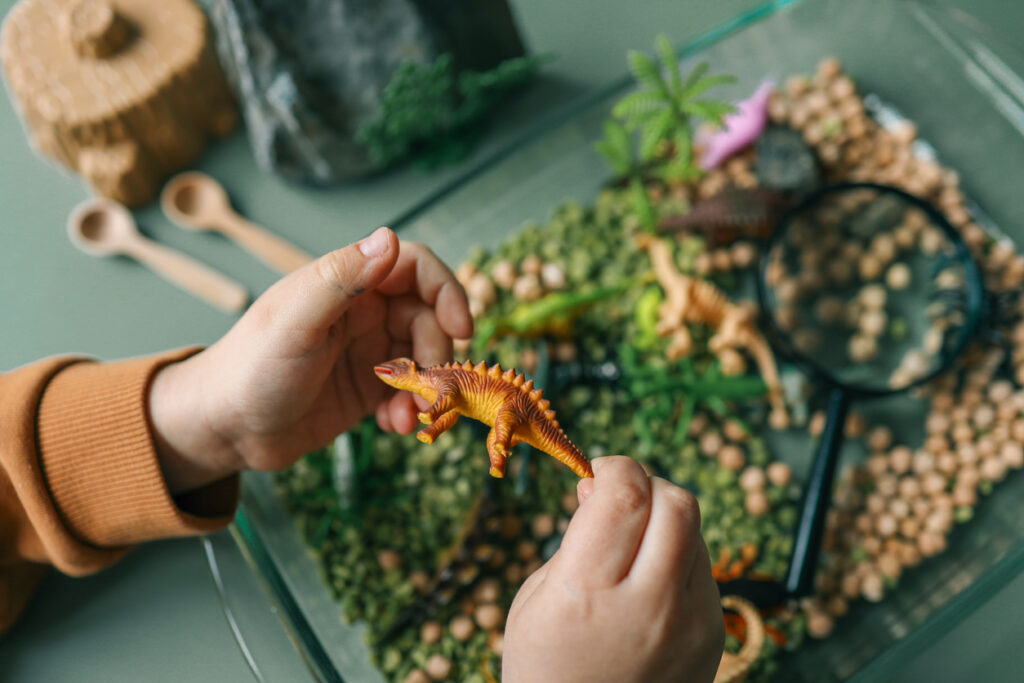
Dinosaurs spark a love for facts, evidence, and discovery. Adults who grew up obsessed with them often enjoy scientific thinking, even if they don’t work in science. They like learning from experts and feel comfortable with logical explanations.
Having that mindset makes them open to new information and less likely to jump to quick conclusions. They value accuracy and enjoy getting things right rather than guessing.
8. They stay imaginative and playful as adults.
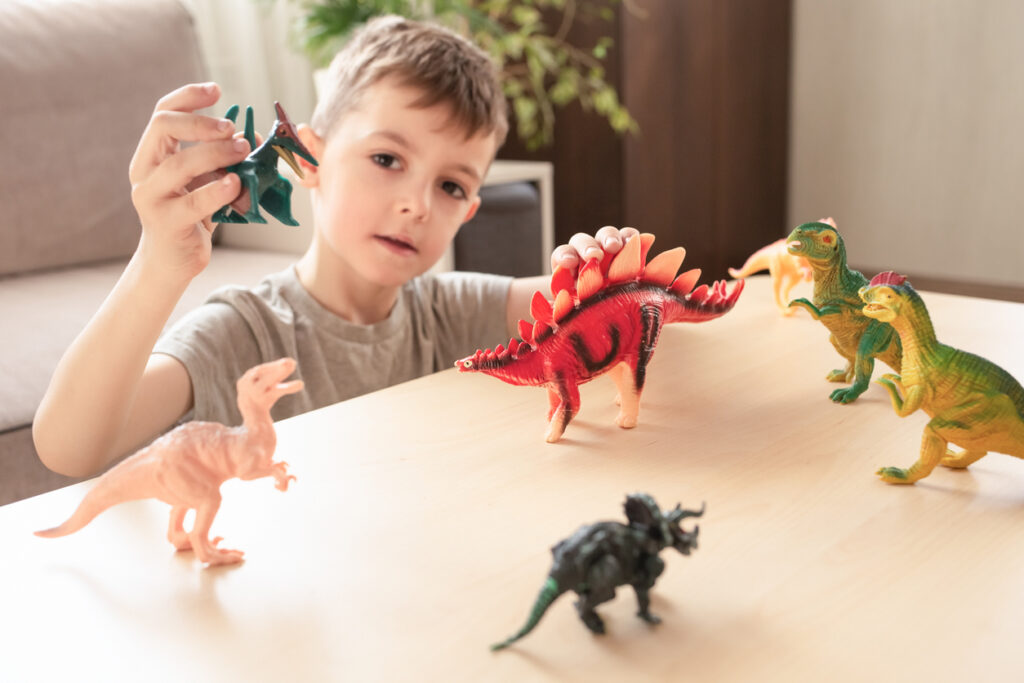
Dinosaur kids spent hours imagining worlds filled with giant creatures. That playful creativity usually remains, even when they grow up. They enjoy stories, ideas and daydreaming more than the average person.
Such vivid imagination helps them solve problems in unique ways. They can look at situations from unusual angles and come up with ideas other people wouldn’t consider.
9. They often form strong opinions about their favourite topics.

People who grew up loving dinosaurs often still have favourites they defend passionately. That level of early loyalty often turns into strong opinions in adulthood. When they care about something, they speak up and stand by their view.
Their relaxed confidence makes them good communicators. They can explain why something matters and enjoy sharing what they know with other people in a clear and enthusiastic way.
10. They enjoy learning things most adults ignore.
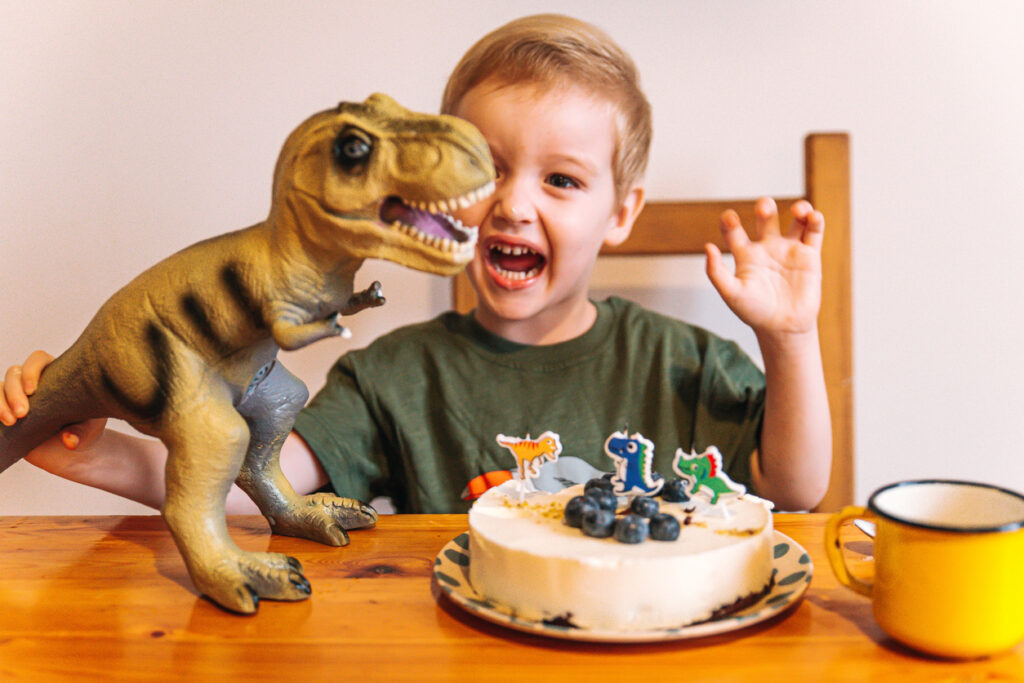
Dinosaur lovers often dive into topics most people overlook. They enjoy reading about ancient history, rare facts or unusual discoveries. It’s a habit that follows them into adult life and shapes their interests.
They bring fresh knowledge into conversations and often become the person everyone turns to for explanations. Their curiosity keeps them interesting and well-informed.
11. They tend to think long term.

Dinosaurs naturally shift a child’s sense of time. Growing up with them teaches perspective because they existed millions of years ago. Adults with this background often think ahead more clearly than others.
Long-term thinking helps them stay calm during stressful moments. They understand that life moves in phases and that big changes take time, which gives them a steady view of the future.
12. They feel comfortable being passionate about niche interests.

Dinosaur kids were often the ones who talked about fossils when no one else did. That confidence in loving something unusual usually stays. As adults, they don’t feel embarrassed about their hobbies or deep interests.
The fact that they’re so comfortable being different makes them more authentic. They enjoy their hobbies without worrying about judgement, which often inspires other people to do the same.
13. They develop strong research skills without realising it.
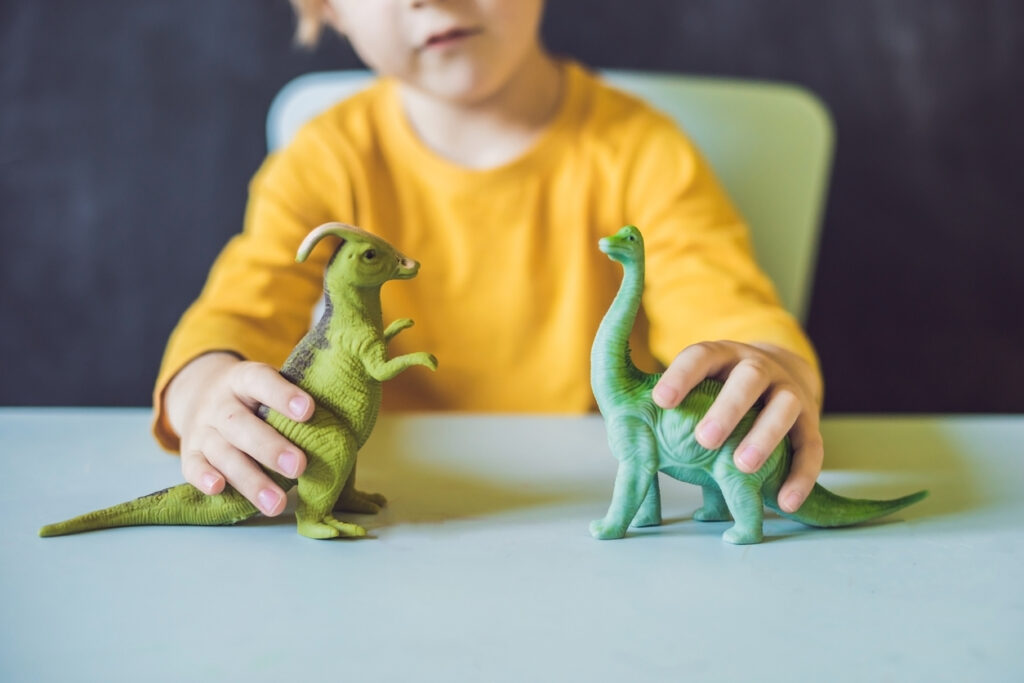
Kids who loved dinosaurs asked endless questions and hunted through books for answers. That early behaviour builds research skills. As adults, they know how to find information quickly and understand it clearly.
This skill helps them solve problems, plan projects and make informed decisions. They can track down useful facts in a way that feels natural because they learned it young.
14. They carry a deep sense of wonder into adulthood.

Dinosaurs are larger than life, and that sense of amazement never fully fades. Adults who loved them often feel the same excitement when they discover something new or learn about the world. They don’t lose their sense of wonder easily.
This trait makes life more enjoyable. They can find joy in small discoveries and stay open to new experiences, which helps them remain optimistic in a practical and steady way.
15. They become thoughtful storytellers.
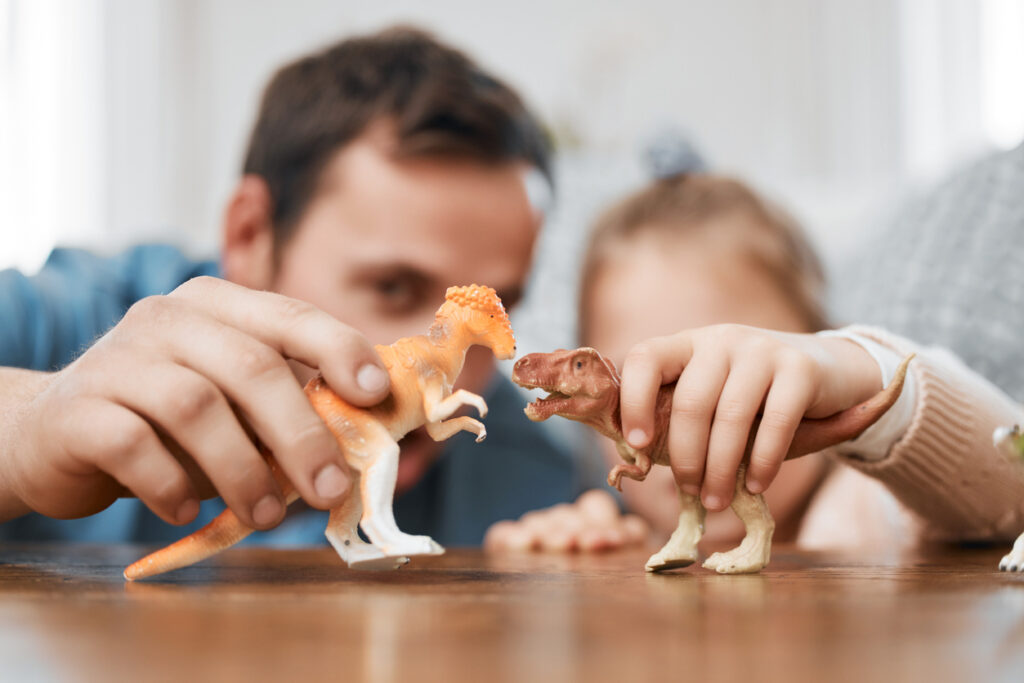
Dinosaur kids often explained theories, shared facts and created their own worlds. Having that early storytelling practice becomes a strength later in life. They communicate clearly and enjoy sharing ideas in a way people understand.
This skill helps them socially and professionally. They can break down information into simple explanations and make conversations engaging without trying too hard.
16. They stay loyal to the things they loved growing up.

Adults who were dinosaur-obsessed often still feel connected to their childhood interests. They keep their favourite books, watch documentaries or follow new discoveries. Their loyalty shows they value their past and stay connected to who they used to be.
That sense of continuity helps them feel grounded. It gives them a stable line through life, reminding them of the excitement and curiosity they felt as children and still carry today.