Octopuses have the remarkable ability to seemingly change colours in the blink of an eye.
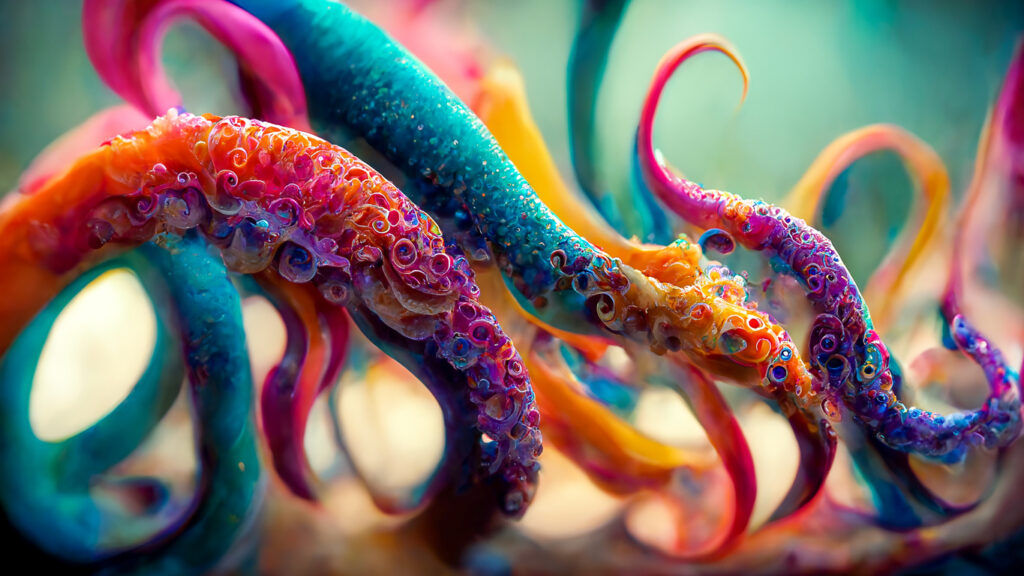
One moment they’re blending into a rock, and the next they’re matching the sand beneath them as if it took no effort at all. Watching it happen feels almost unreal, and it naturally makes you wonder how their bodies manage something so precise and so quick.
The truth is, there’s an impressive bit of biology behind this trick, and it’s far more intricate than many people realise. Their skin reacts to their surroundings in ways that would put most high-tech camouflage to shame, yet it’s all done with systems they’re born with. Once you understand what’s going on beneath the surface, the whole process becomes even more fascinating, and it gives you a deeper appreciation for just how advanced these animals are.
Their skin contains millions of colour-changing cells.
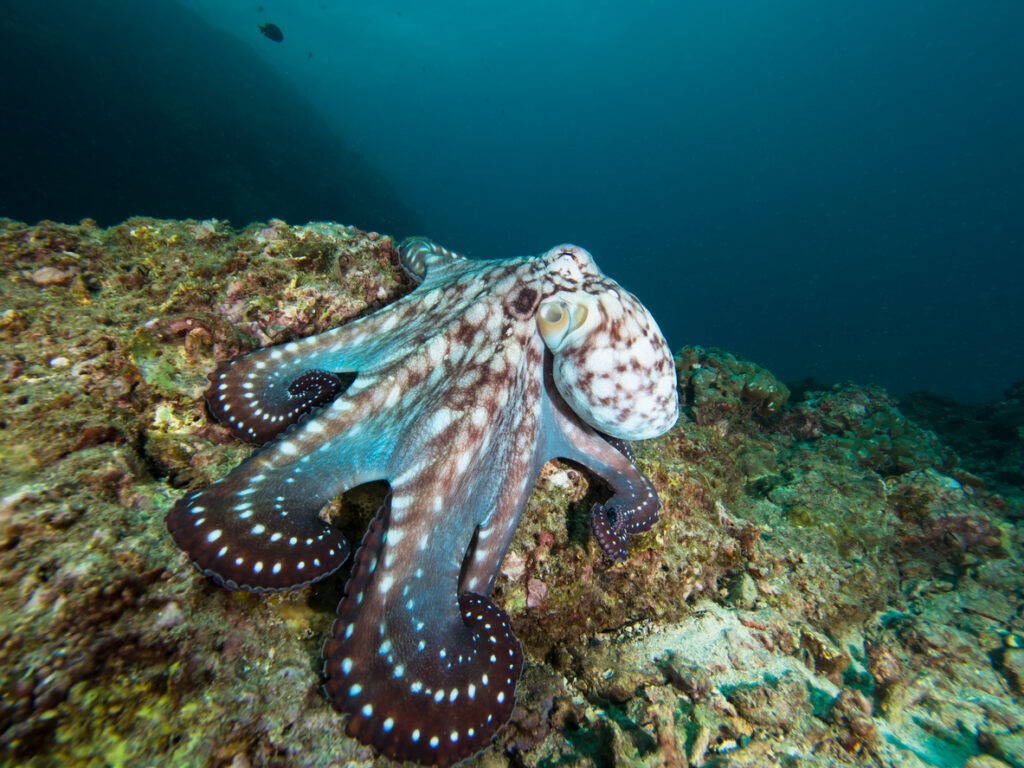
Octopus skin is covered in tiny cells called chromatophores. Each one works like a small balloon filled with colour. When the octopus wants to change appearance, it expands or shrinks these cells. Expanded cells show bright colours, while smaller ones make the skin look darker.
These cells react instantly to messages from the nervous system. As soon as the brain decides to blend in, the cells change shape. This lets the octopus switch colours quickly enough to confuse predators or hide from prey.
Chromatophores work like natural pixels.
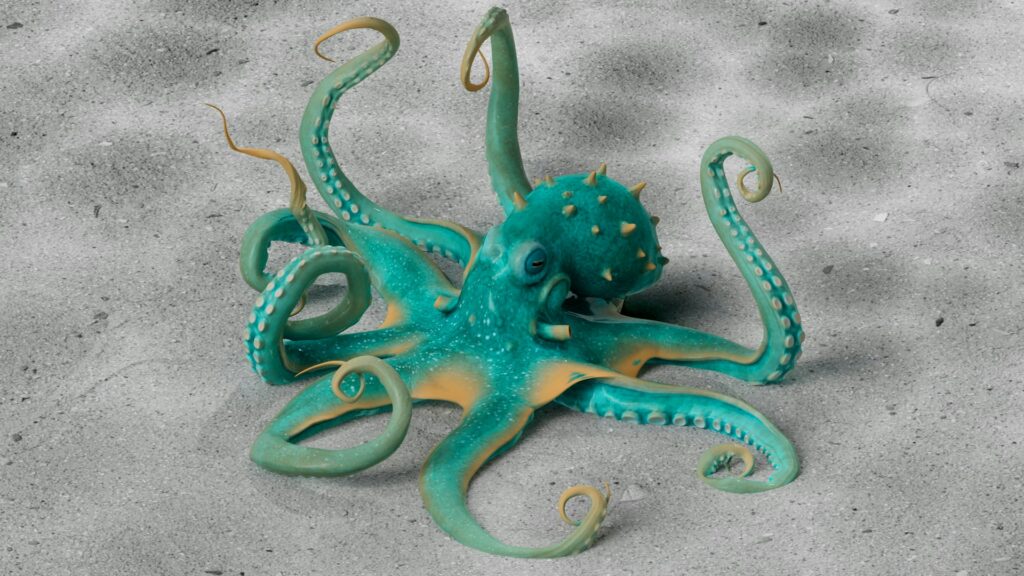
Each chromatophore holds a specific pigment such as red, yellow, or brown. When thousands of them expand at the same time, they create patterns that look like pixels on a screen. The octopus chooses which cells to activate to create detailed colour effects.
This pixel-like system allows the octopus to copy almost any background. It can create spots, stripes or smooth colour blends. The detail is so accurate that many predators swim right past without noticing.
Beneath the colour cells are layers that change light.
Under the chromatophores are two more layers of special cells. Iridophores reflect light to create shimmering blues and greens. Leucophores act like natural mirrors that reflect whatever colour is around them. Together, they create complex patterns.
These deeper layers help the octopus match surroundings, even when colours change with sunlight or water movement. They adjust the brightness and reflection to make the camouflage look more realistic.
Their brain is designed for fast colour control.
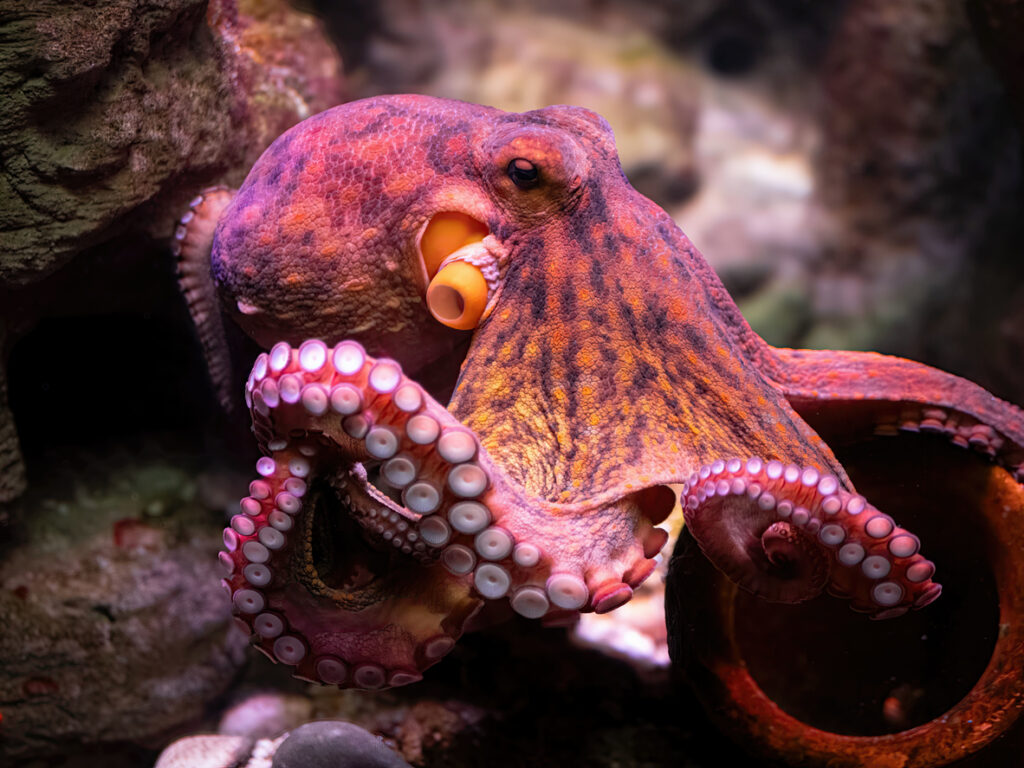
Octopuses have one of the most complex nervous systems of any invertebrate. Their brain sends rapid signals to the skin, telling different areas to change colour, texture, or pattern. The speed of these signals allows instant changes.
This fast communication means they can switch appearance while moving. The brain monitors the surroundings constantly and updates the skin in real time, which makes them excellent at hiding.
They change texture as well as colour.

Colour alone isn’t enough to hide underwater. Octopuses can also change the surface of their skin. They raise bumps, create smooth patches or form rough shapes that match rocks and coral. This texture shift happens at the same time as the colour change.
These combined changes create a three-dimensional camouflage. Predators see both the right colour and the right shape, which makes the octopus blend in perfectly with the sea floor.
Their eyes detect tiny details in the environment.
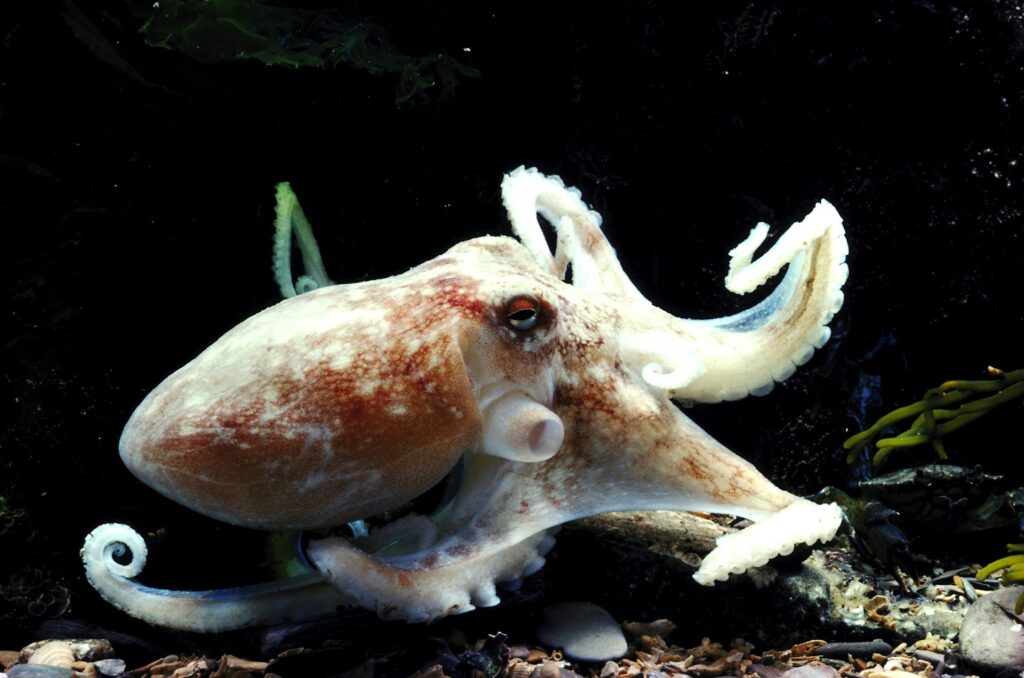
Octopuses have excellent vision. They see contrast and patterns very clearly, even if they can’t see colour the same way humans do. Their eyes scan the surroundings and send the brain a detailed picture of what needs copying.
Their high-quality visual input helps them choose the right camouflage. They can match dark shadows, bright patches or wavy patterns created by water movement with surprising accuracy.
They can copy patterns instead of just flat colours.

Octopuses don’t only change colour. They can create stripes, spots, and shapes that match coral, stones, or seaweed. Their skin cells work together, so the patterns look smooth and natural instead of random.
This pattern copying makes them one of the most advanced camouflage animals on Earth. They can disappear on sandy bottoms, rocky reefs or bright coral environments within seconds.
The change helps them hunt without being noticed.
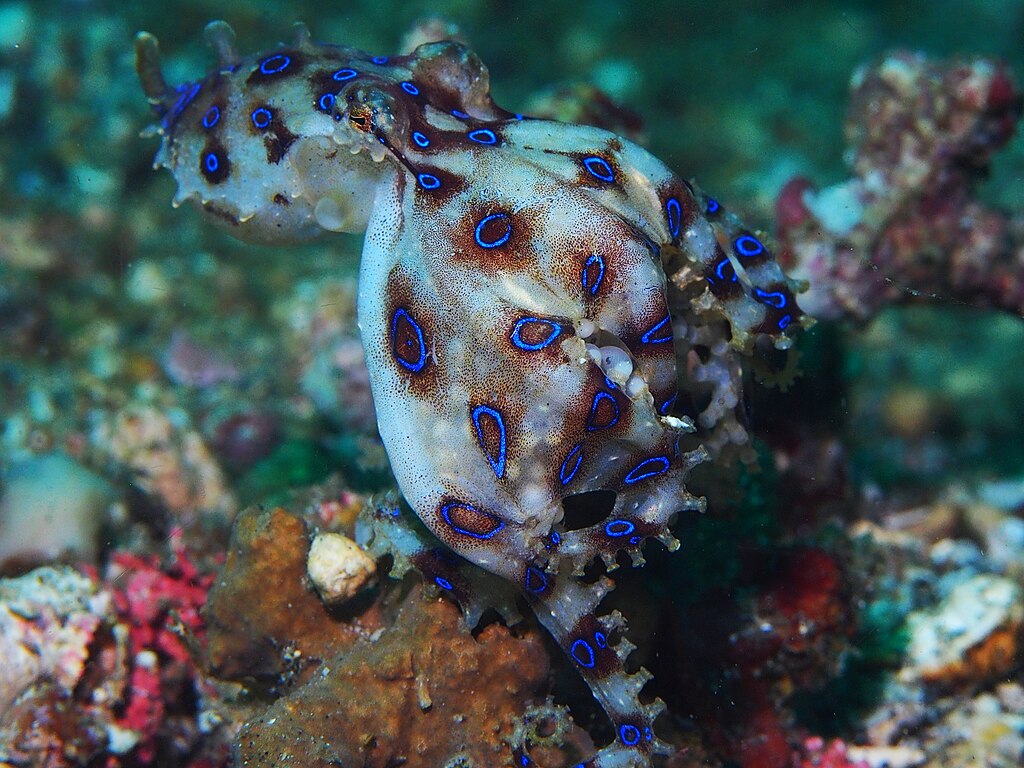
Camouflage isn’t only for hiding from danger. Octopuses use it to stalk prey. They blend into their surroundings and move closer without being seen. When the moment is right, they strike quickly with their arms and suckers.
Such a stealth ability gives them a big advantage. Many fish and crabs never realise an octopus is nearby until it’s too late. Their colour changes act like a hunting tool.
They also change colour to communicate.
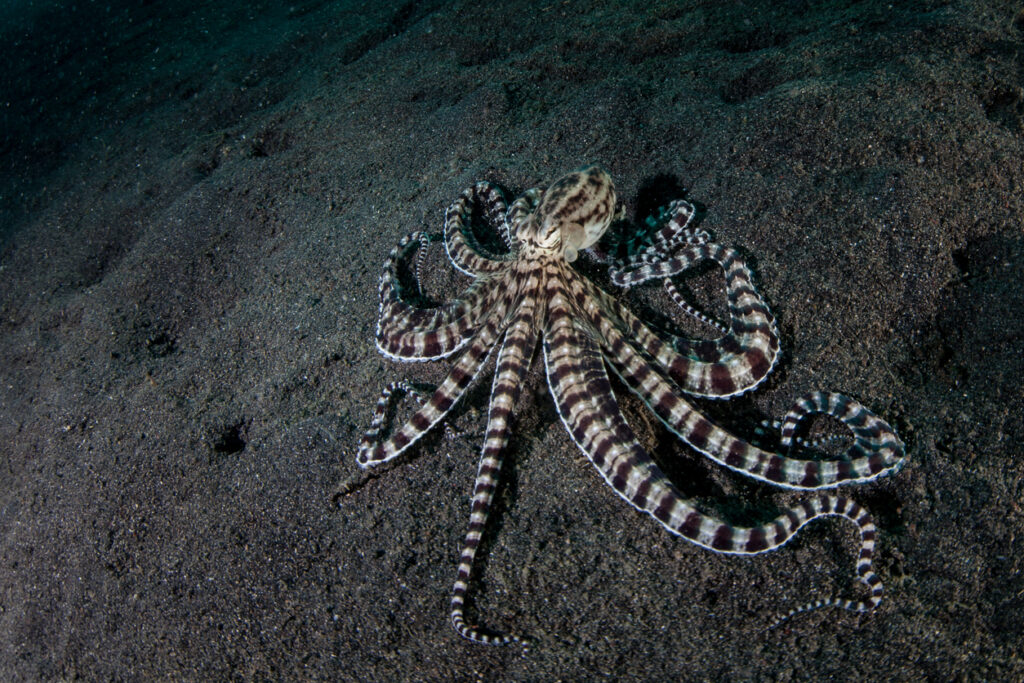
Octopuses use different colours to signal their mood. Dark colours can show anger or fear, while pale shades can mean calmness. These quick shifts help them communicate with other octopuses during fights, mating, or moments of stress.
The colour changes happen naturally in response to emotion. Their skin reacts directly to internal signals, making communication fast and clear.
Some species can flash bright warning colours.
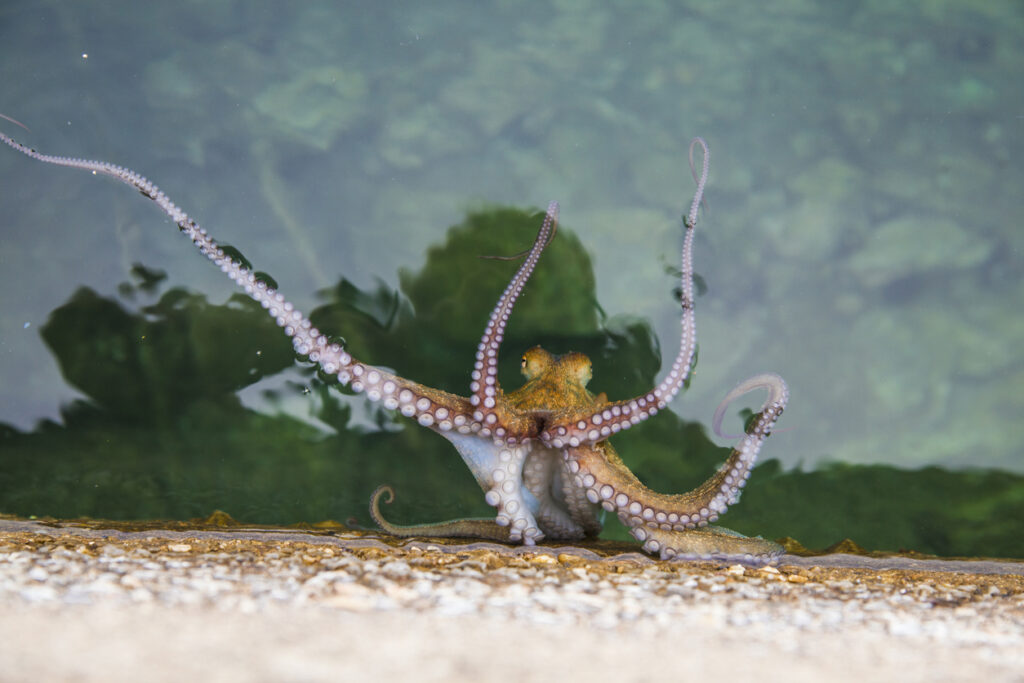
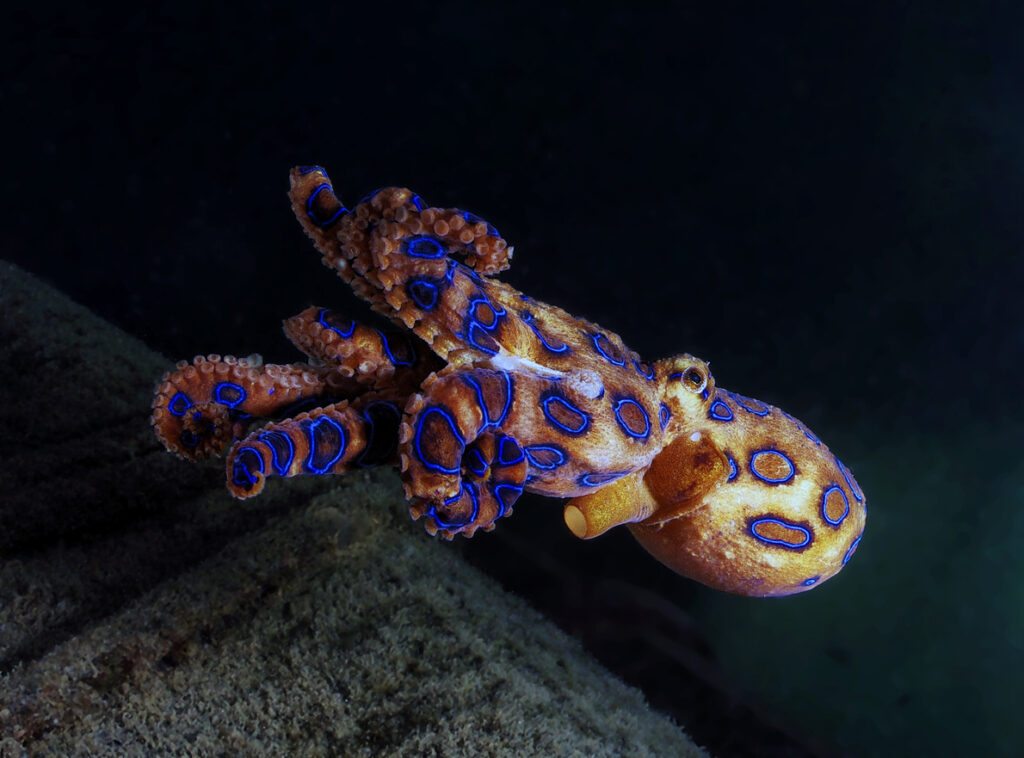
Certain octopuses use bold colours like white or vivid blue to warn predators. These flashes happen suddenly and often surprise anything trying to attack. It’s a way of saying they’re dangerous or not worth the risk.
The warning system works because the colour change is so fast and dramatic. Predators hesitate long enough for the octopus to escape or hide again.
Each arm can react independently.
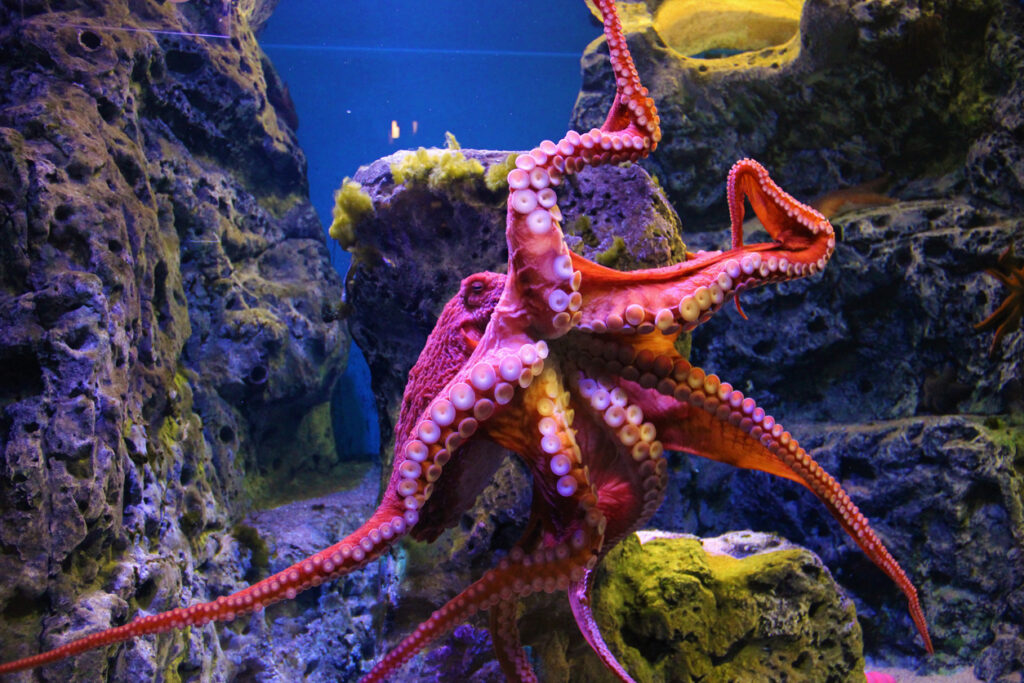
An octopus doesn’t need the whole body to match one colour. Each arm can change colour separately. This helps them blend into tricky backgrounds where different areas need different patterns.
Their independence also helps during hunting. One arm can stay hidden while another copies a different section of the environment. It gives them better control and flexibility in complex spaces.
Babies can camouflage almost from birth.
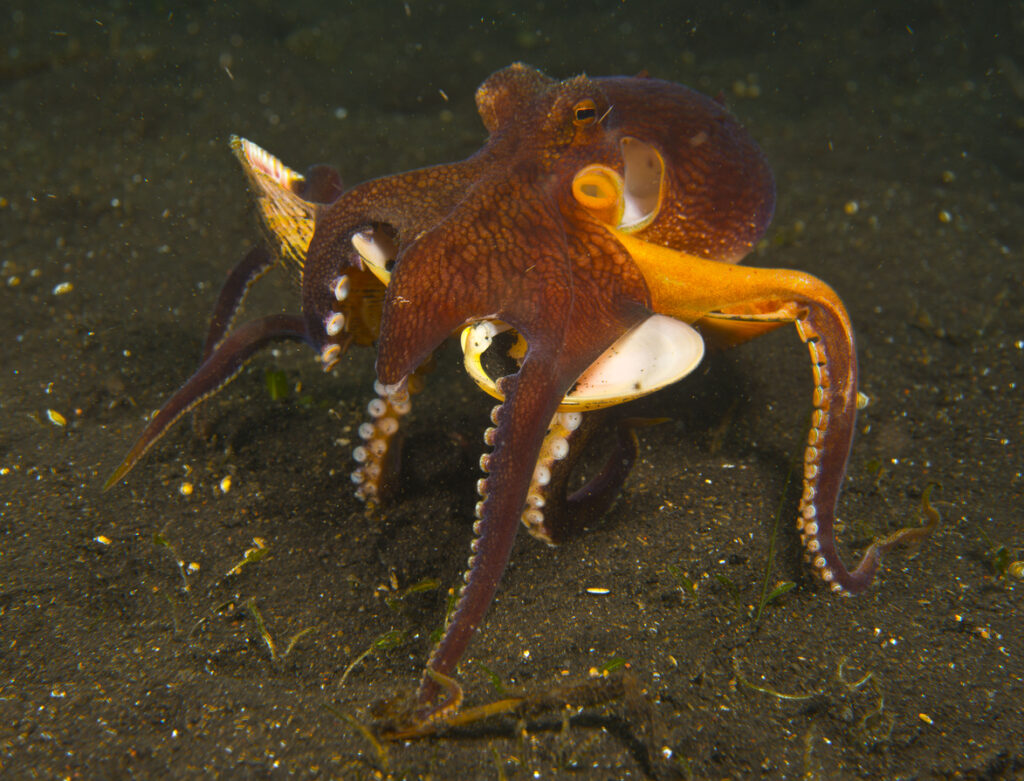
Young octopuses are born with working chromatophores. They can hide long before they’re strong or experienced. This early camouflage helps them survive, as they’re easy targets for many predators.
Even as juveniles, they can copy patterns in sand or seaweed. Their quick colour changes protect them during the most vulnerable stages of life.
Their colour-changing skills make them one of the smartest sea creatures.
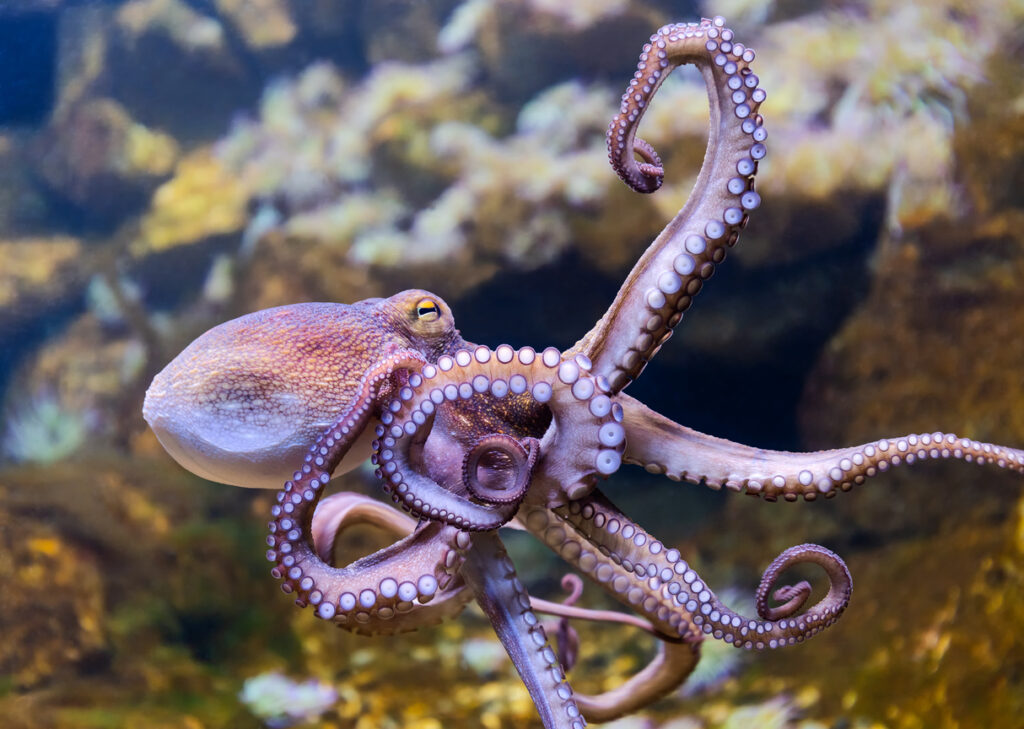
The ability to control colour, texture, and pattern instantly shows how advanced octopuses are. Their brain power, eyesight, and skin cells work together in perfect coordination. This makes them stand out even among highly intelligent marine animals.
Their camouflage is more complex than almost any other creature. It helps them hunt, hide and communicate, all through rapid changes that look almost impossible to humans.