While most wildlife documentaries focus on the majestic or the misunderstood, some jungle animals are quite frankly a nightmare for anything that shares their postcode.
These aren’t just efficient predators; they’re the high-stakes bullies of the ecosystem, often going out of their way to cause chaos even when they aren’t looking for a meal. Whether it’s through sheer physical dominance, a bizarrely aggressive temperament, or a social structure that relies on intimidation, these creatures create a permanent atmosphere of tension in the rainforest.
Living near them means being in a constant state of high alert, as they tend to treat the entire jungle like their personal punching bag. They’ve basically ditched any sense of fair play in favour of a strategy that involves being the loudest, meanest, and most unpredictable thing in the trees, making life incredibly difficult for their neighbours.
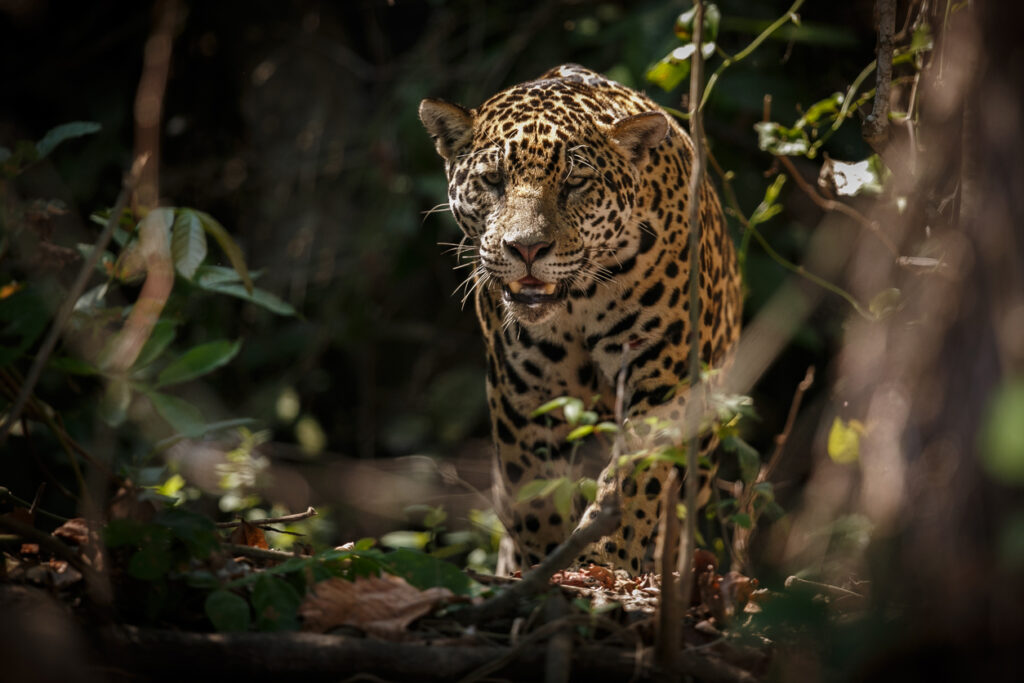
Jaguars bite straight through skulls and drag prey up trees.
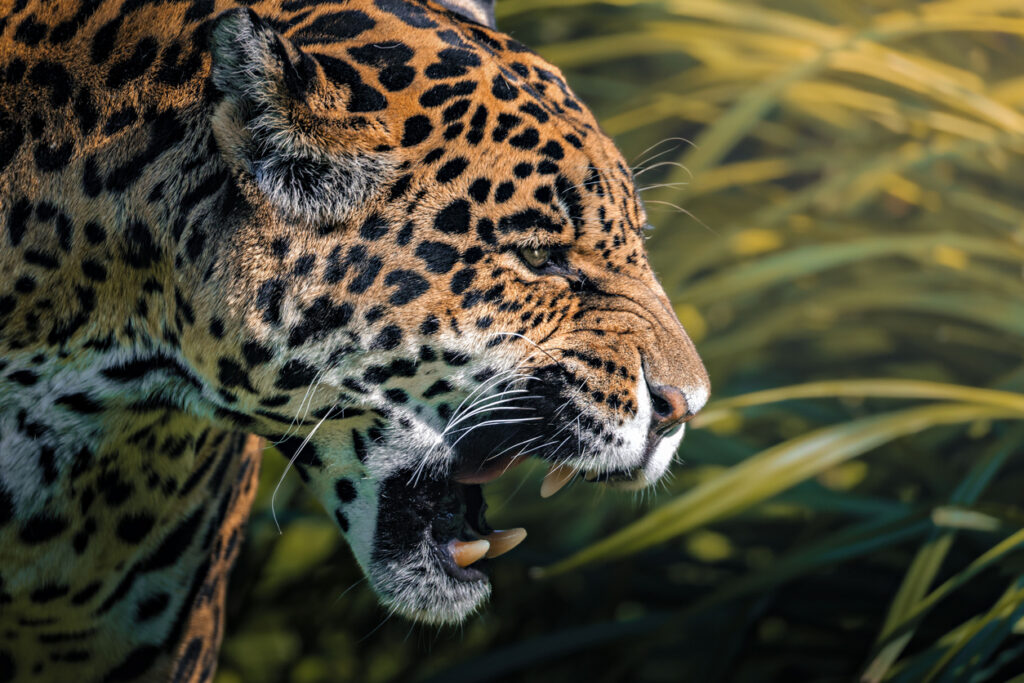
Jaguars have the strongest bite force of any big cat relative to their size, powerful enough to pierce turtle shells and crocodile skulls in one crunch. They don’t suffocate prey like lions or tigers, they go straight for the head with a killing bite that crushes the skull or spine instantly. This makes them terrifyingly efficient hunters because there’s no struggle or chase, just a single devastating attack. They’re also incredibly strong climbers and will haul kills weighing as much as they do up into trees to eat in peace, meaning nothing is safe on the ground or in the canopy when a jaguar’s around.
Harpy eagles snatch monkeys from branches without slowing down.
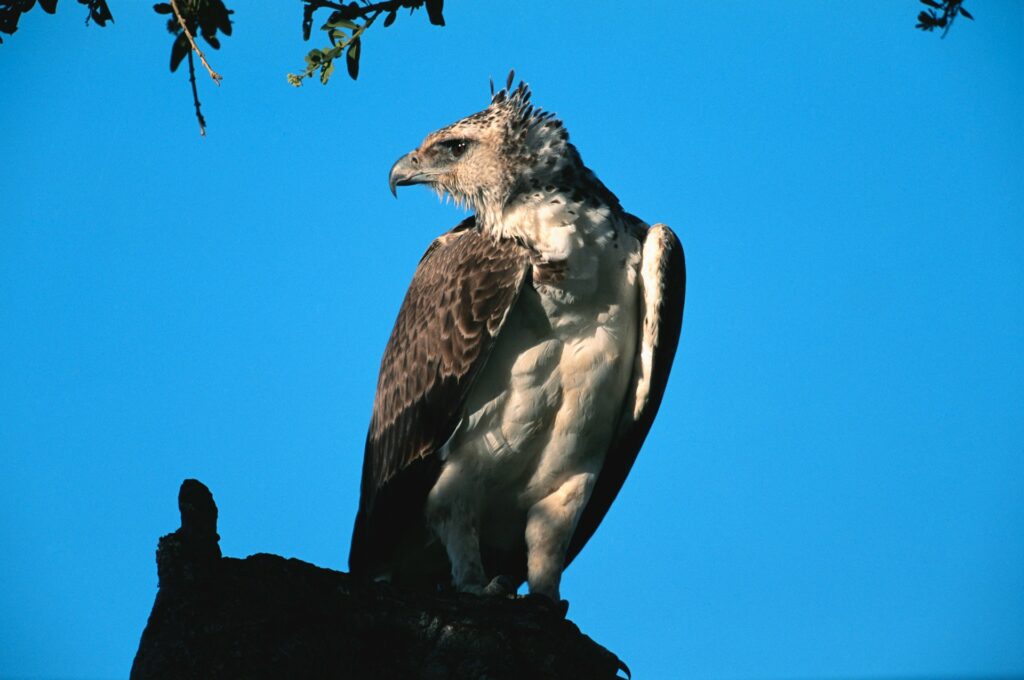
These massive eagles have talons the size of grizzly bear claws and enough strength to carry off prey weighing as much as they do. Harpy eagles specialise in hunting monkeys and sloths by flying through the dense canopy at speed and plucking them off branches in a single pass. The impact alone can kill smaller prey before the talons even close. Monkeys in areas with harpy eagles spend significant time and energy watching the sky because these birds are silent, fast, and absolutely deadly. Once a harpy eagle has you in its grip, there’s no escape.
Army ants swarm in millions and devour everything in their path.

When an army ant colony goes on a raid, everything in the jungle knows to get out of the way or die. Millions of ants move together in coordinated waves, overwhelming prey through sheer numbers rather than individual strength. They’ll strip insects, small mammals, and even larger injured animals down to bones within hours. The raids are relentless, and nothing can fight off that many attackers at once. Animals have learned to recognise the signs of an army ant march and will abandon nests, burrows, and feeding areas rather than face them.
Bullet ants deliver the most painful sting on earth.
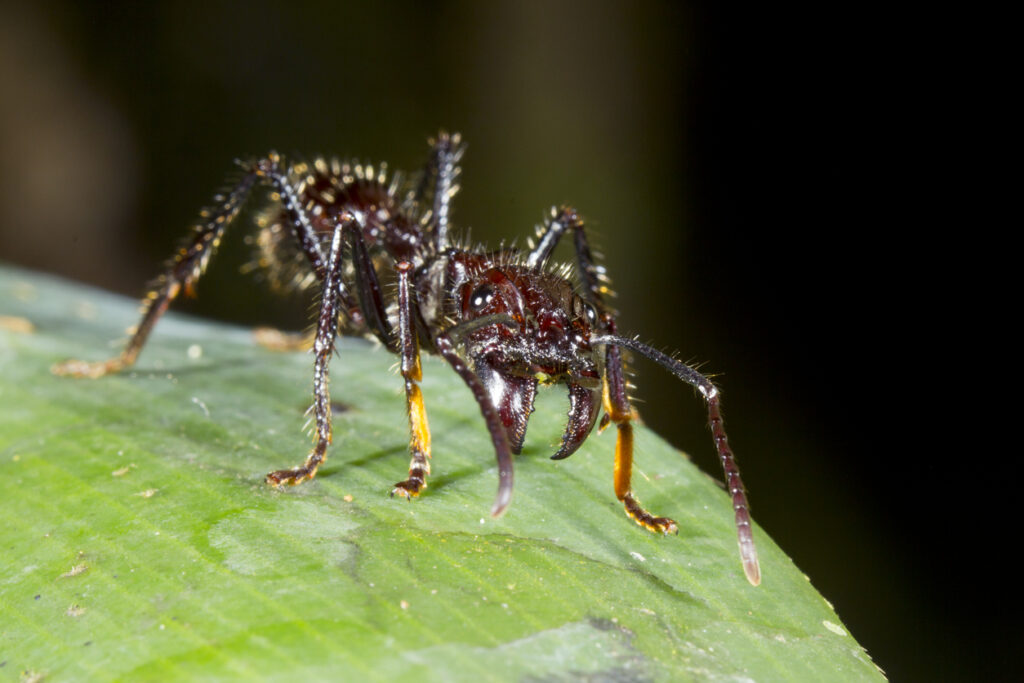
Named because their sting feels like being shot, bullet ants cause waves of intense pain that can last up to 24 hours. The venom affects nerve endings in ways that create genuinely excruciating suffering, and people who’ve been stung describe it as worse than childbirth or breaking bones. The ants are aggressive when defending their nests and will sting repeatedly if threatened. Indigenous peoples use bullet ant stings in initiation ceremonies specifically because the pain is so extreme and long-lasting. Everything in the jungle learns to avoid bullet ant colonies because the cost of disturbing them is absolutely not worth it.
Anacondas constrict prey until their hearts stop.
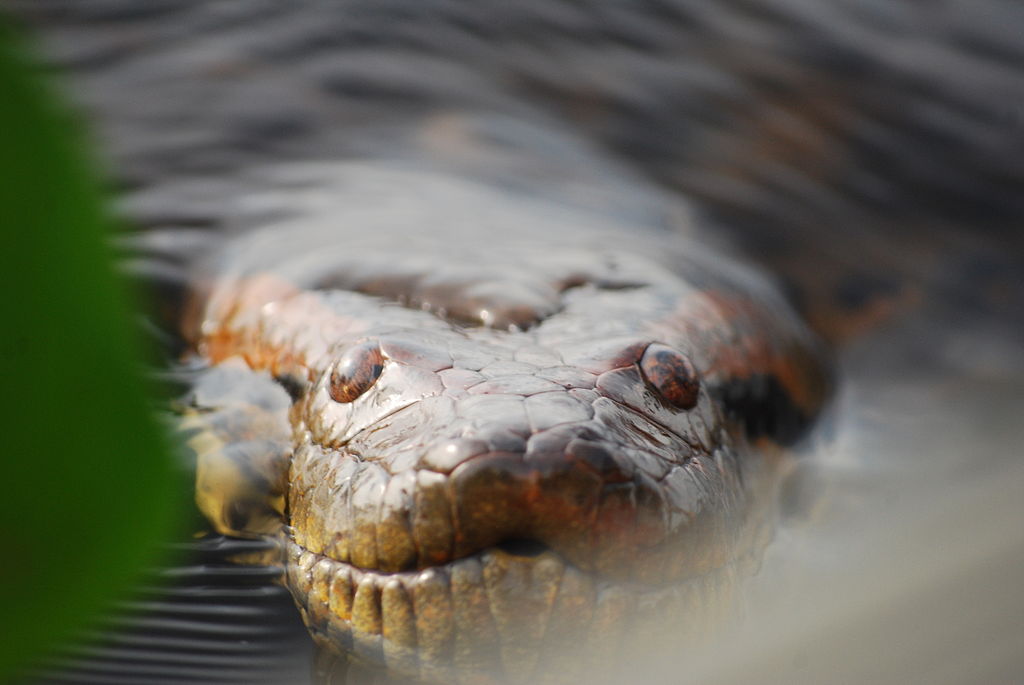
Green anacondas are massive ambush predators that hide in murky water and drag unsuspecting animals in without warning. They don’t crush bones or suffocate prey the way people think, they squeeze with such precise force that blood can’t reach the brain, causing cardiac arrest within minutes. The constriction is calculated, each time the prey exhales, the anaconda tightens incrementally until there’s no room left to breathe. They can take down caimans, capybaras, and even jaguars if they catch them drinking. Anything that needs water in anaconda territory is taking a serious risk every time it approaches the river.
Poison dart frogs carry enough toxin to kill ten adults.

These tiny, brightly coloured frogs advertise their toxicity through their appearance because they can afford to be seen. Their skin secretes alkaloid poisons that indigenous peoples used on hunting darts, hence the name. One golden poison dart frog carries enough toxin to kill ten grown men. The poison causes muscle paralysis and heart failure with no antidote. Predators have learned over generations that these colours mean death, so the frogs hop around openly without fear because nothing will touch them. It’s chemical warfare on a tiny, vibrant scale.
Piranhas strip animals to bone in feeding frenzies.
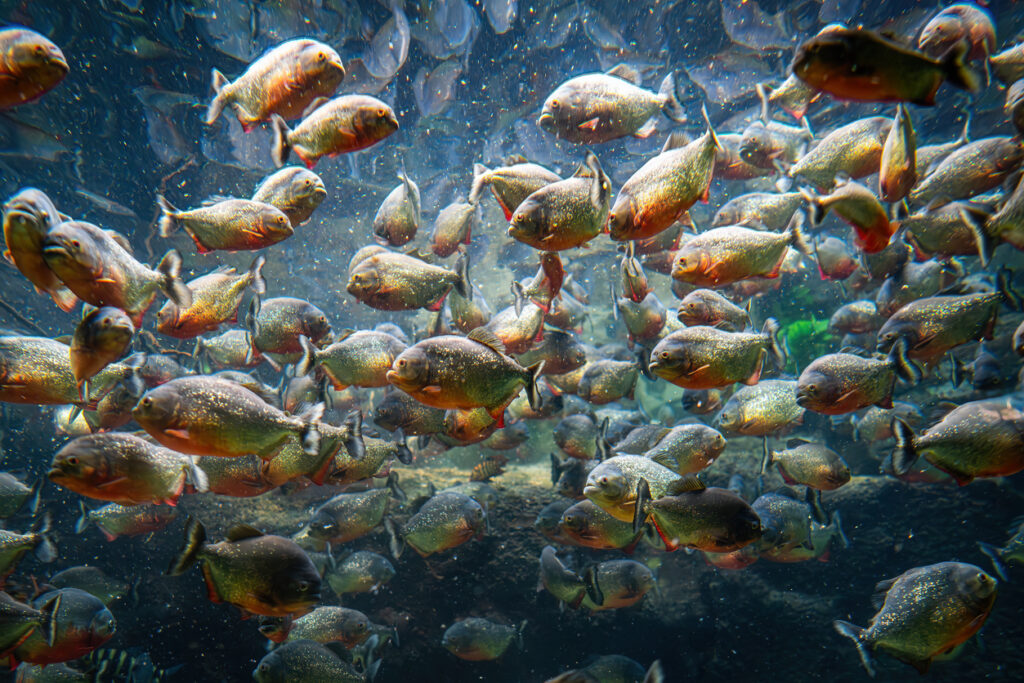
While their reputation is somewhat exaggerated by films, piranhas in large groups absolutely will swarm injured or struggling animals and reduce them to skeletons through coordinated attacks. Their teeth are razor-sharp and interlock perfectly for shearing flesh, and they replace them throughout their lives. When blood hits the water and a feeding frenzy starts, individual piranhas become part of a collective feeding machine that’s genuinely terrifying to witness. Most of the time, they’re scavengers, but when opportunity arises or food is scarce, they’ll attack living prey with shocking efficiency.
Black caimans hunt anything that enters their territory.
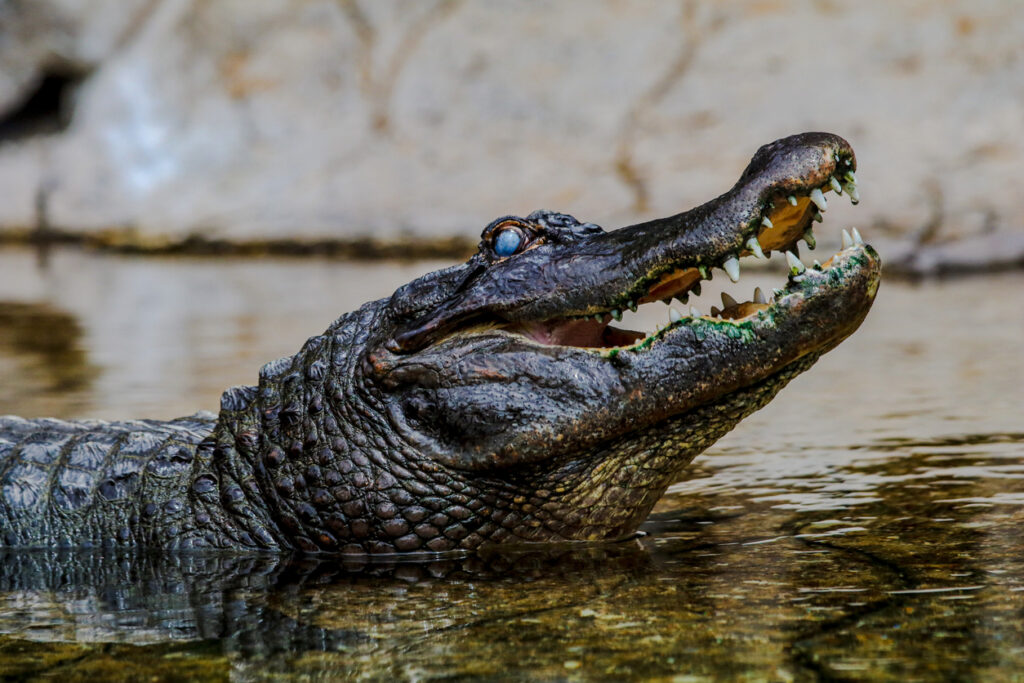
These massive crocodilians are apex predators in the Amazon, growing up to five metres long and dominating riverbanks through size and aggression. Black caimans will attack and eat jaguars, anacondas, tapirs, and even other caimans when they feel like it. They’re ambush hunters with incredible patience, lying motionless in water for hours waiting for something to come close enough. Their bite force is immense, and their death roll tears prey apart before drowning them. Nothing drinks, bathes, or crosses rivers in black caiman territory without serious risk.
Giant centipedes inject venom that causes excruciating pain.
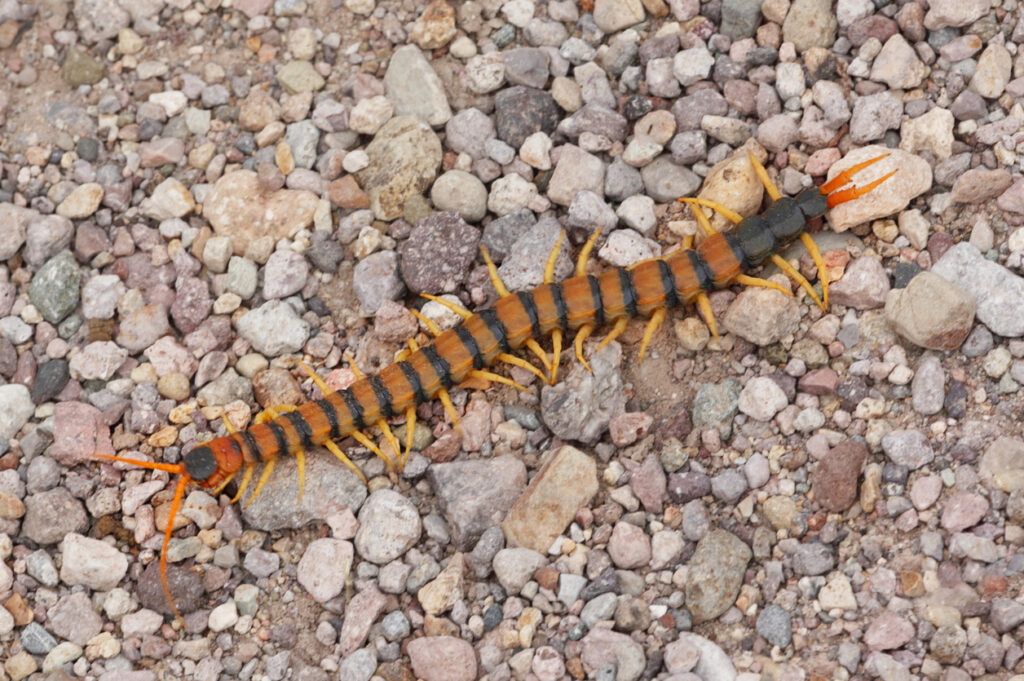
Amazonian giant centipedes can grow over a foot long, hunt bats by hanging from cave ceilings, and deliver venomous bites that cause severe pain, swelling, and sometimes heart problems in humans. They’re aggressive when threatened, and their modified front legs inject venom that’s designed to quickly paralyse prey. The centipedes are also cannibalistic and will eat each other given the opportunity. They hunt at night, moving fast and attacking anything they encounter that’s small enough to overpower. Even tarantulas aren’t safe from giant centipedes.