We usually think of a brain as the essential control centre for any living thing, but nature has plenty of examples that get along perfectly well without one.

These organisms have managed to survive for millions of years by using clever physical designs and chemical reactions instead of a complex grey matter. They can still find food, avoid danger, and even solve problems in their own way, proving that you don’t need a central processing unit to be a success. From creatures that look like plants to blobs that can navigate mazes, these 10 living things show that life finds a way to thrive even without a single neuron to its name.
1. Jellyfish survive perfectly well without a central brain.
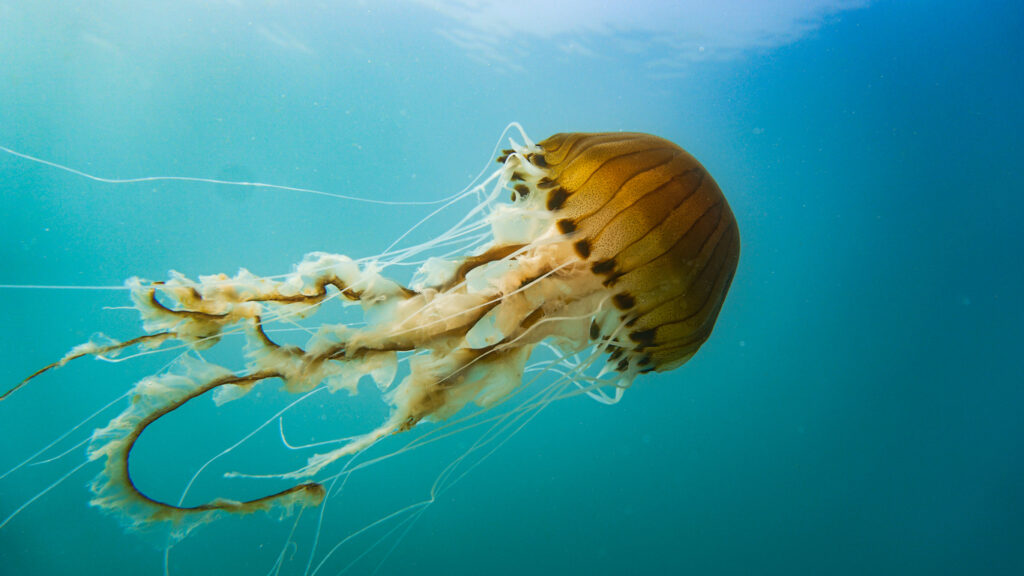
Jellyfish have been drifting through the oceans for hundreds of millions of years, long before most animals evolved brains. Instead of a central control centre, they rely on a nerve net that spreads signals throughout their body. This allows them to move, react to light, and respond to touch without any single command point.
What makes this remarkable is how effective it is. Jellyfish can swim, hunt, avoid obstacles, and even coordinate surprisingly graceful movement without conscious thought. Their design shows that decentralised control can be just as effective as a brain, especially in stable environments where simplicity is an advantage rather than a weakness.
2. Plants respond to their environment without thinking.
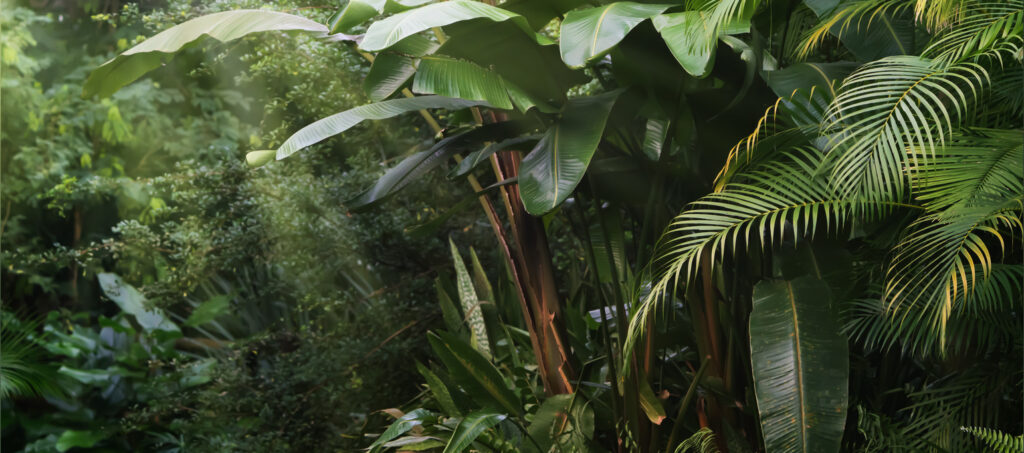
Plants don’t have brains, nerves, or muscles, yet they constantly respond to the world around them. They grow toward light, adjust to gravity, react to damage, and even communicate with other plants through chemical signals. All of this happens through hormonal and electrical changes inside their tissues.
Some plants can remember stress, adjust growth patterns based on past conditions, and respond differently depending on their surroundings. It’s not thought as humans understand it, but it is information processing, proving that intelligence doesn’t always need awareness to function effectively.
3. Bacteria make decisions as single cells.
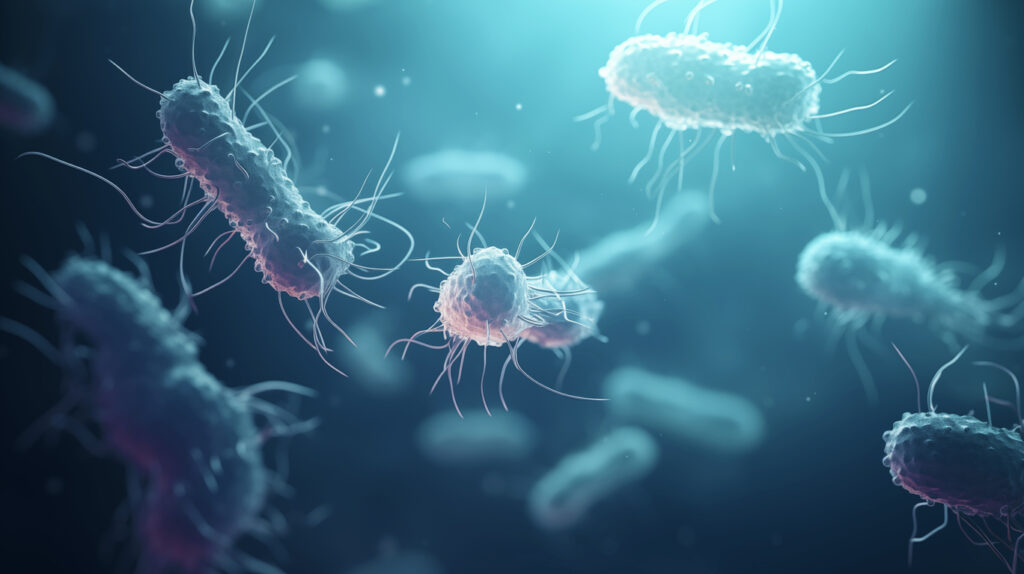
Bacteria are among the simplest living things, yet they show astonishing behavioural complexity. They move toward food, away from danger, and adjust their metabolism based on environmental conditions. These responses are controlled by chemical pathways rather than neurons.
Even more striking, bacteria can coordinate group behaviour. Through chemical signalling, entire colonies can change how they behave, forming biofilms or launching collective responses. This kind of coordination happens without leadership, planning, or brains, yet it works remarkably well.
4. Slime moulds can solve problems without neurons.
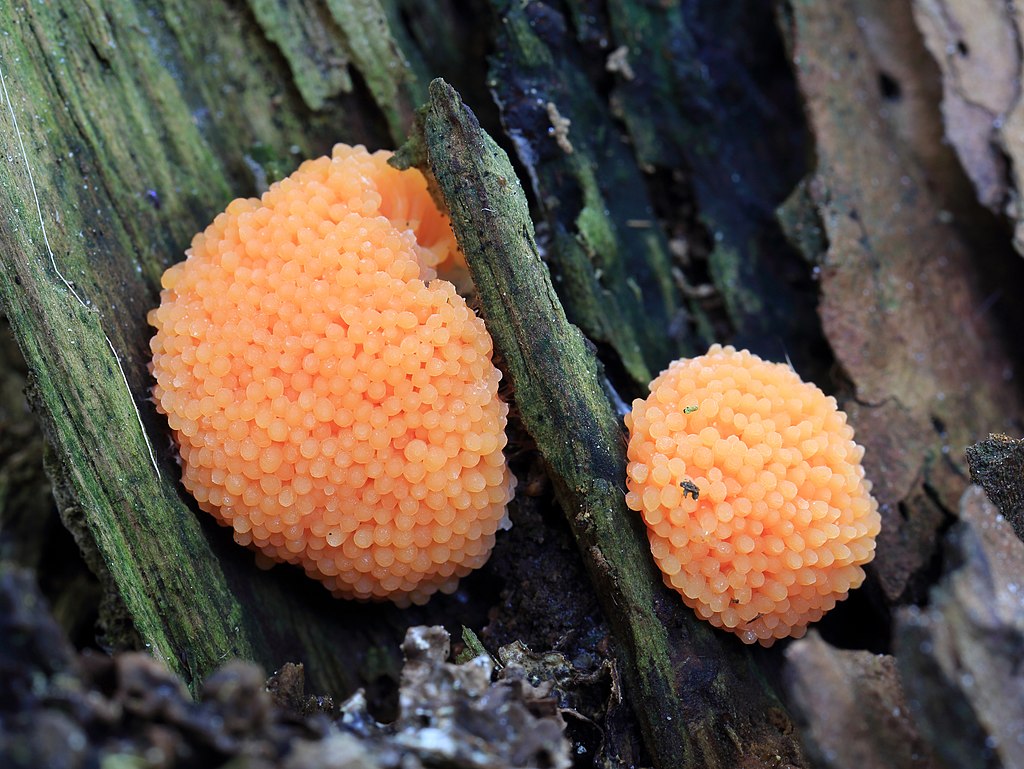
Slime moulds are famous for navigating mazes and finding efficient paths between food sources, despite having no brain or nervous system. They grow outward, retract inefficient branches, and strengthen successful routes through simple feedback mechanisms. What seems like problem-solving is actually the result of physical and chemical processes reacting to the environment. Still, the outcome mirrors decision-making. Slime moulds show that intelligence-like behaviour can emerge from very basic rules applied consistently over time.
5. Sea sponges live, filter, and respond without nerves.
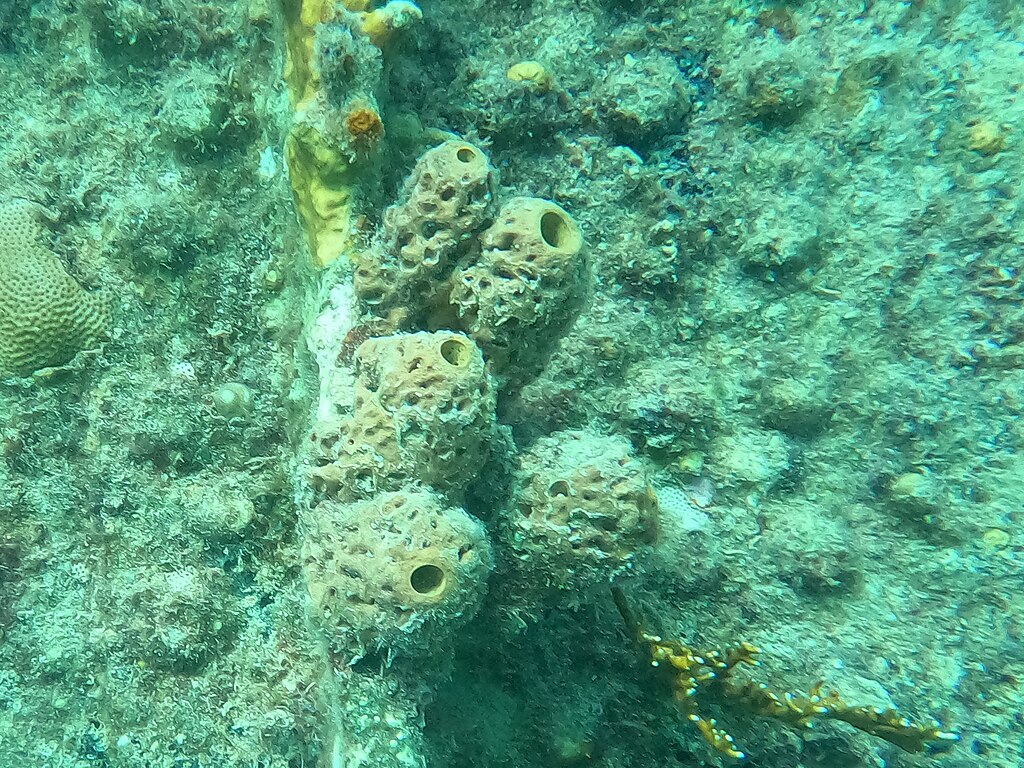
Sea sponges are among the most ancient animals on Earth. They lack brains, nerves, muscles, and organs, yet they actively interact with their environment. By pumping water through their bodies, they filter food, oxygen, and waste continuously. Sponges can close openings when conditions become harmful and adjust their internal flow systems in response to changes. Their survival strategy relies on cooperation between specialised cells rather than central control, demonstrating that organisation doesn’t require awareness.
6. Fungi communicate and adapt through networks.
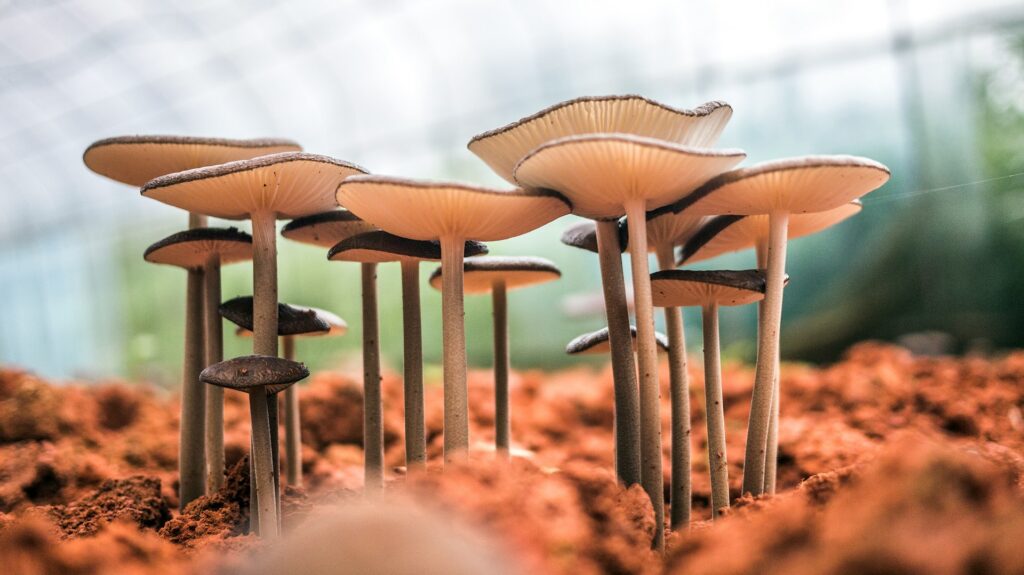
Fungi don’t have brains, but their underground networks transmit signals across vast distances. These networks respond to nutrient availability, threats, and environmental changes, directing growth where it’s most effective. In forests, fungal networks even link different plants, redistributing resources and information. While there’s no thinking involved, the system behaves intelligently as a whole, adjusting constantly to maintain balance and survival.
7. Starfish coordinate movement without a brain.

Starfish don’t have a central brain. Instead, each arm contains its own nerve cluster, allowing arms to move semi-independently. This decentralised system lets them coordinate movement, grip surfaces, and hunt prey. If one arm is damaged or lost, the rest of the body continues functioning. In some species, a single arm can regenerate an entire new starfish. This resilience comes from distributed control rather than a fragile central processor.
8. Ant colonies behave intelligently without individual awareness.

Individual ants have limited cognitive ability, but colonies behave in ways that appear highly intelligent. They build complex structures, manage resources, defend territory, and adapt to changing conditions. That intelligence doesn’t exist inside any single ant. It emerges from simple rules followed by thousands of individuals. The colony becomes a kind of living system that functions without a brain, leadership, or conscious planning.
9. Corals build massive structures without thought.
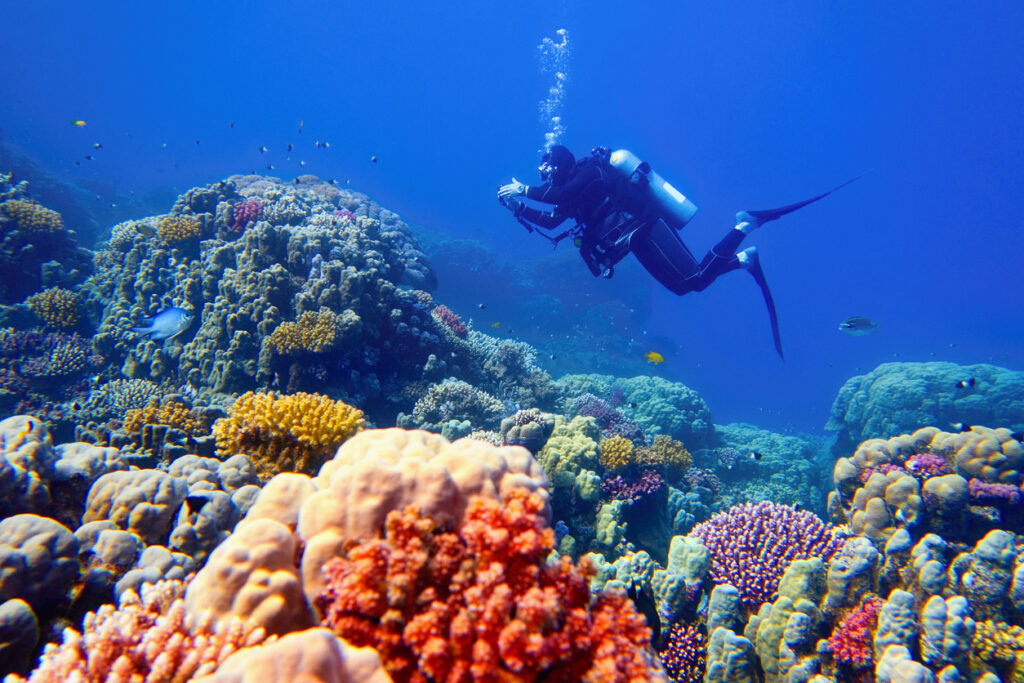
Corals are living animals that build vast reef systems through simple repetitive behaviour. Each tiny coral polyp follows basic biological instructions, secreting calcium carbonate and responding to light and water flow. As time goes on, these simple actions create some of the most complex ecosystems on Earth. Coral reefs support enormous biodiversity, all built by organisms with no brains and no awareness of the structures they’re creating.
10. Viruses operate without brains, cells, or intent.
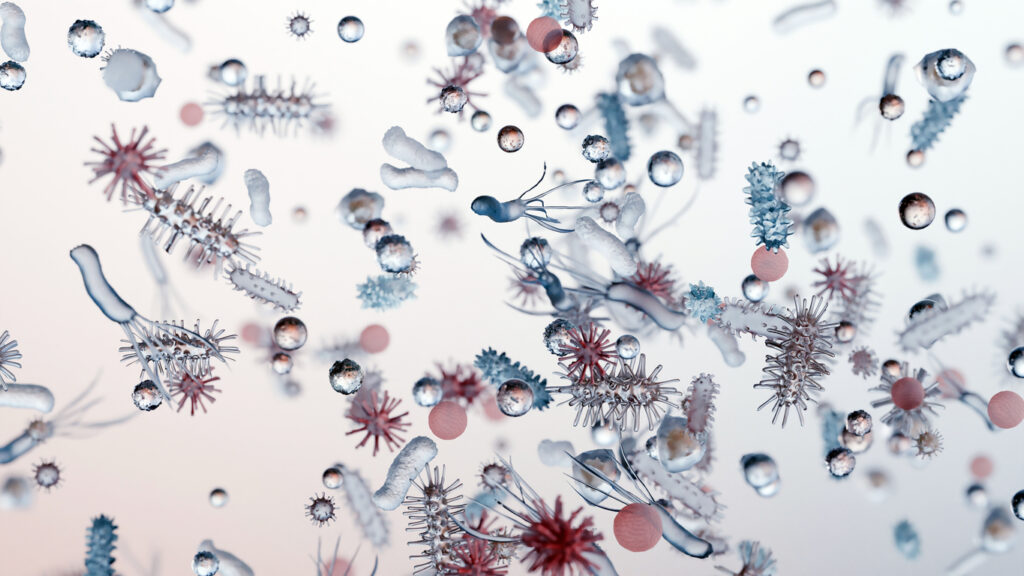
Viruses exist on the edge of what we consider living. They have no brain, no metabolism, and no independent movement, yet they spread, adapt, and evolve with frightening efficiency. Through replication and mutation alone, viruses respond to environmental pressure and exploit opportunities. Their success shows that even the most minimal biological systems can dominate environments without anything resembling thought or intelligence.