While we’ve all been sold the image of dolphins as the smiling geniuses of the ocean, the reality of their behaviour is often much darker than a nature documentary would have you believe.
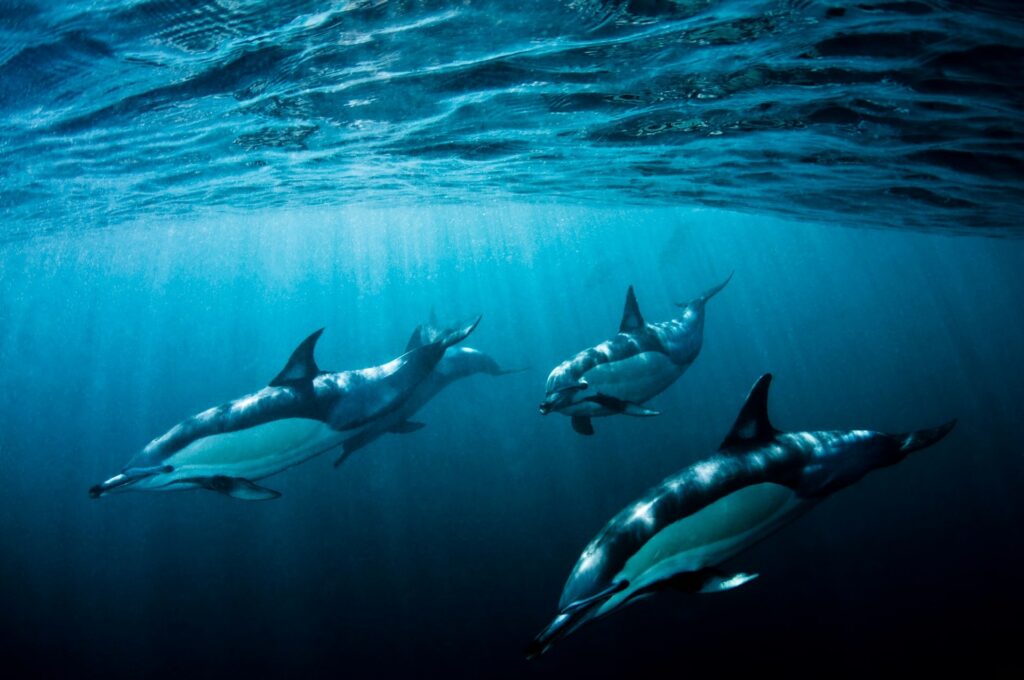
Behind that permanent grin and high-level intelligence lies a predator capable of some truly calculated and aggressive acts that definitely don’t fit the wholesome Flipper narrative. From forming coordinated gangs to harass others to engaging in strangely violent play with different species, their social lives are run by a set of brutal rules that look less like a Disney film and more like a gritty crime drama.
It’s uncomfortable to admit that such a beloved animal has a streak of genuine cruelty, but their advanced brains mean they’re capable of complex social politics and intentional harm in a way that most other sea creatures simply aren’t.
Male dolphins form gangs to assault female dolphins.
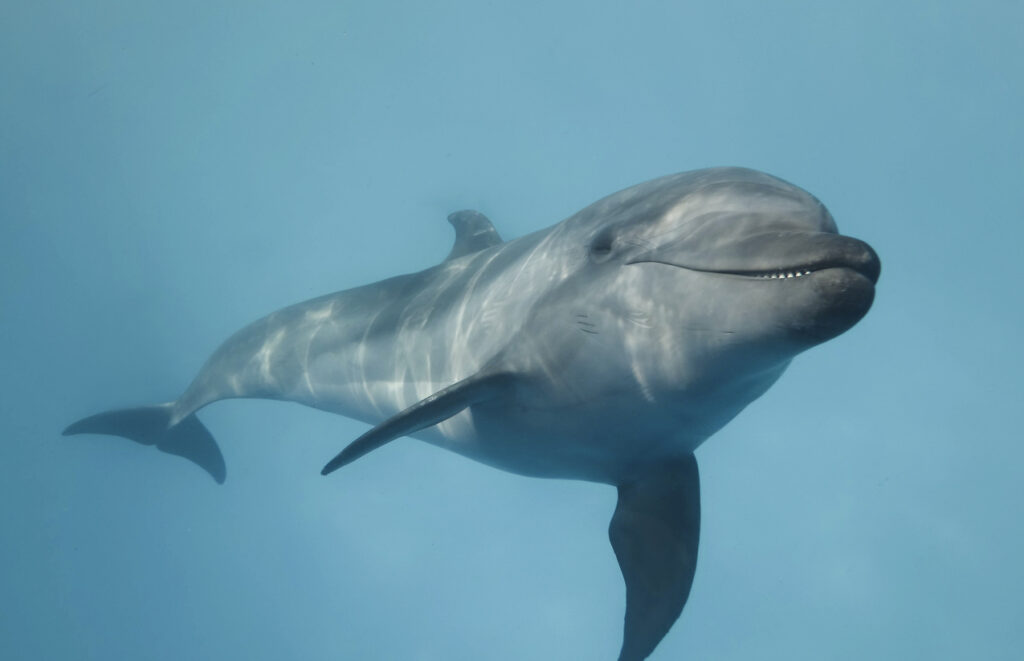
Groups of male bottlenose dolphins work together to isolate female dolphins, separating them from their pods and forcing mating through coordinated aggression. This isn’t a one-off behaviour, it’s documented extensively in multiple dolphin populations. The males will herd females for weeks, using physical violence and intimidation to prevent escape. They’ve essentially developed a system of gang-based assault, which is about as far from the cute, friendly image as you can get.
They kill porpoises for no apparent reason.
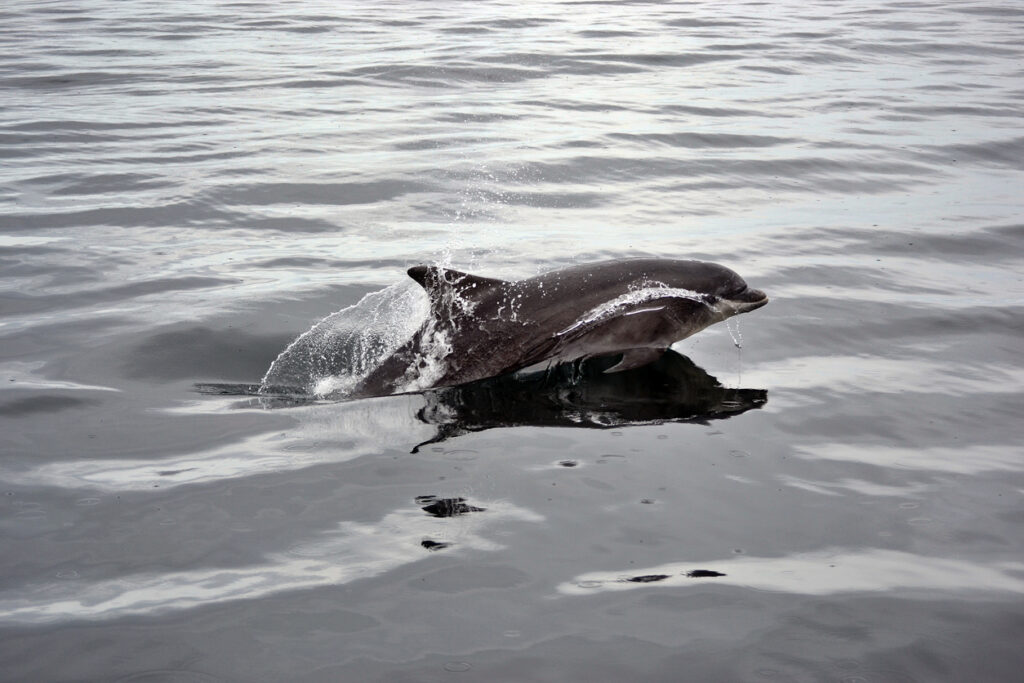
Dolphins attack and kill harbour porpoises without eating them or having any territorial dispute. Scientists have documented dolphins ramming porpoises with their beaks, causing massive internal injuries, purely for what appears to be sport or practice. The violence is deliberate and brutal, and there’s no survival benefit to it. They’re not defending resources or competing for food, they’re just killing smaller cetaceans because they can.
Male dolphins commit infanticide to force females into mating.
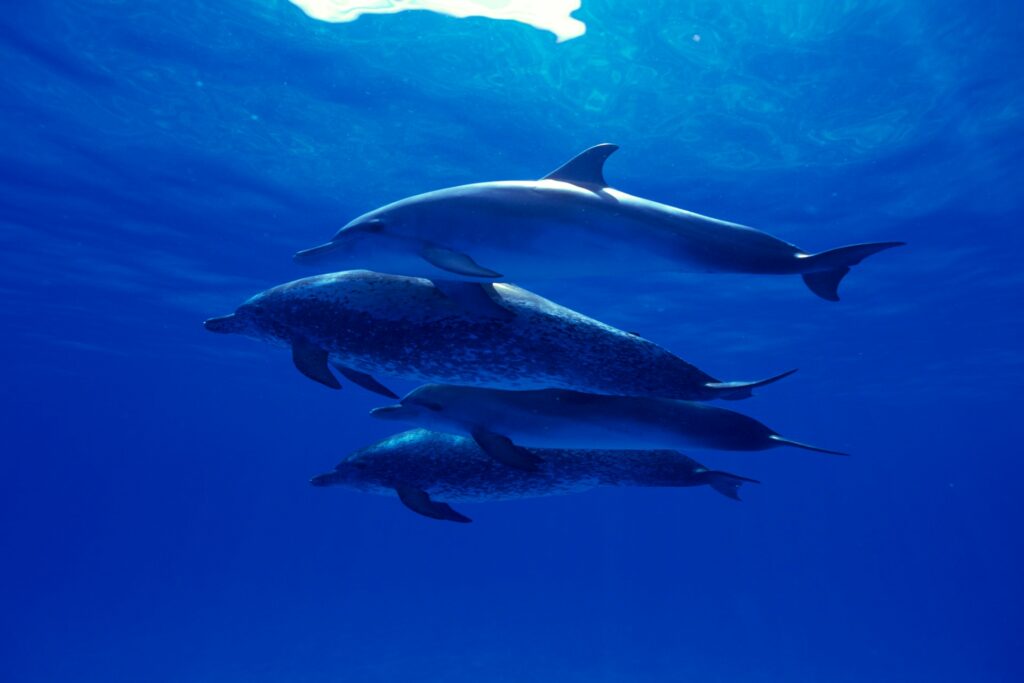
Adult male dolphins will kill calves that aren’t theirs so the mother stops nursing and becomes receptive to mating again sooner. This isn’t accidental harm during rough play, it’s targeted killing of infants to advance their own reproductive success. The mother dolphin is often forced to watch and can’t protect her calf against multiple adult males. It’s a calculated strategy that prioritises the male’s genes over the life of a baby dolphin.
They’ve assaulted humans in captivity and the wild.
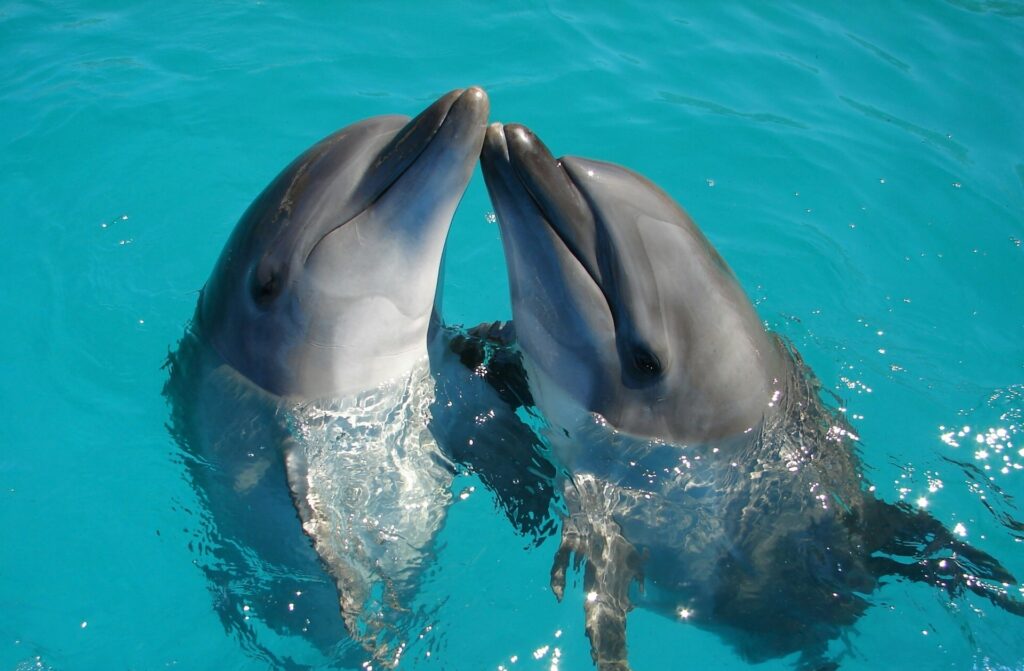
There are documented cases of dolphins behaving aggressively toward humans, particularly in captive settings where trainers or swimmers can’t easily escape. Dolphins are large, strong animals with high mating drives, and they don’t distinguish between appropriate targets. Some dolphins in the wild have also pursued swimmers in ways that were clearly sexual rather than playful. The marine park industry downplays these incidents, but they happen more often than the public knows.
Dolphins torture their prey before eating it.
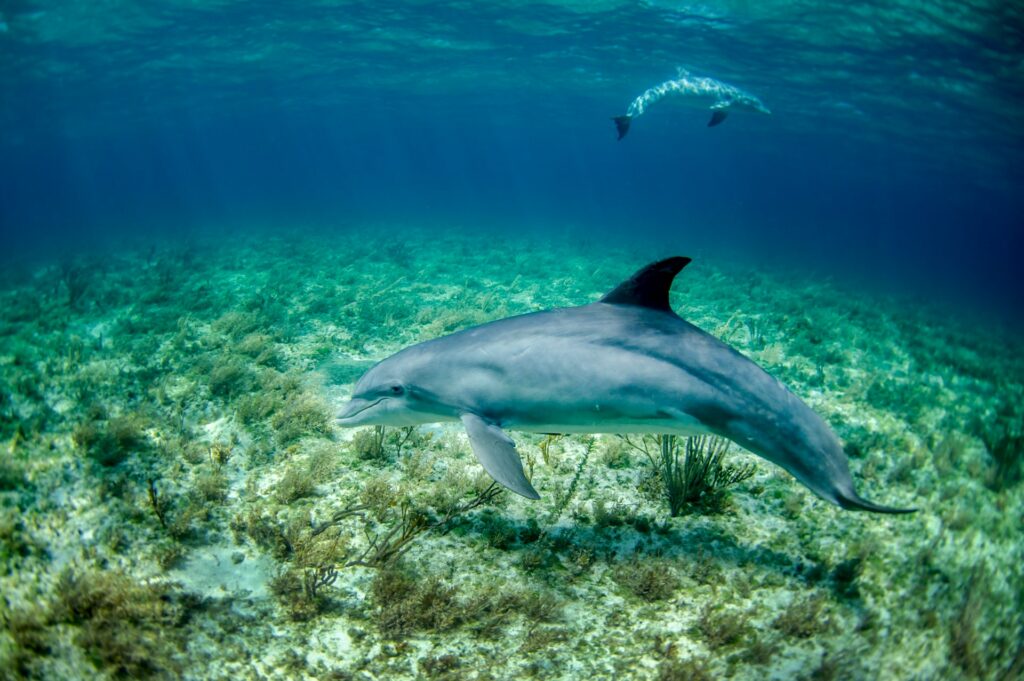
They’ll play with fish and smaller sea creatures for extended periods, tossing them around, letting them almost escape, then catching them again. This isn’t quick, efficient hunting, it’s prolonged torment that seems to serve no purpose beyond entertainment. They’re intelligent enough to kill quickly, but often choose not to. Watching dolphins “play” with their food reveals a capacity for cruelty that doesn’t fit with the smiling, friendly image people have.
They get high deliberately by passing pufferfish around.
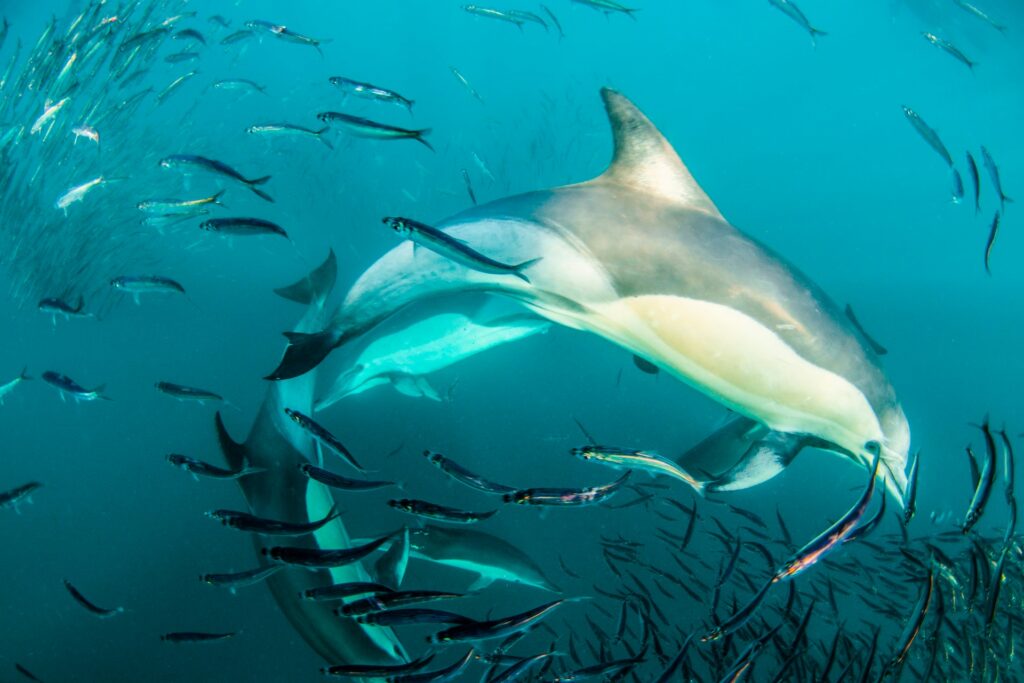
Dolphins have been filmed carefully handling pufferfish to make them release toxins, then passing the fish between them while acting visibly intoxicated. The toxin causes a narcotic effect in small doses, and the dolphins are clearly seeking it out intentionally. They’ve essentially discovered recreational drug use and teach the behaviour to younger dolphins. It’s fascinating from an intelligence standpoint but also shows they’re seeking altered states of consciousness through poisonous animals.
Captive dolphins sometimes become dangerously aggressive.
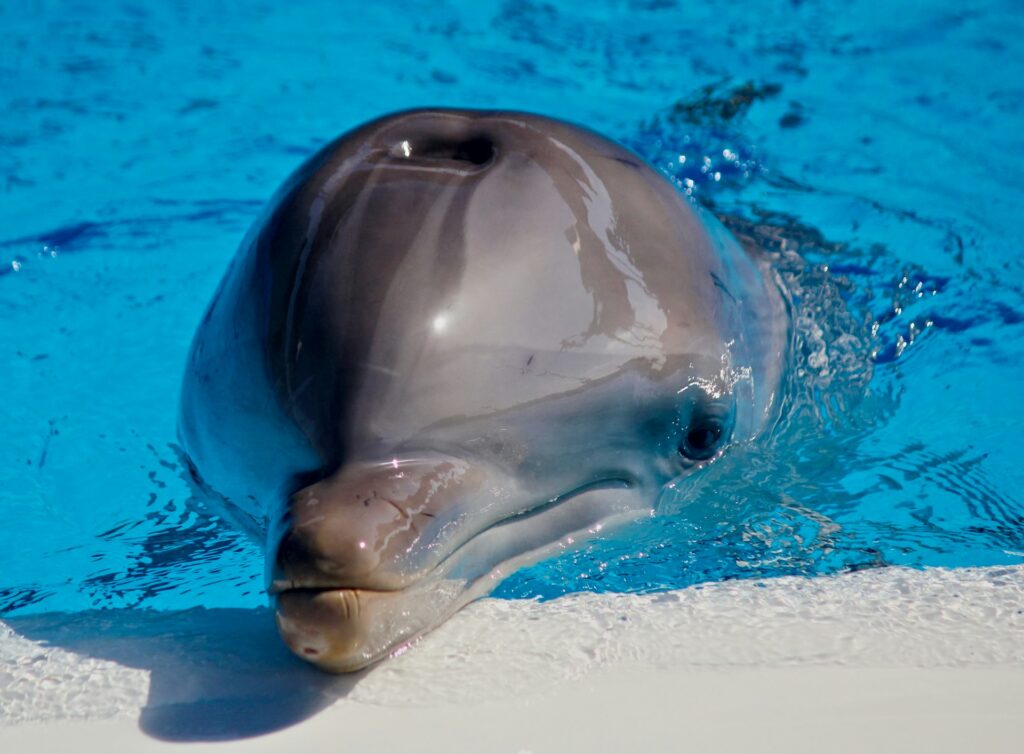
Dolphins in marine parks have attacked trainers, sometimes fatally, and the incidents get hushed up or blamed on trainer error. These aren’t wild animals defending territory, they’re captive dolphins that have spent years being forced to perform tricks. The attacks are often calculated rather than impulsive, suggesting the dolphins are aware of what they’re doing. The intelligence that makes them good performers also makes them capable of targeted violence when frustrated or aggressive.
They bully and ostracise members of their own pod.
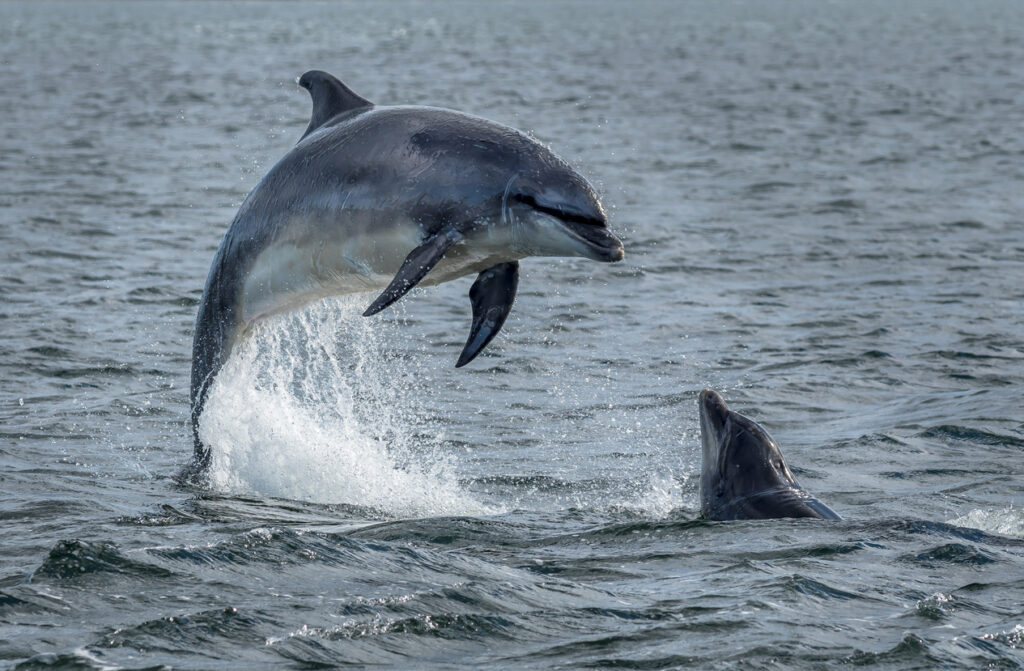
Dolphins will gang up on individuals within their group, harassing and physically attacking them until they’re driven out or killed. This social exclusion isn’t based on obvious factors like illness or injury, sometimes they just decide to target a particular dolphin. The bullying can be relentless and cruel, showing that their complex social structures include nasty hierarchies and group cruelty. Intelligence doesn’t automatically equal kindness, and dolphin societies prove that.
Some dolphins enjoy harassing other marine animals for entertainment.
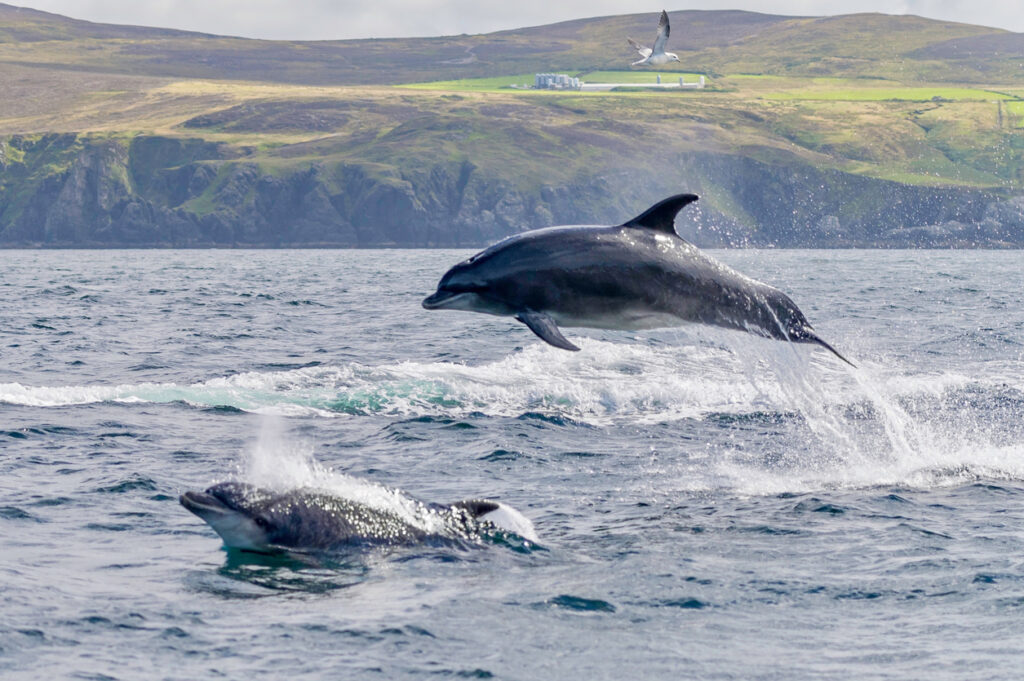
They’ll chase sea turtles, bat sharks around, and harass whales in ways that serve no purpose except seemingly amusing themselves. This isn’t hunting or territorial defence, it’s tormenting other animals because they can. The behaviour looks playful to observers, but is clearly distressing for the animals being targeted. Dolphins have the cognitive capacity to understand they’re causing distress and do it anyway.
They’re capable of holding grudges and seeking revenge.
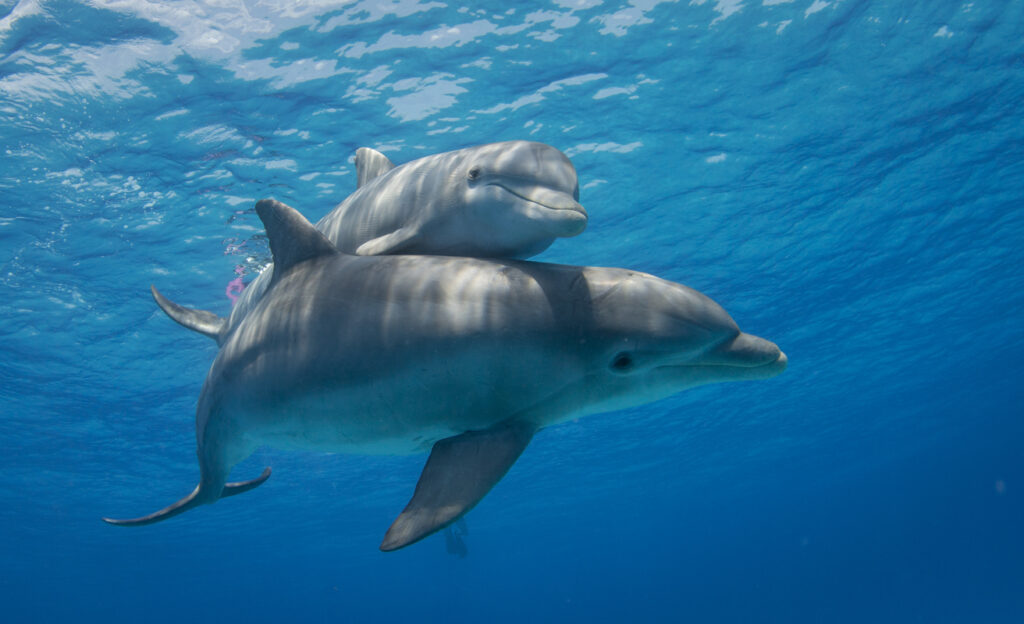
Dolphins have excellent memories and will remember individuals who’ve wronged them, sometimes retaliating days or weeks later. This isn’t instinctive reaction, it’s planned response based on memory and decision-making. Their intelligence means they’re capable of quite sophisticated spite. If a dolphin decides it doesn’t like you, it has the mental capacity to remember that and act on it when opportunity arises.
Young males practice violent behaviour on smaller animals.
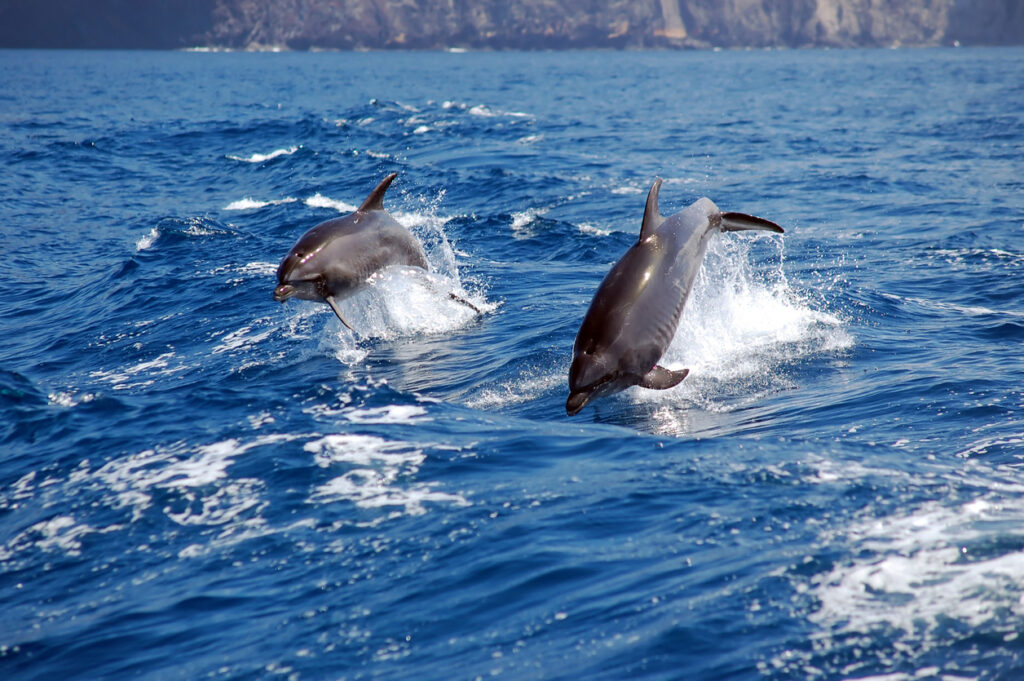
Adolescent male dolphins learn aggressive tactics by attacking smaller, weaker animals, essentially rehearsing the violent behaviours they’ll use on females and rivals later. They’re not just playing, they’re developing skills through targeted practice on vulnerable targets. This shows premeditation and learning in the context of violence, which is disturbing precisely because it demonstrates how intelligent they are.
The “smiling” face is just anatomy and means nothing.

The permanent “smile” that makes dolphins look friendly and approachable is just the shape of their jaw and has nothing to do with their emotional state. A dolphin can be highly aggressive, in pain, or about to attack and still look like it’s grinning. Humans project friendliness onto this facial structure, but it’s completely misleading. That smile is there when they’re killing porpoises, assaulting each other, or doing any of the disturbing behaviours on this list.
Dolphins are intelligent, complex animals, but that intelligence doesn’t make them nice. They’re capable of calculated violence, sexual assault, infanticide, and cruelty in ways that would horrify people if they knew the full extent. The cute image persists because marine parks and documentaries prefer the wholesome narrative, but the reality of dolphin behaviour is significantly darker than most people realise.