It’s a common sight at the park: a dog that won’t let anyone near their owner or kicks off the moment another pup walks past.

While it’s easy to tell yourself that they’re just being a loyal bodyguard, the reality is often a bit more complicated. There’s a massive difference between a dog that’s genuinely looking out for your safety and one that thinks they own you. When a dog starts calling the shots, it’s usually a sign of anxiety or a lack of boundaries rather than actual bravery. Neither situation is ideal for a happy life together, as one leaves you constantly on edge and the other means your dog is stressed out of their mind. Spotting these 13 differences is the only way to figure out if your dog is actually your protector, or if they’ve just decided they’re the boss of you.
Protective dogs relax when you give permission, but controlling dogs don’t.

A protective dog might alert you to something unusual but will settle down when you acknowledge it and indicate everything’s fine. They’re checking in with you as the decision-maker. A controlling dog ignores your reassurance completely and continues the behaviour, regardless of what you say or do. They’ve decided they’re in charge of security. Neither is ideal because even protective behaviour suggests the dog feels responsible for threats rather than trusting you to handle situations.
Protection happens at thresholds; control happens everywhere.
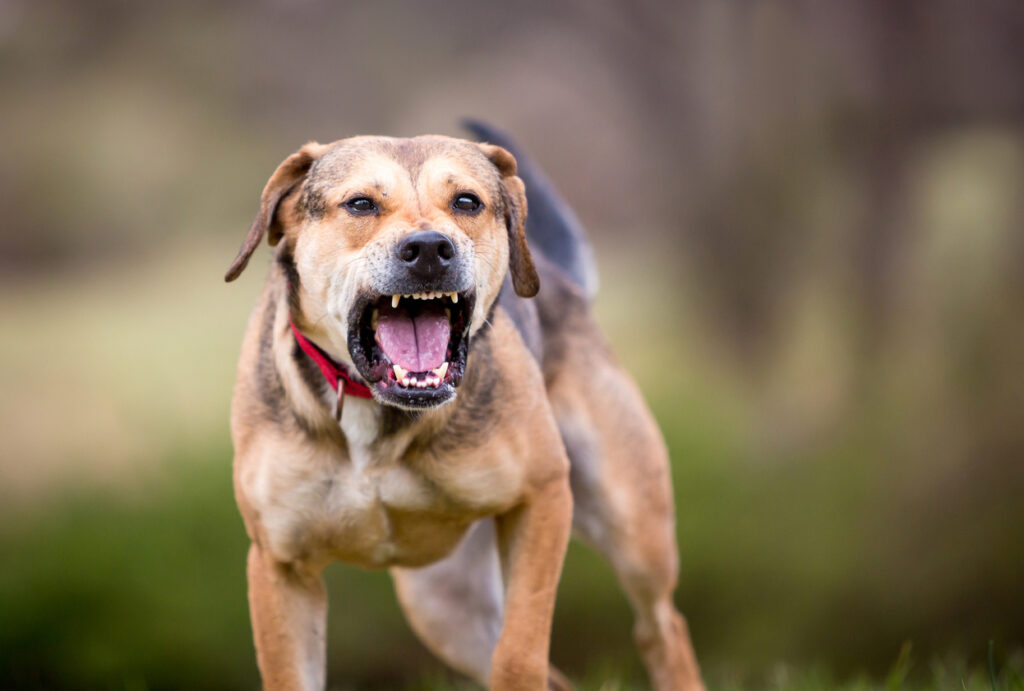
Protective behaviour typically occurs at entry points like doors and gates, where the dog naturally feels vigilant about who’s entering their territory. Controlling behaviour extends to all situations and locations, including neutral spaces where there’s no logical reason for guarding.
Your dog blocking people from approaching you in the park isn’t protection—it’s control. They’re managing your social interactions based on their own anxiety. When the behaviour appears regardless of location or circumstance, it’s about the dog’s need to control rather than any real protective instinct.
Protective dogs accept familiar people, but controlling dogs escalate over time.
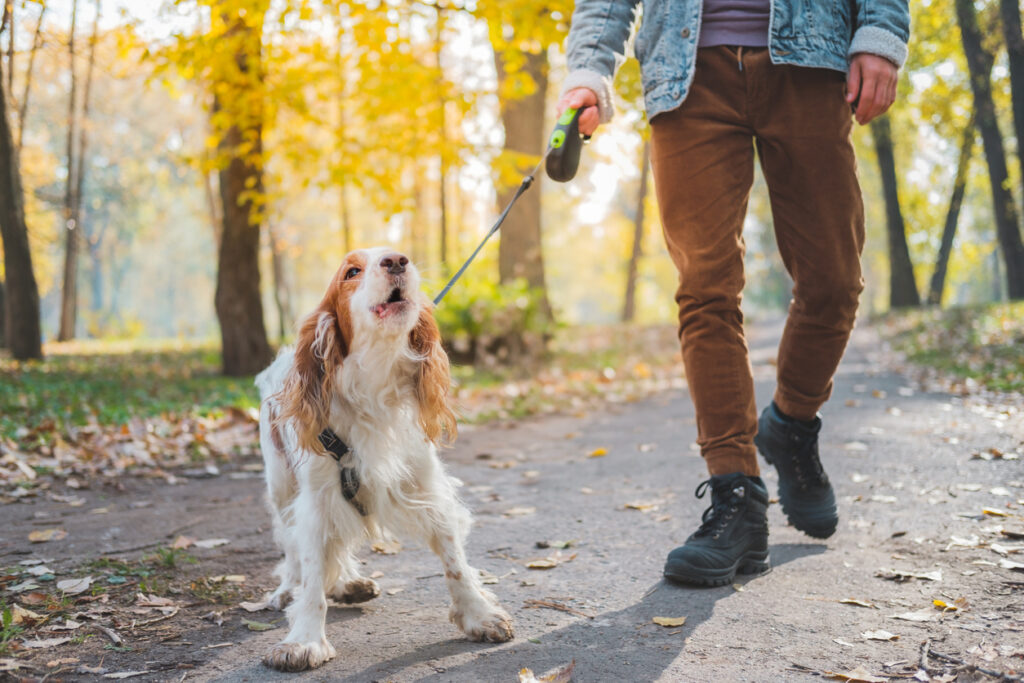
A dog with protective instincts will warm up to people once they’re established as safe. Your dog might bark when your friend arrives, but then settle down and accept them within minutes. A controlling dog often gets worse with familiar people, not better. They might tolerate your partner initially but become increasingly possessive and restrictive as time goes on. The escalation happens because the behaviour is rooted in anxiety and resource guarding rather than genuine threat assessment.
Protection is selective, while control is indiscriminate.
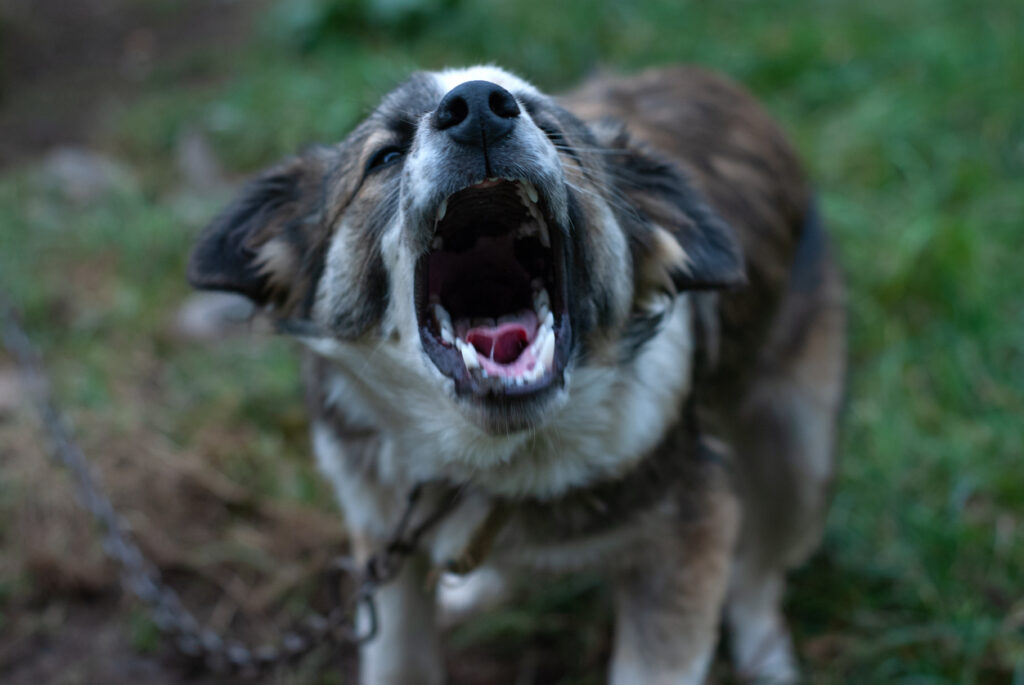
Protective behaviour involves some level of discrimination between actual threats and non-threats. The dog might alert to strangers, but not to children or elderly people who clearly pose no danger. Controlling dogs react to everyone equally without any real assessment of threat level. A toddler approaching gets the same response as an aggressive stranger. The lack of discrimination shows the behaviour isn’t about protection at all—it’s about the dog maintaining control over their environment and your interactions.
Protective dogs can be called off, but controlling dogs can’t.
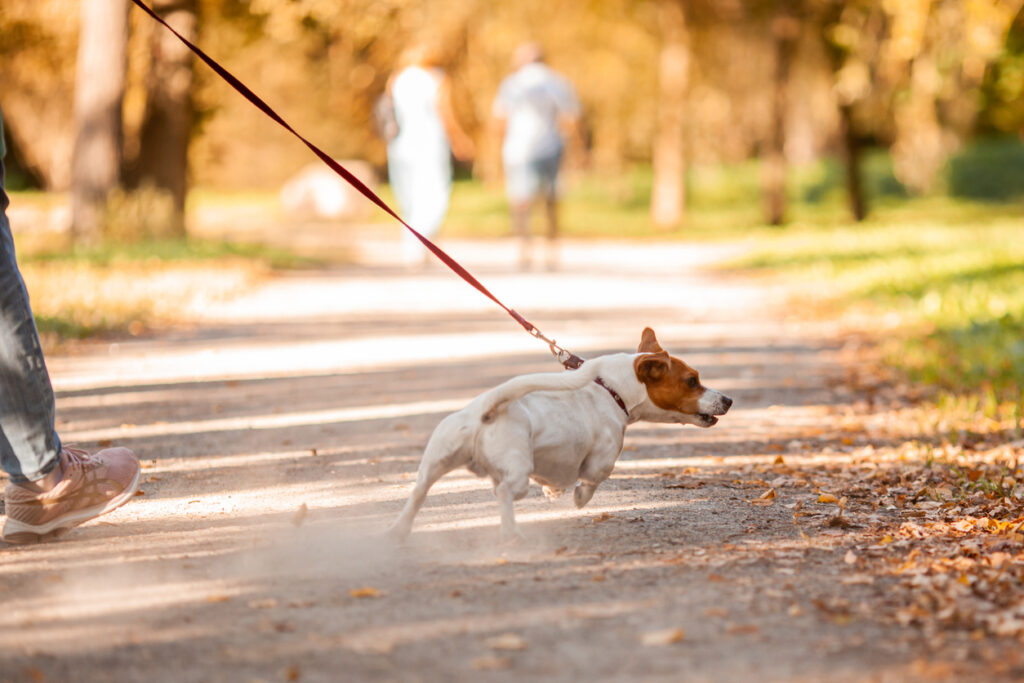
If you can redirect your dog’s attention, and they respond to commands even when they’re in “protective mode,” that’s a better sign. Controlling dogs become completely unresponsive when they’re engaged in their behaviour. Commands don’t register because the dog is so focused on maintaining control that they can’t process anything else. This is dangerous because it means you have no way to manage the situation when it matters.
Protection aims outward, while control aims at you.
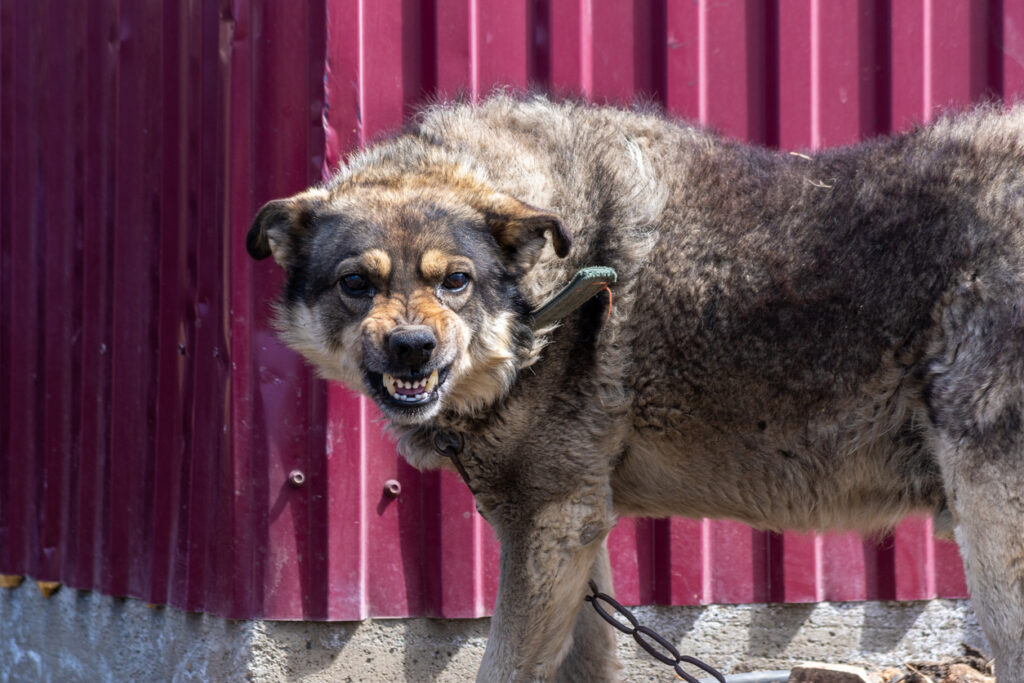
Protective behaviour is directed at the perceived threat—the dog positions themselves between you and whatever they’re concerned about, facing outward. Controlling behaviour often involves the dog focusing on you as much as the perceived threat. They’ll physically block you, make body contact, or even nip at you to prevent movement. The dog is treating you like something that needs controlling rather than something that needs protecting.
Protective instincts come from confidence, but control comes from anxiety.
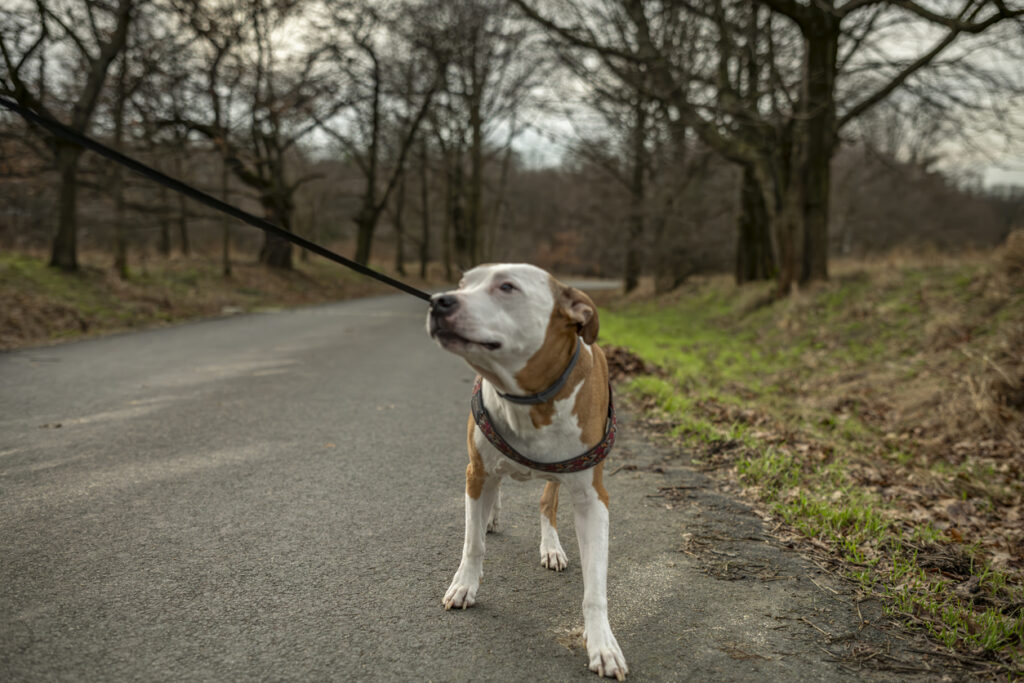
Genuinely protective dogs carry themselves with calm confidence. They’re alert but not frantic, watchful but not obsessive. Controlling dogs display obvious anxiety through their body language—tense muscles, whale eye, excessive panting, inability to settle. They’re not confident guardians—they’re anxious animals trying to manage an environment they find overwhelming. This matters because treating anxiety with more responsibility and freedom makes it worse, not better.
Protection is a breed trait; control is learned behaviour.
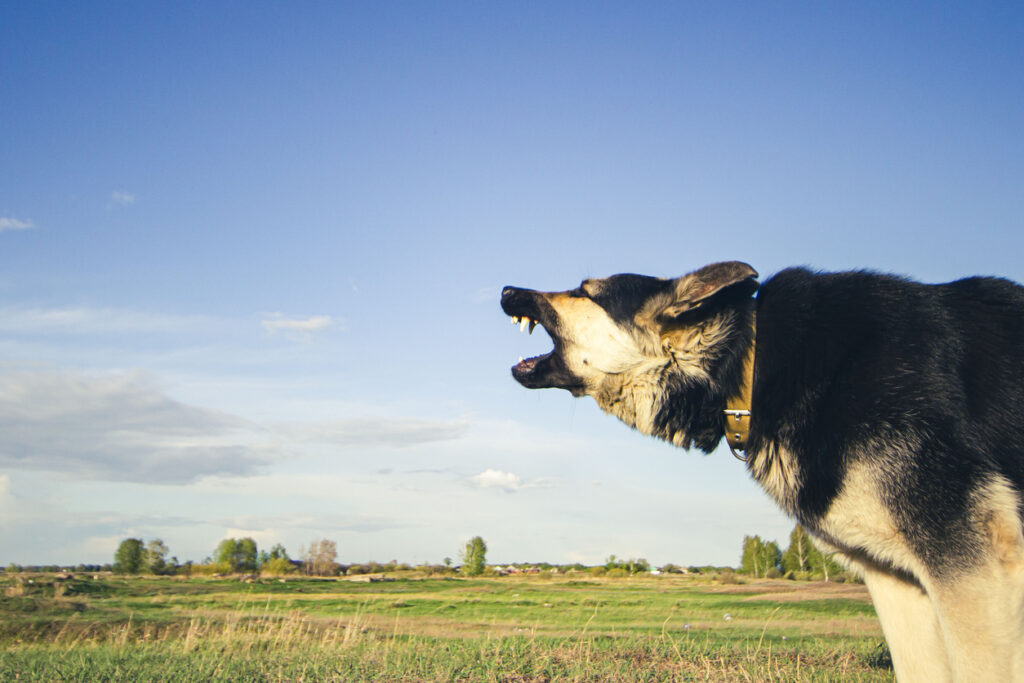
Certain breeds have been selected for protective instincts, such as livestock guardians, property guards, and personal protection dogs. If you’ve got a breed with this background, some wariness of strangers is normal. However, controlling behaviour appears in any breed and has nothing to do with genetics. It’s learned through inconsistent boundaries, reinforcement of possessive behaviour, or the dog filling a leadership vacuum in the household.
Protective dogs are handler-focused, controlling dogs are threat-obsessed.
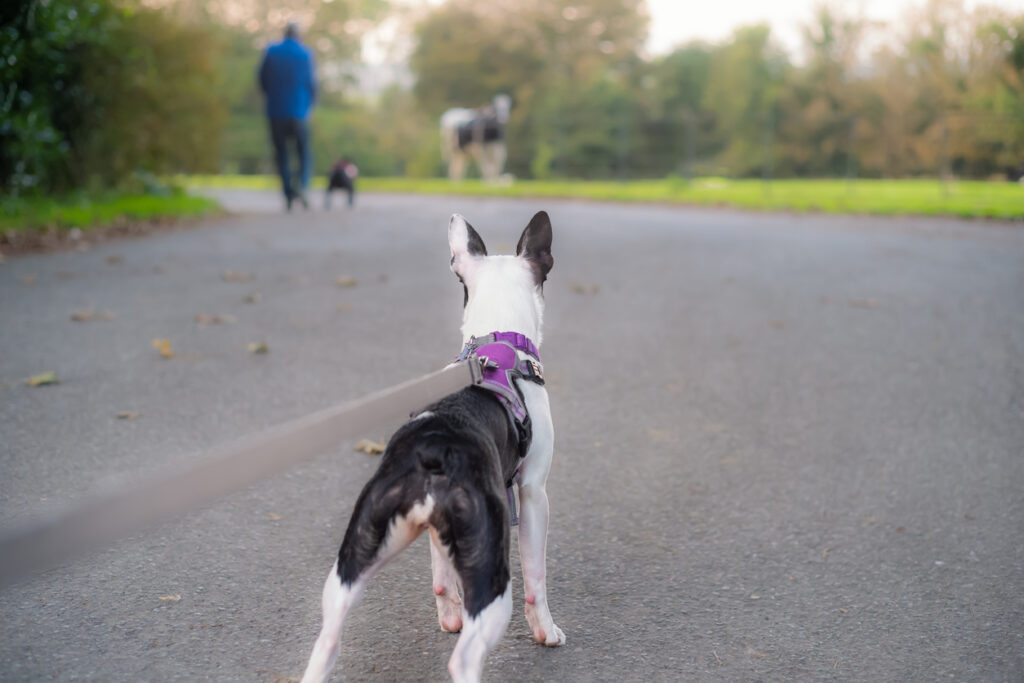
A protective dog keeps checking in with you, looking for cues about how to respond. They’re aware of your reactions and adjust accordingly. Controlling dogs become fixated on the perceived threat and lose awareness of you completely. They’re locked into the behaviour, regardless of your emotional state or signals. That tunnel vision shows the behaviour isn’t really about you at all—it’s about the dog’s compulsive need to control the situation.
Protection respects your choices, control prevents them.
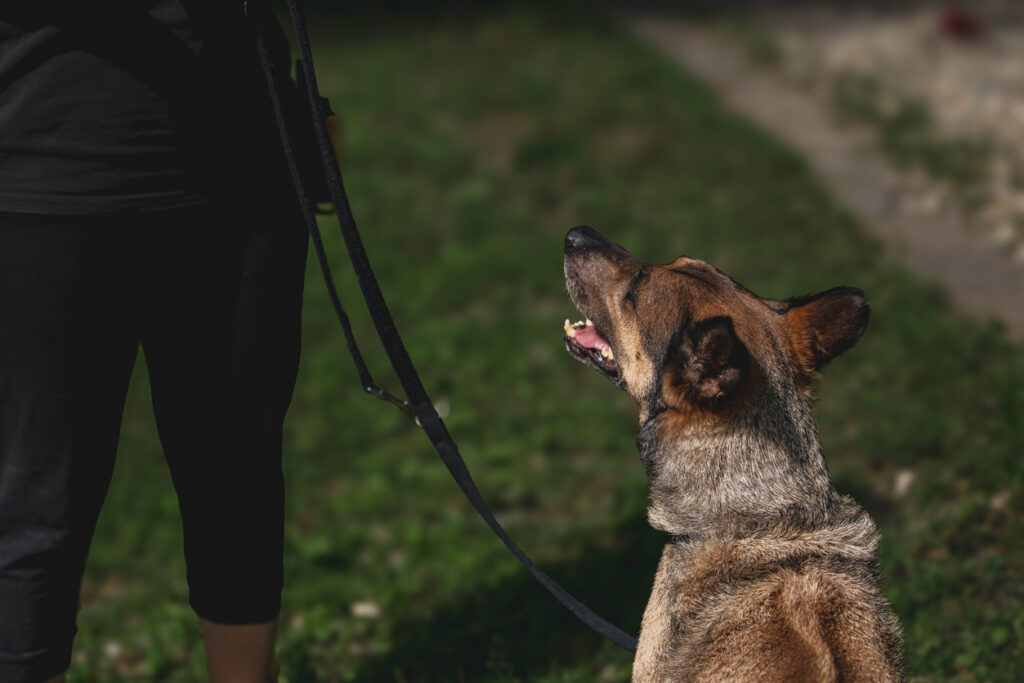
If you decide to interact with someone your dog is wary of, a protective dog will allow it, even if they remain watchful. A controlling dog will actively prevent the interaction through blocking, vocalizing, or even aggression. They’re making decisions for you rather than supporting your decisions. This is particularly obvious when the dog prevents you from leaving the house, choosing where to walk, or deciding who can sit near you.
Why protection is still problematic
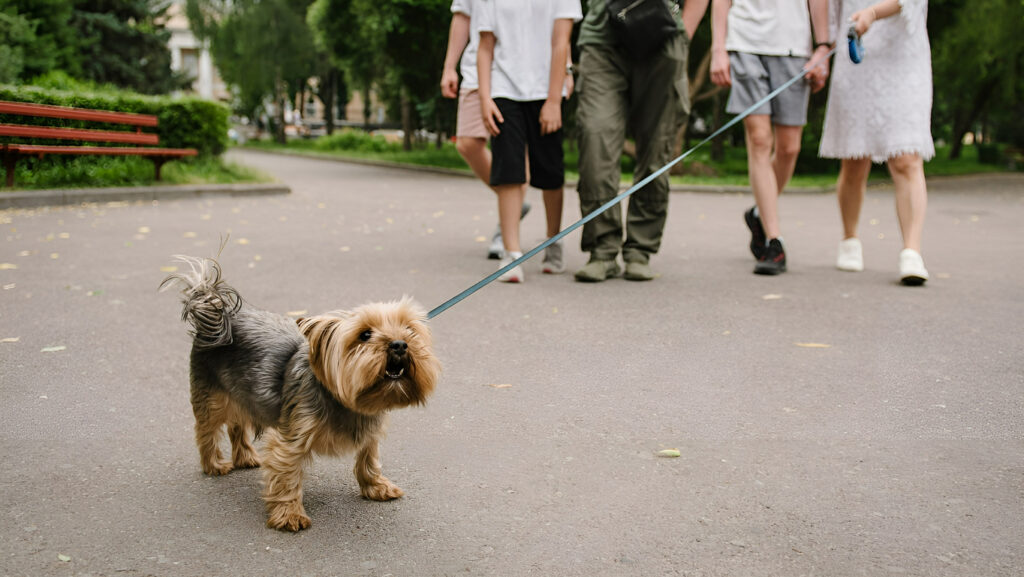
Even appropriate protective behaviour creates problems if it’s excessive. A dog that feels responsible for household security lives in a state of vigilance that’s mentally exhausting. They can’t relax properly because they’re constantly monitoring, which leads to chronic stress that affects health and behaviour in the long run.
Dogs aren’t good at assessing genuine threats. They’ll react to postal workers and delivery drivers as if they’re intruders, creating ongoing tension. Teaching dogs that you’ll handle security, and they can relax, is healthier for everyone involved.
Why control is dangerous
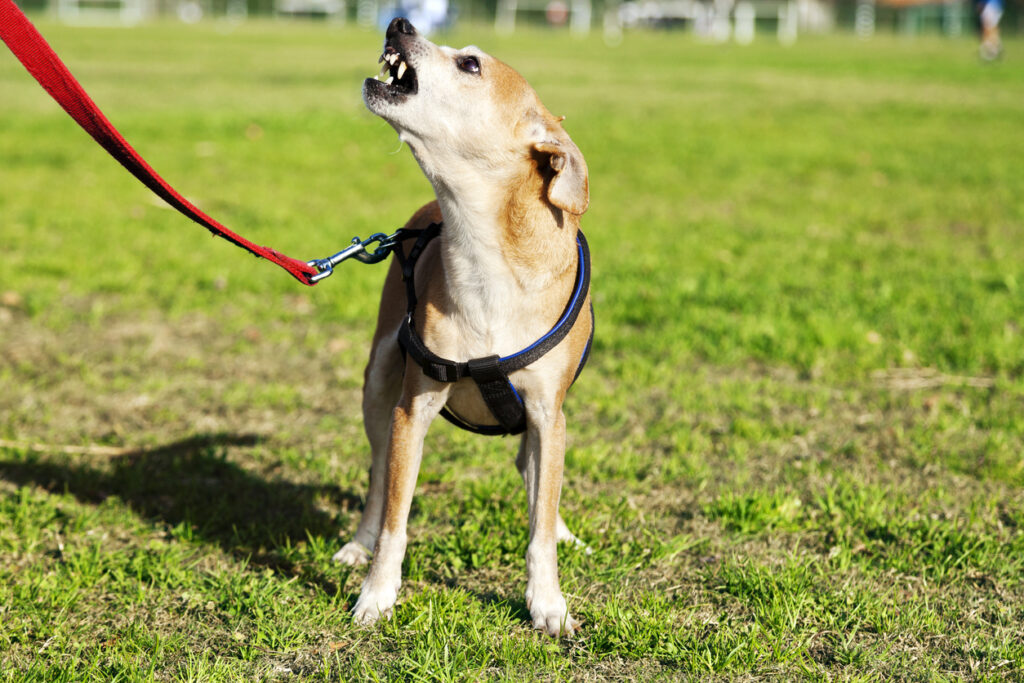
Controlling behaviour escalates. What starts as mild possessiveness often progresses to resource guarding, then to aggression towards family members or visitors. The dog becomes increasingly anxious as they try to manage more and more situations beyond their capability. This creates a tense household where everyone walks on eggshells around the dog’s behaviour. Control-based aggression is one of the main reasons dogs end up rehomed or euthanized.
Both need addressing, not encouraging
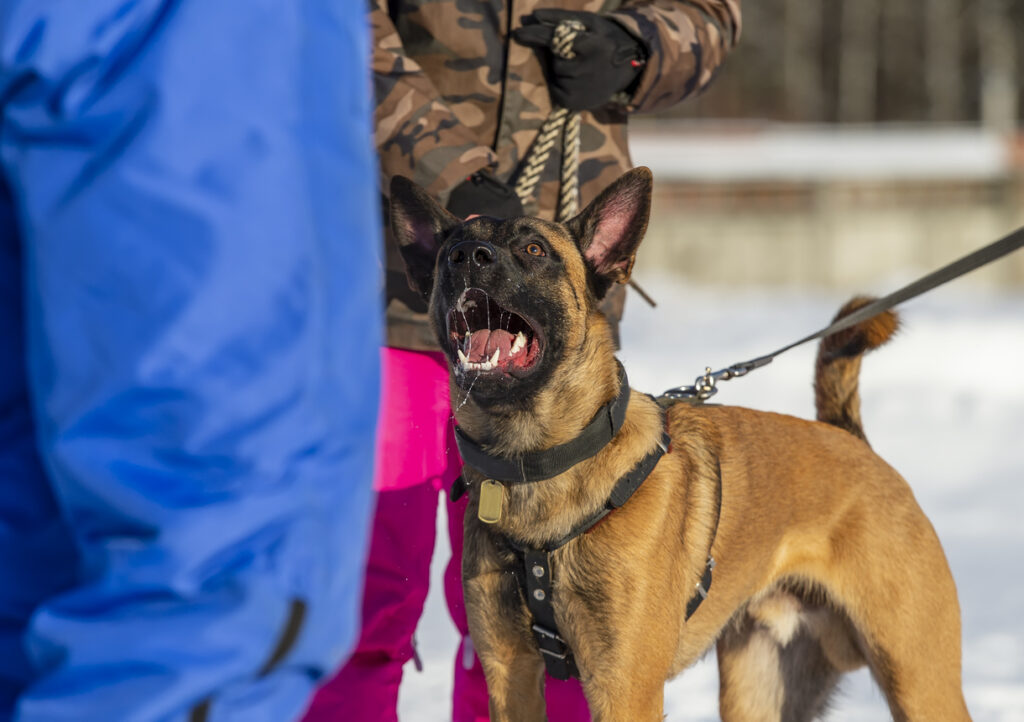
The worst thing you can do is laugh off either behaviour or treat it as proof your dog loves you. Encouraging protective or controlling behaviour by praising it, allowing it to continue unchecked, or using it as a party trick creates serious problems.
Dogs need clear leadership that relieves them of the burden of making security decisions. This doesn’t mean being harsh; it means being consistent about boundaries, building confidence through training, and making it clear that you’re handling situations so they don’t have to.