If you’ve spent any time watching nature documentaries, you’ve probably seen both of these animals tearing across the African savannah.
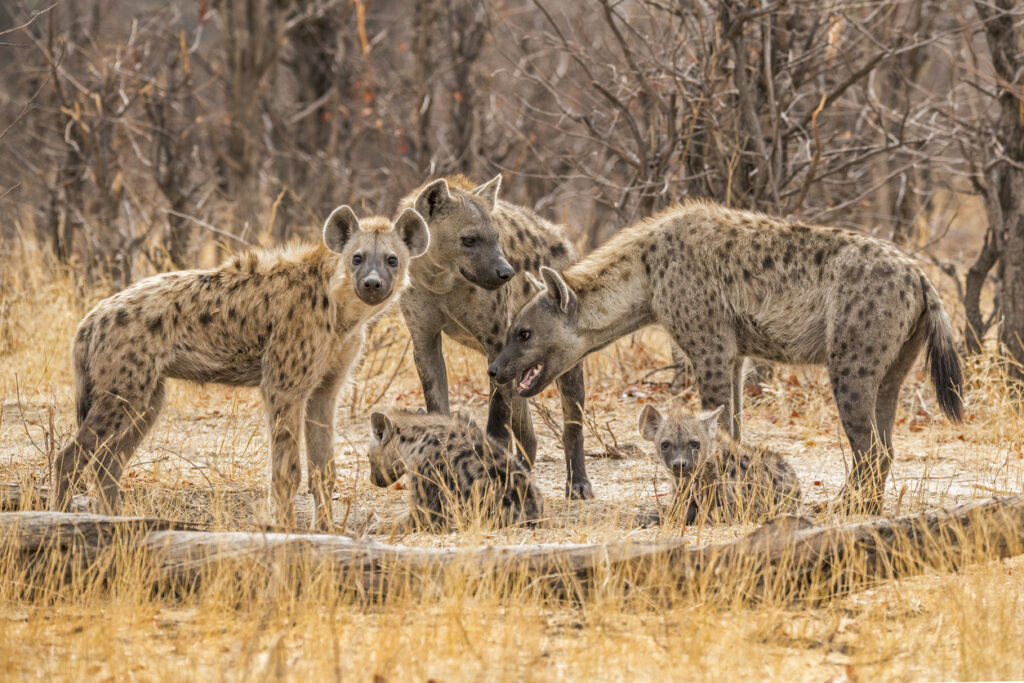
However, it’s easy to lump them into the same “scary predator” category without a second thought. At first glance, they might seem like close cousins—both are highly successful hunters with a reputation for being ruthless—but once you look past the teeth and the fur, they couldn’t be more different. They belong to entirely separate branches of the evolutionary tree, and their approaches to life, family, and survival are worlds apart.
It’s not just a matter of spots versus splotches. One is a powerhouse built for bone-crushing strength, while the other is an endurance athlete who relies on incredible teamwork and stamina to wear its prey down. Understanding the divide between the hyena and the African wild dog isn’t just for the sake of trivia; it’s a look at two completely different strategies for winning at the game of life in one of the toughest environments on Earth. When you peel back the myths and the villain labels often slapped on them, you find two of the most fascinating and complex creatures in the wild.
They’re not even in the same animal family.
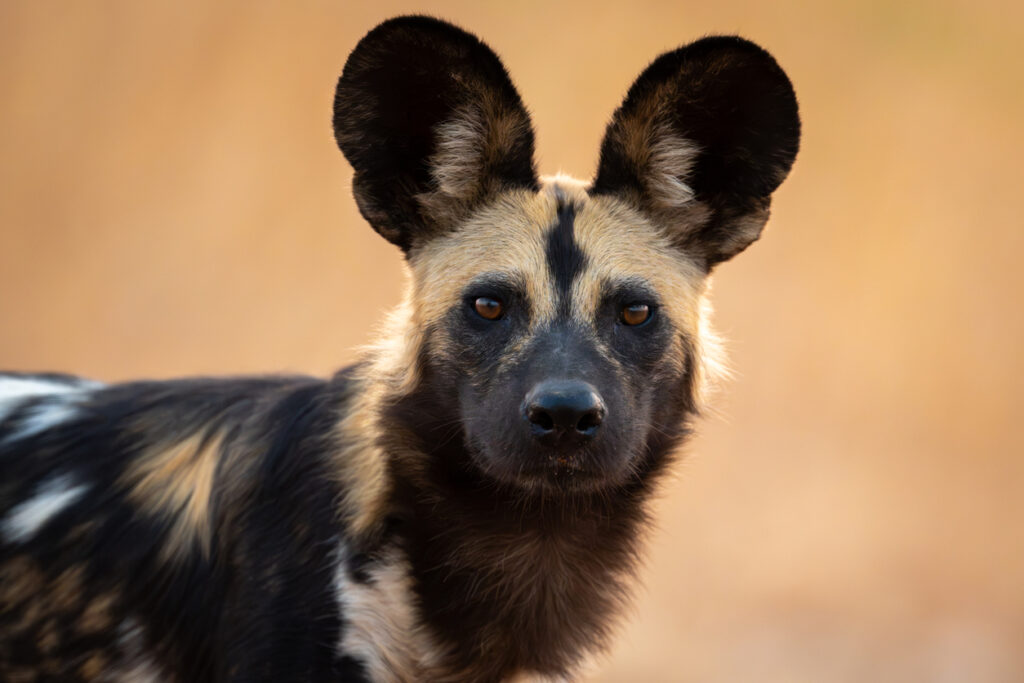
This is the biggest surprise for most people. African wild dogs belong to the dog family, the same broad group as wolves and domestic dogs. Hyenas, though, are more closely related to cats than to dogs. In other words, even though they look similar from a distance, they come from completely different branches of the mammal family tree. That alone tells you the similarities are mostly surface level.
Their body shapes are built differently.
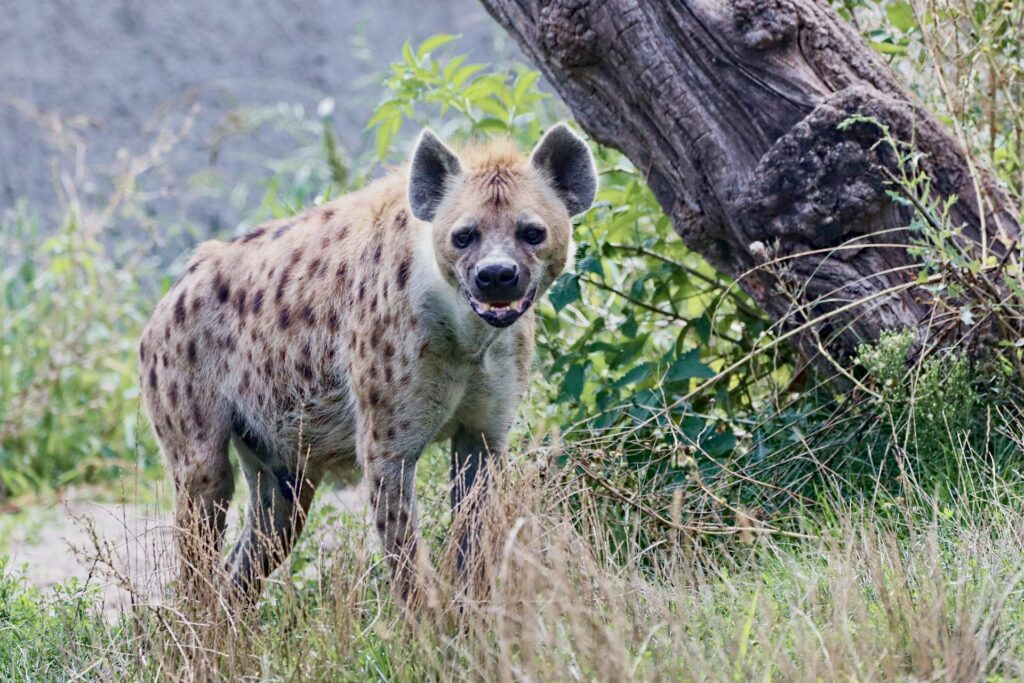
Wild dogs have a fairly balanced, dog-like shape, with long legs and lean frames built for endurance running. Hyenas have sloping backs, powerful shoulders and shorter hind legs, which give them that uneven outline. That front heavy build in hyenas isn’t random. It’s linked to their incredible bite strength and bone crushing ability.
Their bite strength is worlds apart.
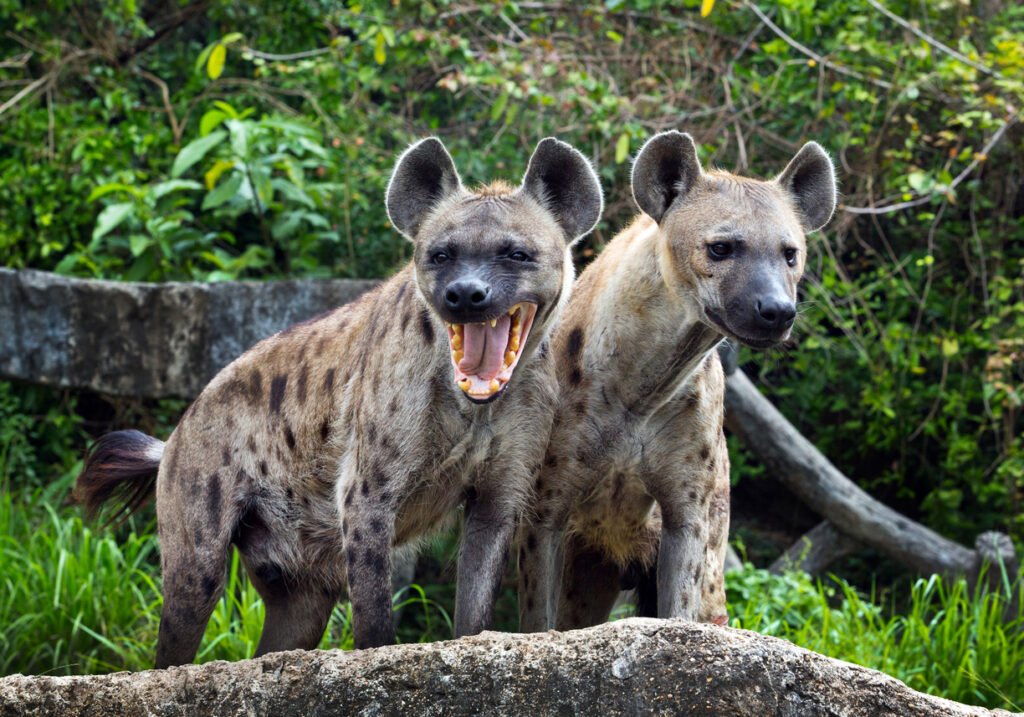
Hyenas have one of the strongest bites of any land predator in Africa. They can crush large bones and digest them fully, extracting nutrients other animals leave behind. Wild dogs, while efficient hunters, don’t have that same bone crushing power. They rely more on speed, teamwork, and stamina rather than raw jaw strength.
Their social systems are very different.
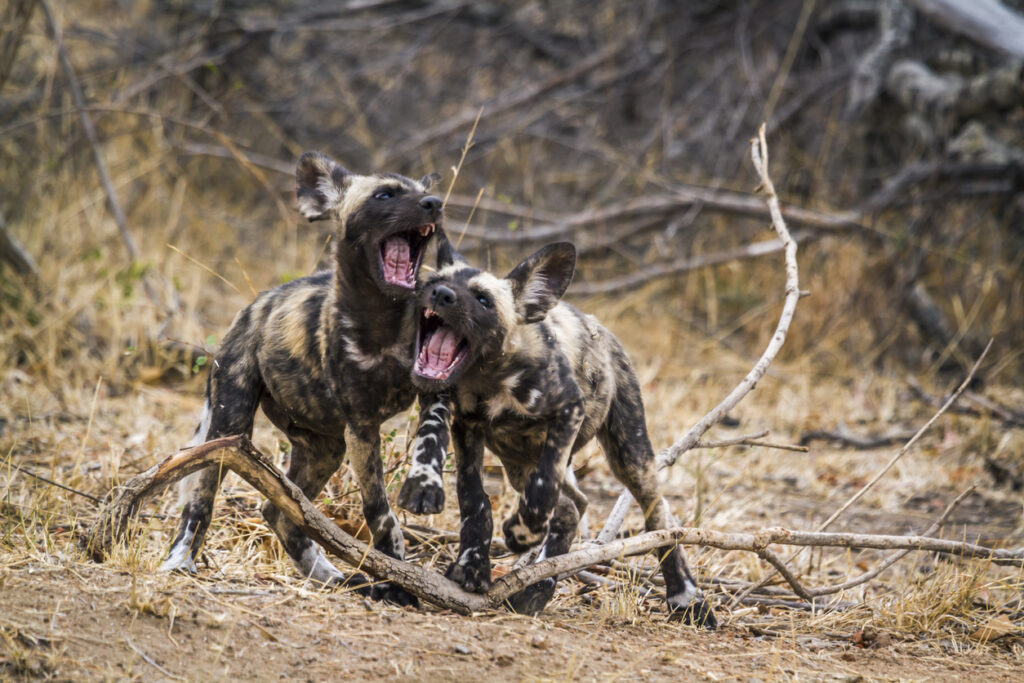
African wild dogs live in tight-knit packs that are often led by a dominant breeding pair. Cooperation is central to everything they do, from hunting to raising pups. Hyena clans are also social, but their structure is matriarchal. Females dominate the group, and social ranking plays a huge role in access to food and status.
Female hyenas are physically dominant.
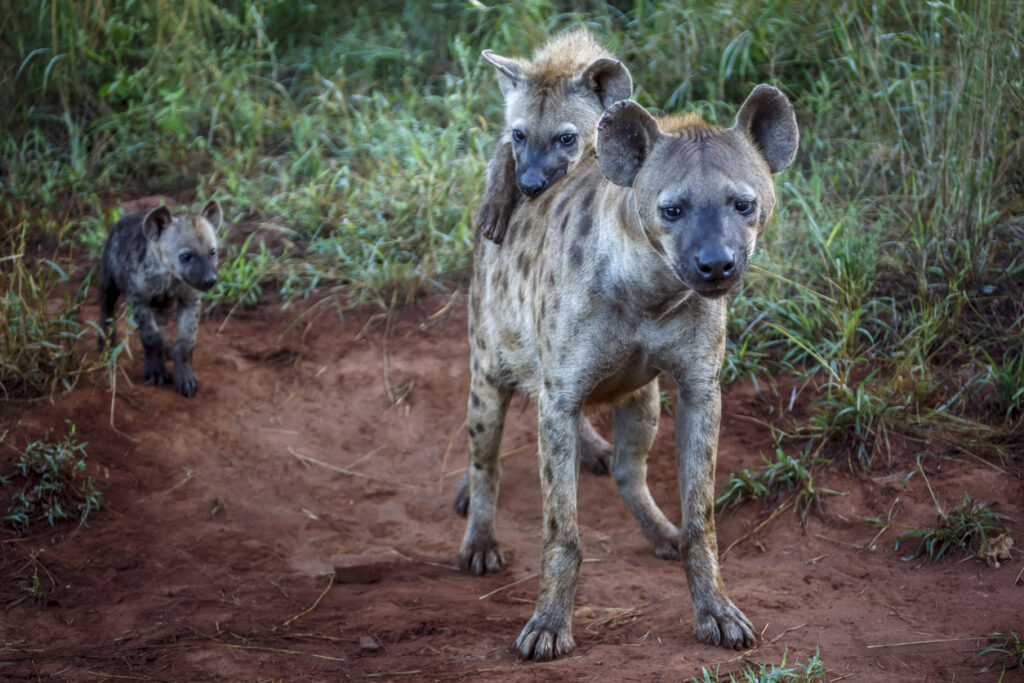
In spotted hyena groups, females are larger and more powerful than males. They outrank them socially and control access to resources. In wild dog packs, males and females are more similar in size, and dominance usually revolves around breeding pairs rather than one sex overpowering the other.
Their hunting styles feel similar but work differently.
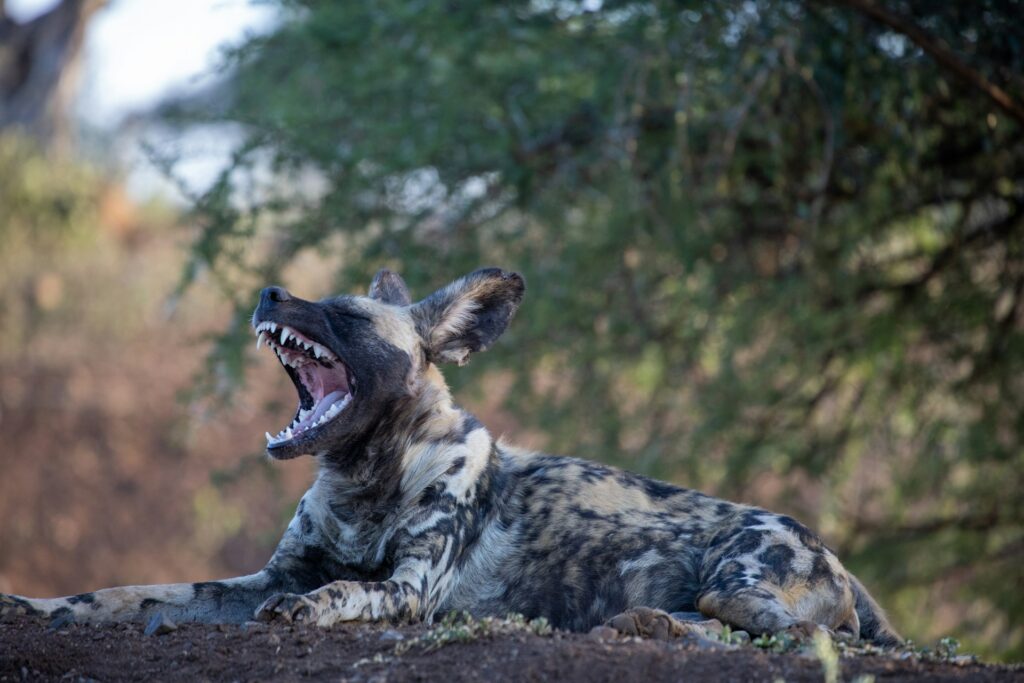
Both animals hunt in groups, which is why they’re often compared. Wild dogs rely heavily on endurance chases, wearing prey down over long distances. Hyenas can hunt effectively too, but they also use strength and opportunism. Despite their reputation, many hyenas are skilled hunters rather than just scavengers.
Their vocal sounds are completely distinct.
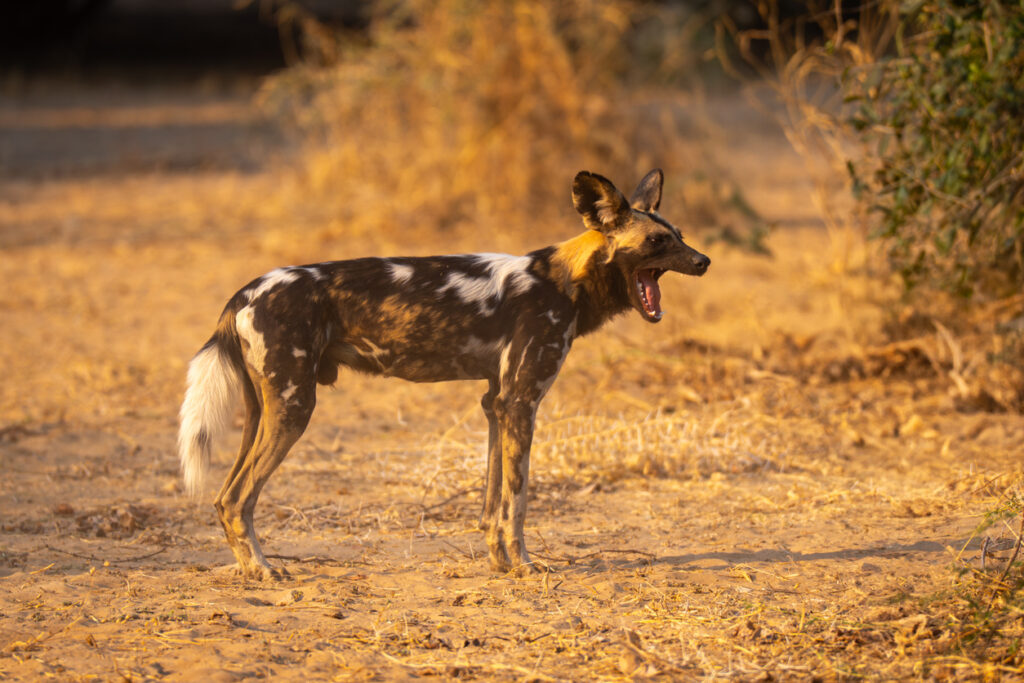
Hyenas are famous for their eerie laughing calls, though those sounds are actually forms of communication linked to excitement or tension. Wild dogs use high-pitched squeaks, twittering calls and short barks to coordinate hunts and regroup. Their communication is surprisingly complex but far less dramatic sounding.
Their ears serve different functions.
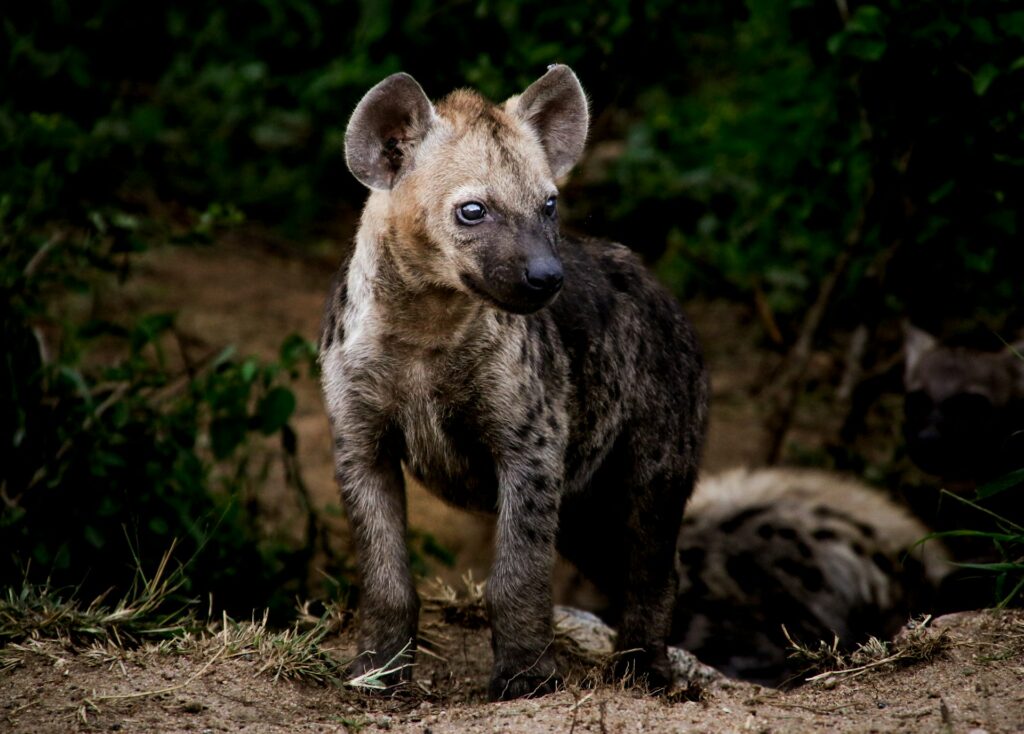
Wild dogs have large, rounded ears that help them regulate heat and pick up distant sounds during hunts. Their hearing is sharp and crucial for pack coordination. Hyenas also have strong hearing, but their ear shape is slightly more pointed and built into that heavier skull structure.
Their coat patterns are unique.
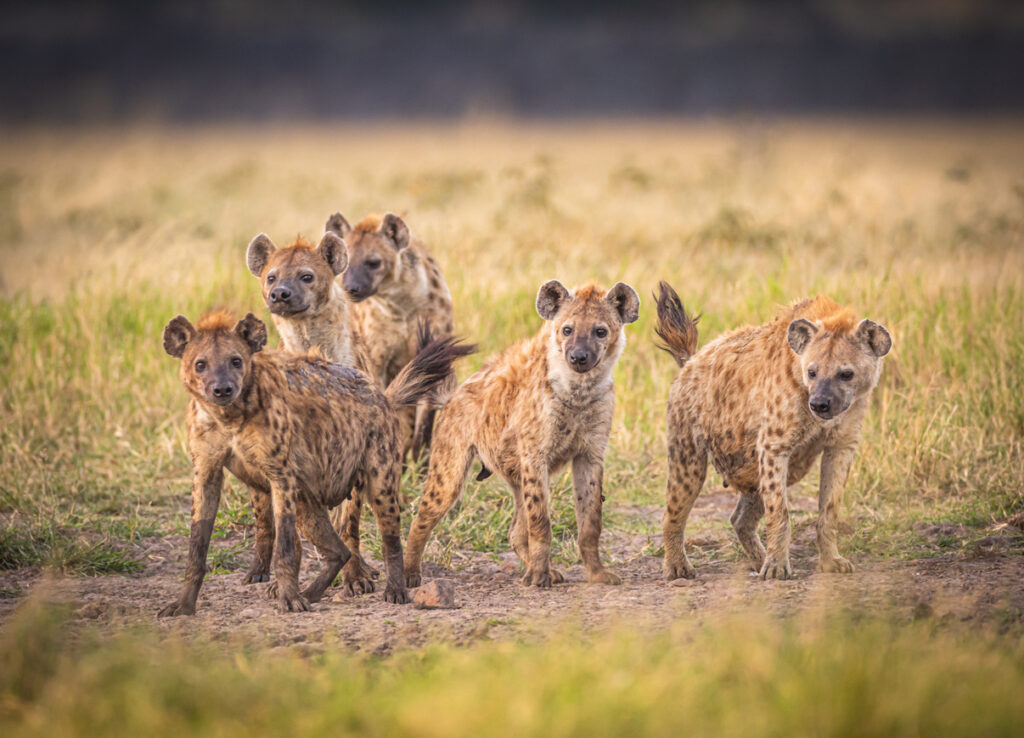
African wild dogs have irregular, patchy coats, with no two individuals patterned the same. It’s almost like a fingerprint. Spotted hyenas, as the name suggests, have a more uniform spotted pattern. Other hyena species have stripes, but none resemble the chaotic patchwork of wild dogs.
Their conservation status differs.
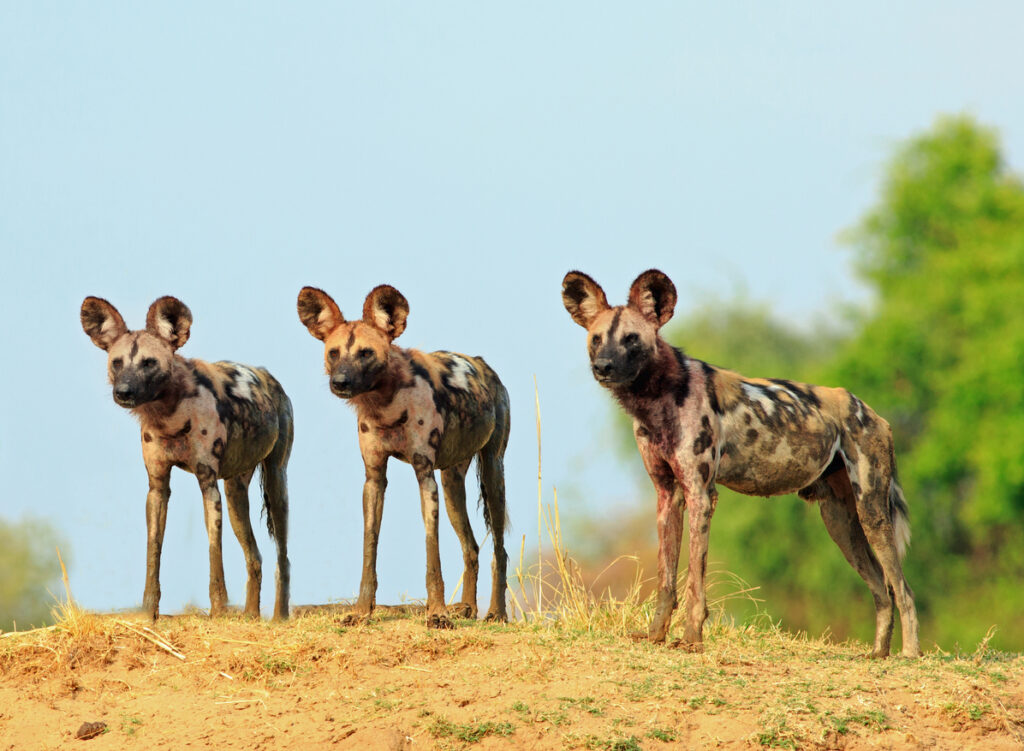
African wild dogs are among the most endangered carnivores in Africa. Habitat loss and human conflict have reduced their numbers significantly. Spotted hyenas, by contrast, are relatively widespread and adaptable, though they still face threats in certain regions.
Their role in the ecosystem isn’t identical.
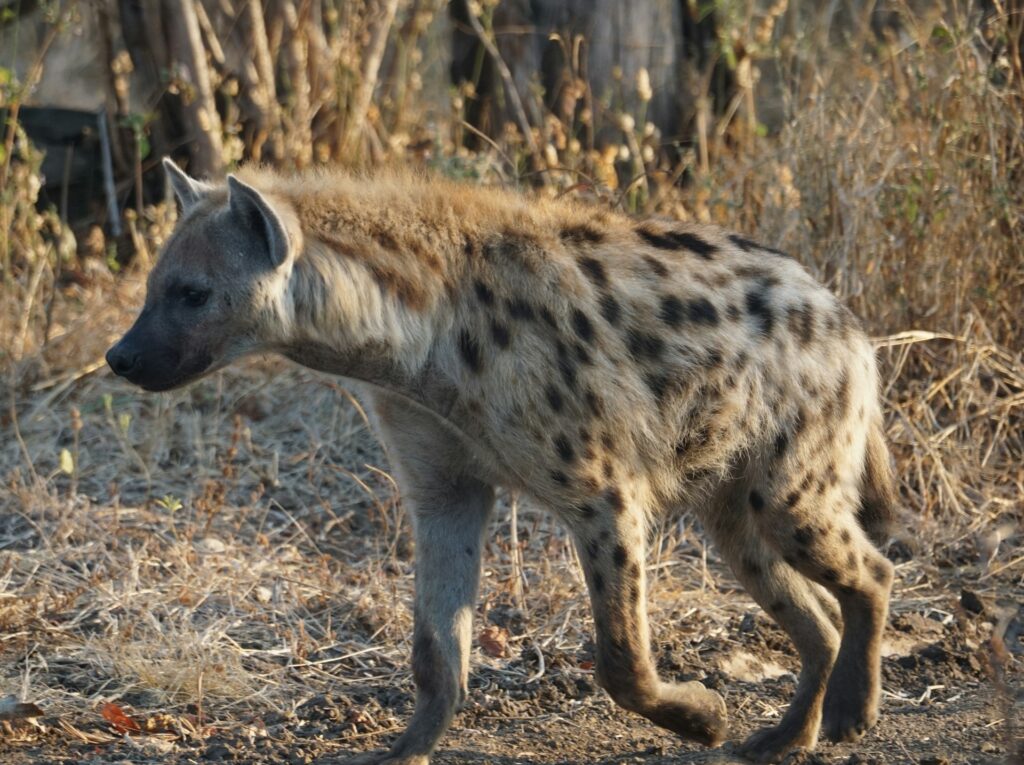
Wild dogs are specialised cooperative hunters that help control prey populations through efficient pack work. Hyenas play a dual role. They hunt, but they also act as nature’s clean-up crew, consuming carcasses that might otherwise spread disease.
Their pack dynamics feel different in tone.
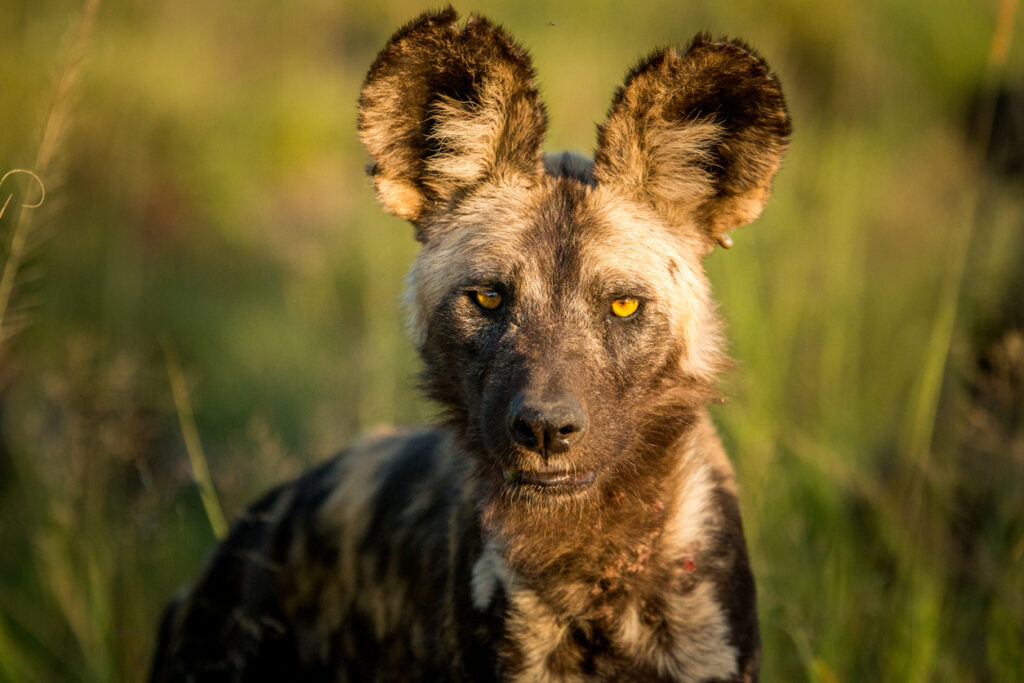
Wild dog packs often appear highly cooperative, with members feeding pups and injured adults. There’s a strong sense of group care. Hyena clans can be more competitive internally, with dominance hierarchies influencing feeding order and interactions.
They don’t actually get along.
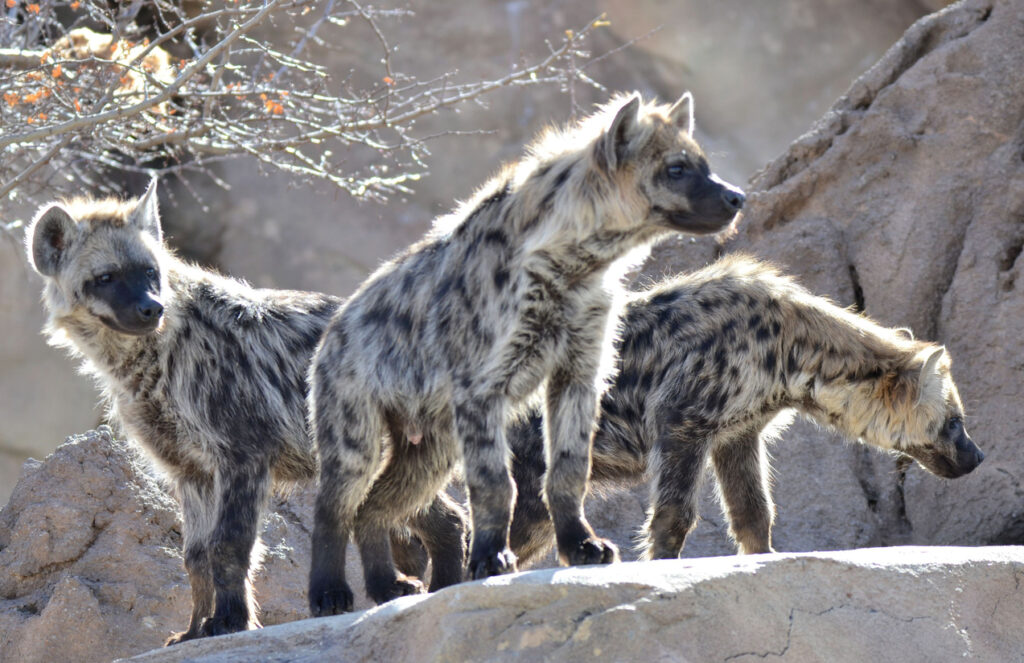
In the wild, hyenas and wild dogs are often rivals. Hyenas will steal kills from wild dogs when possible, using their strength and numbers to overpower them. So, while they share space on the savannah, their relationship is more tense competition than distant cousins getting along.
At a glance, hyenas and African wild dogs might look like variations of the same idea. But once you look closer, they’re built differently, organised differently, and even related differently. The similarities are mostly about survival in the same environment, not shared identity.