March is that turning point where the garden finally starts to wake up, but it’s a bit of a deceptive month that requires a careful touch.
One day, it feels like spring has officially arrived, and the next you’re dealing with a biting frost that wants to undo all your hard work. It’s the time to clear away the winter debris and prep the soil, but you’ve also got to keep a close eye on the weather before you get too carried away with your seed trays. Getting the balance right now sets the tone for the rest of the year, so it’s all about working with the soil as it warms up and making sure your tools are sharp and ready for the busy season ahead. Here are some jobs it’s time to start getting done.
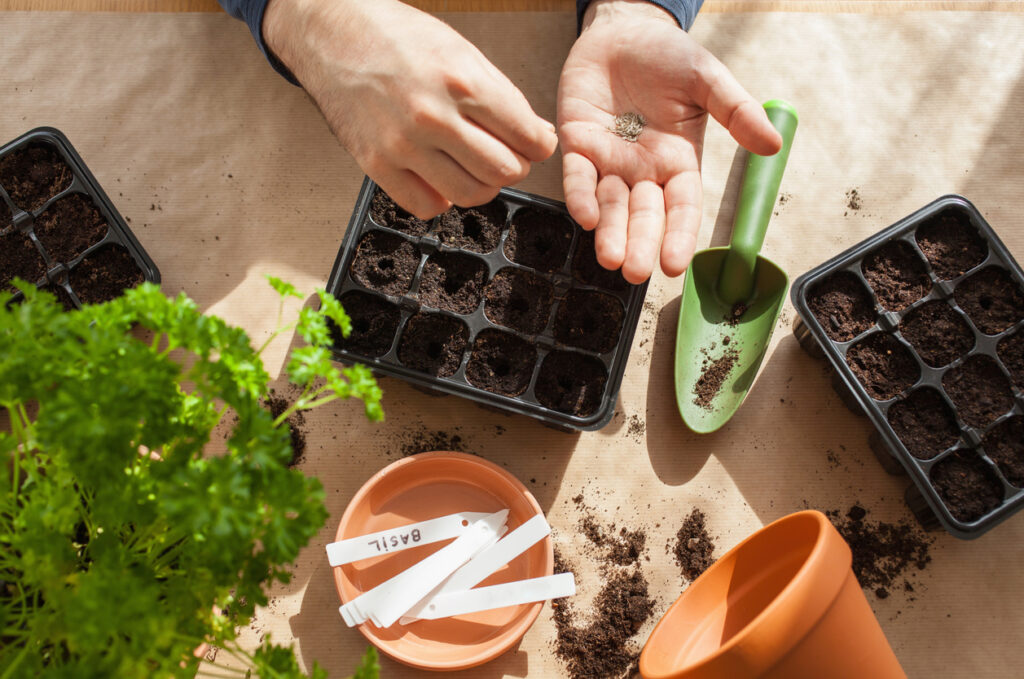
Start sowing seeds indoors.
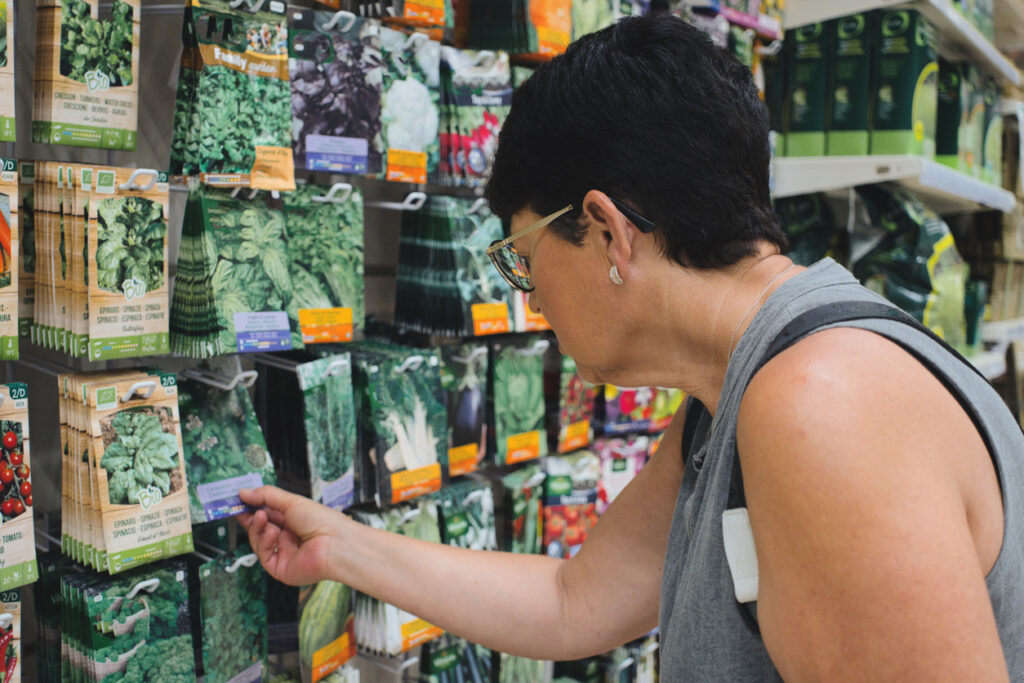
Tomatoes, peppers, and aubergines all need a long growing season, so getting them going on a warm windowsill now gives them a proper head start before they go outside. Fill small pots or seed trays with good quality compost, keep them somewhere consistently warm and make sure they get plenty of light once they germinate. A south-facing windowsill works well, though a heated propagator will give you even better results if you have one.
Prune roses.

If you haven’t done it yet, cut hybrid teas and floribundas back hard this month to encourage strong new growth and a good flush of flowers later on. Aim to cut to an outward-facing bud at around knee height, removing any dead, damaged or crossing stems as you go. It feels brutal the first time you do it, but roses genuinely respond well to a firm hand.
Divide perennials.
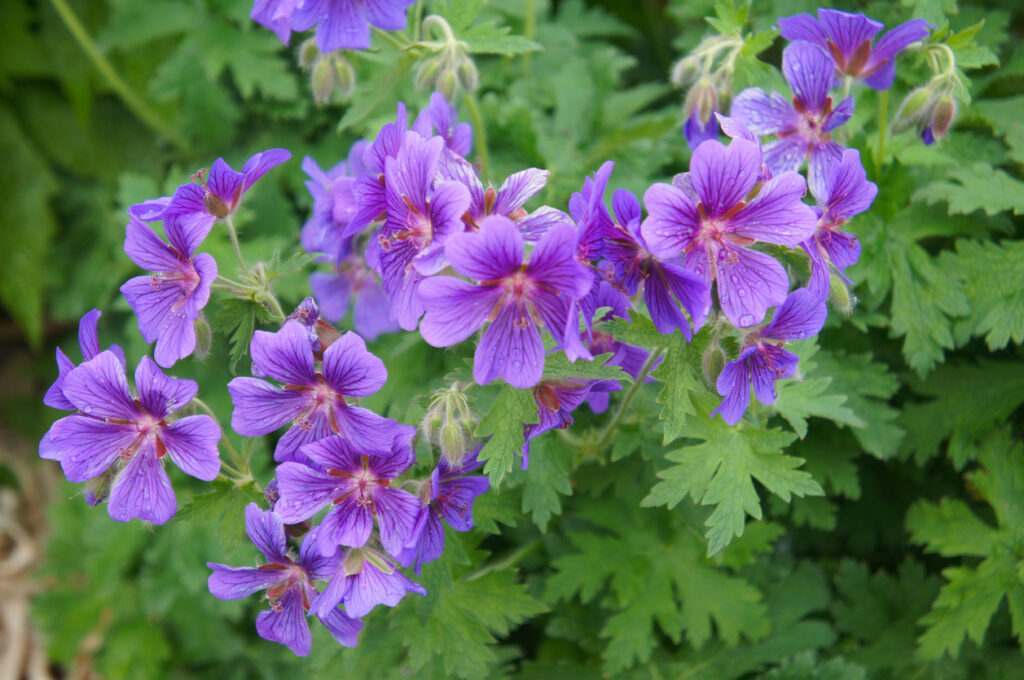
Clumps of hostas, geraniums, and rudbeckia can be dug up and split into smaller sections, which refreshes the plant and gives you free extras to fill gaps in the border. Use two garden forks back-to-back to lever the clump apart, or a spade if it’s particularly tough. Replant the sections straight away and water them in well so they don’t dry out while they’re getting established.
Feed the lawn.
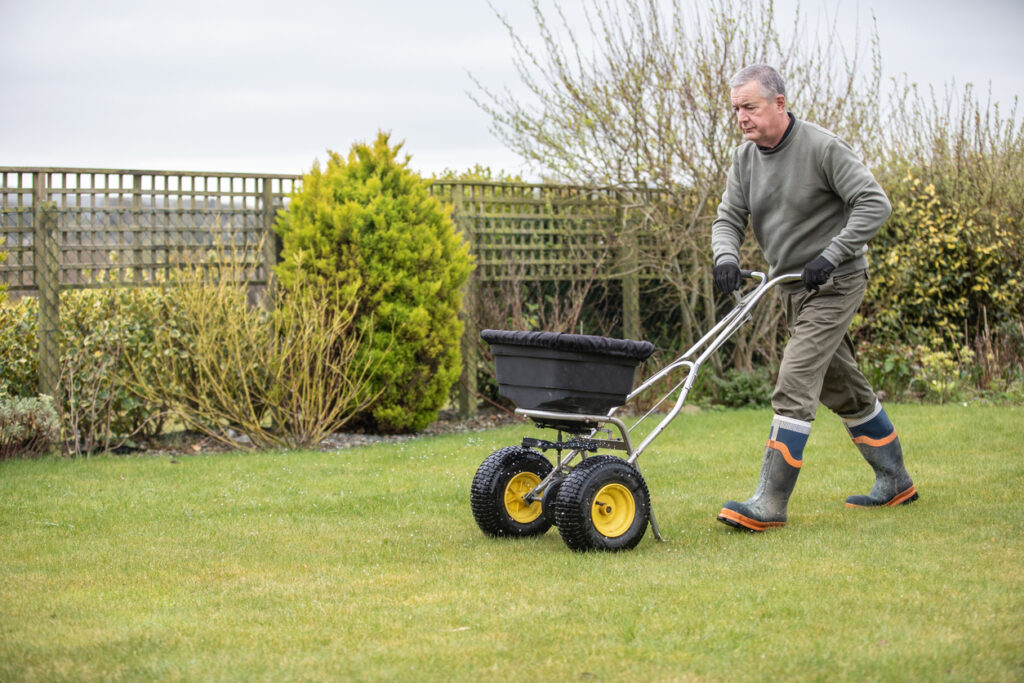
Apply a spring lawn feed to kick things off after winter, and if there are bare patches, overseed them now while the soil is starting to warm up. Choose a feed with a higher nitrogen content to encourage leafy green growth rather than a balanced feed, which is better saved for later in the year. Water it in if rain isn’t forecast within a day or two.
Mulch your borders.
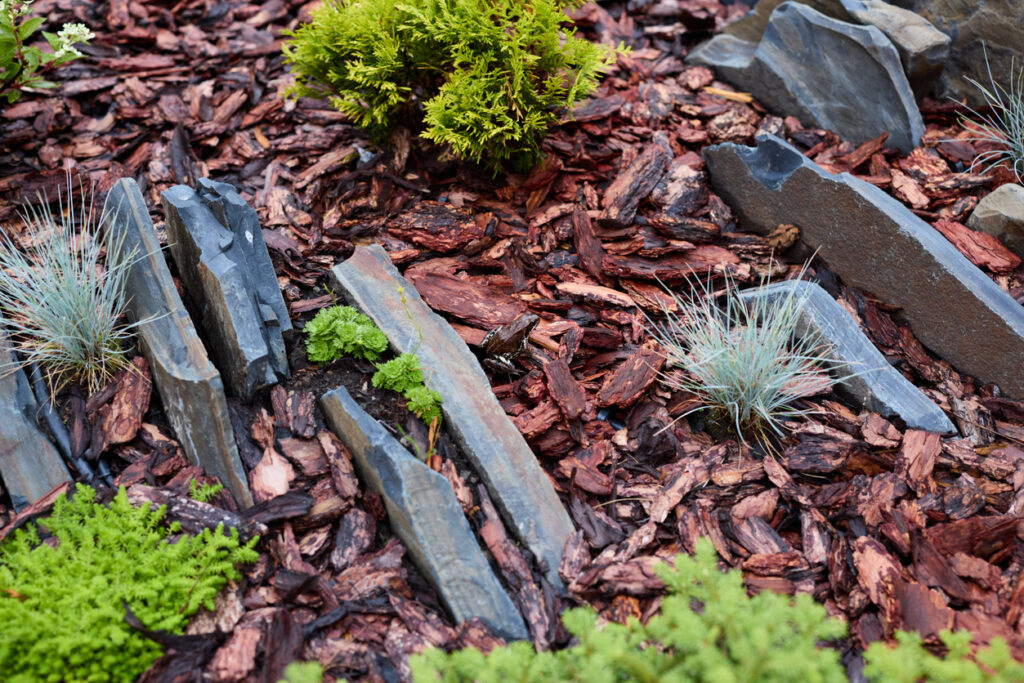
A layer of compost or bark chipping around your plants locks in moisture, suppresses weeds and improves the soil as it breaks down over the coming months. Aim for a depth of around five to eight centimetres, keeping it away from the base of stems where it can cause rotting. It’s one of those jobs that doesn’t seem all that special or important, but genuinely makes a big difference to how your borders perform through summer.
Plant onion sets and shallots.

These go straight into prepared ground this month and love the cooler temperatures, making them one of the easiest wins on the veg patch right now. Push the sets into the soil with the pointed end facing up, spacing them about ten centimetres apart, and firm the ground around them. Netting helps if you have birds in the area, as they have a habit of pulling the sets straight back out.
Deadhead winter pansies.
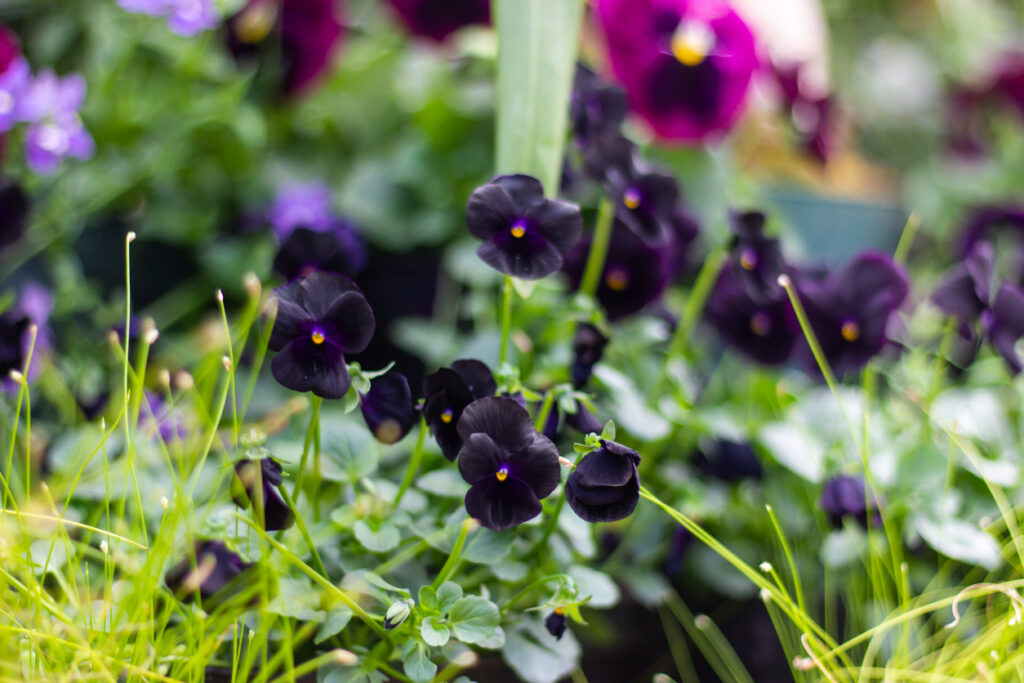
If your winter pots are still looking reasonable, a quick deadhead will keep them going for a few more weeks while everything else catches up. Pinch off any faded flowers right back to the stem rather than just removing the petals, as this stops the plant putting energy into setting seed. It only takes a few minutes and it genuinely extends the display.
Check for slugs and snails.
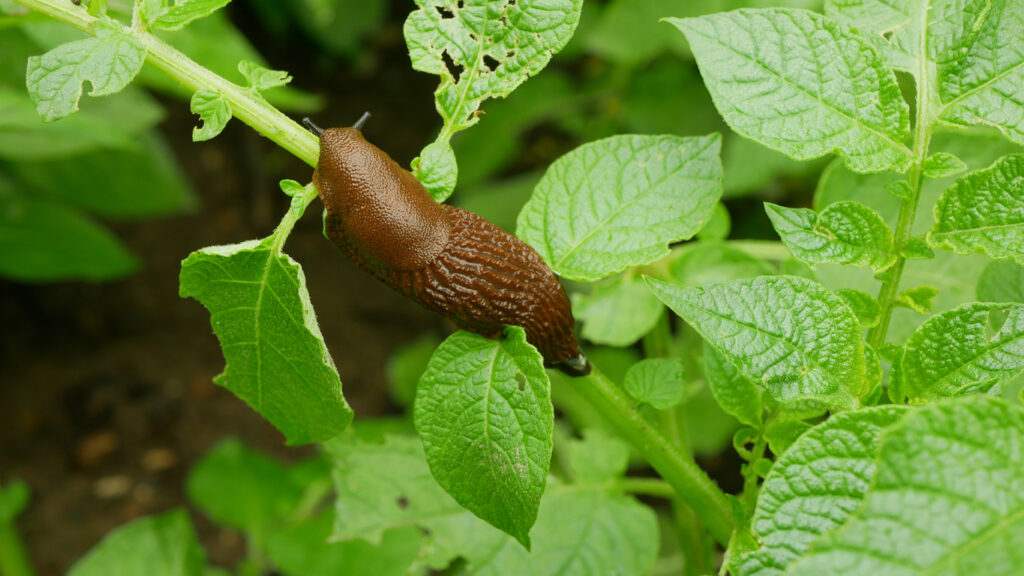
They’re already out there, even if you haven’t spotted them, so set traps or put down organic pellets before they get to your new seedlings. Beer traps are effective and satisfying in a slightly grim way—sink a container into the soil and fill it with cheap beer, and they’ll find it overnight. If you’d rather not deal with that, wool pellets or copper tape around pots can also help keep numbers down.
Chit seed potatoes.
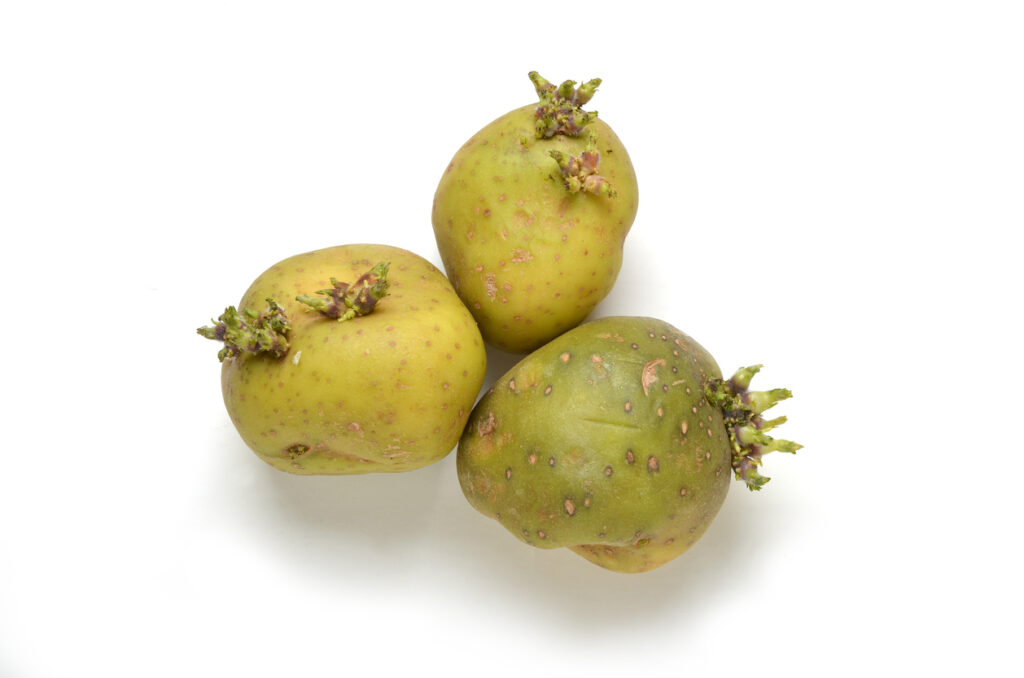
Stand them in egg boxes in a light, cool room to develop short, stubby shoots before planting. This process is called chitting, and it gives them a stronger start once they go in the ground. Place them with the end that has the most eyes facing upward, and leave them somewhere bright but frost-free. They’ll be ready to plant out in April, when the risk of a hard frost drops.
Clean garden furniture.
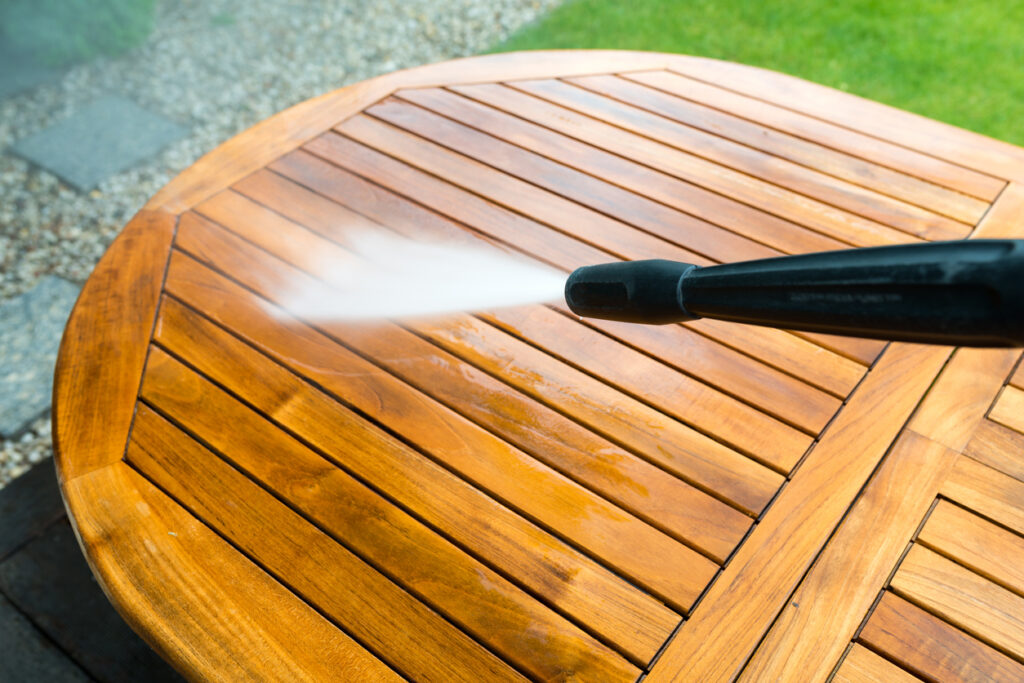
Before the season gets going, sand down any rough spots on wooden furniture and give it a coat of oil or stain so it’s protected and ready when you actually want to sit outside. It’s one of those jobs that’s easy to put off until summer and then resent doing when it’s warm. Half an hour now saves you a lot of effort later.
Service the lawnmower.
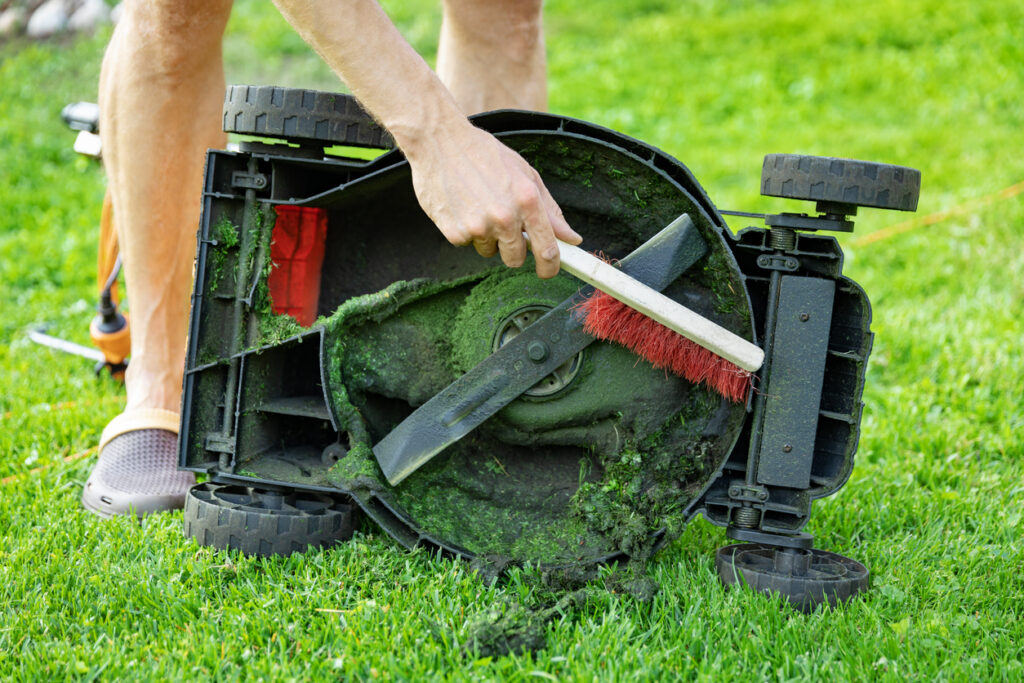
Clean the blades, check the oil and give it a test run now so you’re not scrambling when the grass suddenly takes off in a few weeks. If the blades need sharpening, most local garden machinery shops will do it quickly and cheaply. A well-maintained mower makes a noticeable difference to how neat your lawn looks, so it’s worth the effort.
Weed while the ground is soft.
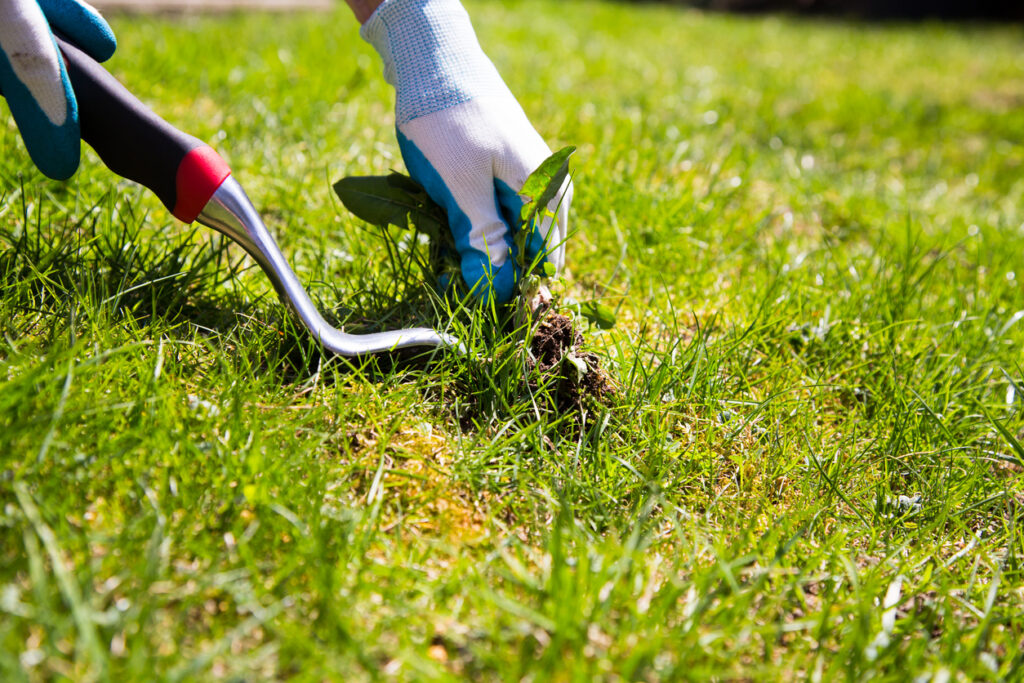
March soil is still moist and workable, which makes weeding far easier than it’ll be in summer, and doing it now stops weeds seeding and spreading all season. Focus on getting the roots out rather than just snapping off the tops, especially with tap-rooted weeds like dandelions and docks. A hand fork is more effective than pulling for most of them.
Plant bare-root trees and shrubs.

The bare-root planting season is coming to a close, so if you’ve been meaning to add a fruit tree or a new shrub, this month is your last good chance to do it at a bargain price. Bare-root plants establish really well because they’re planted while dormant, and they’re significantly cheaper than container-grown versions of the same thing. Dig a generous hole, add some compost and firm the soil back in well, so there are no air pockets around the roots.
A bit of effort in March genuinely does make everything easier come summer. Pick a few jobs each weekend, and you’ll be surprised how quickly the garden comes together.