Winter flooding catches people off guard every year in the UK.

While most people focus on the damage it can cause, there’s another angle that rarely gets talked about. Certain things you do during or after a flood can actually lead to fines, even when you believe you’re just trying to sort your property out. The rules aren’t always clear, and many homeowners only learn about them once someone’s already had a warning or a penalty through the door.
Knowing what’s allowed and what can get you into trouble makes life a lot easier when the weather turns rough. Clearing blockages, redirecting water, or trying to reinforce boundaries might feel like common sense, but UK law has specific guidance around these decisions. Understanding it before you act can save you stress, money and a headache you definitely don’t need in the middle of a flood. Here’s what’s worth knowing.
Driving through flood water can get you fined.
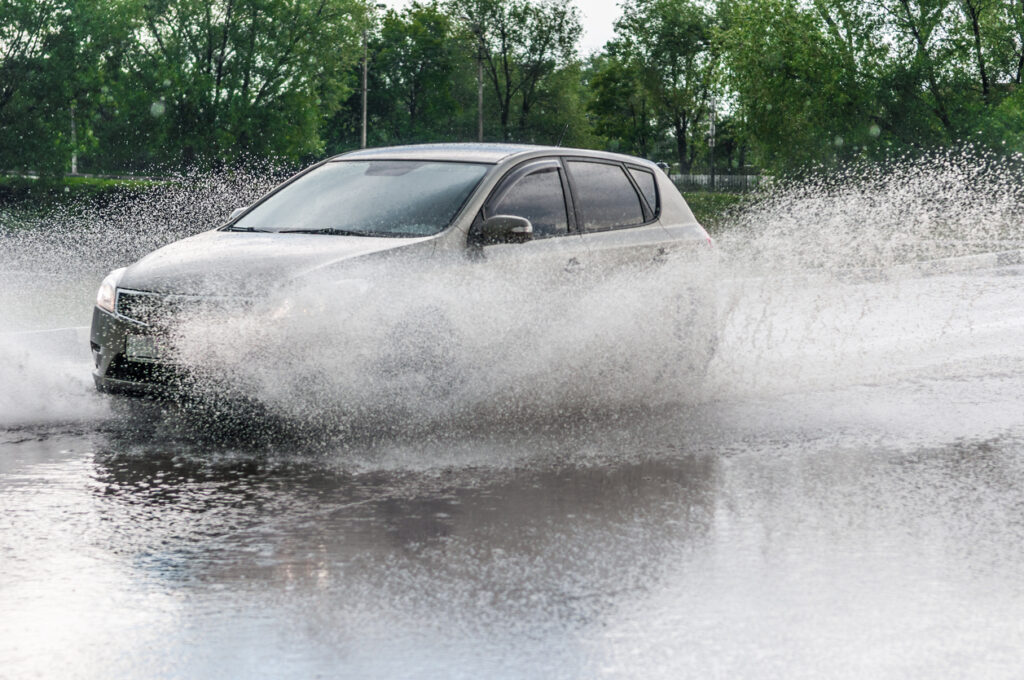
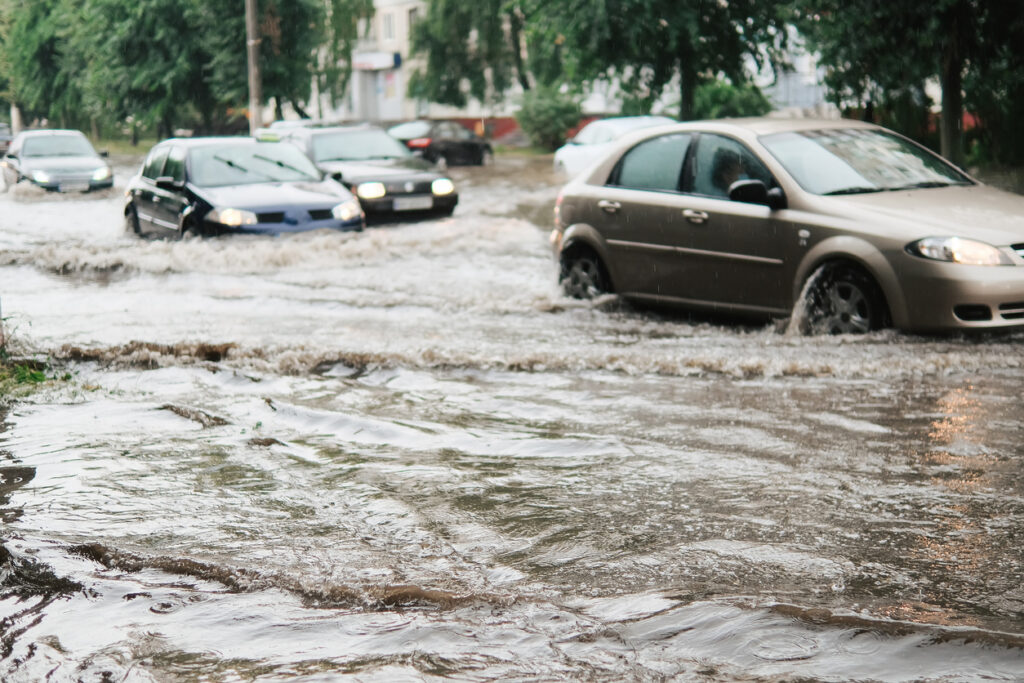
When roads are flooded, it’s tempting to just power through if it doesn’t look too deep. But if police see you driving through flood water recklessly, you can be hit with a careless driving charge that comes with points on your licence and a fine up to £5,000.
The issue isn’t just about your safety. Driving through floods creates waves that can push water into homes and businesses that might have stayed dry otherwise. You’re also risking damage to your car that insurance might not cover if they determine you drove recklessly, so that puddle could end up costing you thousands.
Clearing drains without permission can be illegal.
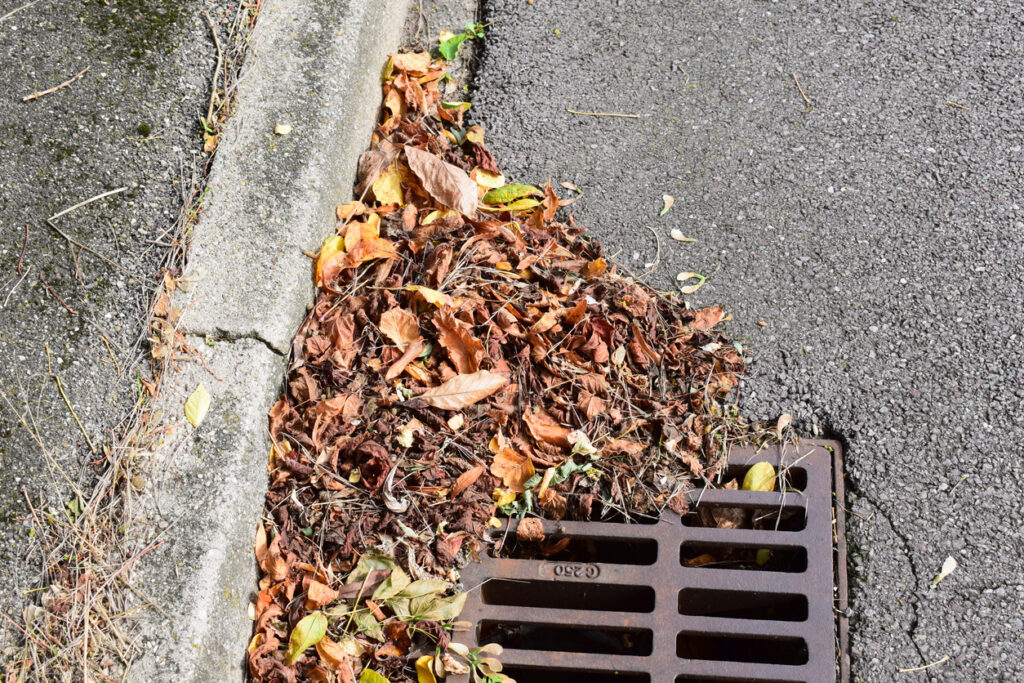
If you see a blocked drain causing flooding on your street, you might think you’re being helpful by clearing it yourself. But many drains are the responsibility of the council or water company, and interfering with them without permission can technically get you fined.
The laws exist because improperly cleared drains can cause worse flooding elsewhere or damage infrastructure you can’t see. Ring your local council to report blocked drains instead of sorting them yourself. They’re obliged to deal with it, and you won’t accidentally make things worse or break any regulations.
Using sandbags incorrectly can cause issues.
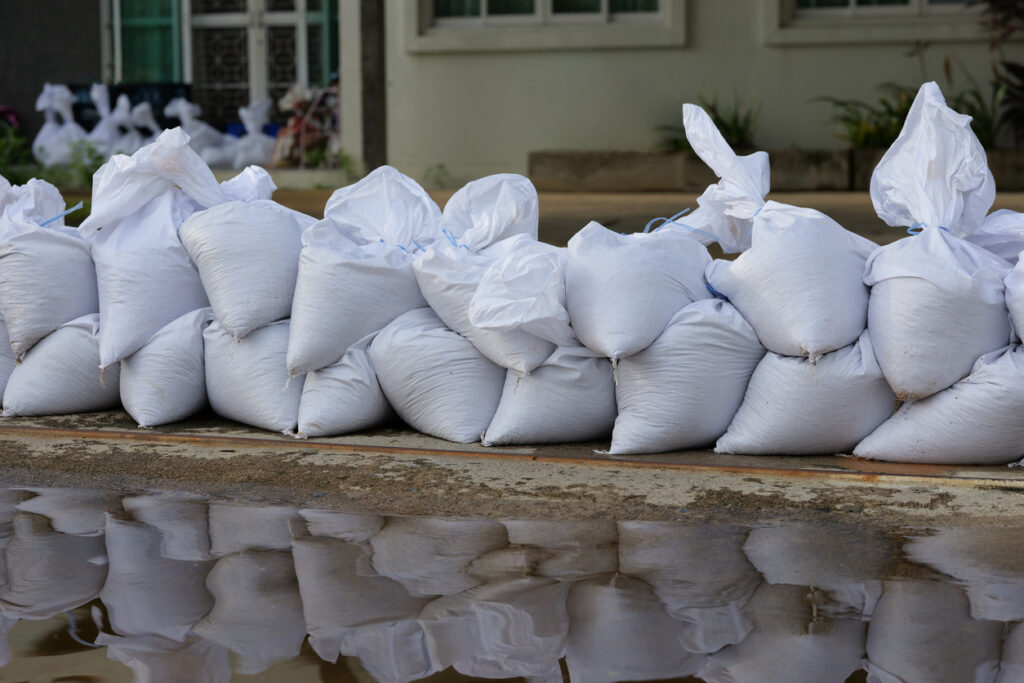
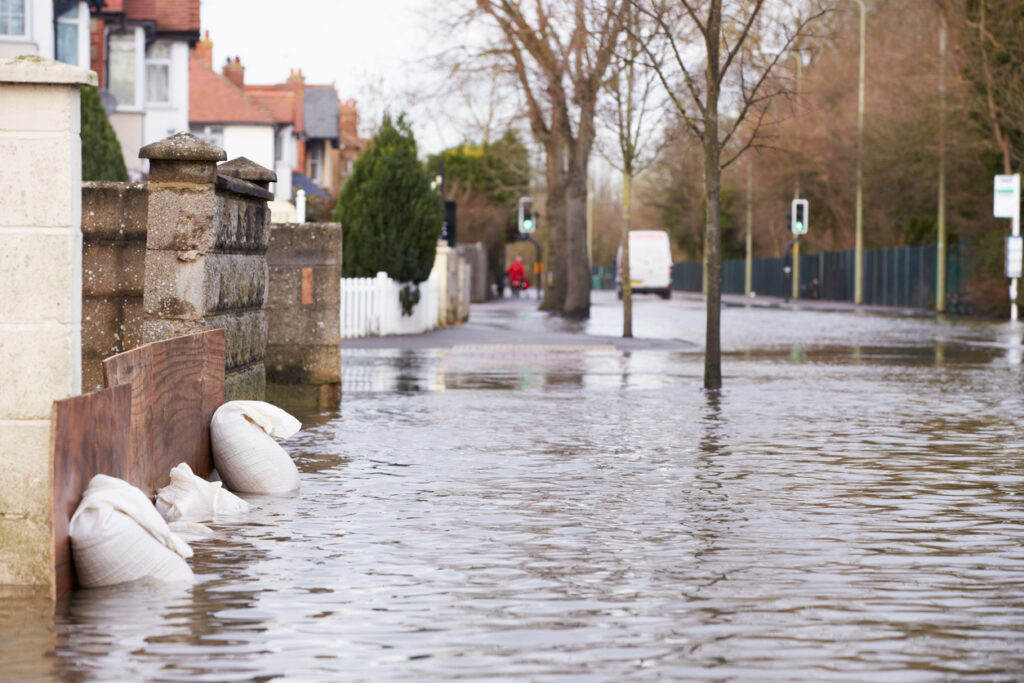
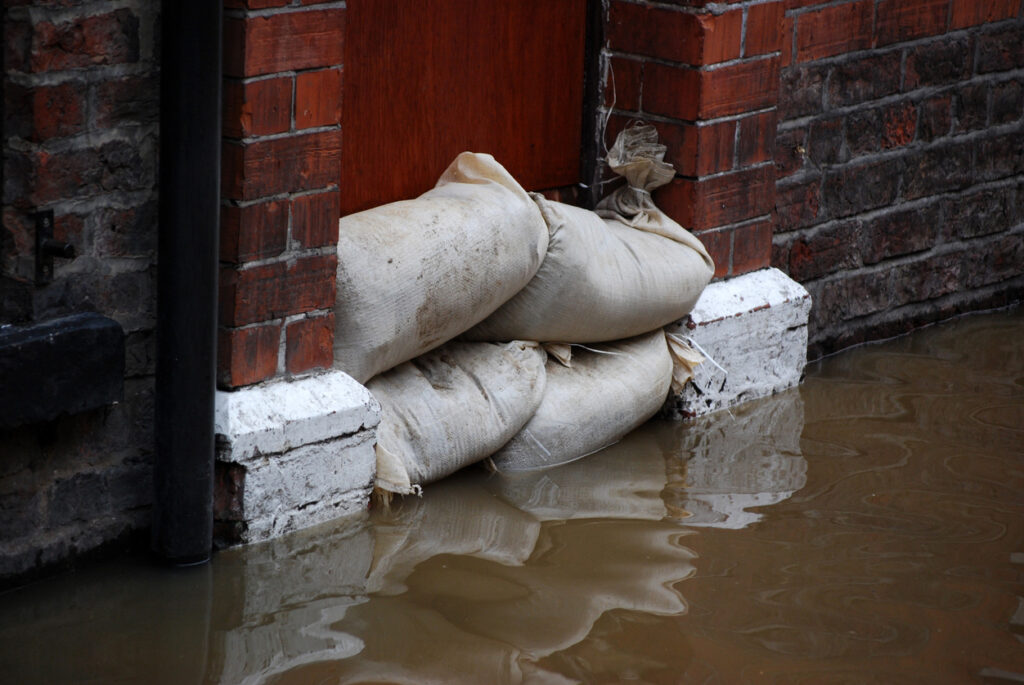
Councils sometimes provide sandbags during flood warnings, but how you use them matters. If you stack sandbags in a way that diverts flood water onto neighbouring properties or public areas, you could be liable for the damage and potentially face fines.
Your right to protect your property doesn’t override other people’s rights. If your sandbag wall sends water flooding into next door’s garden instead of yours, they can make a complaint, and you might be on the hook for damages. It’s worth checking guidance on proper sandbag placement before you start building barriers.
Illegal drainage modifications come back to haunt you.
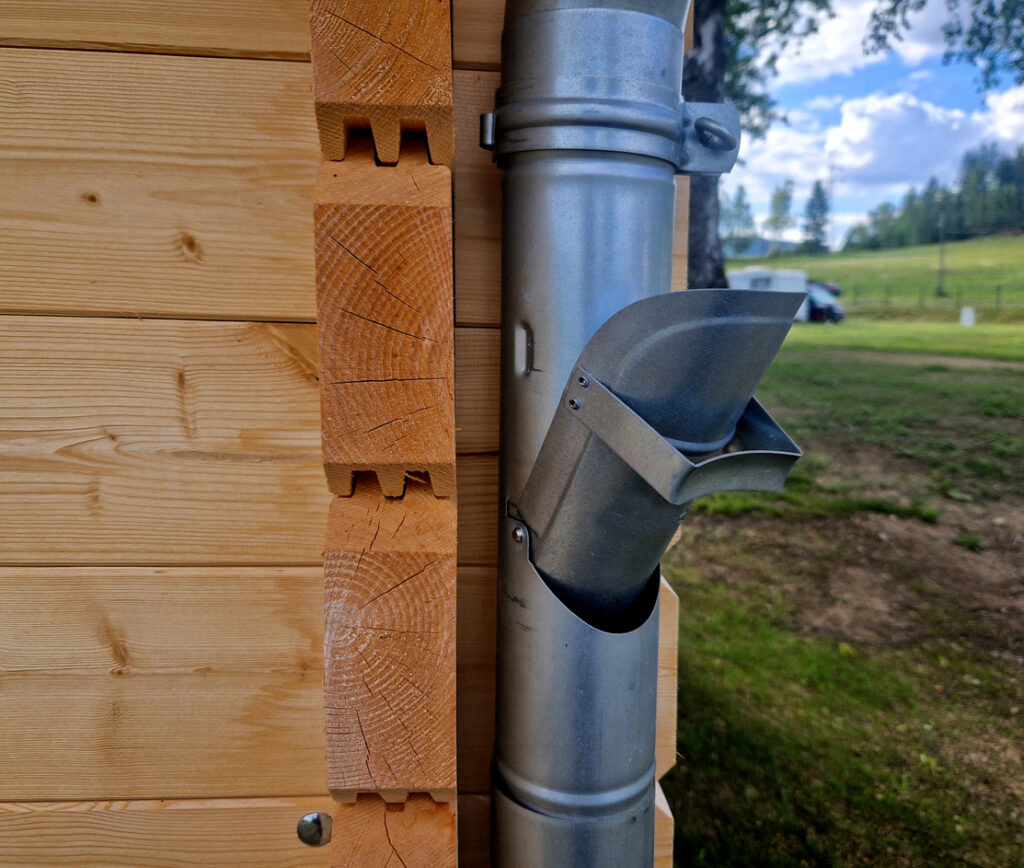
Some homeowners modify their property’s drainage without planning permission or building regulations approval, and it’s fine until flooding happens. Then the council investigates why certain properties flooded worse than others, and unpermitted drainage work gets discovered.
Fines for unauthorised drainage work can reach £20,000, plus you’ll be ordered to put things back how they were. If your modifications made flooding worse for neighbours, you could also face civil claims. Winter floods often trigger investigations that uncover work people did years ago thinking nobody would notice.
Dumping flood damaged items incorrectly could land you in trouble.
After flooding, you’ll have ruined carpets, furniture, and belongings that need disposing of. Dumping them on the street or in skips without permission counts as fly tipping, even if you’re desperate and your house is full of waterlogged stuff.
Fly tipping fines start at £400 but can go much higher. Your council should provide information about waste collection after flooding, and many offer special pickups for flood damaged items. Waiting for proper collection is frustrating when your home is full of ruined things, but dumping it anywhere you fancy will just add fines to your flood misery.
Insurance fraud attempts during chaos always backfire in big ways.

Some people see flooding as an opportunity to claim for damage to items that weren’t actually affected, or to exaggerate losses. Insurance companies investigate flood claims thoroughly, and getting caught making false claims can result in prosecution, fines, and a fraud record that affects you for years.
The chaos of flooding makes people think they can slip extra claims through, but insurers compare your claim against flood levels, photos, and neighbouring properties. If your upstairs bedroom somehow got flood damaged when water only reached 30 cm up your walls, they’ll notice. Stick to honest claims even when you’re stressed and facing huge costs.
Ignoring road closure signs is a no-go.

When councils close roads due to flooding, those closures are legally enforceable. Moving barriers or ignoring closure signs to get through can land you with fines up to £1,000, plus potential charges for obstructing emergency services if you get stuck and need rescue.
Roads aren’t just closed because of visible water. There might be structural damage underneath you can’t see, or emergency services need clear access. That detour might add twenty minutes to your journey, but the fine for ignoring it will cost you a lot more than the petrol you saved.
Blocking drains with autumn leaves is problematic.
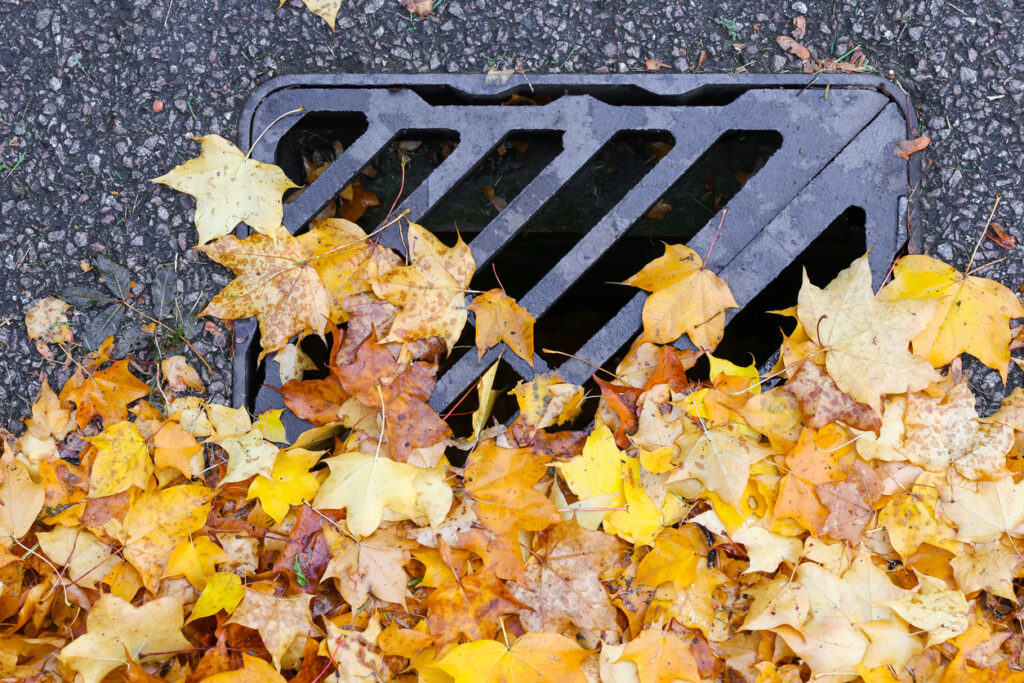
This one sneaks up on people before winter flooding even happens. If leaves from your property block drains and contribute to flooding, the council can fine you for not maintaining your boundaries properly. You’re responsible for ensuring your trees and hedges don’t cause drainage problems.
Councils are increasingly strict about this because blocked drains from private properties can cause major flooding issues. Regular leaf clearing in autumn isn’t just good practice, it’s potentially a legal obligation. If an investigation traces flooding back to your unmaintained foliage blocking drains, you could face fines and be billed for clearance costs.
Operating businesses during flood warnings isn’t cut and dry.
If authorities issue evacuation orders or prohibit business operations during severe flood warnings, staying open can result in fines and invalidate your insurance. This applies to shops, restaurants, and any business operating from premises in flood risk areas.
Business owners sometimes think staying open is their choice, but flood orders are legally binding. If customers or staff get injured, or if emergency services have to rescue you, you’re looking at fines plus potential prosecution for reckless endangerment. Your lost revenue from closing is nothing compared to the legal and financial consequences of staying open against orders.
Improper use of pumps affecting neighbours is dangerous.
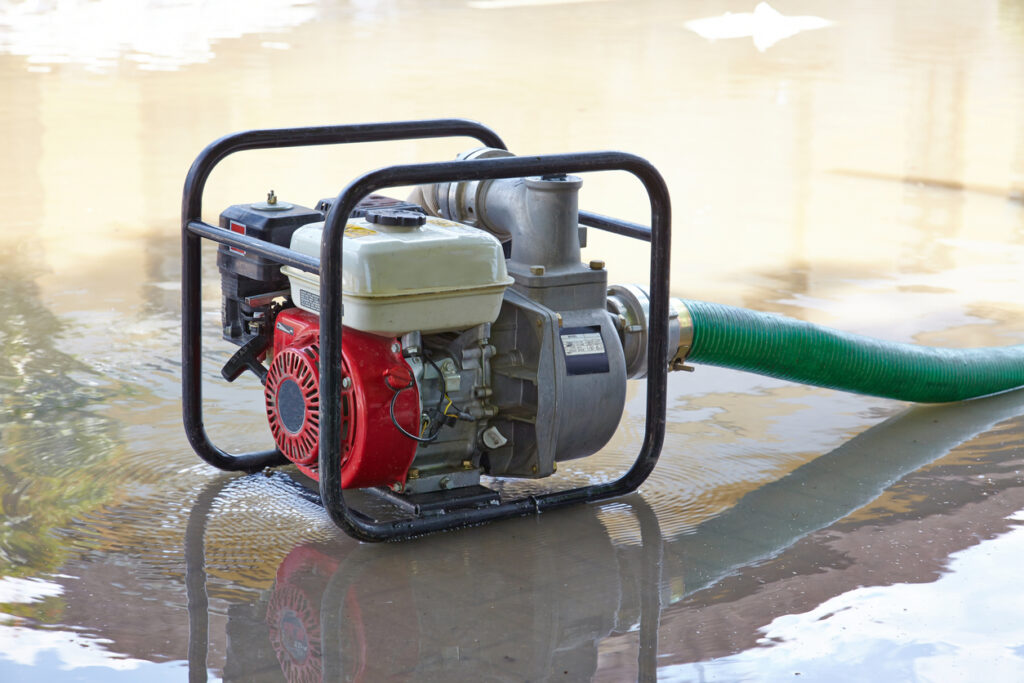
If you pump flood water out of your property, you need to be careful where it goes. Pumping it directly into neighbouring properties, onto roads, or into areas where it’ll cause more flooding can result in complaints, fines, and civil liability for any damage caused.
You’re allowed to protect your property, but not by making someone else’s situation worse. If your pumping sends water flooding into next door or creates hazardous road conditions, you’re liable. Check with the Environment Agency about safe pumping practices because doing it wrong can cost you far more than the pump hire.
Missing flood prevention maintenance requirements could come with a hefty cost.
If you live in a known flood risk area, there may be requirements to maintain flood defences or drainage features on your property. Neglecting these can result in fines, especially if your failure to maintain them contributes to wider flooding problems.
Some properties have riparian responsibilities, meaning you’re legally obliged to maintain watercourses running through or bordering your land. Letting these get overgrown or blocked can result in enforcement action and fines. Check with the Environment Agency whether your property has any obligations you might not be aware of.
Social media and false information is a problem.

During flooding, spreading false information about evacuation orders, flood levels, or emergency services on social media can result in fines under communications laws. People sharing unverified information thinking they’re helping can actually hinder emergency response and cause panic.
If your post causes people to make dangerous decisions or wastes emergency service time, you could face prosecution. Only share information from official sources like the Environment Agency, your local council, or emergency services. That dramatic post about water levels might seem harmless, but if it’s wrong and people act on it, you could be held responsible for the consequences.