Britain has a long history of seeing animals as far more than creatures in the landscape.
Some were treated with awe, some were avoided at all costs, and some were driven out completely because people believed they were a threat to the way of life at the time. Long before modern conservation or science shaped our views, stories and superstition shaped how people felt about the wildlife around them. The reactions ranged from admiration to pure panic.
Looking back at these animals tells you a lot about how the UK once understood the natural world. Some species were seen as protectors, others as troublemakers, and a few became tangled in local myths that lasted for centuries. Many of these beliefs feel strange now, but they played a huge role in how people lived, hunted, farmed and even built their communities. These are the animals we once feared, worshipped or pushed out, and the reasons they held such power in the collective imagination.
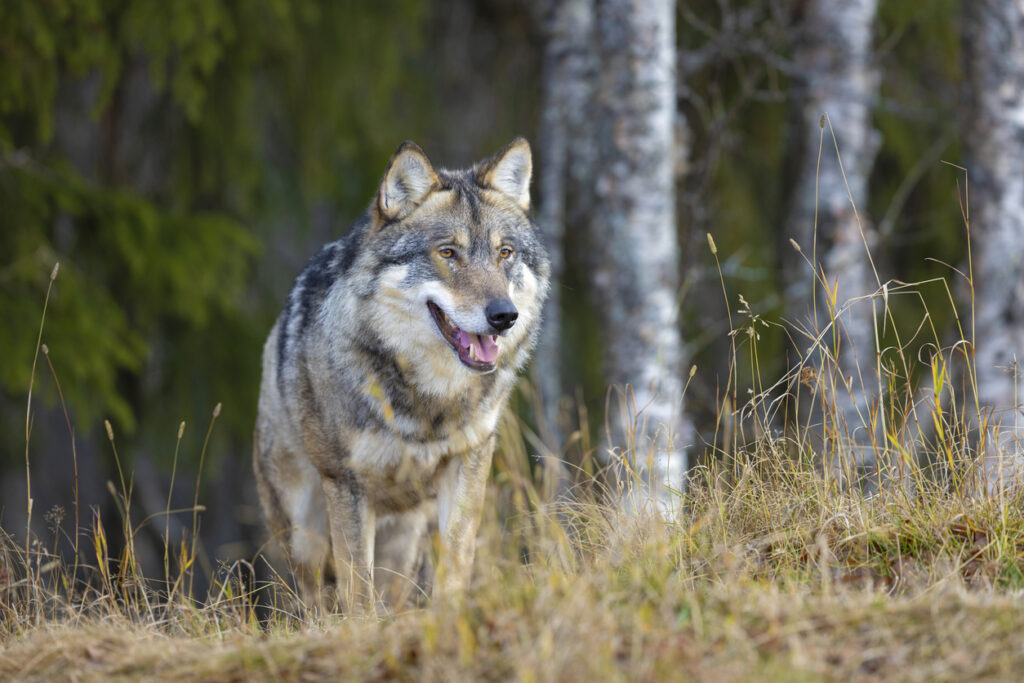
1. Wolves once ruled Britain’s forests.

Wolves were once widespread across Britain, roaming ancient woodlands and moors. They were feared for their power, blamed for livestock losses, and hunted to extinction in England by the sixteenth century. However, folklore still painted them as noble and intelligent. The same fear that led to their eradication also turned them into lasting symbols of mystery and strength in myth and legend.
2. Cats were linked to witchcraft.
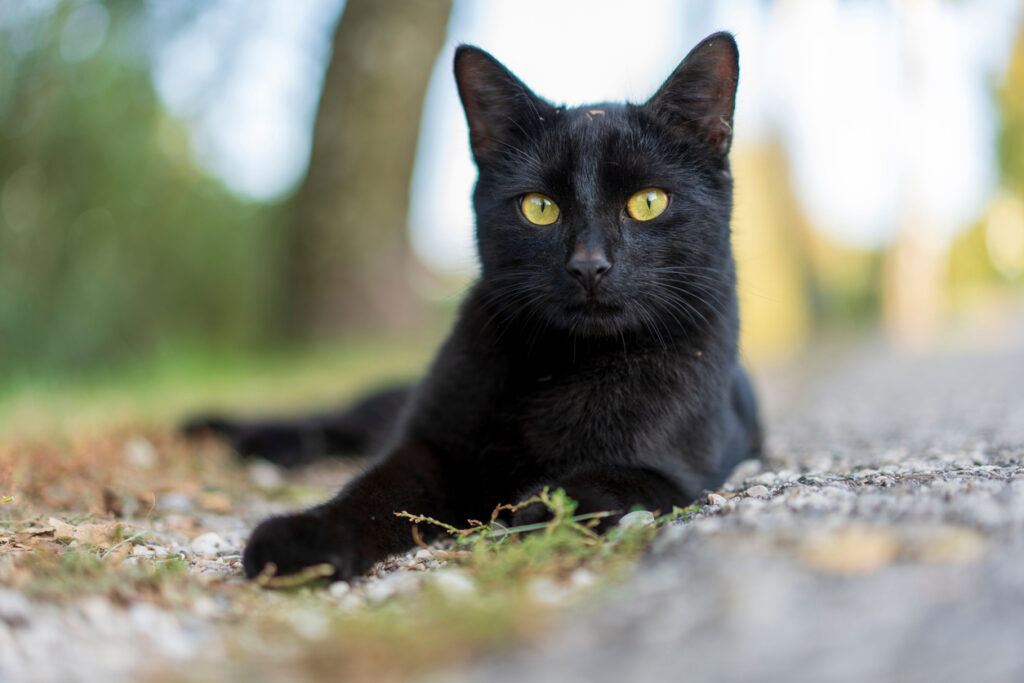
During the Middle Ages, black cats were often seen as companions of witches. Many were killed out of superstition, believed to bring bad luck or even harbour evil spirits. This distrust nearly wiped out Britain’s cat population during plague years, which ironically allowed rats to thrive. Over time, cats regained their place as protectors rather than omens.
3. The raven carried both death and prophecy.
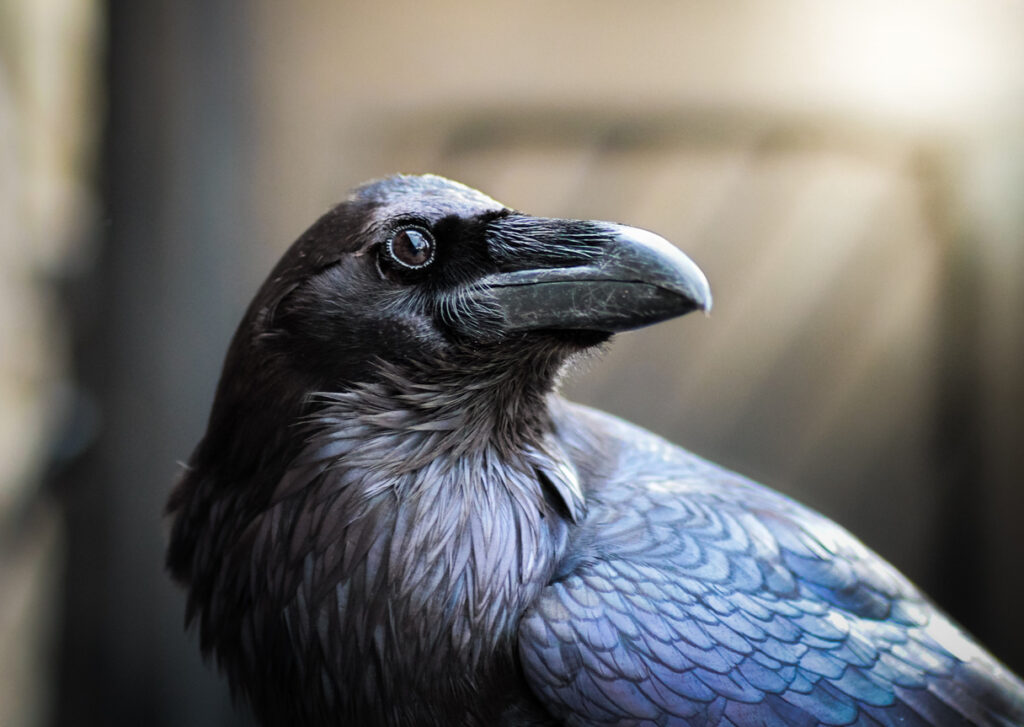
Ravens were once thought to foretell death, their presence near battlefields or churches sending shivers down people’s spines. Their black feathers and harsh calls fuelled superstition across centuries. However, ravens also held sacred roles. In Celtic and Norse traditions, they symbolised wisdom and foresight. Today, the Tower of London still keeps its ravens as guardians of the kingdom’s fate.
4. The bear was both a warrior and a threat.
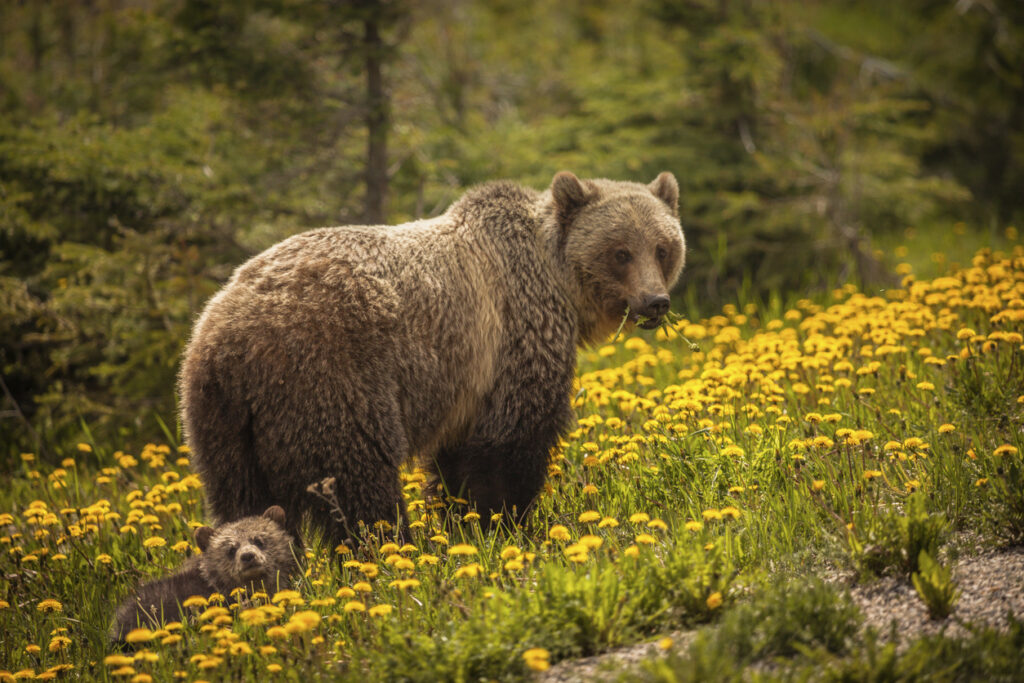
Britain once had wild bears, hunted by ancient tribes for fur and meat. Later, bears were imported for blood sports like baiting, becoming both feared and celebrated for their strength. Despite their brutal use in entertainment, bears symbolised power and protection in Celtic culture. Their memory survives in old place names like “Barnstaple” and even in names like “Arthur”.
5. The adder was seen as a creature of curses.
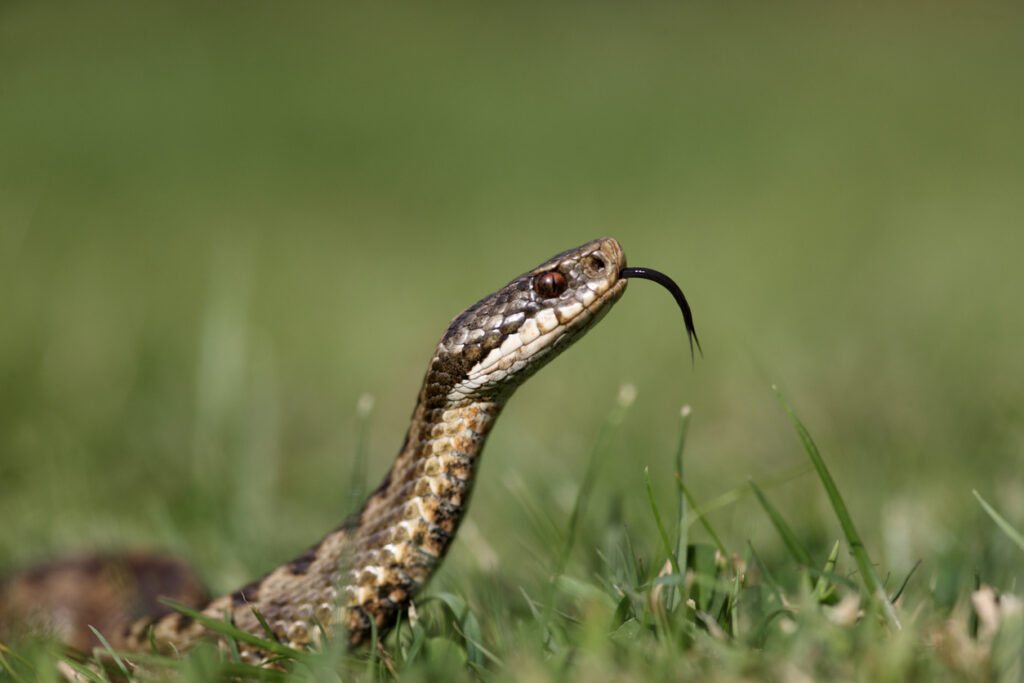
Britain’s only venomous snake, the adder, carried centuries of suspicion. Rural folklore claimed its bite came with spiritual punishment, and that killing one required apology to the earth. Farmers once burned the ground where adders were found to prevent their return. Today, they’re protected species, seen more as rare beauties than harbingers of harm.
6. The toad was accused of witchcraft.
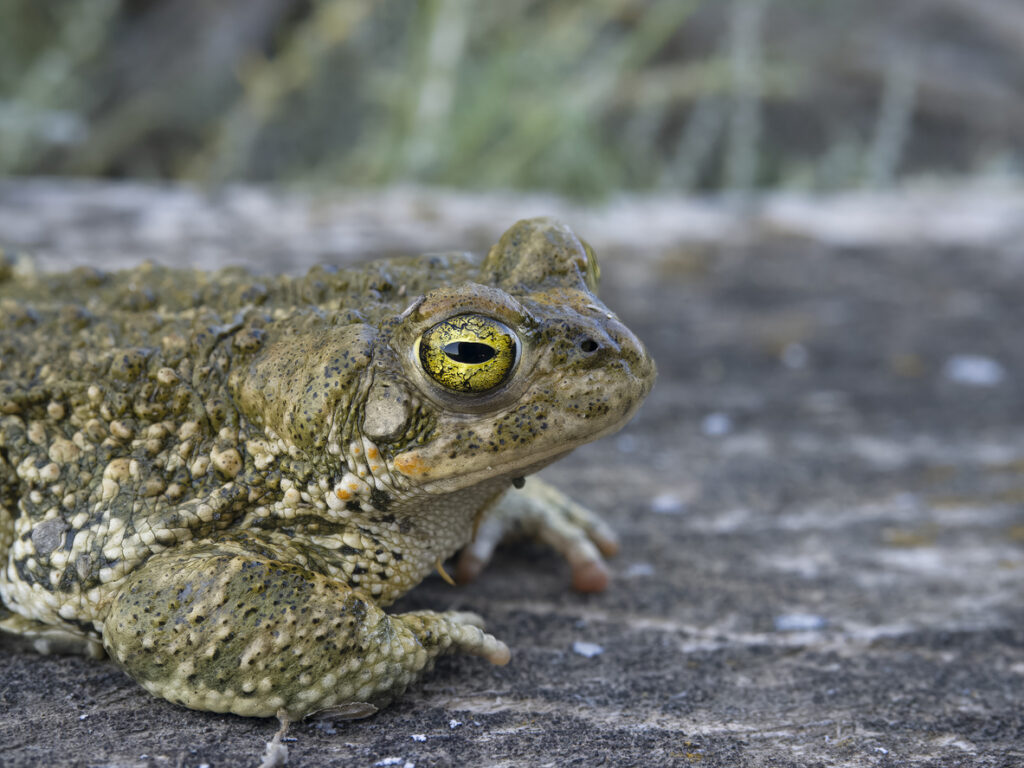
Toads were once believed to carry the Devil’s touch. Folk healers used them in potions, but the church viewed this as dark magic. They became a symbol of witchcraft and unclean forces. In some regions, a toad in your garden was said to bring illness. Now, they’re recognised as vital pest controllers and a sign of a healthy ecosystem.
7. The boar symbolised courage and chaos.

Wild boars once roamed Britain’s forests and were both hunted and revered. Warriors used their image on helmets and shields, believing it gave them strength and fearlessness in battle. By the seventeenth century, boars had been wiped out. Ironically, their image survived longer than their species, appearing on royal crests and folklore long after they disappeared from the wild.
8. The dog was both guardian and scapegoat.
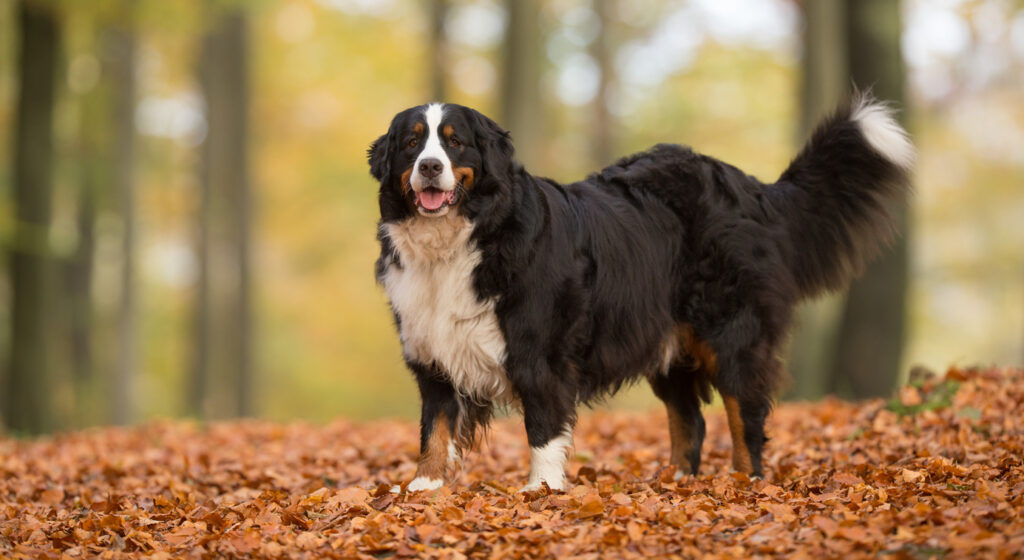
Dogs were companions to farmers, hunters, and warriors, yet superstition gave them darker roles. Black dogs were believed to haunt crossroads and graveyards, signalling death to those who saw them. Still, the same folklore celebrated them as loyal protectors of home and hearth. They walked both sides of myth, serving humans in life and guiding spirits in death.
9. The crow blurred lines between omen and messenger.
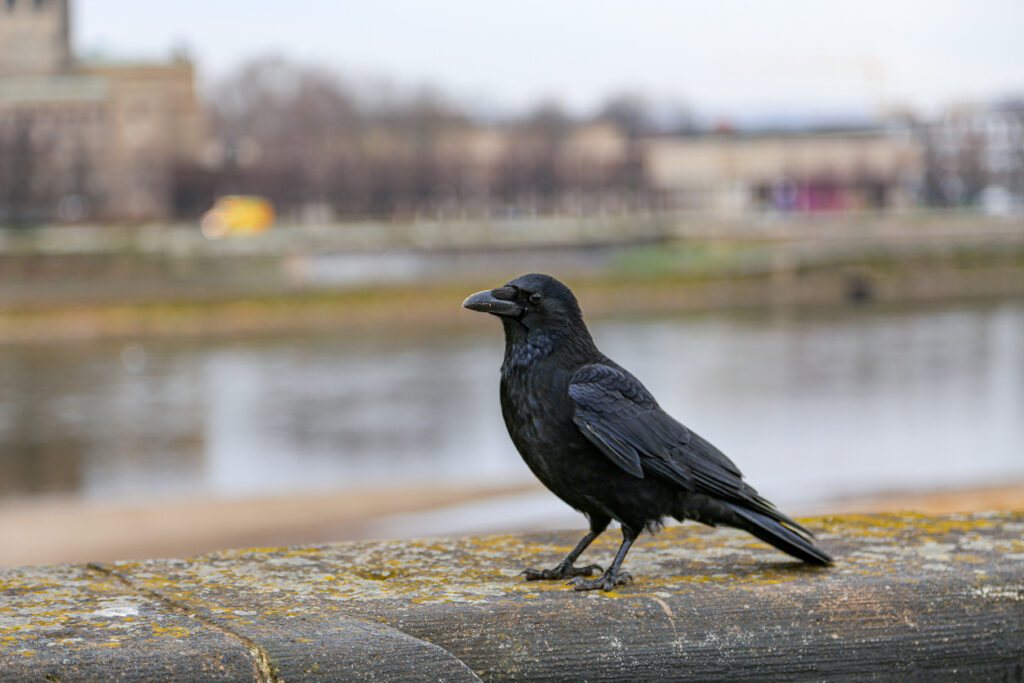
Crows were intelligent survivors, often seen near battlefields or graveyards. Their association with death made them feared, but some believed they carried souls or divine messages between worlds. Poets later reclaimed them as symbols of resilience and wit. Their adaptability turned them from creatures of fear into quiet witnesses of human history.
10. The hare carried the moon’s secrets.
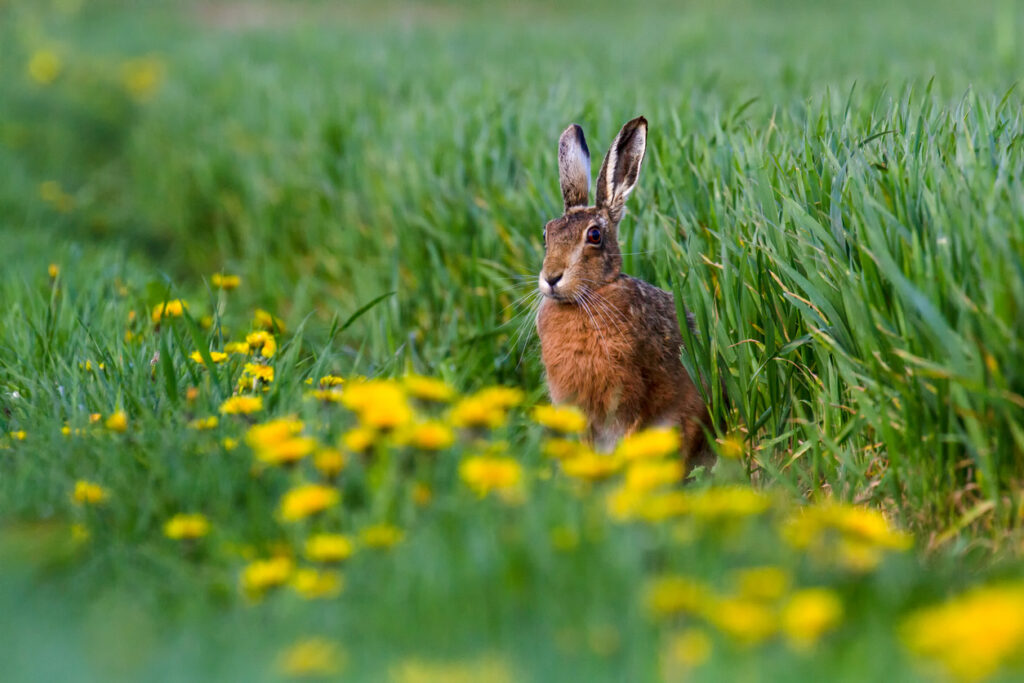
Hares were sacred in Celtic and Anglo-Saxon traditions, linked to fertility and the moon. Killing one was once taboo, as they were believed to carry the spirit of goddesses like Eostre. As time went on, superstition faded, but their mystical image remained. The “mad March hare” still echoes that strange blend of fear, respect, and fascination.
11. The seal was said to hide a human soul.
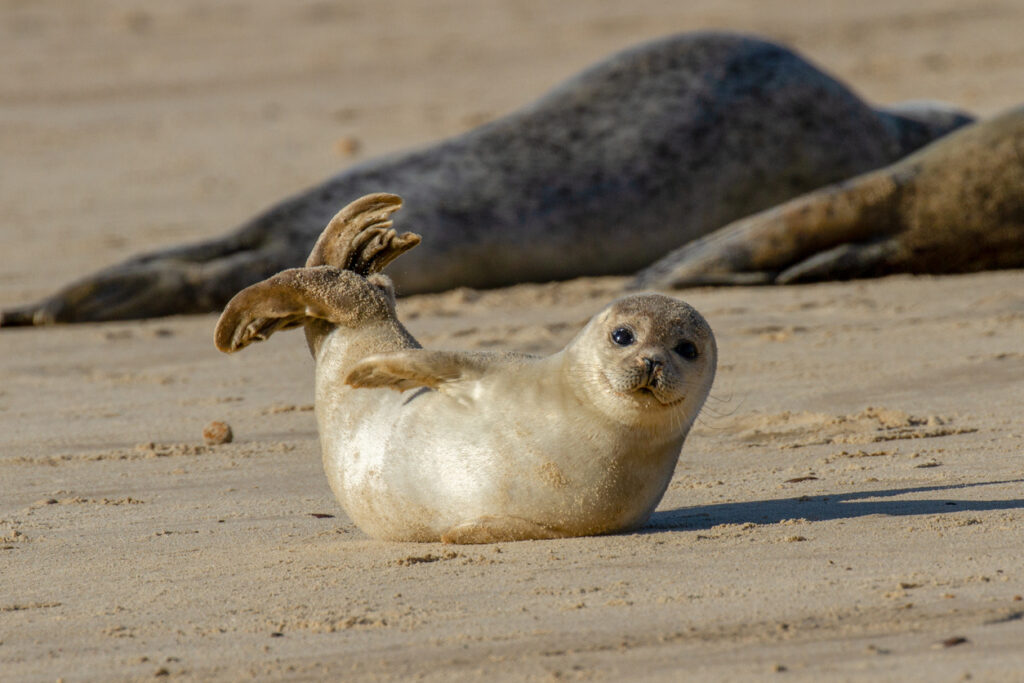
Along coastal Scotland and Ireland, legends told of selkies, which were seals that could shed their skins and walk as humans on land. They were treated with awe, seen as both magical and melancholy. Fishermen once believed harming a seal brought bad luck at sea. These stories reflected a deep respect for the ocean’s creatures, even when wrapped in mystery.
12. The barn owl was once an omen of death.
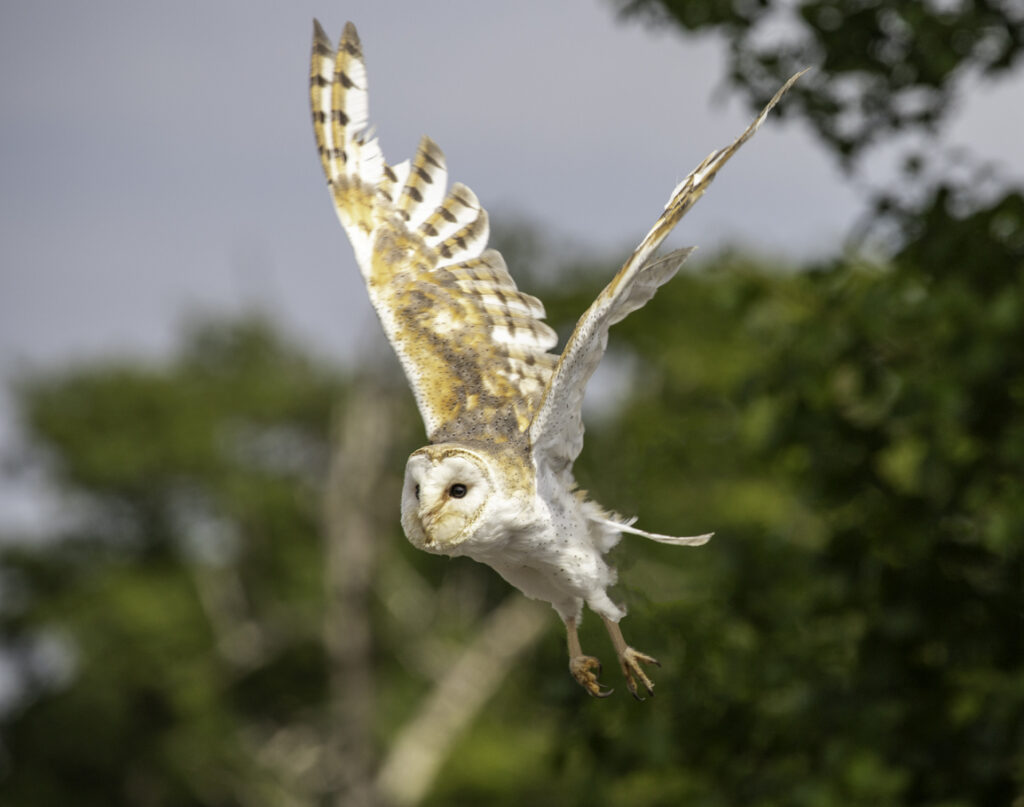
The barn owl’s eerie cry and silent flight terrified villagers centuries ago. Its appearance near homes was thought to signal sickness or a coming death in the family. Now, the same bird is celebrated for its beauty and role in pest control. Time turned fear into admiration, reminding us how understanding can rewrite even the oldest myths.
Every creature Britain once feared, worshipped, or outlawed tells a story about how people saw the natural world. As beliefs changed, so did our relationship with these animals. What was once superstition is now often seen as respect rediscovered.