Dinosaur myths pop up all the time, and while some drive scientists up the wall, plenty of them spark a kind of amused curiosity.
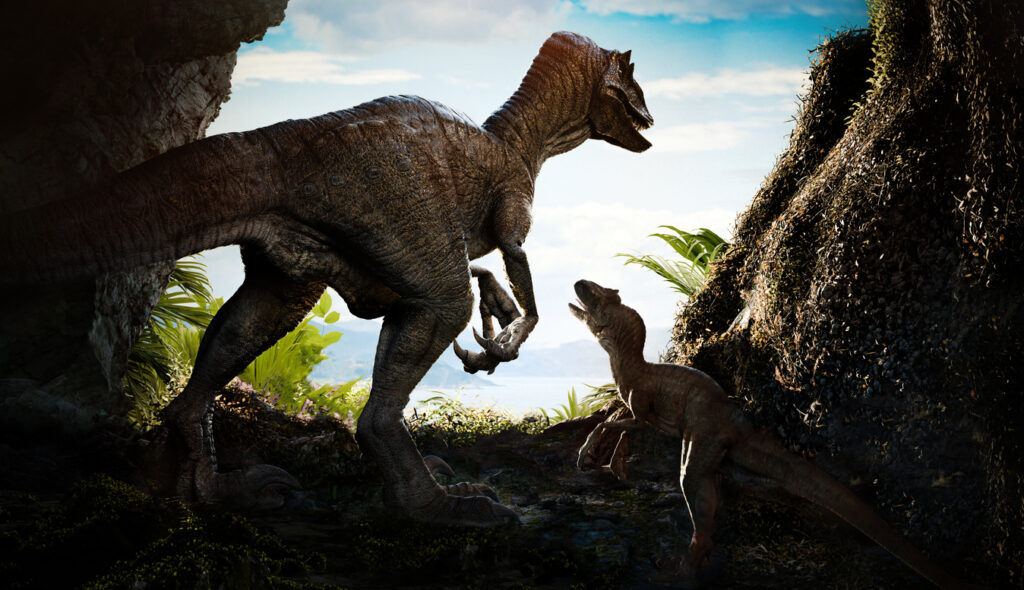
The stranger the claim, the more interesting the conversation that follows. From people insisting T. rex had secret abilities to wild ideas about hidden survivors in remote places, these theories spread fast and gather their own little fanbases. Scientists know most of these claims fall apart instantly, but they also know the public loves them, which makes debunking them oddly satisfying.
What makes these theories fun is how they reveal what people wish dinosaurs were like. Sometimes they’re rooted in old films, childhood memories or misunderstandings that took on a life of their own. Other times, they’re pure fantasy. Pulling them apart gives scientists a chance to explain what we actually know, how we know it, and why the real story is usually far stranger and far more fascinating than the rumour. Here are the ones they enjoy tackling the most.
Dinosaurs and humans lived at the same time.

This one comes up constantly, often pushed by people who’ve seen dodgy documentaries or misunderstood religious texts. They claim there’s evidence of human footprints next to dinosaur tracks, or that cave paintings show dinosaurs. Every single one of these claims falls apart when you actually look at the evidence.
The fossil record is crystal clear. Dinosaurs died out 66 million years ago, and humans showed up around 2-3 million years ago. That’s a 63 million year gap. Those “human prints” are always natural rock formations, animal tracks that got misidentified, or complete fakes. Scientists love pointing out exactly why these don’t hold up.
The Loch Ness Monster is a surviving plesiosaur.
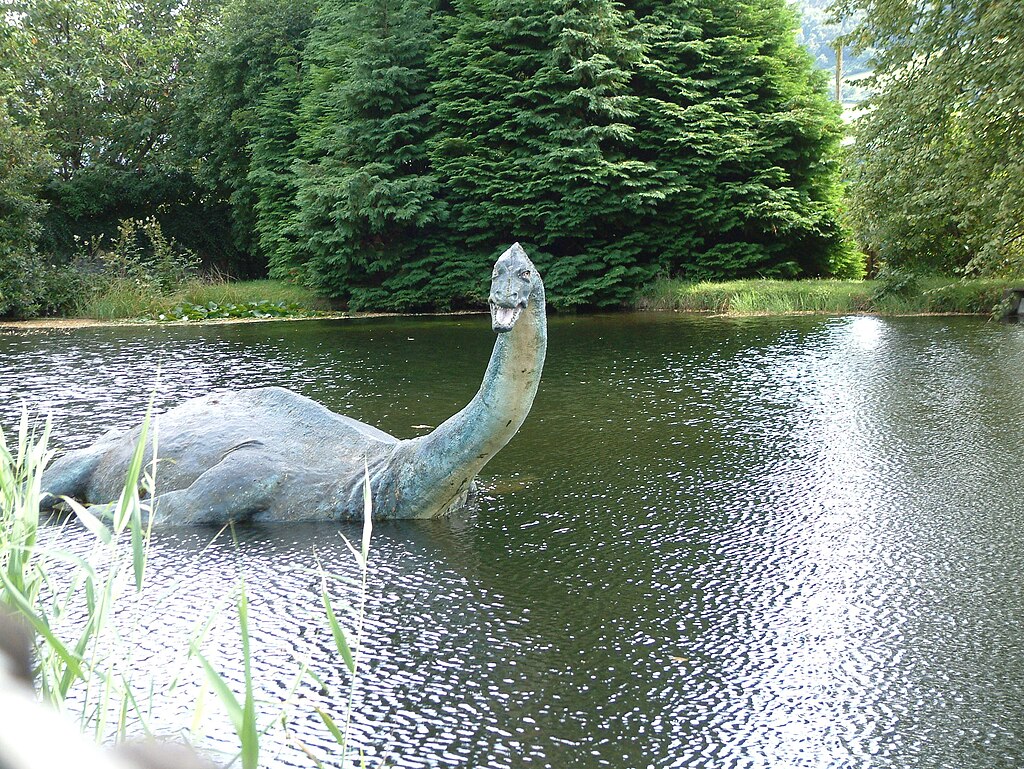
Plesiosaurs were marine reptiles that lived alongside dinosaurs, and people love the idea that one somehow survived in a Scottish lake. But there are so many reasons this is impossible, starting with the fact that Loch Ness was completely frozen solid during the ice age.
Even ignoring that massive problem, plesiosaurs needed to breathe air and would pop up constantly, making them impossible to hide. The loch doesn’t have enough fish to feed a large predator. Every sonar search has found absolutely nothing. It’s a fun story, but there’s zero chance it’s real.
Scientists are hiding evidence that dinosaurs had technology.

Some conspiracy nuts reckon certain dinosaurs were smart enough to develop technology and that scientists are covering it up. This falls apart immediately when you understand how brains work and what it actually takes to make tools.
Scientists can tell loads from skull fossils about brain size and structure. Even the cleverest dinosaurs like velociraptors had brains built for hunting and social stuff, not abstract thinking or making tools. There’s zero fossil evidence of manufactured objects, buildings, or anything else that would show technology. It’s complete nonsense.
Oil companies are suppressing dinosaur discoveries.

The theory goes that oil companies don’t want people knowing about dinosaur fossils because it would somehow expose problems with how fossil fuels form. This is particularly daft because oil companies actually use palaeontology in their work.
Finding certain fossils helps oil companies locate deposits. The idea they’d suppress dinosaur discoveries makes no sense whatsoever. Plus, palaeontologists work everywhere worldwide. You can’t keep thousands of scientists quiet about exciting finds, and there’s no reason anyone would even try.
Dinosaur bones are fake and planted by museums.
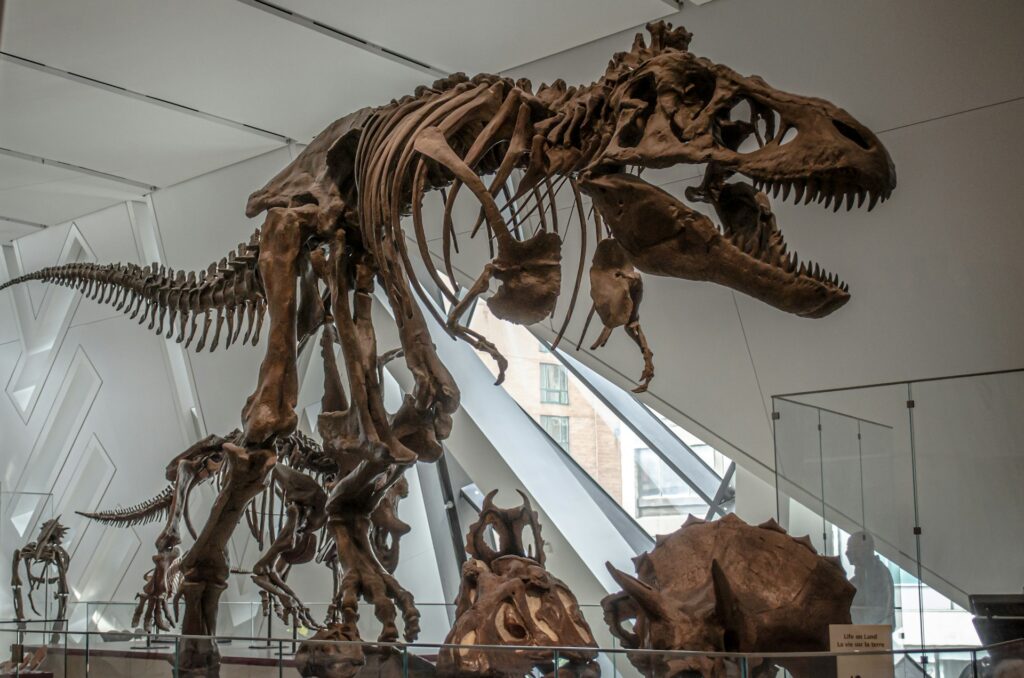
Some people reckon dinosaur fossils are made up by scientists to get funding or push evolution. This ignores the reality that thousands of people across the world find and study dinosaur fossils, including regular folks with no connection to museums or universities.
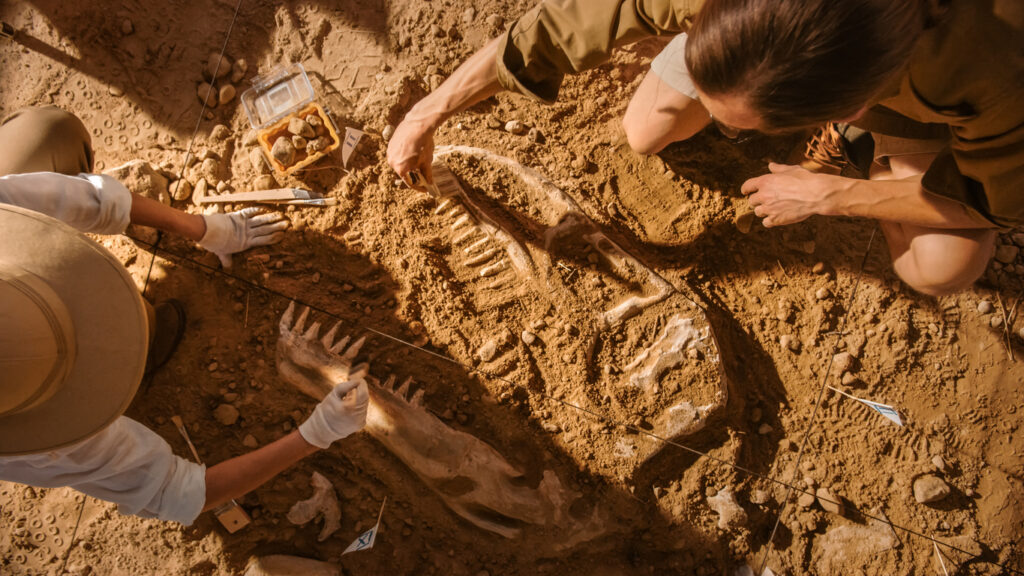
Scientists love shooting this one down by explaining exactly how fossilisation works and how we can spot fakes. The chemical makeup, the way minerals have replaced bone, the match with surrounding rock layers. It’s all testable. Plus, making convincing fake fossils would cost way more than any research grant, making it the world’s most pointless con.
Dinosaurs were actually just massive lizards.
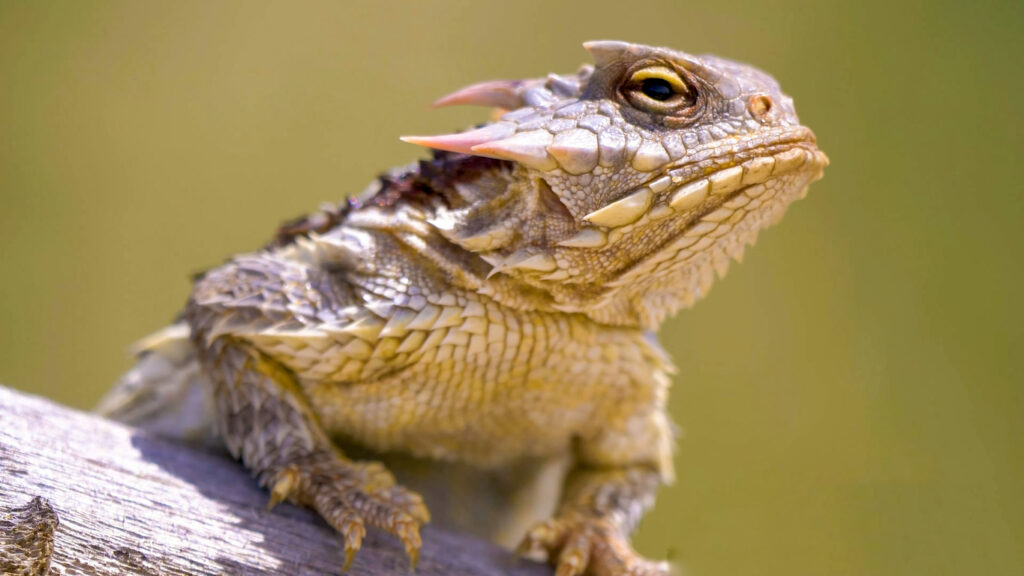
This theory says dinosaurs weren’t special at all, just oversized versions of modern reptiles. Scientists enjoy correcting this because it gives them a chance to explain all the unique features that make dinosaurs completely different from any living animal today.
Dinosaurs stood upright with legs directly under their bodies, totally unlike the sprawling stance of lizards. Their bone structure, how fast they grew, their metabolism, and dozens of other features are nothing alike. Modern birds are literally living dinosaurs. The evidence is overwhelming once you understand what actually makes dinosaurs special.
The asteroid didn’t kill the dinosaurs.

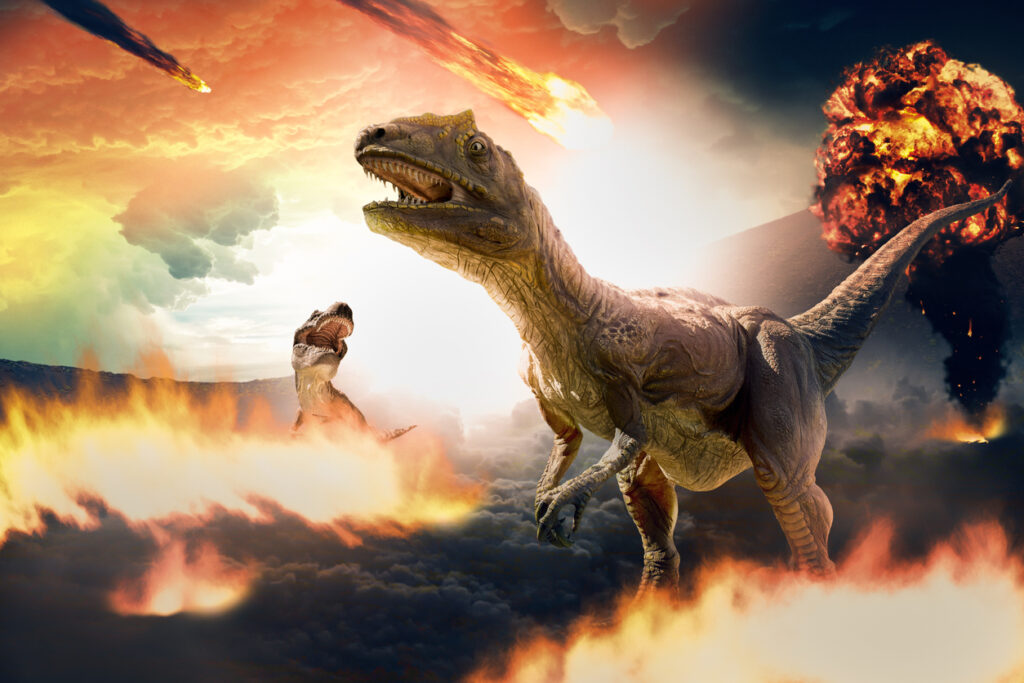
Various theories claim the Chicxulub impact either didn’t happen or wasn’t what killed the dinosaurs. People suggest volcanoes, disease, or climate change alone were responsible. The evidence for the asteroid impact is absolutely rock solid, though.
There’s a global layer of rare metal dating exactly to the extinction, a massive crater of the right age, specific types of fractured quartz, and dozens of other geological clues. Volcanoes were active and probably didn’t help, but the timing of the impact and the extinction match up perfectly. The evidence is genuinely compelling.
Dinosaurs still exist in remote jungles.

Stories about dinosaurs surviving in the Congo or the Amazon pop up regularly. These are easy to debunk because we have satellite imagery of the entire planet, and we’ve catalogued millions of species. Large animals leave traces everywhere.
Bones, tracks, droppings, damage to vegetation. The supposed “evidence” for living dinosaurs always turns out to be known animals that got misidentified or outright hoaxes. Plus, you’d need whole breeding populations, not just one or two creatures hiding in trees. It’s fantasy stuff.
All dinosaurs were cold-blooded like lizards.
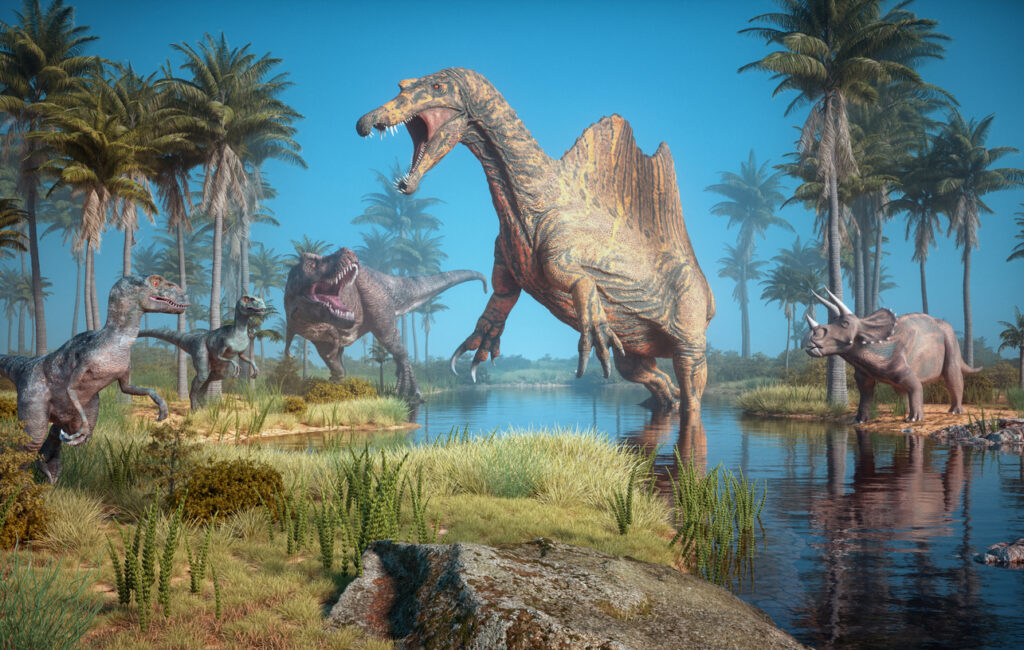
This isn’t a conspiracy theory exactly, but it’s outdated information that people still believe. Evidence now strongly suggests many dinosaurs were somewhere between cold-blooded and warm-blooded, with some possibly being fully warm-blooded, like mammals.
We can see growth lines in bones, analyse oxygen isotopes, and study related living animals. The picture that emerges is way more interesting than simple cold-blooded reptiles. Scientists enjoy sharing this more complex and accurate understanding because it shows how clever detective work reveals the truth.
The government is hiding living dinosaur specimens.
This theory suggests governments have captured living dinosaurs and keep them secret in facilities somewhere. This is particularly daft given how impossible it would be to keep such a discovery quiet and how pointless it would be to even try.
A living dinosaur would be the most important biological discovery ever. Universities and countries would fight to study it. The scientific papers would win Nobel Prizes. No government benefits from hiding this, and you couldn’t keep every scientist and worker silent anyway. It’s ridiculous when you think about it for five seconds.
Dinosaurs were wiped out by a nuclear war.
Some conspiracy theories claim an advanced civilisation existed millions of years ago and destroyed itself and the dinosaurs with nuclear weapons. This touches on geology, physics, and archaeology, and fails spectacularly at all three.
Nuclear explosions leave very specific traces in rock. Unusual isotope ratios, glass formed from melted sand, radiation signatures that stick around for ages. None of this appears in rocks from when dinosaurs died. Plus there’s zero evidence of any structures, objects, or materials from advanced civilisation. The rocks tell a totally different story.
Feathered dinosaurs are a hoax to push evolution.
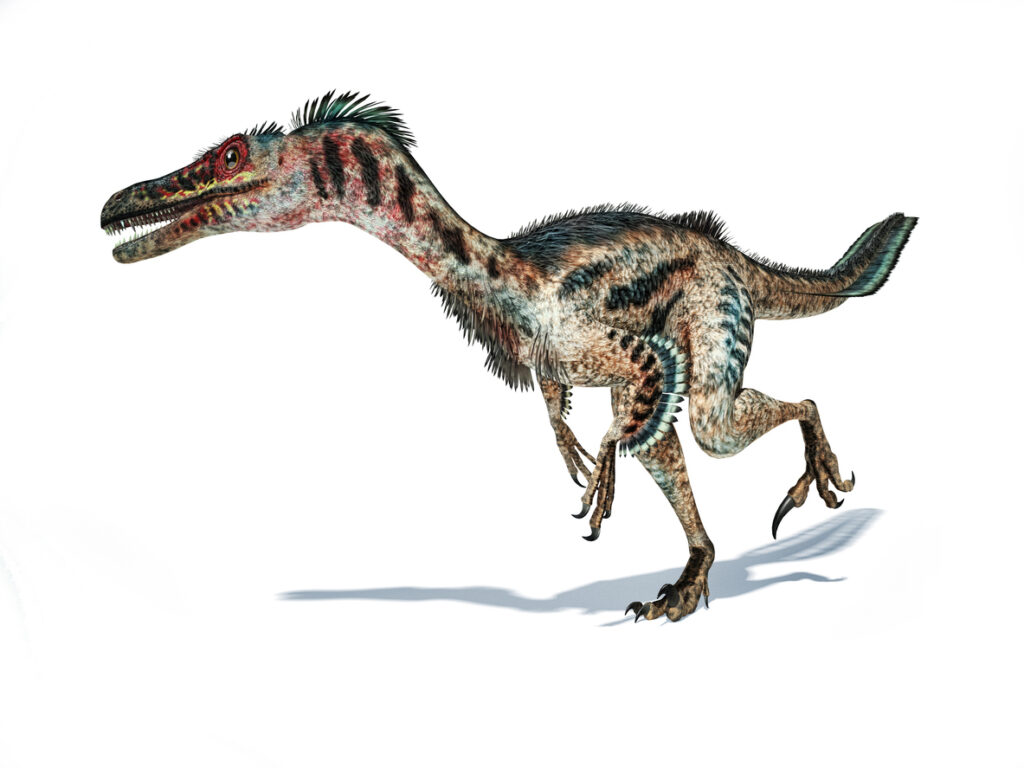
Despite massive fossil evidence, some people still claim feathered dinosaur fossils are fake or misread. The evidence for feathered dinosaurs is now so extensive and well-preserved that this theory looks increasingly silly.
We have hundreds of feathered dinosaur fossils from multiple sites worldwide, showing every stage from simple fluff to complex flight feathers. The preservation includes colour patterns, feather structure, and growth patterns. Multiple independent research teams have examined these using different techniques and reached the same conclusions. The evidence isn’t just strong, it’s stunningly detailed and beautiful.