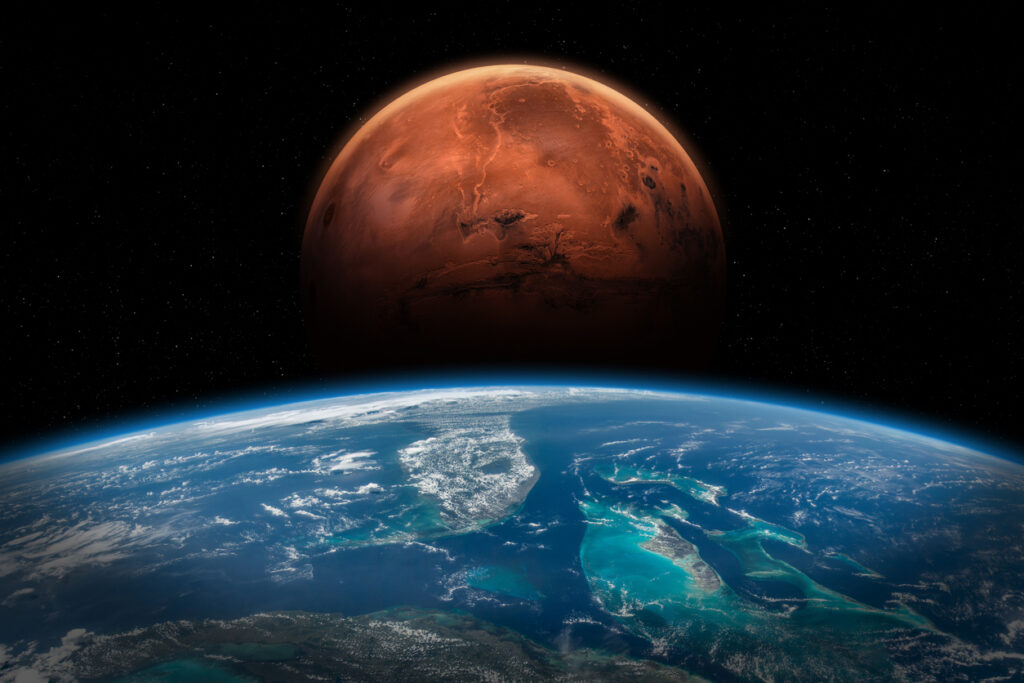
Mars is often described as a frozen desert, but its climate is more complex than simply being cold. Temperatures vary dramatically depending on the season, the time of day, and the location. Here’s what we know about just how much Mars heats up at various times.
Average temperatures are still freezing.
The average surface temperature on Mars sits around minus 60 degrees Celsius, which is far below anything humans could withstand without protection. That baseline shows just how extreme the Martian environment is, even during warmer seasons. Despite these averages, the planet still experiences moments of relative warmth. Understanding where and when those occur is essential for future exploration and possible settlement plans.
Equatorial regions see the most warmth.
Just like on Earth, the equator on Mars receives the most direct sunlight. Daytime temperatures there can occasionally rise close to 20 degrees Celsius during summer, which sounds surprisingly mild for such a hostile world.
However, these warmer periods are short-lived and limited to the daytime. Nights at the equator still plunge to extreme cold, making the daily temperature swing one of the largest challenges for explorers.
Day and night swings are extreme.
Mars lacks a thick atmosphere to trap heat, so the difference between day and night temperatures can be drastic. A pleasant afternoon of 15 degrees Celsius can drop to minus 70 degrees Celsius once the Sun sets.
That rapid cooling poses serious challenges for both humans and machines. Any potential colony would need technology that can withstand these dramatic shifts within just a few hours.
Seasons shape the climate strongly.
Mars has seasons because its axis is tilted, much like Earth’s. During summer in the Southern Hemisphere, temperatures can rise higher than in the northern summer because the planet is closer to the Sun at that time.
Seasonal changes mean warmth is uneven. Certain regions experience more comfortable temperatures depending on the orbit, making timing a key factor for any missions planned to land or build there.
Warmth is relative in Martian terms.
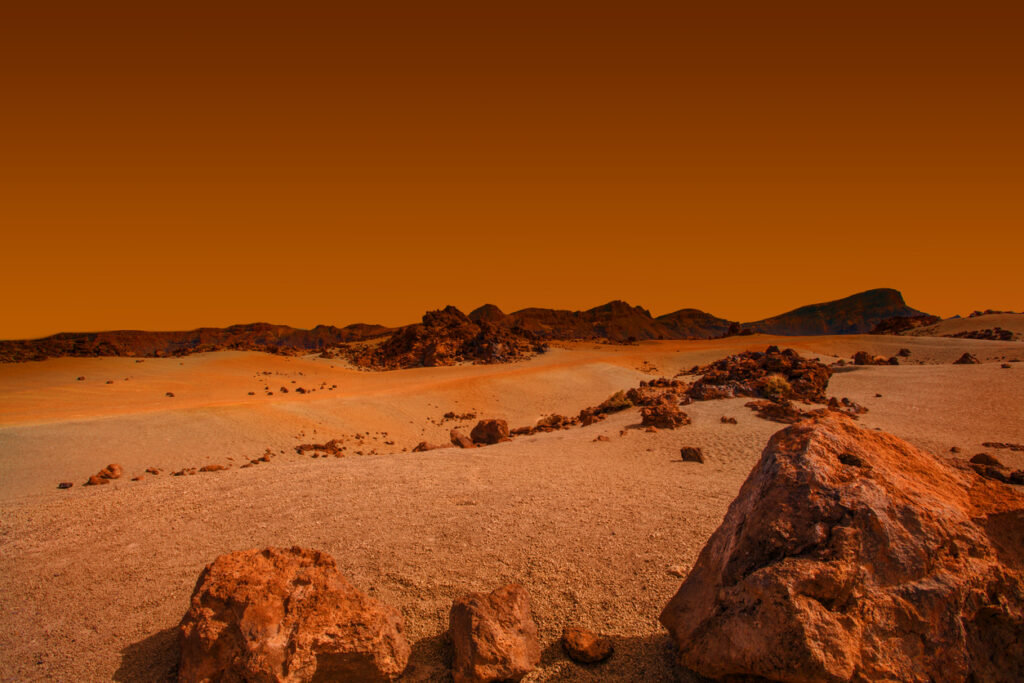
When scientists describe Mars as “warm,” they mean relative to its usual freezing conditions. Even at its warmest, the planet would still feel bitterly cold compared to Earth’s mild climates, with protective suits being non-negotiable.
The idea of warmth on Mars is better seen as survivable rather than comfortable. It’s not about enjoying the heat, but rather about avoiding immediate freezing.
The thin atmosphere lets heat escape.
Mars has an atmosphere less than one percent as dense as Earth’s. That means it can’t trap heat effectively, so even when the Sun shines directly, much of the warmth radiates away quickly once the light fades.
The lack of insulation is the main reason the planet experiences such brutal swings in temperature. Any warmth is temporary and easily lost, leaving the nights consistently dangerous.
Dust storms affect temperature.
Planet-wide dust storms can change the climate temporarily. By spreading particles through the atmosphere, these storms reduce the amount of sunlight hitting the surface, which lowers daytime highs but slightly insulates the planet during the night.
This strange effect means dust storms cool the days but warm the nights a little. While disruptive for exploration, they also highlight how fragile the balance of warmth is on Mars.
Polar regions remain icy.
The poles of Mars stay bitterly cold year-round, with average temperatures dropping below minus 120 degrees Celsius in winter. Even during polar summers, they rarely climb above minus 20 degrees Celsius, keeping them firmly frozen.
The ice caps of carbon dioxide and water remain locked in place because the warmth never reaches high enough to melt them completely. These regions are unlikely candidates for settlement because of their extreme cold.
Warm afternoons are surprisingly common.

Although the average climate is cold, some Martian afternoons can be quite mild. Rovers have recorded temperatures that hover between 15 and 20 degrees Celsius in equatorial regions, which is comparable to a cool spring day on Earth.
These brief windows of warmth aren’t enough for comfort but demonstrate that the surface environment isn’t uniformly frozen. They provide useful opportunities for solar power efficiency and outdoor exploration during missions.
Soil heats faster than air.
The Martian surface absorbs heat more quickly than its thin atmosphere can hold it. This means the ground itself may feel warmer under the Sun than the surrounding air, creating microclimates in certain areas. These pockets of warmth are still short-lived but could be useful for growing food in greenhouses or positioning solar panels. Understanding this heat distribution is key to sustainable exploration.
Altitude makes a big difference.
High-altitude regions like Olympus Mons, the tallest volcano in the solar system, experience colder conditions than low-lying valleys. Lower areas trap slightly more warmth because the air pressure is higher there, even though it’s still thin compared to Earth. That variation means location choice is critical for exploration. Landing in a low-altitude basin may offer slightly better chances for warmth than settling at higher elevations.
Human survival still requires technology.
Even with occasional warmth, Mars isn’t a place where humans could live unprotected. The thin atmosphere, lack of breathable air, and extreme cold at night mean advanced habitats and suits are non-negotiable for any future settlers.
The relative warmth of Martian afternoons is more a window of opportunity than a solution. With the right technology, those brief warm periods could help reduce energy demands for heating, but survival would still depend entirely on preparation.