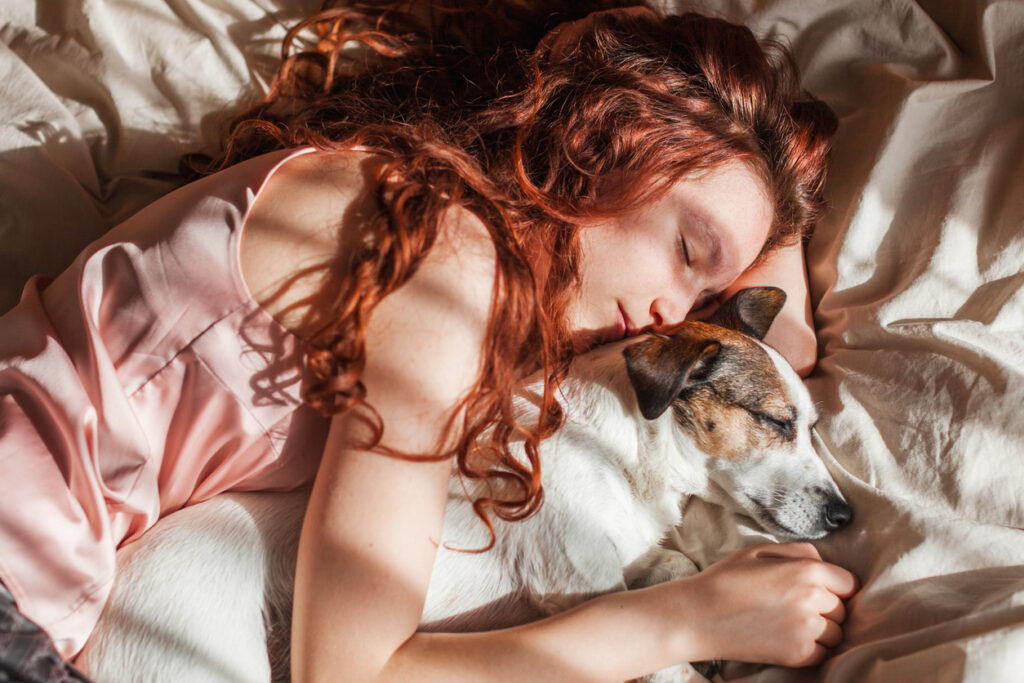
Dogs spend anywhere from 12 to 14 hours a day sleeping, so choosing the right sleeping surface is crucial for their health, comfort, and happiness. While many pet owners let their furry friends share human beds, there are important differences between dog-specific and human bedding that can significantly impact your canine’s wellbeing and sleep quality.
Dog beds are designed for canine sleeping positions and body mechanics.
Dogs sleep differently than humans, often curling into tight balls, stretching out fully, or changing positions frequently throughout the night. Human beds are designed for people who typically sleep in one or two positions and need different support structures.
Quality dog beds feature bolsters, curved edges, and supportive materials that accommodate natural canine sleeping behaviours. They provide proper joint support for dogs who like to curl up, while also offering enough space for those who prefer to sprawl out completely.
Human beds can be too soft and cause joint problems for dogs.
Most human mattresses are designed for much lighter pressure distribution and can be too soft for dogs, especially larger breeds. Sinking too deeply into soft mattresses can cause joint misalignment and worsen arthritis symptoms.
Dog beds typically offer firmer, more supportive surfaces that keep canine spines properly aligned during sleep. Orthopaedic dog beds specifically target pressure points and provide the structured support that ageing or arthritic dogs need for comfortable rest.
Size matters more for dogs than you might think.
Dogs need different amounts of space based on their size, breed, and sleeping habits, but human beds aren’t sized with canine comfort in mind. Large dogs sharing human beds often don’t have enough room to stretch out properly.
Properly sized dog beds allow your pet to lie in their natural sleeping position without hanging off edges or feeling cramped. Measure your dog from nose to tail and add up to about 30 cm to find the ideal bed length for maximum comfort.
Temperature regulation works differently for dogs.
Dogs regulate body temperature differently than humans and often prefer cooler sleeping surfaces, especially during warmer months. Human bedding with heavy comforters and layers can cause overheating in furry companions.
Many dog beds feature cooling gels, breathable fabrics, or elevated designs that promote airflow around your pet’s body. These temperature-regulating features help prevent overheating while still providing comfortable cushioning for restful sleep.
Hygiene and cleanliness are easier to maintain with dog beds
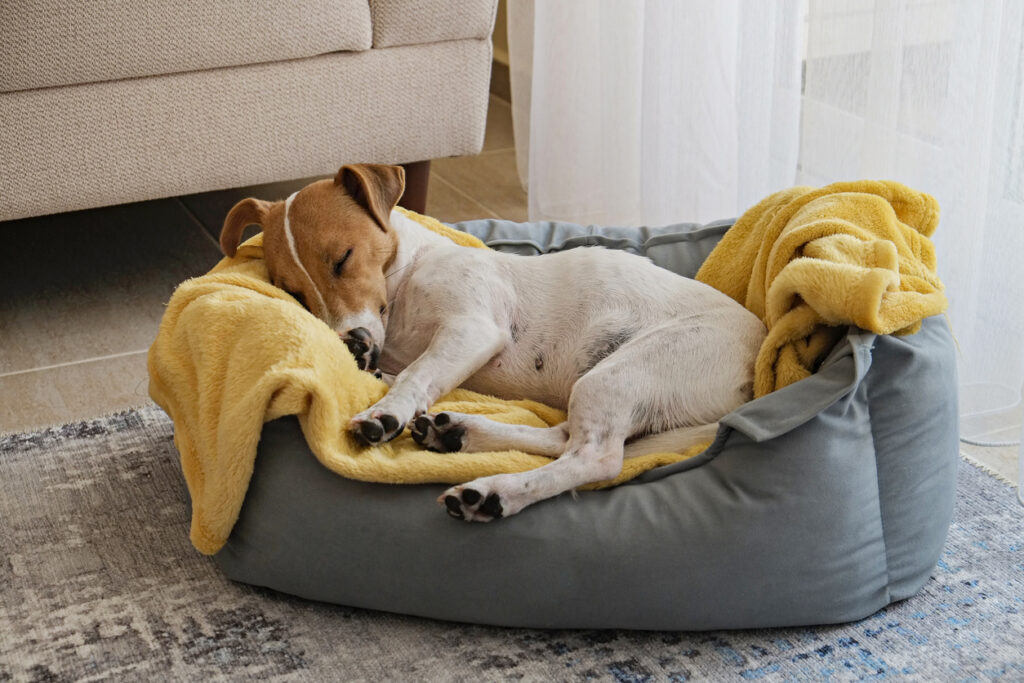
Dogs bring dirt, hair, and outdoor odours into sleeping areas, and human bedding isn’t designed to handle the extra mess that comes with pet sharing. Regular washing of entire human bed setups becomes time-consuming and expensive.
Most quality dog beds feature removable, machine-washable covers that make cleaning simple and convenient. Some are even waterproof or designed to resist odours, making them much more practical for maintaining cleanliness with pets in the house.
Your sleep quality improves when dogs have their own beds.
Sharing beds with dogs often leads to disrupted human sleep due to movement, snoring, temperature changes, and space competition. Many pet owners don’t realise how much their sleep quality suffers until they try separate sleeping arrangements.
Having a designated dog bed nearby allows your pet to stay close for comfort but giving you uninterrupted sleep. You can still maintain the bedtime bonding routine without sacrificing the deep sleep that both you and your dog need for optimal health.
7. Dog beds can be placed in multiple locations for flexibility.
Unlike human beds that stay in bedrooms, dog beds can be moved around the house to provide comfortable resting spots wherever your pet wants to relax. This flexibility helps dogs feel comfortable throughout their territory.
Having multiple dog beds in different rooms gives your pet options for napping in sunny spots, cool areas, or close to family activities. This setup reduces anxiety and helps dogs feel secure having comfortable spaces available anywhere in the home.
Behavioural benefits come from dogs having their own sleeping space.
Dogs with their own beds often develop better sleep routines and feel more secure having a designated space that belongs exclusively to them. This sense of ownership can reduce anxiety and territorial behaviours around sleeping areas.
Training dogs to use their own beds also establishes healthy boundaries and can help with other behavioural training. Dogs learn to respect human sleeping space while still feeling included in family activities and routines.
Cost considerations favour dog beds in the long run.

While quality dog beds require an upfront investment, they’re typically much less expensive to replace than human mattresses damaged by pet wear and tear. Dog beds also protect your expensive human bedding from damage.
Replacing dog bed covers or entire dog beds costs significantly less than replacing human mattresses, box springs, and bedding sets. The protective benefit alone often pays for dog beds within the first year of use.
Senior dogs especially benefit from orthopaedic dog beds.
Ageing dogs with arthritis, hip dysplasia, or other joint issues need specialised support that human beds simply can’t provide. Memory foam and orthopaedic dog beds offer targeted pressure relief for painful joints.
Senior dog beds often feature lower edges for easy access, extra cushioning for bony pressure points, and supportive materials that help maintain proper joint alignment. These features can significantly improve quality of life for older dogs.
Some dogs genuinely prefer human beds for emotional reasons.
Many dogs sleep better when close to their human family members and may experience separation anxiety when moved to separate sleeping areas. The emotional comfort of shared sleeping space can outweigh practical considerations for some pets.
If your dog has strong preferences for human bed sharing, and it works for your family, gradual transitions or compromise solutions like allowing dogs on beds during certain hours can balance emotional needs with practical concerns.
Climate and seasonal changes affect the best choice.
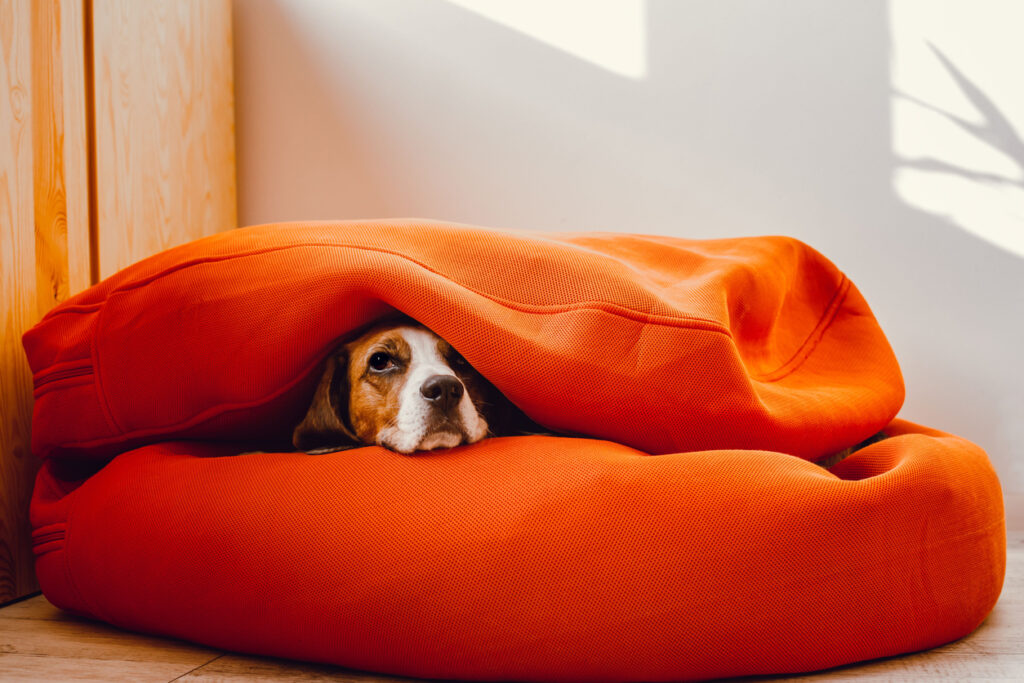
Dogs may prefer different sleeping arrangements depending on weather and seasonal temperature changes. Summer heat might make dog beds more comfortable, while winter cold could make shared human beds more appealing for warmth.
Consider having both options available and letting your dog choose based on their comfort needs throughout the year. Flexible arrangements allow you to accommodate seasonal preferences but also maintain consistent sleep routines for both you and your pet.
The best choice depends on your specific dog and household situation.
Factors like your dog’s age, size, health conditions, and temperament should all influence your decision about sleeping arrangements. What works perfectly for one family might not suit another household’s needs or lifestyle.
Consider your dog’s individual preferences, your family’s sleep needs, and practical factors like space and cleanliness when making this decision. The goal is finding an arrangement that promotes good rest for everyone in the household, while keeping the human-dog bond that’s so important to both species.