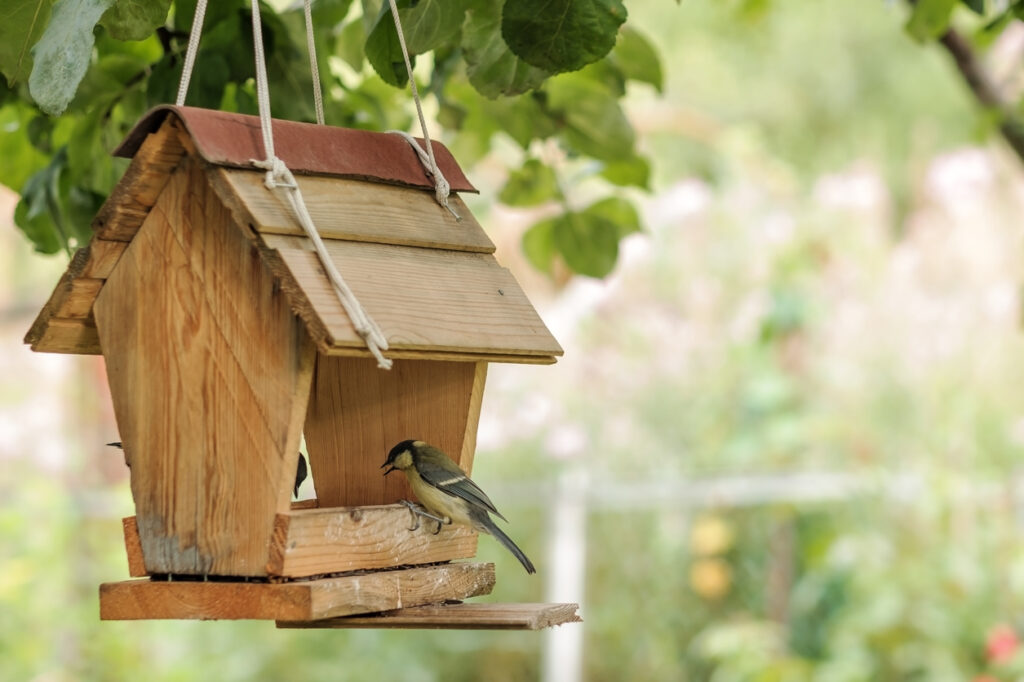
If you want more birds visiting your garden, the table you choose for their food matters more than most people realise. Birds aren’t random about where they eat. They look for safety, visibility, easy access, and a sense that the spot won’t suddenly turn dangerous. A poorly chosen table can sit in your garden forever without attracting much more than the occasional sparrow, while a thoughtful setup will have finches, tits, robins, and even visiting warblers coming back regularly. Here’s how to pick and position the best table, so your garden feels like a proper feeding destination.
Pick the right height for comfort and safety.
Birds feel safest when they can see predators coming. A table that’s too low leaves them vulnerable to cats and other ground threats. Too high and it feels exposed to aerial predators. The sweet spot is usually around chest to shoulder height for you. It should be high enough to be out of easy cat reach, but low enough that birds can judge nearby branches and shelters they might retreat to. Think of it like real estate for birds: somewhere visible, not too exposed, and close to cover.
Choose a sturdy surface that feels secure.
If the table wobbles or tilts every time the wind blows, birds quickly lose confidence in it. Solid timber tops, weather-resistant metal tables, or well-built wooden platforms give birds a sense of stability. Rough-textured surfaces help too because tiny claws grip better than they do on smooth plastic. A stable base also means spilt seed doesn’t slide off into inaccessible corners where predators or pests can gather.
Go for easy-to-clean materials.
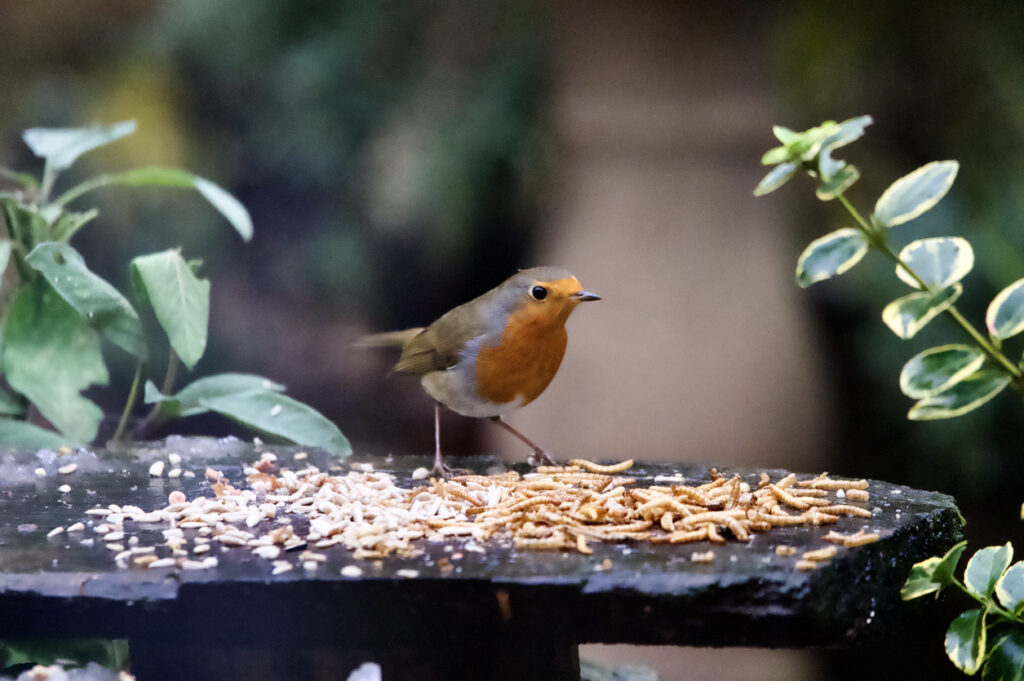
Bird tables see mess. Seed hulls, droppings, and bits of fruit accumulate quickly. If the table has deep grooves, crevices, or impossible-to-reach corners, it becomes a hygiene problem and birds start avoiding it. Choose materials like smooth treated wood, stainless steel, or durable outdoor composite that wipe clean easily with a brush and mild soapy water. Regular cleaning keeps seed fresh and reduces disease risk.
Provide drainage so food doesn’t rot.
Birds prefer dry seed. Wet, soggy food gets mouldy and can make them sick. A table with a few small drainage holes or a slightly sloped surface keeps water from pooling after rain. You don’t need fancy engineering; even a handful of holes drilled evenly across the surface works wonders. The aim is simple: let rainwater escape and keep that food dry and inviting.
Think about shelter and wind protection.
Birds like to eat where they feel sheltered from sudden gusts and open skies. Position your table near hedges, shrubs, or climbing plants that aren’t too dense but offer some windbreak and quick access to cover. If your garden is very open, you might add a simple roof or tiered cover over the table. That makes it more appealing, especially in bad weather because birds can dash in, feed, and retreat quickly.
Match the food to the visitors you want.

Different birds have different tastes and feeding styles. If your goal is to attract a variety, choose a medium-sized table that handles several food types at once. Larger flat tables are great for mixed seed, bits of fruit, suet, and mealworms. Smaller platforms can work too, but make sure there’s enough space, so timid birds don’t feel crowded out by more confident feathered friends. Variety invites variety.
Avoid placing the table too close to glass surfaces.
Bird collisions are a real danger. Tables right next to windows can lead to accidents if reflections confuse birds. Give several metres of clear space and, if needed, use decals or strips on nearby glass to break up reflections. When birds feel safe in the immediate environment, they’re far more likely to linger.
Watch how light hits the spot at different times.
Birds are more active in mornings and late afternoons, especially when feeding. A table that’s shaded in midday heat but gets a bit of morning sun feels welcoming. Too much harsh afternoon sun can dry food out or push birds elsewhere. Think about how sunlight moves across your garden, and pick a location that offers gentle warmth without roasting.
Ensure quick escape routes are nearby.
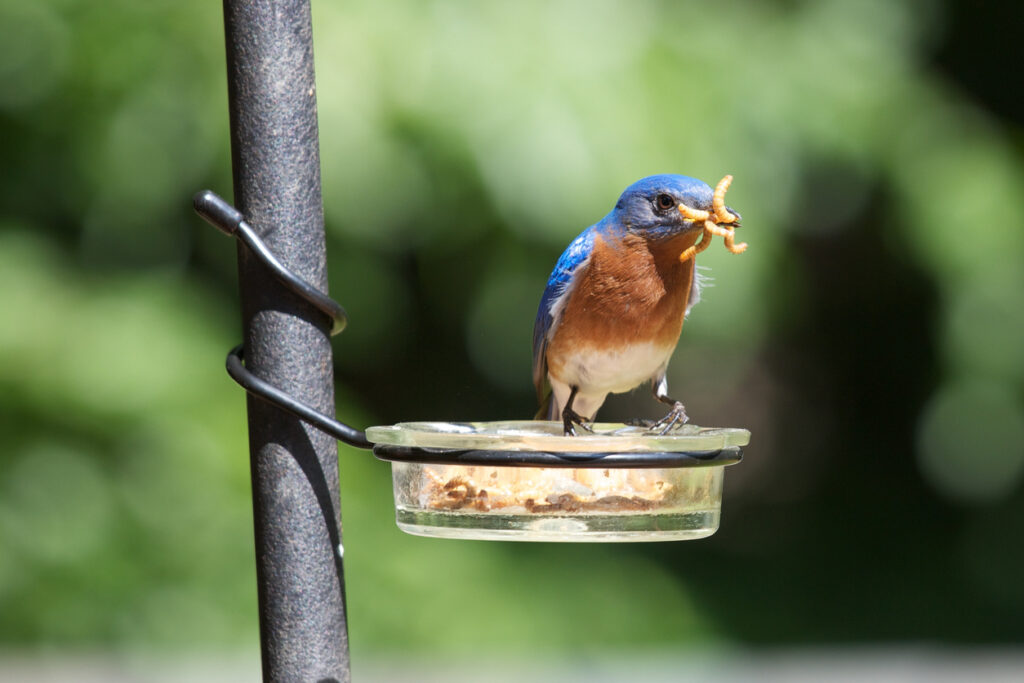
Birds dislike open ground with nowhere to dash if a threat appears. Positioning the table where there are nearby perches, hedges, or branches gives them easy bail-out options. If they need to flee briefly, they’ll feel confident doing so and come back sooner. Lack of quick shelter is one of the biggest invisible deterrents.
Be patient and observe before moving it again.
The first spot you choose might not be perfect. Watch which birds visit, which hesitate, and how the wind, light, and cats interact with that area. If you notice minimal activity after a couple of weeks, move the table slightly, a bit closer to shelter, a bit further from a lawn path, or under a different shrub. Small moves often make a big difference.
Choosing the right table and placing it thoughtfully turns your garden into a favourite pit stop for birds. With the right height, surface, shelter, and positioning, you’re not just feeding birds; you’re creating a safe, dependable space they’ll return to again and again. That consistency is what turns a couple of visitors into a lively garden flock.