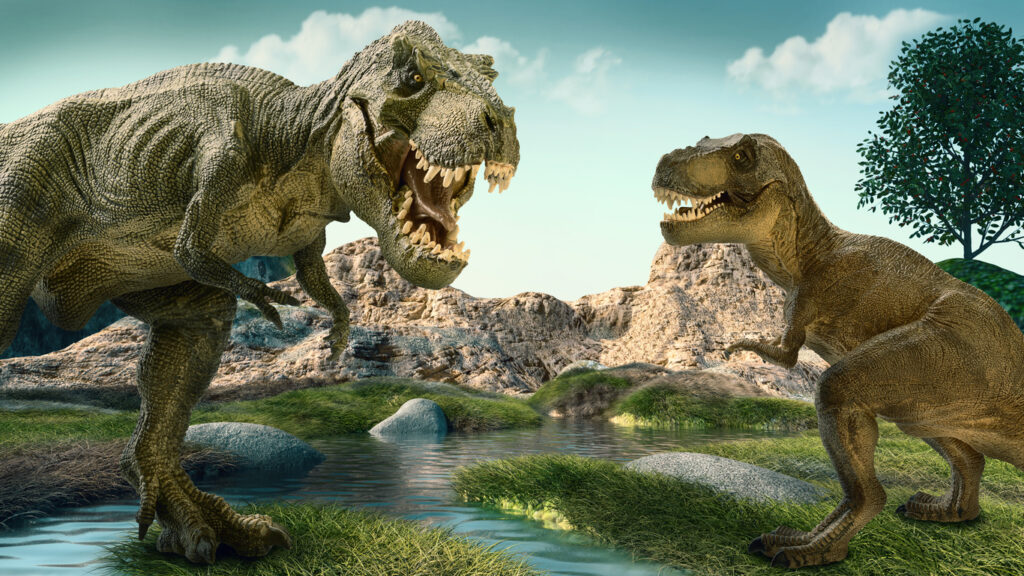
Dinosaurs may seem like timeless giants that ruled the Earth forever, but have you ever wondered how long they actually lived? Their lifespans weren’t all alike because some had surprisingly short runs while others stretched into decades. While we can’t be 100% sure on many species given the limited fossils and other evidence left behind by these massive creatures, here’s what science suggests about dinosaur lifespans.
Smaller dinosaurs had shorter lives.
Size made a big difference to how long dinosaurs lasted. Tiny species like compsognathus probably only survived a handful of years, similar to the lifespans of modern birds. With rapid growth and high energy demands, their bodies weren’t designed for long runs.
These smaller dinos lived fast and burned bright. They may not have had decades, but their speed and agility helped them survive in a dangerous world, even if only for a short time.
Giants like sauropods could live for decades.
In contrast, sauropods which are the massive, long-necked dinosaurs, likely lived much longer. Their slow growth rates and huge size gave them protection and allowed them to stick around. Some scientists believe they could make it to 70 or even 80 years if conditions were good.
They were the marathoners of the dinosaur age, taking things slow and steady. Their long lives matched their colossal bodies, making them some of the true veterans of the prehistoric world.
T. rex may have reached its thirties.
Tyrannosaurus rex grew at an incredible pace, hitting full size during its teenage years. But being a predator came with high risks, from hunting accidents to violent clashes. Fossil evidence suggests they rarely lived past their late twenties or early thirties.
For a giant predator constantly fighting, hunting, and competing, reaching thirty was a sign of serious survival skills. Even “middle age” was impressive in the life of a T. rex.
Fossil bones hold the clues.
Dinosaurs didn’t leave behind birth certificates, but their bones carry secrets. By slicing fossils and counting growth rings inside, scientists can estimate their age. Each ring marks a year of growth, much like counting rings in a tree trunk.
These bone records aren’t perfect, but they give us the best evidence for lifespan. They’re the reason we can say with confidence that some dinosaurs were short-lived, while others stuck around for decades.
Harsh environments cut lives short.
Even if a species was built to live a long time, life in the prehistoric world was harsh. Food shortages, droughts, disease, and sudden climate changes often shortened lifespans. Survival depended as much on luck and environment as it did on biology.
For many dinosaurs, potential lifespan didn’t match reality. The world around them often had the final say in how long they could live.
Predators had tougher lives than plant-eaters.

Meat-eating dinosaurs lived high-risk lifestyles. Constant hunting, fierce competition, and injuries from battles with prey or rivals kept their lifespans shorter. In contrast, many plant-eaters, especially the huge ones, often lived longer simply because they avoided those daily dangers.
This pattern is still visible today, as predators tend to burn out quicker than grazing animals. Life at the top of the food chain looks glamorous, but it comes at a cost.
Dinosaurs grew much faster than reptiles.
Modern reptiles like crocodiles grow slowly for decades, but dinosaurs had growth patterns more like birds. They grew quickly, reaching adult size far earlier than reptiles do. That fast pace shaped how long they could live, often shortening their lifespans compared to today’s reptiles.
This rapid growth gave dinosaurs an evolutionary edge. It meant they could dominate quickly, even if it also meant many species didn’t live very long.
Extinction cut countless lives short.
No matter how long a dinosaur might have lived, the asteroid impact at the end of the Cretaceous stopped it all. Whole ecosystems collapsed, wiping out species that could have otherwise thrived for decades more. Lifespan didn’t matter when survival itself was suddenly impossible.
The extinction event is a stark reminder that external forces sometimes override natural biology. Even the longest-living dinosaurs didn’t get to finish their run once the planet changed overnight.
Birds offer modern clues.
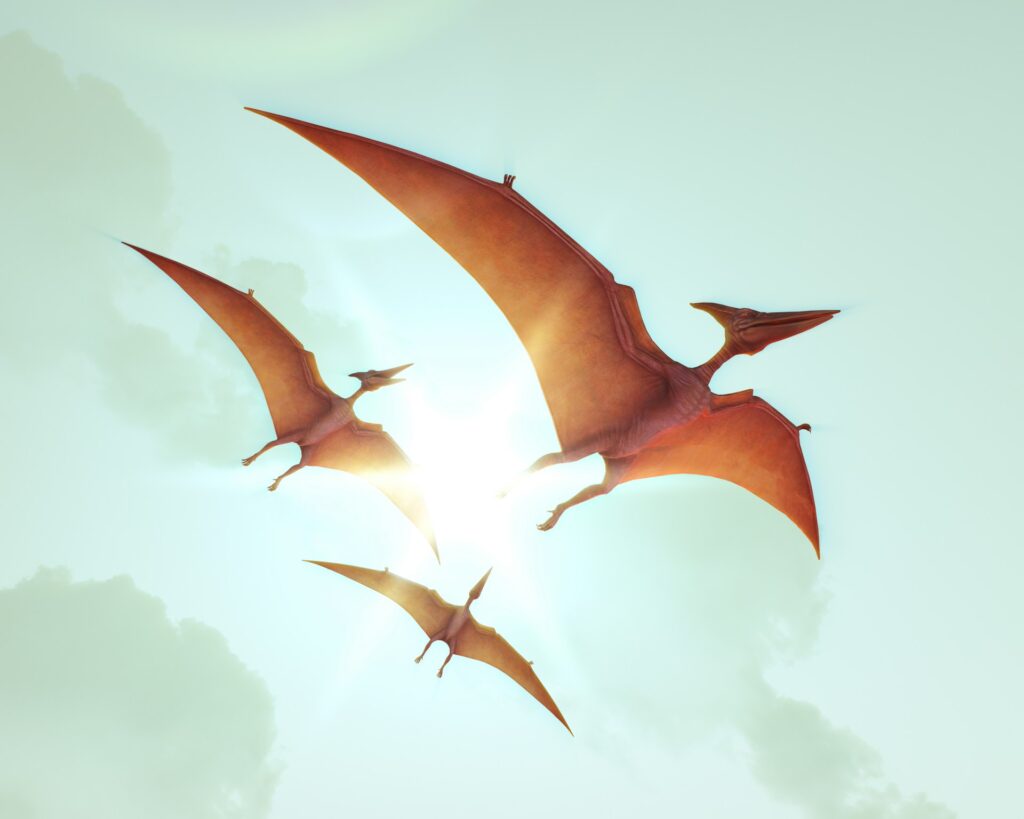
Birds are living relatives of dinosaurs, so their lifespans provide useful hints. Small birds often live only a few years, while parrots and larger species can survive for decades. This variety likely mirrors dinosaur life spans, ranging from short-lived to long-lasting depending on size and lifestyle.
By studying birds, scientists can piece together patterns of how dinosaurs aged. It’s like looking at a living window into their ancient relatives.
Lifespans were as varied as dinosaurs themselves.
The truth is, there’s no single answer to how long dinosaurs lived. Some lasted barely five years, while others stretched well past seventy. Lifespan depended on everything from size and growth rate to environment and sheer luck in surviving predators or disasters.
What’s clear is that dinosaur lives were just as diverse as the creatures themselves. Some burned out fast, others endured for decades, but together they created one of the most fascinating chapters in Earth’s history.