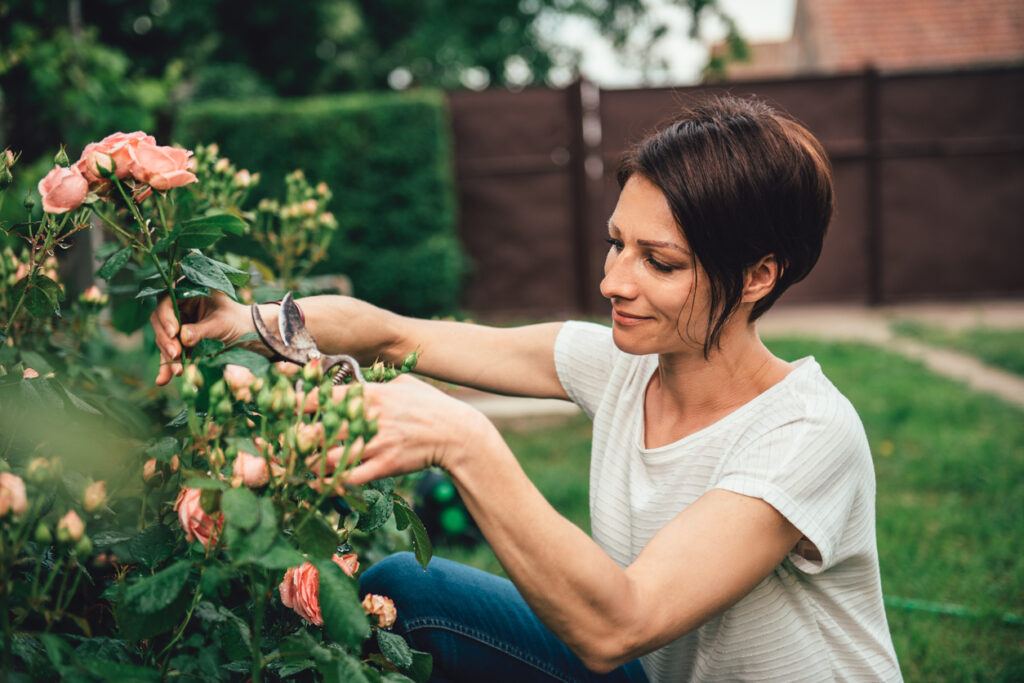
Deadheading sounds dramatic, but it’s simply removing spent flowers from your plants to encourage more blooms throughout the growing season. This basic gardening technique tricks plants into producing flowers continuously instead of focusing their energy on seed production, keeping your garden colourful and vibrant for months longer than it would naturally.
1. Plants stop blooming when they think their job is done.
Most flowering plants have one main goal in life—to reproduce by making seeds—and once they’ve successfully created those seeds, they often stop producing new flowers. When you leave spent blooms on the plant, they develop into seed heads that signal to the plant that it’s accomplished its mission and can rest for the season.
Remove faded flowers before they go to seed, and your plants will keep trying to reproduce by making more blooms. This simple intervention keeps plants in their flowering phase much longer, giving you continuous colour instead of a brief burst followed by green foliage for the rest of the season.
2. Deadheading redirects energy to new flower production.
Plants put considerable energy into developing seeds, and this energy comes at the expense of creating new flowers and maintaining healthy foliage. When you remove spent blooms, you’re essentially redirecting that seed-making energy back into flower production and overall plant health.
Focus your deadheading efforts on plants that respond well to this technique, like petunias, marigolds, and zinnias, which will reward you with significantly more blooms throughout the growing season. Some plants like impatiens are self-cleaning and don’t need deadheading, so learn which plants in your garden benefit most from this attention.
3. Regular deadheading keeps plants looking tidy and attractive.
Spent flowers often turn brown, shrivel up, or develop an unattractive appearance that can make your entire garden look neglected even when the rest of the plant is healthy. These dead blooms also attract pests and can sometimes harbour diseases that might spread to healthy parts of the plant.
Make deadheading part of your regular garden maintenance routine, checking plants every few days during peak blooming season. This frequent attention improves appearance and lets you spot any pest or disease issues early before they become serious problems.
4. Different flowers require different deadheading techniques.
Some flowers need to be pinched off with your fingers right above the next set of leaves or buds, others require clean cuts with secateurs, and some benefit from cutting the entire stem back to encourage branching. Using the wrong technique can damage the plant or reduce future flowering potential.
Learn the specific needs of your plants—for example, pinch soft-stemmed flowers like petunias and deadhead woody-stemmed plants like roses with clean, sharp tools. When in doubt, cut just above the next visible bud or leaf node to encourage new growth from that point.
5. Timing matters for maximum effectiveness.
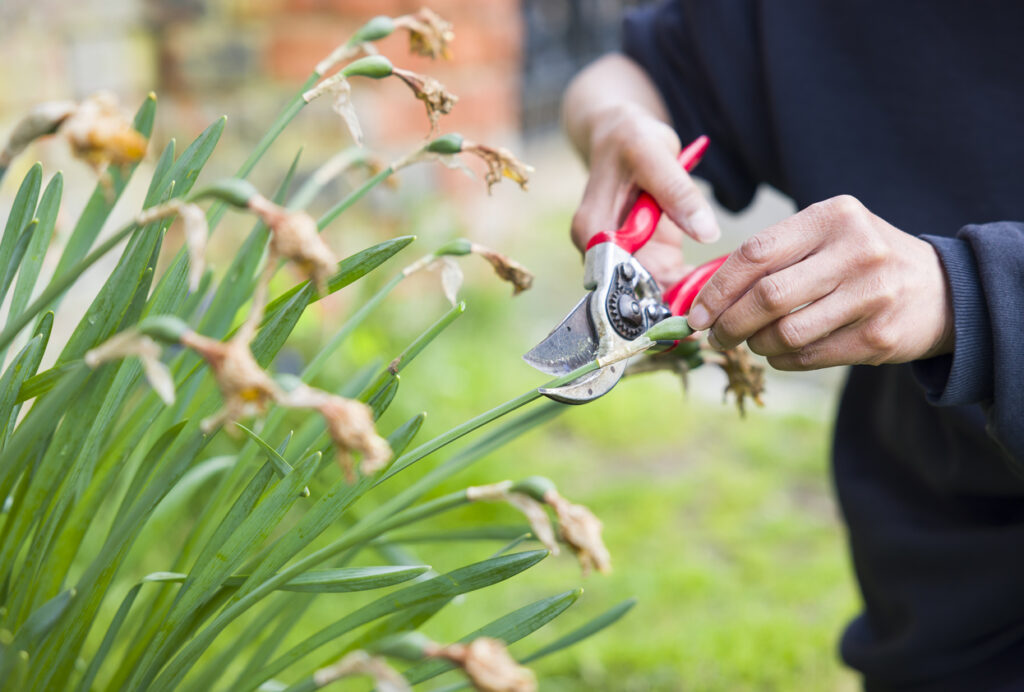
The best time to deadhead is when flowers are just starting to fade, but before they’ve put energy into seed development. Waiting too long means the plant has already begun the seed-making process, while removing flowers too early wastes blooms that could still be enjoyed.
Check your plants regularly during their blooming period and remove flowers as soon as they start looking tired or losing their colour. Early morning or evening deadheading sessions work well because plants are less stressed by the disturbance when temperatures are cooler.
6. Some plants benefit from cutting back rather than individual deadheading.
Plants with masses of small flowers, like sweet alyssum or lobelia, can be tedious to deadhead individually and often respond better to shearing back by about one-third when they start looking tired. This more aggressive approach stimulates fresh growth and a new flush of blooms.
Use clean, sharp scissors or hedge trimmers to give these plants a haircut, cutting back to where you can see new growth emerging. Follow up with a bit of fertiliser and water to help them recover quickly and start producing new flowers within a few weeks.
7. Deadheading can extend blooming seasons significantly.
Many annuals that would naturally bloom for just a few weeks can be kept flowering from spring until the first frost with regular deadheading. Perennials often produce second or even third flushes of flowers if you remove the first round of spent blooms promptly.
Keep track of which plants in your garden respond best to deadheading so you can focus your efforts where they’ll have the most impact. Some plants, like cosmos and zinnias, can increase their bloom production by 50% or more with consistent deadheading throughout the season.
8. Save seeds from favourite plants before deadheading everything.
If you want to collect seeds from particularly beautiful plants or preserve varieties for next year, let some flowers go to seed while deadheading others. This gives you the best of both worlds—continued blooming and seed collection for future planting.
Choose the healthiest, most attractive plants for seed saving and mark them so you remember which ones to leave alone. Collect seeds when they’re fully mature and dry, then deadhead any remaining spent flowers to encourage a final flush of blooms before the season ends.
9. Combine deadheading with feeding for spectacular results.
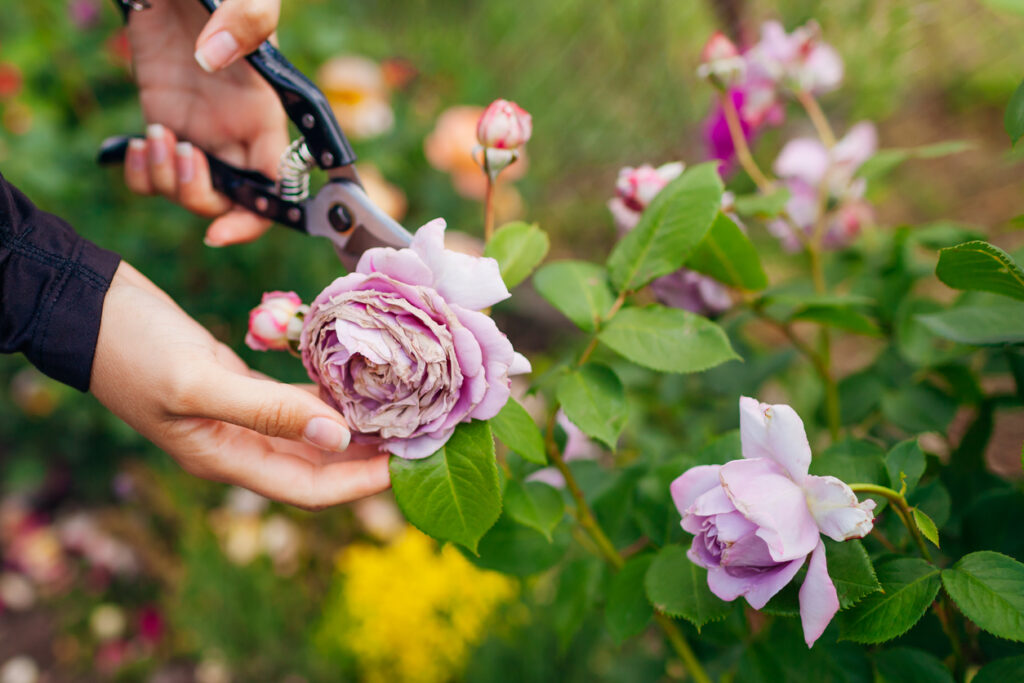
Plants that are producing flowers continuously need extra nutrition to sustain that level of performance, so combine your deadheading routine with regular feeding using a balanced fertiliser or compost. This one-two punch of removing spent blooms and providing nutrients creates ideal conditions for abundant flowering.
Apply liquid fertiliser every few weeks during the growing season, or work slow-release granules into the soil around your plants in spring. Well-fed plants not only produce more flowers, but also have better disease resistance and overall vigour throughout the growing season.
10. Watch for plants that don’t need or want deadheading.
Some plants produce attractive seed heads that provide winter interest or food for birds, and others are bred to be self-cleaning, dropping their own spent flowers naturally. Deadheading these plants can actually reduce their ornamental value or interfere with their natural growth patterns.
Research your specific varieties before deadheading everything in sight—plants like ornamental grasses, echinacea, and rudbeckia often look better when allowed to go to seed. Self-cleaning varieties of popular annuals like begonias and newer petunia cultivars have been bred specifically to eliminate the need for deadheading maintenance.