When you think of snakes in the UK, lakes might not be the first place that comes to mind.
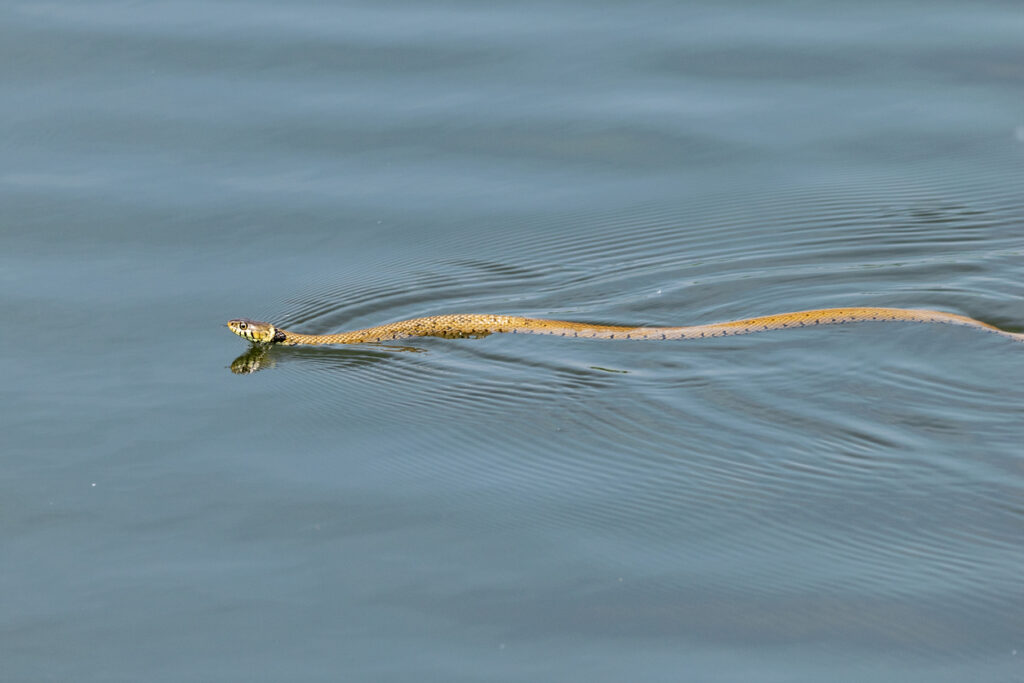
Yet, several species, especially grass snakes, are strongly tied to water and thrive around lakes, ponds, and wetlands. While the UK doesn’t have the dangerous populations found abroad, there are lakes where snake sightings are common enough to give visitors pause. Here are some of the British lakes where you’re most likely to encounter them.
1. Lake Windermere, Cumbria
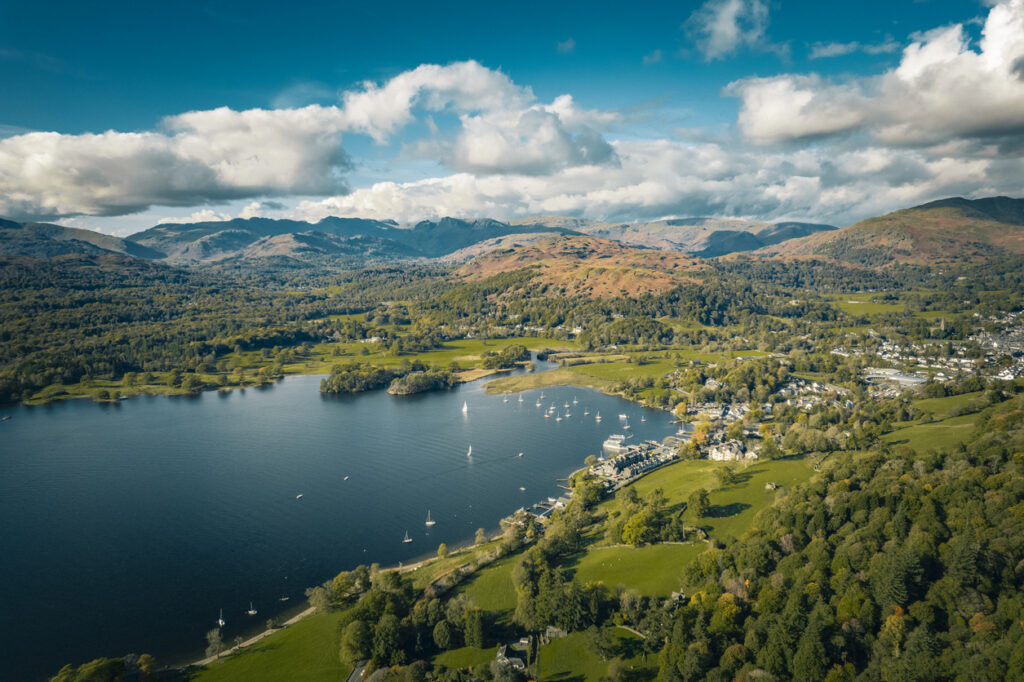
Windermere, the largest lake in England, is a popular spot for boating and walking, but it’s also a haven for grass snakes. The surrounding wetlands and reed beds provide perfect habitat for these non-venomous reptiles. On warm days, grass snakes can often be seen swimming across the shallows or basking on the banks. Although harmless to people, their presence is a reminder of how rich the lake’s wildlife really is.
2. Loch Lomond, Scotland
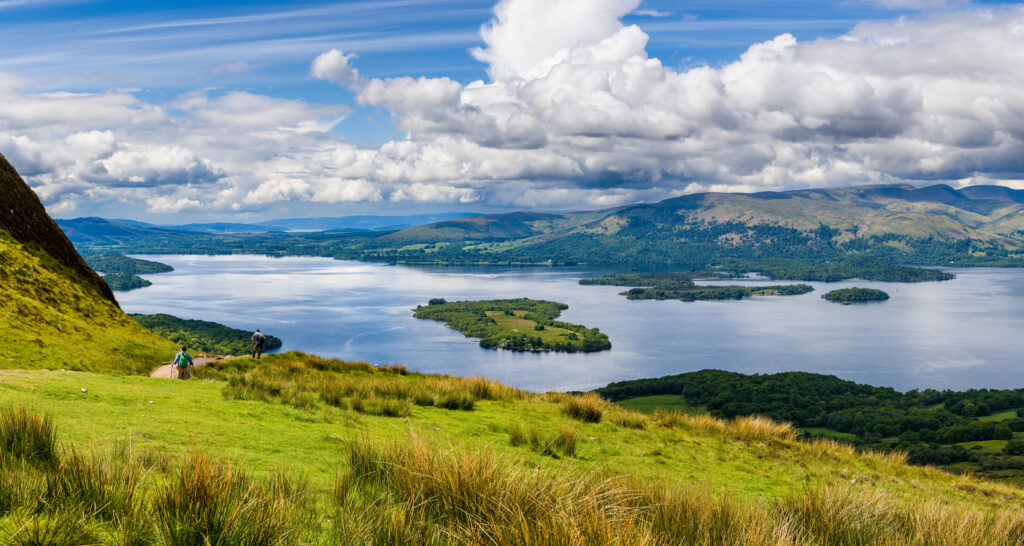
Loch Lomond is one of Scotland’s most famous natural landmarks, and it also happens to support a healthy population of snakes. The grass snake, which has been spreading further north in recent decades, is increasingly common here.
The mix of wetlands, marshes, and forest edges around the loch makes it an ideal environment. For walkers and kayakers, spotting a snake in the water is a fairly regular occurrence during the summer months.
3. Llangorse Lake, Wales
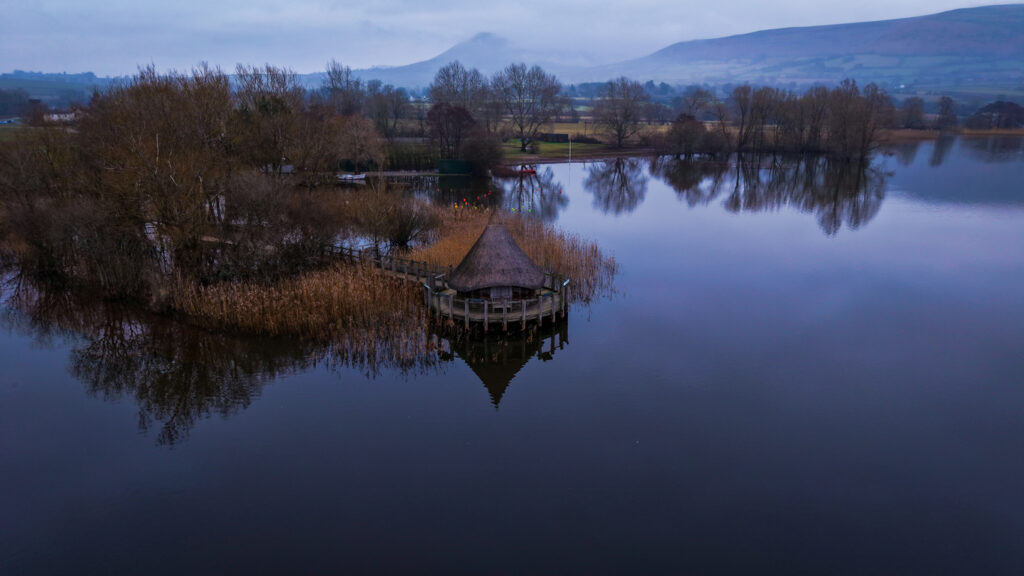
Known as the largest natural lake in South Wales, Llangorse is surrounded by reeds and meadows that provide a perfect home for grass snakes. The lake’s warm, shallow edges are particularly attractive to them. Local anglers and birdwatchers often report seeing snakes gliding across the surface or hunting for frogs along the shore. For herpetologists, it has become one of the most reliable places in Wales to see these reptiles.
4. Loch Ness, Scotland
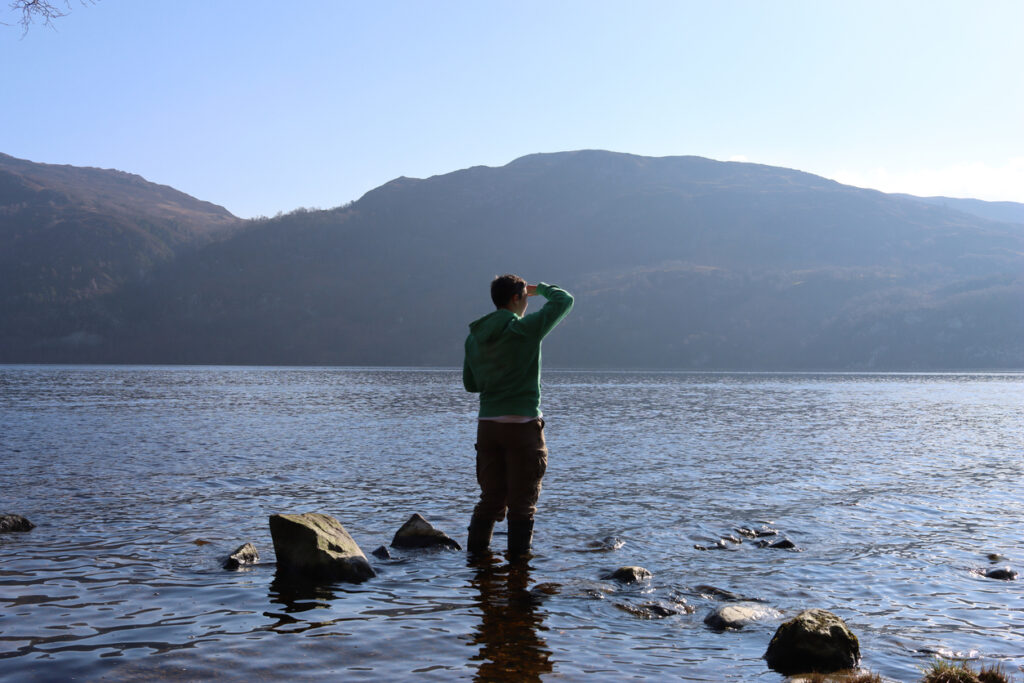
Loch Ness may be famous for its mythical monster, but it also has its share of very real snake sightings. Grass snakes and slow worms thrive in the surrounding areas, taking advantage of the loch’s diverse habitats.
Although they are less commonly spotted in the water itself compared to smaller lakes, the surrounding wetlands are prime territory. For visitors scanning the loch, the “Nessie” legend isn’t the only reptilian surprise they may find.
5. Rutland Water, East Midlands
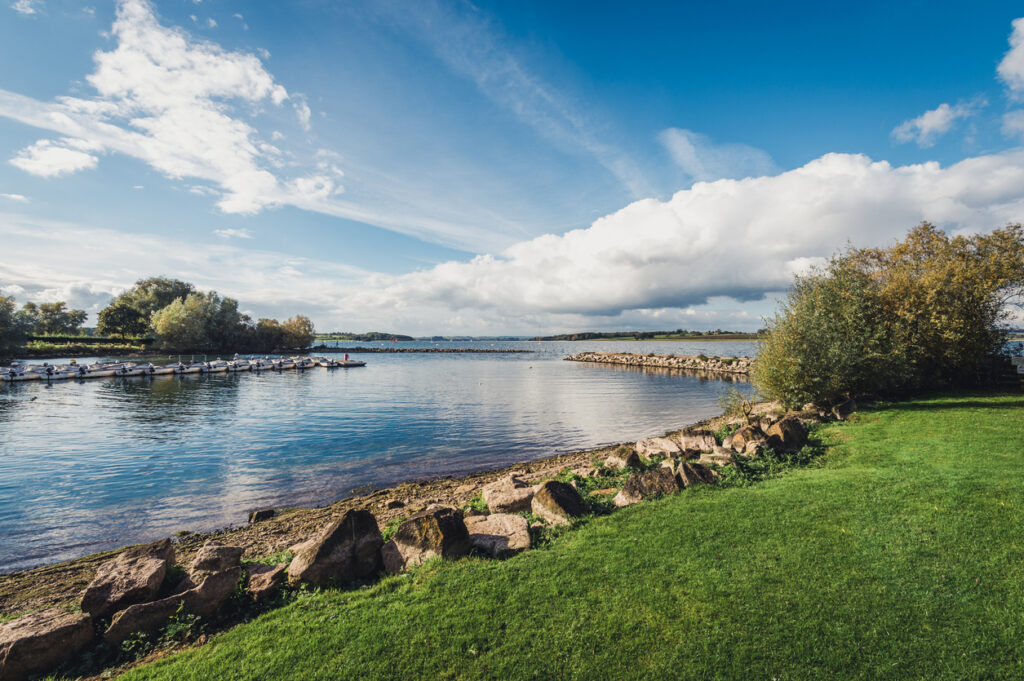
Rutland Water is one of the UK’s largest man-made lakes and is surrounded by nature reserves. These reserves are rich in amphibians, which in turn attract grass snakes in high numbers. Snake sightings are particularly common in the quieter areas away from busy footpaths. Birdwatchers focusing on ospreys and wildfowl are often surprised when a snake glides past in the reeds.
6. Bala Lake (Llyn Tegid), Wales
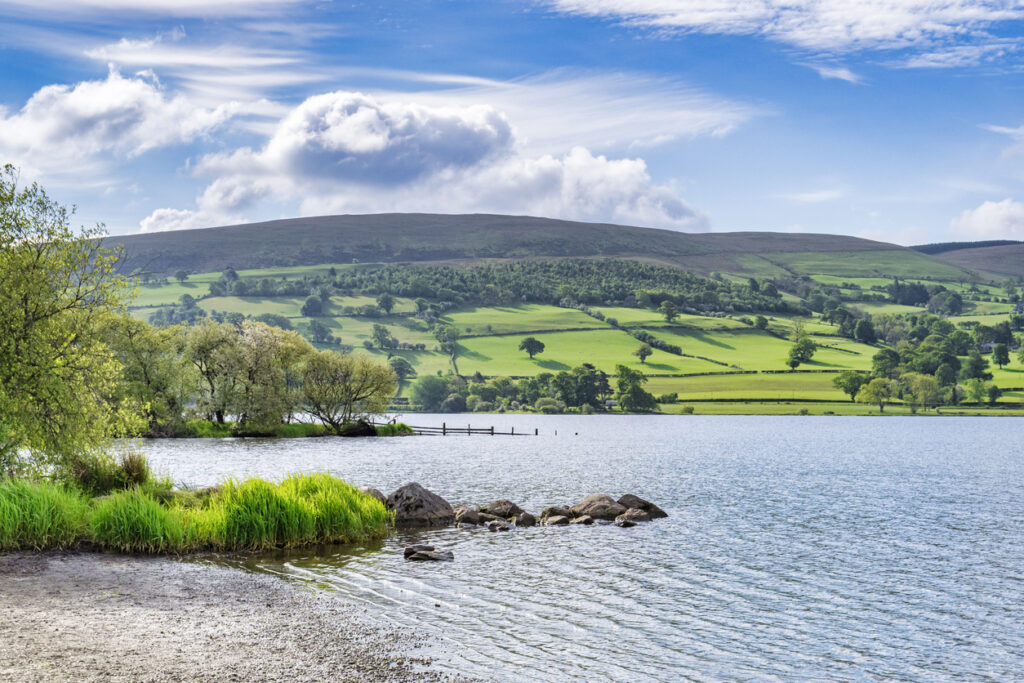
Bala Lake in Snowdonia National Park is another Welsh site known for frequent snake activity. Its sheltered bays and marshy edges provide plenty of cover for reptiles. Grass snakes here are most often seen on sunny afternoons, basking on rocks or swimming close to shore. For locals, their presence has become an accepted part of the lake’s natural character.
7. Loch Tay, Scotland
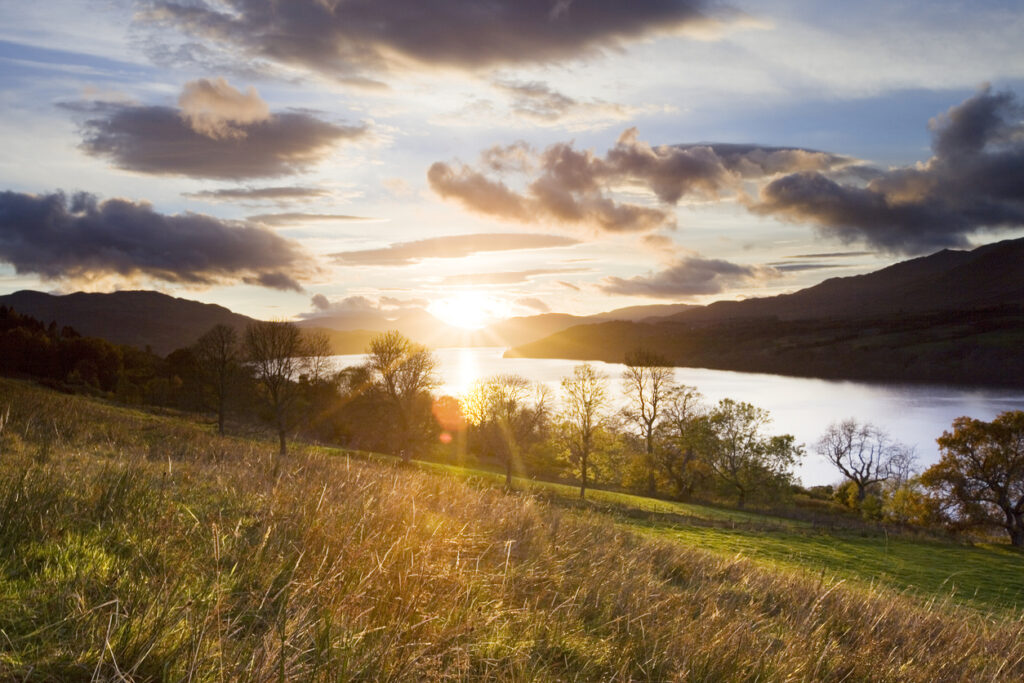
Surrounded by lush woodland and wetlands, Loch Tay is an excellent environment for snakes to thrive. The abundance of frogs and fish draws grass snakes to its shores. Hikers in the area often report seeing snakes slithering across trails near the water. The loch’s remote setting makes it one of the less disturbed habitats for reptiles in the Highlands.
8. Chew Valley Lake, Somerset
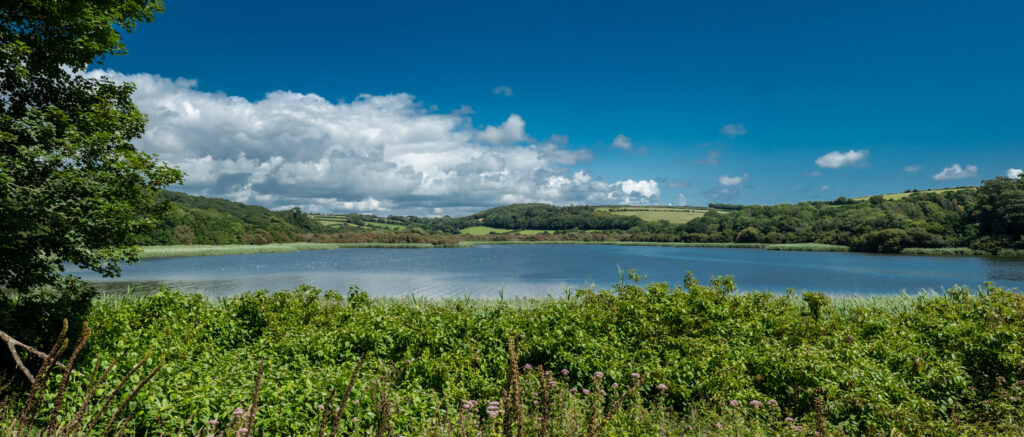
This large reservoir near Bristol is popular with birdwatchers, but is also a hotspot for snakes. Its shallow areas and reed beds make excellent hunting grounds for grass snakes. Many anglers here have stories of seeing snakes swimming across their lines or basking nearby. It’s one of the clearest examples of how well reptiles adapt to man-made water bodies.
9. Loch Morlich, Scotland
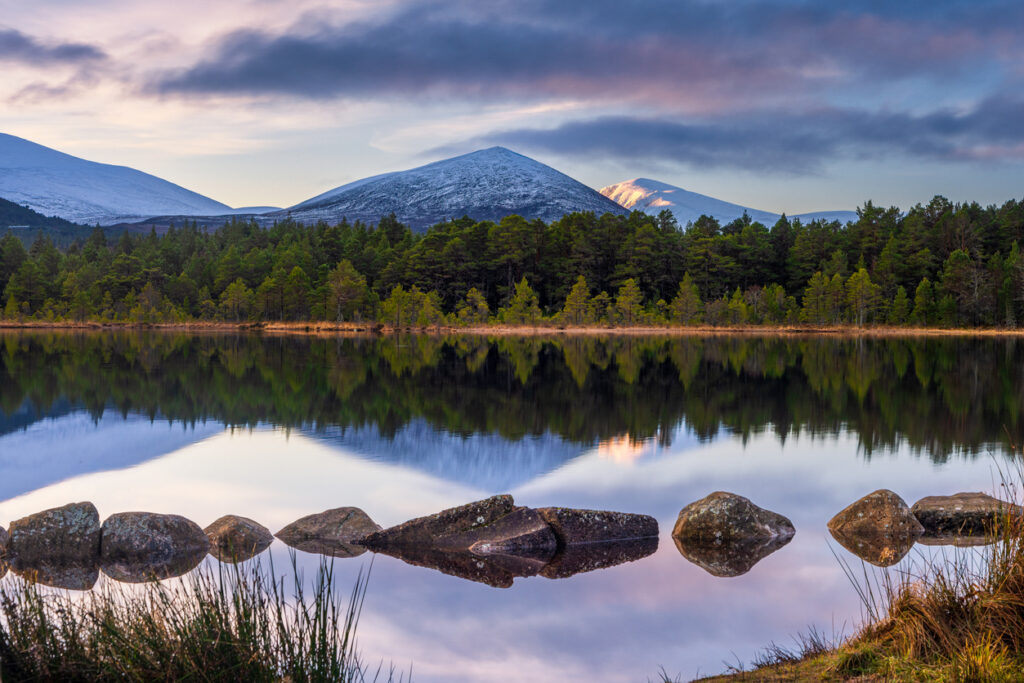
Set in the Cairngorms, Loch Morlich is surrounded by pine forest and sandy beaches, which create a unique environment for snakes. The combination of woodland and water makes it attractive to reptiles seeking both cover and prey.
Although colder than many lakes further south, grass snakes are regularly recorded here in the warmer months. Their presence adds to the loch’s reputation as a hub for wildlife diversity in the Highlands.
10. Hickling Broad, Norfolk
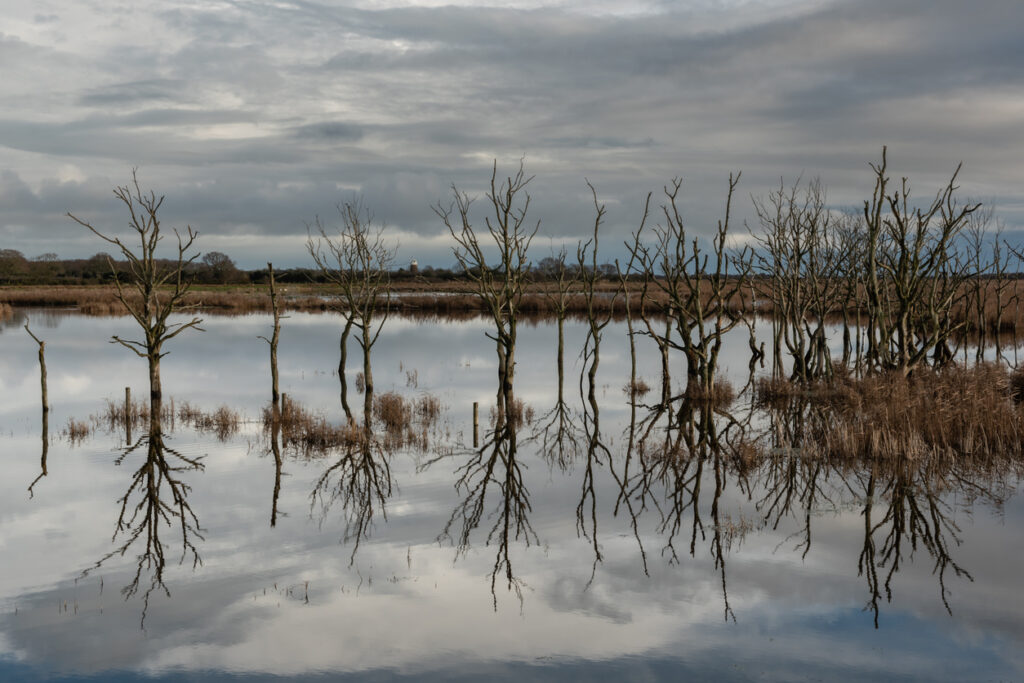
Part of the Norfolk Broads, Hickling Broad is a wetland haven where grass snakes are particularly abundant. The shallow waters and plentiful amphibians make it perfect for breeding and feeding. Visitors often see snakes swimming in open water or sliding through reed beds. For naturalists, it’s one of the best places in England to observe grass snakes in their element.