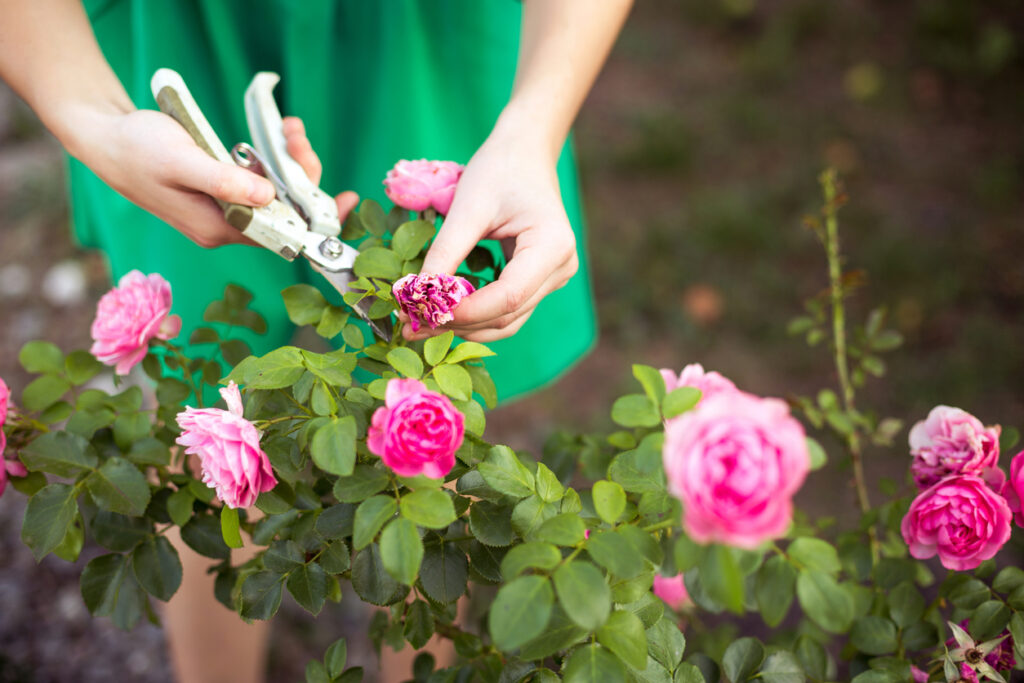
Deadheading is one of the simplest gardening habits that can completely change how your plants behave. It sounds technical, but the idea is straightforward. You remove old or fading flowers before the plant turns them into seeds. That small action encourages the plant to keep producing more blooms instead of slowing down for the season.
It tells the plant to keep producing flowers.
When a flower fades, the plant naturally starts shifting its energy toward producing seeds. From the plant’s perspective, its job is done once seeds form because that means the next generation can grow. If the faded flower remains on the stem, the plant gradually reduces new blooms.
Deadheading interrupts that process. By removing the fading flower before seeds develop, the plant receives a simple signal to keep trying again. Instead of slowing down, it continues producing fresh buds and flowers, which can dramatically extend the blooming season.
Plants redirect their energy into new growth.
Seed production requires a surprising amount of energy. Once a plant begins developing seeds, nutrients that could have supported new flowers or leaves start getting diverted into that process.
Removing old blooms prevents this energy shift. The plant keeps using its resources to produce new buds, stronger stems, and fresh foliage. In many flowering plants, this leads to fuller growth and a more colourful display across the entire plant.
Your garden stays looking tidy and healthy.

Fading flowers often turn brown, dry, or shrivelled. When these old blooms remain on the plant, they can make even healthy plants look tired and neglected. Deadheading keeps the plant looking fresh. The bright, new flowers remain the focus instead of the old fading ones. In a flower bed or container garden, this simple habit can make the whole space appear far more vibrant and well cared for.
It encourages more consistent blooming.
Many flowering plants bloom in cycles rather than all at once. Without deadheading, the plant may produce one strong wave of flowers and then slow down as seeds begin to form. Regularly removing spent blooms helps the plant reset that cycle more quickly. Instead of waiting for seeds to mature, the plant continues forming new buds. This often results in several waves of flowers throughout the season instead of just one early display.
It helps prevent unnecessary disease.
Old flowers that remain on the plant eventually break down. In damp weather, they can become soft and decaying, which sometimes attracts fungal problems or mould. Removing these fading blooms improves airflow around the plant and removes material that might rot. This small maintenance step can help reduce the chance of disease spreading across the plant, especially in dense flower beds.
Pollinators benefit from the continued blooms.
When plants continue producing flowers, they also continue providing nectar and pollen for insects. Bees, butterflies, and other pollinators rely on a steady supply of flowering plants throughout the season. Deadheading helps keep those flowers coming. Instead of finishing early in the summer, many plants will continue blooming well into late summer or early autumn, offering more food for pollinating insects.
It prevents plants from wasting effort on unwanted seeds.
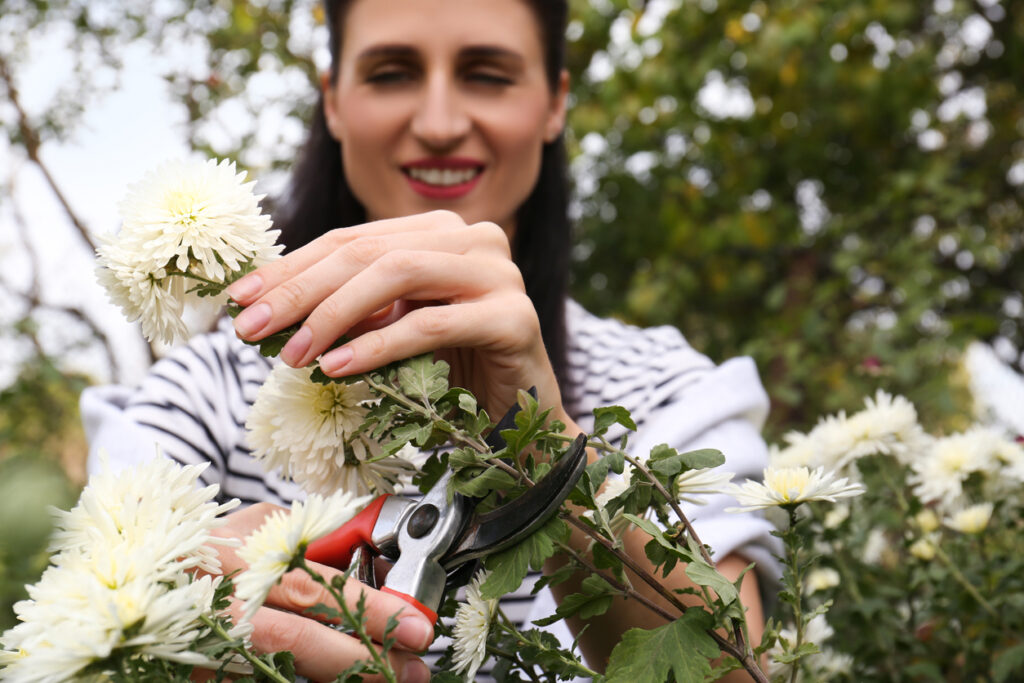
In ornamental gardens, gardeners usually grow plants for their flowers rather than their seeds. Allowing a plant to produce seeds can sometimes lead to energy being spent on something you do not really want. Deadheading stops that process early. The plant focuses on producing more decorative flowers rather than investing effort into seed development, which is usually the goal in a flower garden.
Plants often grow bushier as a result.
When a faded flower is removed, gardeners often cut the stem back to the next healthy set of leaves. This small pruning action can encourage side shoots to develop along the stem. Over time, the plant becomes fuller and more compact. Instead of growing long stems with a single bloom at the tip, it develops multiple stems carrying several flowers, creating a thicker and more attractive plant.
It gives gardeners a chance to monitor plant health.
Deadheading naturally encourages you to look closely at your plants. While removing old blooms, you may notice early signs of pests, leaf damage, or disease that might otherwise go unnoticed. Spotting problems early makes them easier to deal with. A quick check while deadheading can help you remove damaged leaves or deal with pests before they spread across the entire plant.
It can extend flowering well into autumn.
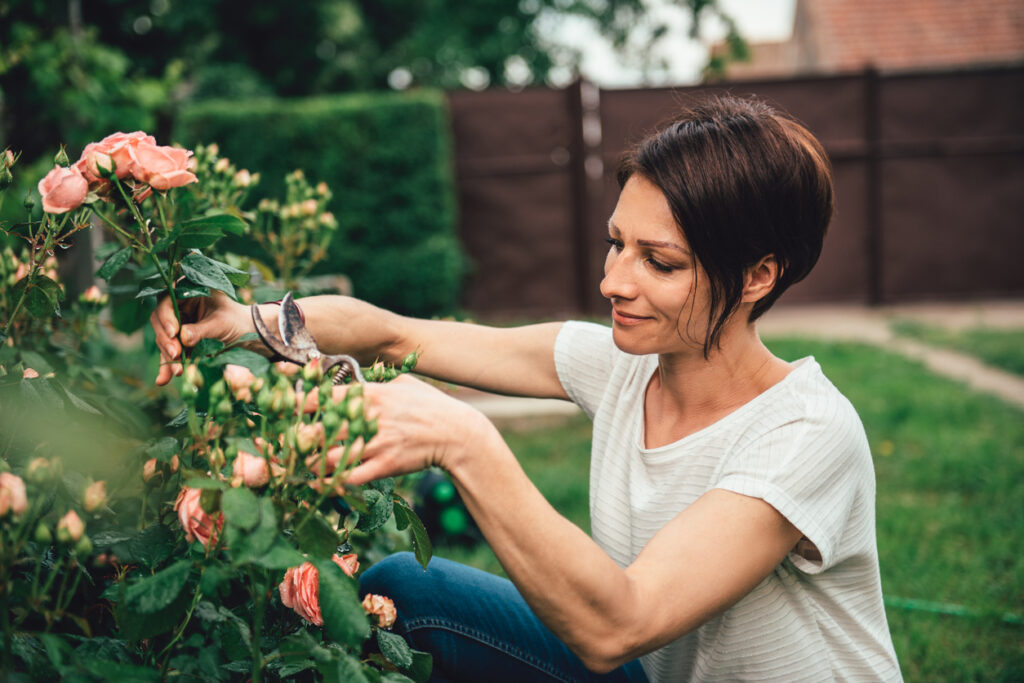
Many popular garden plants such as roses, petunias, and geraniums respond extremely well to deadheading. If faded blooms are left alone, they may stop flowering earlier in the season. Regular deadheading can push these plants to keep blooming for weeks or even months longer. Instead of ending in mid-summer, the display can continue deep into autumn, depending on the weather.
It improves the overall shape of the plant.
Removing old flowers often involves trimming small sections of the stem. This light pruning helps prevent plants from becoming leggy or uneven as the season progresses. By cutting back to healthy leaf nodes, gardeners encourage balanced growth. The plant gradually develops a neater shape, with flowers spread more evenly rather than clustered on tall stems.
It turns gardening into a simple, rewarding routine.
Deadheading does not require special tools or advanced knowledge. A pair of small scissors or even your fingers is often enough to pinch off fading blooms. Because it is quick and easy, many gardeners find it becomes a relaxing routine while spending time outdoors. The reward comes quickly, too, as plants respond with fresh buds and continued colour throughout the growing season.