Community allotments aren’t just about growing veg—they’re about growing connection, resilience, and hope.
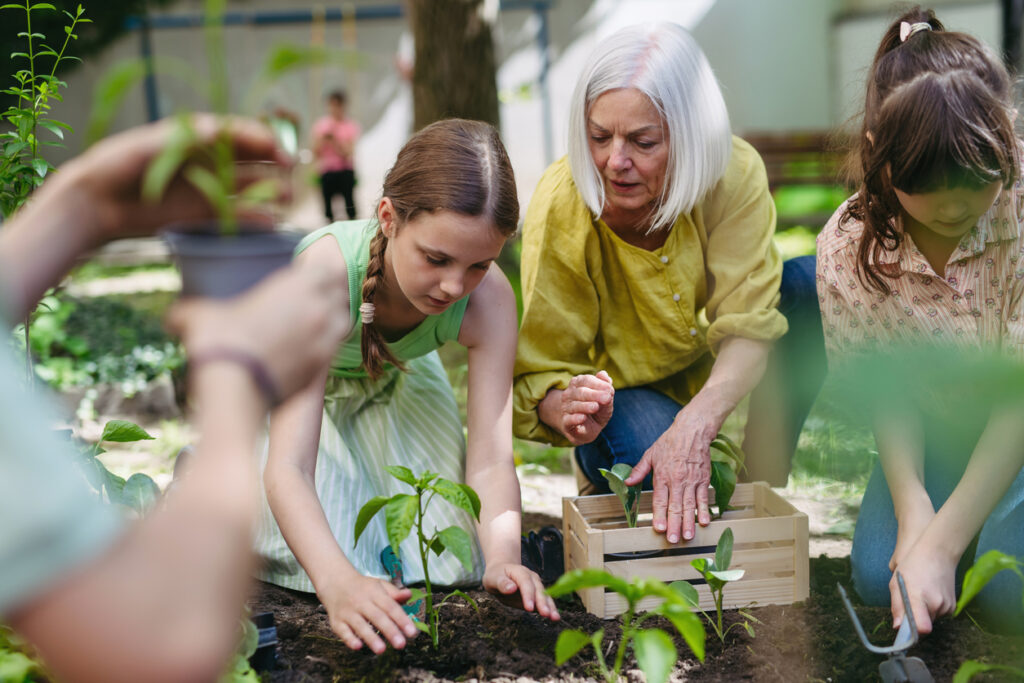
Across the UK, these shared green spaces are quietly transforming neighbourhoods, offering people a patch of calm, a sense of purpose, and a deeper bond with the land. Here’s how community allotments are helping both people and nature flourish side by side.
They give people a reason to go outside.
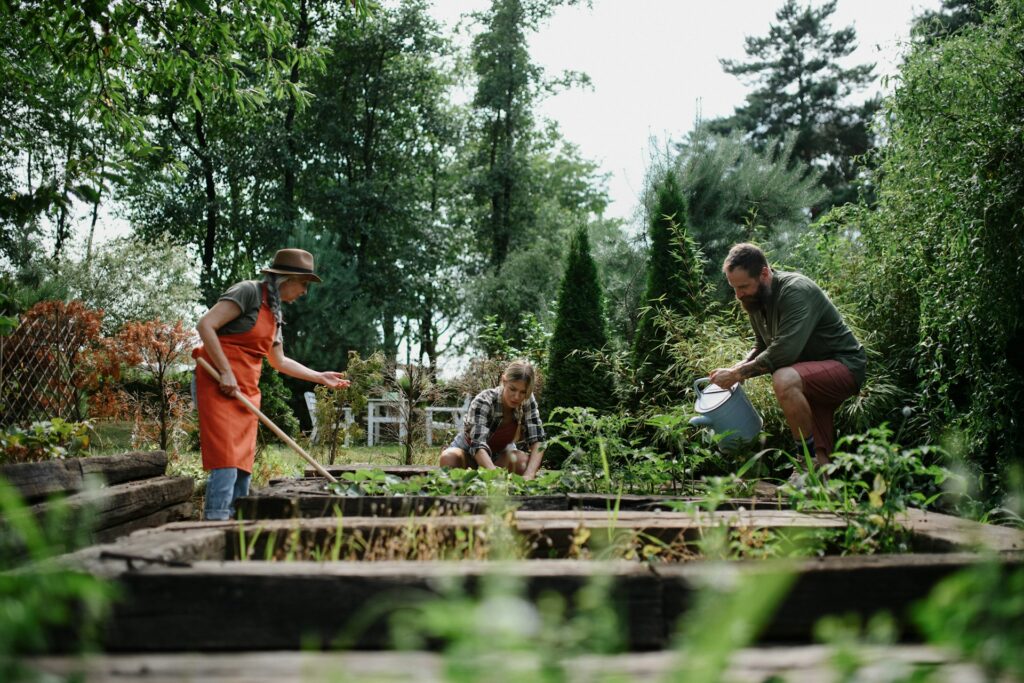
When life feels overwhelming, having a place you need to be—just to water your tomatoes or dig up some spuds—can be oddly grounding. Allotments offer that gentle push to get outdoors and connect with something bigger than the everyday grind. Spending time outside, even for half an hour, has proven benefits for mental health. You’re not just getting fresh air; you’re rejoining a rhythm that slows things down and makes space for peace.
They reconnect us with where food actually comes from.
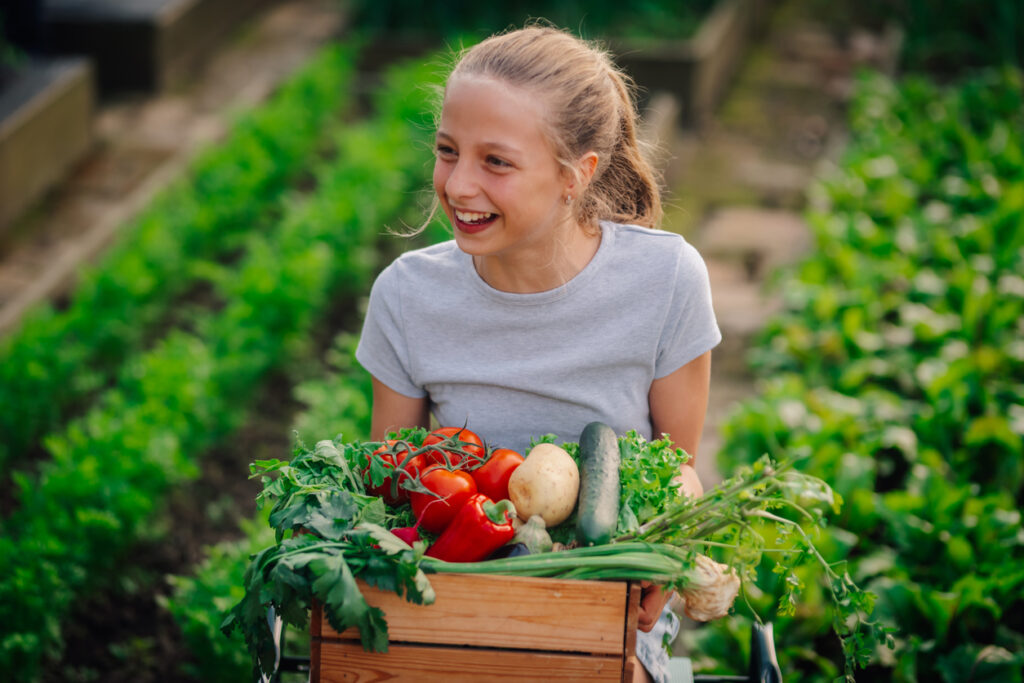
Most people pick up their veg from a supermarket shelf and never think twice about it. Growing your own lettuce or carrots, even if they’re knobbly or weirdly shaped, makes you appreciate the process all over again. Community allotments make food feel less abstract. When you’ve pulled something from the earth yourself, you waste less, savour more, and genuinely value the effort behind every meal.
They support pollinators and biodiversity.
Many allotment holders grow a mixture of flowers, herbs, and native plants alongside their produce. This patchwork of blooms and greenery becomes a buffet for bees, butterflies, and other vital pollinators. It’s not just about the crops. These spaces become mini ecosystems that support wildlife in ways tidy lawns never could. And when you see a hoverfly buzzing over your calendula, it hits differently than reading about it online.
They reduce food miles without any fuss.
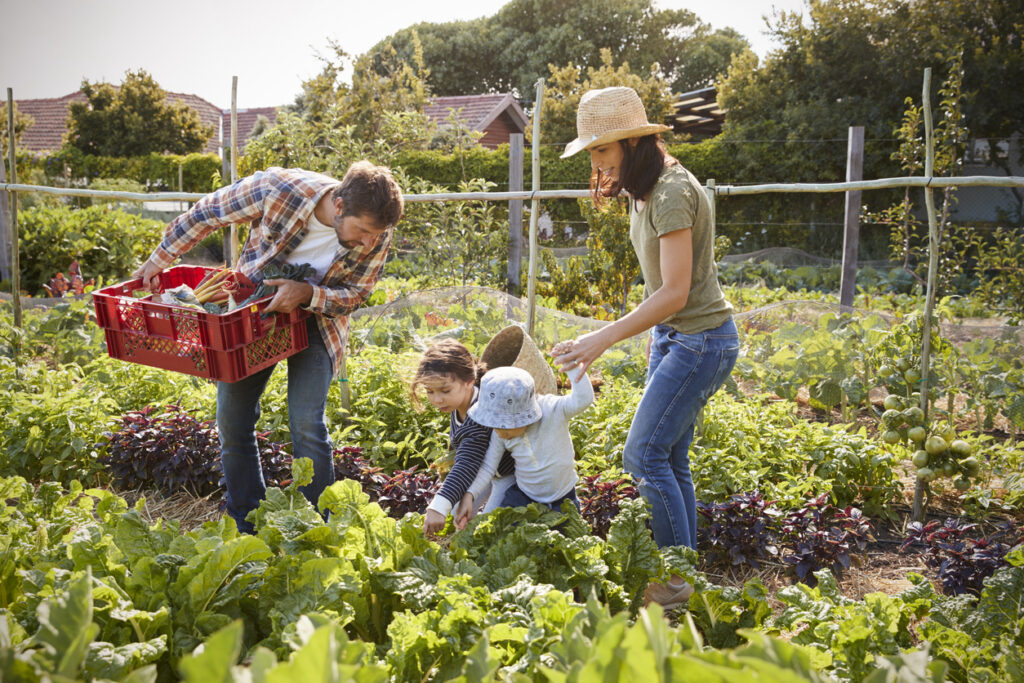
When your dinner’s grown in the same postcode, there’s no need for lorries, packaging, or air freight. It’s as local as it gets, often walked home in a tote bag still speckled with soil. That simplicity adds up. Multiply it across a whole community, and you’ve got a meaningful dent in emissions, waste, and reliance on fragile global supply chains—all without anyone needing to make a speech about it.
They build quiet, intergenerational communities.
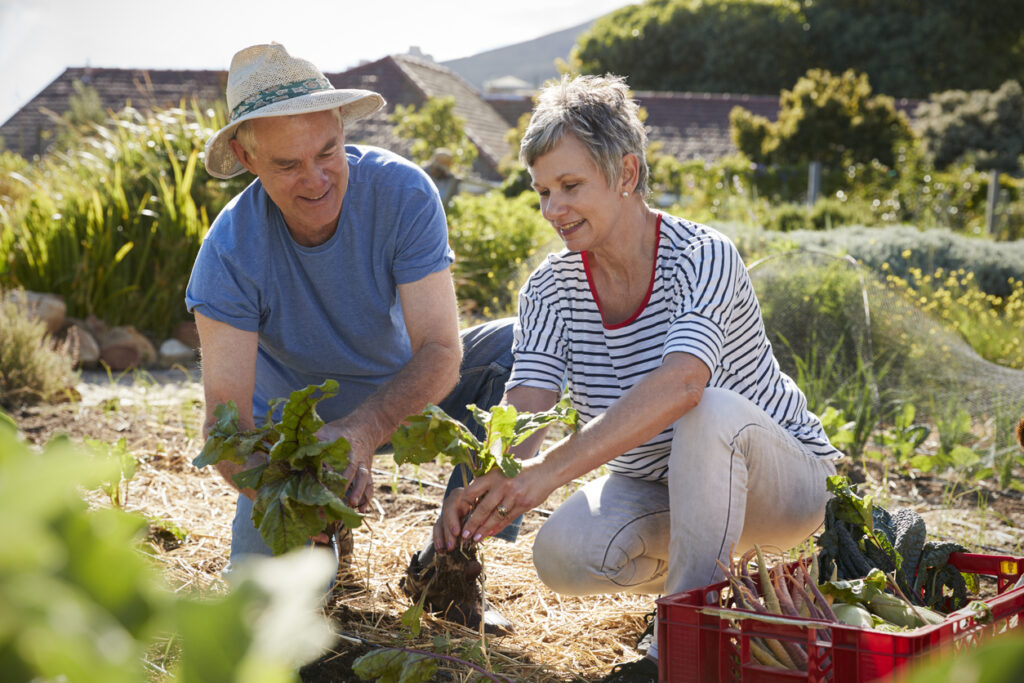
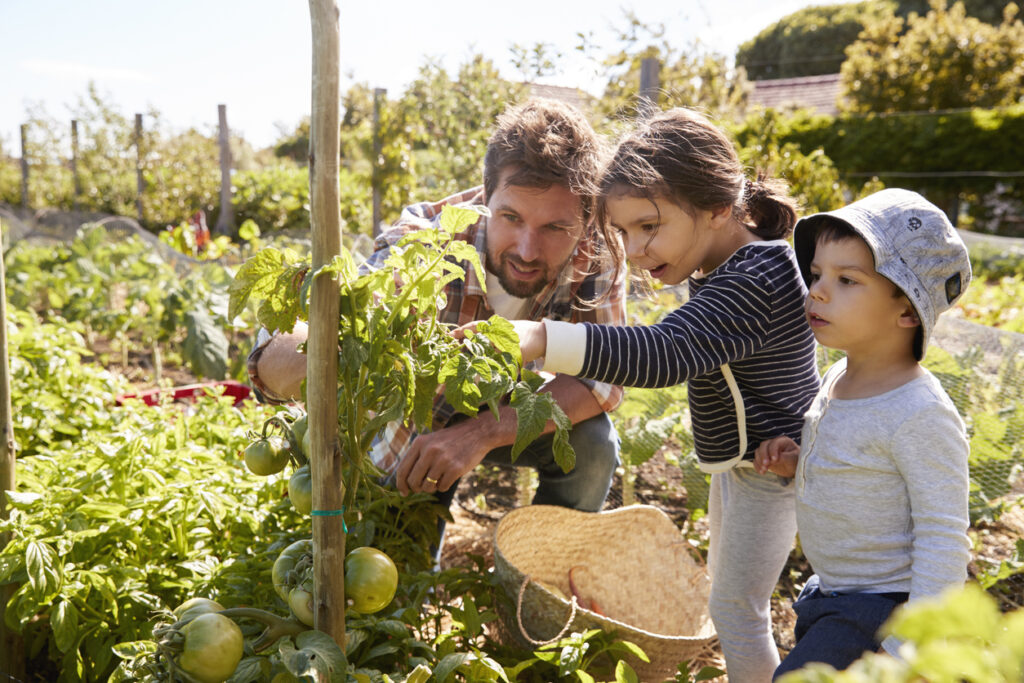
It’s not unusual to see a teenager planting courgettes beside a retired neighbour, or a toddler helping pick strawberries while their mum chats with the guy in the next plot. These moments aren’t orchestrated—they just happen naturally. Allotments bring people together across age, background, and circumstance. The common ground is literal, and that shared care creates small but meaningful bonds that ripple out beyond the soil.
They create purpose without pressure.
Not everyone thrives in fast-paced, achievement-heavy environments. Tending a plot offers structure, goals, and a reason to keep showing up—without anyone timing you or demanding perfection. For people dealing with grief, anxiety, or just a sense of disconnection, that steady rhythm of planting and pruning can offer a kind of healing that’s gentle, practical, and free of judgement.
They help people eat more seasonally.
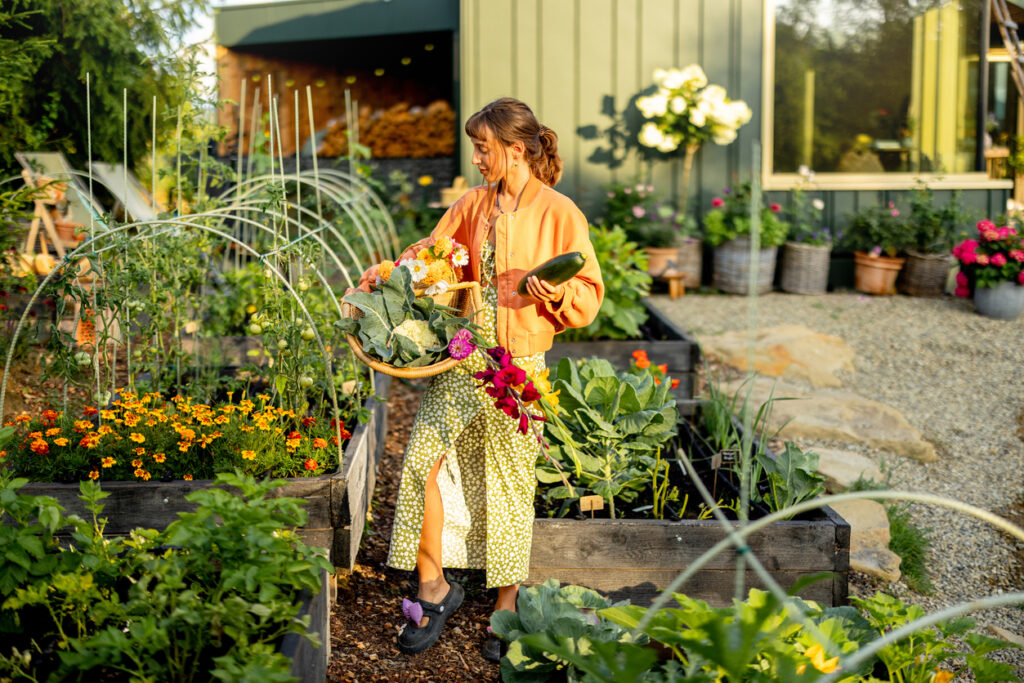
When you grow your own, you naturally eat what’s in season. You learn that courgettes arrive in glut-form in July, that winter leeks are worth the wait, and that spring onions are surprisingly hardy. It’s a subtle change, but it helps people realign with nature’s calendar. That kind of seasonal eating is good for the planet, easier on your wallet, and often more delicious too.
They reduce loneliness.
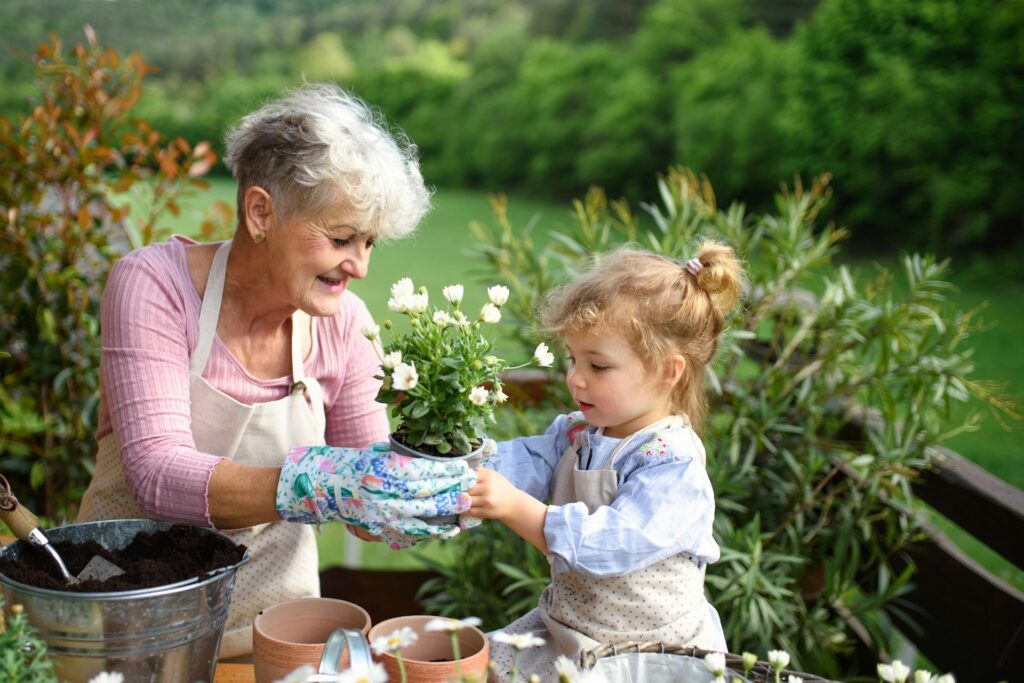
You don’t have to be chatty to feel connected in an allotment. Sometimes it’s just a nod to the person in the next row, a shared tip about aphids, or an occasional swap of cucumbers for beans. However, those small exchanges build something real. For people who live alone or feel isolated, a community allotment can provide human contact that’s easy, unforced, and rooted in shared interest.
They’re surprisingly good for kids.
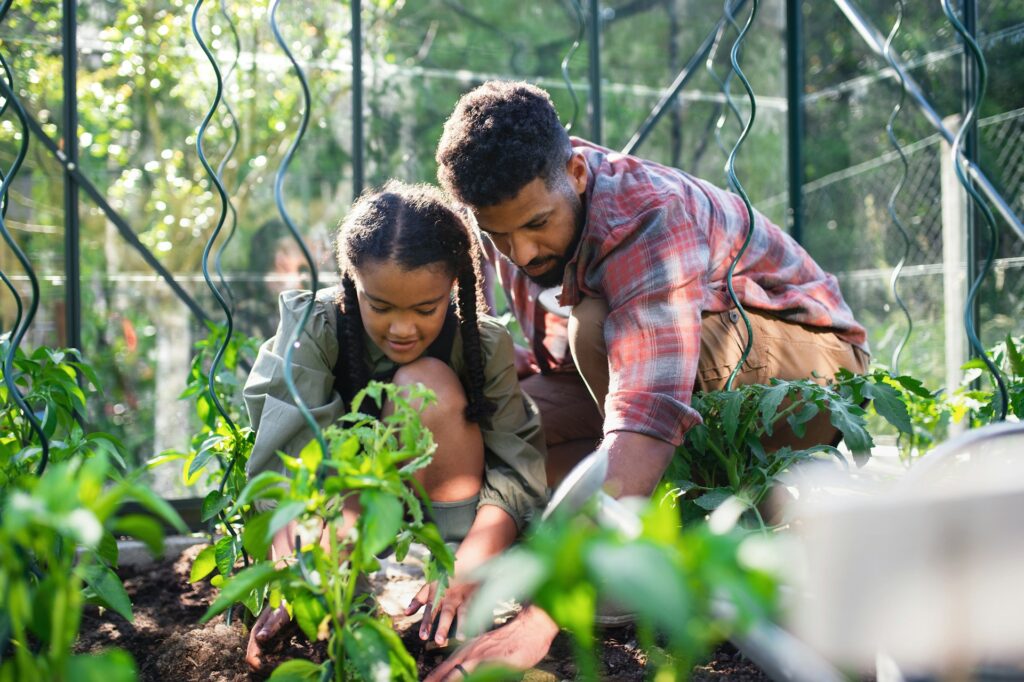
There’s something joyful about watching kids pull up potatoes like they’re finding treasure. Allotments teach patience, curiosity, and respect for nature in a way that screens never could. Plus, kids who grow food are more likely to eat it, even if it’s spinach. Getting their hands dirty builds healthy habits and memories that last far longer than another weekend indoors.
They cut down on food waste.
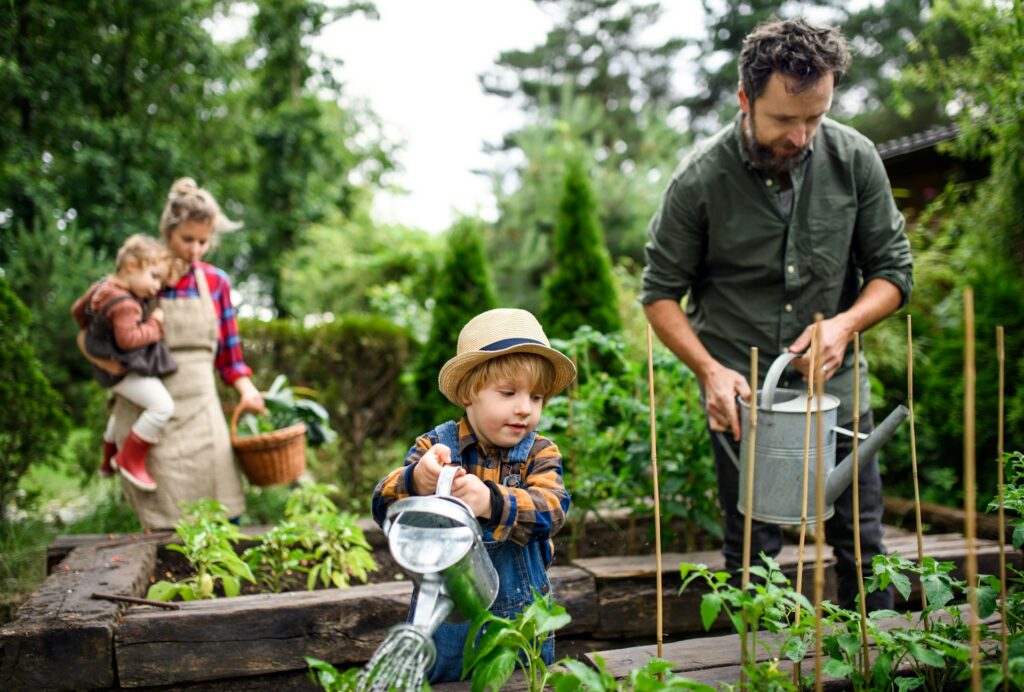
When you’ve spent months coaxing something into life, you’re a lot less likely to toss it because it’s slightly wilted. Allotment-grown food rarely ends up in the bin. Excess harvests often get shared with neighbours or donated to local schemes, too. It creates a loop of generosity that values food as something precious, not disposable.
They’re cheap therapy (in the best way).
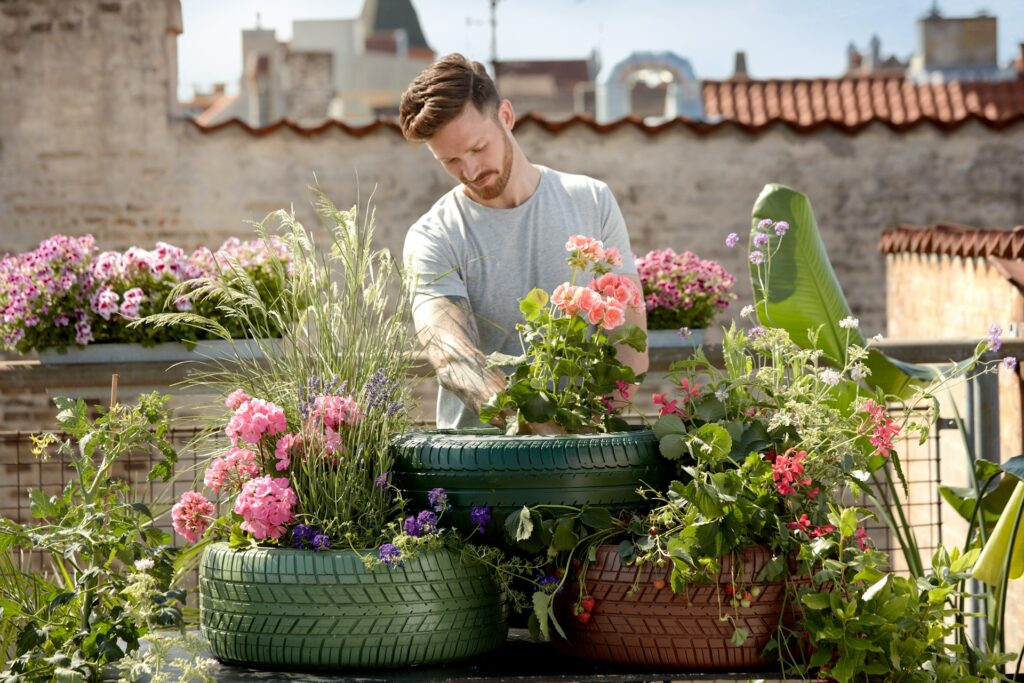
There’s something deeply calming about repetitive tasks like weeding or watering. It gives your brain space to process, reflect, or just zone out in a healthy way. It’s not a replacement for mental health care, of course—but as an everyday tool to help you feel more grounded, less overwhelmed, and generally more human, it’s pretty powerful.
They create pockets of wild in urban places.
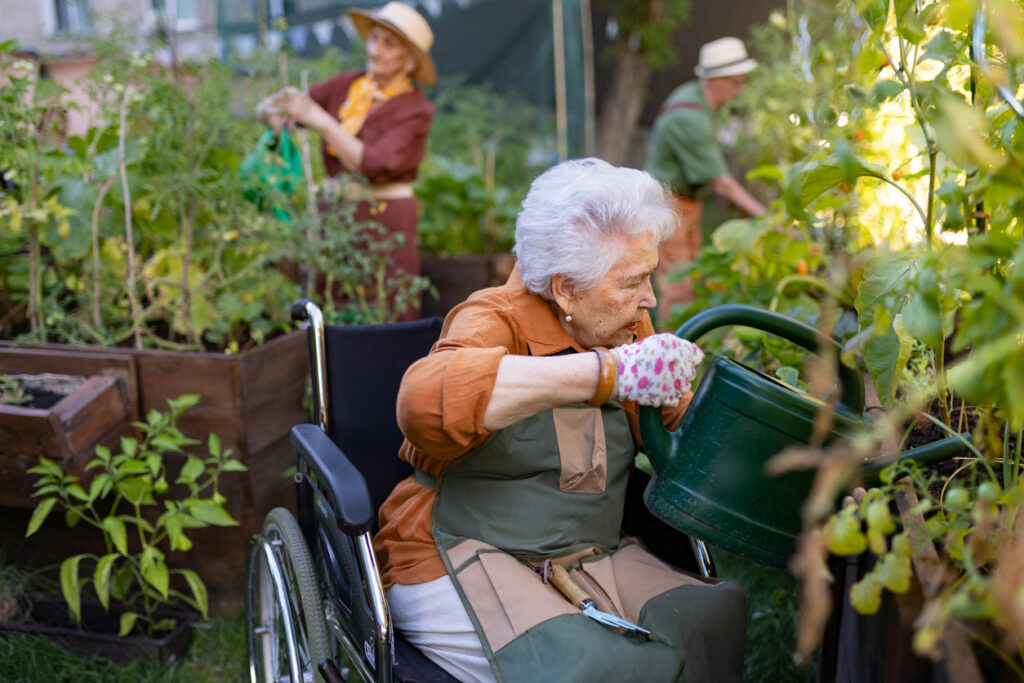
In towns and cities full of concrete and noise, allotments act like lungs—breathing colour, bees, and birdsong back into the landscape. They’re one of the few remaining spots where nature and neighbourhoods still blend. Even if you don’t have a plot, just walking past one can brighten your day. There’s something comforting about knowing these little wild corners still exist, quietly growing on the edges of city life.
They prove small-scale change really matters.
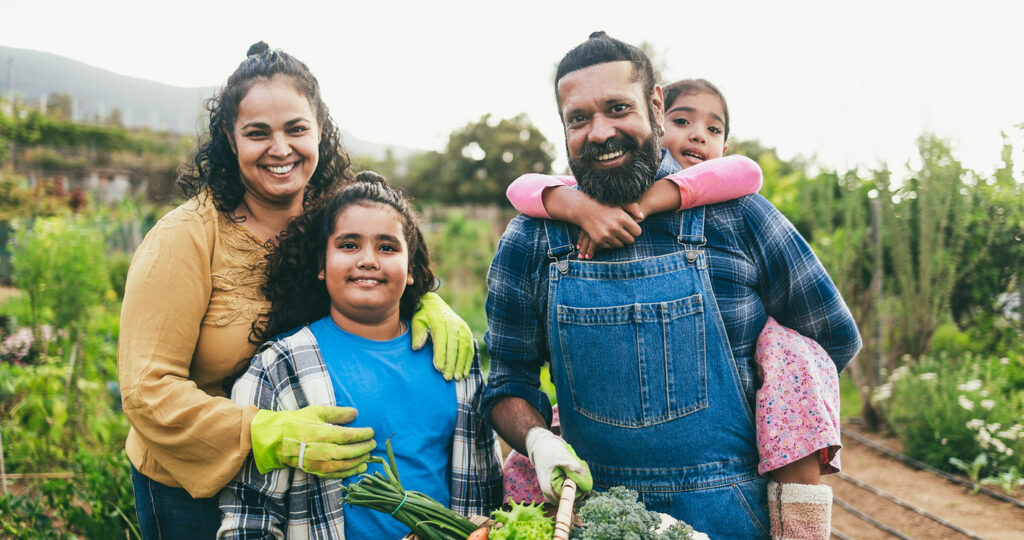
In a world full of overwhelming climate news, allotments remind us that local action counts. Growing your own herbs, chatting to a neighbour, planting a bee-friendly flower—it’s all part of something bigger. You don’t need a global initiative to make a difference. A patch of earth, a watering can, and a bit of community can do more good than we often realise.