
When people picture environmental crises, they think of melting ice caps or burning forests—but almost no one thinks about sand. And yet, we use more sand than almost any other resource on Earth apart from water. From glass to roads to the concrete in buildings, sand is everywhere, and we’re using it up far faster than nature can replace it. Here’s why the global sand shortage is a much bigger deal than it sounds.
Sand is in almost everything we build/
Every time you walk past a building, cross a road, or step inside your home, you’re surrounded by sand. It’s a major ingredient in concrete, glass, asphalt, bricks, and even computer chips. Without sand, modern life as we know it just wouldn’t work.
The problem is that this demand is constant and growing. With global urbanisation accelerating, we’re building more than ever before—new cities, new infrastructure, new housing. And that means the pressure on sand resources isn’t slowing down anytime soon.
Not all sand is usable.
It’s easy to assume there’s plenty of sand in the world—just look at the Sahara, right? But desert sand is too smooth and rounded to use in construction. It doesn’t bind well with cement, making it basically useless for building.
The type of sand we need—sharp-edged, weathered sand—is usually found on riverbeds, lakes, and coastlines. And unfortunately, that’s exactly the kind of sand we’re over-mining at an alarming rate, often without proper regulation or oversight.
Sand mining is wrecking ecosystems.
To meet demand, sand is being extracted from riverbanks, beaches, and seabeds, often illegally. This strips habitats, changes water flow, increases erosion, and destroys ecosystems that local communities depend on for survival. Removing sand disrupts everything from fish spawning grounds to farmland irrigation. In places like India and parts of Southeast Asia, unregulated sand mining has led to collapsing riverbanks and even deadly landslides.
Some beaches are disappearing for good.
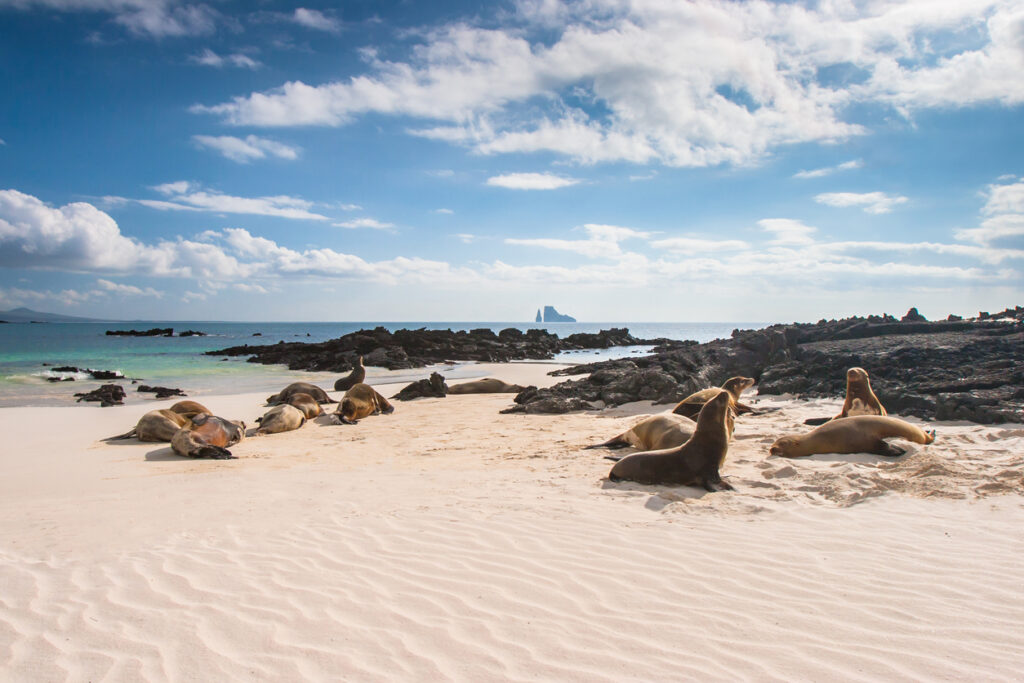
Many of the world’s most iconic beaches are slowly vanishing—not just because of climate change, but because their sand is being dredged up for construction. Once taken, that sand doesn’t naturally replenish itself very quickly. In some coastal areas, beach erosion has accelerated so much that entire tourist economies are under threat. Countries are spending millions on artificial beach nourishment just to keep up with the damage already done.
Sand mining often fuels crime.
In many regions, sand has become a valuable black-market commodity. Criminal gangs—sometimes called “sand mafias”—operate illegal sand mining rings that use violence, bribery, and intimidation to control access to this resource. Journalists and environmental activists investigating illegal sand mining have been threatened, attacked, and even killed. It’s a dark underworld that most people don’t associate with such a seemingly harmless material.
Rivers are literally being reshaped.
Removing sand from riverbeds changes the course of rivers over time. It alters how water flows, often making it deeper and faster, which can cause flooding, damage to nearby land, and loss of wildlife habitats. This also has serious knock-on effects for farming. As rivers change or dry up due to sand removal, irrigation systems break down and farmers struggle to grow crops. For many rural communities, it’s an immediate crisis.

It affects drinking water supplies.
Sand acts like a natural filter in river systems, helping keep water clean. When it’s removed, it can degrade water quality and even allow saltwater to creep into freshwater supplies, especially in coastal areas. In some regions, sand mining near rivers has led to drops in groundwater levels, causing wells to dry up. That creates another layer of risk for communities already dealing with water scarcity.
Urbanisation keeps pushing demand higher.
The global population keeps growing, and with it comes more cities, more roads, more high-rises. Every one of those requires sand, and lots of it. A single mile of motorway, for example, can require 38,000 tonnes of sand. With developing nations rapidly urbanising, the demand for sand is exploding in places like China, India, and parts of Africa. And while construction booms, the natural supply of usable sand isn’t keeping up.
Recycled alternatives are limited.
There are alternatives to using fresh sand—like recycled concrete, crushed rock, or even plastic-based building materials—but they’re not always practical, cheap, or widely available. So far, these substitutes only make up a tiny fraction of total use. Without better technology, incentives, or regulations, industries tend to stick with what’s easy and familiar. That means fresh sand continues to be the go-to resource, even when it’s clearly running low.
Climate change is making it worse.
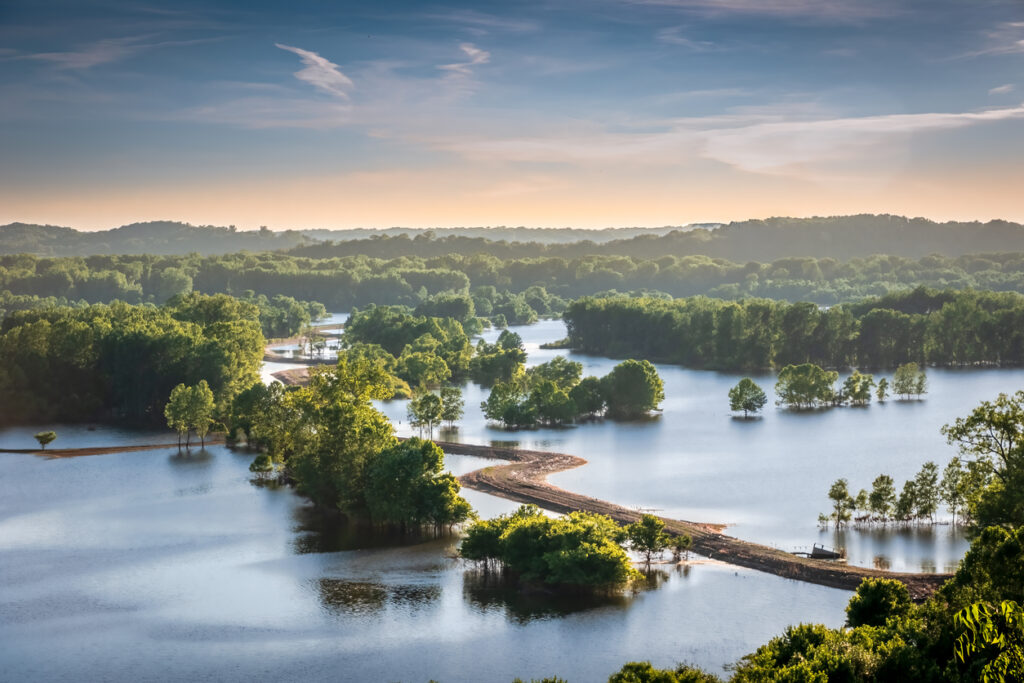
Rising sea levels and more intense storms are already eroding coastlines. But when you add sand mining to the mix, the effects multiply. Shorelines are retreating faster, and natural defences against storm surges are being stripped away. This makes low-lying communities more vulnerable to flooding and coastal collapse. It’s a vicious cycle: the more sand we take, the less protection we have against the very effects of climate change we’re trying to adapt to.
It’s mostly unregulated.
Unlike oil or timber, sand is barely regulated on a global scale. Many countries don’t track how much is being extracted, and laws around sand mining are patchy, vague, or not enforced at all. That lack of oversight makes it easy for companies or criminal groups to exploit the system. Without clear rules, it’s hard to protect the environment, or the people living near sand-rich areas.
We need a rethink—fast.
This isn’t a doom-and-gloom scenario that’s still decades away. The shortage is already happening. Experts warn that unless we rethink how we use, reuse, and regulate sand, we’re headed for serious trouble. That means smarter urban planning, better recycling of construction materials, and stronger global regulation. Because once we run out of the right kind of sand, we can’t just whip up more. Nature doesn’t work that fast.