Nature has its own way of starting over—and sometimes, the most powerful lessons come from destruction.
Volcanoes, ancient forests, and fungi might not seem connected, but each plays a surprising role in helping the planet grow back stronger. From building soil to restoring habitats, here’s what they reveal about how plants recover, adapt, and thrive after being pushed to the edge.
Volcanoes create fresh, fertile ground.
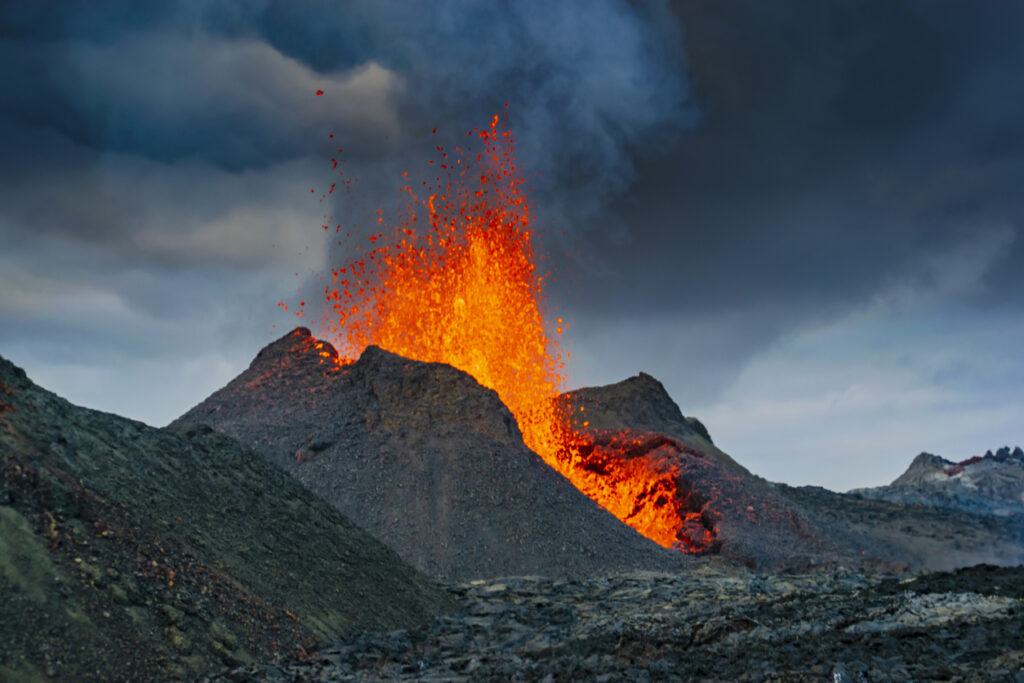
It sounds wild, but volcanic ash is packed with minerals that actually make soil incredibly fertile. After an eruption, the land might look scorched and lifeless, but beneath the surface, something powerful is beginning. Plants that take root in volcanic soil often grow faster and stronger thanks to the nutrients left behind.
Places like Mount St. Helens and Iceland prove this point. Within a few years of eruption, plants like lupins and mosses begin to recolonise the area. These hardy pioneers hold the soil in place, trap moisture, and kick-start the return of entire ecosystems.
Some seeds need fire to grow.
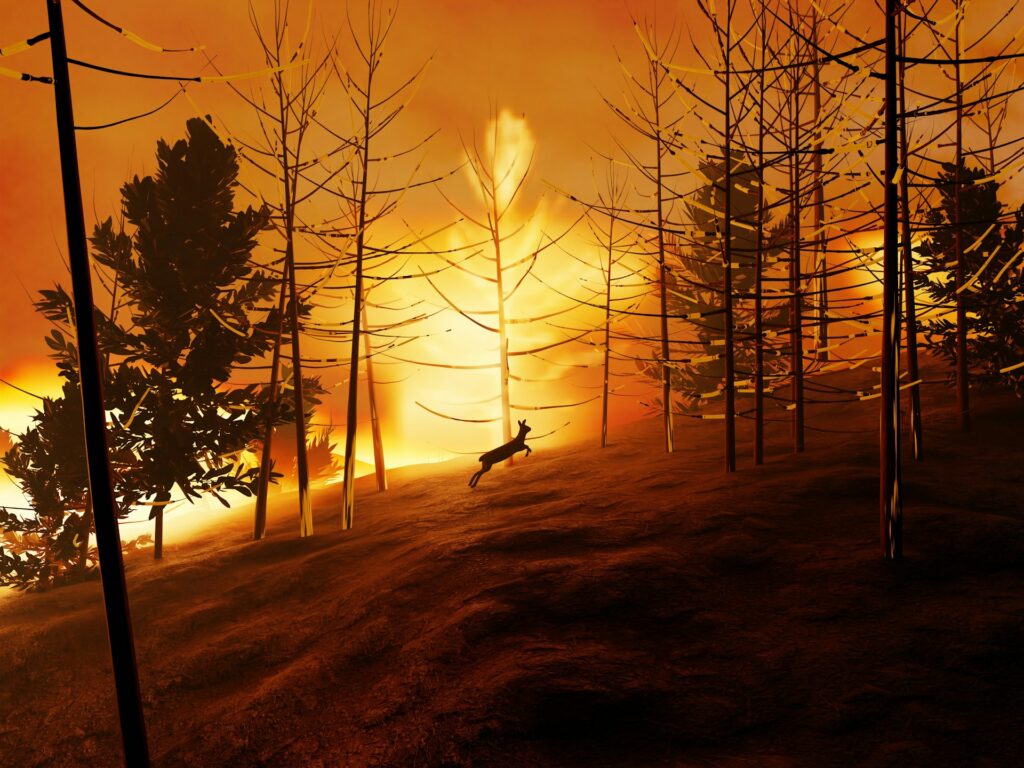
In places like Australia and California, certain native plants have adapted to rely on heat or smoke from wildfires to trigger germination. It’s a built-in survival trick: the fire clears out competing plants and activates seeds that have been lying dormant in the soil.
This kind of adaptation is a powerful reminder that even in destruction, renewal can be built in. Plants like Banksia and Lodgepole Pine actually use fire as a reset button, waiting for the perfect conditions to spring back stronger than before.
Forests regrow in layers.

When a forest is damaged—by storms, fire, or logging—it doesn’t bounce back all at once. Regeneration happens in stages: grasses and mosses come first, then shrubs, then fast-growing trees, and finally slow-growing canopy giants. Each layer helps prepare the way for the next.
This natural pacing shows that true restoration takes time and diversity. No single plant species can fix a forest. It takes a whole team effort, with every part playing a role in rebuilding the soil, shade, and shelter that makes long-term recovery possible.
Dead trees are anything but useless.
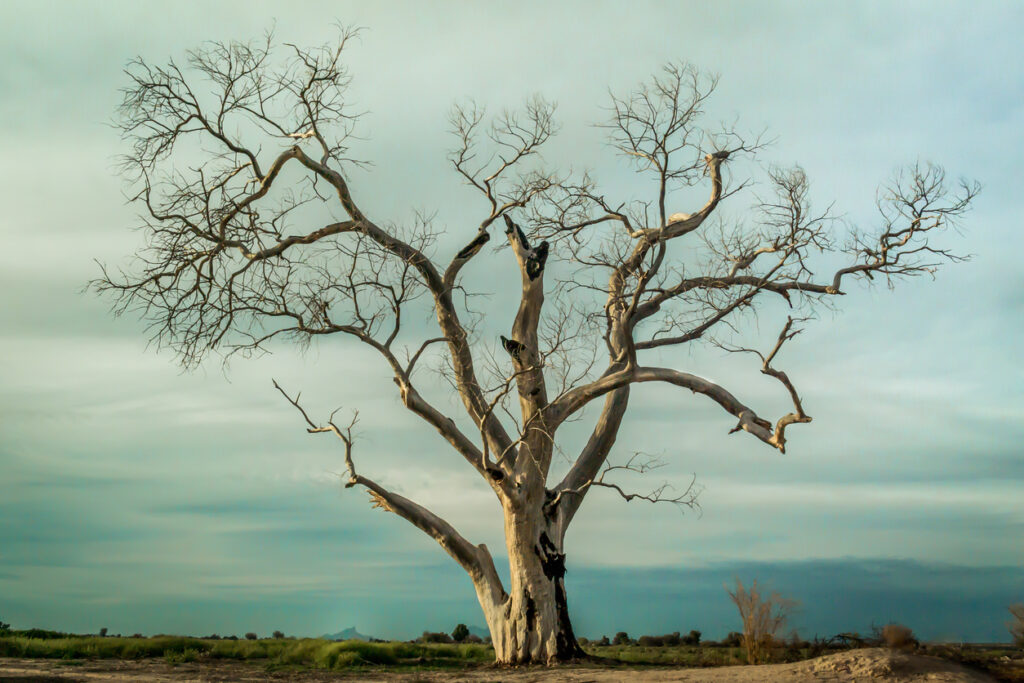
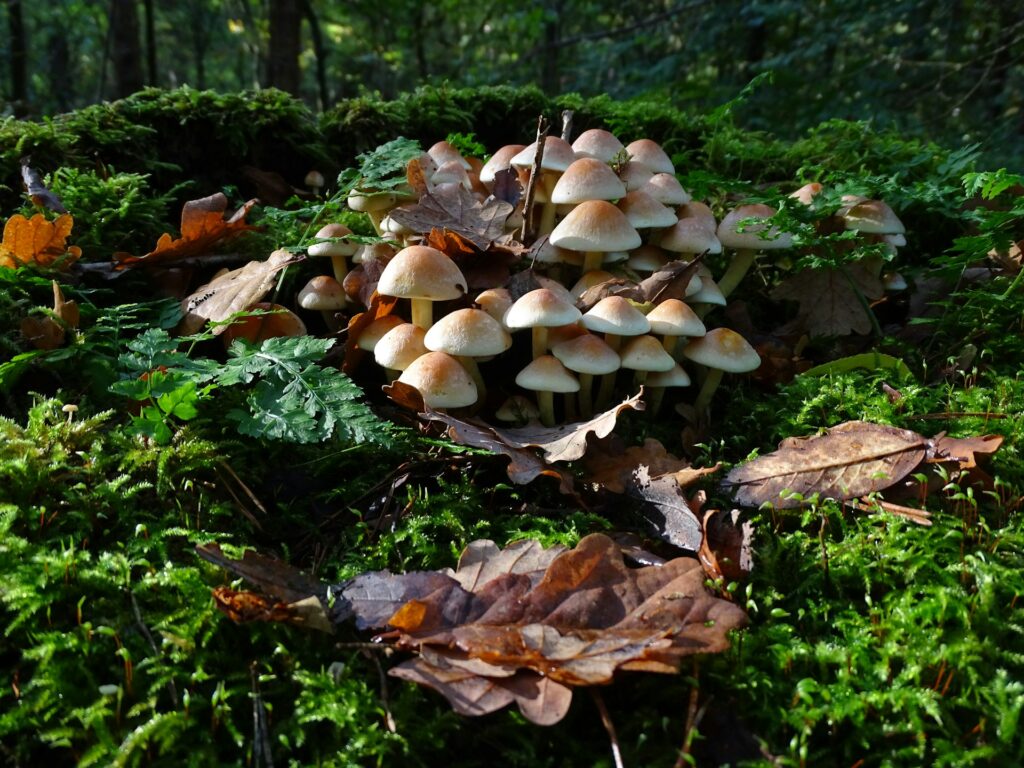
In managed landscapes, fallen trees are often removed for tidiness—but in wild ecosystems, they’re crucial for regeneration. Rotting logs provide a damp, shaded microhabitat where mosses, fungi, and seedlings thrive. These are known as “nurse logs.”
By holding moisture and releasing nutrients as they decompose, nurse logs act as nature’s version of raised beds. Young trees that start life on them often grow faster and are better protected from pests and harsh weather in their early stages.
Mycorrhizal fungi are the ultimate plant partners.
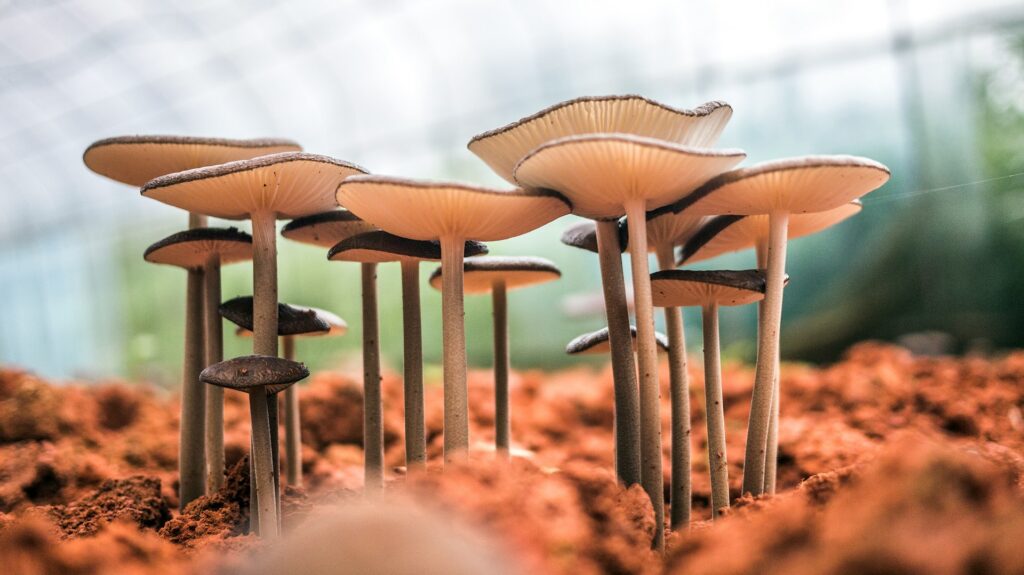
Fungi aren’t just weird things sprouting from damp logs—they’re one of the most important underground networks in nature. Mycorrhizal fungi form symbiotic relationships with plant roots, helping them absorb water and nutrients in exchange for sugars.
In recovering environments, this partnership can make or break whether young plants survive. These fungi improve root strength, boost drought resistance, and even pass chemical messages between plants. Think of them as the internet of the forest floor—quietly rebuilding ecosystems from below.
Moss starts where nothing else will.
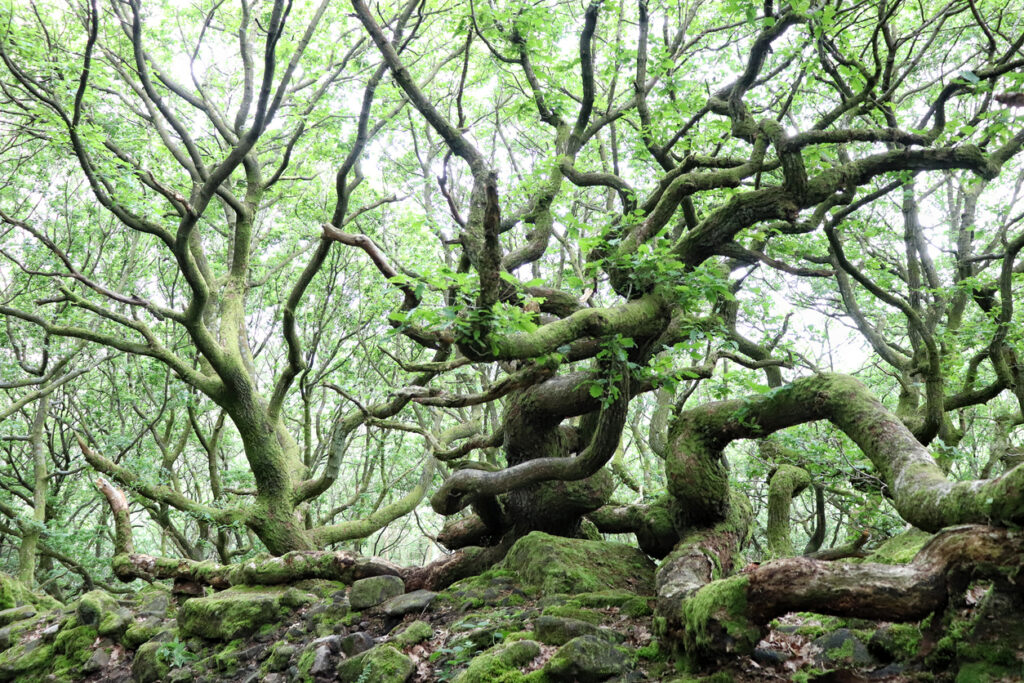
Moss is often overlooked, but it’s one of the first organisms to colonise bare or damaged soil. It doesn’t need deep roots or rich nutrients—it can grow on rocks, ash, or even tree bark. And once it’s there, it changes everything. By holding moisture and preventing erosion, moss makes it easier for other plants to take root later. It’s the green carpet that softens the ground, protects seeds, and makes hostile conditions just a little more forgiving for whatever grows next.
Ash can become habitat.
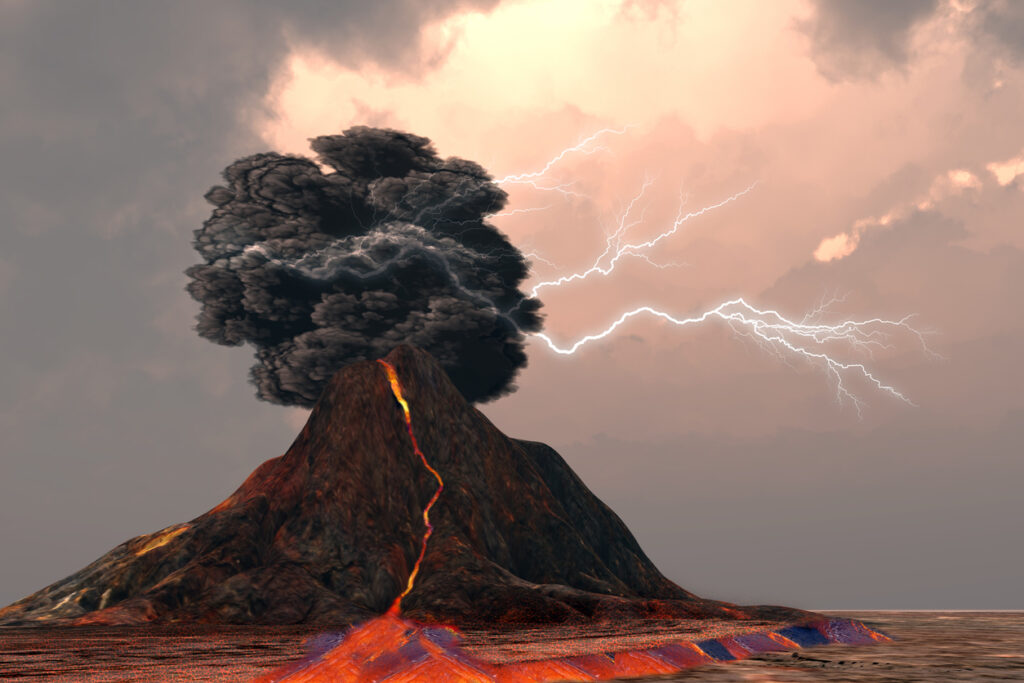
Volcanic ash and lava flows might seem like plant killers, but over time, they provide a surprisingly stable base for certain hardy species. Lichens, mosses, and ferns often move in first, cracking through the surface and slowly breaking it down into usable soil.
This is especially important in places where erosion is a risk. By stabilising volcanic ground early on, these first settlers help future plants take hold. What starts as lifeless rubble becomes the foundation for an entire ecosystem—just add time, rain, and a bit of patience.
Tree stumps can regrow if the roots are alive.
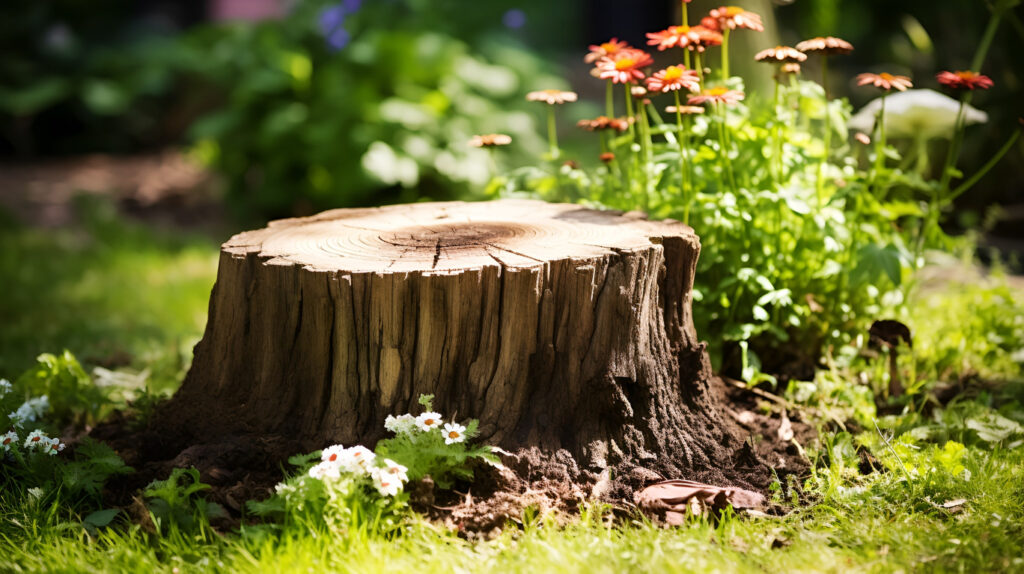
Even when a tree is cut down, it doesn’t always mean the end. Some species—like sweet chestnut, willow, or eucalyptus—can resprout from the stump if the root system is intact. This is called coppicing and it’s one of nature’s oldest regeneration hacks.
These shoots often grow faster than a new sapling would because the roots are already established. In fact, this technique has been used in sustainable woodland management for centuries—because the forest regenerates without needing to be replanted.
Soil rebuilds itself through community effort.
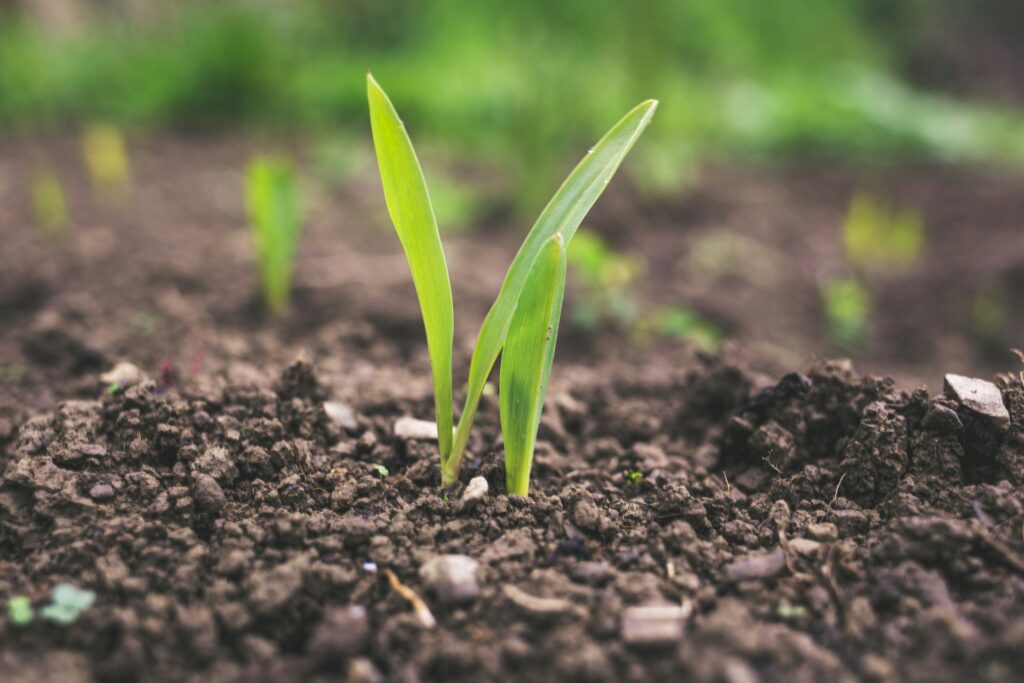
After a major disturbance, soil often becomes compacted, dry, or stripped of nutrients. However, plant roots, fungi, earthworms, and even microbes start working together to break it up, improve drainage, and restore the balance needed for life to return.
This isn’t a quick process, but it’s steady and collaborative. The more variety in plants and organisms involved, the faster and healthier the soil becomes. It’s a reminder that real regeneration happens below the surface first, before anything visibly grows.
Water plays a vital role in restoration.

After fire or volcanic eruption, rain might seem like a simple next step, but it’s absolutely essential. Rainwater helps leach toxins from the soil, spread spores and seeds, and create conditions where new life can take hold.
Some ecosystems rely on seasonal rains to kick-start the next stage of growth. Without that, even the hardiest plants can’t return. It’s yet another reminder that regeneration isn’t just about the land—it needs the whole system to work together, weather included.
Fungi recycle the wreckage.
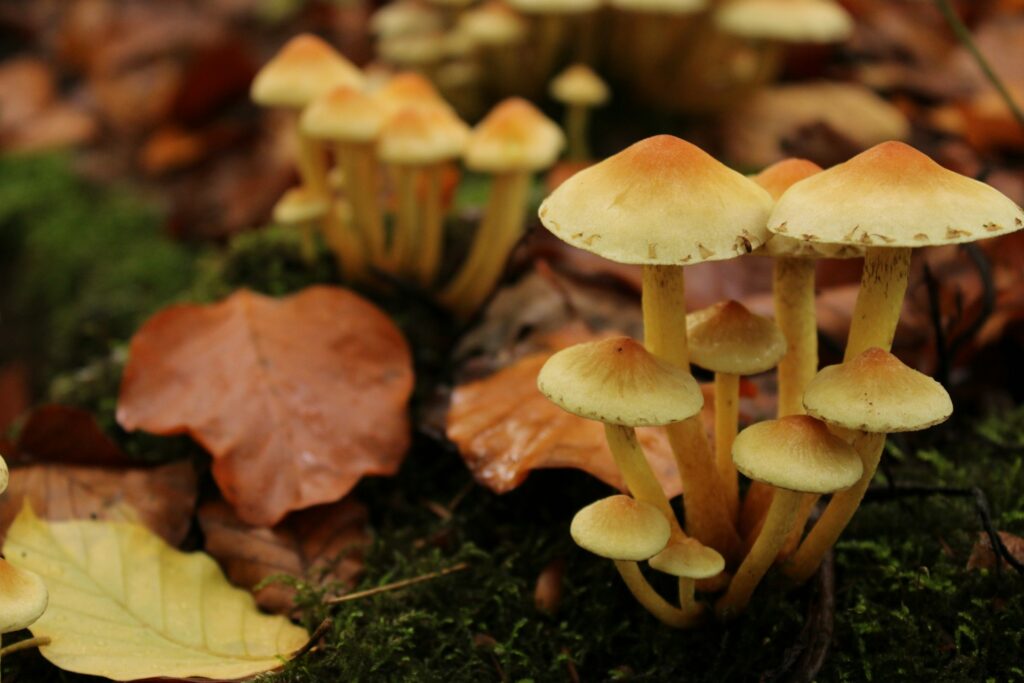
When plants die, fungi move in. They break down tough organic material—wood, bark, roots—and turn it into rich, nutrient-dense compost. Without them, damaged landscapes would stay clogged with debris instead of becoming fertile again.
This process can take months or years, depending on climate and conditions, but it’s essential. Fungi quietly turn yesterday’s wreckage into tomorrow’s topsoil, creating the base for everything that follows. They don’t just clean up the mess—they turn it into potential.
Regeneration starts smaller than you think.
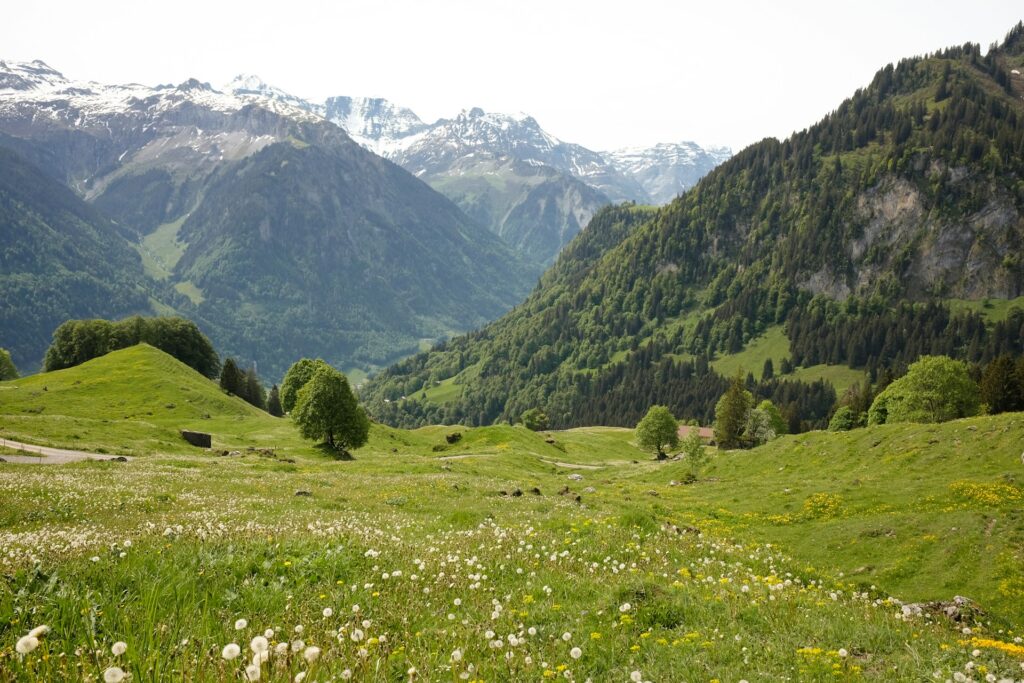
We often picture big trees or flowering meadows when we think of recovery, but most of the real work starts tiny. Spores, microbes, root hairs, and seedlings are the first to show up, often invisible to the untrained eye. These small agents of change reshape the ecosystem piece by piece. That’s why restoring plant life after disaster isn’t just about replanting. It’s about supporting the tiny systems that do the heavy lifting behind the scenes.
Nature always makes room for second chances.
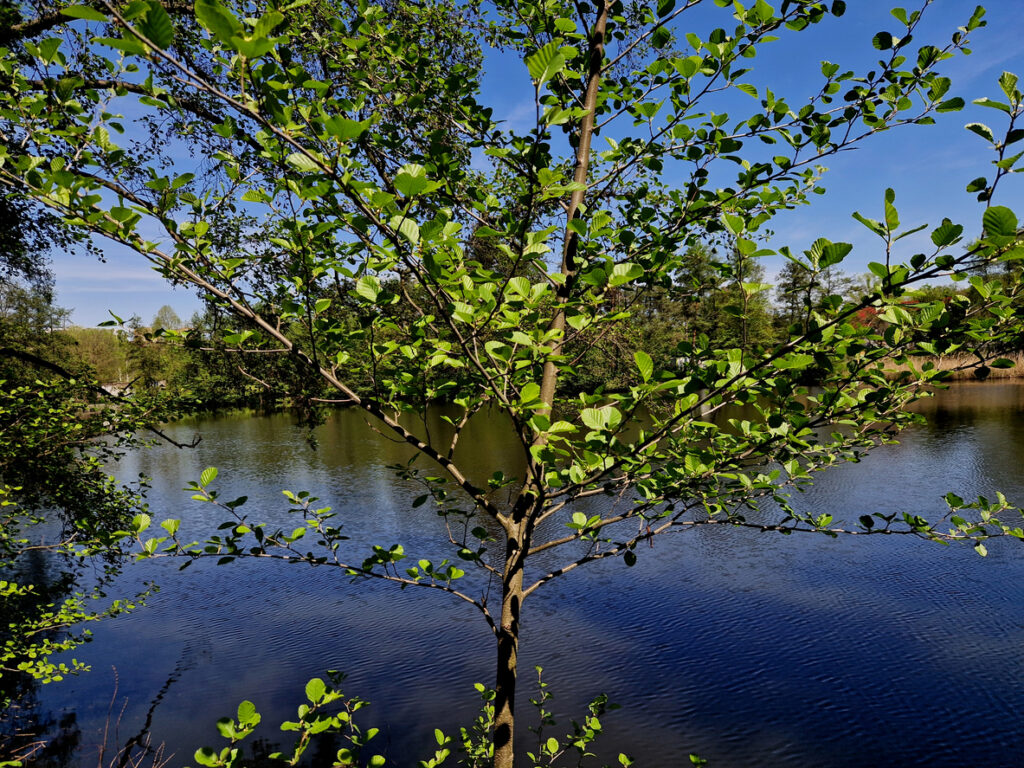
The most reassuring thing about natural regeneration? It doesn’t give up. Whether it’s a lava flow, a clear-cut forest, or a fire-scorched hillside, nature sends something back—slowly, quietly, and in ways we often miss at first glance.
It’s not instant, and it’s not always neat. But volcanoes, forests, and fungi all show us that life keeps trying. And when we understand how these systems work together, we can better support the kind of regeneration that makes the planet stronger than it was before.