Nature’s full of illusionists, and they’re not all hiding in plain sight by accident. Across the animal kingdom, creatures have evolved remarkable ways to stay alive by blending in, standing out, or pretending to be something they’re not. From butterflies that mimic poisonous species to fish that flash confusing colours when threatened, survival often depends on trickery.
These clever adaptations go far beyond camouflage. Animals use colour, shape, and pattern like artists, deceiving predators, confusing prey, and sometimes even luring danger closer just to turn the tables. Here’s how nature’s best shapeshifters use visual deception to stay one step ahead.
Warning colours that scream don’t eat me
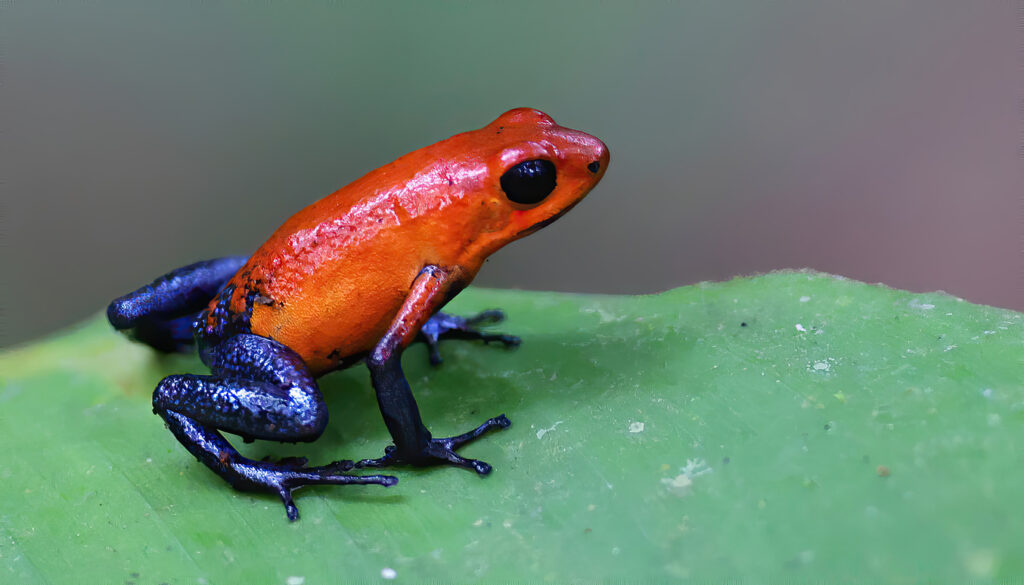
Bright reds, yellows, and oranges on animals usually mean they’re toxic or taste absolutely disgusting. Predators learn pretty quickly that those flashy colours equal a bad time, so they avoid anything sporting that look.
It’s basically advertising that you’re not worth the effort. Poison dart frogs and monarch butterflies rock these colours because once a predator gets sick from eating one, they remember and leave the rest alone.
Mimicking dangerous animals when you’re harmless
Some totally harmless creatures have evolved to look almost identical to dangerous ones. Harmless snakes copy the patterns of venomous ones, and certain flies look enough like wasps that predators give them a wide berth.
It’s freeloading off someone else’s bad reputation. They get all the protection without actually being dangerous, which works brilliantly as long as predators can’t tell the difference quickly enough.
Eye spots that confuse which end is which
Loads of butterflies and fish have fake eyes on their wings or tails that make predators attack the wrong end. When something lunges for what it thinks is the head, the actual animal escapes with maybe a torn wing but still alive.
Some species even have eye spots bigger and scarier looking than their real eyes. It startles predators or makes them think they’re facing something much larger and more dangerous than reality.
Disruptive patterns that break up body shapes
Stripes, patches, and contrasting colours make it hard for predators to see where one animal ends and another begins. Zebra stripes aren’t about blending into grass, they’re about making it confusing when you’re in a moving herd.
The pattern breaks up the outline so predators struggle to pick out individuals or judge distance and speed accurately. It’s visual noise that makes targeting specific prey way harder than it should be.
Counter-shading that flattens appearance
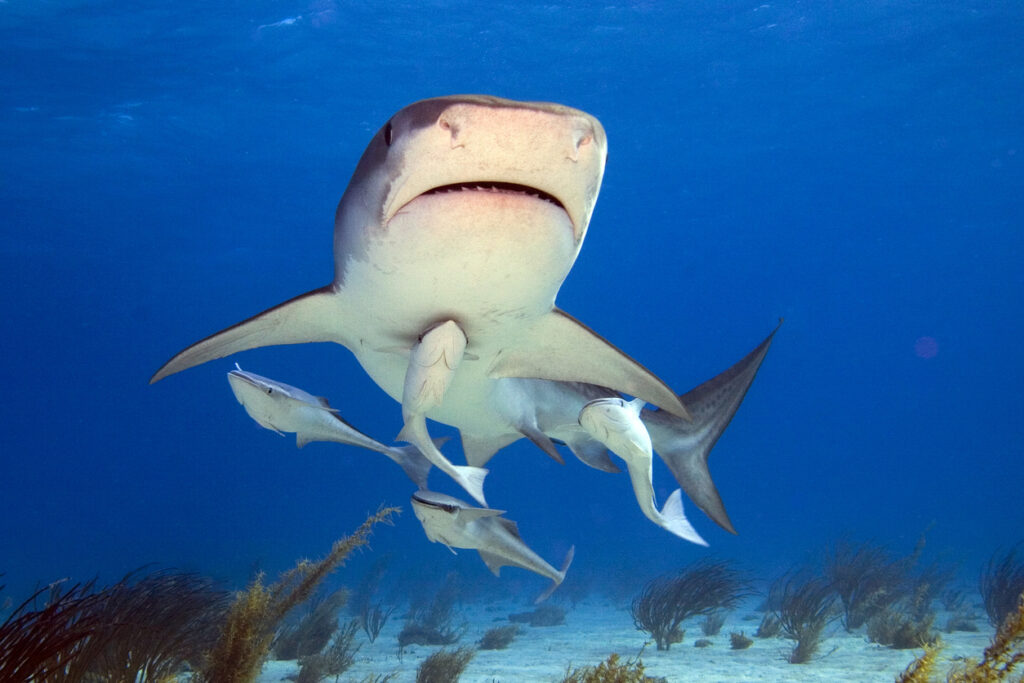
Dark on top and light underneath is incredibly common because it counteracts shadows and makes animals look flat instead of three dimensional. Sharks, penguins, and loads of other species use this trick.
From above they blend with dark water or ground, from below they blend with bright sky or surface. It’s simple but ridiculously effective at making something solid look like it’s not really there.
Camouflage that matches the background perfectly
Some animals are so good at blending in they basically disappear against their environment. Leaf insects look exactly like leaves, stick insects are twigs, and certain moths are dead ringers for tree bark.
It’s not just colour matching, it’s texture and shape too. They’ve evolved to mimic their surroundings so precisely that even when you know they’re there, your eyes slide right past them.
Changing colours to match different backgrounds
Chameleons and octopuses can change their colours and patterns in seconds to blend with whatever they’re sitting on. It’s like having a live camouflage system that adjusts in real time.
The speed is what makes it so effective. They’re not stuck with one pattern, they can adapt to different situations instantly, making them incredibly hard to spot no matter where they go.
Looking bigger and scarier than you are
Frilled lizards pop out massive neck frills, puffer fish inflate to several times their size, and some caterpillars have markings that make them look like snake heads. It’s all bluff but it works.
Predators don’t want a fight with something that might hurt them, so anything that looks unexpectedly large or dangerous makes them reconsider. Even if it’s all show, that moment of hesitation is often enough to escape.
Flash colours that startle and confuse
Some animals hide bright colours until a predator gets close, then suddenly flash them while jumping or flying away. The unexpected burst of colour creates a moment of confusion that gives them time to vanish.
Once they land and hide the colours again, the predator’s looking for something bright that’s suddenly disappeared. It’s like a magic trick that resets the predator’s search and buys escape time.
Transparent bodies that are nearly invisible
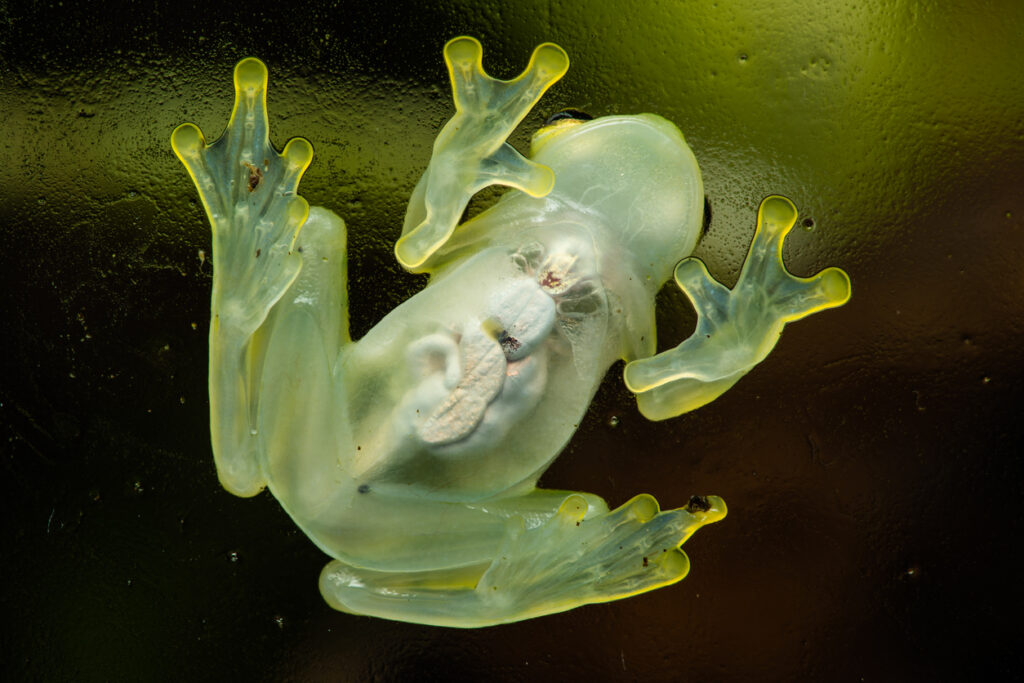
Loads of ocean creatures are basically see through, making them almost impossible to spot in water. Glass frogs, jellyfish, and certain shrimp are so transparent you can see right through them to their insides.
Being invisible is the ultimate defence because predators can’t attack what they can’t see. In water especially, transparency is incredibly effective since there’s no solid background to stand out against.
Looking like inedible objects
Some caterpillars look like bird droppings, certain insects resemble thorns or seeds, and some fish look like floating debris. Predators ignore them completely because who wants to eat what looks like rubbish or a random plant bit.
It’s camouflage but with a twist, instead of just hiding they’re actively disguising themselves as something completely uninteresting. Predators are scanning for food shaped things, not random environmental junk.
Group patterns that overwhelm predators
Schools of fish and flocks of birds create moving patterns that confuse predators trying to focus on one individual. The constant change mass of bodies and patterns makes it nearly impossible to track and catch a single target.
It’s safety in confusing numbers. Predators need to isolate prey to catch it effectively, but when everything’s moving in synchronized chaos, their targeting systems basically short circuit and they often give up.