British flats and terraced houses are notorious for being short on space, but you don’t need a big garden or a balcony full of soil to enjoy the calm, fresh feel of greenery. With the right setup, your home can become its own little ecosystem—one that cleans the air, makes you happier, and brings life into even the smallest corners. Wherever you live, there are endless ways to grow things indoors that don’t require much space or effort. The trick is to work with what you have, which is light, warmth, and creativity, rather than trying to force a full garden indoors.
Here’s how to fill your space with thriving plants that make your home feel more alive.
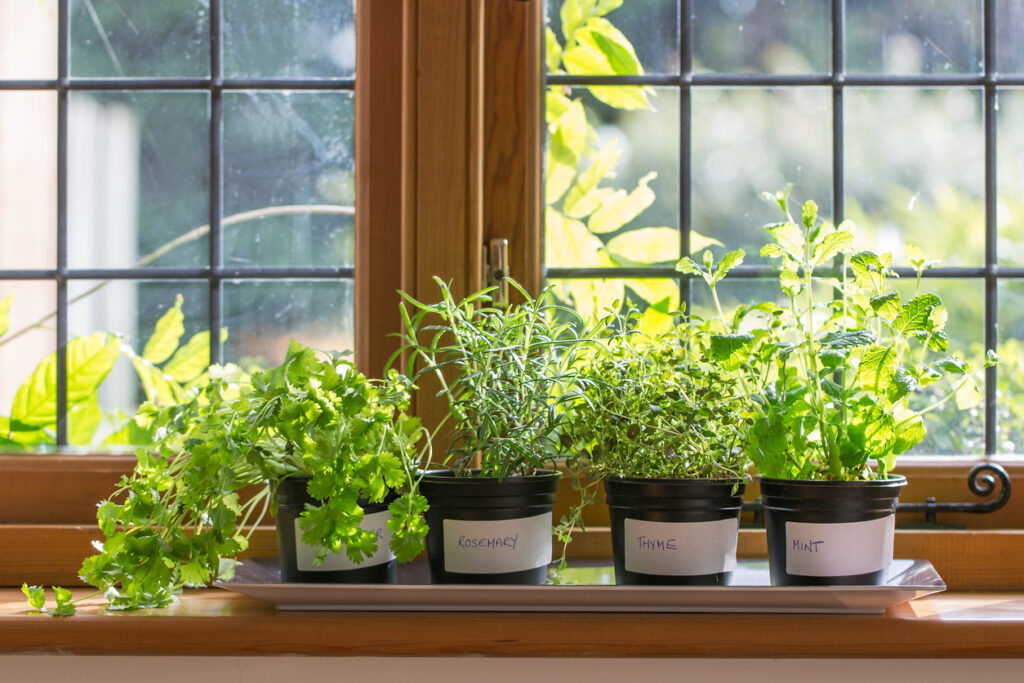
Use windowsills for herbs.
A sunny windowsill is one of the easiest places to start. With enough light, herbs like basil, parsley, mint, or chives grow happily in small pots, giving you greenery that’s both decorative and useful.
Rotate them every few days so they grow evenly and don’t lean towards the light. Keeping herbs close to the kitchen makes them easy to snip for cooking, and there’s something satisfying about grabbing a handful of home-grown basil while you make dinner. It’s small, simple, and genuinely changes the feel of a space.
Try hanging planters.
If floor space is limited, or you’re tired of juggling plants on every shelf, hanging planters are your best friend. They make use of vertical space while adding texture and movement to a room.
Trailing plants like ivy, string of pearls, or spider plants look especially good as they drape gracefully downwards. Hanging them near windows or in corners with bright, indirect light turns an empty spot into something lively and stylish. The best part? It instantly makes your home feel more layered and intentional, without cluttering your surfaces.
Grow microgreens on trays.
Microgreens are small but mighty. These baby greens pack serious nutrients and grow in as little as ten days. All you need is a shallow tray, a bit of soil, and seeds like radish, pea shoots, or sunflower.
They’re ideal for small spaces because they don’t need much depth or constant attention. Keep them on a bright windowsill, mist them lightly, and you’ll have a continuous supply of fresh greens to sprinkle over salads and sandwiches. It’s a perfect low-commitment way to enjoy growing your own food.
Use mason jars for cuttings.
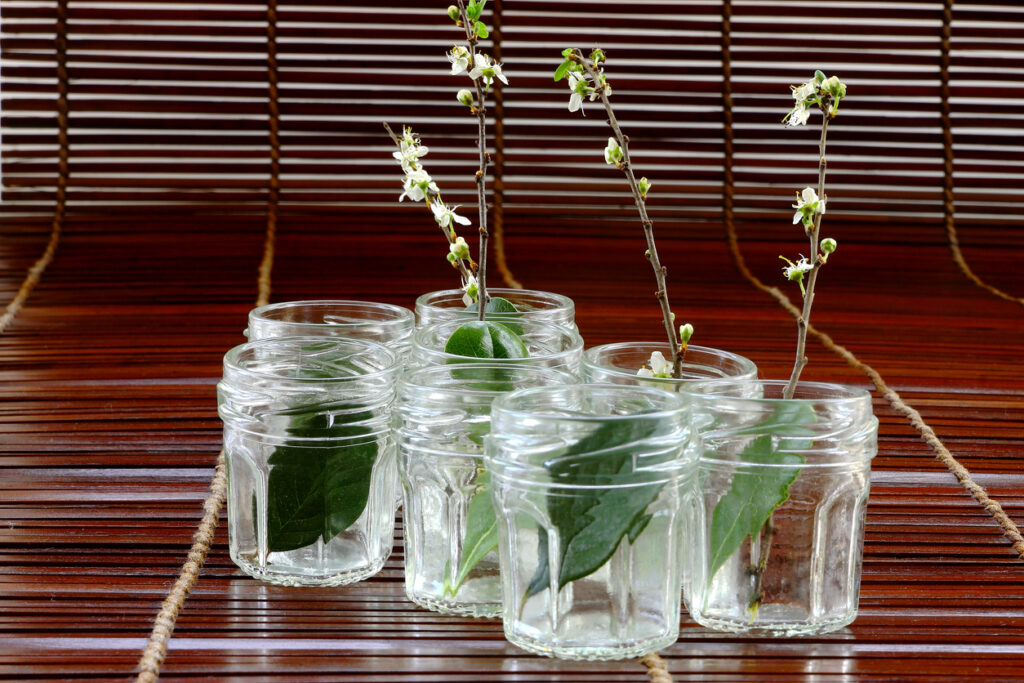
Some plants root beautifully in water, and mason jars are perfect for this. Pothos, philodendrons, and monsteras are great starting points. Just cut below a leaf node, pop the stem in water, and watch roots form over the next few weeks.
The process is oddly soothing, and it looks lovely, too. Line a few jars along a windowsill, and you’ll have both a decorative display and a propagation station. Once roots are strong enough, move them to soil or keep them in water permanently for a minimalist, low-maintenance vibe.
Create a vertical wall garden.
Vertical planters are a clever way to fit more greenery into small spaces. You can use a wall-mounted system, floating shelves, or even a sturdy ladder shelf to grow herbs, succulents, or small flowering plants.
They’re brilliant for people who love the idea of a lush garden but don’t have the floor space. A wall garden doubles as decor, turning a blank area into a living feature. It’s practical too; watering is easier, plants get more light exposure, and the whole setup feels like a mini urban jungle.
Repurpose kitchen containers.
Before buying fancy pots, check your cupboards. Old teapots, mugs, tins, and bowls can all make unique planters with a little imagination. Just add drainage holes if possible or layer stones at the bottom to prevent soggy roots.
Upcycling containers makes your plant collection personal because every pot tells a little story. It’s also an easy way to be sustainable while keeping costs down. A mismatched collection of containers looks charming and gives your indoor garden real character.
Use self-watering pots.
If you tend to forget to water your plants, self-watering pots are a game changer. They hold a small water reservoir underneath, allowing plants to draw moisture as they need it.
They’re particularly useful for plants that like consistent moisture, like peace lilies or ferns. You’ll water less often, reduce stress on the roots, and still enjoy thriving, healthy greenery. They take the guesswork out of plant care, which is ideal if you’re juggling a busy schedule.
Grow plants under LED grow lights.
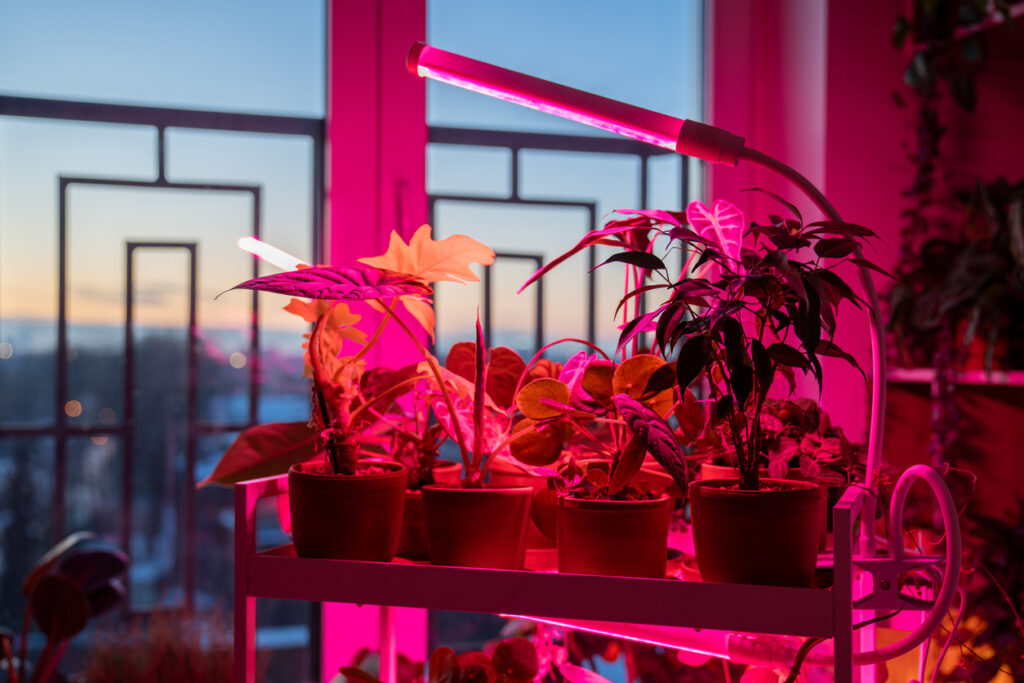
Not every home is blessed with good sunlight, especially during the darker months. LED grow lights make it possible to grow plants anywhere, from a windowless corner to a dim hallway shelf.
These lights mimic the full spectrum of sunlight, encouraging healthy growth without overheating the room. They’re energy-efficient, safe for long use, and can transform a dull space into a mini oasis. Once you’ve seen how much happier your plants look under them, you’ll never underestimate the power of proper lighting again.
Build a mini terrarium.
Terrariums are like tiny worlds in glass. They’re perfect for moss, air plants, and succulents that thrive in contained environments. Once set up, they recycle their own moisture, so they need very little maintenance.
You can use a glass jar, bowl, or even an old fish tank. Add a base of stones for drainage, a thin layer of charcoal to keep things fresh, then soil and your chosen plants. It’s an easy, creative way to bring greenery to desks or shelves, and it always becomes a conversation piece.
Choose plants that thrive indoors.
Success starts with picking the right species. Some plants simply cope better indoors, like pothos, snake plants, peace lilies, and ZZ plants. They tolerate low light, inconsistent watering, and the occasional bit of neglect without complaint.
Choosing resilient plants sets you up to win. You’ll spend less time troubleshooting and more time actually enjoying them. Once you build confidence, you can experiment with more demanding varieties.
Grow food from scraps.
You’d be surprised how much you can regrow from leftovers. Pop spring onion roots in a jar of water, and they’ll sprout in days. The same works for lettuce, celery, or even herbs like coriander.
It’s sustainable, satisfying, and fun to watch the process unfold. Once they’ve grown a little, replant them in soil to keep them going longer. It’s an easy entry point into home growing, and it makes you think twice before throwing anything out.
Keep humidity in mind.
Indoor heating and air conditioning can dry out the air, which many plants struggle with. Grouping plants together helps create a humid microclimate. You can also mist leaves occasionally or use a small humidifier nearby.
Humidity-loving plants like ferns, calatheas, and orchids will thank you for it. You’ll notice glossier leaves, fewer brown tips, and more vibrant growth. It’s a small detail that can make a huge difference in keeping your indoor greenery lush instead of limp.