It’s easy to walk into a garden centre and come out convinced you need half the tool aisle to keep your plants alive.
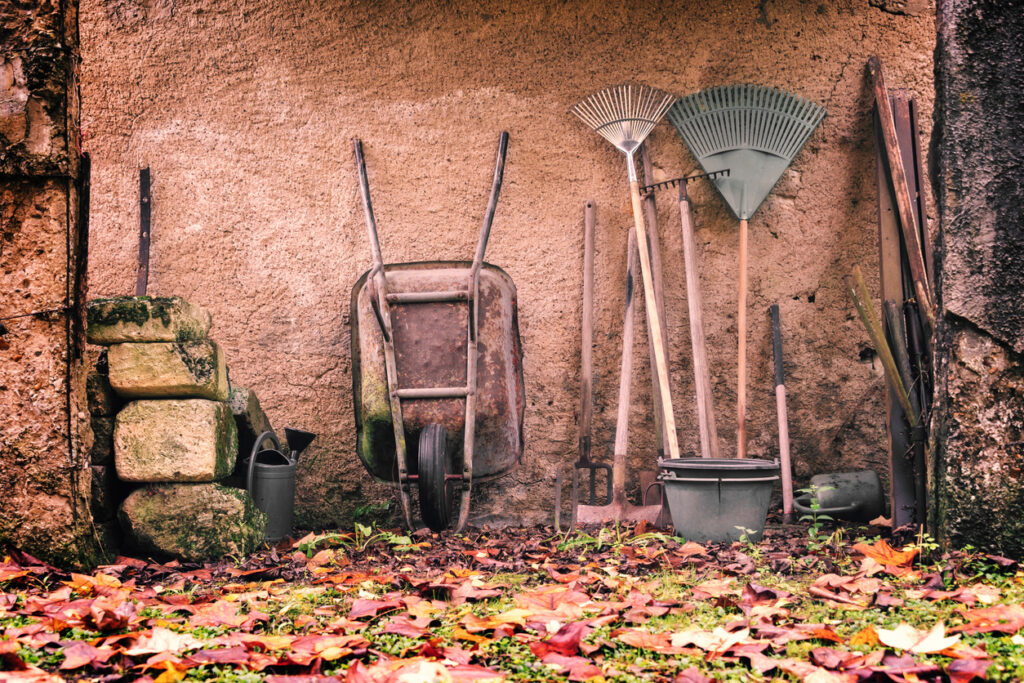
However, the truth is, most home gardeners only need a few solid essentials, and a lot of the rest just takes up space. Whether you’re new to gardening or tired of clutter, here’s a breakdown of the tools that are genuinely worth having and the ones that usually gather dust.
1. Actually need: a good hand trowel
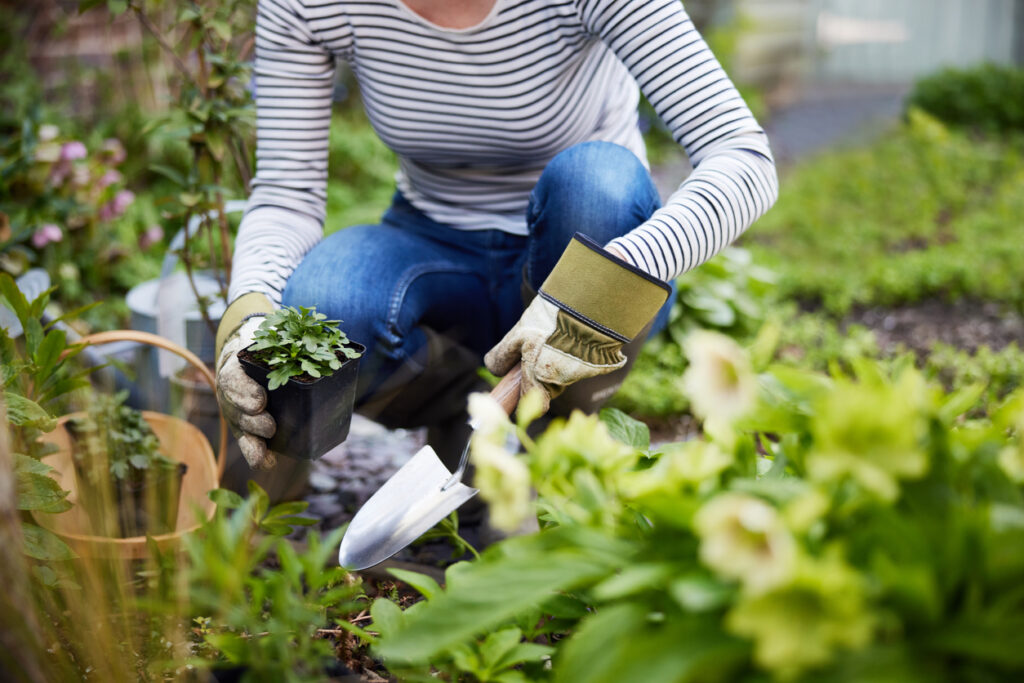
This is the workhorse of the garden. A sturdy hand trowel makes digging, planting, weeding, and scooping compost easy and efficient. Choose one with a comfortable grip and a strong, rust-resistant blade—it’ll serve you well for years. Don’t be tempted by multipacks full of novelty-sized versions. One solid, dependable trowel is worth far more than five flimsy ones that bend at the first sign of compacted soil.
2. Only think you need: plant labels for everything
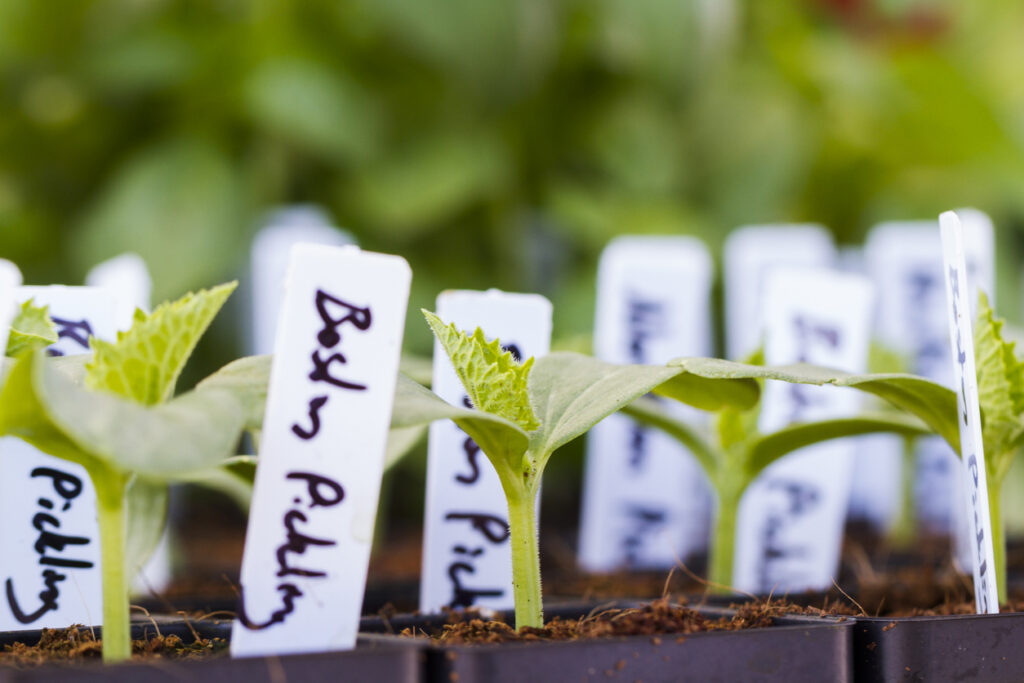
While labels can be helpful for seeds or unfamiliar varieties, most people end up with a graveyard of faded plastic tags that don’t really add anything long-term. They’re especially pointless if you’re growing a few basic plants you’ll quickly recognise. Unless you’re managing a big vegetable plot or propagating lots of similar seedlings, plant labels are usually more faff than function. A notebook or phone photo log can do the job just as well—without cluttering your beds.
3. Actually need: secateurs (aka pruning shears)
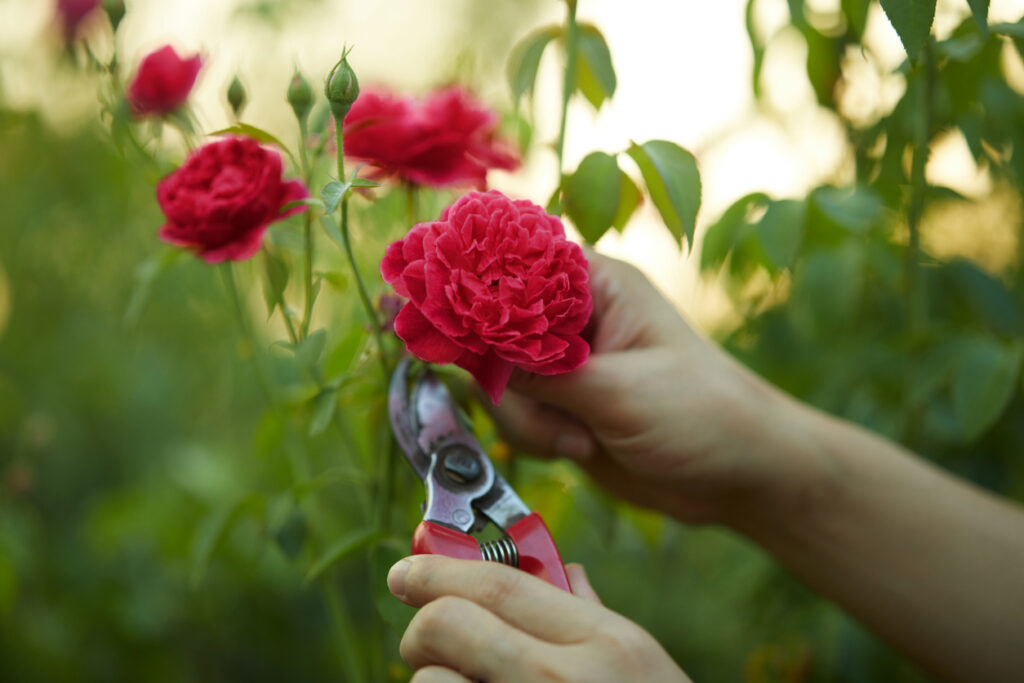
Whether you’re deadheading roses or trimming back woody herbs, a good pair of secateurs is non-negotiable. They keep your plants healthy and your garden looking neat with minimal effort. Look for bypass secateurs with a clean, sharp cut, and avoid anything with gimmicky handles or oversized safety locks. You’ll use them constantly, so it’s worth investing in a pair that feels right in your hand.
4. Only think you need: garden scissors
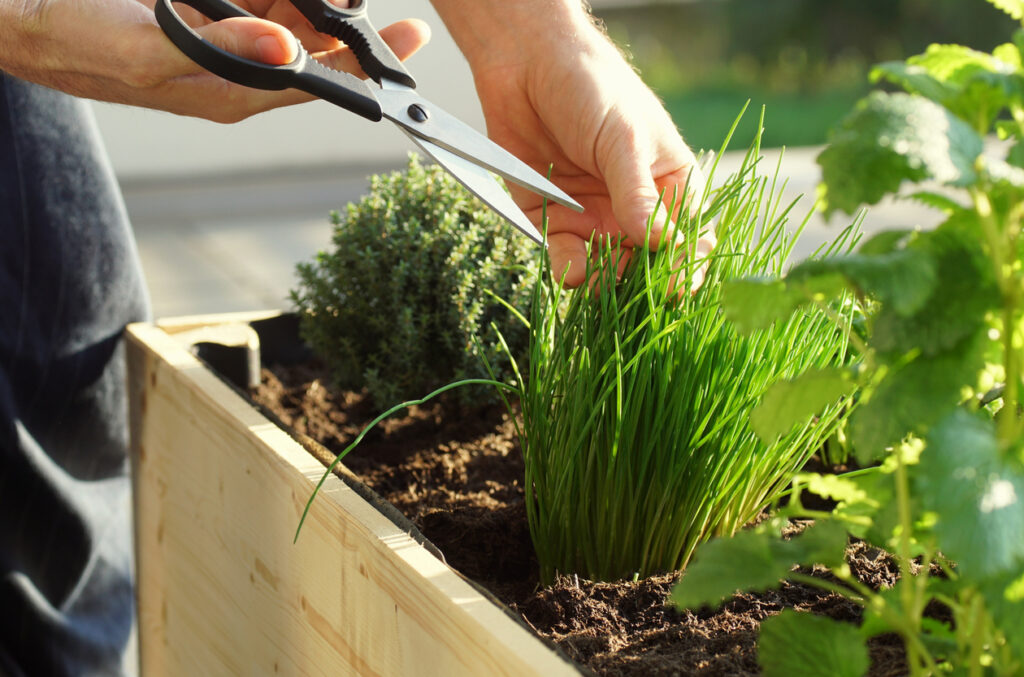
They look cute, sure, but if you already have secateurs and a decent pair of household scissors, these usually don’t offer anything new. They often struggle with thicker stems and quickly go blunt on tougher material. Unless you’re a floral enthusiast regularly cutting delicate stems for arrangements, garden scissors are more decorative than necessary. Most casual gardeners won’t miss them at all.
5. Actually need: a weeding tool

If you’re dealing with dandelions, bindweed or anything deep-rooted, a proper weeding tool can save your wrists and your patience. There are long-handled and hand-held versions depending on how much bending you want to do. They help you get right to the root without disturbing surrounding plants. Just make sure it’s a strong one—cheap ones often bend or snap the first time they meet clay soil or an older root system.
6. Only think you need: a soil pH tester
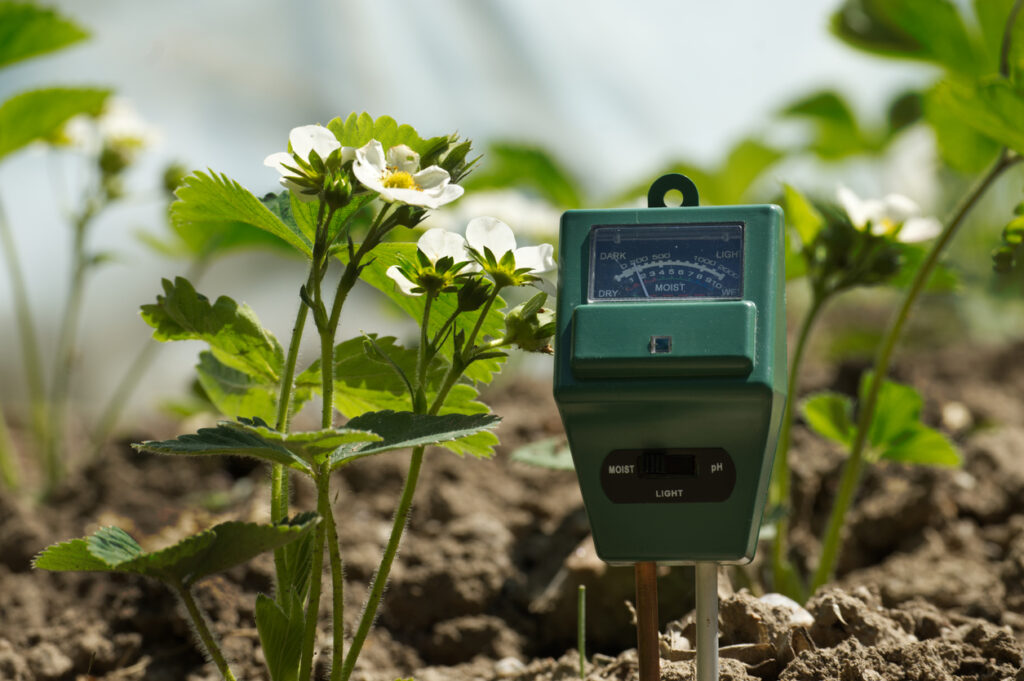
These often promise to be scientific and helpful, but unless you’re planting something truly fussy, like blueberries or rhododendrons, most gardeners don’t need to obsess over pH levels. Many testers are also wildly inaccurate. A rough idea of whether your soil is acidic or alkaline can be gathered just by knowing your postcode and soil type. Save your money and trust your plants to tell you if something’s off—they usually do.
7. Actually need: a watering can with a rose
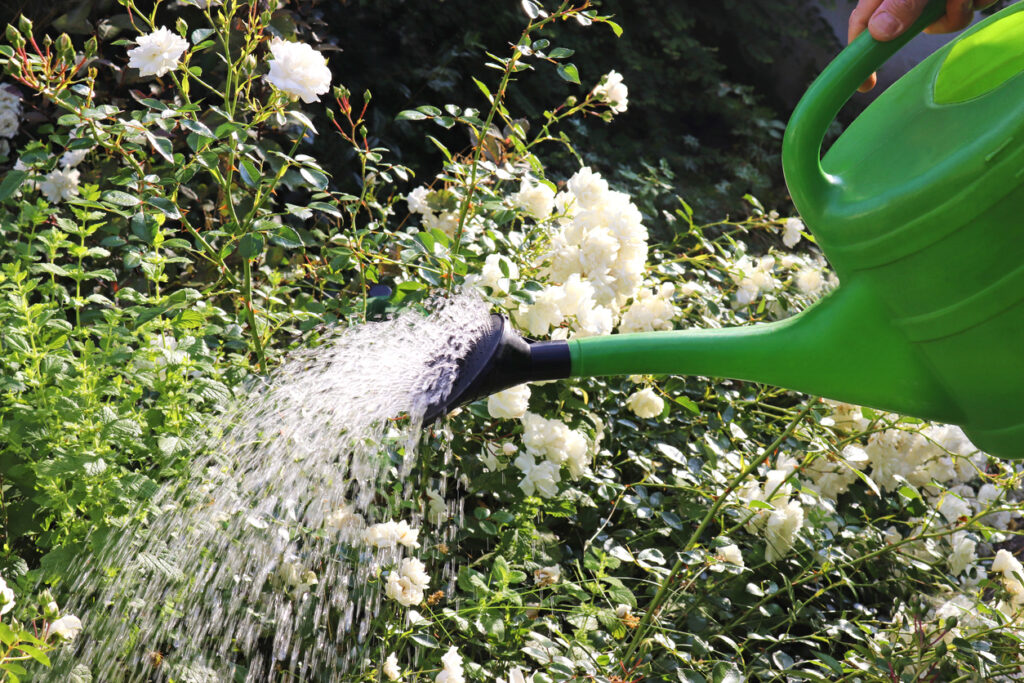
A decent watering can is one of the most useful things you can own, especially if you’re working with containers or seedlings. A rose attachment helps you water gently and evenly, without blasting soil everywhere. Plastic versions are fine, but go for one with a balanced handle that doesn’t strain your wrist. It’ll get more use than you think—indoors, outdoors, and everywhere in between.
8. Only think you need: a garden kneeler with all the extras
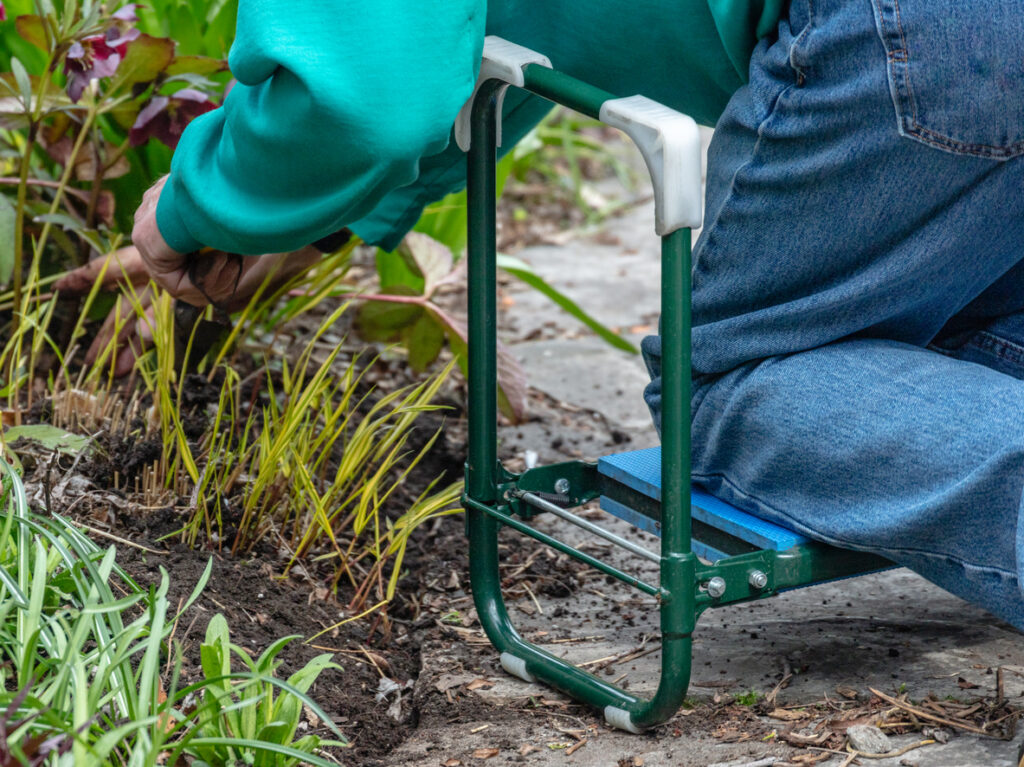
Unless you’ve got joint issues or do a lot of prolonged weeding, a bulky kneeler with attached handles, pockets, and seat functions is usually just something that gets dragged around and rarely used. For most people, a folded towel or a simple kneeling pad works just as well. It’s less cumbersome and easier to store, and you won’t feel silly abandoning it halfway through the garden path.
9. Actually need: gloves that actually fit
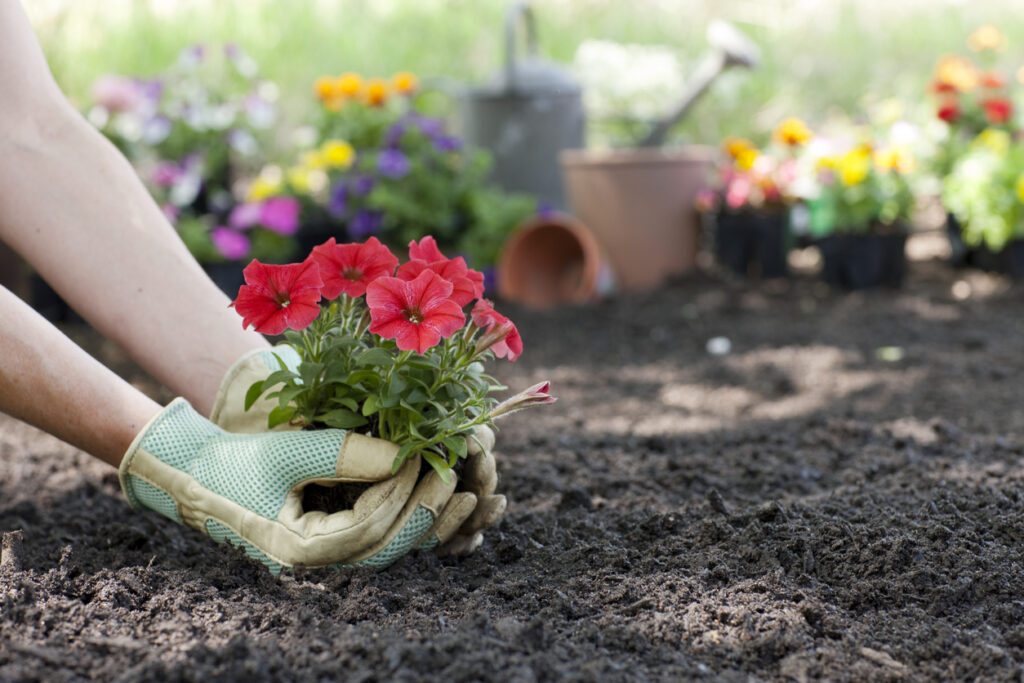
Garden gloves are more than just protection from thorns—they keep your hands cleaner, help with grip, and reduce the chances of blisters. However, ill-fitting gloves can be worse than none at all. Go for gloves that feel snug but flexible. You want to be able to grip, dig, and pull without feeling like you’re wearing oven mitts. Keep a second waterproof pair for wetter jobs or heavy-duty weeding.
10. Only think you need: a bulb planter
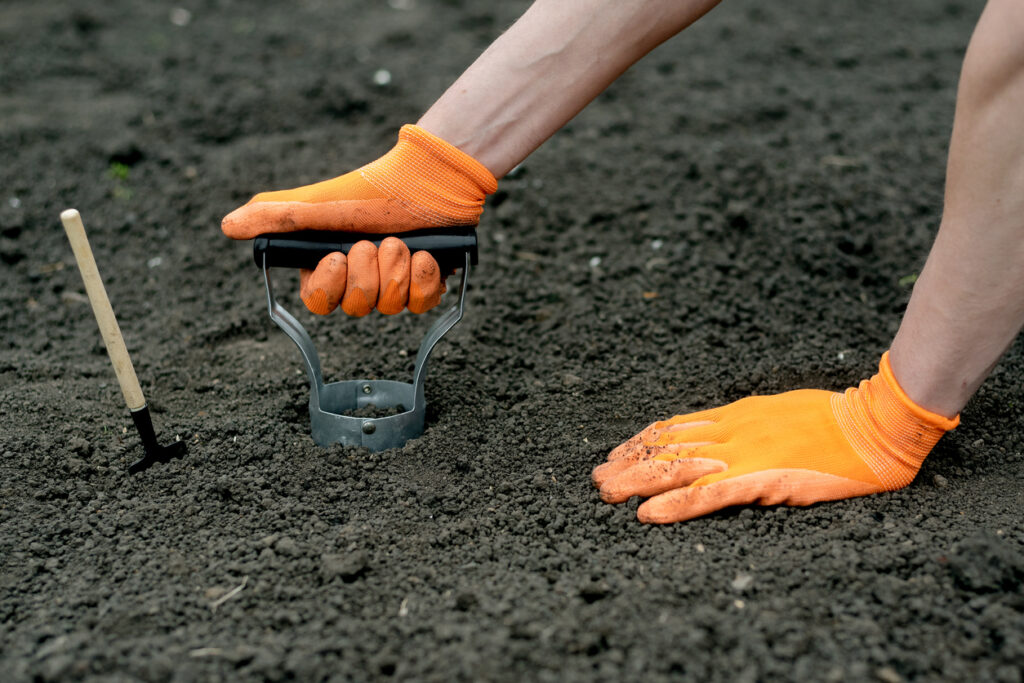
They look handy, and for planting a huge number of bulbs, they can speed things up. But for most home gardeners planting a few tulips or daffs here and there, a trowel works just fine. Bulb planters also struggle in heavier soil or stony patches, and often end up being abandoned when they get clogged. Unless you’re planting en masse every season, they’re not really worth the storage space.
11. Actually need: a rake (and not just for leaves)
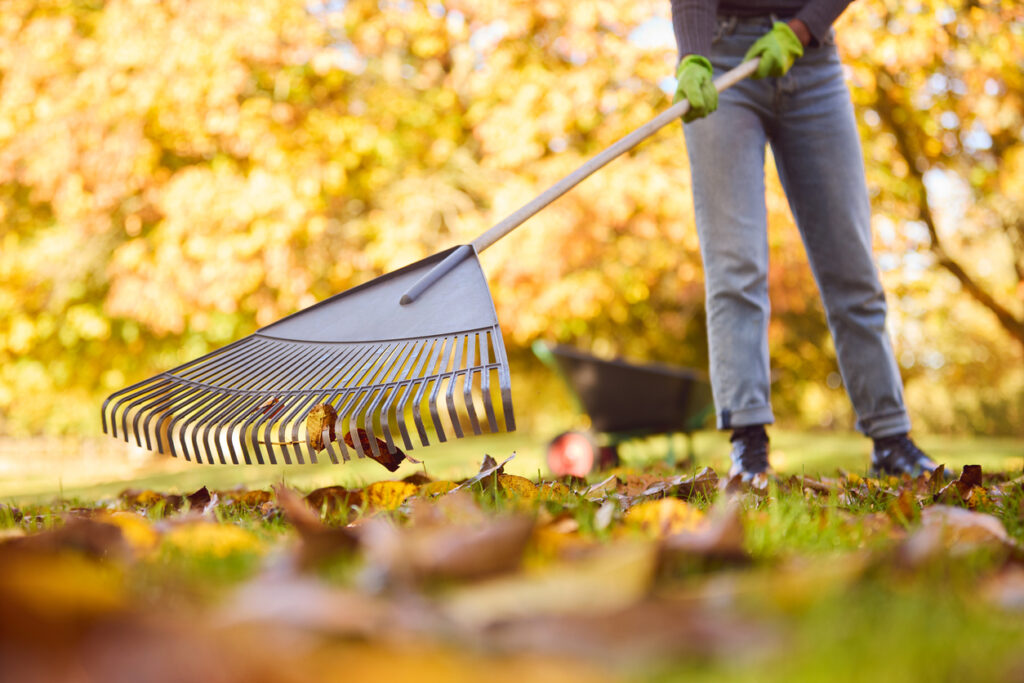
A basic rake is surprisingly versatile. Beyond clearing autumn leaves, it’s great for levelling soil, spreading mulch, and pulling debris from borders or under hedges. If you only get one, make it a metal garden rake rather than a plastic leaf version—it’s sturdier and works across more tasks. Bonus if the handle’s adjustable or lightweight enough for easy storage.
12. Only think you need: novelty hose attachments
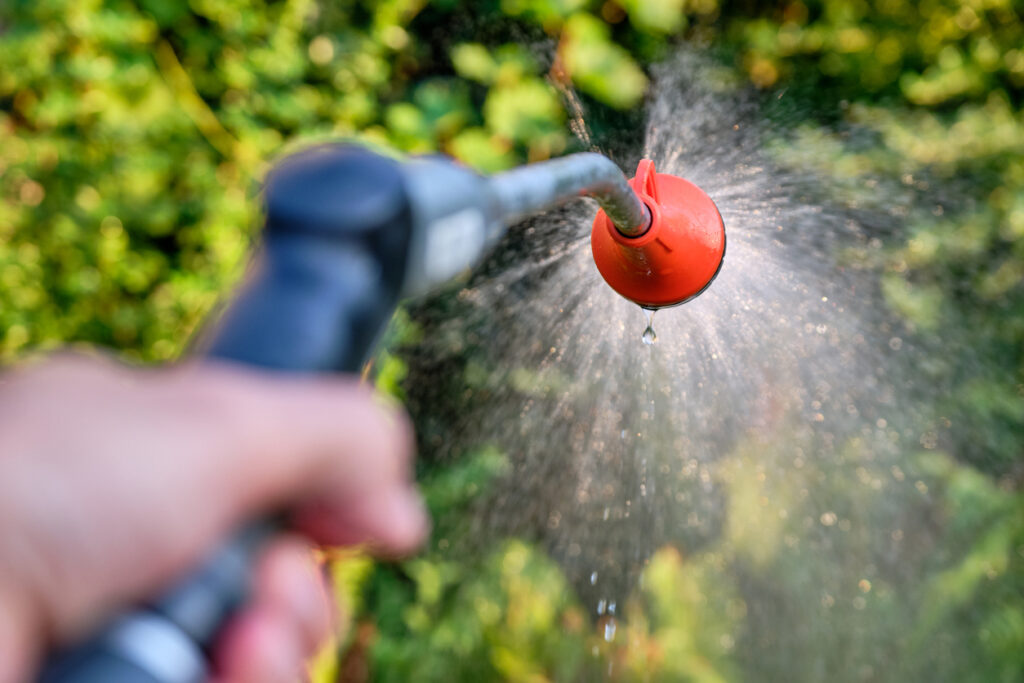
Spray guns with seven different settings, spiral hoses that tangle like mad, or solar-powered watering wands sound fun until you actually try to use them. Most of the time, they clog, snap, or just overcomplicate something that should be simple. A straightforward hose with a reliable tap connector and a decent spray head is all you really need. Skip the gimmicks and choose something you’ll use year after year without fiddling or frustration.