Camels get a lot of credit for being the ultimate desert survivors, but there’s more to these animals than just sand and humps.
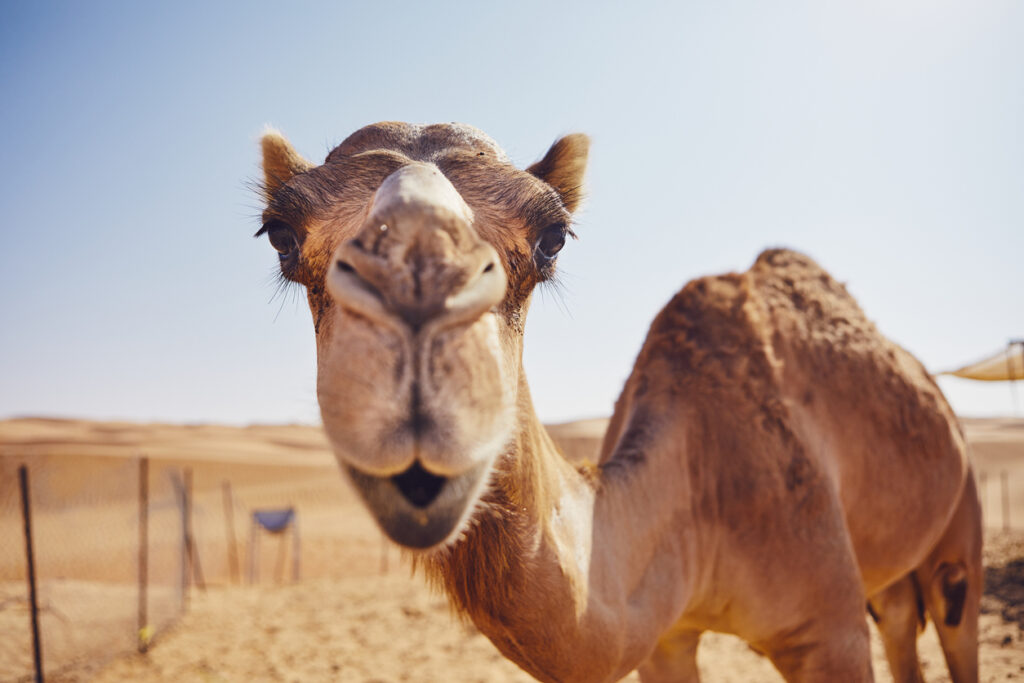
While most people assume their humps are full of water (spoiler: they’re not), camels actually have a whole range of built-in features that help them thrive in some of the harshest places on Earth. From freakishly efficient body systems to quirky adaptations you’d never guess, camels are basically walking survival kits. Here are some odd, fascinating facts that prove just how superpowered these animals really are.
Their humps store fat, not water.
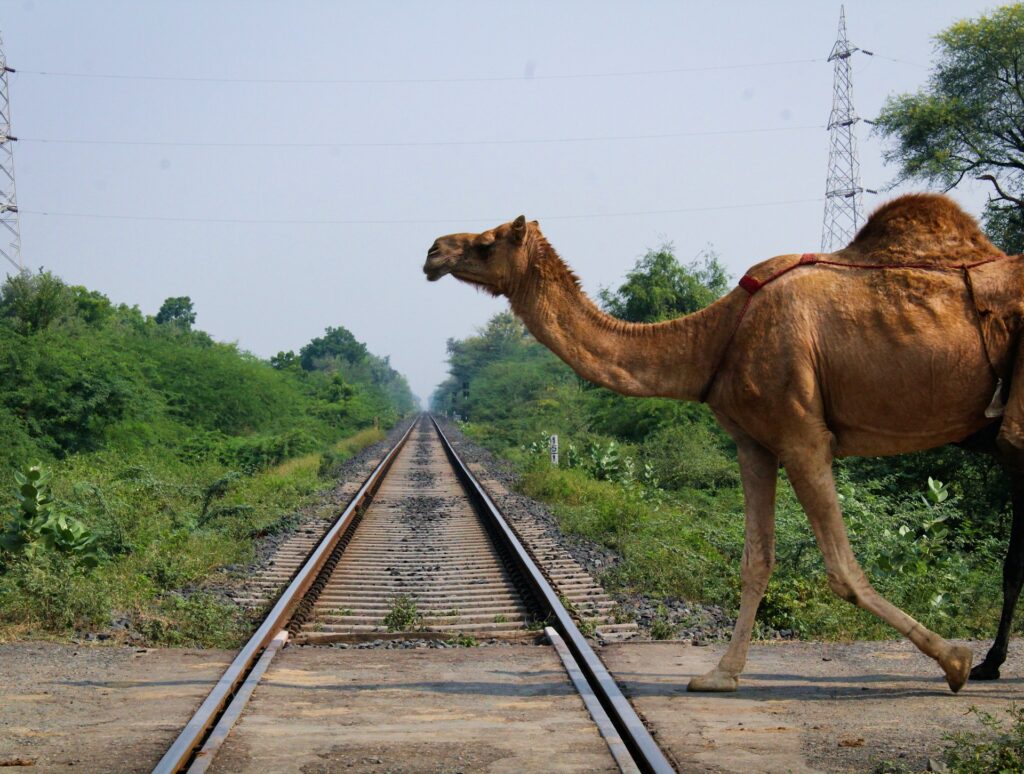
Let’s clear up the biggest myth straight away: camels don’t store water in their humps. What’s inside is actually fat. That fat acts as an energy reserve, allowing camels to survive long periods without food. Because the fat is concentrated in the hump rather than spread across the body, it helps the rest of the camel stay cooler. It’s like carrying your emergency snacks in a backpack instead of wearing them as insulation.
They can go for weeks without water.

Camels are incredibly water-efficient. In cooler conditions, they can go up to two weeks without drinking. And even in hot desert climates, they can survive for several days with zero water. When they do find water, camels can rehydrate fast—drinking up to 40 gallons (about 150 litres) in one go. Their bodies absorb and hold onto that water like champs, avoiding waste wherever possible.
Their nostrils are self-closing.
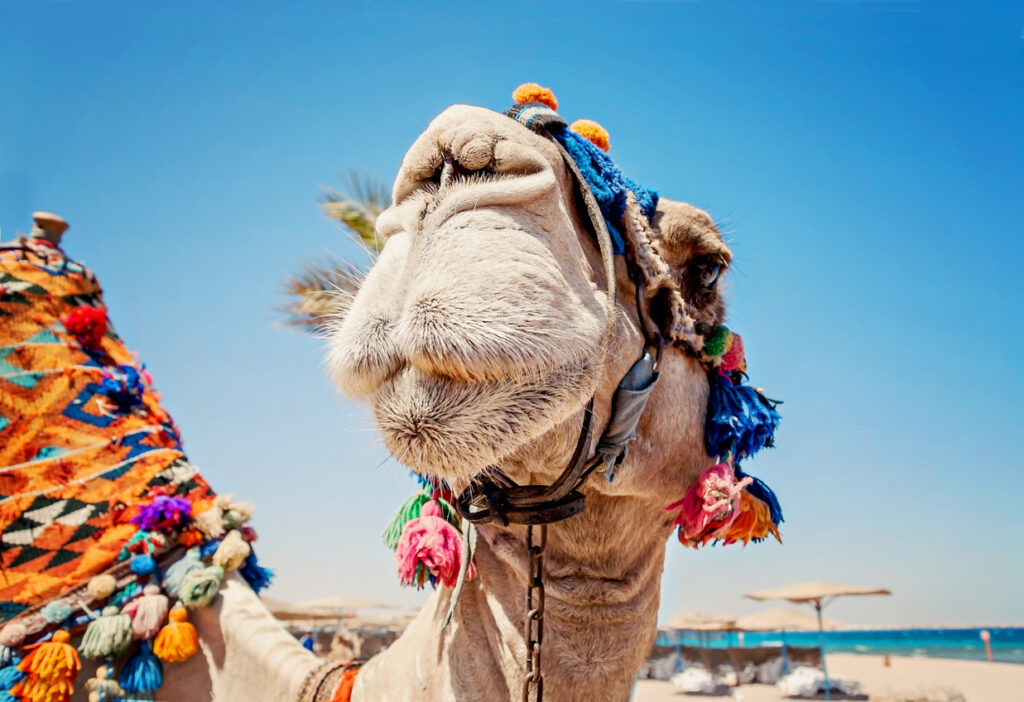
Desert sandstorms are no joke, so camels have evolved nostrils that can close completely to keep the grit out. It’s like having built-in nose plugs they can control at will. These nostrils also help trap moisture when they exhale, so less water is lost through breathing. It’s an efficient little system that makes every drop of moisture count.
Their blood cells are a weird shape.
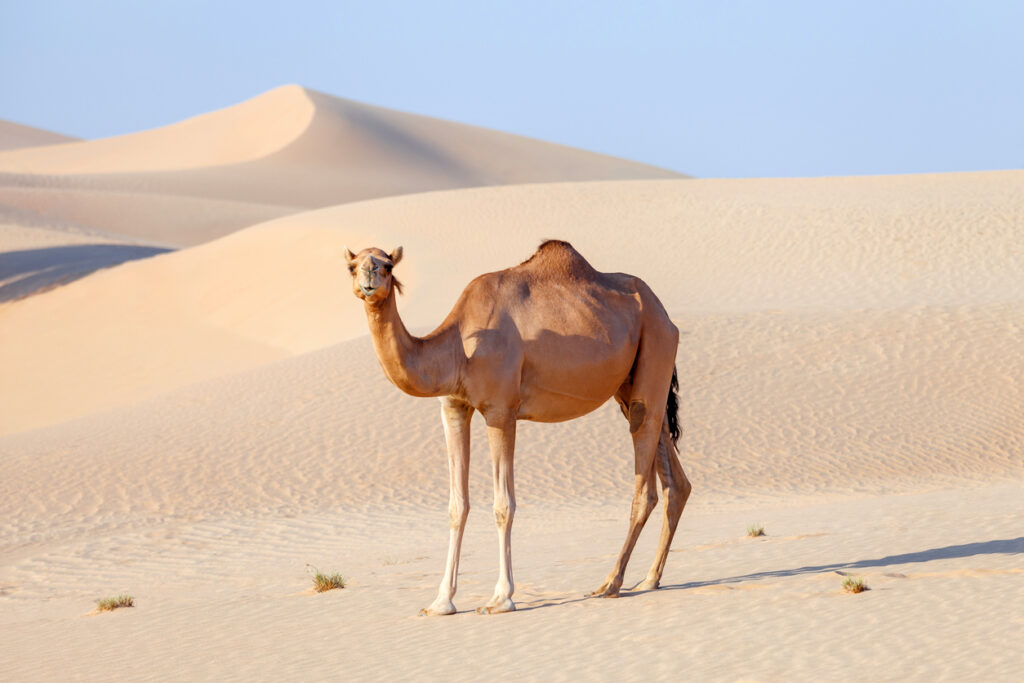
Most mammals have round red blood cells, but camels? Theirs are oval. This allows their blood to flow more easily when water is scarce or when they’re severely dehydrated. Oval-shaped cells are also more flexible, helping them squeeze through narrow capillaries without rupturing, even when the camel gulps down litres of water all at once. It’s desert-proof biology at its best.
They have a built-in sunshade.
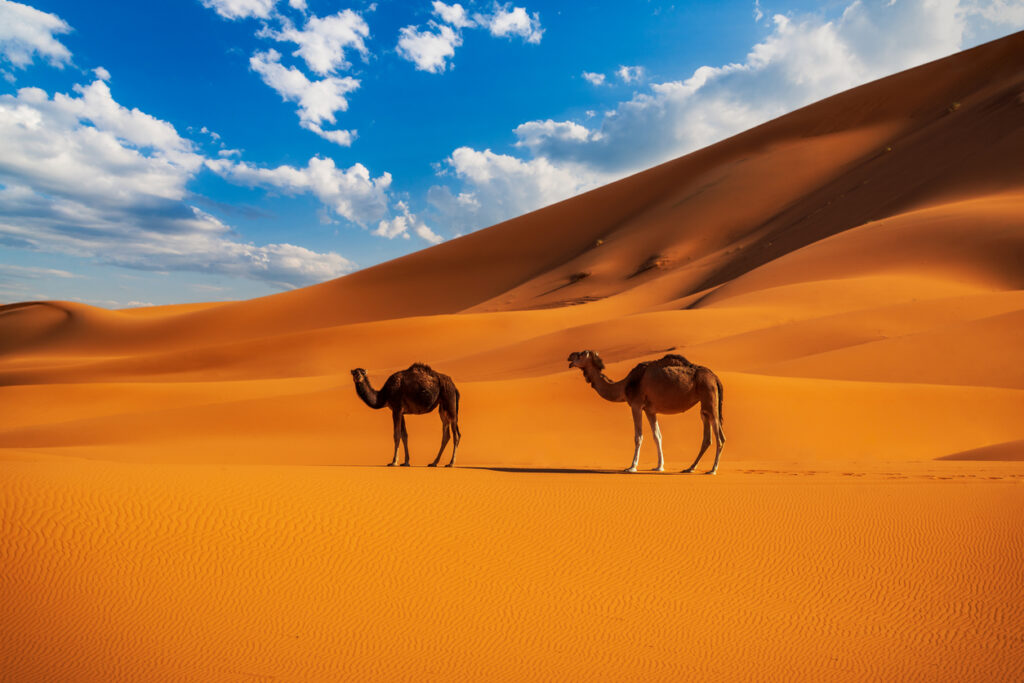
Those thick eyebrows and long lashes aren’t just for looks. Camels have several protective layers around their eyes, including a third eyelid that acts like a natural windshield wiper. Their lashes also help filter out sun and sand, keeping their vision clear in extreme conditions. Add in their tall stature, and they basically come with their own portable sun umbrellas.
Their feet are designed for sand.

Camels don’t sink into the sand because their feet are huge, flat, and spongy. Each foot has two toes and a wide, leathery pad that spreads out when they walk—perfect for soft or changing terrain. It’s a lot like wearing snowshoes, but for sand. Their feet give them traction and stability where wheels and hooves often fail, making camels far more efficient than most animals in desert travel.
They can handle massive temperature swings.
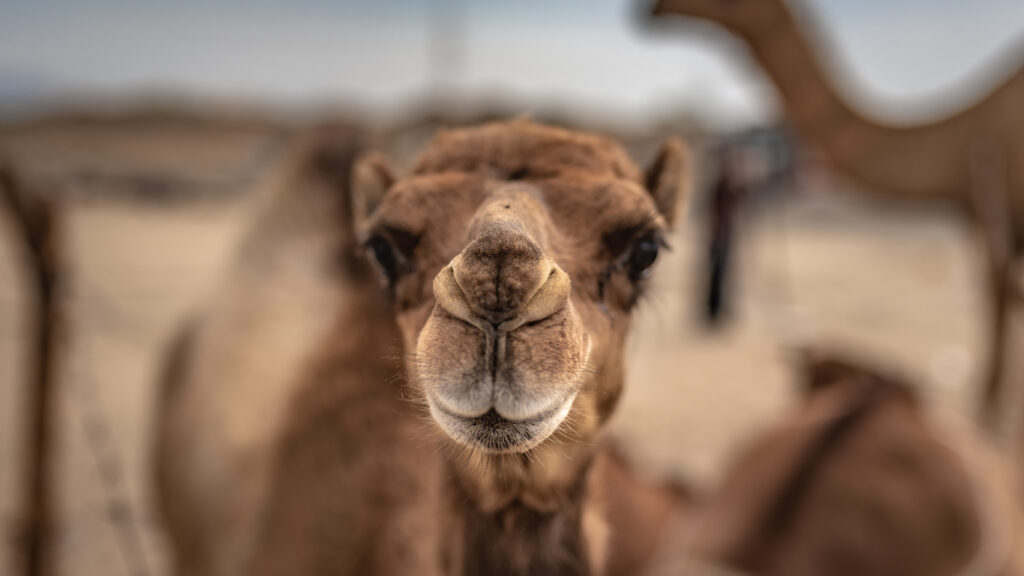
Deserts aren’t just hot—they’re wildly inconsistent. Camels can handle daytime temperatures over 40°C and chilly nights below freezing, all without blinking an eye (well, maybe one eye). They don’t sweat much, and their thick fur helps regulate their body temperature. That fur insulates them from both extreme heat and unexpected cold, making them built for wild weather swings.
They rarely need to urinate.
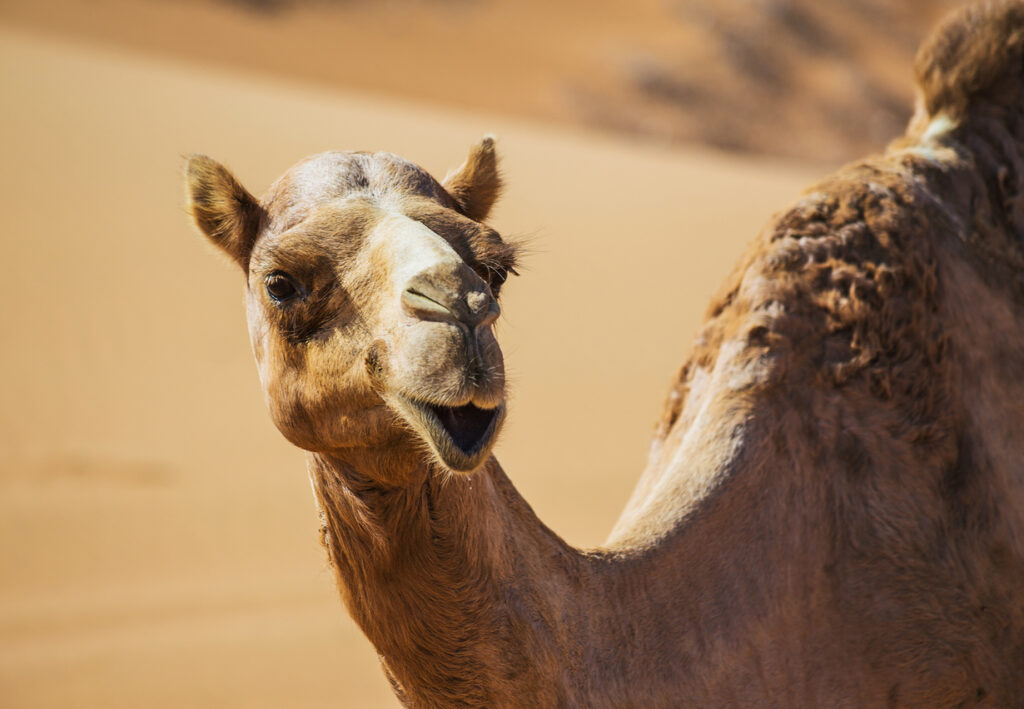
Camels produce incredibly concentrated urine, which helps them conserve water. You’ll rarely see a camel relieve itself unless it’s had a huge drink, and even then, it’s not wasting much. Likewise, their dung is so dry it can be used for fuel straight away. Every part of their biology is geared toward survival with minimal resources. Nothing is wasted if they can help it.
They can carry enormous loads.
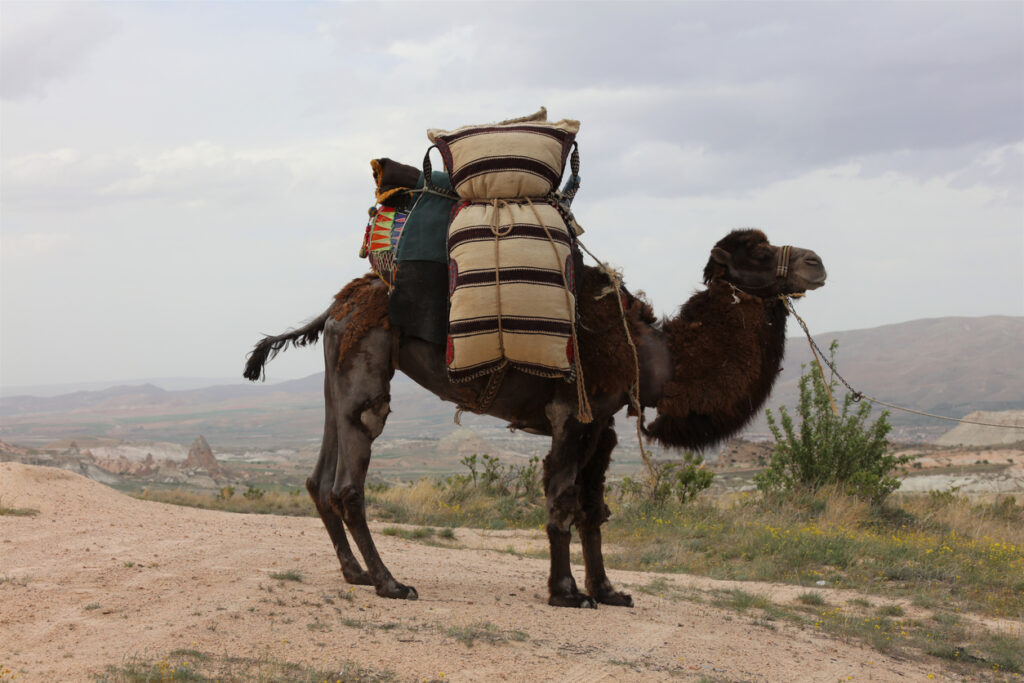
Camels are famously strong. A healthy adult can carry up to 200 kilograms for long distances, often across rough or barren terrain where vehicles would struggle. That strength and endurance made them invaluable for trade and travel throughout history. In many parts of the world, they’re still considered more reliable than machines in remote areas.
They have a surprisingly high tolerance for dehydration.
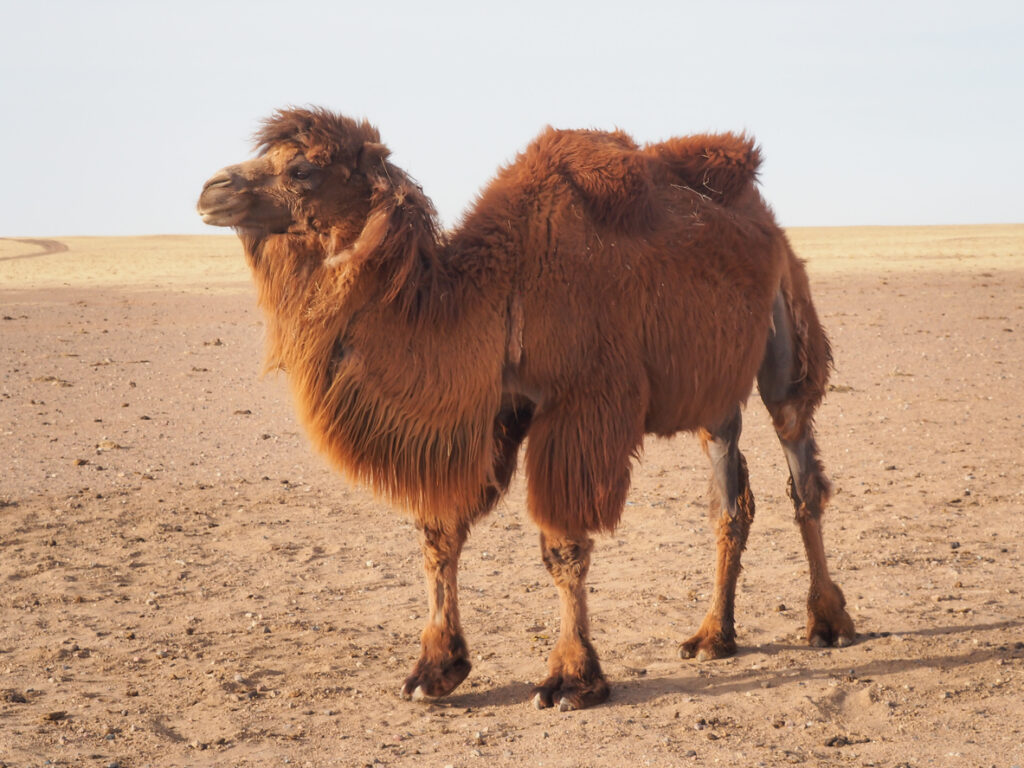
Most animals would go into organ failure after losing 10% of their body water. Camels? They can lose up to 25% without any serious issues—an almost unheard-of feat in the animal kingdom. They achieve this by regulating blood flow, body temperature, and urine output in such an efficient way that even extreme dehydration doesn’t shut them down. It’s survival biology on expert mode.
Their mouths can handle thorns.
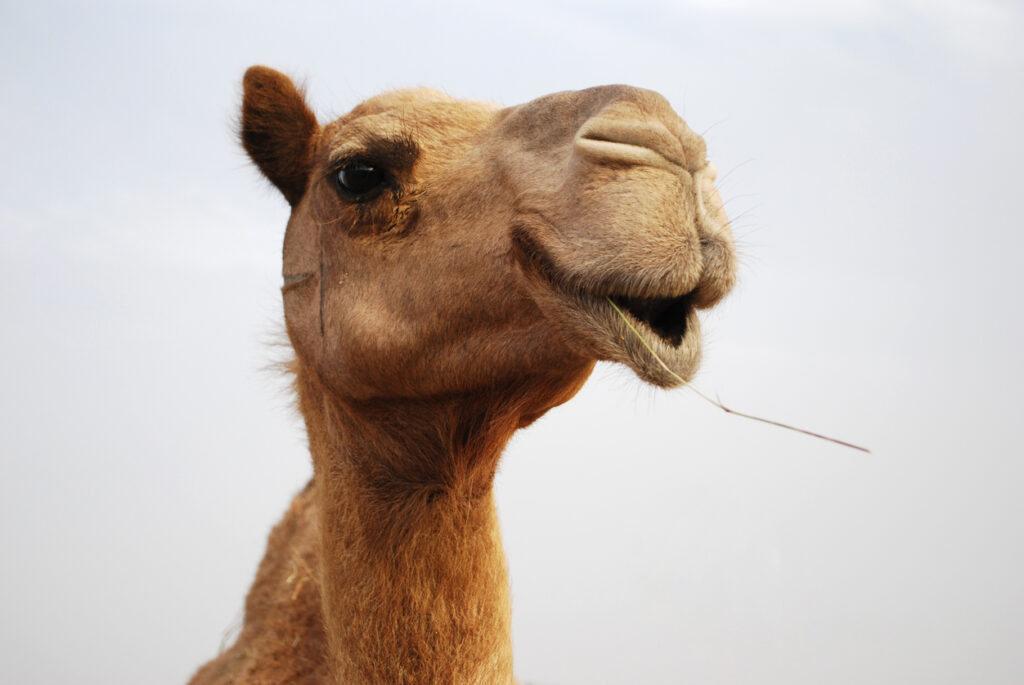
Camels aren’t picky eaters, and they’ll happily munch on dry, thorny, or salty plants that other animals wouldn’t go near. Their mouths are lined with thick, leathery tissue that helps them chew through tough vegetation without injury. This makes them great at surviving in places where there’s not much greenery to choose from. They’ll eat what’s available, and somehow make it work.
They’re surprisingly good swimmers.
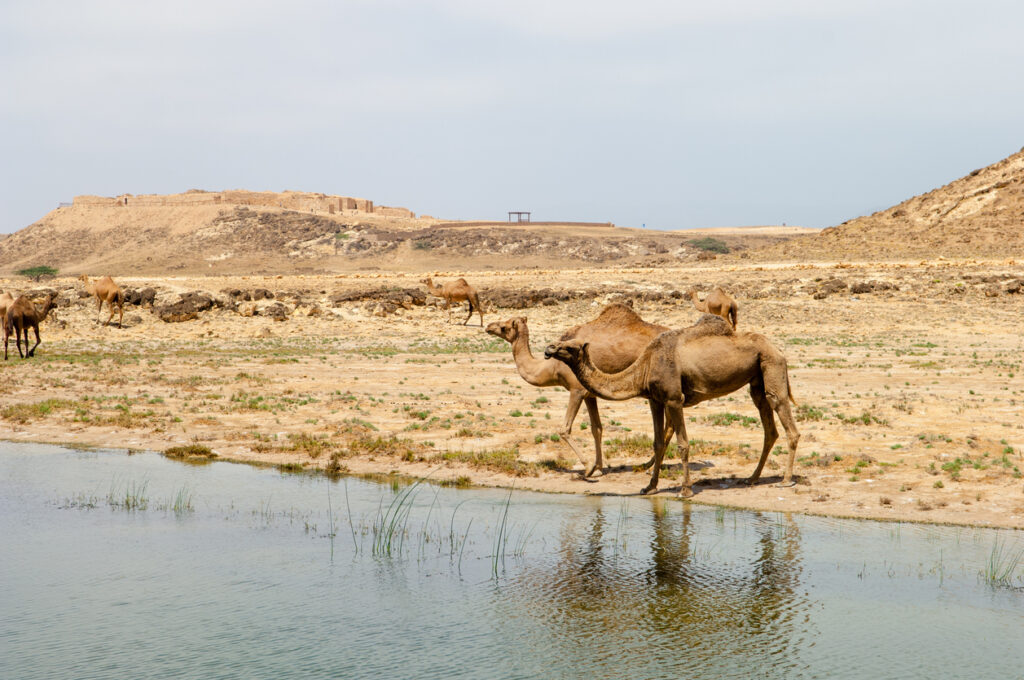
Despite living in deserts, some camels (especially in India and Pakistan) are known to swim across rivers when needed. They might look awkward, but they can paddle just fine if it comes to it. While it’s not something you’ll often see, it’s just another example of how adaptable camels really are. Land, sand, or water—they’re ready to go.
They can shut down when things get bad.
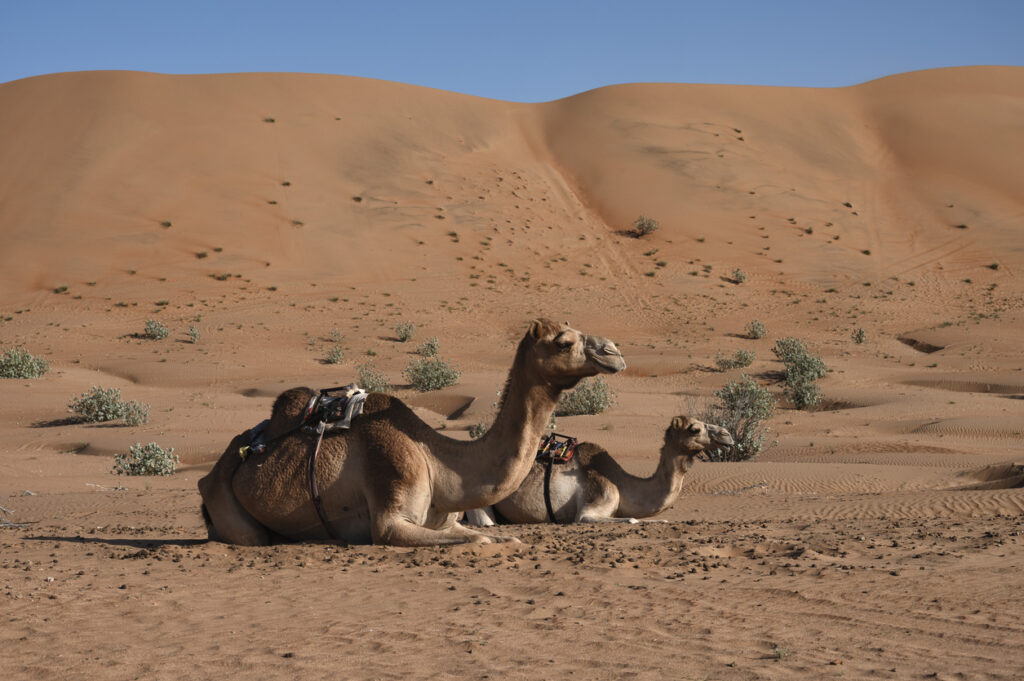
In extreme conditions, camels can actually slow their metabolism to conserve energy. They’ll move less, eat less, and reduce their water needs, basically entering energy-saving mode until things improve. It’s not quite hibernation, but it’s an efficient way to survive until food or water becomes available. Other animals panic or collapse; camels just chill out and wait it out.