Starting a garden seems simple until you realise how much can go wrong.

From dying plants to mystery pests, every new gardener hits a few bumps along the way. The good news is that most of these problems have easy fixes once you know what’s really going on. Here are some common frustrations all beginners face and how they manage to overcome them. Try not to be too disheartened. It’s a rite of passage, after all!
Plants that refuse to grow
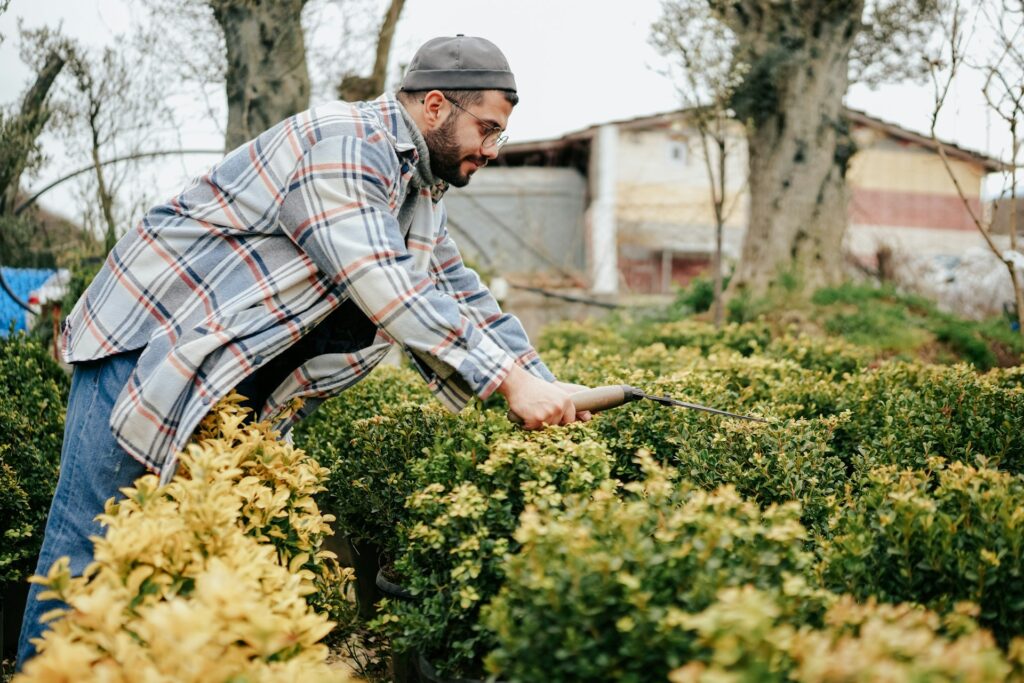
It’s frustrating when you’ve done everything the packet says. You’ve planted at the right time, and watered faithfully, and the plant just sits there doing nothing. Usually, the culprit is something simple: the soil’s too poor, there’s not enough sunlight, or it’s getting more water than it can handle. Plants need a balance of light, moisture, and nutrients, and if one of those is off, progress grinds to a halt.
Once beginners learn to test where the sunlight actually hits their garden throughout the day, things improve fast. Some plants thrive in shade, but most vegetables and flowers need at least six hours of direct light. Pair that with nutrient-rich compost and proper drainage, and even the most stubborn seedlings start to take off.
Forgetting to water, or watering too much

Finding the sweet spot with watering takes time. Some people forget entirely, while others water so often that their plants practically drown. Both extremes are a problem. Soil that’s constantly soaked suffocates roots, while dry soil leaves them gasping.
The simplest trick? Use your fingers. Stick one a couple of centimetres into the soil. If it feels dry, it’s time to water. If it’s still damp, wait another day. Most plants prefer a deep soak a few times a week rather than a light sprinkle every day. Once you stop guessing and start checking, you’ll save a lot of plants… and water.
Pests eating everything
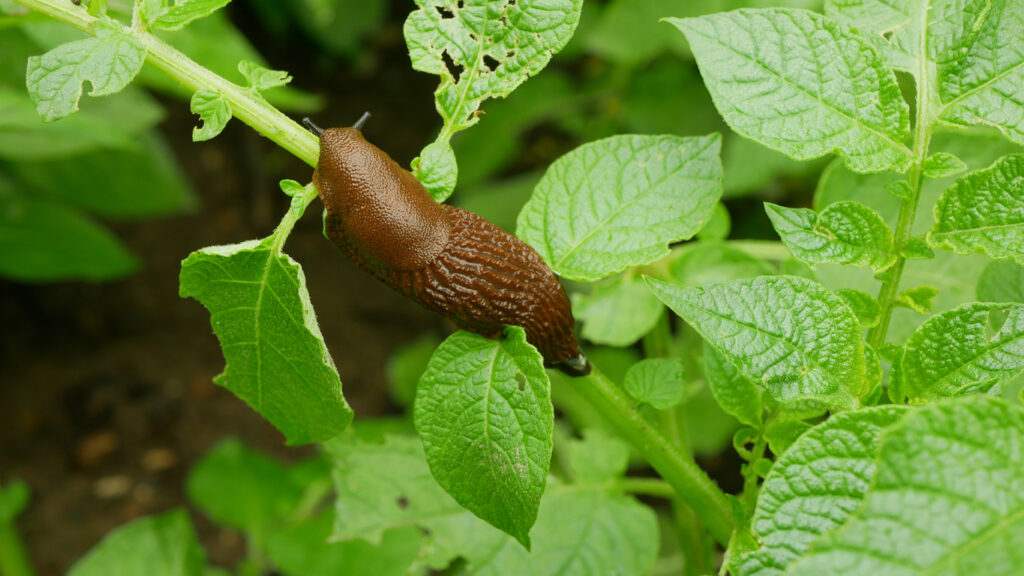
Few things are more disheartening than waking up to find your hard work turned into a midnight buffet for slugs, snails, and aphids. They seem to appear out of nowhere and can strip leaves in a single night.
Chemical sprays work, but most gardeners eventually move towards natural defences that don’t harm the soil or other wildlife. Crushed eggshells and copper tape are simple ways to stop slugs and snails in their tracks, while herbs like mint, lavender, or rosemary repel pests with their strong scents. Encouraging birds and hedgehogs into your garden helps too. They’re natural pest control that doesn’t need refilling.
Weeds growing faster than flowers
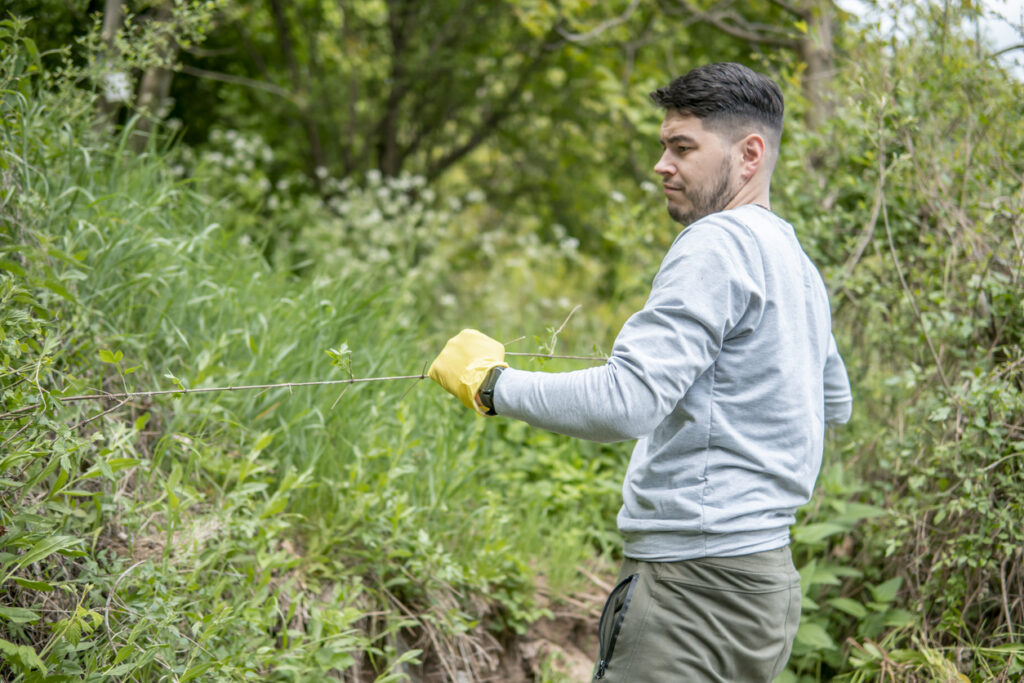
It feels like a cruel joke. You spend weeks nurturing your flowers, but weeds sprout overnight without any encouragement at all. They compete for light and nutrients, leaving your plants stunted and sad-looking.
The real secret is prevention. Covering bare soil with mulch, bark chips, or compost keeps sunlight away from weed seeds, stopping them before they even germinate. Once you get into the habit, you’ll notice you’re spending far less time pulling and far more time admiring. Weeds never truly disappear, but they can be managed, and they stop feeling quite so personal once you understand that even the most experienced gardeners battle them too.
Plants dying for no clear reason
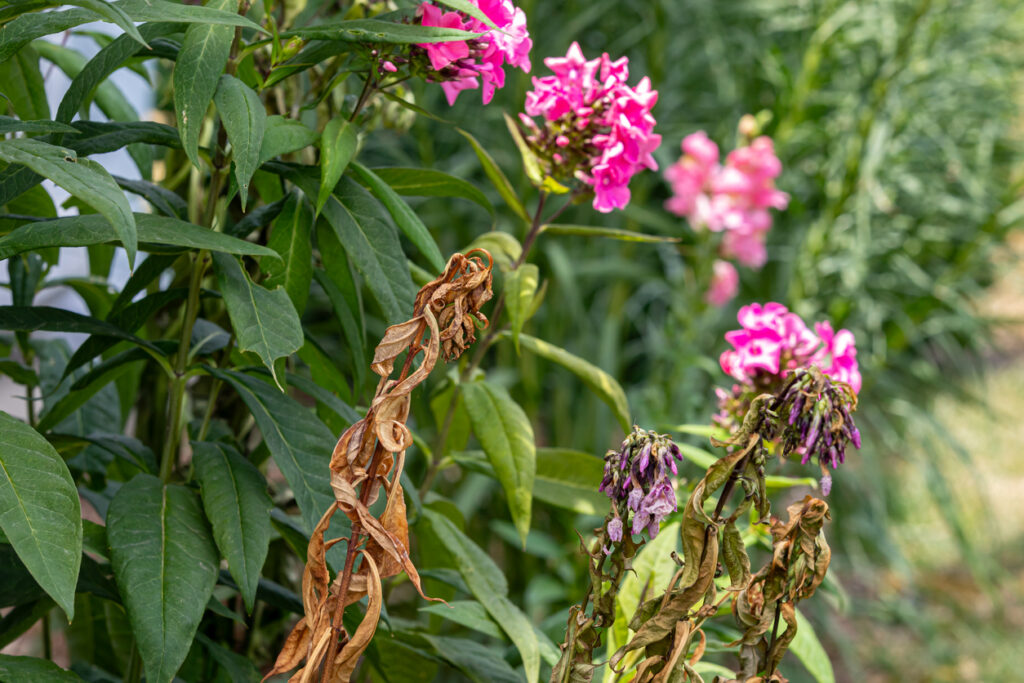
You followed every bit of advice, watered correctly, gave plenty of sunlight, and the plant still turned brown and wilted. It’s one of the most frustrating parts of gardening. However, often, the problem isn’t you. It’s the plant.
Some species simply aren’t suited to your soil or climate. Clay-heavy ground, for example, holds water differently than sandy soil, and not every plant can handle that. Beginners eventually learn that reading the label or doing a quick check on what grows well locally makes all the difference. Native plants, in particular, tend to be more resilient and practically look after themselves once established. Sometimes success isn’t about doing more. It’s about choosing smarter.
Soil that feels like clay or dust
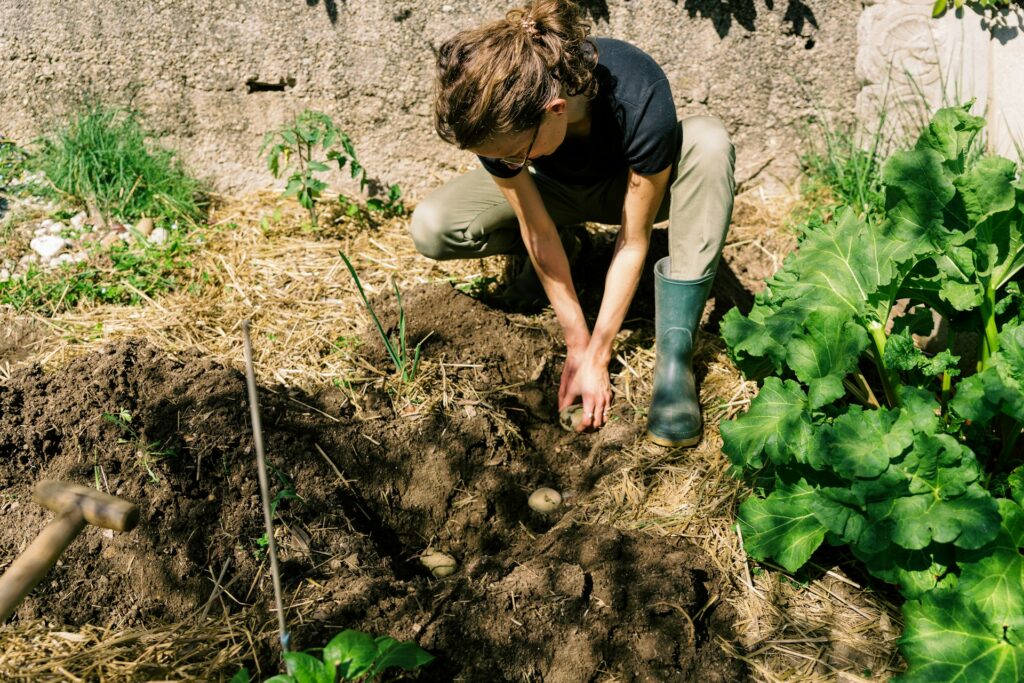
Soil texture can make or break a garden. If yours feels heavy, sticky, and clumpy after rain, it’s probably clay-based. If it runs through your fingers like sand, it’s too light. Neither extreme is ideal. Roots need a balance of moisture and air to thrive.
The fix is patience and compost. Mixing organic matter, such as leaf mould, manure, or kitchen compost, into the soil gradually improves its structure. Over time, clay loosens, sandy soil holds moisture longer, and everything becomes more balanced. It’s not an overnight solution, but it’s one of those long-term changes that pays off massively.
Too many plants, not enough space
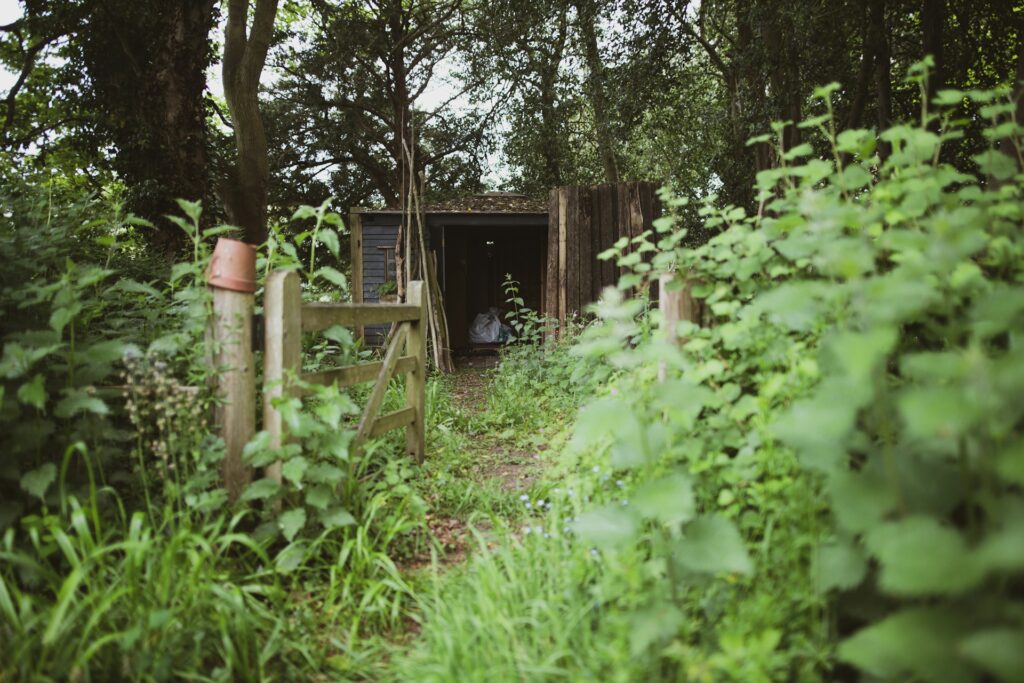
When you first start gardening, it’s easy to get carried away. Every plant looks so small and harmless when you buy it. A few weeks later, they’re fighting for elbow room, choking each other out, and blocking sunlight.
Spacing plants properly gives them breathing space, literally. Airflow helps prevent diseases, and roots spread more easily. A good rule is to plant half as much as you think you need. It’ll look sparse at first, but within a few months, everything fills in beautifully. Gardening rewards patience, and giving your plants room to grow is one of the best lessons you’ll ever learn.
Not knowing when to prune

Pruning feels intimidating when you’re new to it. Cut too much, and you might kill the plant; cut too little, and it becomes overgrown and scruffy. The truth is, most plants are far tougher than you think.
The key is to research when to prune because timing matters more than precision. For example, spring-flowering plants should be pruned right after they bloom, while summer bloomers prefer a trim in late winter or early spring. Once you see how much pruning encourages fresh growth and more flowers, you’ll stop hesitating and start snipping with confidence.
Seeds that never sprout
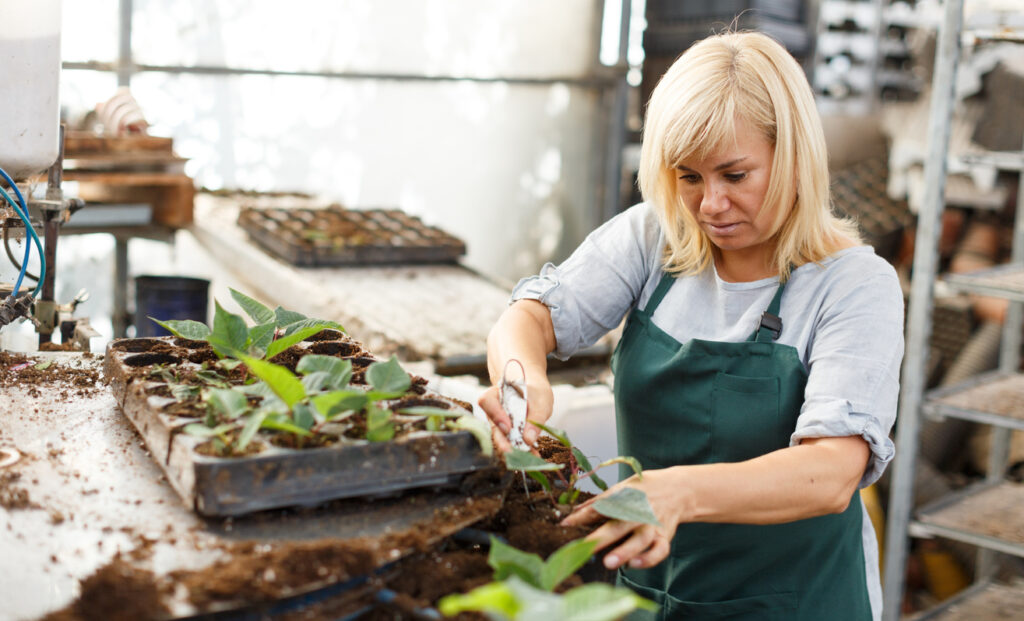
Waiting for seeds to pop through the soil is both exciting and nerve-racking. When nothing happens, it’s easy to assume you’ve done something wrong. Usually, though, it’s a matter of temperature or depth.
Seeds planted too deep won’t reach the surface before they run out of energy. Those planted too early in cold, wet soil often rot before they get started. The fix is simple: check the packet for depth instructions, start them indoors on a sunny windowsill, and transplant them once the weather warms up. The first time you see those tiny green shoots appear, it feels like magic, and it’s worth every failed attempt.
Plants taking forever to bloom

You’ve done everything right, but your flowers refuse to open. It’s easy to assume something’s wrong, but often, it’s just timing. Some plants take months to bloom; others wait for specific daylight hours or temperatures.
The best approach is to stop watching the calendar and trust the plant. Gardening is a long game, and patience pays off. Once blooms finally appear, they’re all the more rewarding for it. Every gardener eventually learns that you can’t rush nature. It happens when it’s ready, not when you are.
Birds and pets digging everything up
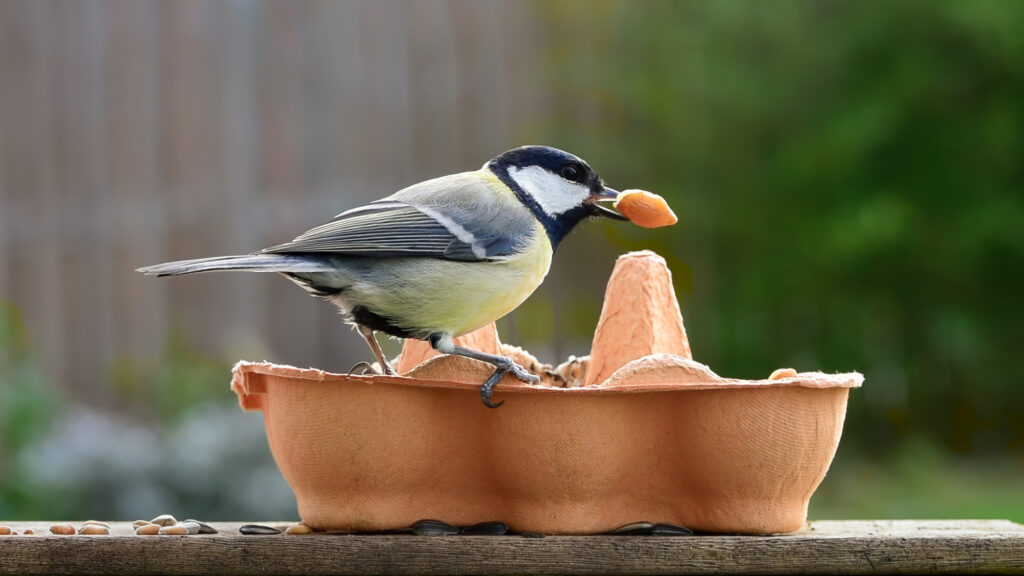
Few things are as annoying as planting bulbs only to find them scattered across the lawn the next morning. Birds think you’ve left them a buffet, and pets see fresh soil as an invitation to dig.
The fix is more about deterrence than punishment. Lightweight netting or mesh placed over beds protects young plants until they’re established. Even a few bamboo canes and garden twine can keep paws and beaks away. Once plants mature, the temptation fades, and you can remove the barriers entirely.
Weather ruining everything

In the UK, the weather keeps every gardener humble. One week of sunshine can turn into torrential rain overnight. Frost can sneak in just after you’ve planted tender seedlings, and wind can flatten half your flowers in an afternoon.
You can’t control it, but you can prepare. Using cloches or fleece to protect young plants, building simple windbreaks, and choosing hardy species makes a huge difference. The longer you garden, the more you realise that resilience matters just as much as beauty.
Feeling overwhelmed by all the advice

Spend five minutes reading about gardening online, and you’ll find a dozen people giving you 12 different answers. It’s confusing, especially when you’re just starting out. Everyone swears their method is best, but what works in one garden might fail miserably in another.
The best thing you can do is simplify. Start with a handful of plants you actually like, learn what they need, and block out the rest. Gardening becomes far more enjoyable when you stop chasing perfection and just enjoy watching things grow.
Thinking mistakes mean failure

Every gardener kills plants. It’s practically a badge of honour. The only difference between beginners and experts is that experienced gardeners have killed more plants and learned from it. Mistakes are how you figure out what your garden needs: better soil, different plants, or just more patience.
Once you stop treating every failure like a disaster, gardening becomes relaxing again. You realise it’s not about controlling nature but working alongside it. Some seasons go beautifully, others go wrong, but every one of them teaches you something new. That’s the real joy of gardening. It keeps you learning, adjusting, and appreciating even the smallest signs of life.