Digging a hole in the garden and getting rid of something you don’t want sounds pretty harmless, right?

Unfortunately, depending on what it is, you could actually be breaking the law. There are strict rules in the UK about what you can and can’t bury on your own property, and some of them catch people off guard. It’s not just about protecting the environment; it’s about public safety, contamination, and even animal welfare. So before you reach for the spade, it’s worth knowing what could land you in serious trouble if you try to hide it under a bit of soil.
1. You can’t bury a human body without serious restrictions.

While it’s technically legal to bury someone in your back garden in the UK, there are massive restrictions that make it nearly impossible for most people. The burial must be at least 50 metres from any water source, 10 metres from drains, and you need proper certificates from the registrar.
You also can’t bury more than two people on private land without it becoming a licensed cemetery. The burial must be recorded on your property deeds forever, which tanks your property value. Future owners can apply to exhume the body without your permission, and you lose access rights if you sell.
2. Farm animals are completely banned from garden burial.

If you keep livestock like sheep, goats, pigs, or chickens, you absolutely cannot bury them in your garden when they die. UK law requires farm animals to be disposed of through approved methods only, even if they’re technically pets you’ve kept at home.
This includes any animal classified as livestock or wild game. You have to use licensed disposal services or rendering plants. Burying farm animals can spread disease and contaminate groundwater. The restrictions exist to prevent outbreaks of things like foot and mouth disease.
3. Large pets like horses need council permission.

You can bury small pets like cats and dogs in your garden without asking anyone. But larger animals like horses require you to contact your local council first. The burial must be at least 50 metres from water sources and 250 metres from wells or boreholes.
The grave needs to be deep enough, typically 1.5 to 2 metres, to prevent scavengers from getting to it. The land can’t be in a flood zone. Most people don’t have gardens big enough to meet these requirements, which is why professional pet cemeteries exist for horses.
4. Pets that died from certain drugs can’t be buried.

If your pet was euthanised or treated with controlled drugs before death, your vet might refuse to release the body for home burial. These drugs can be hazardous to wildlife that might dig up the remains. This is rare, but it does happen.
Animals treated with chemotherapy or certain strong medications fall into this category too. The vet should give you a written explanation if they won’t release the body. You’d need to use cremation or a licensed pet cemetery instead of burying them yourself.
5. You can’t bury pets if you’re renting.

If you rent your property, you cannot bury a pet in the garden without explicit written permission from your landlord. The land isn’t technically yours, so you don’t have the right to use it as a burial site. Most landlords refuse permission because of liability issues.
Breaking this rule can result in fines up to £5,000 under the Animal By-Products Regulations. Even if your landlord seems casual about it, get permission in writing. Verbal agreements mean nothing if there’s a dispute later or the property changes hands.
6. Asbestos is absolutely illegal to bury anywhere.

Burying asbestos in your garden is completely illegal in the UK and can result in fines up to £20,000 and two years in prison. Asbestos is classified as hazardous waste and must go to specially licensed landfill sites with dedicated asbestos cells.
Even if you own the land, burying asbestos contaminates it permanently. Your property becomes classified as contaminated land on the registry, making it nearly impossible to sell. Anyone who disturbs the soil later, including future owners or their children, could inhale deadly fibres.
7. Batteries and electronics are banned from burial.
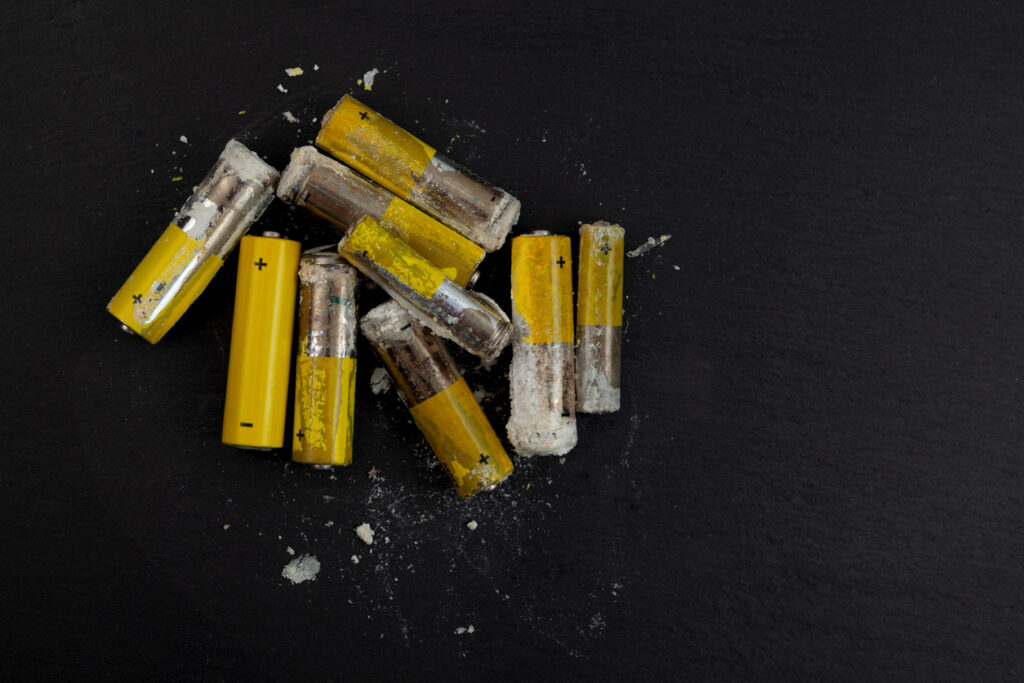
You can’t bury batteries, old phones, computers, or any electronic waste in your garden. These items contain toxic materials like mercury, lead, and cadmium that leach into soil and groundwater. They’re classified as hazardous waste requiring proper disposal.
Burying electronics is considered illegal dumping or fly-tipping, which carries fines and possible prosecution. Even small batteries from toys or remote controls need to go to proper recycling points. The chemicals don’t break down and contaminate the environment for decades.
8. Building waste and rubble need licensed disposal.
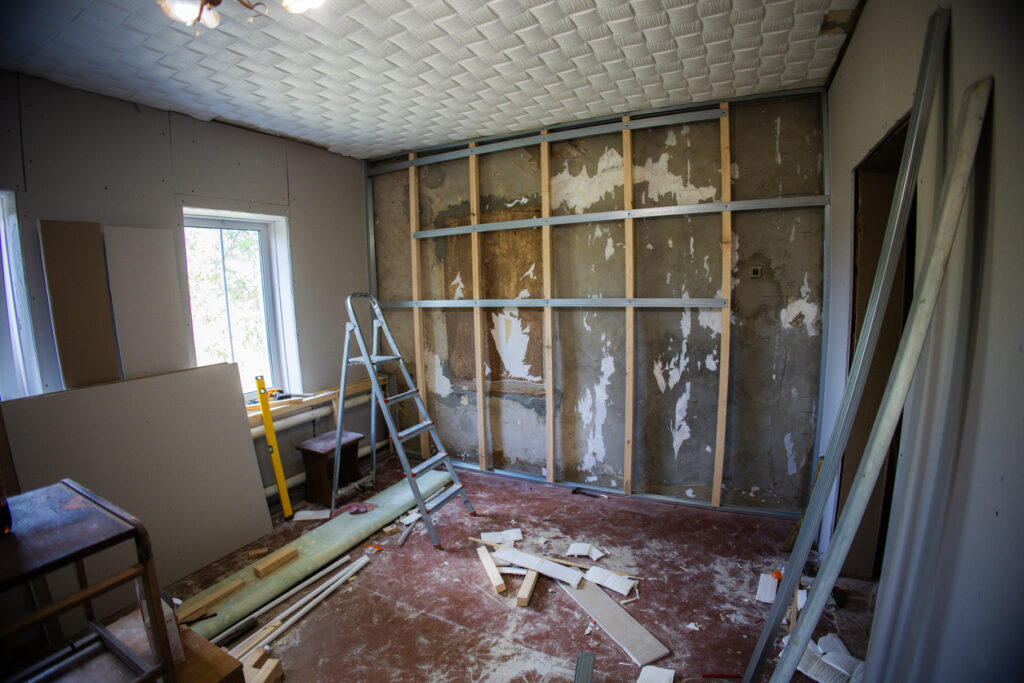
After home renovations, you can’t just bury leftover bricks, concrete, plaster, or wood in your garden. Building materials are classified as controlled waste under UK law. Even if it’s your own property, burying construction waste is illegal fly-tipping.
You need to hire a licensed waste carrier to remove it or take it to an approved tip yourself. If neighbours report you, or it’s discovered later during building work, you face fines. The waste prevents proper drainage and can damage underground pipes and cables.
9. Chemical containers and paint tins are prohibited.
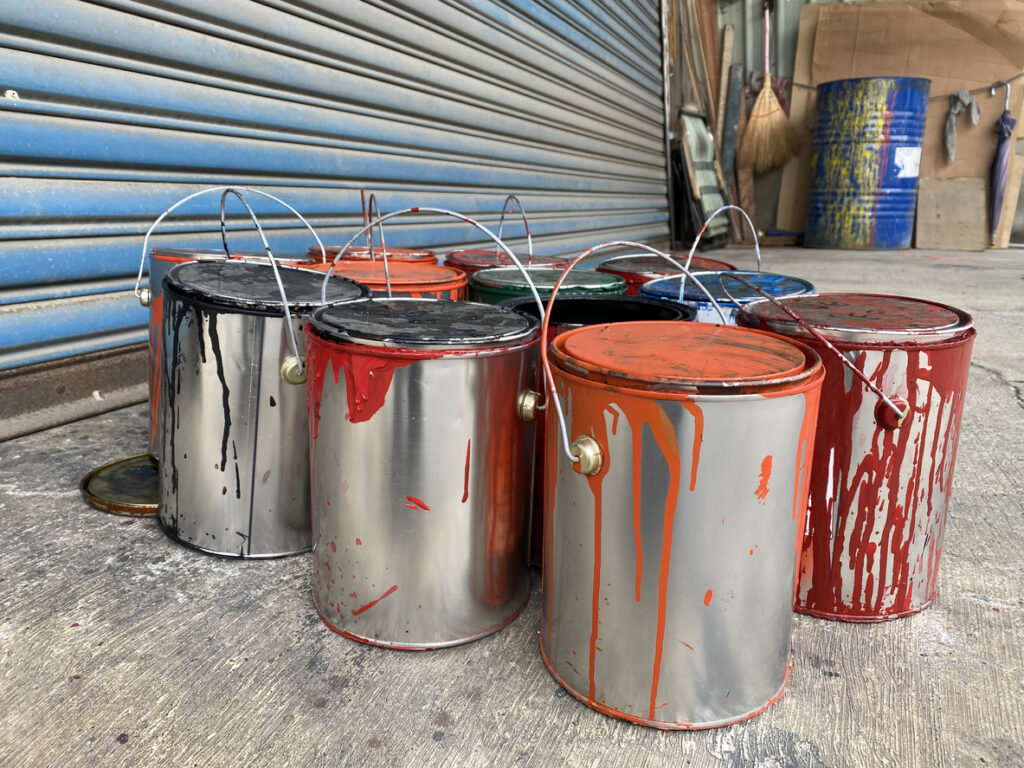
Old paint cans, chemical containers, oil drums, or anything that held hazardous substances cannot be buried in your garden. Even if they’re empty, residue remains and contaminates soil. These are hazardous waste requiring special disposal at designated facilities.
Burying chemicals can poison plants, harm wildlife, and contaminate water supplies. The containers don’t decompose and will be found eventually. Local councils have hazardous waste collection days or designated drop-off points for these items. Use them.
10. Medical waste, including needles, is illegal to bury.

If you use needles at home for diabetes or other conditions, you absolutely cannot bury them in the garden. Medical waste is classified as clinical waste and must be disposed of through proper sharps bins and collection services. The same applies to any medical equipment or contaminated materials.
Buried needles pose serious injury and infection risks to anyone digging in the garden later. Your GP surgery or pharmacy can provide sharps bins and arrange collection. Some councils collect medical waste separately. Never put it in regular bins or bury it.
11. You can’t bury anything near water sources.

Even things you’re technically allowed to bury, like small pets, cannot be buried near water. UK regulations require burials to be at least 10 metres from field drains, 30 metres from streams or springs, and 50 metres from wells or boreholes supplying drinking water.
These rules exist to prevent groundwater contamination. Bodies decompose and release fluids that can pollute water supplies. The Environment Agency has intervention powers if there’s pollution risk. Check your garden’s position relative to water sources before burying anything.
12. Commercial waste from businesses is banned.
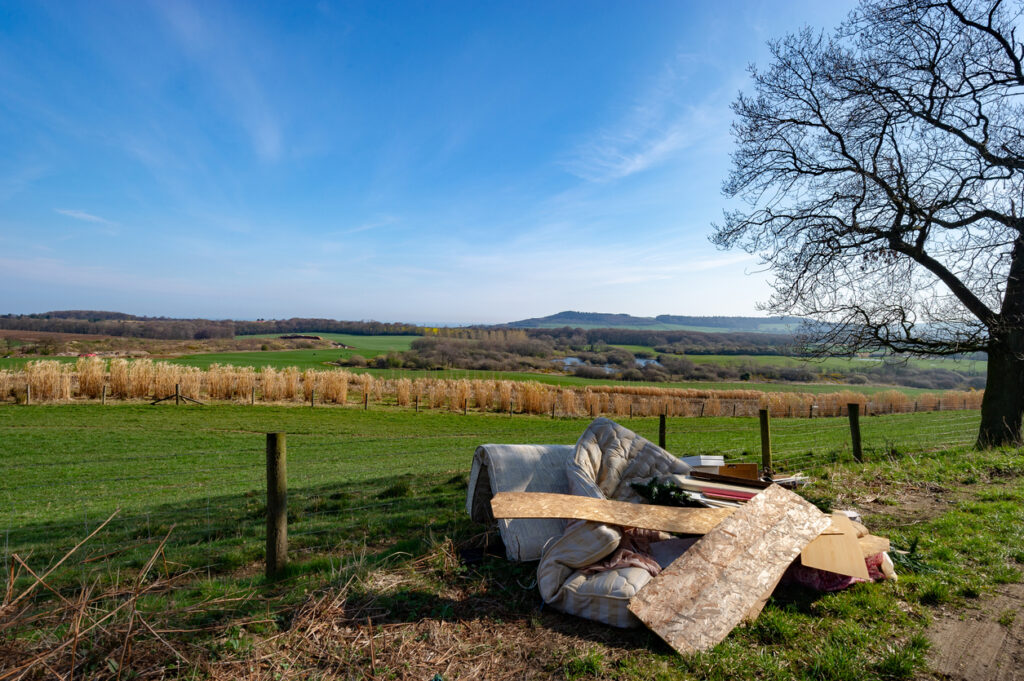
If you run a business from home, you cannot bury business waste in your garden. This includes packaging, office supplies, stock that’s gone off, or anything generated by business activity. Commercial waste requires a contract with a licensed waste carrier.
Mixing business and household waste is illegal, and burying it is fly-tipping. You need proper documentation showing business waste went to licensed facilities. The rules apply even if you work from home. Business waste and domestic waste are treated completely differently by law.
13. Treated timber and preserved wood are restricted.
Wood that’s been treated with preservatives, creosote, or chemicals cannot be buried in your garden. The chemicals leach into soil and are toxic to plants and wildlife. This includes old fence panels, decking, or railway sleepers that have been chemically treated.
Treated wood is classified as hazardous waste in many cases. It needs to go to proper disposal facilities, not buried in the garden. Even burning it releases toxic fumes. Natural untreated wood can decompose in your garden, but preserved wood cannot be safely buried.
14. Anything that poses a pollution risk is prohibited.
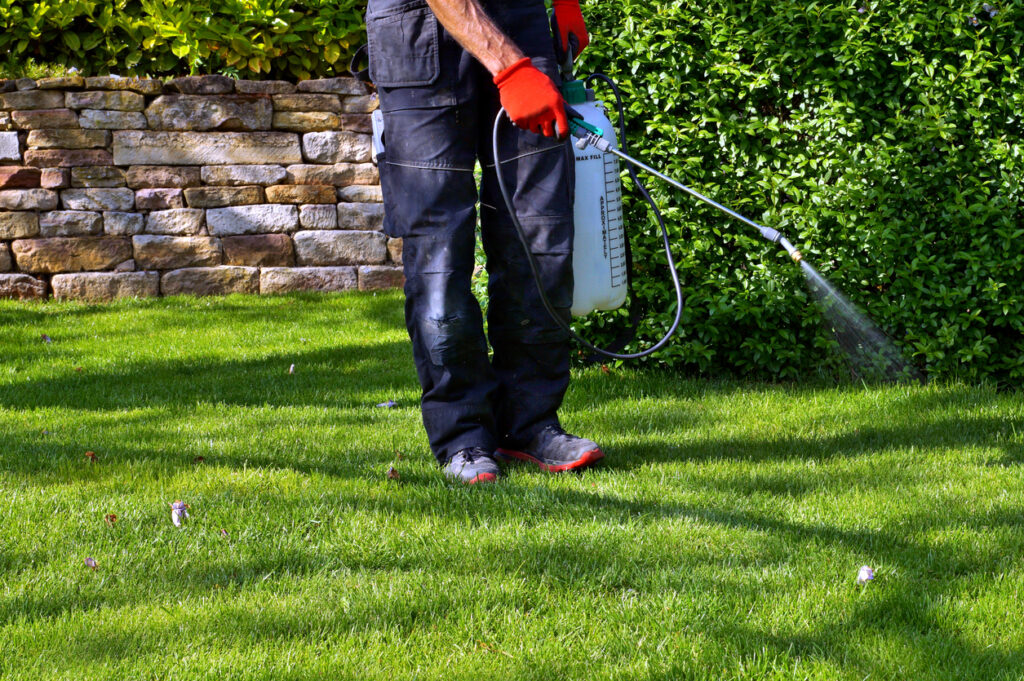
The overarching rule is you cannot bury anything that might pollute groundwater or soil. This includes oils, fuels, solvents, pesticides, fertilisers in bulk, or any substance that doesn’t naturally break down safely. Environmental protection laws cover this broadly.
If authorities discover contamination traced back to something you buried, you’re liable for clean-up costs, which can run into tens of thousands of pounds. You could also face criminal prosecution. When in doubt, assume you can’t bury it and find proper disposal methods instead.