While roses have a bit of a monopoly on romance these days, for most of history, people used a much wider variety of blooms to send a message.
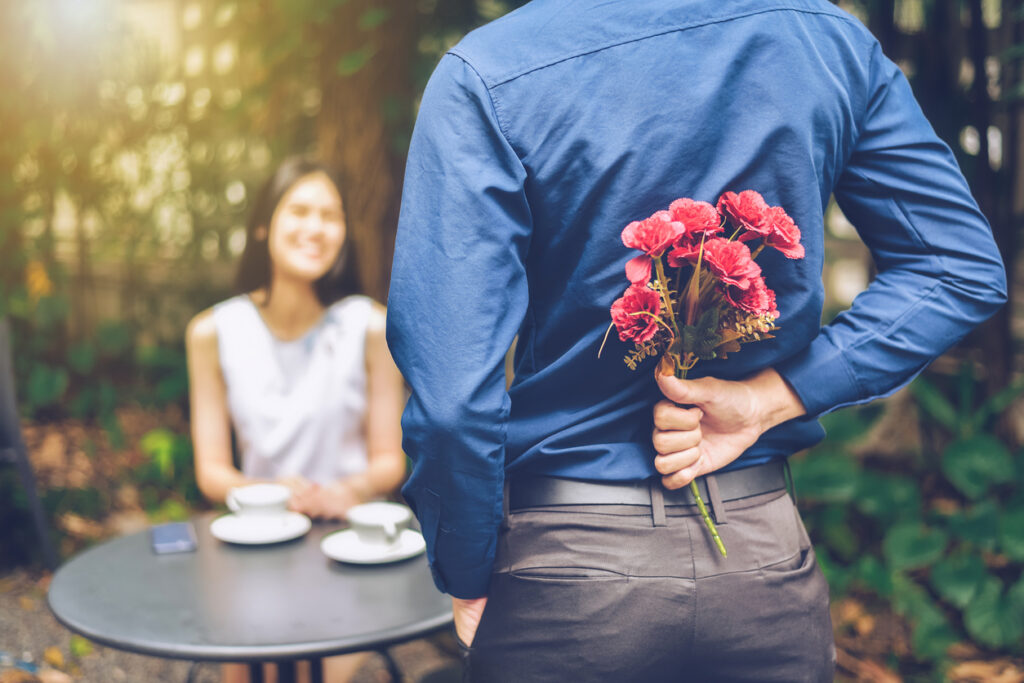
In the Victorian era especially, flowers were like a secret code, and a simple rose was often seen as a bit too obvious or generic for a proper declaration of love. People used to rely on far more specific plants to signal everything from a first crush to a lifelong commitment, often choosing flowers that carried way more weight than the stuff you see in a supermarket meal deal.
Whether it was the deep, dramatic meaning behind a tulip or the surprisingly sweet message of a common weed, the flowers we used to give were far more personal and varied. If you’re bored of the usual red bouquet, looking back at what our ancestors considered the height of romance might give you some better ideas that don’t feel so overdone. These 10 flowers might have fallen out of fashion, but their history shows they were once the ultimate way to tell someone exactly how you felt.
1. Violets
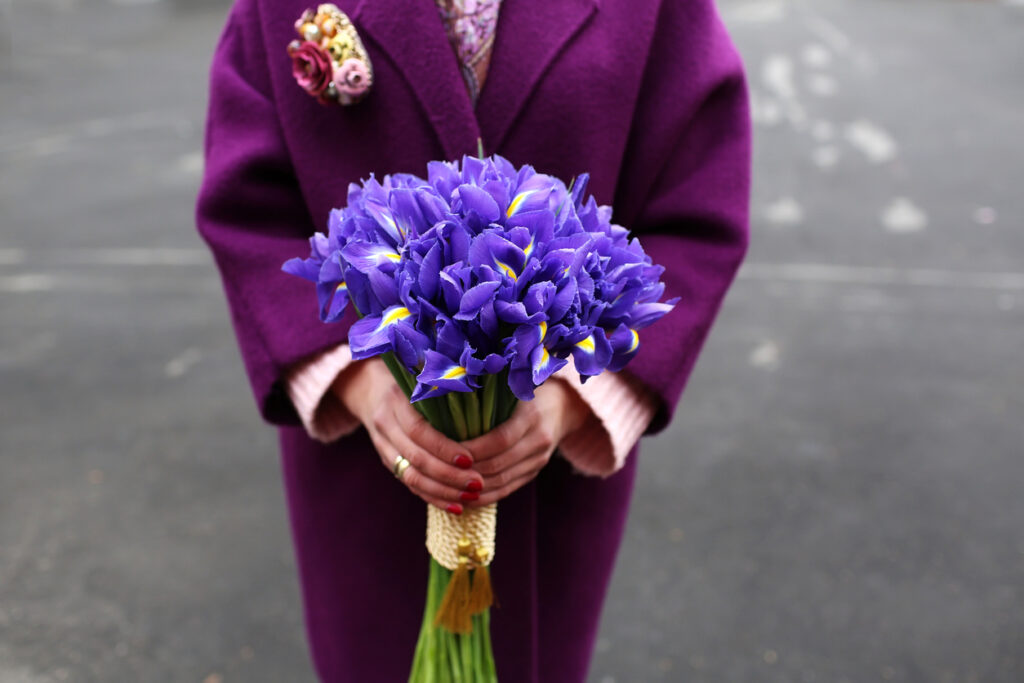
Violets were linked with modesty and faithful love, which sounds a bit prim, but it suited the kind of romance people used to praise. They’re small and sweet, and they don’t shout for attention, which was part of the appeal. Giving violets could feel like saying I’m serious about you, not just trying to impress you.
They also pop up in poetry and old love symbolism a lot, which helped them stick as a romantic go-to. If someone gave you violets, it wasn’t a grandiose gesture, but a steady kind of devotion. They’re the opposite of flashy, but that’s exactly why they were seen as meaningful.
2. Myrtle
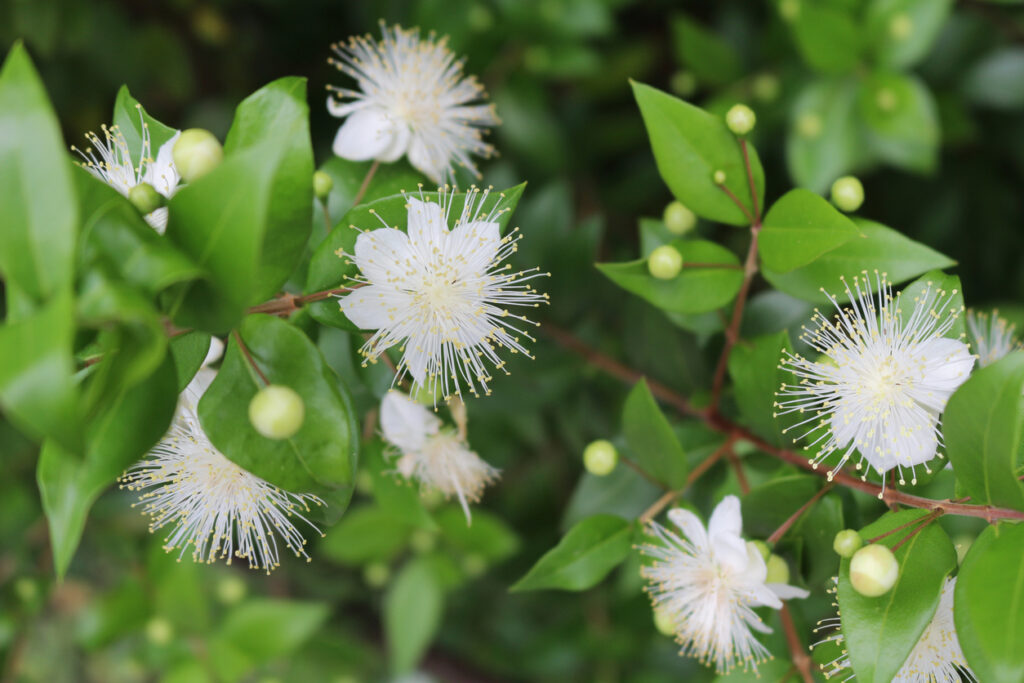
Myrtle has a long history as a love plant, tied to marriage and fertility in older traditions. It was the sort of thing you’d find woven into wedding decorations or carried as part of bridal greenery. It gave off the message of lasting love, not just a crush.
It’s not the kind of plant people grab at the supermarket now, which is why it feels forgotten. Back then, it was more of a romantic signal than roses in some circles. It’s basically the old-school symbol of we’re building a life, not just having a moment.
3. Orange blossom
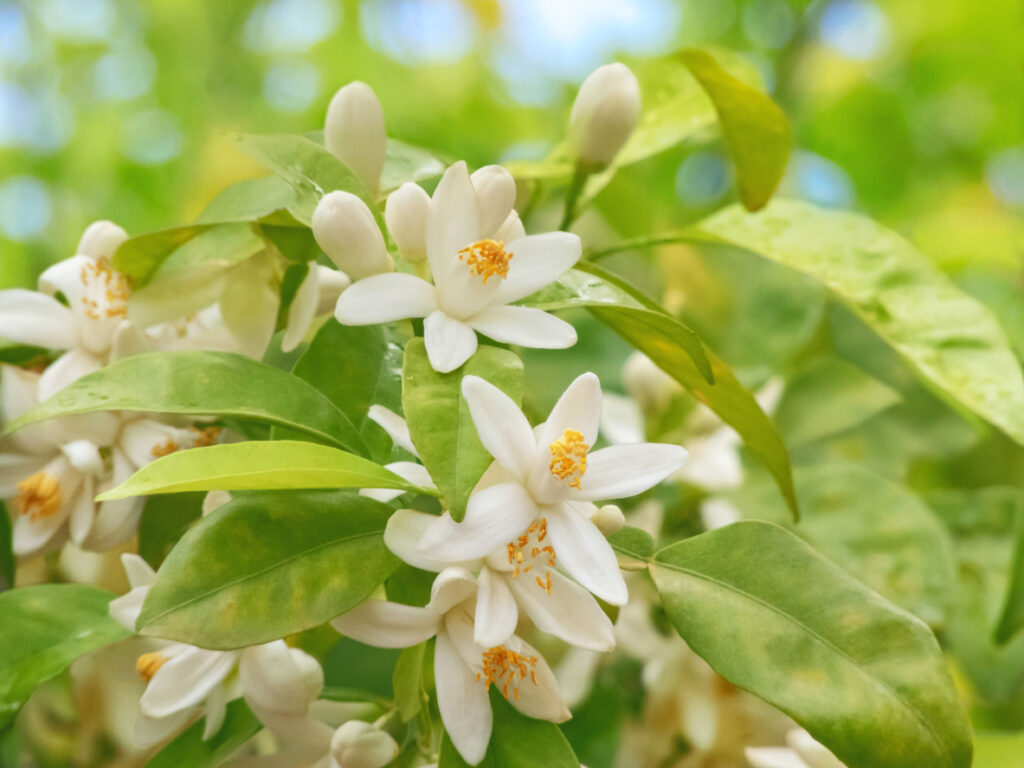
Orange blossom was seen as fresh, pure, and tied to weddings, especially because it comes from fruit trees. It had this hopeful, bright feeling to it, like a love that’s going somewhere. Brides wore it in hairpieces and bouquets when it was in season and available.
Because it’s delicate, it also felt special, like something you couldn’t just buy any day of the week. People liked that sense of rarity because romance used to be wrapped up in effort and timing. Giving orange blossom was a way of saying you’re not casual to me.
4. Forget-me-nots
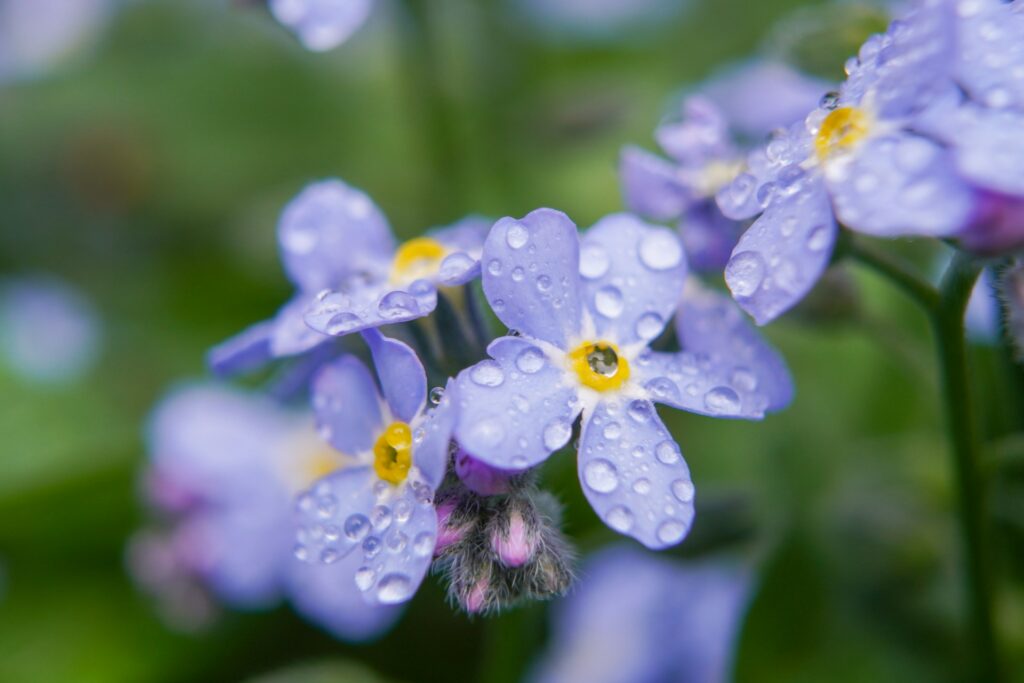
These have one of the most direct romantic messages you can imagine, and people leaned into that. Giving them wasn’t subtle. It was basically a flower-shaped plea for loyalty and remembrance, especially when lovers were separated.
They were popular in sentimental love traditions because they fit the language people used at the time. They’re tiny, but the meaning is huge, which is why they worked so well. It’s the sort of flower you give when you want to be kept close, even when you’re not there.
5. Carnations
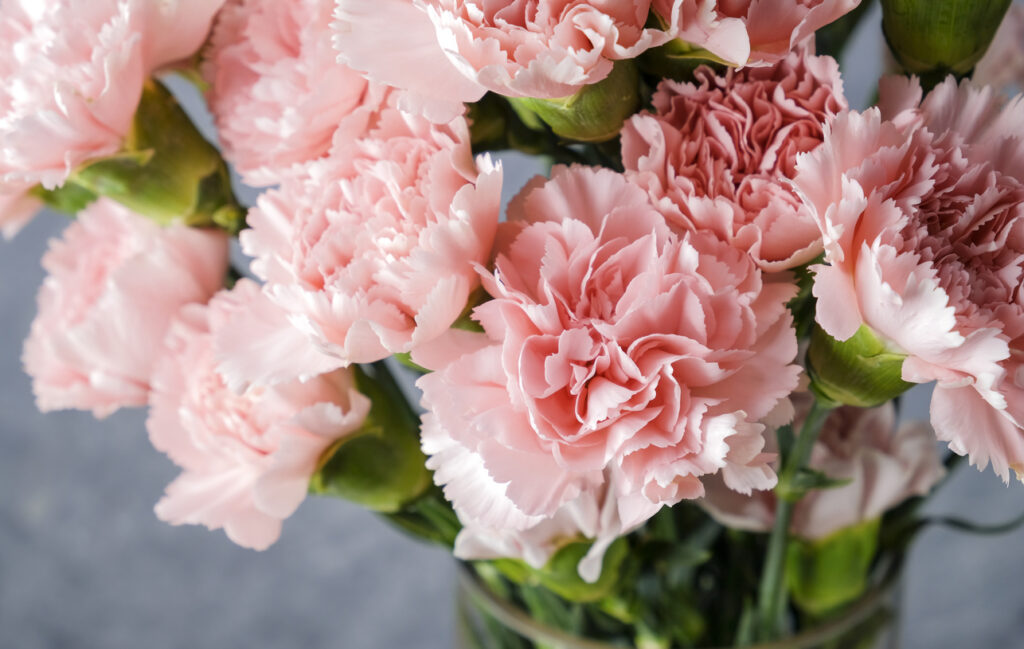
Carnations have been used as symbols of love for ages, and they were especially popular when flower gifting became more common. They last well in a vase, they smell lovely, and they come in colours that people used to attach specific meanings to. They were romantic without being over the top.
For a long time, carnations were also simply more practical and accessible than roses. That’s important since romance doesn’t always come down to what’s most dramatic. Sometimes it’s what you can reliably give, again and again, without it feeling cheap or thoughtless.
6. Lilies
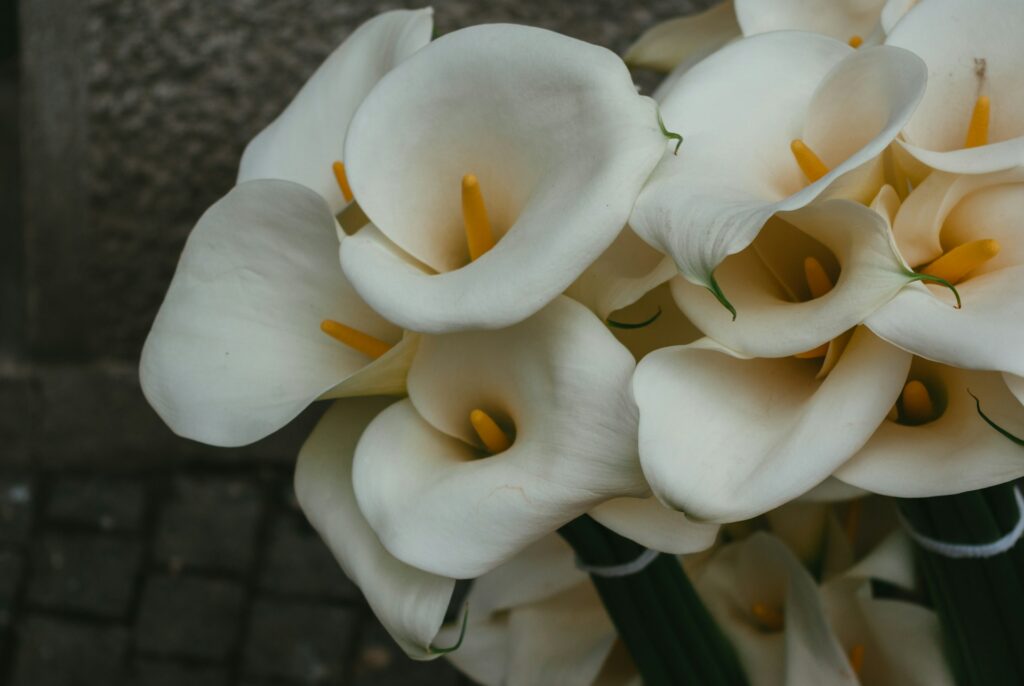
Lilies have been tied to love stories, devotion, and beauty in different cultures, though the meaning shifts depending on the type. They look elegant and almost unreal, which is why they’ve always been linked with intense feelings. They’re the kind of flower that makes a room feel different.
They also carry a sense of ceremony, which is why they were sometimes used to mark big romantic moments. Not every lily meaning is strictly romantic, but they’ve long been a flower that says, “This matters.” They’re less about flirtation and more about depth.
7. Tulips
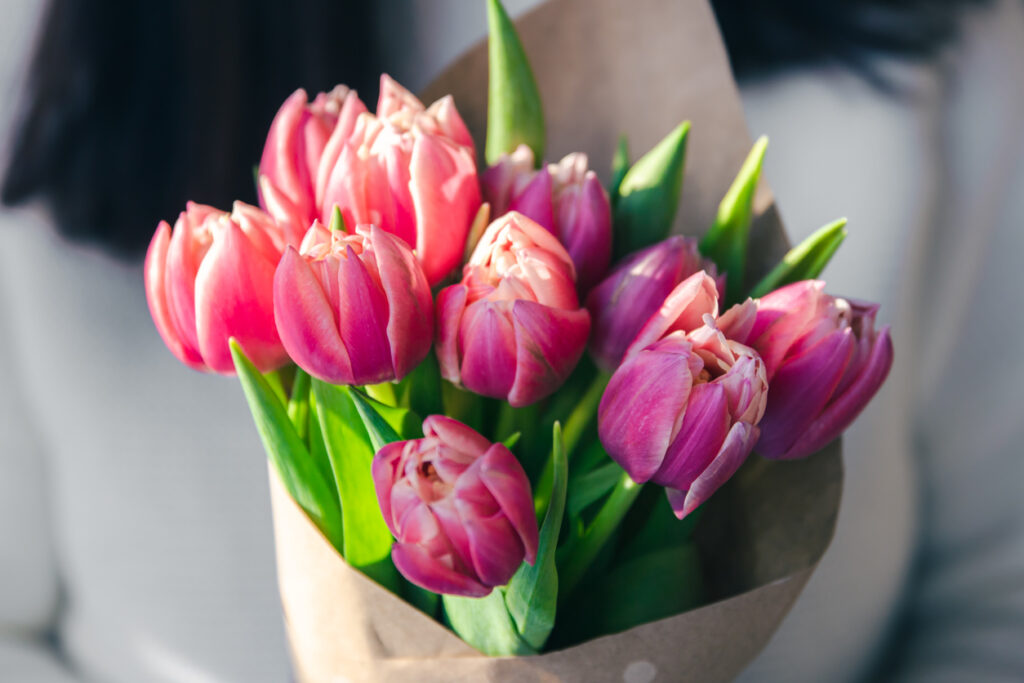
Tulips were once seen as wildly romantic, partly because they were rare, expensive, and fashionable. People went mad for them in certain periods, and anything people obsess over tends to become a symbol of desire. They also have a simple, clean shape that feels modern even now.
They became associated with perfect love in the way people talked about flowers. Giving tulips could feel like a confident choice, not a safe one. It was romantic in a slightly cooler, more stylish way than the classic red rose routine.
8. Peonies
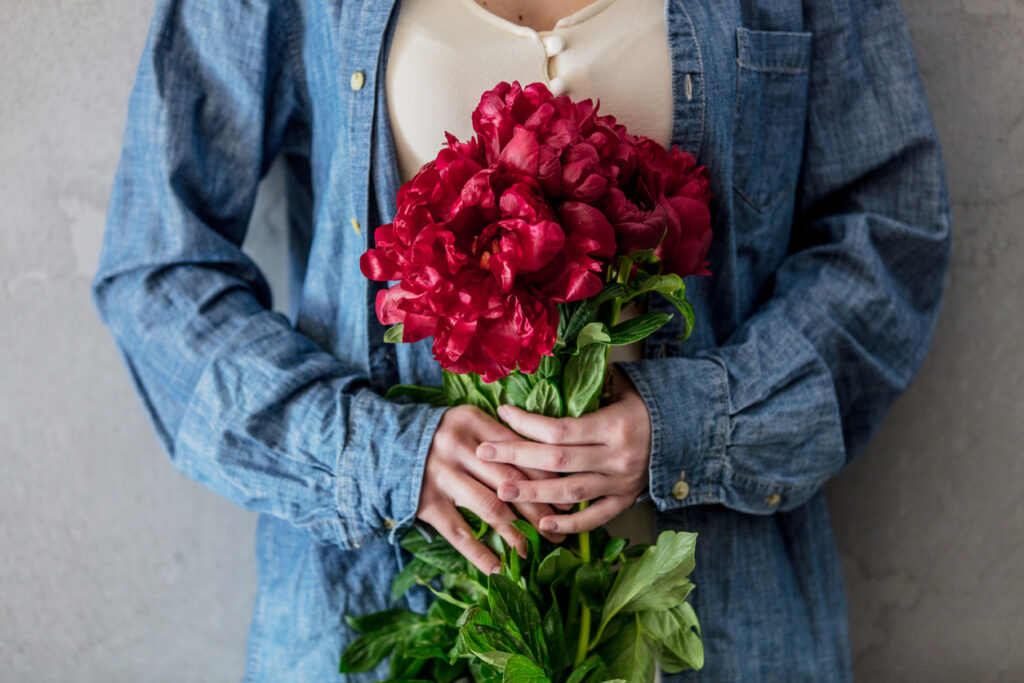
Peonies have that soft, full, lush look that people have always connected with romance and abundance. They feel like a big-hearted flower, like someone is going all in. In some traditions, they’ve also been linked with happy marriage and good fortune in love.
They were often seen as more luxurious than roses because of their size and their short season. That short season made them feel even more romantic, especially as you couldn’t have them whenever you fancied. When someone gave peonies, it felt like they’d caught the right moment.
9. Ivy
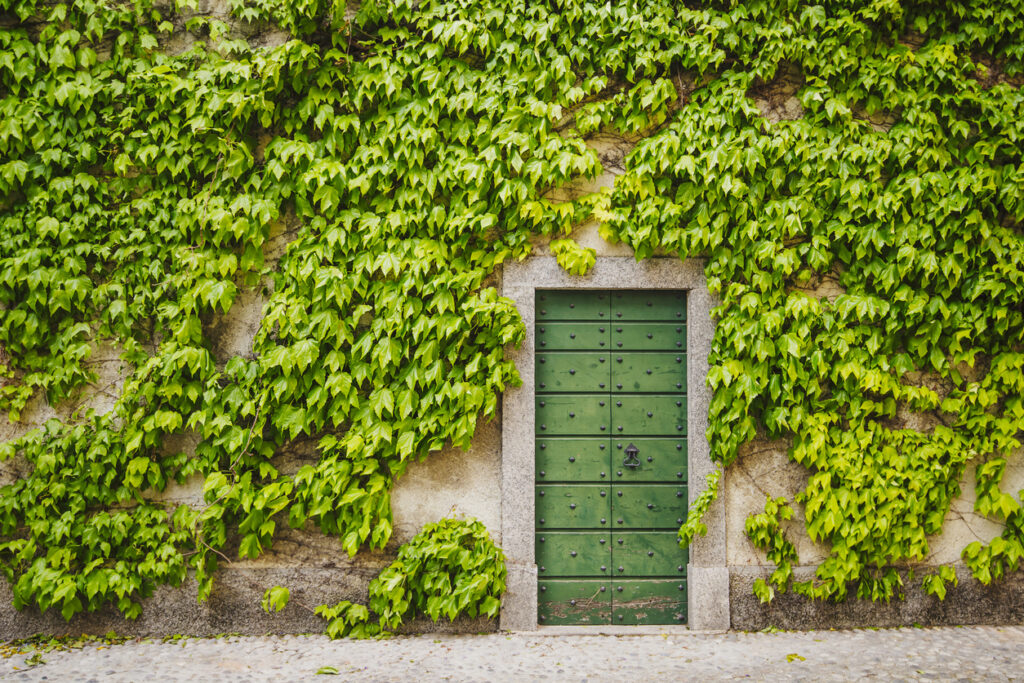
Ivy isn’t a flower, but it was absolutely used in romantic symbolism, especially in wreaths, garlands, and painted motifs. It represents attachment, loyalty, and sticking around, since that’s literally what it does. It clings and it lasts, even in harsh weather.
It was the sort of thing you’d see in older love imagery because it gave a clear message without needing bright petals. If someone included ivy, it suggested endurance and commitment. It’s romantic in a grounded way, like love that survives real life.
10. Daisies
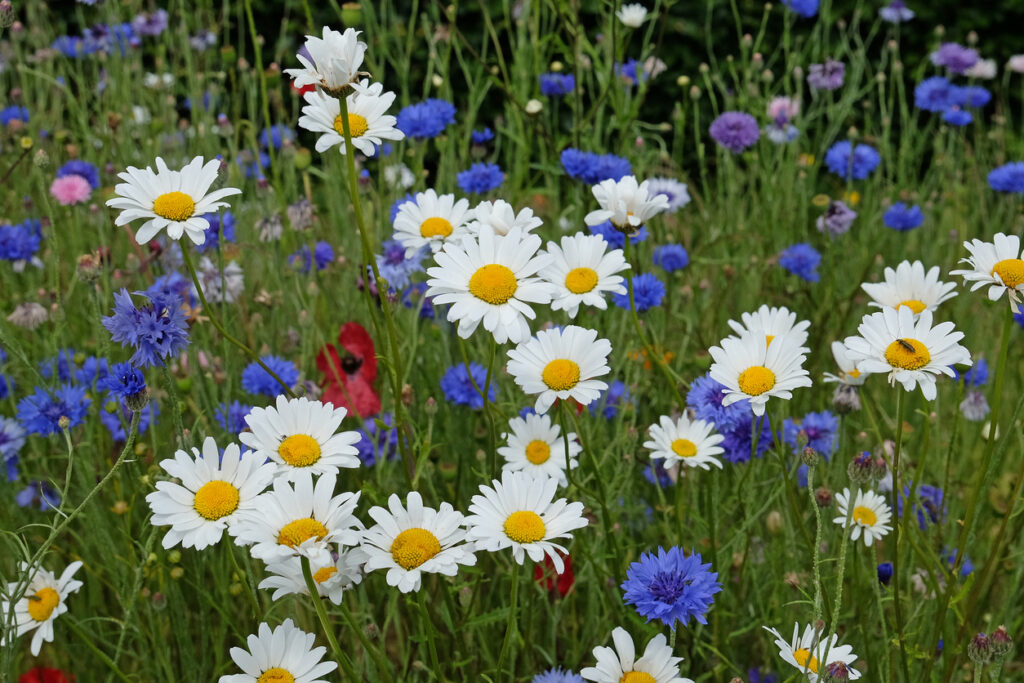
Daisies were linked with innocence and loyal love, and they show up in old romantic traditions more than people think. They’re cheerful and plain, which made them feel honest. Giving daisies could be a way of saying my feelings are real, even if I’m not flashy about it.
They were also common in countryside courtship and folk traditions because they were easy to find and still pretty. That might sound less glamorous, but it’s part of why they became romantic. They weren’t about money, they were about choosing someone, openly, in a simple way.