Not every flower is as innocent as it looks.
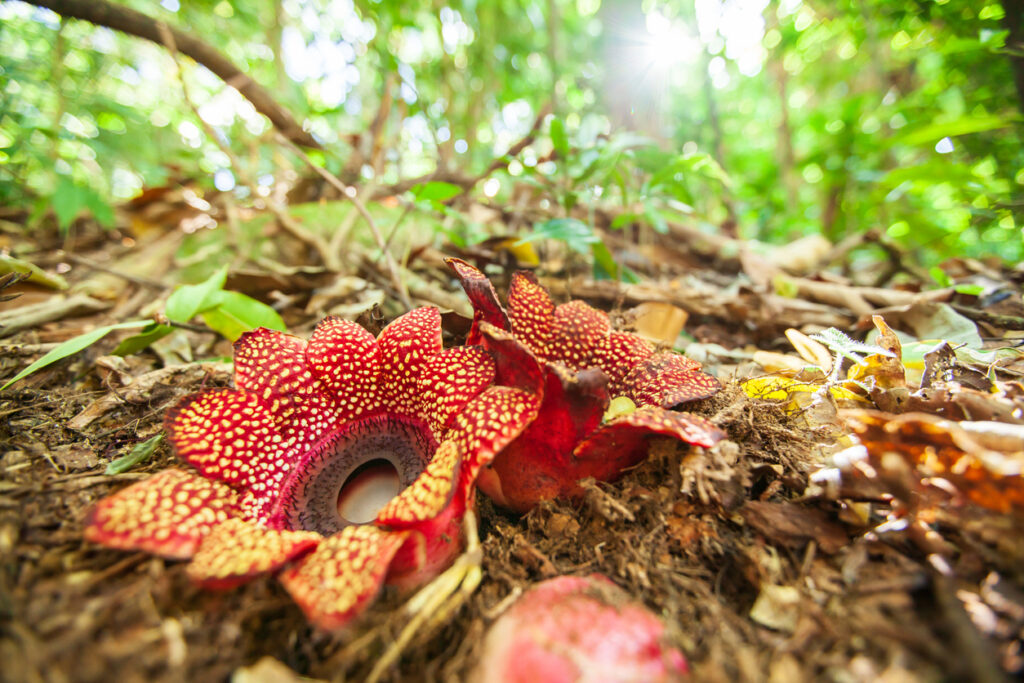
Some survive by taking from other plants, drawing nutrients and water without giving anything back. These parasitic flowers often look unusual, behave in unsettling ways, and reveal just how strange the plant world can be. It’s brutal, but actually pretty cool when you think about it.
1. Rafflesia arnoldii
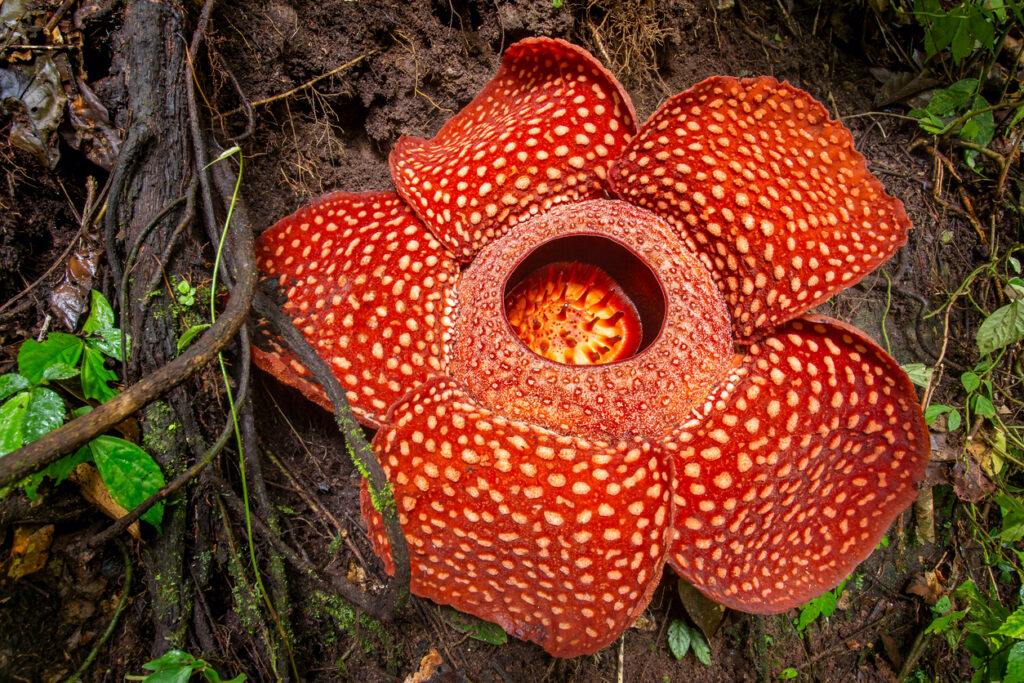
Often called the “corpse flower,” rafflesia is the world’s largest single bloom, sometimes spanning over a metre across. It emits a foul odour of rotting meat to attract flies, which act as pollinators. Unlike most plants, it has no leaves, roots, or stems of its own.
This giant survives by embedding itself into vines of the rainforest and feeding directly off them. Without a host, rafflesia couldn’t survive at all, making it one of the most dramatic examples of parasitism in nature.
2. Hydnora africana
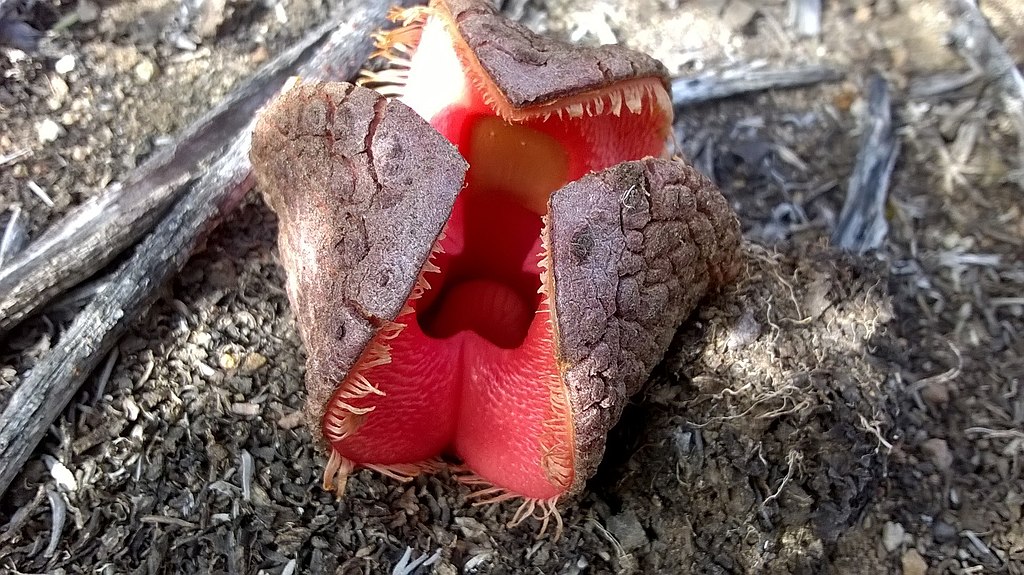
Native to southern Africa, this plant spends most of its life underground. Its odd, fleshy flower emerges from the soil with a smell of dung, trapping beetles inside to ensure pollination. Its appearance is more animal-like than floral, which adds to its strange reputation.
Hydnora has no chlorophyll, meaning it can’t produce food on its own. Instead, it latches onto host roots to steal nutrients, making it entirely dependent on other plants for survival.
3. Balanophora

Found across Asia and Africa, balanophora looks more like coral than a flower. Its surface is dotted with small bumps that act as reduced flowers. Without green parts, it has no ability to photosynthesise.
It grows by attaching itself to the roots of nearby trees, draining water and sugars from them. Its odd waxy texture and alien form make it stand out among parasitic plants worldwide.
4. Dodder (Cuscuta)

Dodder is a thin, threadlike plant that winds itself tightly around hosts. Once it makes contact, it pierces stems with special organs that allow it to suck out nutrients. Its yellow or orange strands form dense tangles that can smother entire plants.
Because it spreads so quickly, dodder is considered an agricultural pest. Left unchecked, it weakens crops and can cause serious losses in fields of alfalfa, tomatoes, and other plants it targets.
5. Pilostyles
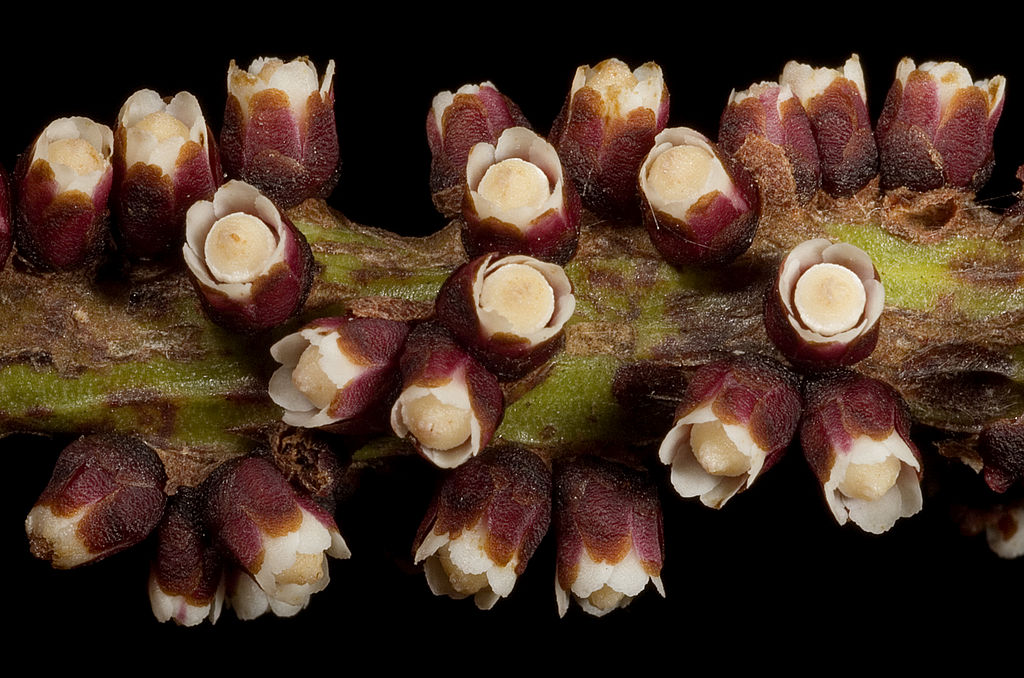
This unusual flower spends nearly its whole life hidden inside its host. Found in arid regions, it grows within the stems of shrubs, invisible until clusters of tiny flowers break through the bark. Its entire body exists within the host plant’s tissue.
Pilostyles can’t photosynthesise or survive independently. It relies completely on its host’s sap, making it one of the most secretive parasitic flowers in the world.
6. Orobanche (broomrape)

Broomrape is a group of root parasites that attack crops such as legumes, tomatoes, and sunflowers. They produce pale, sometimes purple-tinted flower spikes that rise from the soil, but the plant itself lacks chlorophyll. Their life cycle depends entirely on their hosts.
In farming regions, broomrape is considered highly destructive. Once its seeds contaminate soil, they can remain viable for years, making it difficult to eradicate completely.
7. Rhizanthes
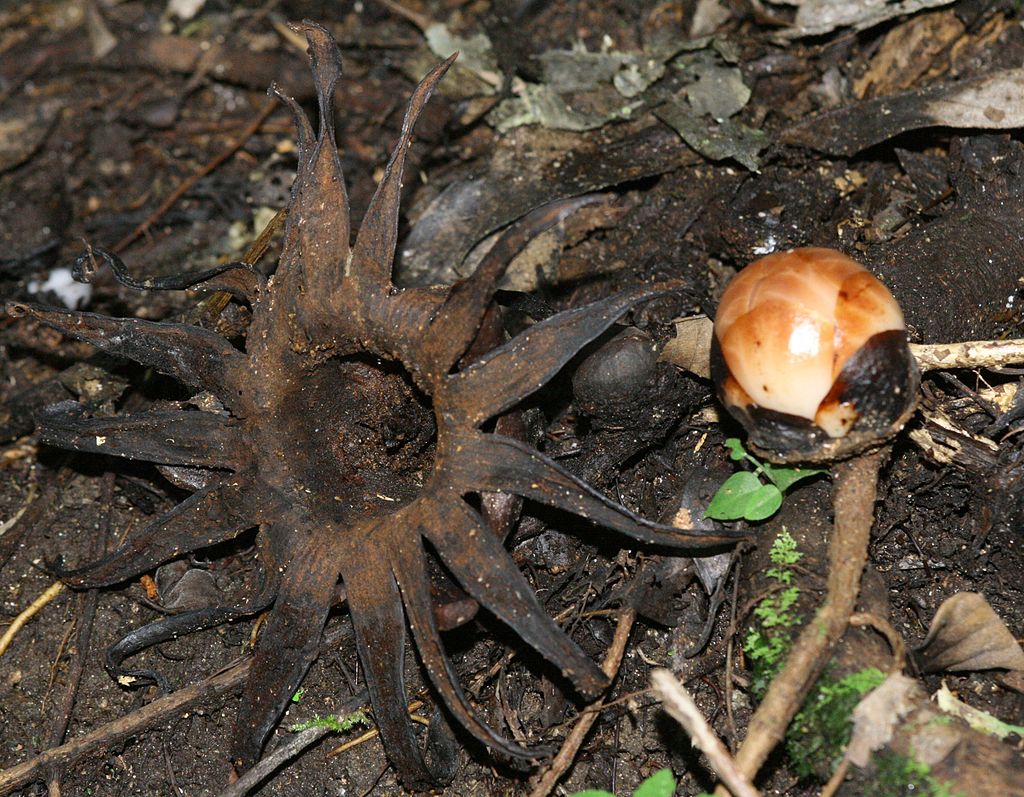
Closely related to rafflesia, rhizanthes also grows massive flowers that emerge from the forest floor. Its fleshy, speckled blooms open at night and give off an unpleasant smell to lure pollinators. The flowers are eerie and often resemble strange fungi rather than plants.
Rhizanthes attaches itself to host vines underground, drawing all the nutrients it needs. Without a host, it can’t grow, highlighting just how dependent these parasitic giants are.
8. Striga (witchweed)

Striga, commonly known as witchweed, is one of the most damaging parasitic plants in the world. Its bright purple, yellow, or red flowers look attractive, but below the soil, its roots steal from crops such as maize, rice, and sorghum. It devastates harvests in parts of Africa and Asia.
Farmers combat striga through resistant crop varieties and soil management. Despite these efforts, it remains one of the biggest threats to food security caused by a parasitic flower.
9. Mitrastemon

Mitrastemon is a rare plant that emerges only briefly from the roots of trees in Asia and Central America. Its spiky, cone-like flowers poke out of the ground, looking more like strange fungi than blossoms. It spends most of its life hidden underground.
Since it lacks chlorophyll, it drains everything it needs from tree roots. Its rarity and unusual shape make it a fascinating but little-known parasitic flower.
10. Thonningia sanguinea
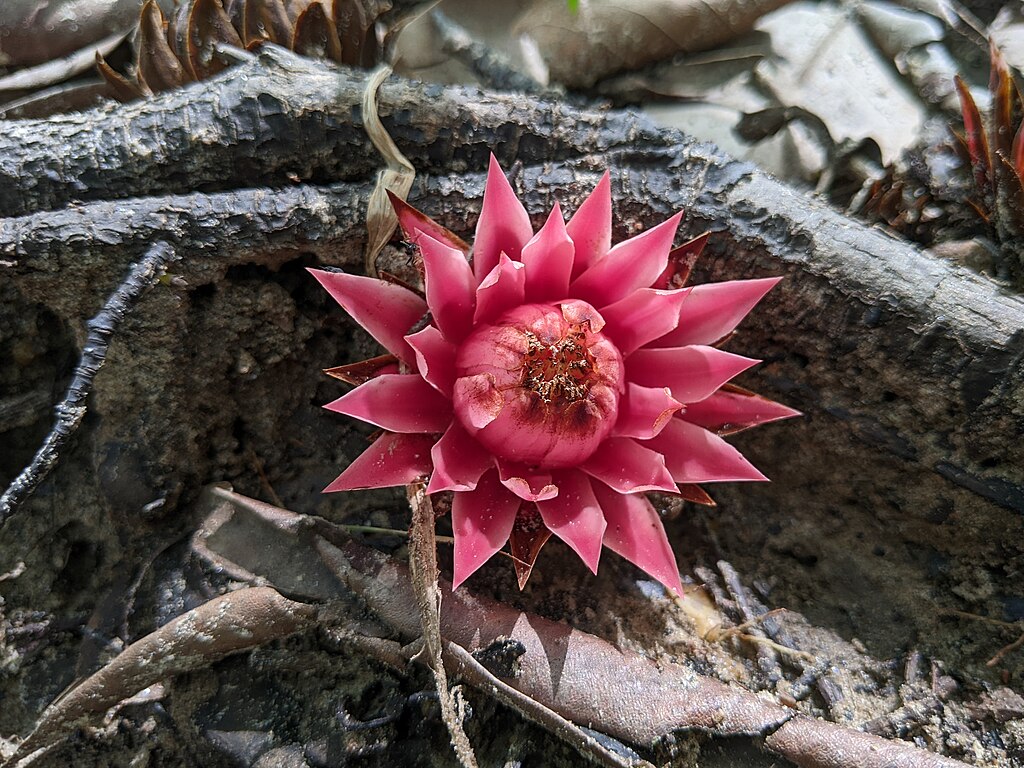
Native to Africa, this plant produces bright red, rounded flowers that emerge directly from the forest floor. The blooms are striking and nectar-rich, attracting pollinators with ease. Beneath the surface, however, it’s fully parasitic, drawing life from tree roots.
Because it can spread in dense patches, it often outcompetes surrounding plants. Its fiery appearance hides the fact that it lives at the expense of its hosts.
11. Sapria himalayana

Sapria is another relative of rafflesia, found in the forests of Southeast Asia. Its flowers are bright red with yellow spots, making them striking to look at. Like its relatives, it has no leaves or stems of its own.
Sapria attaches to host vines underground, feeding on their nutrients until it produces massive, fleshy blooms. Its rarity makes it a prized but unusual find for botanists exploring remote areas.
12. Aeginetia indica

This parasitic plant is native to Asia and produces small but striking purple flowers. It attaches to the roots of grasses and crops, especially in rice fields. Farmers often see it as a weed that threatens yields.
By siphoning off nutrients, aeginetia weakens its hosts and reduces harvests. Its modest size hides the serious impact it can have when infestations spread.
13. Cynomorium
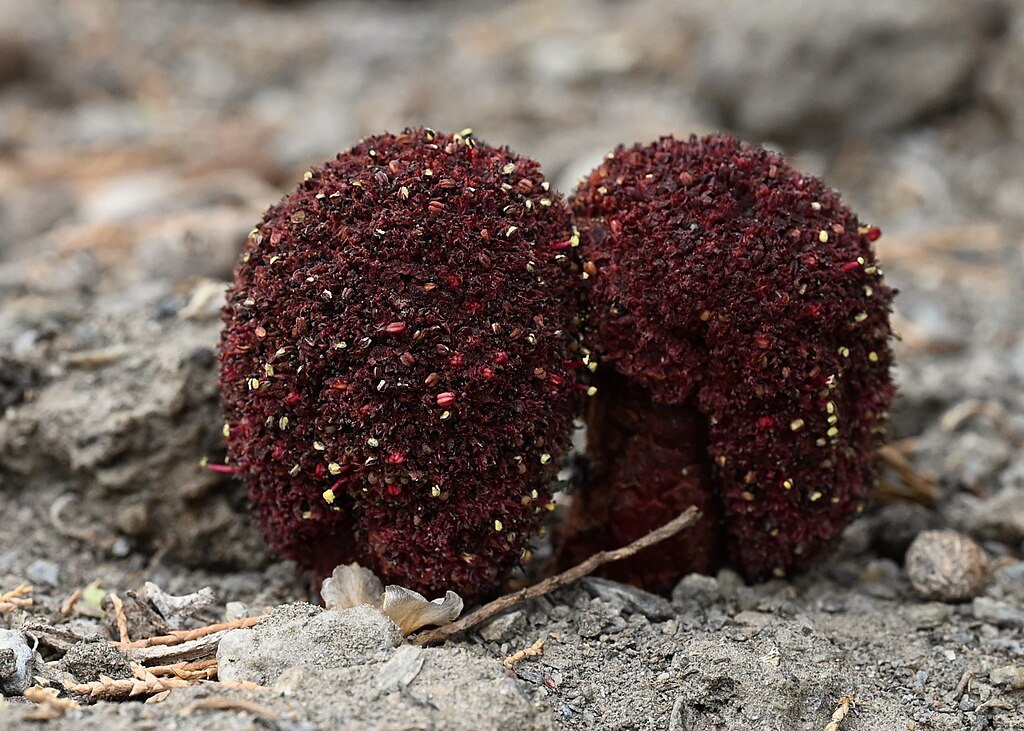
Cynomorium, sometimes called “desert thumb,” grows in arid regions across North Africa and Asia. Its dark red, club-shaped flowers emerge straight from the ground, often resembling strange fungi. With no green tissue, it can’t survive on its own.
This plant taps into the roots of other desert plants to stay alive. Its odd, fleshy flowers and parasitic nature have made it both feared and used in traditional medicine for centuries.