Imagine if some of history’s most incredible creatures were still wandering around today.
Among other things, it would lead to a complete reshuffling of who eats what, and turn our modern ecosystems absolutely bonkers. These amazing extinct animals weren’t just impressive because of their size or weirdness. They were proper game-changers that could’ve kept entire food webs operating in completely different ways if they’d stuck around.
1. Megalodons would’ve made great white sharks look like minnows.

These absolutely massive prehistoric sharks were roughly three times longer than great whites and could’ve chomped through whales like they were fish fingers. Modern ocean food chains basically revolve around smaller predators because nothing’s big enough to regularly hunt adult whales.
If megalodons were still cruising about, whales would be much scarcer and the entire ocean ecosystem would be flipped upside down. Smaller fish populations would explode without whale predation, while everything else would have to adapt to living in a world where 60-foot sharks ruled the seas.
2. Giant ground sloths were basically walking ecosystems.
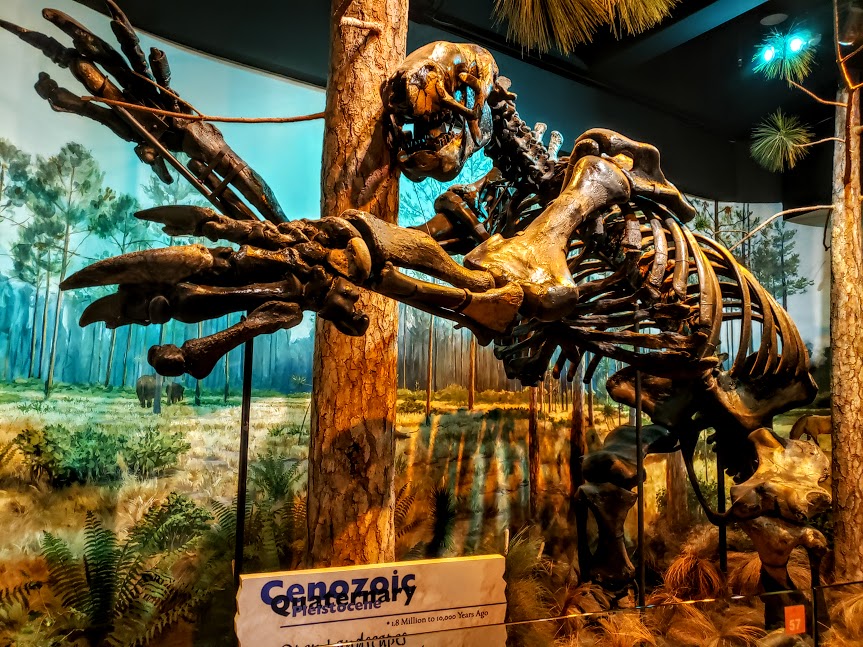
These car-sized furry beasts weren’t just massive plant-munchers, they were like mobile forests that spread seeds across huge distances and created clearings that other animals depended on. Their disappearance left enormous gaps in how South American forests regenerated and spread.
Without these gentle giants doing the heavy lifting, many plant species lost their best seed dispersal service and forest ecosystems became much more static. Loads of animals that depended on the clearings and pathways these sloths created had to completely change their lifestyles or risk extinction themselves.
3. Terror birds would’ve kept early mammals properly terrified.
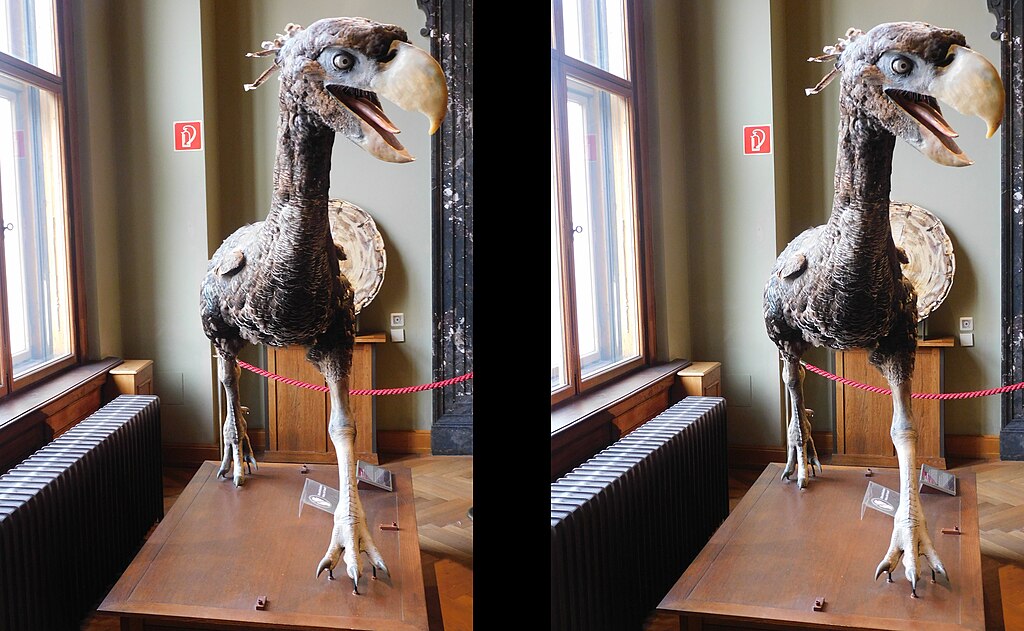
These 10-foot-tall flightless predators had massive beaks and ran faster than racehorses, making them absolutely lethal hunters that could’ve changed how early mammals evolved. Instead of gradually getting bigger and bolder, mammals might’ve stayed small and sneaky to avoid becoming bird food.
The terror birds’ extinction allowed mammals to diversify into larger forms and spread into new ecological niches. If these feathered nightmares were still around, the age of mammals might never have properly kicked off, keeping our ancestors small and skittish forever.
4. Irish elk were like walking billboards that shaped entire forests.
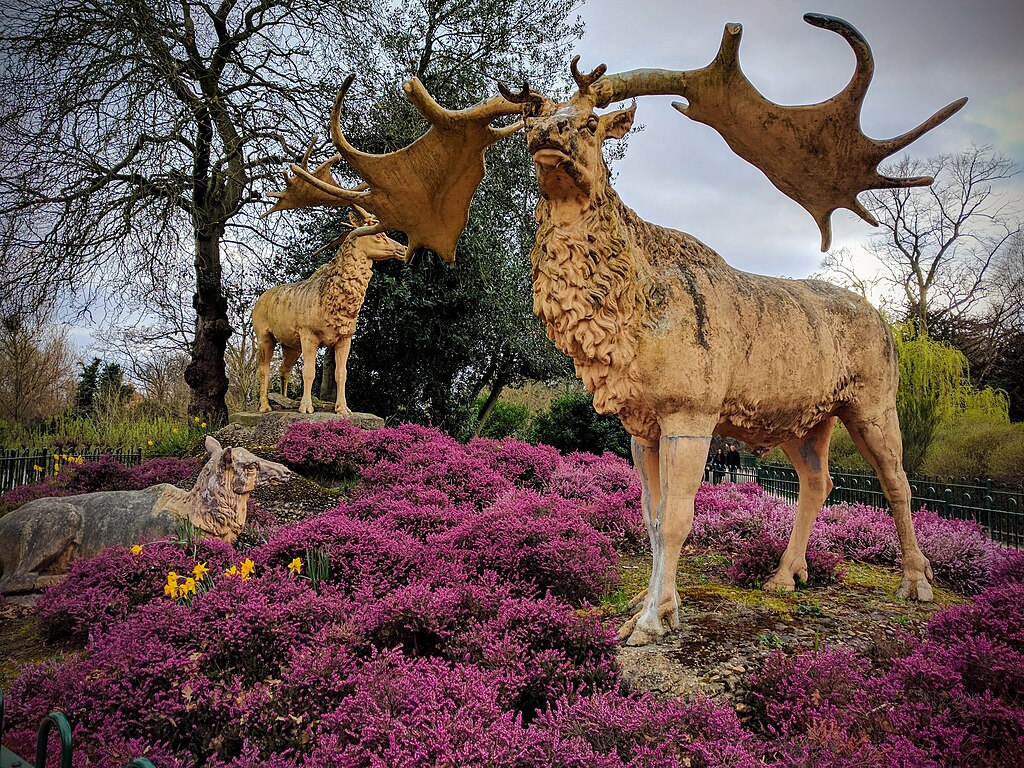
With antlers spanning 12 feet across, these massive deer needed huge amounts of open woodland to move around, which meant they basically landscaped entire forests through their daily activities. Their grazing patterns and pathway creation influenced where other animals lived and how forests developed.
Modern European forests are much denser and more closed-in than they would be with these giants stomping about. Loads of grassland species that depended on the open areas these elk maintained disappeared along with them, creating knock-on effects throughout the ecosystem.
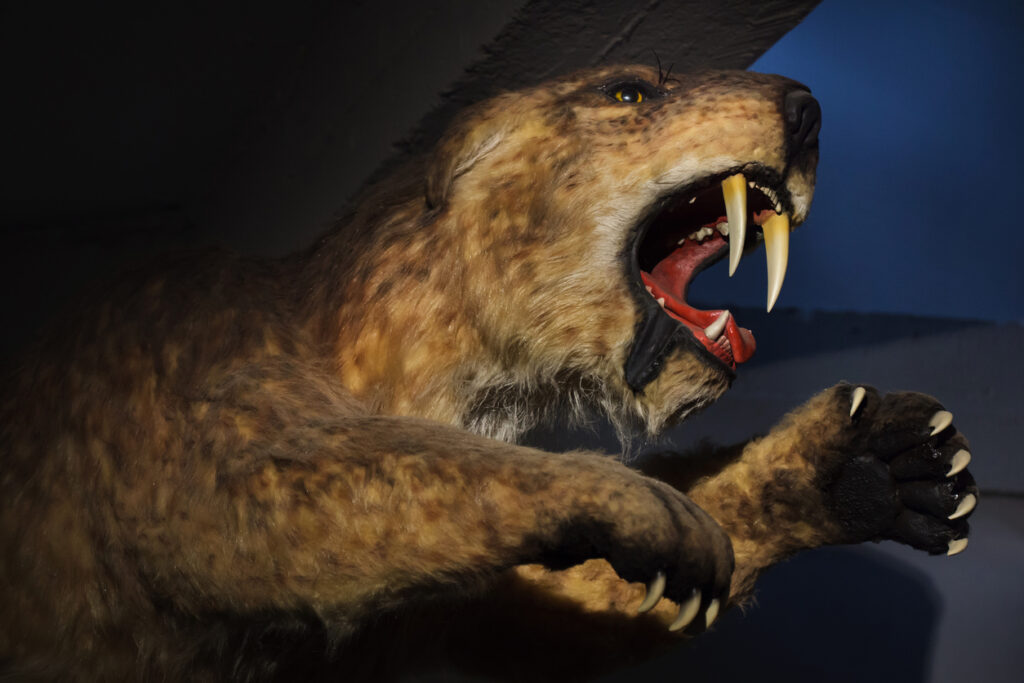
5. Sabre-toothed cats specialised in hunting giants.
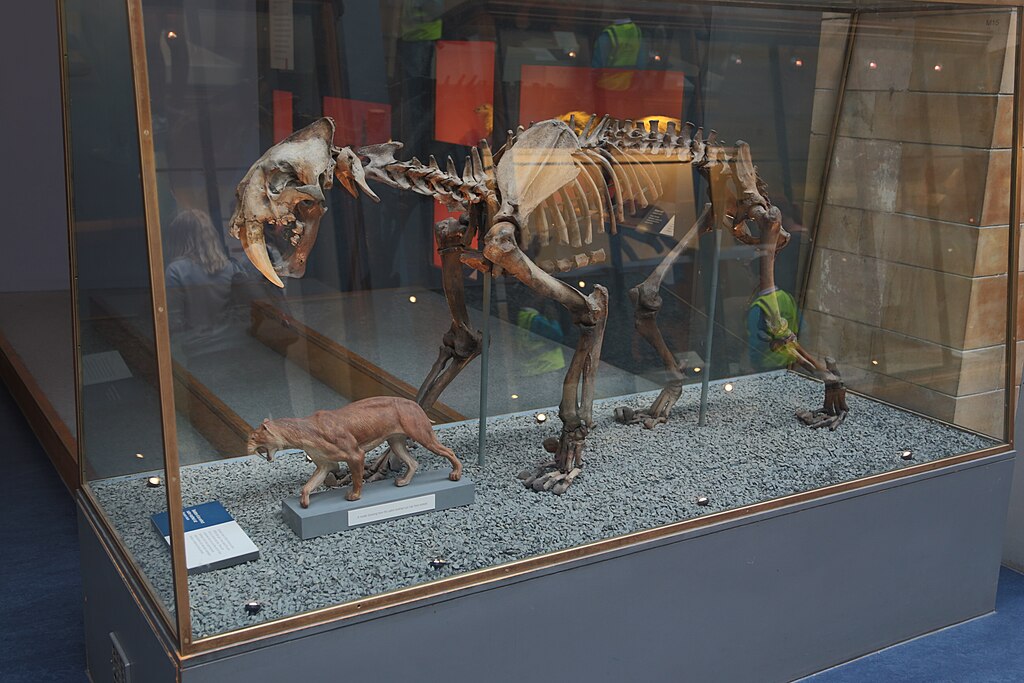
These impressive predators evolved specifically to take down massive prey like mammoths and giant ground sloths, using their enormous fangs to pierce thick hides and reach vital organs. Without them, large herbivores had much easier lives and could grow even bigger.
Their extinction meant that giant herbivores lost their main predator, which should’ve led to population explosions, but instead many of these prey species also became extinct. This suggests the sabre-toothed cats were crucial in maintaining balanced ecosystems that collapsed without their regulatory influence.
6. Dodo birds were surprisingly important seed dispersers.
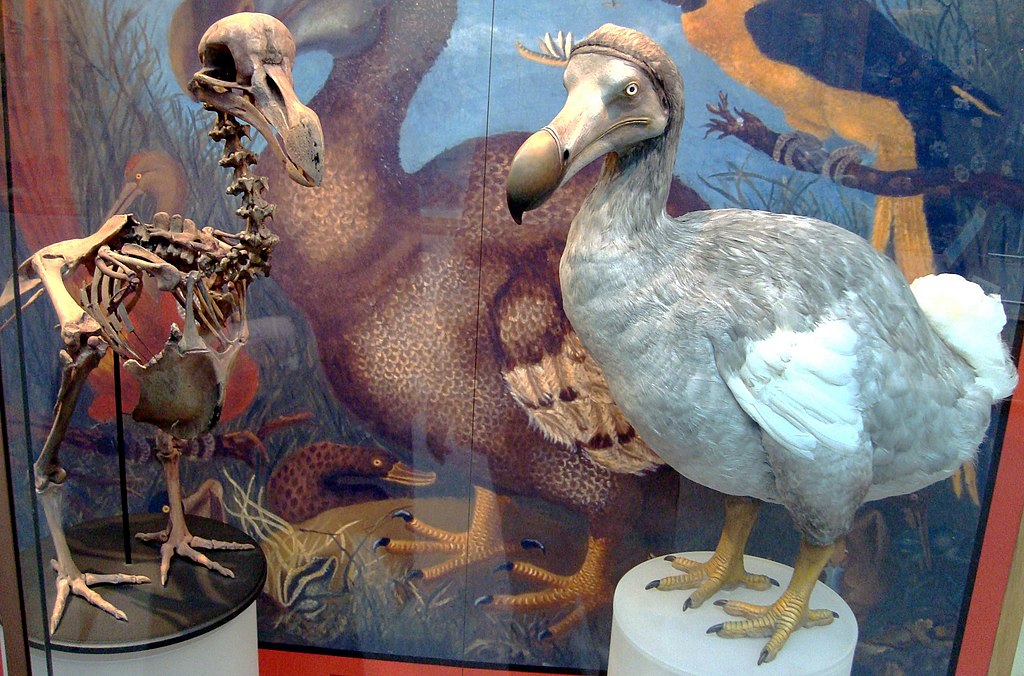
Despite their reputation for being useless, dodos were actually brilliant at spreading seeds from large fruits that other animals couldn’t handle. Some Mauritian plants evolved fruits specifically sized for dodo beaks and digestive systems.
Several tree species on Mauritius nearly became extinct after the dodos disappeared because nothing else could effectively disperse their seeds. The entire forest ecosystem started collapsing without these supposedly “stupid” birds doing their crucial job of replanting the forests.
7. Giant beavers created wetlands the size of small countries.
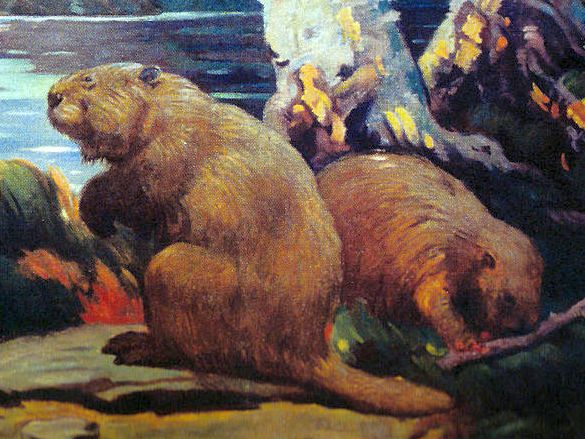
These bear-sized rodents didn’t just build little dams, they engineered massive wetland systems that influenced water flow across entire continents. Their constructions created habitats for countless other species while controlling flooding and drought patterns.
Without giant beavers maintaining these enormous wetland networks, many aquatic ecosystems dried up or became unstable. Fish, waterfowl, and amphibians lost crucial breeding grounds, while the loss of natural flood control made rivers more unpredictable and destructive.
8. Cave bears dominated European mountain ecosystems.
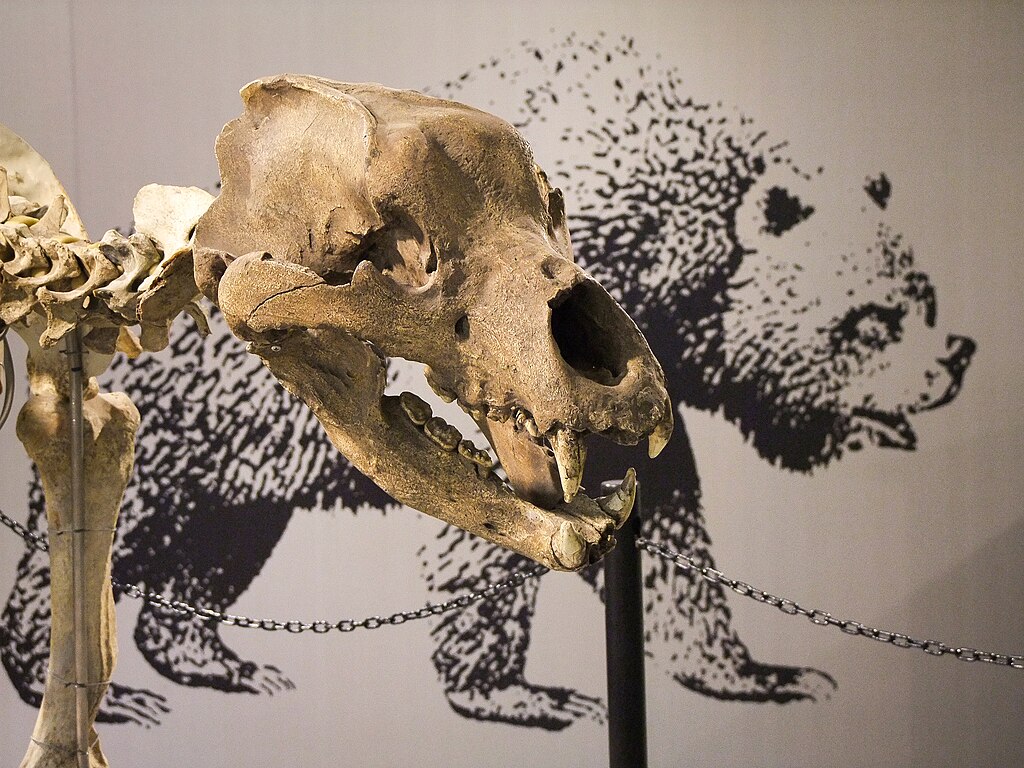
These massive omnivores were much larger than modern bears and occupied prime territory throughout European mountain ranges. Their presence kept other large predators in check, while their foraging habits spread nutrients and seeds across alpine environments.
Modern European mountains have much simpler food webs, without these enormous bears controlling territories and resources. Many mountain plant communities became less diverse without cave bears dispersing seeds and creating the disturbances that some species needed to thrive.
9. Glyptodonts were like living tanks with attitude.
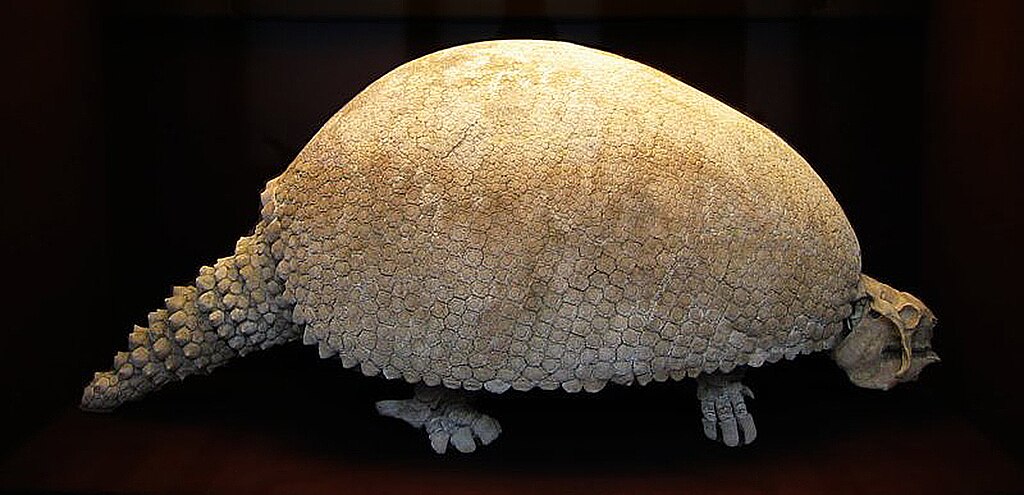
These armoured relatives of armadillos were the size of small cars and could defend themselves against almost any predator. Their heavy grazing and digging activities created unique grassland habitats that supported specialised plant and animal communities.
Without glyptodonts maintaining these distinctive grassland patches, many South American ecosystems became more homogeneous. The loss of their grazing pressure allowed forests to encroach on grasslands, displacing all the species that had evolved to live in open habitats.
10. Woolly rhinoceros kept ice age grasslands thriving.
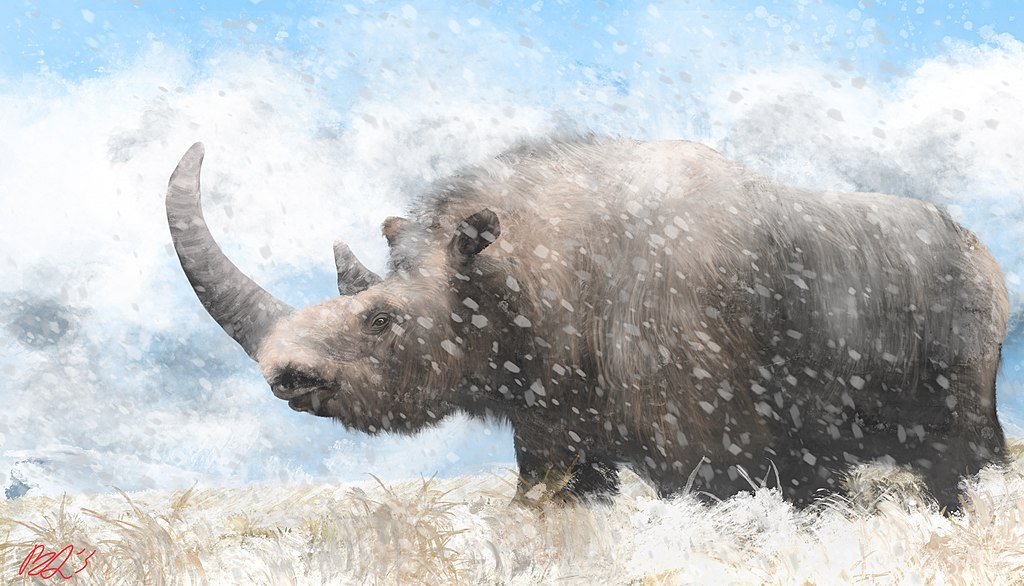
These chunky herbivores were perfectly adapted for grazing on tough arctic grasses and maintaining the mammoth steppe ecosystem. Their feeding habits prevented forests from taking over the tundra, while their movement patterns created pathways for other animals.
The disappearance of woolly rhinos contributed to forests replacing grasslands across northern regions, completely changing the character of these ecosystems. Many cold-adapted species lost their preferred habitats when the open grasslands they’d evolved in became dense woodlands instead.