Small gardens don’t have to feel limited.
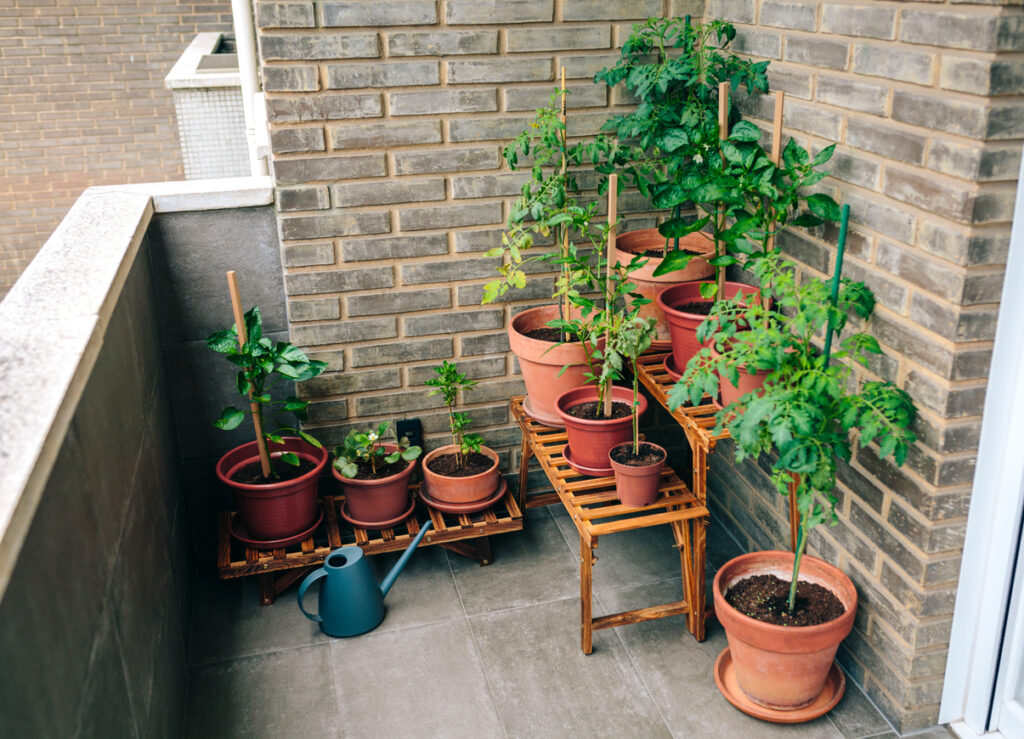
Even the tiniest courtyard, balcony, or patio can brim with personality if you use the space wisely. With a few clever touches, you can turn compact corners into inviting green havens that feel far larger than they are. Sure, it may not be the sprawling paradise you dream of having one day, but you can still enjoy a beautiful outdoor space right now.
1. Play with vertical planting.
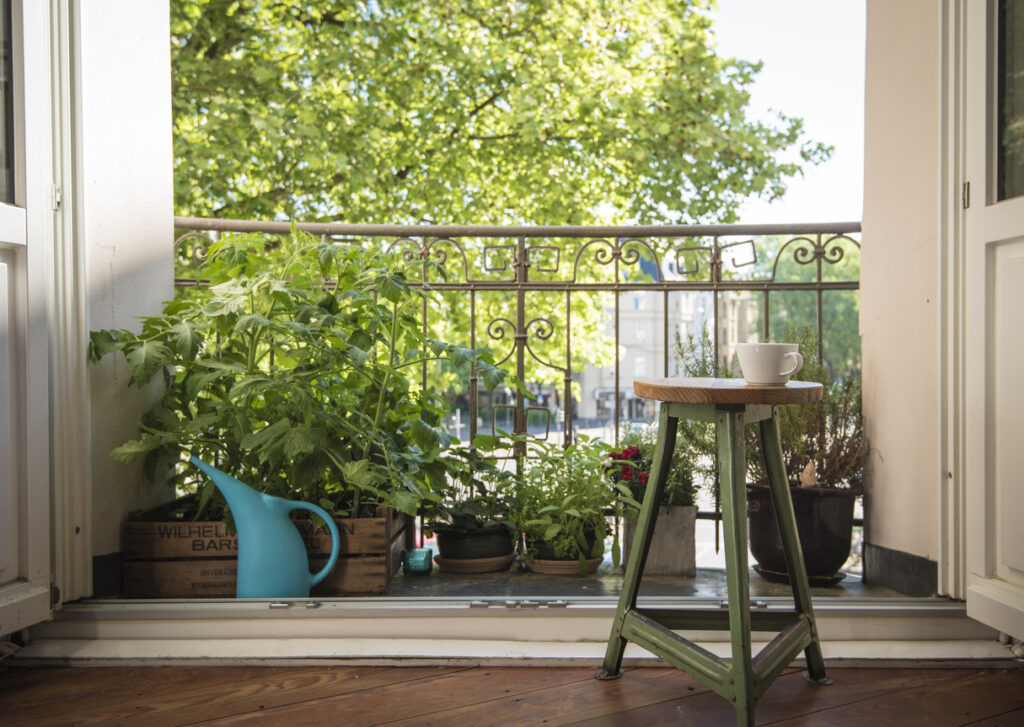
When floor space is scarce, plants often end up fighting for room. Pots crowd each other, and instead of looking lush, the space feels jammed and messy. You lose the ability to show off individual plants, and the garden ends up looking more like storage than sanctuary.
Wall planters, tiered stands, and hanging baskets solve this instantly. By lifting greenery upward, you free up the ground while also creating a layered, striking effect. Vertical planting adds drama, makes small areas feel purposeful, and brings a sense of abundance without the clutter.
2. Choose multipurpose furniture.
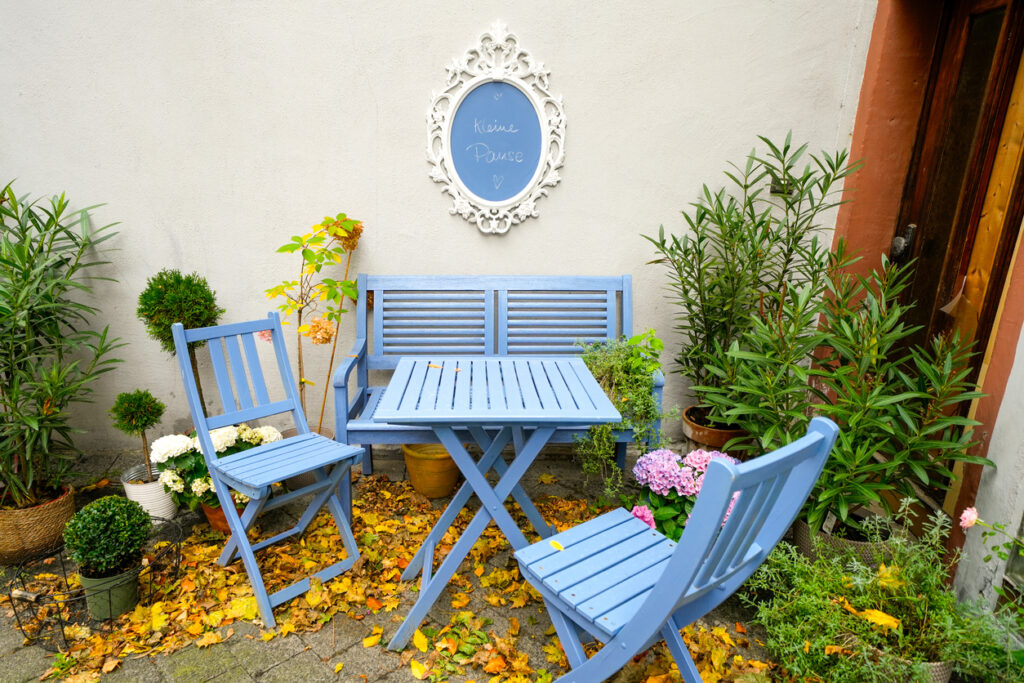
Bulky tables and chairs can swallow a patio in seconds. When pieces dominate, you’re left with little room for plants or movement, and suddenly the space feels more like a cramped corner than a relaxing escape.
Furniture that works harder is the answer. Foldable chairs that tuck away neatly, benches with storage beneath, or tables sturdy enough to double as plant stands give you flexibility. These clever choices keep your garden functional and stylish while leaving space to breathe.
3. Use mirrors to expand the view.
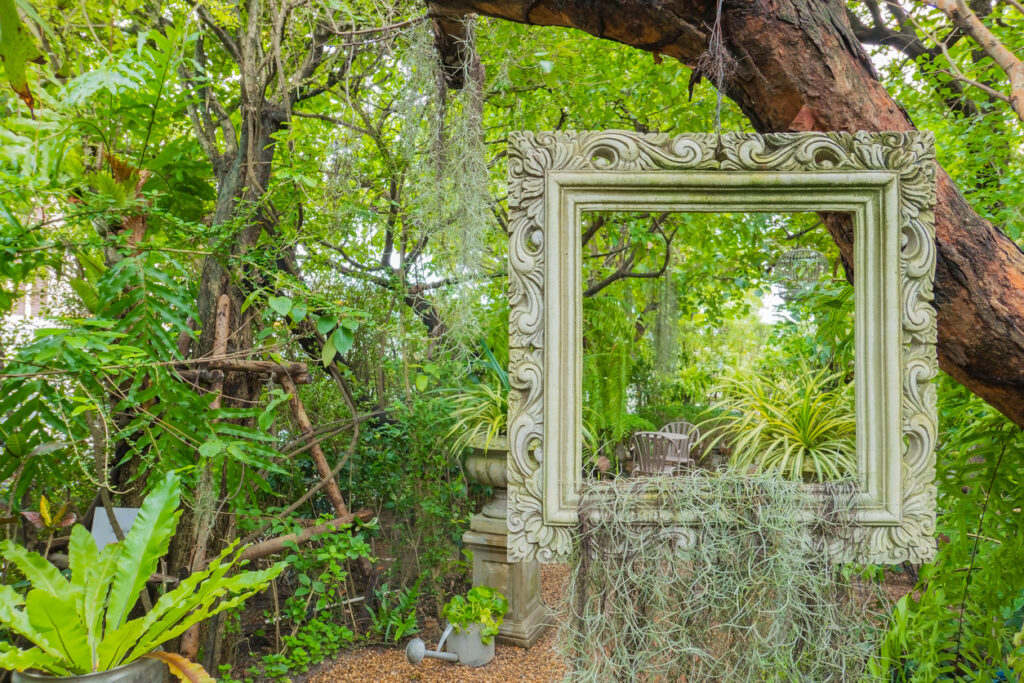
Small gardens often feel boxed in by fences, walls, or railings. The lack of depth makes the space seem smaller, and no amount of greenery can change that on its own. Without visual tricks, the garden feels enclosed and flat.
A carefully placed mirror transforms this. By reflecting plants and light, it creates the illusion of space and makes everything look more generous. The trick is to angle mirrors so they bounce greenery rather than blank walls, giving the impression of a secret, expanded garden.
4. Pick plants with personality.
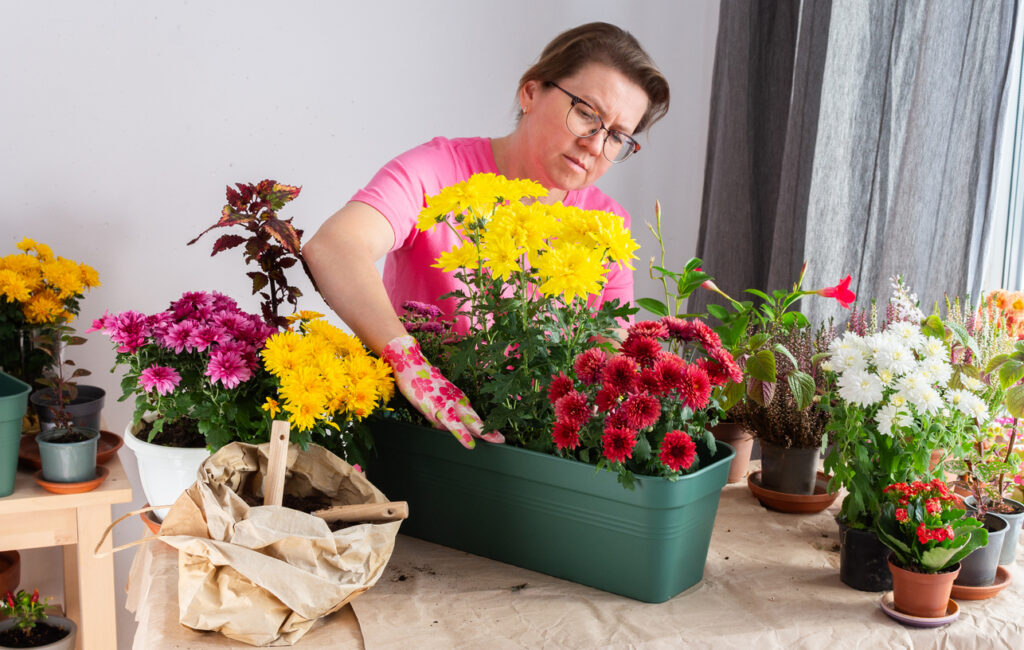
In a small garden, every plant earns the spotlight. Filling the area with too many similar varieties makes it look monotonous, and nothing stands out. The result is a space that feels busy yet strangely dull, lacking charm and character.
Choosing bold plants changes that immediately. A pot of bright geraniums, a sculptural fern, or a spiky succulent gives instant flair. By mixing shapes and textures, you add personality without overcrowding, making even the smallest patch look considered and lively.
5. Layer heights for drama.
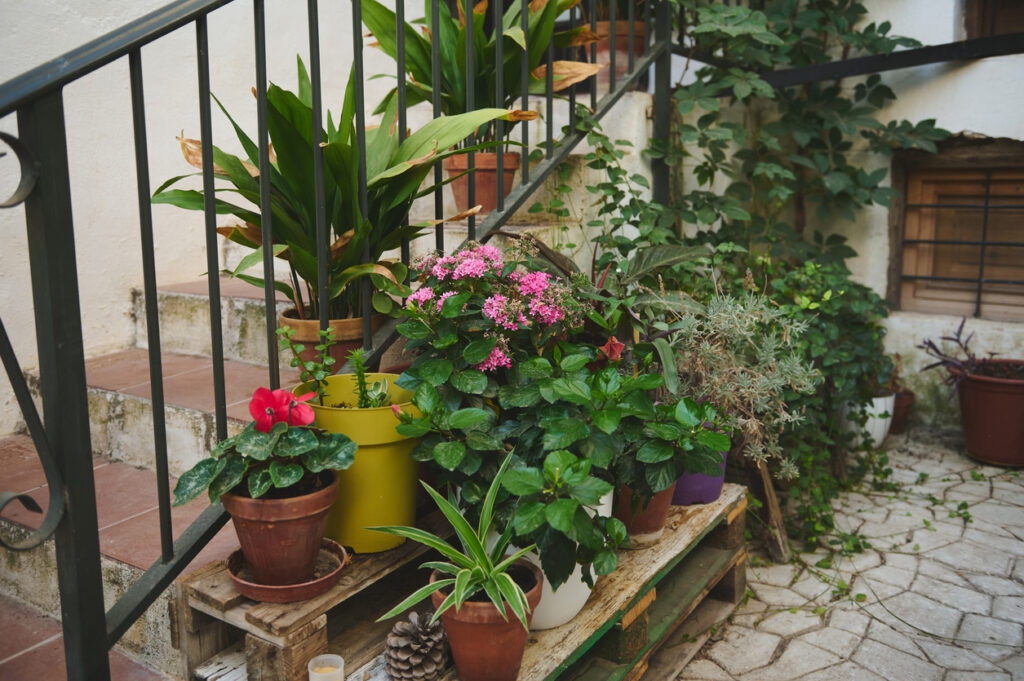
Keeping everything at the same height makes your garden look flat and uninspiring. Without layers, you miss the sense of depth that makes spaces feel larger and more interesting. The effect is more like a flat row of pots than a vibrant little ecosystem.
Adding variation fixes this with ease. Use tall climbers against walls, mid-height shrubs for structure, and trailing plants that spill over containers. This simple layering creates movement, dimension, and the impression of abundance, even in the tiniest corner.
6. Add lighting for atmosphere.
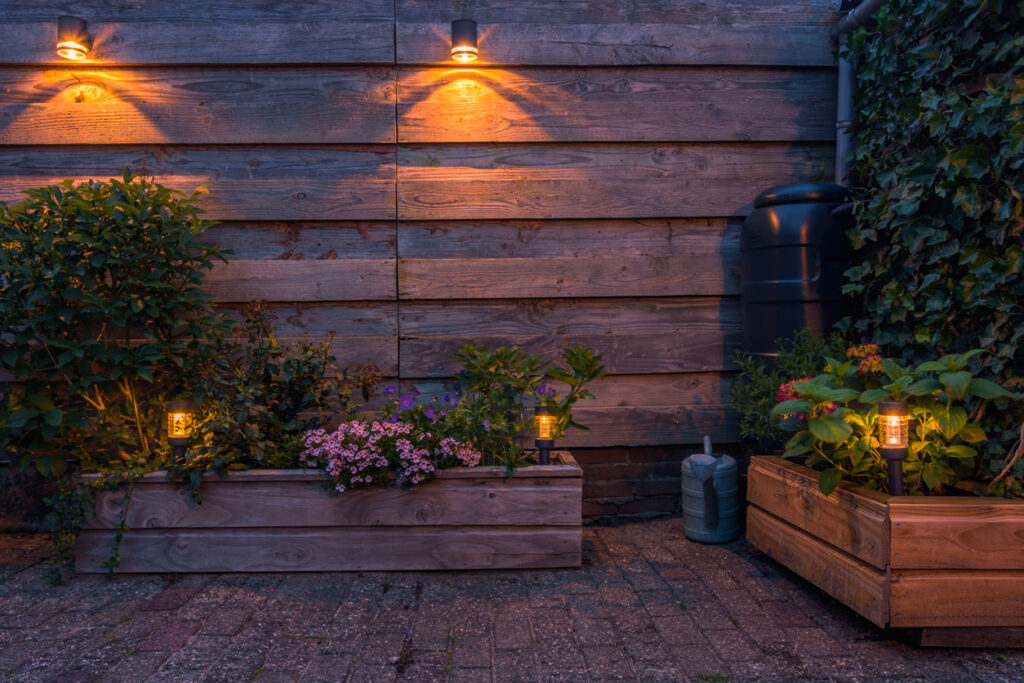
When the sun sets, many small gardens lose their appeal. Without lighting, the space fades into darkness and becomes underused. The garden’s best features vanish, and it no longer feels inviting when evening arrives.
Lighting turns everything around. String fairy lights through climbers, place lanterns on tables, or line pathways with solar lights. The glow creates warmth, highlights plants, and encourages you to linger outside longer, turning your small garden into a nighttime retreat as well as a daytime one.
7. Use colour smartly.
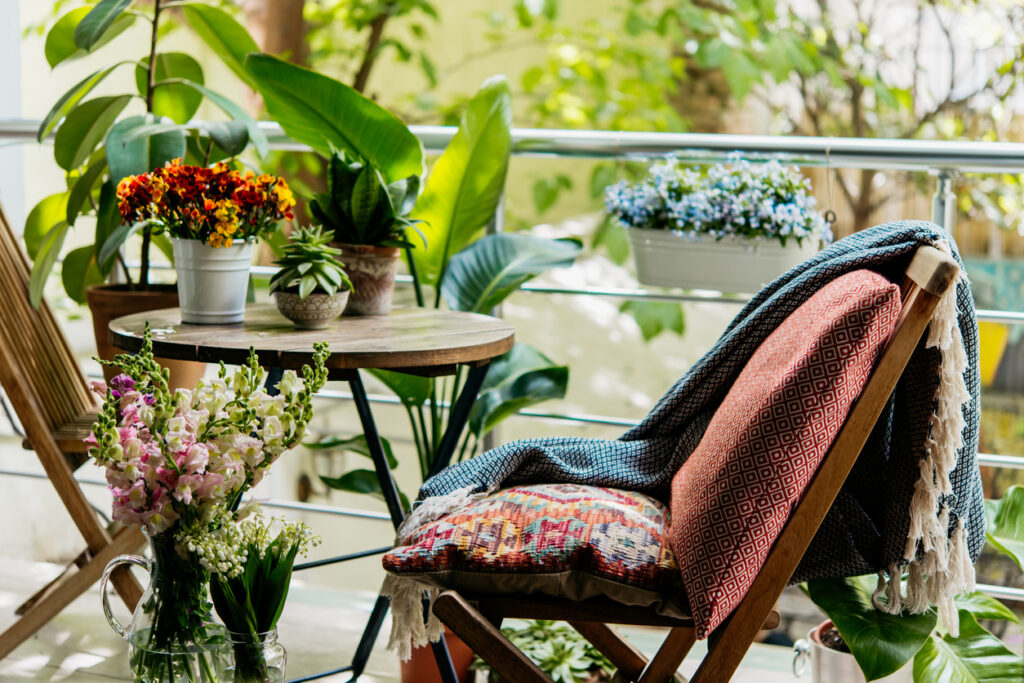
It’s easy to overload a compact space with clashing colours. A jumble of bright blooms can make the garden feel chaotic, shrinking it visually rather than lifting the mood. Without a plan, colour ends up overwhelming instead of enhancing.
Sticking to a simple palette brings harmony. You might go for calming whites and greens or bursts of pink and purple repeated throughout. By repeating colours, the garden feels intentional and cohesive, giving it flair without the fuss of excess.
8. Create mini zones.
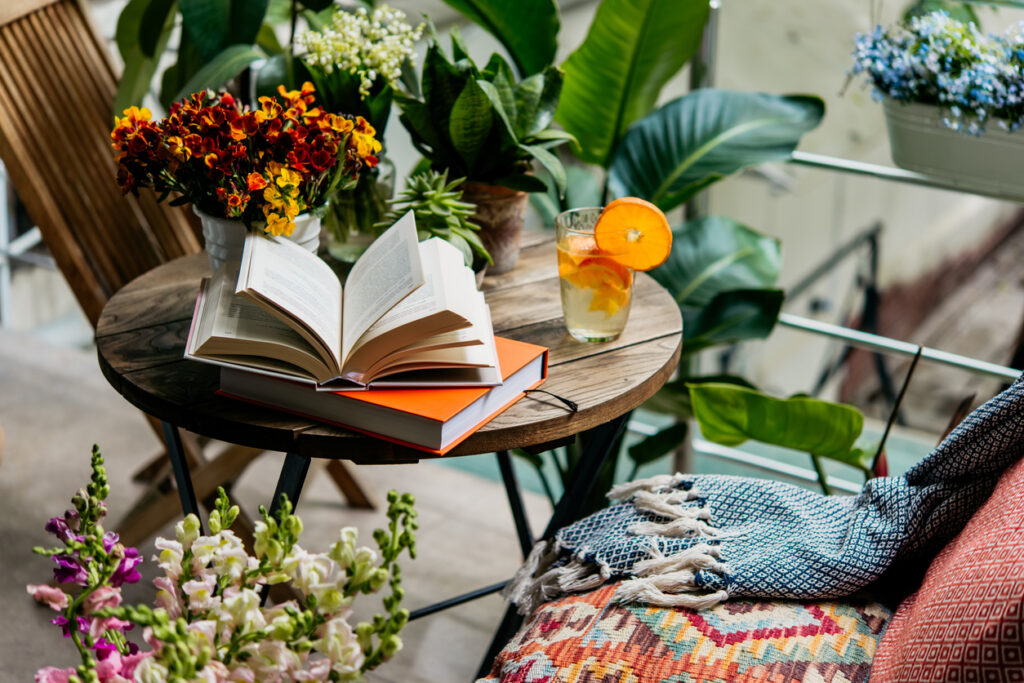
Many people treat small gardens as one block of space, cramming everything into a single corner. This makes it feel muddled and cramped, with furniture, plants, and decor competing for attention in one tight spot.
Dividing it into zones makes it feel larger and more inviting. Place a bistro set in one nook, dedicate another area to vertical planting, and reserve a cosy chair for reading. These divisions create variety and character, proving even small gardens can have personality-filled sections.
9. Add water for a calming touch.
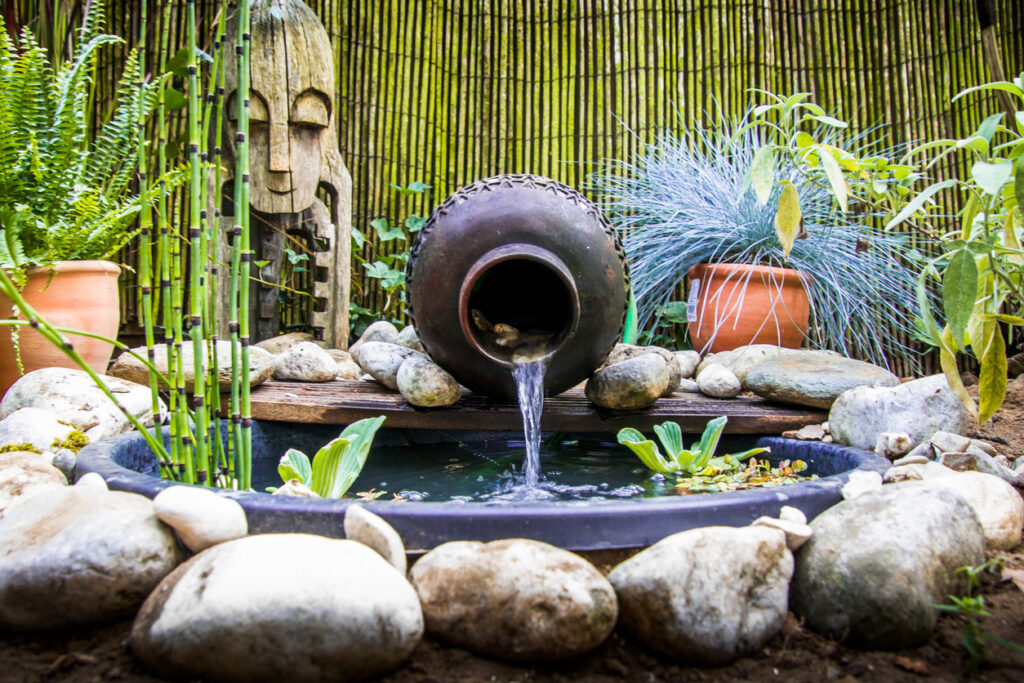
Without contrast, small gardens surrounded by hard surfaces like brick or concrete can feel stark. The lack of softness or movement leaves the space echoing and harsh, and the garden misses out on the soothing atmosphere it could have.
A small fountain or tabletop water feature introduces calm immediately. The gentle trickle creates movement and sound, softening sharp edges and bringing balance. Even the smallest container fountain can change the mood entirely, adding natural flair without needing extra square footage.
10. Keep it uncluttered.
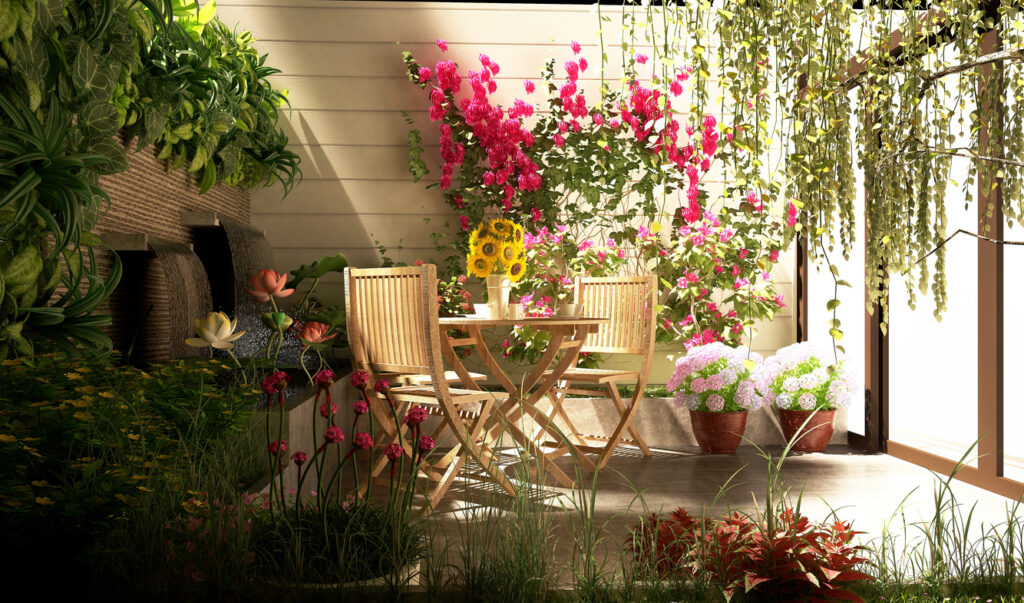
It’s tempting to cram every corner with pots, lanterns, or ornaments, but too much makes a small space feel smaller. Instead of looking lush, the result is crowded and stressful, which is the opposite of a garden’s purpose.
Choosing quality over quantity is the secret. A few striking plants, streamlined furniture, and carefully selected accents keep the space stylish and open. By giving each element room to shine, your garden feels thoughtful, chic, and easy to enjoy every day.