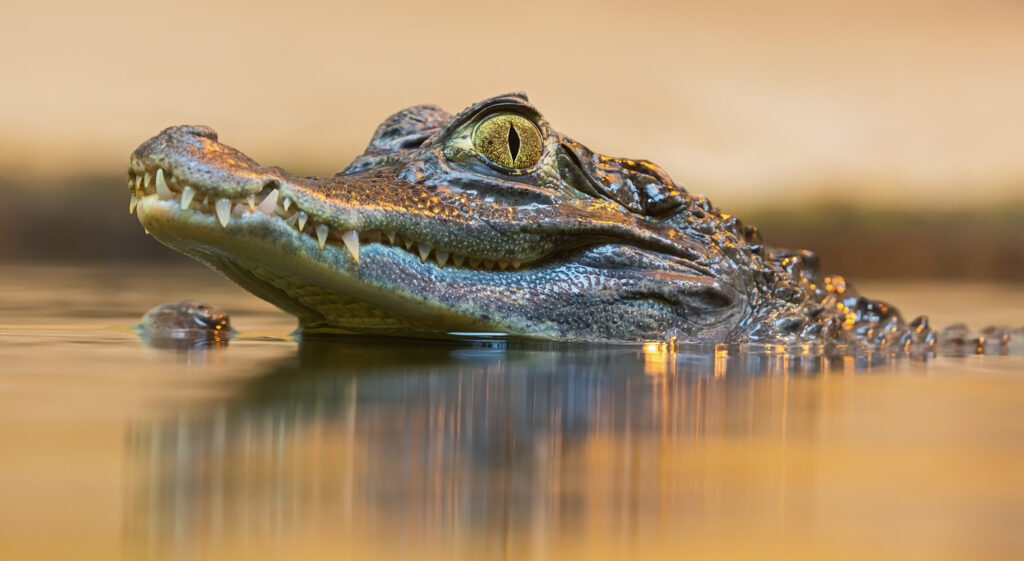
You’ve probably heard the phrase “crocodile tears” used to describe someone faking emotion—but where did that come from, and is there any truth to it? Turns out, crocodiles really do produce tears. But before you assume they’re sobbing with guilt or sorrow, the reality is a lot less emotional and a lot more… practical. Here’s the real story behind those famous reptilian tears, and why science says they’re not what they seem.
Yes, crocodiles actually do shed tears.
This isn’t just a myth. Crocodiles really do produce tears, especially when they’re eating. You might spot moisture around their eyes and think it’s emotion, but it’s got nothing to do with guilt or sadness. Their tear glands work to keep their eyes clean and functioning properly, which is especially important when they’re ripping into dinner.
In fact, it’s more of a biological side effect than anything else. The act of feeding stimulates certain nerves that may activate the tear glands, which is why they’re often seen “crying” while eating. So yes, they cry, but not in the way we do.
The phrase “crocodile tears” dates back centuries.
The expression itself comes from a much older belief. Medieval travellers and writers described crocodiles as weeping while devouring their prey, and this image stuck around. It created the idea that crocodiles were pretending to be sorry as they attacked, hence the link to false emotion.
By the time Shakespeare used the phrase in Othello, it had become a cultural shorthand for faking sincerity. While we now know crocodiles aren’t scheming manipulators, the metaphor lives on in everyday language.
Tears serve an important physical purpose.
Just like human eyes need moisture, so do crocodile eyes. Their tears help prevent dryness, especially when they’re on land or basking in the sun. This keeps their vision clear and their eye surface protected from irritation. Unlike us, crocodiles don’t blink very often, so tears do most of the heavy lifting in keeping their eyes in good shape. It’s not emotional—just efficient biology at work.
They have a special third eyelid.
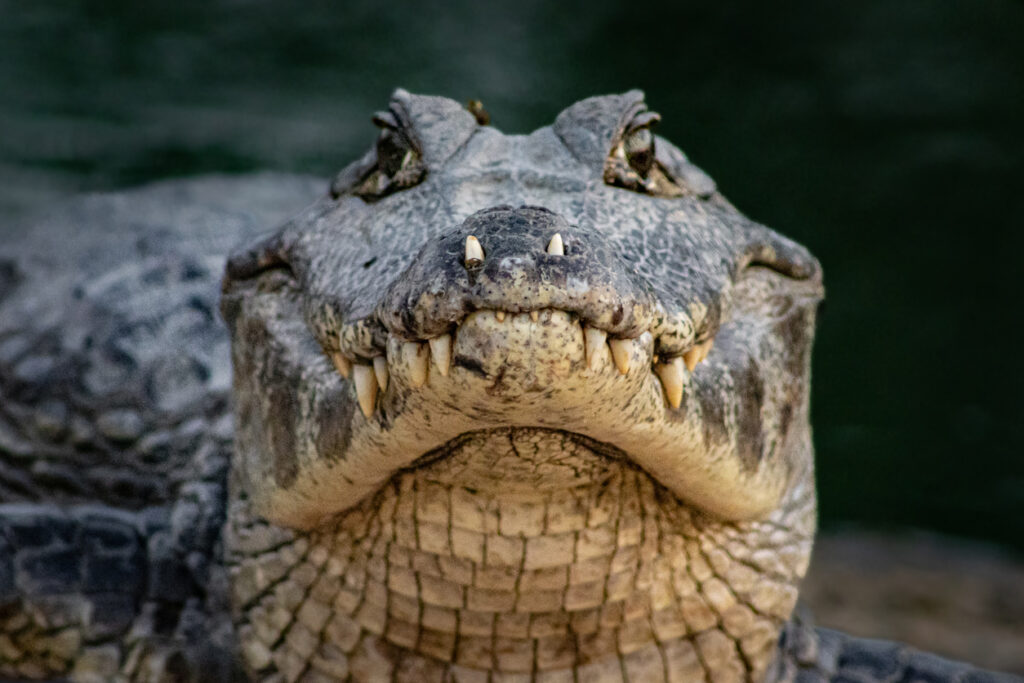
Crocodiles have a nictitating membrane—a clear third eyelid that slides over their eye sideways. It acts like a built-in pair of swimming goggles, letting them see underwater while keeping the eye protected. This membrane is kept moist by their tears, making the tear system crucial for survival. So those watery eyes aren’t a sign of weakness—they’re a tool for keeping sharp underwater vision.
Tears may be triggered by eating habits.
One theory suggests that the way crocodiles eat, often gulping and grinding with intense jaw movement, could apply pressure near their sinuses and tear glands, causing tears to flow. This mechanical stimulation might explain why they often look like they’re crying while chewing. There’s no emotional drive behind it; it’s more like a physical reflex. Sort of like how some people tear up while yawning or sneezing—your body’s just wired that way.
Other animals produce tears, too.
It’s not just crocodiles. Many animals produce tears to keep their eyes clean, especially those that live in dusty or dry environments. Birds, reptiles, and even sea turtles have tear glands for this purpose. What sets crocodiles apart is the strong cultural association with tears and deception. But biologically speaking, their tear production isn’t that unusual—it just caught the human imagination more than other species did.
Scientists have captured it on camera.
Researchers have actually documented crocodiles shedding tears while eating. In one study, zoo animals including caimans and alligators (close cousins to crocodiles) were observed releasing tears as they chomped on food. The visual evidence confirmed what many suspected all along: it’s real, but it’s a natural byproduct of the body’s processes, not a display of feeling. Crocodiles cry, but they’re not crying for anyone.
It’s still used to describe fake emotion.
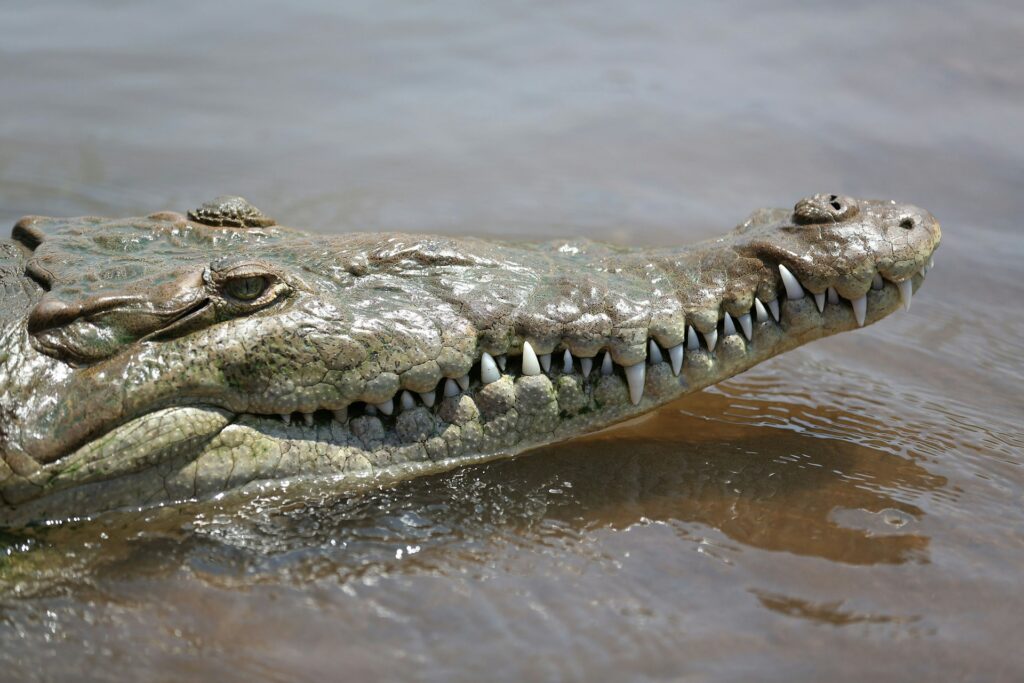
Even with all the science behind it, the term “crocodile tears” is still firmly rooted in our language as a way to call out phony displays of sympathy. It’s one of those phrases where the metaphor has stuck, even if the animal behaviour behind it is misunderstood. It says more about how we interpret emotion than what crocodiles are actually doing. We project human feelings onto animals, even when the biology doesn’t back it up.
They don’t cry for emotional reasons.
Despite the drama of the phrase, crocodiles don’t cry because they feel bad. Their brains simply aren’t wired for that kind of emotional expression. Their tears are purely functional, tied to eye care and possibly triggered by feeding reflexes. That doesn’t make them heartless villains—it just means they’re animals doing what they’re designed to do. We’re the ones who attached a storyline to their behaviour.
The myth still fascinates us.
Even knowing the facts, there’s something strangely poetic about the image of a creature shedding tears as it hunts. Maybe that’s why the myth has endured for so long—it taps into our need to make meaning from what we see in nature. At the end of the day, crocodiles aren’t pretending anything. But the tears? They’re very real, and kind of cool, once you know what’s really going on.