Container gardening looks simple, but it’s surprisingly easy to get into habits that hold your plants back or even kill them off.
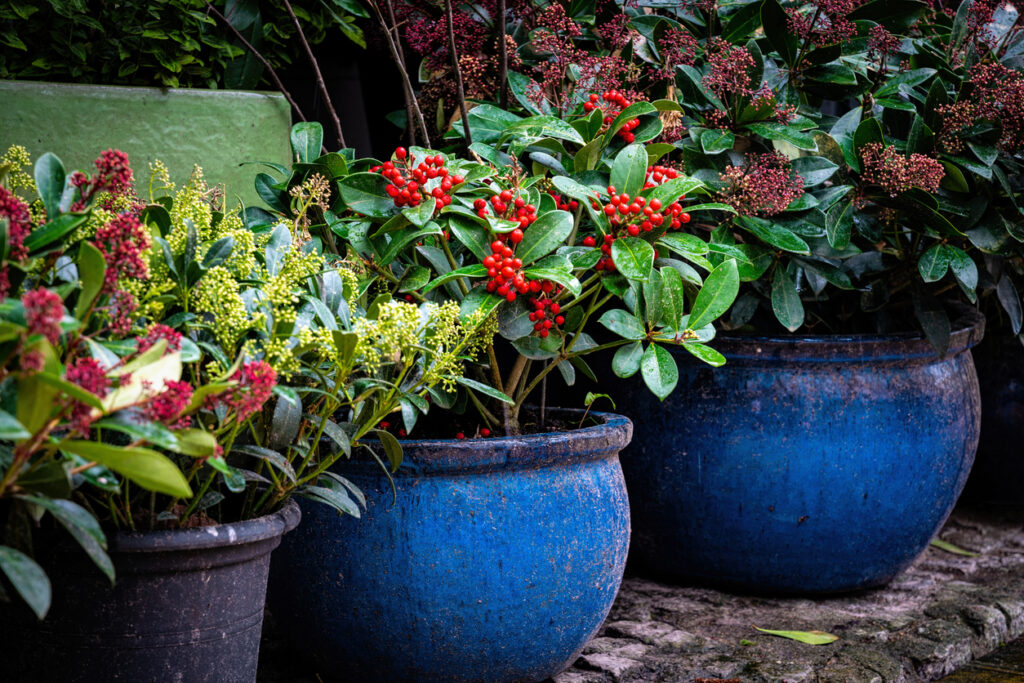
The good news is these mistakes are common, which means they’re also easy to spot and fix once you know what to look for. If you’re guilty of any of these practices, it’s time to change things up. Your garden will be much better off for it.
1. Using the wrong soil
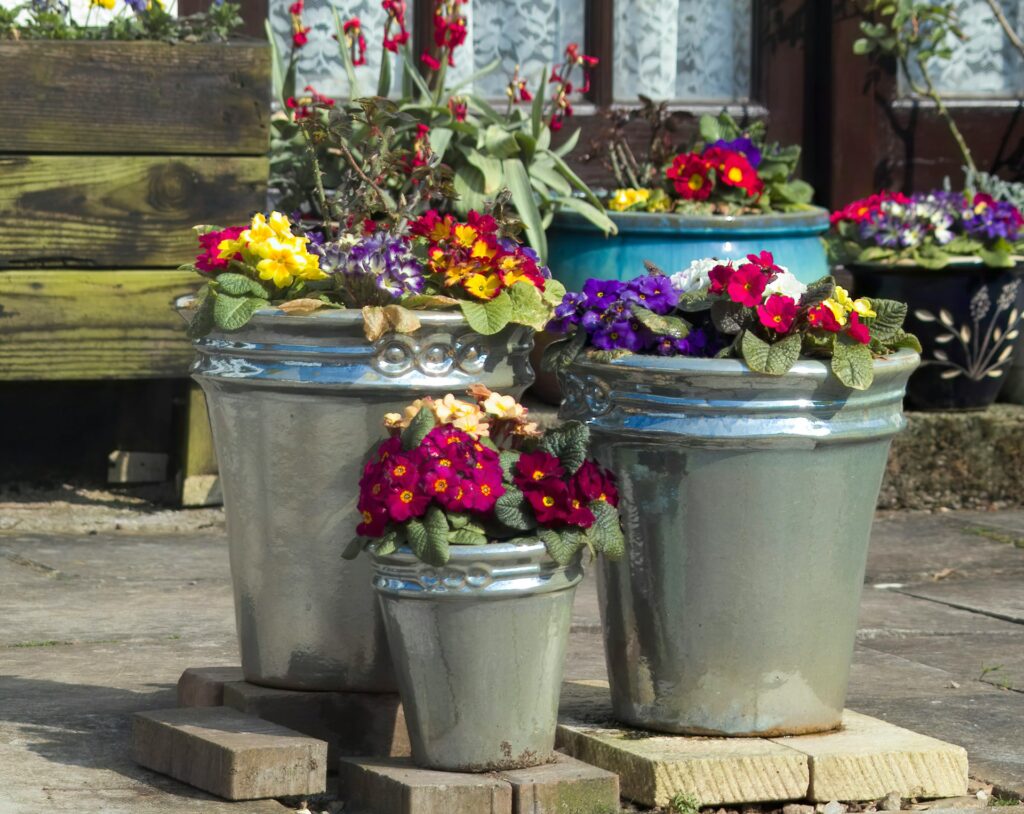
Grabbing soil straight from the garden might feel like the obvious choice, but it’s one of the fastest ways to stunt container plants. Garden soil is heavy and dense, so it packs down tightly and holds on to too much water. This suffocates roots, and it leaves them gasping for the oxygen they need to thrive. As time goes on, drainage gets worse, and you’ll notice wilting plants even when the soil looks damp.
Switching to a potting mix designed for containers makes a huge difference because it stays lighter and allows water to flow through properly. These mixes are blended with added nutrients, so your plants get a stronger start. When the soil matches the environment, roots grow freely, and healthier roots mean healthier plants all season long.
2. Forgetting drainage holes
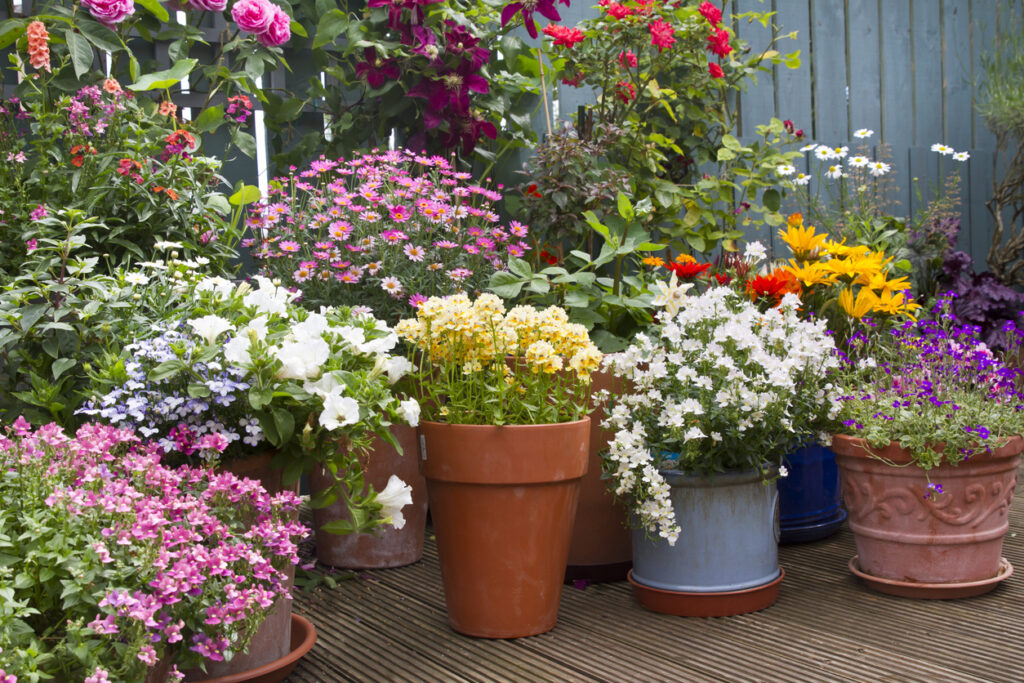
Decorative pots without holes might look neat, but they’re a trap for roots. Without drainage, excess water builds up at the bottom of the pot, and roots end up sitting in stagnant soil. That constant wetness encourages rot, mould, and nutrient loss, so your plant suffers even though you think you’re watering correctly. Yellowing leaves and drooping stems are often the first signs things are going wrong below the surface.
The fix is simple: always make sure containers have at least one drainage hole, and if they don’t, drill some in. You can place a saucer underneath to catch drips and protect floors or patios. Roots need as much air as water, and giving them a way to breathe keeps your plants alive instead of drowning them slowly.
3. Overcrowding plants
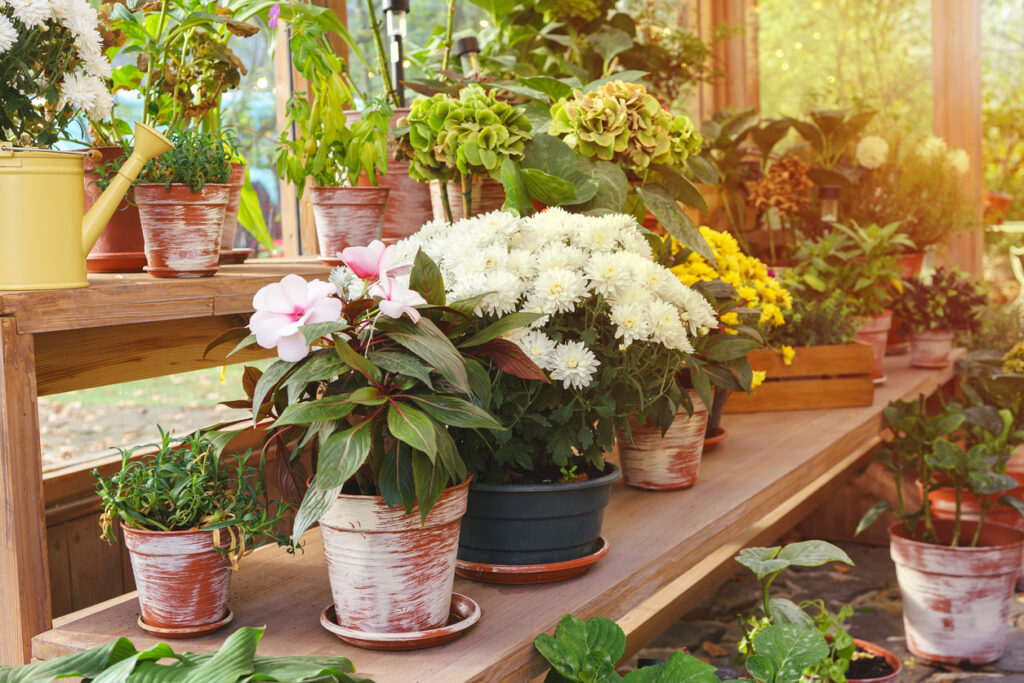
It’s tempting to plant as many seedlings as possible in one pot because more plants seem like they’ll mean more flowers or more harvest. The reality is, overcrowding leads to cramped roots that struggle to spread, and the plants end up stealing light, water, and nutrients from each other. This usually results in spindly stems, poor flowering, and plants that burn out earlier than expected. Airflow also suffers, which leaves everything more vulnerable to pests and fungal problems.
Spacing plants properly might feel like wasting room, but it allows each one to grow stronger and healthier. When roots have space to stretch, they take up nutrients more effectively, and growth becomes steady instead of stunted. You’ll often find that fewer plants per pot give you a far better display because the ones that remain have the energy to flourish fully.
4. Watering on a schedule
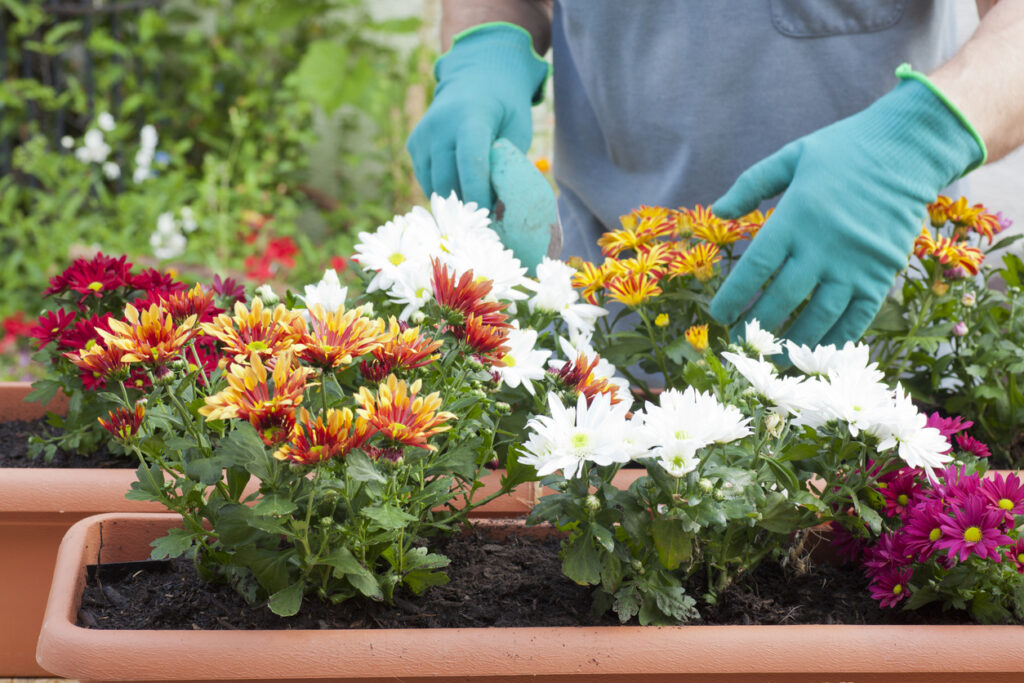
Many gardeners pick a set routine for watering, but containers don’t dry out consistently. Weather, pot size, and the type of plant all change how quickly soil dries. If you water just because it’s “time,” you might drown one plant while another is still thirsty. Overwatering often shows up as yellow leaves, while underwatering leads to crisp, brown edges, and both problems leave you chasing your tail.
The best approach is to check the soil before you water. Stick your finger a couple of centimetres in; if it feels dry, it’s time to add water, and if it’s damp, wait a little longer. Adjusting your watering to actual conditions keeps roots balanced because they never sit in soggy soil or go bone-dry for too long.
5. Ignoring pot size
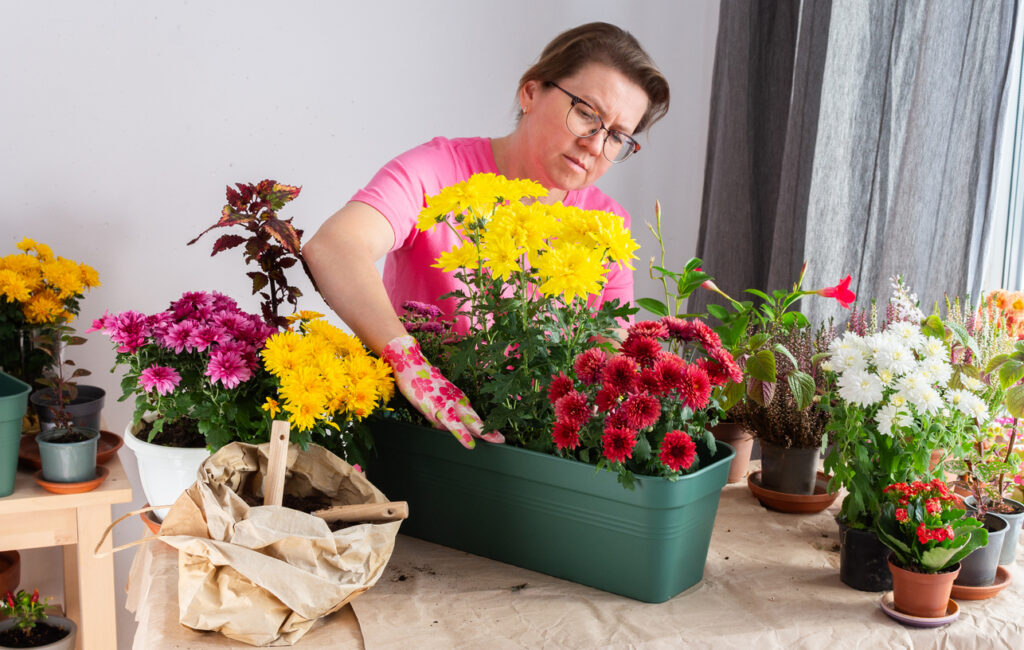
Small pots fill quickly with roots, and once that happens, plants become root-bound. You’ll notice roots circling inside the container, soil drying out faster than ever, and growth slowing down. Eventually, the plant will stall completely, no matter how much fertiliser or water you throw at it because it simply doesn’t have room to expand.
Repotting into a larger container every year or two gives roots space to grow, and it revives tired plants almost instantly. Choosing pots that match the eventual size of the plant saves hassle because you won’t need to repot as often. Giving roots freedom below the soil ensures healthier growth above it, and it helps your plants thrive for much longer.
6. Using the wrong fertiliser
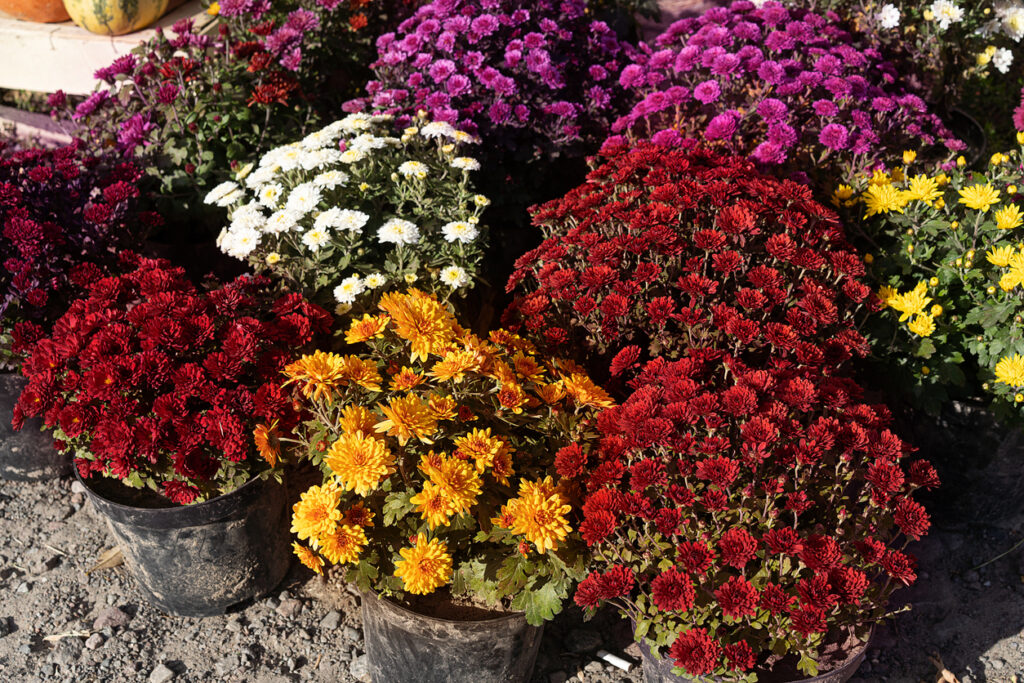
Feeding container plants with general garden fertiliser often does more harm than good. These mixes release nutrients too quickly or in the wrong proportions, so you get rapid, weak growth that collapses under stress. Sometimes the fertiliser even burns roots, leaving plants worse off than before. Since pots have limited soil, mistakes show up faster, and recovery takes longer.
Using fertiliser made specifically for containers keeps the balance right because it’s designed to release slowly and match the plant’s pace. Liquid feeds are also useful, since they can be applied little and often without overwhelming the roots. Balanced feeding creates steady growth because the plant absorbs exactly what it needs instead of being overloaded.
7. Leaving pots in the wrong spot
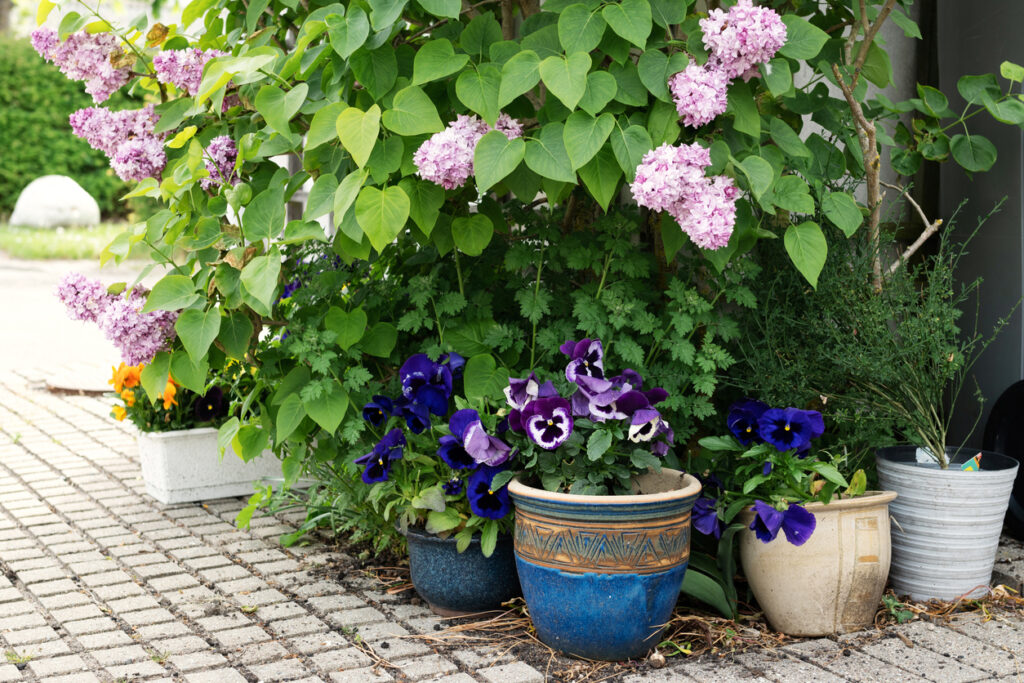
Placement matters more than people realise because containers heat up and dry out faster than garden beds. If a sun-loving plant sits in too much shade, it becomes weak and leggy. On the other hand, shade-loving plants placed in full sun quickly scorch, and the soil dries out in hours. Getting the balance wrong means constant firefighting instead of steady growth.
Checking the light needs of each plant and moving pots accordingly changes everything. A sunny balcony suits tomatoes or peppers, while leafy greens thrive better in partial shade. Adjusting positions a little through the season keeps plants comfortable, and it helps them look healthier because they’re growing where they belong.
8. Forgetting to refresh soil
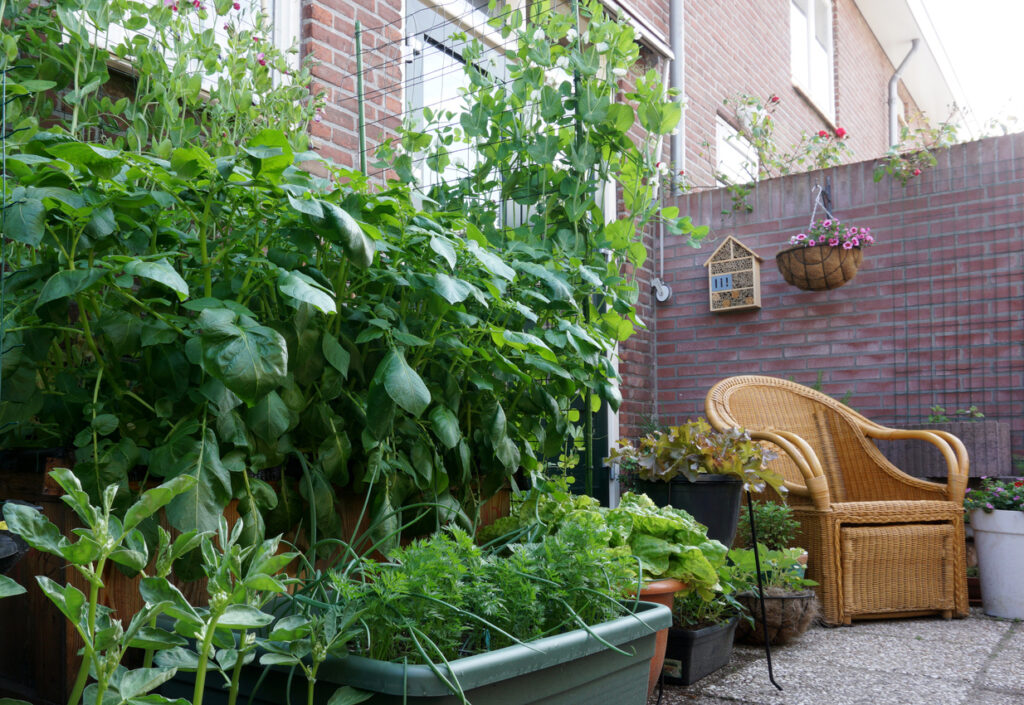
Reusing old soil saves money, but it starves plants of nutrients and builds up pests or diseases. Over time, the structure of the mix also collapses, so it holds less water and air. Plants start the season looking tired, and no amount of feeding really fixes the problem once the soil is exhausted.
Refreshing pots with fresh compost or potting mix each year gives plants a much stronger foundation. Even mixing half old soil with new can make a big difference, and it resets the nutrient levels. Healthy soil leads directly to healthier growth because roots have everything they need from the start.
9. Neglecting pruning
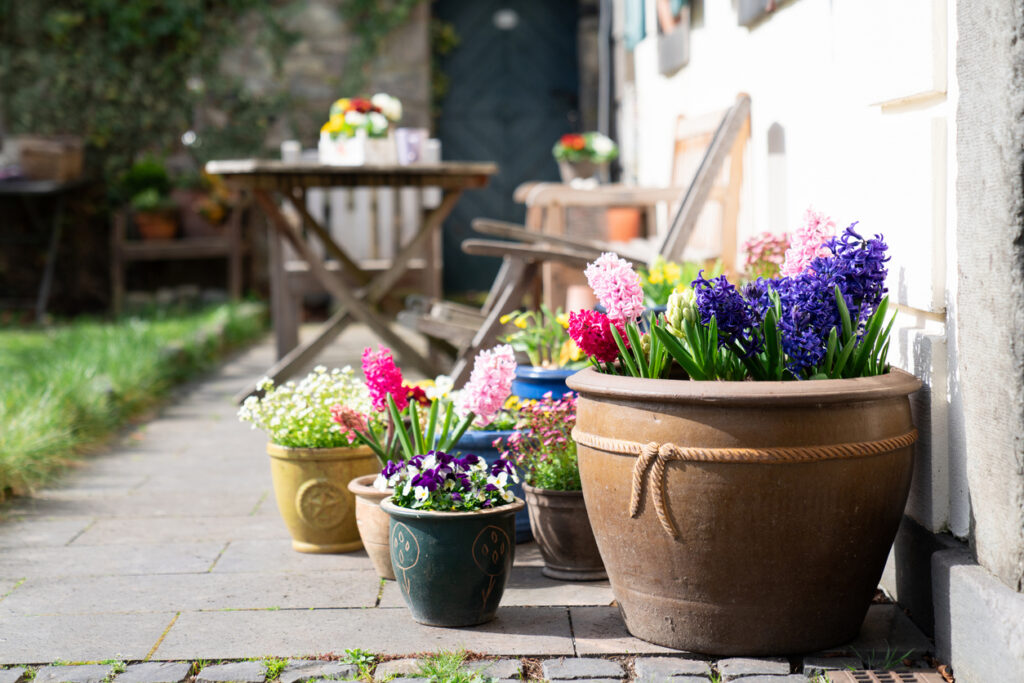
Container plants often get overlooked when it comes to pruning, but they need it just as much as garden plants. Without trimming, energy gets wasted on dead stems, overcrowded branches, or spent flowers. Plants become leggy, and flowering varieties produce fewer blooms, so displays quickly look tired.
Regular pruning keeps growth under control and redirects energy where it’s needed most. Deadheading flowers encourages more blooms, while trimming back herbs promotes bushier growth. A few snips here and there make containers look fresher, and they help plants stay productive all season long.
10. Forgetting winter care
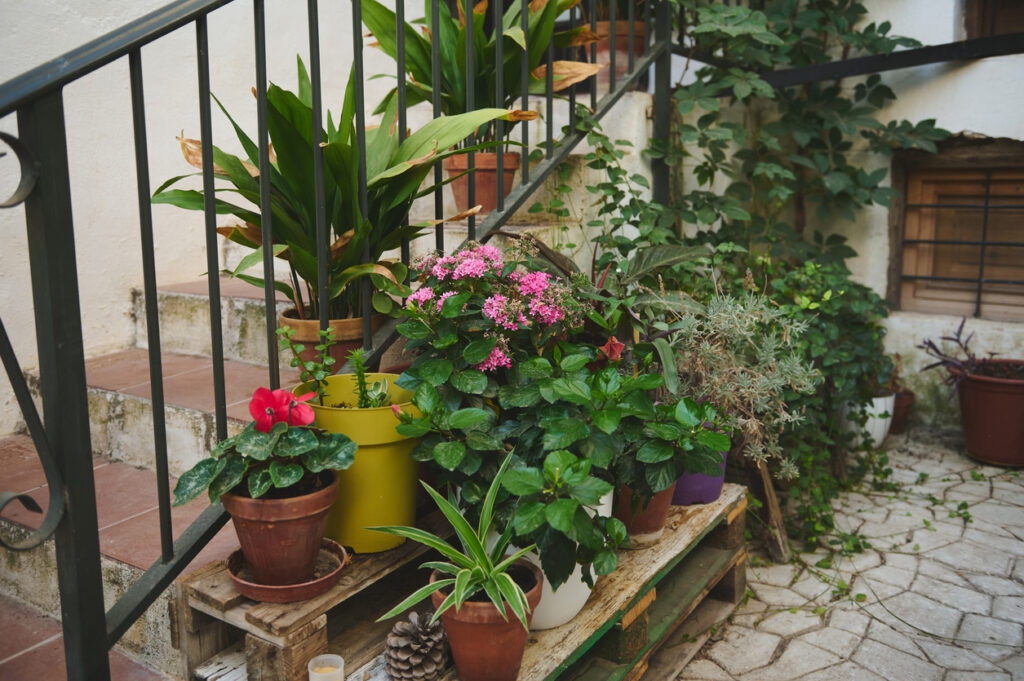
Garden soil protects roots from cold weather, but containers don’t offer the same insulation. Roots sit close to the surface, and they freeze quickly during frosty nights. Many plants die back not because of what’s happening above the soil, but because their roots didn’t survive the winter below.
Moving pots to sheltered spots, grouping them together, or wrapping them with fleece helps protect roots. Even raising containers off the ground to stop them freezing makes a big difference. Simple steps like these save plants because they give roots the protection they need to last until spring.