Labour’s promising to revolutionise countryside access with Scottish-style roaming rights, but farmers and landowners aren’t exactly rolling out the welcome mat. While in theory, it sounds like a great idea, actually putting it into practice and making it happen is a whole other kettle of fish. Here’s what you need to know about the proposal and how it might play out.
What Labour’s actually promising sounds revolutionary.
Labour’s countryside access plans go way beyond just opening up a few more footpaths. They want to completely flip the script on how land access works in England and Wales. Instead of the current system where you need permission to access most private land, they’re talking about adopting something much closer to Scotland’s approach, where responsible access is the default.
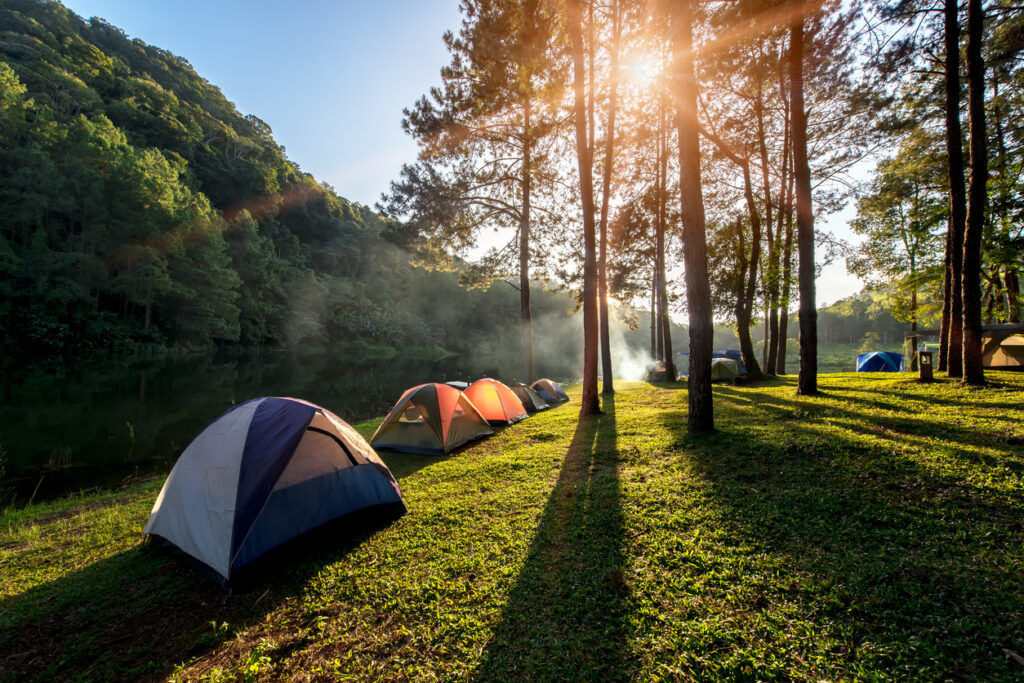
Alex Sobel put it pretty clearly when he said Labour would “replace the default of exclusion with a default of access.” This means new laws allowing national parks to permit wild camping, expanding public access to woodlands and waterways, and generally making it much easier to explore the countryside without constantly worrying about trespassing laws.
The current system leaves most of us locked out.
Right now, public access to the English and Welsh countryside is pretty limited compared to what you get in countries like Scotland or Norway. The Countryside and Rights of Way Act 2000 opened up some areas, but we’re still talking about relatively small patches of officially designated “open access” land surrounded by vast private estates.
Most of our footpath network dates back centuries and hasn’t kept pace with modern recreational needs or population growth. Urban areas especially lack proper green space access, which means millions of people are essentially locked out of large chunks of their own countryside unless they stick to narrow public rights of way.
Scotland’s system shows what’s possible.
Scotland’s “right to roam” legislation gives people much broader access to land and inland water for recreation, as long as they act responsibly. You can walk, cycle, horse ride, and even wild camp on most land, including private estates, provided you follow the Scottish Outdoor Access Code.
The key difference is that in Scotland, the burden is on landowners to prove why access should be restricted, rather than on the public to prove why they should be allowed in. It’s worked pretty well for over two decades without the countryside collapsing into chaos, despite initial fears from landowners.
Farmers and landowners are pushing back hard.
The Countryside Alliance and farming groups aren’t exactly thrilled about Labour’s plans, arguing that any new access rights need to respect farmers’ livelihoods and existing land management practices. They’re particularly worried about the impact on working agricultural land and the potential for increased damage, disturbance, and liability issues.
Many farmers point out that they’re already dealing with problems like fly-tipping, gate-leaving, dog attacks on livestock, and crop damage from people who don’t follow the existing countryside code. Expanding access without proper enforcement and education could make these problems much worse, potentially threatening both farm businesses and rural environments.
The health and wellbeing argument is pretty compelling.

Labour’s pushing the mental and physical health benefits of countryside access, which became especially obvious during COVID lockdowns, when everyone suddenly realised how important green spaces are for wellbeing. Research consistently shows that time in nature reduces stress, improves mental health, and encourages physical activity.
Urban communities particularly benefit from better countryside access, as many people living in cities have limited opportunities to experience natural environments. Expanding access could help address health inequalities while reducing pressure on existing popular outdoor areas that often get overcrowded, especially at weekends.
Implementation would be the real challenge.
Even if Labour wins power and passes new right-to-roam legislation, actually making it work would be incredibly complex. You’d need massive public education campaigns about responsible access, proper enforcement mechanisms, clear guidance for landowners, and probably compensation schemes for any provable impacts on farming or conservation work.
The Scottish system took years to bed in properly and still requires constant management and occasional updates. Rolling out something similar across the much more densely populated and intensively farmed landscapes of England and Wales would require serious resources and political commitment beyond just passing the initial legislation.
Environmental concerns cut both ways.
Environmental groups are split on countryside access reform. Some see it as essential for connecting people with nature and building support for conservation, while others worry about increased disturbance to wildlife and sensitive habitats. More people tramping through the countryside could damage fragile ecosystems, disturb ground-nesting birds, or interfere with conservation management.
On the flip side, people who spend time in natural environments tend to become more environmentally conscious and supportive of conservation efforts. Better access could help build the political constituency needed for stronger environmental protection, especially if it’s combined with proper education about wildlife and habitat management.
The economics don’t look straightforward.
Rural tourism is worth billions to the UK economy, and better countryside access could potentially boost visitor numbers and spending in rural areas. However, increased visitor pressure without proper infrastructure and management could damage the very landscapes that attract tourists in the first place.
Landowners argue they’d face increased costs from dealing with more visitors, from insurance and liability issues to practical problems like litter, parking, and wear and tear on land. Unless there’s adequate public funding for infrastructure and management, much of these costs would fall on private landowners who might not see any economic benefit from increased access.
Political realities might water down the ambition.
Labour currently holds very few rural seats, and countryside access reform could be seen as an urban priority that doesn’t resonate with rural voters who are already dealing with other priorities like agricultural policy, rural services, and economic challenges. Pushing through controversial access legislation could make it even harder for Labour to win rural constituencies.
The party might find it easier to focus on less controversial measures like improving existing footpath networks, creating new long-distance trails, or expanding access in specific areas like national parks rather than implementing sweeping right-to-roam legislation that could face significant resistance.
What success would actually look like

If Labour’s countryside access reforms work properly, you’d see much more diverse use of rural landscapes, with families able to explore areas that are currently off-limits and urban communities having better opportunities to experience natural environments. Wild camping could become a realistic option for more people, and the network of accessible green spaces would expand significantly.
Success would also mean maintaining good relationships between different countryside users—hikers, farmers, conservationists, and local communities—through clear guidelines and mutual respect. The best outcome would be increased access that actually enhances rural environments and economies, rather than damaging them.
The timeline looks uncertain but promising.
Labour’s already signalled that countryside access reform would be a priority if they form the next government, with Alex Sobel’s comments suggesting they’ve given serious thought to how it might work in practice. However, implementing major land access reform typically takes years rather than months, especially when you’re dealing with complex legal frameworks and entrenched interests.
Given Labour’s current polling position and the Conservative Party’s rural challenges, there’s a real possibility we could see significant countryside access legislation within the next few years. Whether it lives up to the ambitious promises or gets watered down in the face of practical challenges remains to be seen, but the political momentum is definitely building for some kind of reform.