Scientists have discovered something terrifying about Australia’s Eastern Brown Snake.
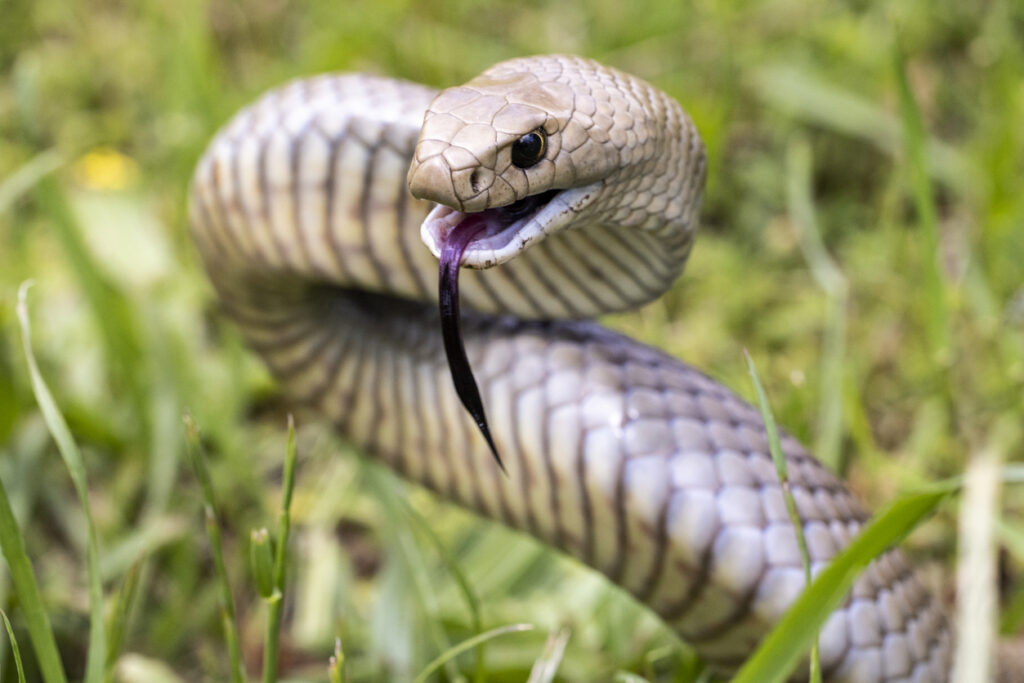
As it turns out, it’s not one deadly serpent, but two distinct killers, each with venom that murders you in completely different ways. Here’s what you need to know about this animal and its potentially fatal powers.
One snake, two venoms, both absolutely lethal.
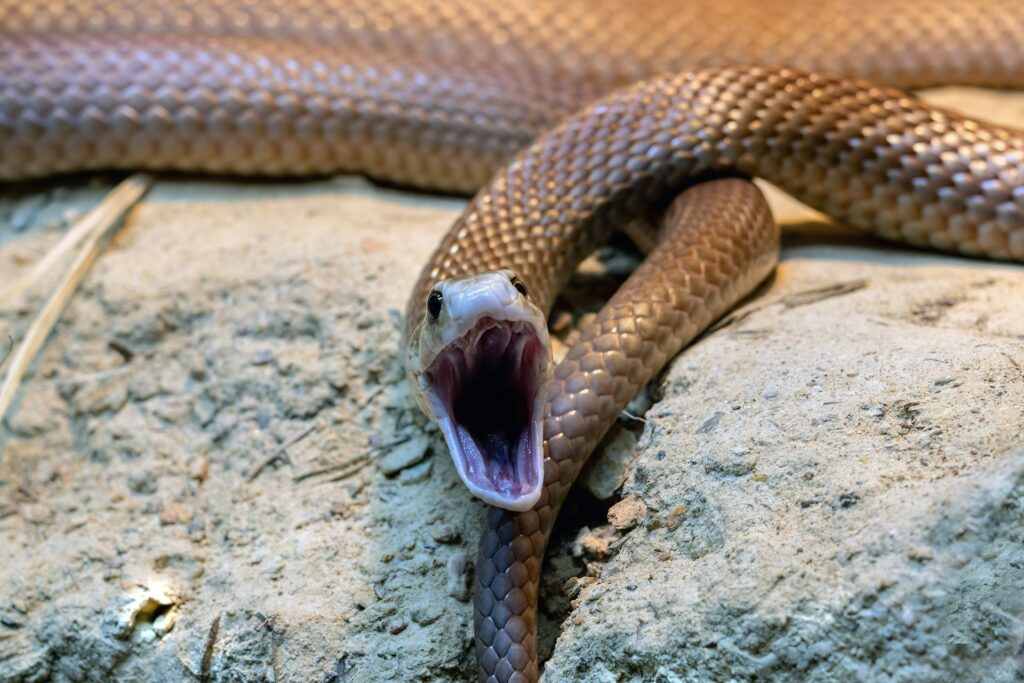
University of Queensland researchers just uncovered a hidden divide in Eastern Brown Snake venom that nobody saw coming. Northern populations create fragile blood clots that collapse instantly, while southern snakes produce rock-solid clots that jam up your entire circulatory system like concrete.
This discovery is genuinely terrifying because current antivenoms are made from pooled venom of unknown origin, meaning you might get treated with the wrong antidote depending on where you got bitten. Both venom types kill efficiently; they just take different routes to the same deadly destination.
Your antivenom might not actually save you.
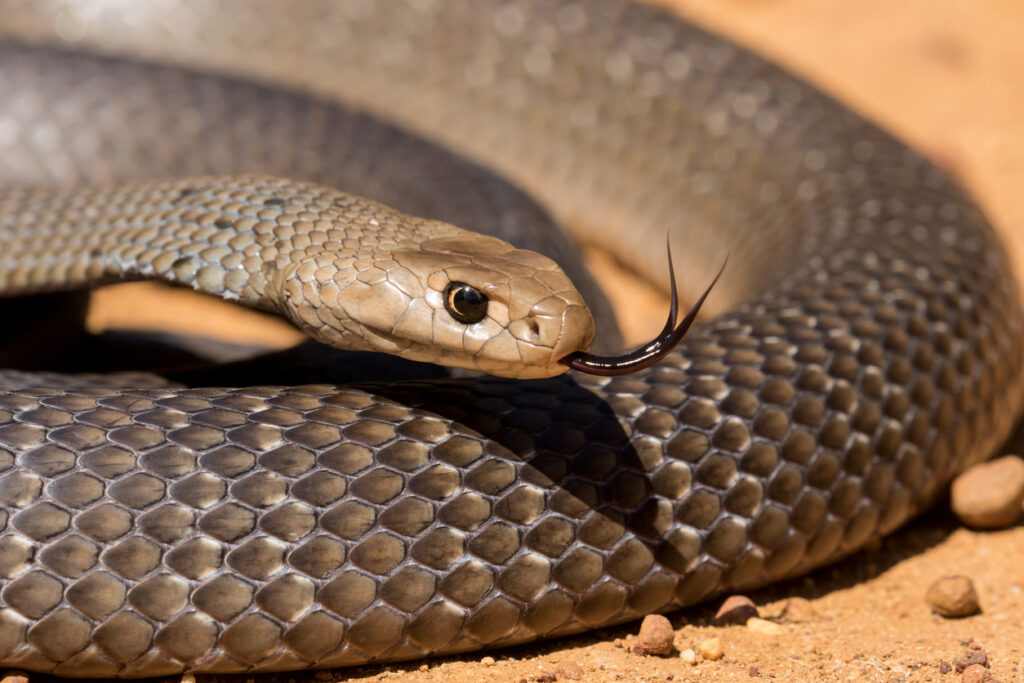
The antivenom sitting in Australian hospitals right now was developed using mixed venom from different snake populations, and nobody bothered checking whether it works equally well against both types. This could explain why some snakebite victims don’t respond as expected to treatment.
Researchers are now frantically reviewing hundreds of hospital charts to see if bite outcomes vary by geography because if the antivenom doesn’t contain both venom types, people in certain regions might be getting inadequate protection. That’s a genuinely horrifying possibility that’s just been recognised.
Diet evolution created two different killing machines.
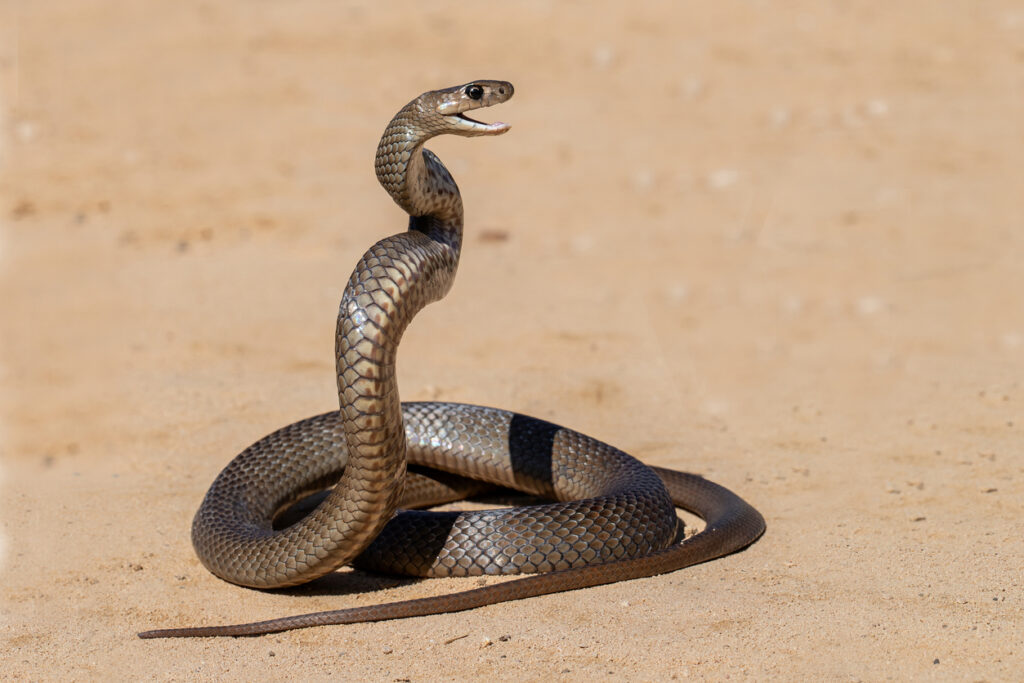
The venom split happened because northern and southern Eastern Brown Snakes eat different prey. Northerners prefer mammals, while southerners consume more reptiles. Each population evolved venom perfectly tuned to kill their preferred food sources as efficiently as possible.
This means Australia now has two distinct versions of its deadliest snake, each one a specialised killing machine optimised for different types of victims. The evolutionary pressure to become better predators accidentally created two ways to murder humans instead of one.
Climate change is making venomous snakes more successful.

Warming temperatures aren’t just making snakes more active. They’re also creating conditions that favour venomous species over their prey. Longer, warmer seasons mean more opportunities for hunting and breeding, while their mammalian prey struggle with heat stress.
Research shows that snake bite incidents increase with temperature, especially in spring, when snakes emerge from winter dormancy hungry and territorial. Climate change is essentially giving Australia’s deadliest creatures a massive evolutionary advantage.
Genetic testing reveals the snakes are splitting into separate species.
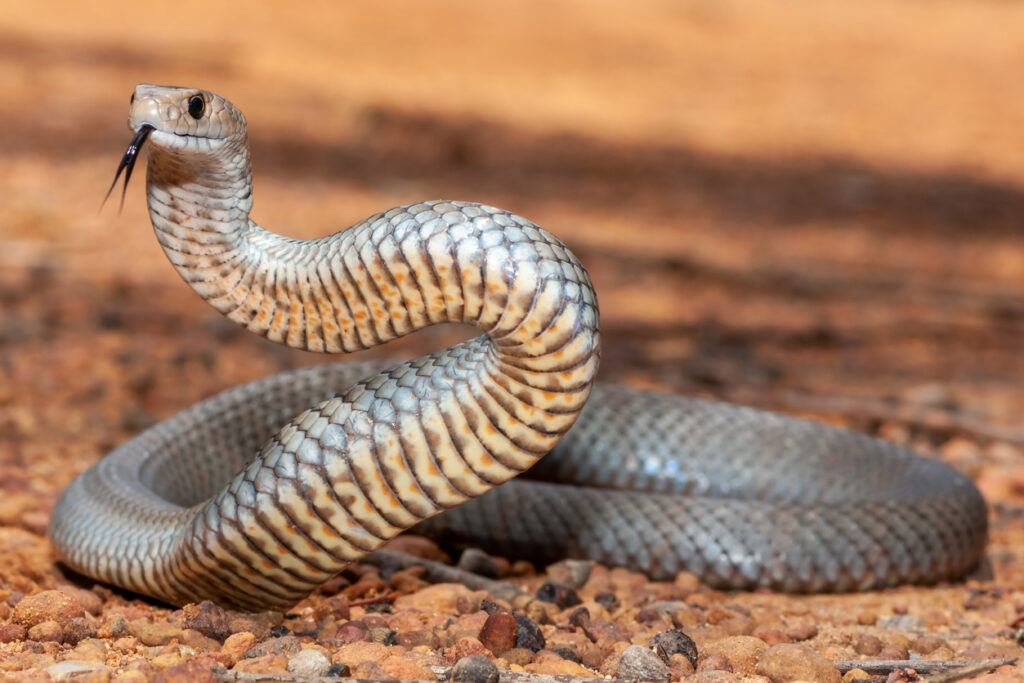
DNA analysis shows that Eastern Brown Snakes are genetically diverging into distinct northern and southern lineages, each adapted to their specific environment and prey. This isn’t just venom variation—it’s active speciation happening in real time.
The genetic divide perfectly matches the venom divide, suggesting these populations are becoming two separate species of deadly snake rather than one variable species. Australia might soon have twice as many lethal brown snake species as previously thought.
Urban expansion is forcing more dangerous encounters.

Eastern Brown Snakes thrive in farmland and suburban fringes because these areas are packed with house mice, their favourite prey. As cities expand into snake habitat, encounters with humans become inevitable rather than accidental.
These snakes are incredibly adaptable and actually prefer human-modified landscapes to pristine wilderness because agricultural areas provide abundant food sources. Every new subdivision built on former farmland creates more opportunities for deadly encounters.
The snakes are getting more aggressive due to habitat pressure.
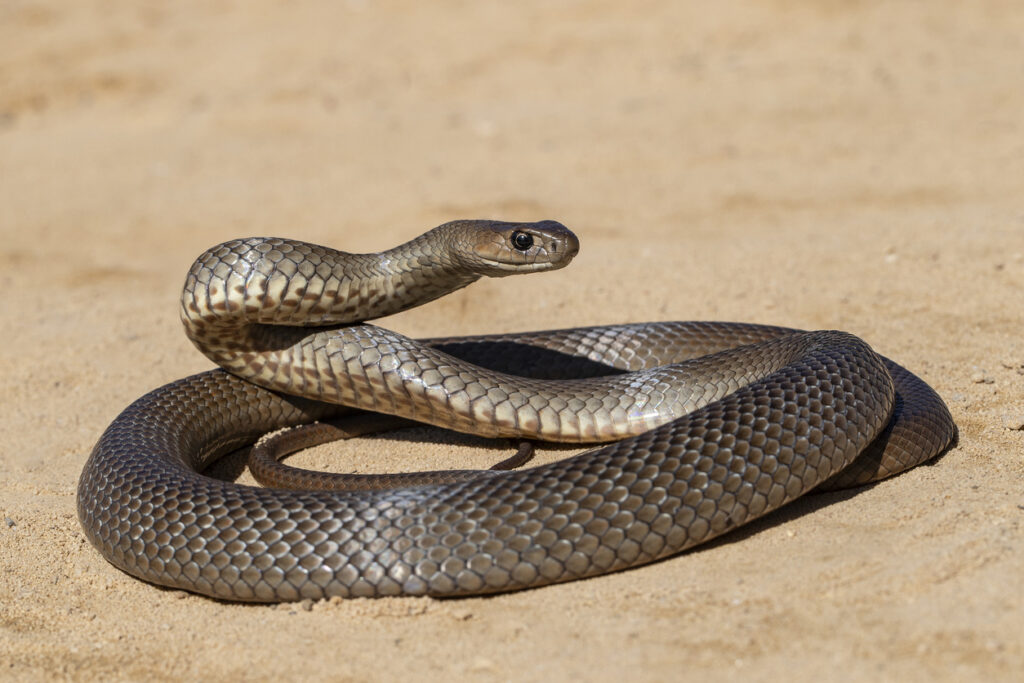
When Eastern Brown Snakes feel cornered by human development, they don’t retreat. Instead, they become more defensive and likely to strike. Construction activity, land clearing, and habitat fragmentation create stressed snakes that are quicker to attack perceived threats.
Stressed snakes deliver more venom per bite because their fight-or-flight response is constantly activated. This means encounters with Eastern Brown Snakes in developed areas are more likely to result in serious envenomation than historical bites in pristine habitat.
Record-breaking venom yields are being documented.

A captive Eastern Brown Snake called Cyclone recently produced 5.2 grams of pure venom in a single milking session, enough to kill around 400 humans. This record-breaking yield suggests these snakes are capable of producing far more venom than previously measured.
Higher venom yields combined with more potent toxins create a perfect storm of lethality. The snakes aren’t just evolving better venom chemistry. They’re also producing more of it per bite, making every encounter potentially more dangerous.
Heat makes the venom work faster and more efficiently.
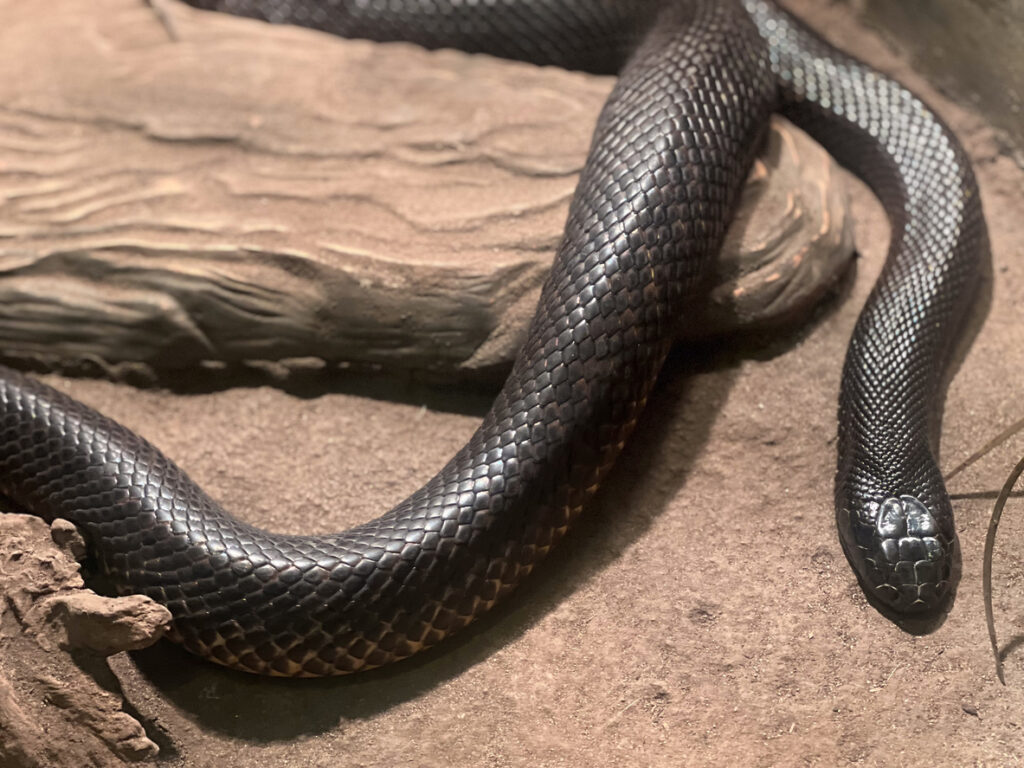
Warmer temperatures accelerate venom distribution through the victim’s bloodstream and increase the speed of toxic reactions. This means summer bites are more dangerous than winter ones, with symptoms progressing faster and requiring more immediate treatment.
The combination of more active snakes, faster venom action, and increased human outdoor activity during warm weather creates a deadly convergence. Climate change isn’t just making encounters more likely. It’s making each encounter more lethal.
Island populations are developing super-concentrated venoms.
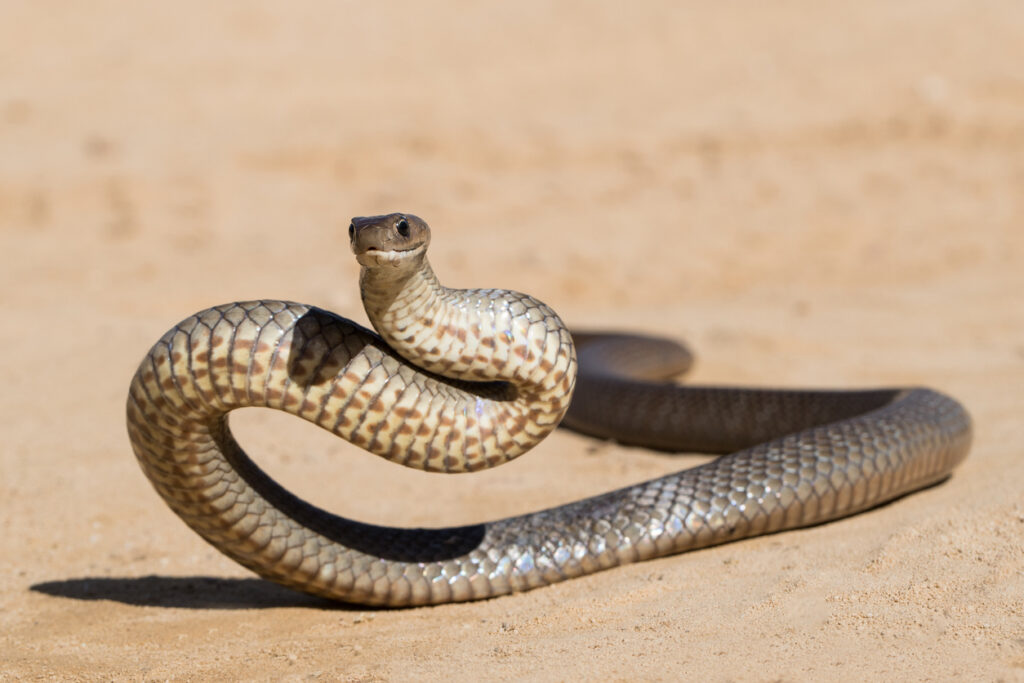
Snake populations on isolated islands are evolving more specialised, concentrated venoms because they face different prey and predation pressures. These island venoms often prove more potent than mainland variants when tested in laboratories.
Island snake populations represent natural laboratories for venom evolution, and researchers are discovering that isolation creates more dangerous snakes rather than less dangerous ones. Each isolated population becomes a unique toxic threat with potentially different treatment requirements.
Resistance evolution in prey is driving venom arms races.
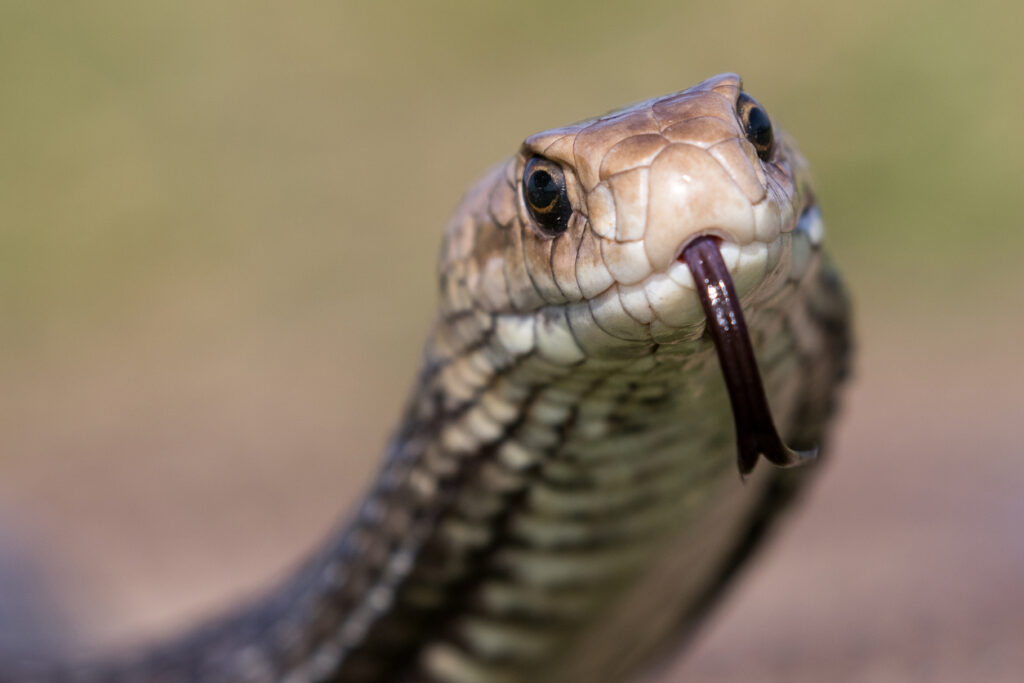
Australian skinks have evolved genetic resistance to snake venom by mutating key muscle receptors, forcing snakes to develop even more potent toxins to overcome this resistance. This evolutionary arms race makes venoms progressively deadlier over time.
Every time prey species develop resistance, predatory snakes respond by evolving more powerful venoms. The result is an escalating biological warfare situation where Australian snakes are under constant pressure to become more lethal to maintain their hunting success.
Hybridisation is creating unpredictable venom cocktails.
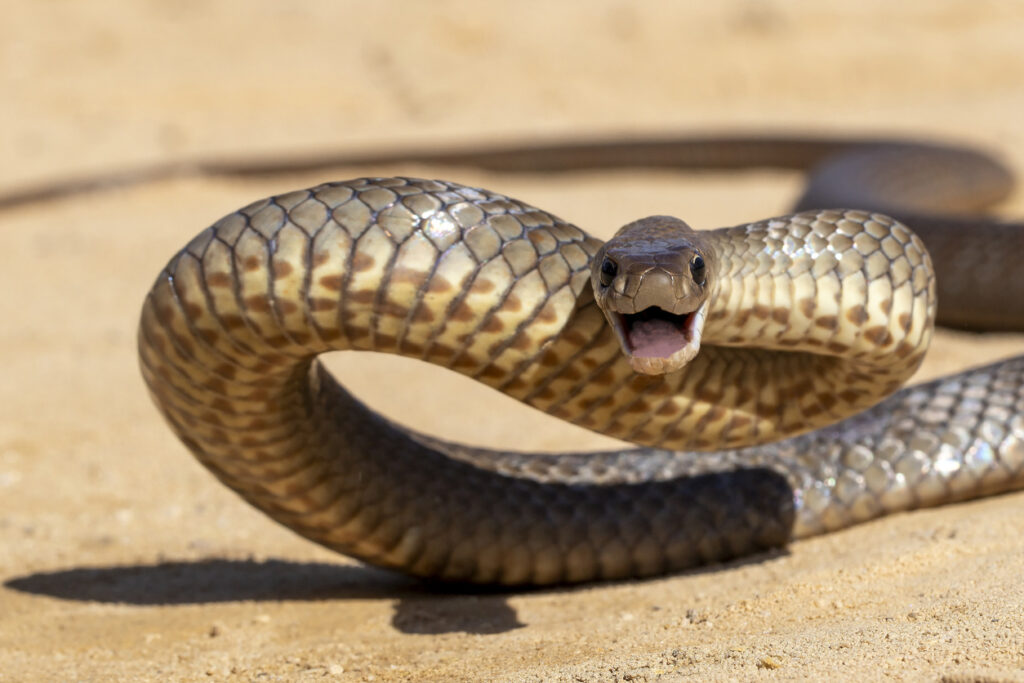
When different snake populations interbreed in boundary areas, their offspring inherit unpredictable combinations of venom genes from both parents. These hybrid venoms can be more dangerous than either parent species because they combine toxic effects in novel ways.
Hybrid snake venoms represent completely uncharted territory for antivenom development because they don’t match the standardised profiles used to create treatments. A bite from a hybrid Eastern Brown Snake could require entirely different medical intervention.