When you think of dinosaurs, it’s easy to picture them fully grown—towering, thundering, and terrifying.
However, like all animals, they started small. What’s wild is just how much some dinosaurs changed as they grew up. We’re not talking about gaining a few feet or shedding some fluff—some species transformed in size and shape so dramatically that scientists once thought juveniles were entirely different species. These are the dinosaurs that didn’t just grow—they reinvented themselves on the way up.
Tyrannosaurus rex
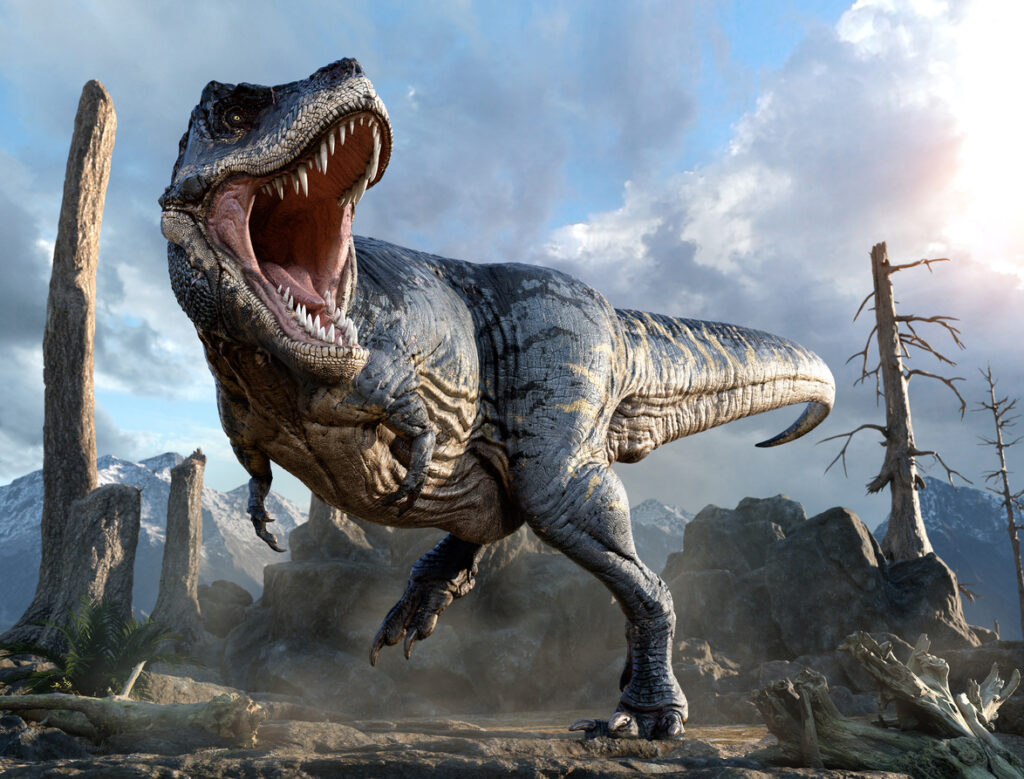
The king of the dinosaurs didn’t start out as a terrifying predator. Baby T. rex was roughly the size of a turkey when it hatched, with long legs and arms and a lightweight build suited for speed rather than power. As it grew, it bulked up massively—eventually reaching up to 12 metres long and over 8 tonnes in weight. Its whole body plan changed: jaws strengthened, arms shrank, and its bite force became bone-crushing. The cute little sprinter became an apex predator.
Allosaurus
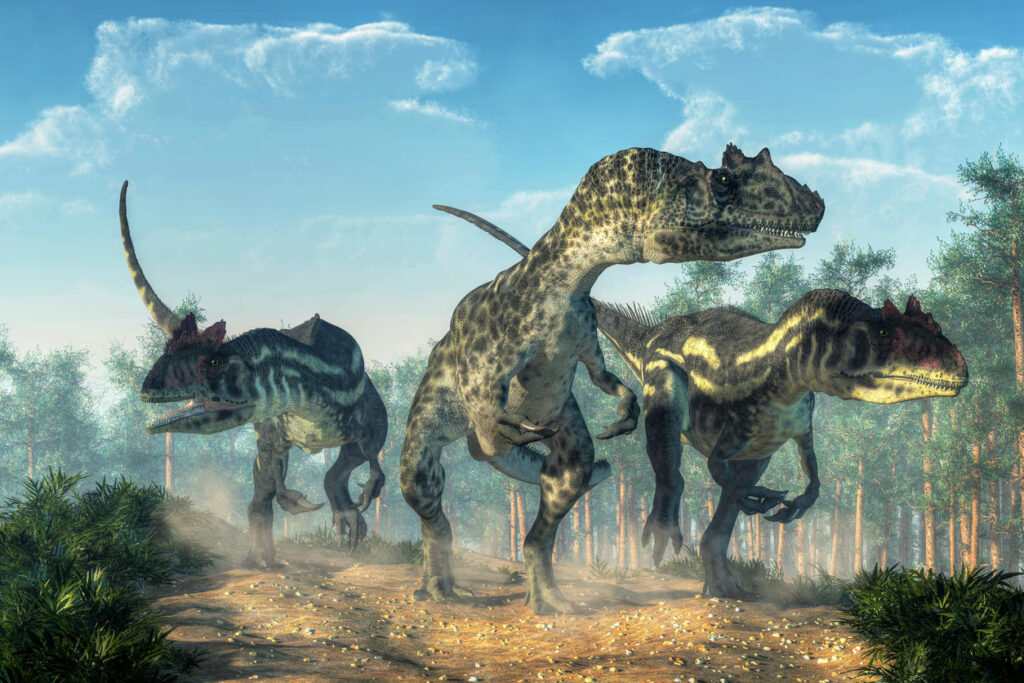
Allosaurus started life surprisingly delicately built, with long legs and a leaner frame than its adult form. As juveniles, they were likely faster and more agile, hunting smaller prey or scavenging to survive. As they grew, their limbs thickened, skulls became more robust, and they started taking down larger prey. Their changing build suggests their role in the ecosystem may have changed dramatically with age.
Diplodocus
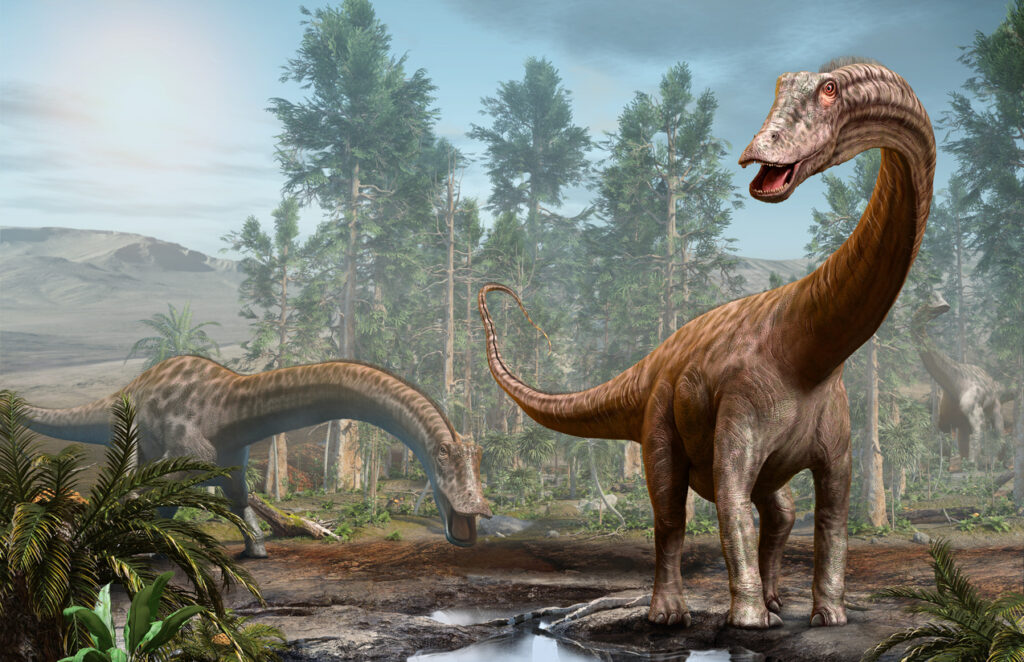
Diplodocus was a long-necked giant as an adult, stretching over 25 metres. But hatchlings were only around a metre long—basically the length of a Labrador, just with more neck. What’s especially interesting is how their proportions changed: they started with relatively short necks and tails, which lengthened dramatically as they aged. Their weight increased over 100-fold as they developed into the iconic giants we know.
Triceratops
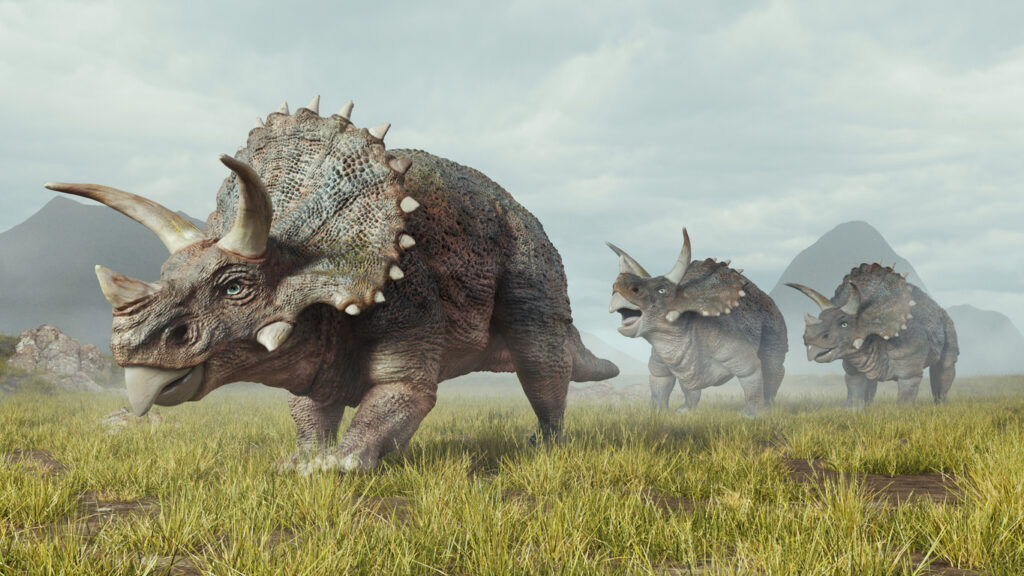
Baby triceratops looked like completely different creatures. They had short, stubby horns, tiny frills, and more rounded beaks. It took years for the classic three-horned face to emerge. As time went on, their skulls lengthened, frills expanded, and horns curved into their signature adult shape. These changes likely had social and defensive purposes, with the adult form far better suited for intimidation and protection.
5. Pachycephalosaurus
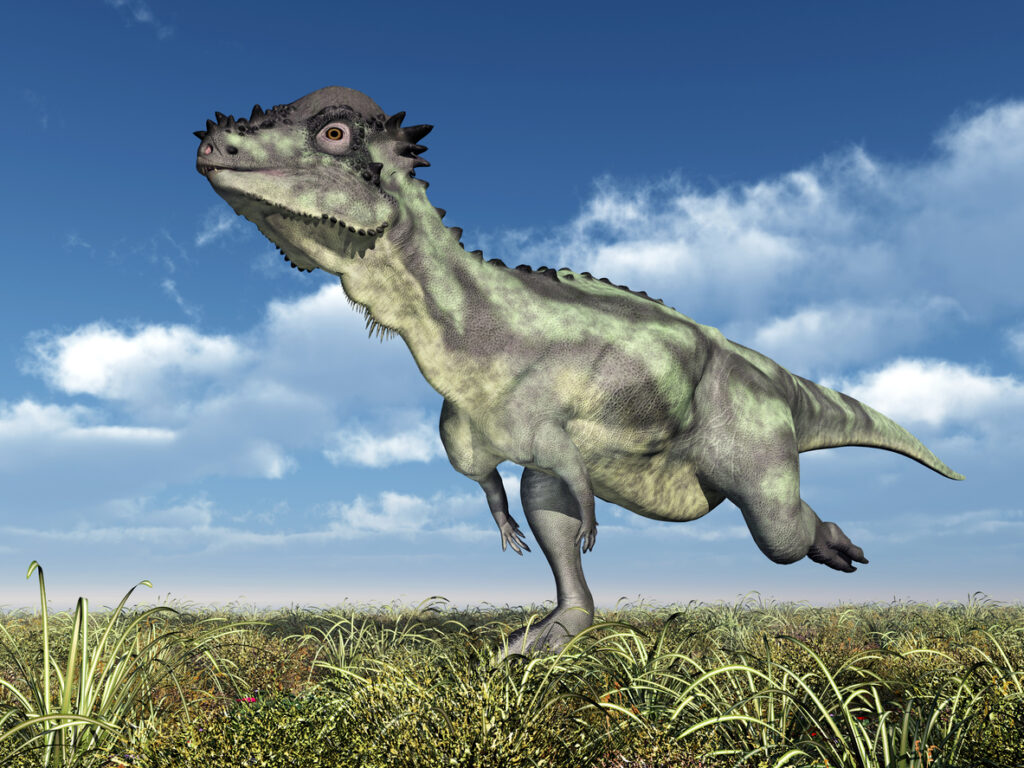
This dome-headed dinosaur famously had a thick, bony skull. But juveniles didn’t have the signature dome at all. They had flat skulls and less robust builds, which once confused scientists into thinking they were a separate species entirely.
As they aged, the skull thickened and rounded into the famous “battering ram” shape. The change was so dramatic, it altered not just size, but behaviour—adults likely used their heads in combat or displays that younger individuals couldn’t participate in.
Spinosaurus
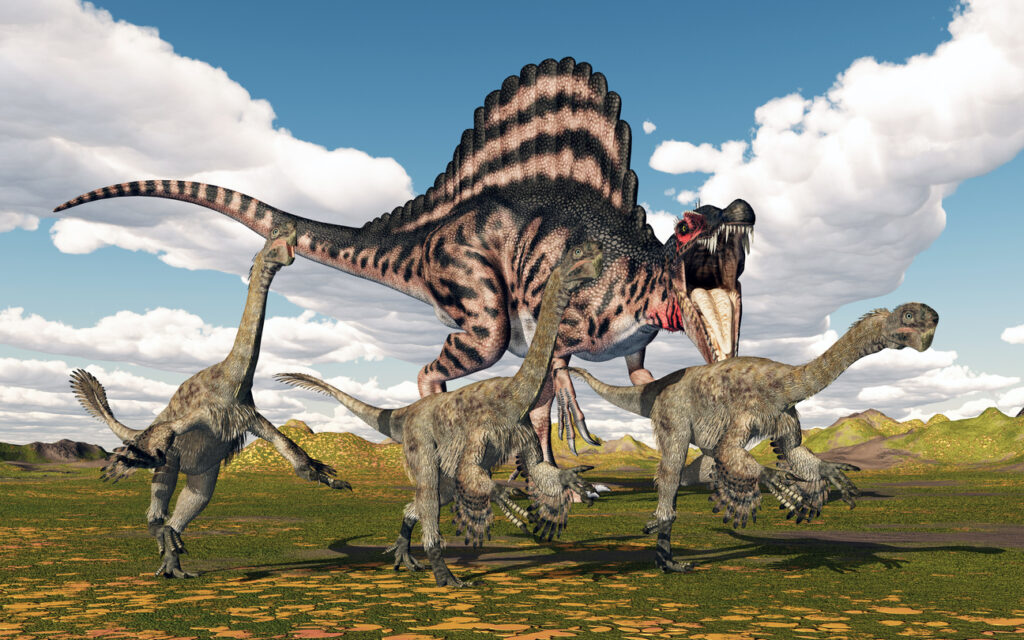
Spinosaurus was huge as an adult—possibly the largest predator to ever walk (or swim) the Earth. However, as a youngster, it was far more mobile on land, with a leaner frame and smaller sail. Over time, its limbs adapted to support a more semi-aquatic lifestyle, and its massive sail grew more prominent. These changes meant that its hunting style and environment changed significantly between babyhood and adulthood.
Corythosaurus
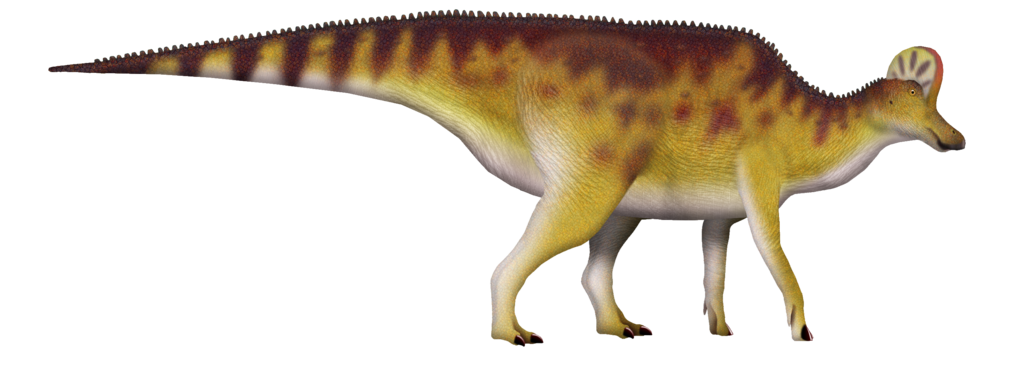
Known for the large crest on its head, Corythosaurus started life without one. Hatchlings had no headgear at all, and their skulls were smooth and small by comparison. The signature crest only developed later, likely tied to vocalisation or social signalling. As they grew, the crest expanded and hollowed out, changing not just their appearance but also their ability to communicate using sound.
Parasaurolophus
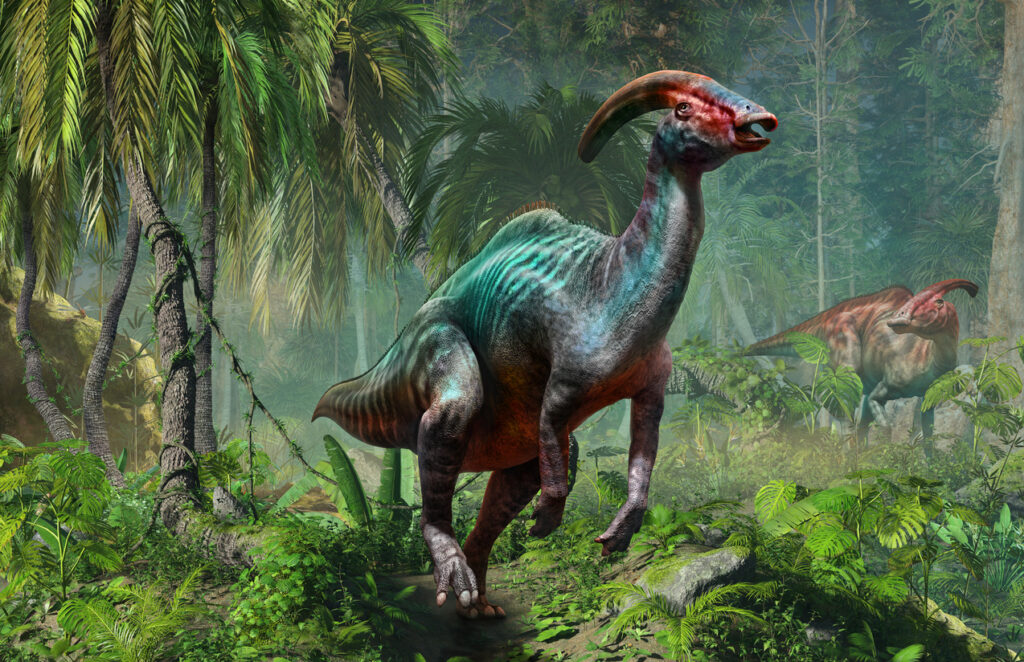
Much like Corythosaurus, Parasaurolophus is known for its long, tube-like crest—but juveniles didn’t have it. Their heads were rounded and crestless, resembling different species entirely. The crest began to form as they hit adolescence, eventually becoming a long backward tube used for sound resonance or visual display. Their profile changed so much with age that even their silhouettes were unrecognisable from youth to adulthood.
Therizinosaurus
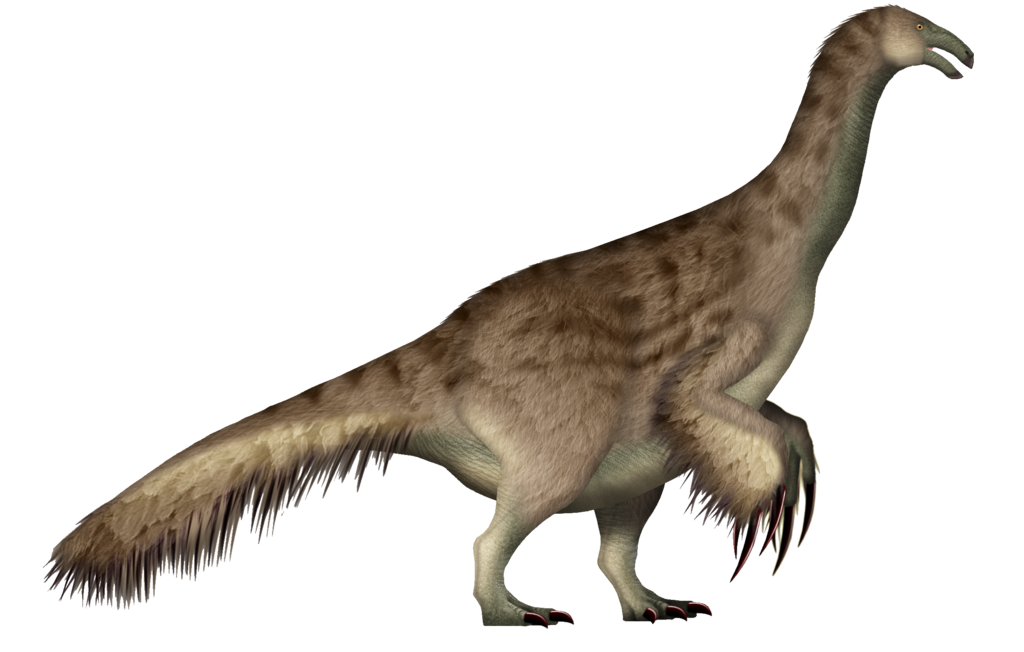
With giant claws and a bizarre build, adult Therizinosaurus looked like a cross between a sloth, a bird, and a nightmare. But baby Therizinosaurs were much more birdlike and slender. Their long necks, feathers, and lighter bodies were suited for a very different lifestyle. As they grew, they gained bulk, developed huge claws, and likely evolved from being nimble foragers to more intimidating plant-munchers.
Stegosaurus
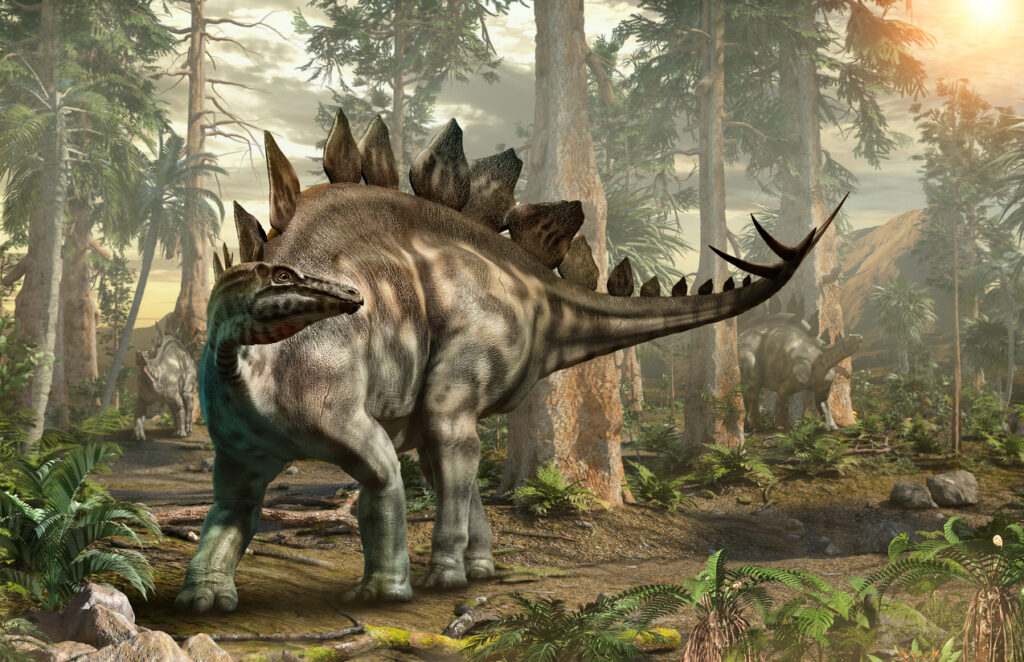
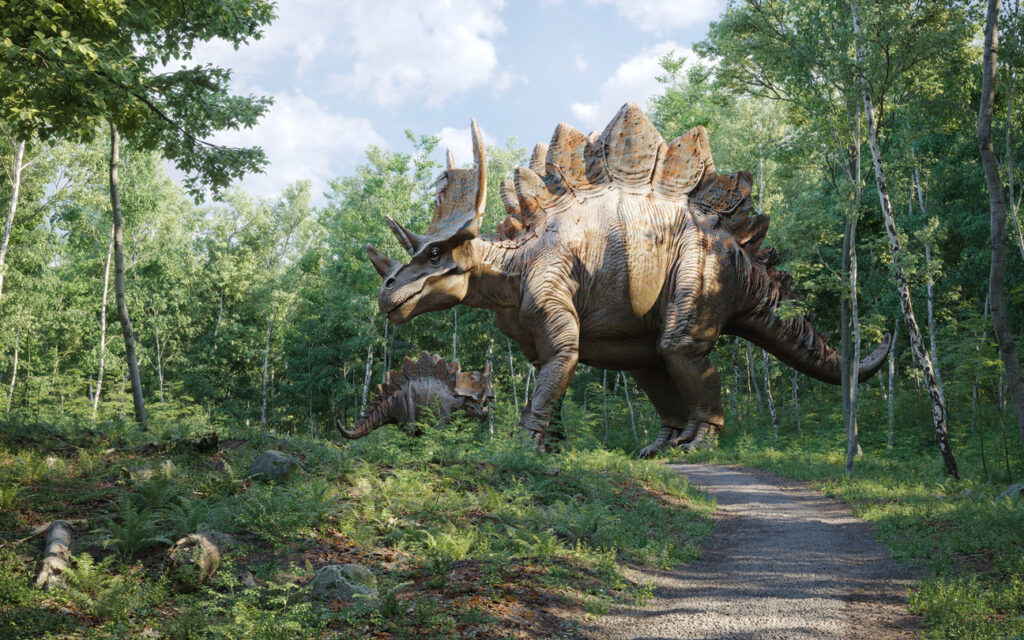
Famous for its backplates and spiked tail, Stegosaurus didn’t start out so flashy. Baby stegosaurs had tiny, barely visible plates and no tail spikes to speak of. These features developed as they aged, gradually rising from their backs and thickening into armour. The transformation wasn’t just visual—it likely helped with thermoregulation and protection as they grew more vulnerable to predators.
Oviraptor

Oviraptors are often shown as feathered, parrot-like dinosaurs, and their juvenile forms were even more birdlike—light, fluffy, and surprisingly agile for their size. As they matured, their crests developed and their beaks grew stronger. Their size increase was modest compared to giants like sauropods, but the behavioural change from skittish hatchling to egg-guarding adult was just as important.
Velociraptor

Young Velociraptors weren’t the sleek hunters of Hollywood fame. They were small, fuzzy, and likely stayed close to nests or parents for protection. Their claws were underdeveloped at birth and only became functional weapons with age. As they grew, their limbs strengthened, claws sharpened, and hunting instincts kicked in. Adult velociraptors had very different roles and physical capabilities compared to their pint-sized, downy beginnings.
Argentinosaurus
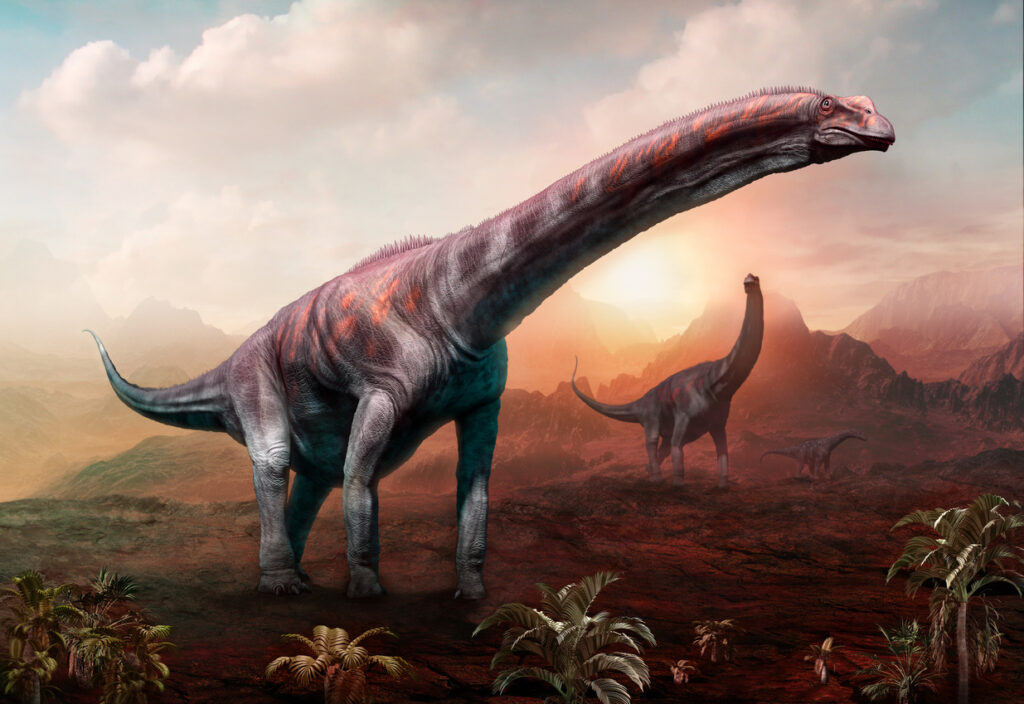
This was one of the largest land animals ever, possibly weighing over 70 tonnes as an adult. But at birth? Just a fraction of that size. Hatchlings were likely under two metres long—basically bite-sized compared to their future selves.
The scale of growth here is hard to grasp. They ballooned in size over years, with rapid bone development and huge increases in mass. Their early lives were likely spent hiding or relying on herd protection before they were big enough to fend off predators with sheer bulk.