Got leftover coffee grounds piling up in the kitchen? Don’t toss them just yet.
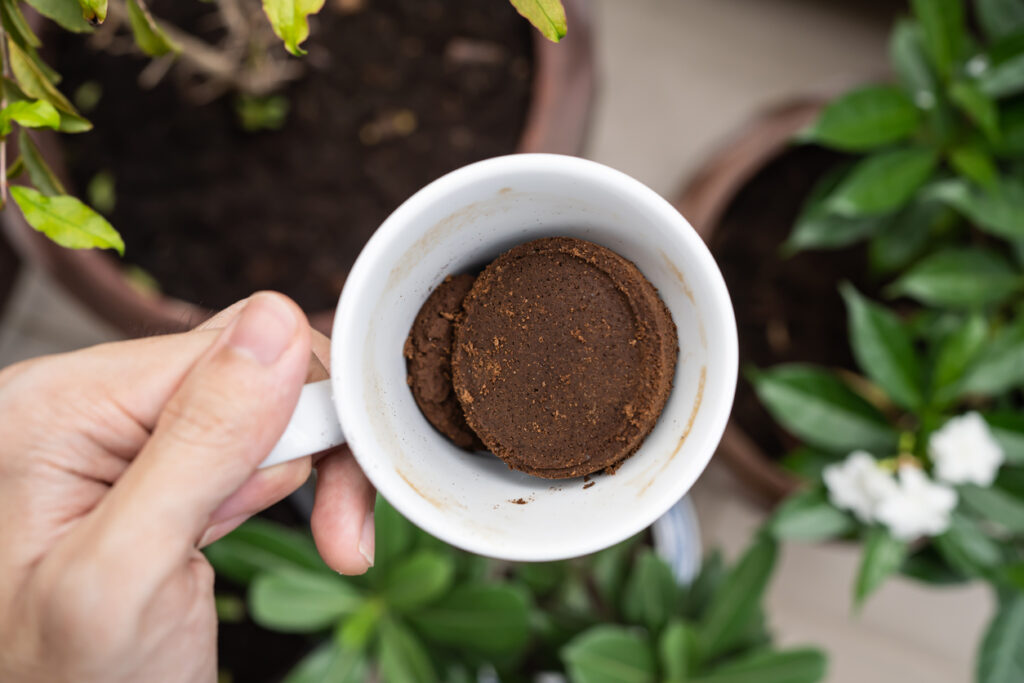
Used grounds can do more for your garden than you might think, from enriching your compost to naturally keeping pests at bay. Whether you drink two cups a day, save up a big cafetière’s worth over the week, or even ask your local Costa or Starbucks for their extras, here are some easy and practical ways to put coffee grounds to good use with your plants.
1. Add them to your compost heap.
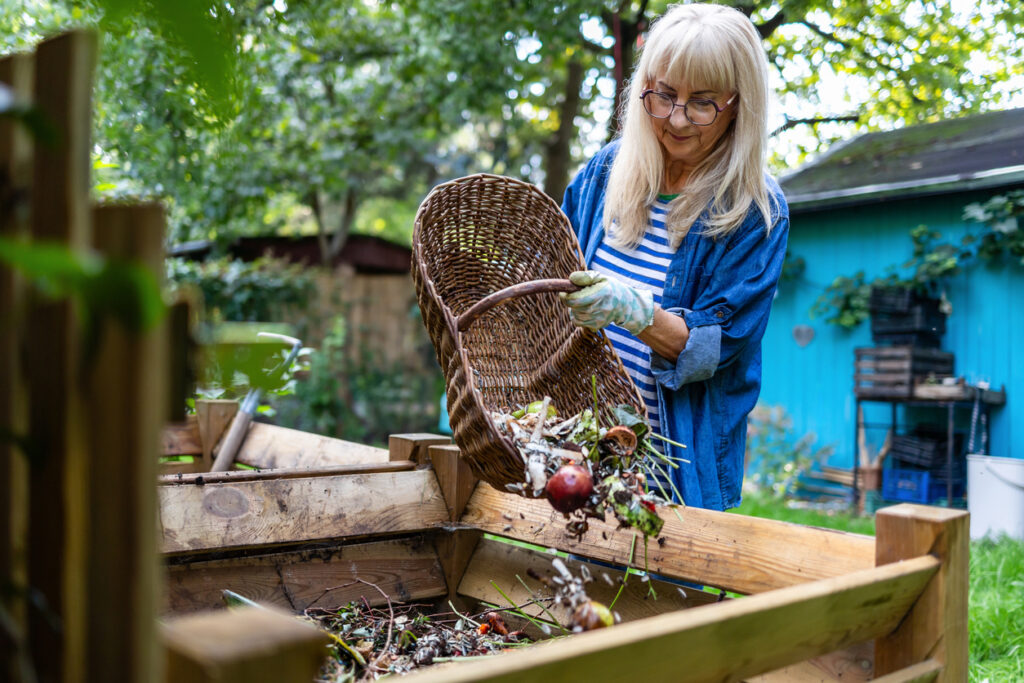
Used coffee grounds are rich in nitrogen, making them a great “green” ingredient for your compost pile. They help balance out the “brown” materials like dry leaves or cardboard, speeding up the breakdown process and producing richer compost.
Just don’t go overboard—coffee grounds are acidic, so they work best when mixed in with plenty of other materials. A good rule is no more than 20% of the total compost content should come from grounds. Spread them in thin layers and give everything a good turn.
2. Sprinkle directly into the soil (in moderation).
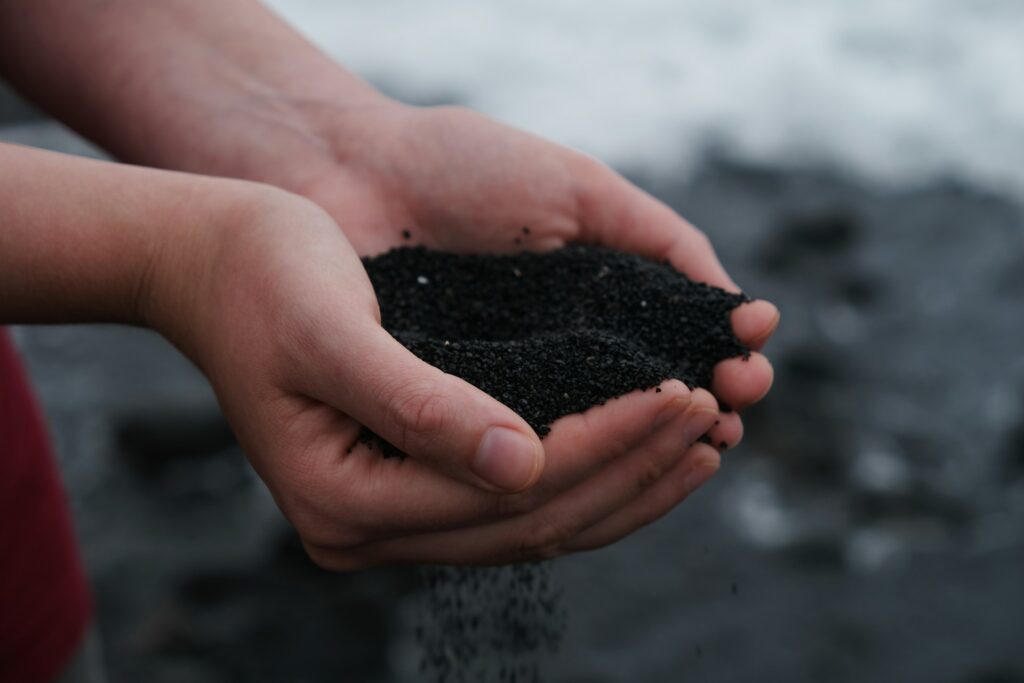
Adding a light sprinkling of coffee grounds directly onto the soil can boost nutrients and improve texture, especially in clay-heavy beds. They’ll slowly release nitrogen and other trace minerals as they break down. However, keep it minimal—thick layers can compact, stop water flowing through, and create mould. Think of it more like a seasoning than a mulch. Lightly rake it in, or mix with other organic matter before applying.
3. Use as a slug and snail deterrent.
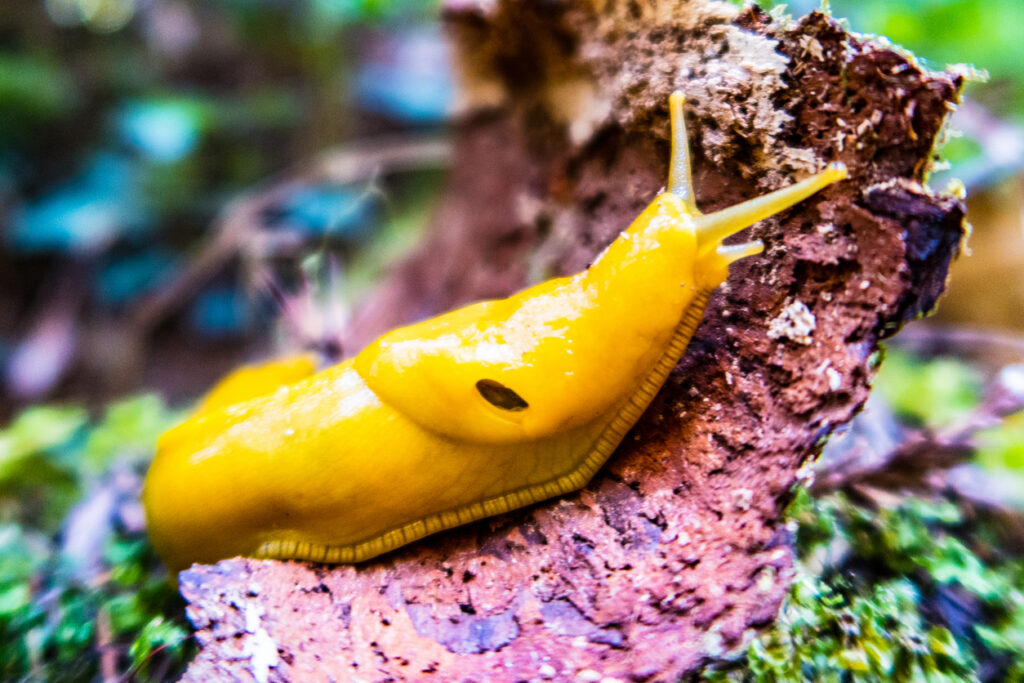
Slugs and snails hate crawling across rough or sharp textures, and coffee grounds can work as a natural barrier. The caffeine also seems to be unpleasant for them, which adds to the deterrent effect. Sprinkle a ring around the base of vulnerable plants like lettuce or hostas. It won’t work forever, especially after rain, but it’s a good eco-friendly trick to reduce pest damage without reaching for pellets.
4. Mix into homemade fertiliser.
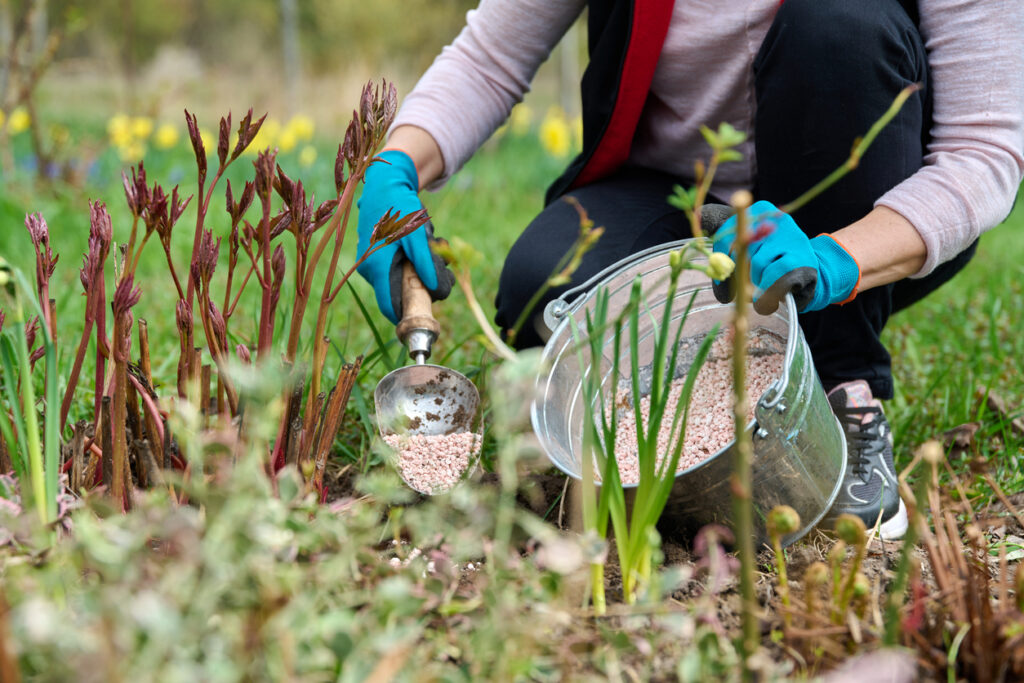
You can brew a weak liquid fertiliser by soaking used grounds in water for a day or two. The result is a gentle, nutrient-rich tea that can be poured onto the soil or around the roots of nitrogen-hungry plants. This isn’t a miracle grow formula, but it’s handy for topping up between regular feeds, especially in veg patches or containers. Just make sure the mixture is well diluted and don’t apply it too often.
5. Feed acid-loving plants.
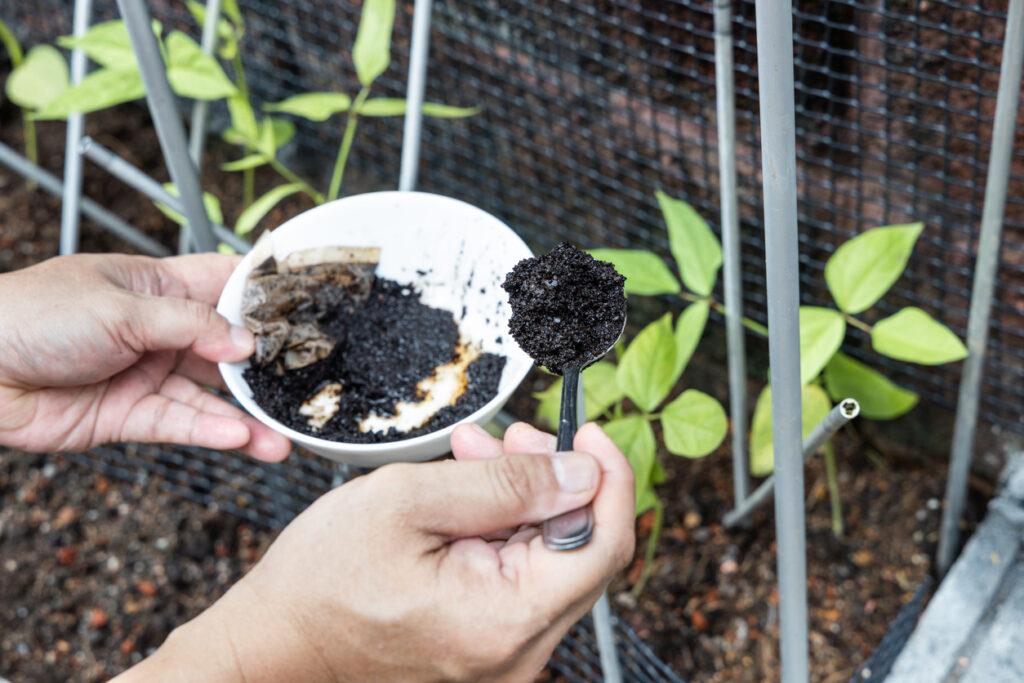
Some plants actually thrive in slightly acidic soil, and coffee grounds are a great match. Think blueberries, hydrangeas, azaleas, rhododendrons, and even roses. A little sprinkle helps create the right pH balance for them to absorb nutrients better. Mix the grounds into the soil around the base, or include them in mulches. Keep an eye on your plants—if they respond with more vibrant growth and blooms, it’s a sign the acidity is working in your favour.
6. Keep cats off garden beds.

If neighbourhood cats are treating your garden like a personal litter tray, coffee grounds can help keep them away. Most cats dislike the strong smell and gritty feel under their paws. Scatter used grounds around seedbeds or flower borders to make them less appealing. It’s not foolproof, but when combined with citrus peel or other strong scents, it can help gently encourage cats to pick a different spot.
7. Boost worm activity in compost.
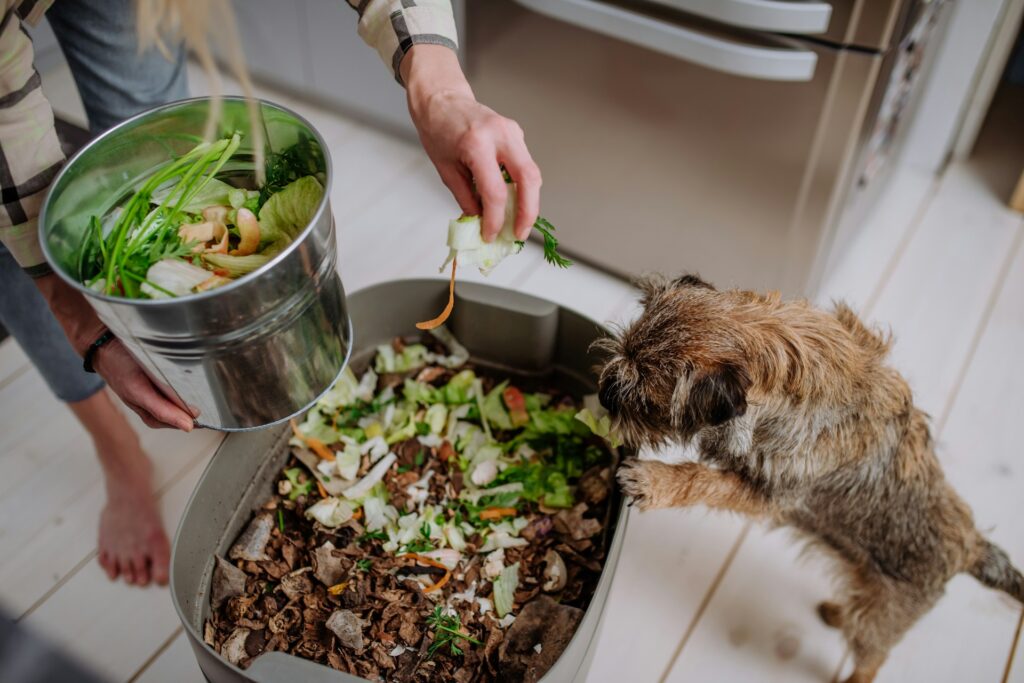
Worms love coffee grounds. When added to compost, they help attract these little decomposers, which in turn speed up the breakdown of organic matter and enrich your soil. Sprinkle grounds into your compost bin or wormery, but again, don’t go overboard. Too much can make things acidic or clumpy, so aim for a balanced mix with other food scraps and cardboard.
8. Use as a top dressing for potted plants.
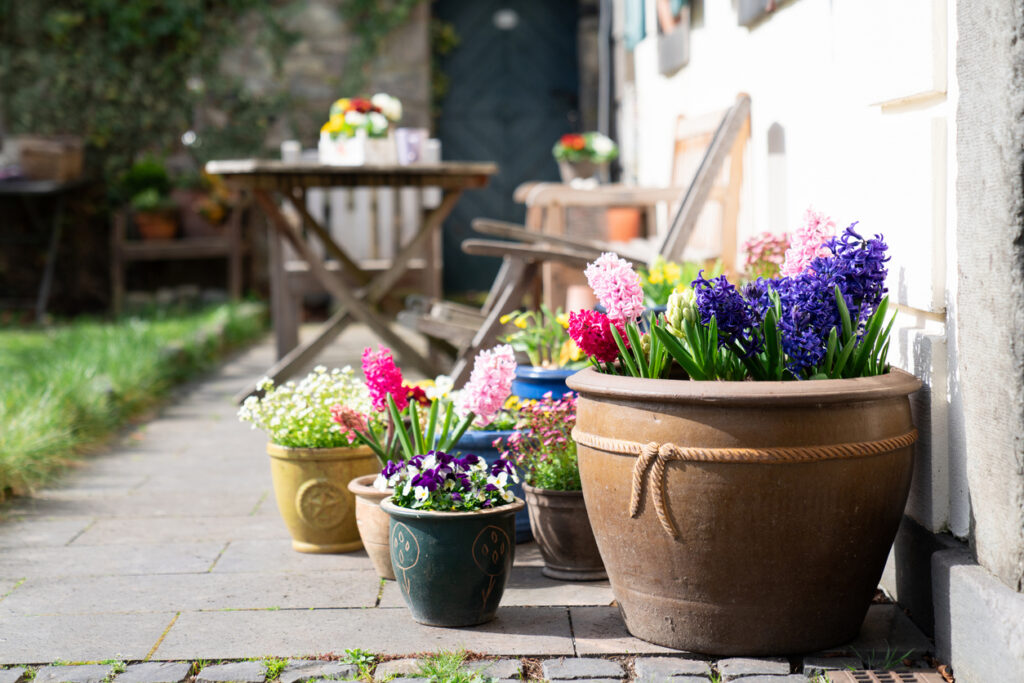
A thin layer of used coffee grounds can work as a mini mulch for container plants, helping retain moisture and suppress weeds. It also gives a slow-release boost of nitrogen as it breaks down. Stick to a thin sprinkle, especially for indoor pots, and avoid letting the layer go mouldy. Mixing the grounds with dry potting soil before adding them to the surface can help reduce clumping or odours.
9. Grow mushrooms at home.
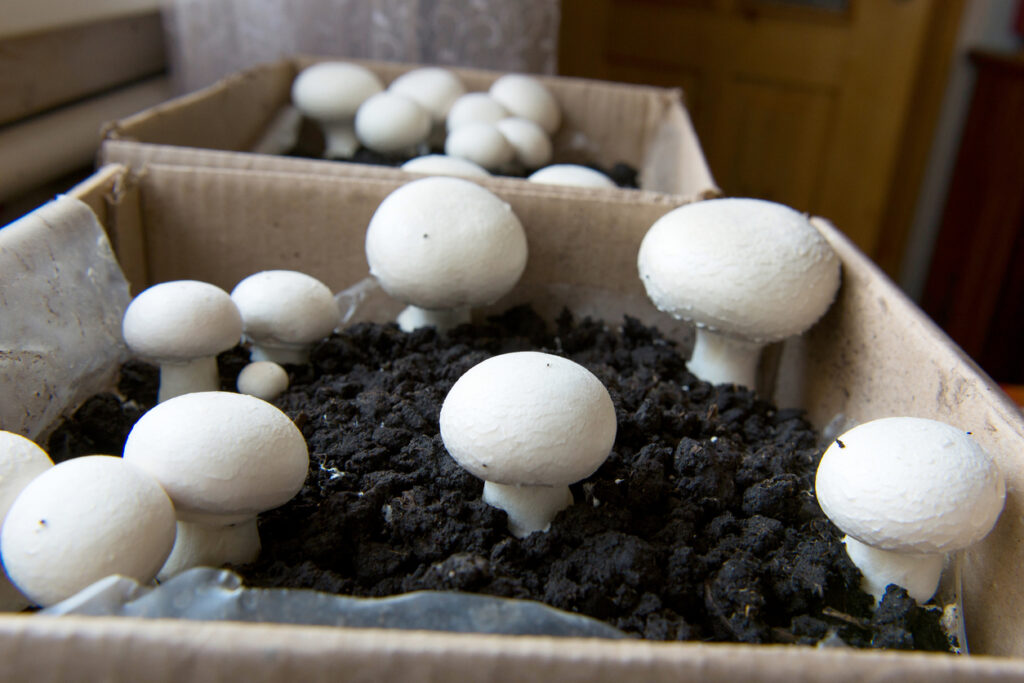
If you’re keen to try homegrown mushrooms, coffee grounds are an ideal growing medium. They’re sterile when fresh, nutrient-rich, and have the right consistency to support mycelium growth. You’ll need mushroom spawn, a container, and a dark, humid spot. Oyster mushrooms are one of the easiest types to grow this way. Just make sure you use grounds within 24 hours to prevent contamination.
10. Neutralise compost bin odours.
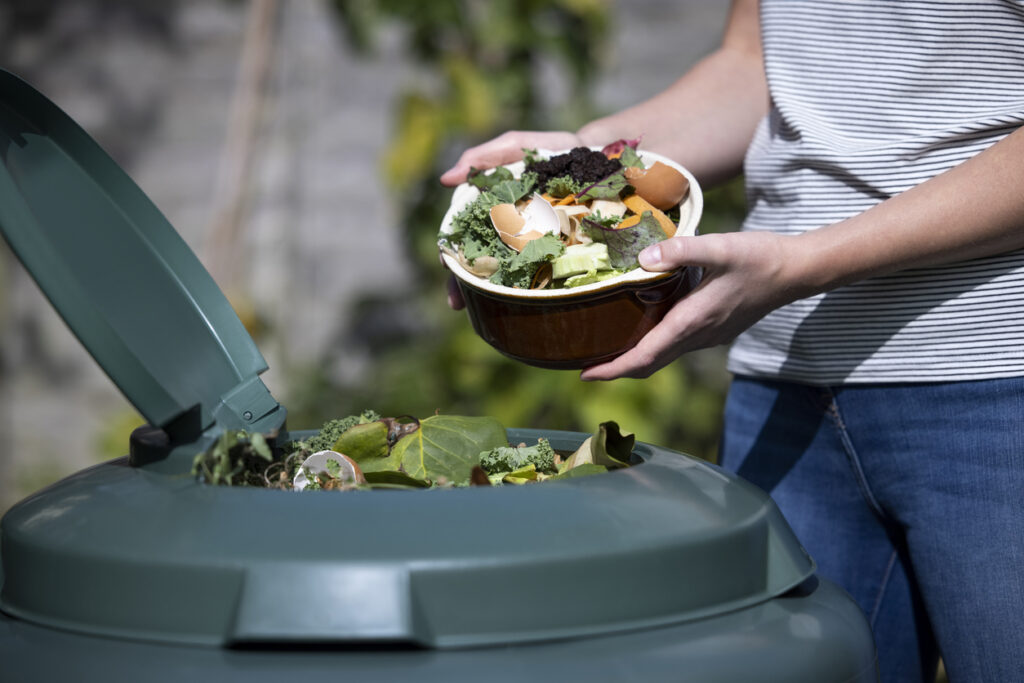
If your kitchen caddy or compost bin is starting to pong, coffee grounds can help freshen things up. Their strong scent masks bad smells, and the slightly acidic nature helps balance rotting food waste. Add a handful of used grounds to your bin once a day or whenever it’s needed. It won’t fix deeply smelly issues on its own, but it’s a nice boost to the system and can keep things more pleasant indoors.
11. Enrich your lawn clippings mulch.
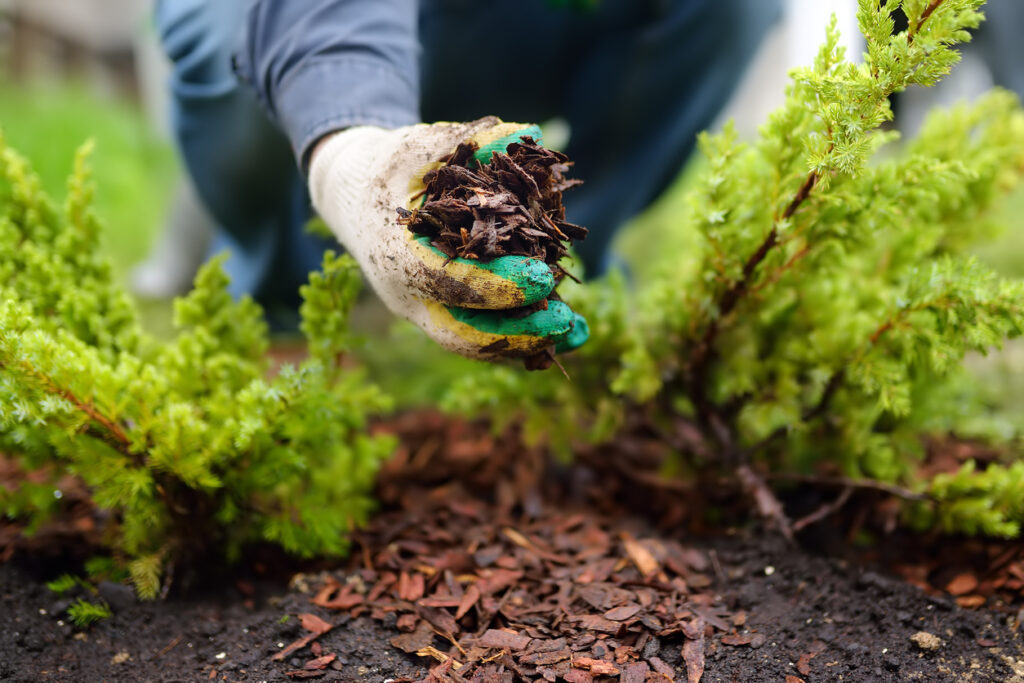
If you’re mulching with grass clippings, mixing in some coffee grounds helps balance out the carbon-heavy material with nitrogen. This makes for a more effective mulch and avoids the clippings forming a smelly mat. Layer lightly on top of beds or around trees and shrubs. Just make sure there’s enough airflow so the mix doesn’t turn soggy. Coffee also helps give the mulch a pleasant earthy smell, which never hurts.
12. Grow carrots in used coffee grounds.
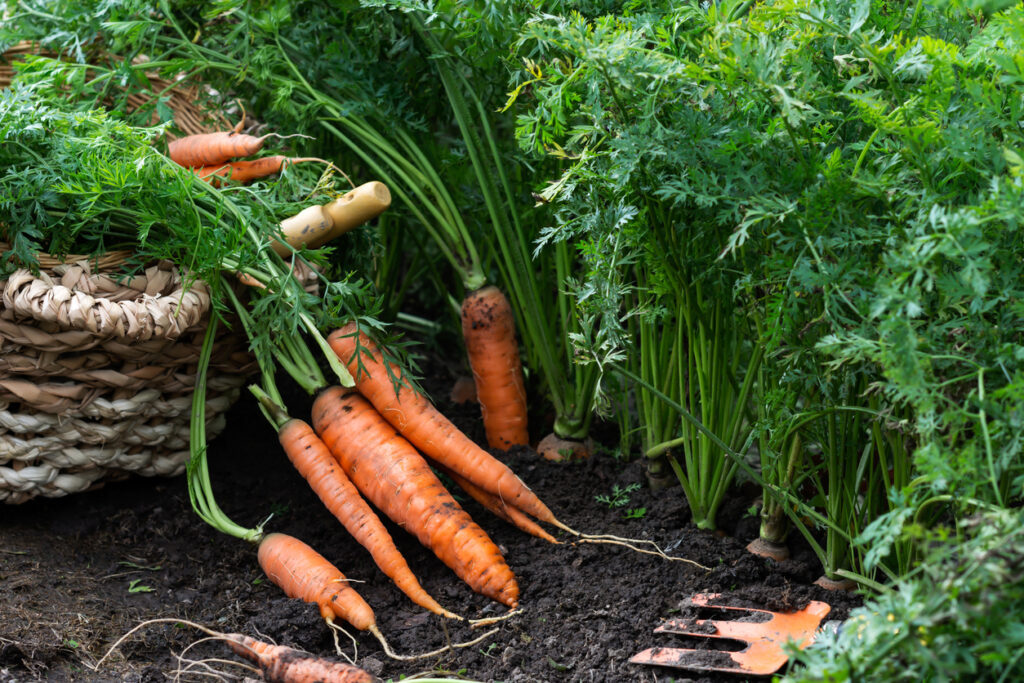
Mixing used coffee grounds with sandy soil can help improve the texture for root crops like carrots. The grounds keep the soil light and crumbly, which helps the roots grow straighter and stronger. Try combining one part coffee grounds with three parts sandy soil when sowing carrot seeds. It’s not a complete growing medium, but it does offer better drainage and adds a light nutrient boost during germination.