Most people have, at some point, looked up at the night sky and thought, “Yeah, I could do that.”

Why not, right? You’d just be floating around, seeing Earth from above, popping on a helmet and calling it a day. Of course, then reality taps you on the shoulder and reminds you that being an astronaut isn’t just a cooler version of your current job with better views.
It turns out space agencies are extremely picky, and not in a “can you handle a bit of pressure” way. We’re talking years of training, very specific physical and mental requirements, and rules that instantly rule out a lot of perfectly capable, intelligent people. If you’ve ever wondered why astronauts all seem slightly superhuman, these strict conditions explain a lot.
Your physical health has to be almost flawless.
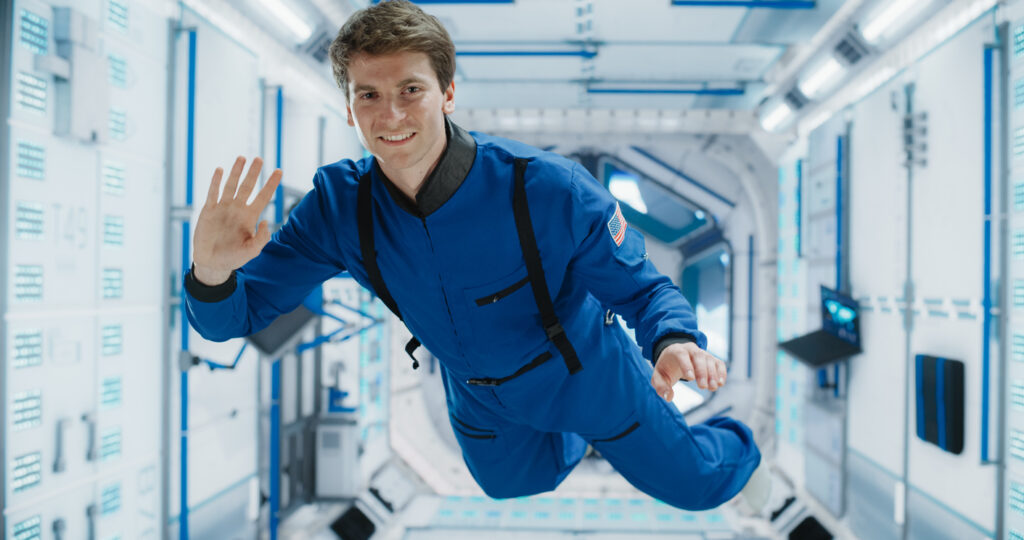
Astronauts don’t need to look like bodybuilders, but their bodies have to work exceptionally well. Heart health, lung function, blood pressure, balance, and mobility are all tested in detail. Minor conditions that are manageable on Earth can become serious problems in space.
Even things like kidney stones, chronic back pain, or recurring migraines can be disqualifying. In space, there’s no quick hospital visit, no specialist referral, and limited medical equipment. Your body has to be reliable under stress for months at a time.
Your vision has to meet tight limits.
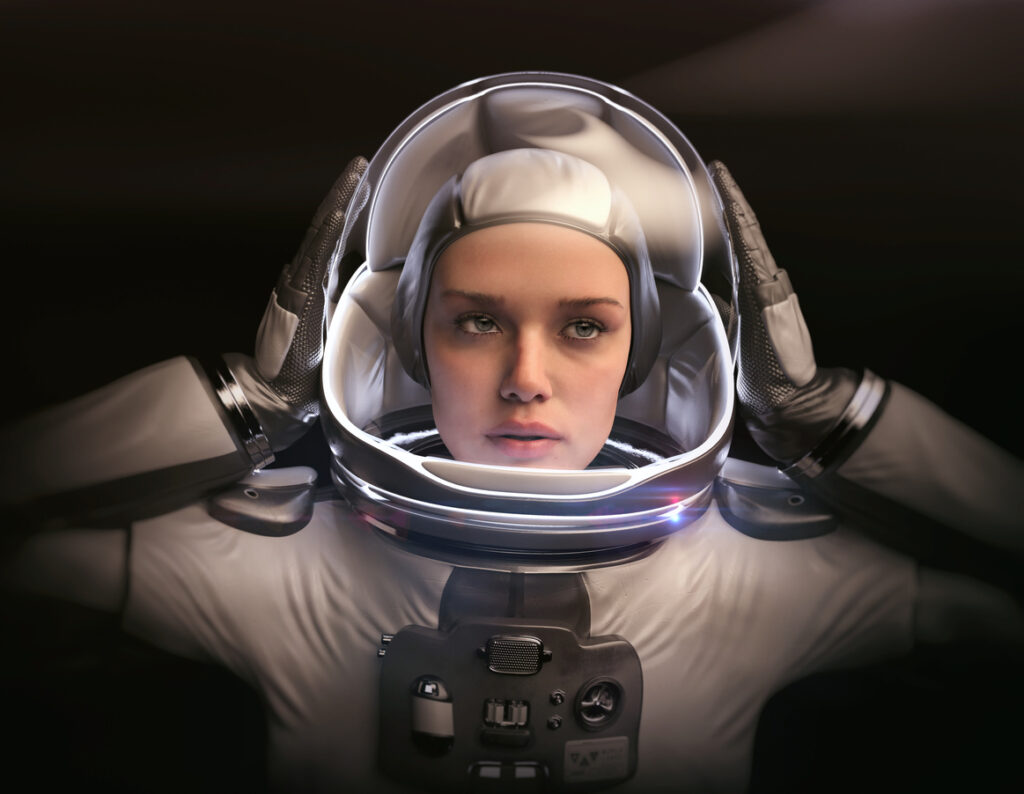
Astronauts don’t need perfect eyesight, but it does need to fall within strict boundaries. Severe short-sightedness, certain eye conditions, or progressive vision problems usually rule people out. Vision can also change in space due to fluid shifts in the body, so agencies look for eyes that can tolerate that risk. If your eyesight is already unstable, it’s considered too much of a gamble.
You need advanced education, not just enthusiasm.

Loving space isn’t enough. Most astronauts have degrees in engineering, physics, medicine, biology, or similar technical fields. Many hold master’s degrees or doctorates. Space missions rely on problem-solving, systems thinking, and scientific precision. Astronauts aren’t passengers. They’re trained specialists expected to diagnose problems, run experiments, and make critical decisions in real time.
Psychological resilience is non-negotiable.
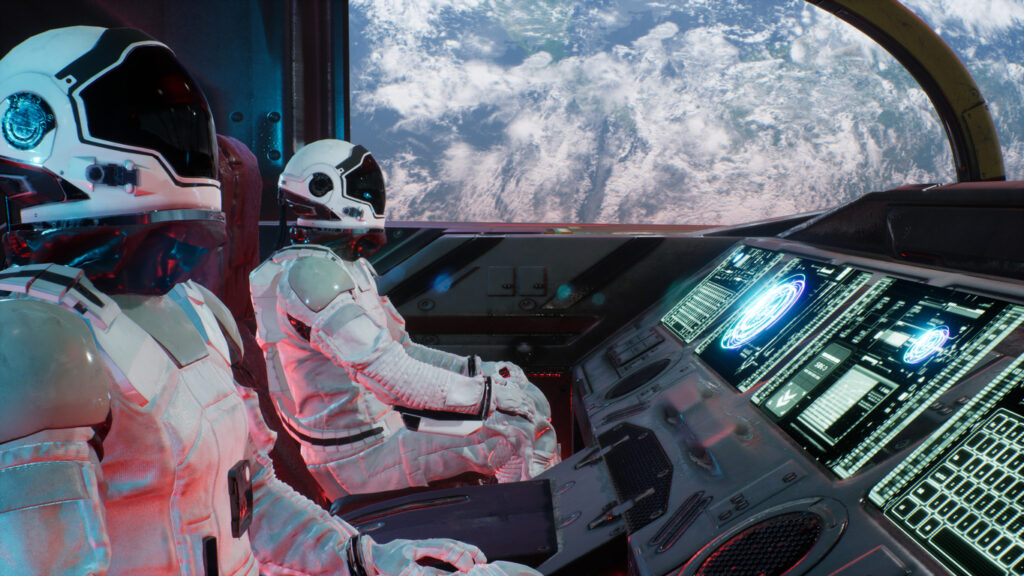
Living in a small metal structure, thousands of miles from Earth, with the same people every day is mentally demanding. Astronauts are screened heavily for emotional regulation, stress tolerance, and psychological stability. It’s not about never struggling. It’s about how you respond when things go wrong. Panic, emotional volatility, or withdrawal can put lives at risk in space, so emotional steadiness matters as much as intelligence.
You must work exceptionally well in a team.
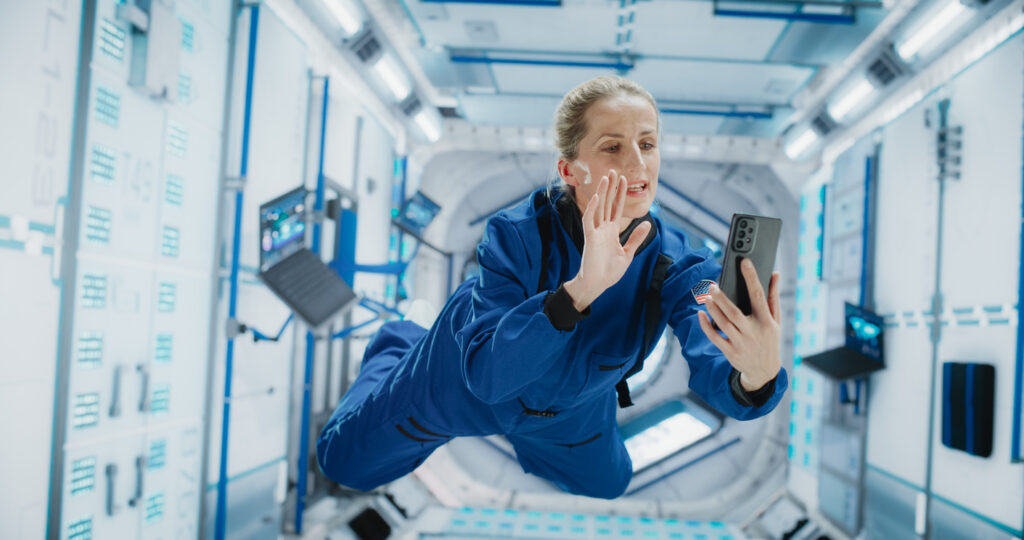
Astronauts don’t get to choose their crewmates, and they can’t escape them either. You’re expected to cooperate under pressure, handle conflict calmly, and support other people even when you’re exhausted or frustrated. People who need to dominate, avoid conflict entirely, or struggle with authority tend to be filtered out early. Space missions depend on cooperation, not individual brilliance.
Your body has to tolerate extreme environments.
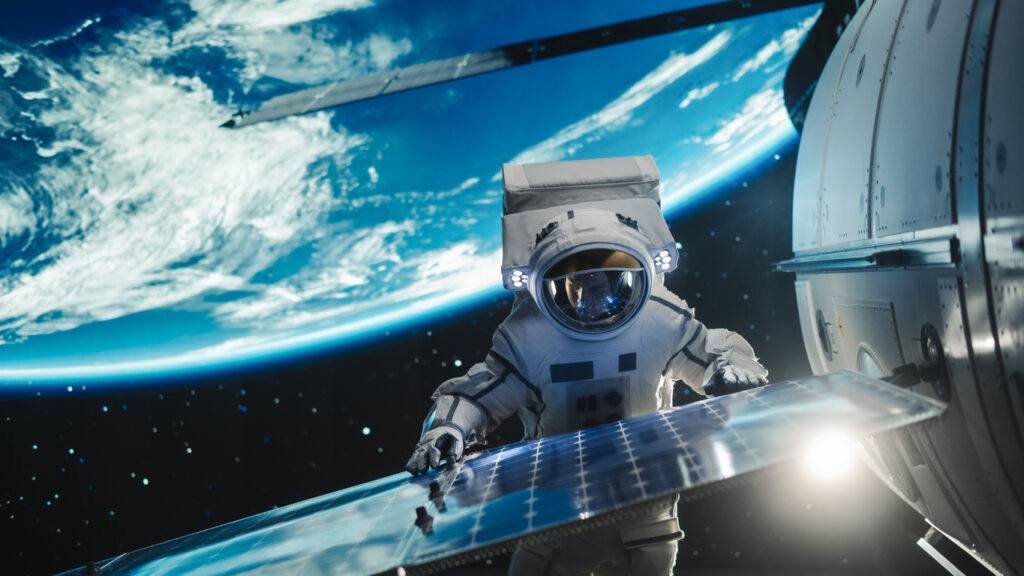
Astronauts are tested in high-G centrifuges, underwater simulations, extreme temperatures, and survival scenarios. These tests aren’t about toughness for its own sake. They simulate launch forces, spacewalk conditions, and emergency landings. If your body reacts poorly to pressure, disorientation, or physical stress, it’s unlikely you’d be cleared for flight.
You need to handle long-term isolation without falling apart.
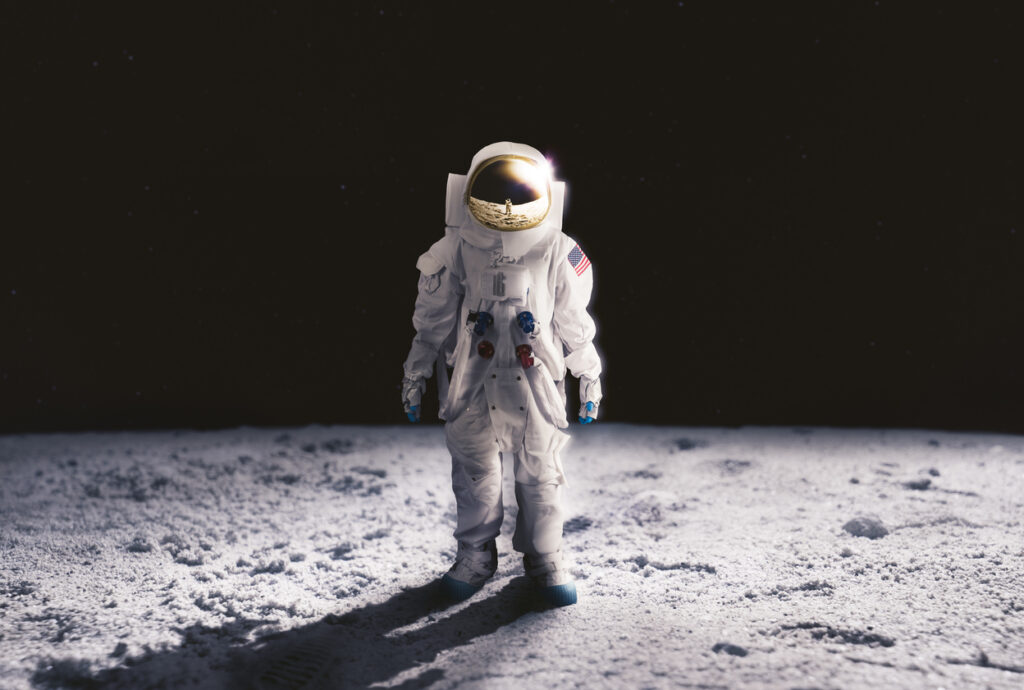
Missions can last months, sometimes longer. Contact with family is limited. Earth becomes something you watch through a window rather than live in. Astronauts are assessed for how they cope with separation, monotony, and reduced privacy. If isolation drains you emotionally or affects your functioning, space life would be extremely challenging.
You must accept loss of personal control.
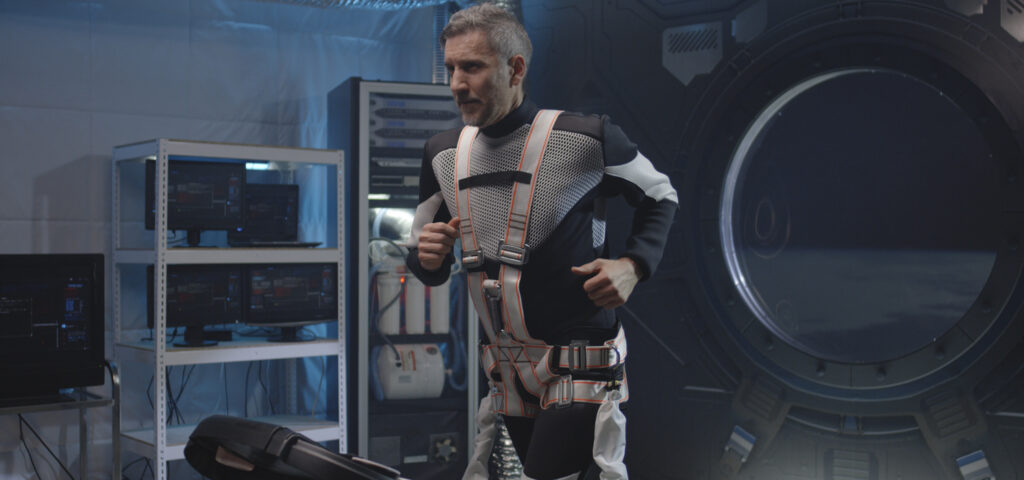
In space, almost everything is scheduled. When you eat, sleep, exercise, work, and even use the toilet is planned. Spontaneity is minimal. People who struggle with rigid structure or need constant autonomy often find this suffocating. Astronauts have to function well within strict systems without resentment or rebellion.
Your past behaviour is closely examined.
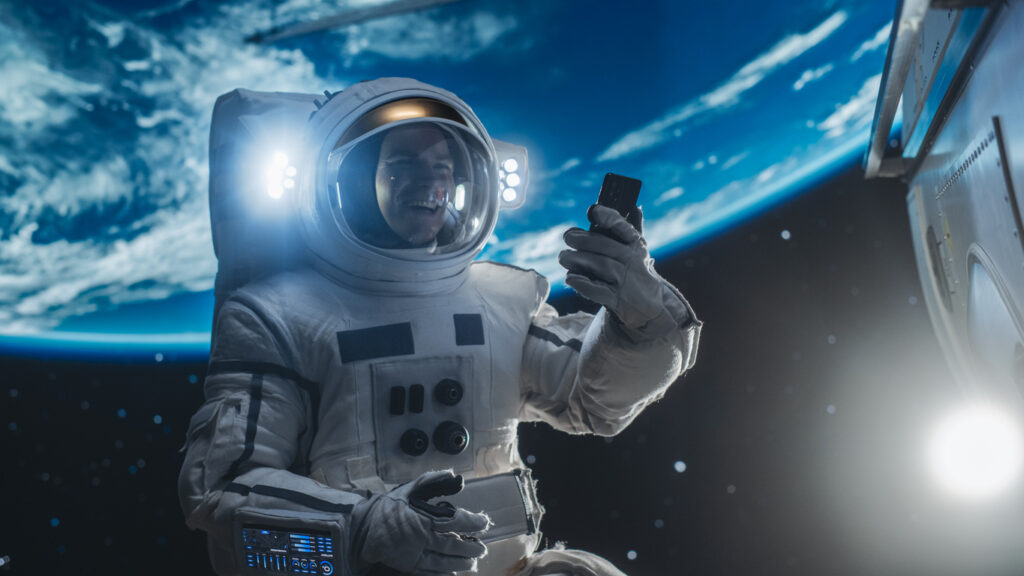
Background checks go deep. Criminal records, serious financial issues, substance misuse, or patterns of risky behaviour can disqualify candidates. Trust matters enormously when you’re representing an agency, a country, and a crew in space. Astronauts are expected to be dependable, responsible, and emotionally mature long before training begins.
You must be willing to accept real physical risk.
Despite all precautions, spaceflight is still dangerous. Astronauts train knowing that accidents, radiation exposure, and long-term health effects are real possibilities. That’s not thrill-seeking, it’s informed acceptance. You have to understand the risks clearly and still choose to go, knowing the outcome isn’t guaranteed.
So, could you be an astronaut? For most people, the answer isn’t about intelligence or bravery. It’s about whether your body, mind, skills, and temperament align with one of the most demanding jobs humans have ever created. Wanting space is common. Being suited to live and work there is something else entirely.