When people think of deadly animals, they usually picture teeth, fangs, and something lunging out of the bushes.
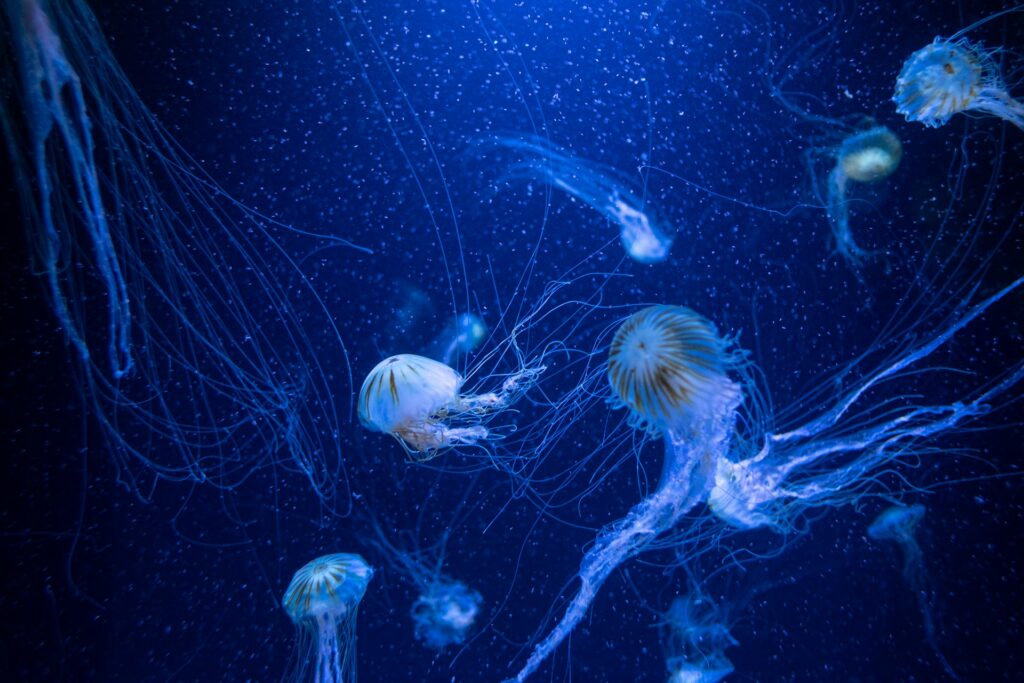
In reality, some of the most dangerous creatures on the planet don’t need to bite at all. They just have to be nearby, touched, stepped on, or even slightly disturbed, and that’s more than enough to put a human in serious trouble.
What makes these animals unsettling isn’t aggression, it’s how passive the danger can be. No warning growl, no obvious attack, sometimes not even a visible reaction. The harm comes from venom on skin, toxins in the air, crushing force, or chemical defences that work without any dramatic movement at all. These animals don’t chase, they don’t snap, and they don’t need to. Just existing in the wrong place at the wrong time can be enough.
1. Box jellyfish kill with tentacles covered in millions of stinging cells.
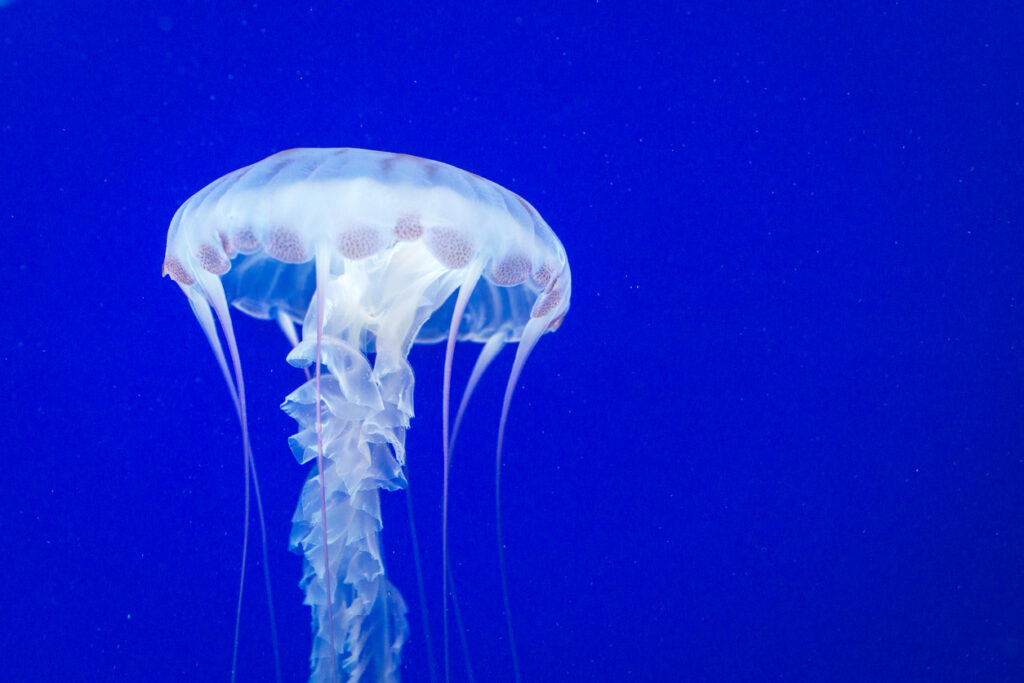
The box jellyfish has tentacles that can extend up to three metres, and each tentacle is covered in millions of nematocysts that fire venom on contact. The sting is agonisingly painful, and the venom attacks the heart, nervous system, and skin cells simultaneously. People have died within minutes of being stung because the venom causes cardiac arrest before they can reach shore. These jellyfish don’t bite, they don’t even have mouths in the traditional sense, they just brush against you and that’s enough to potentially kill you.
2. Poison dart frogs secrete toxins through their skin.
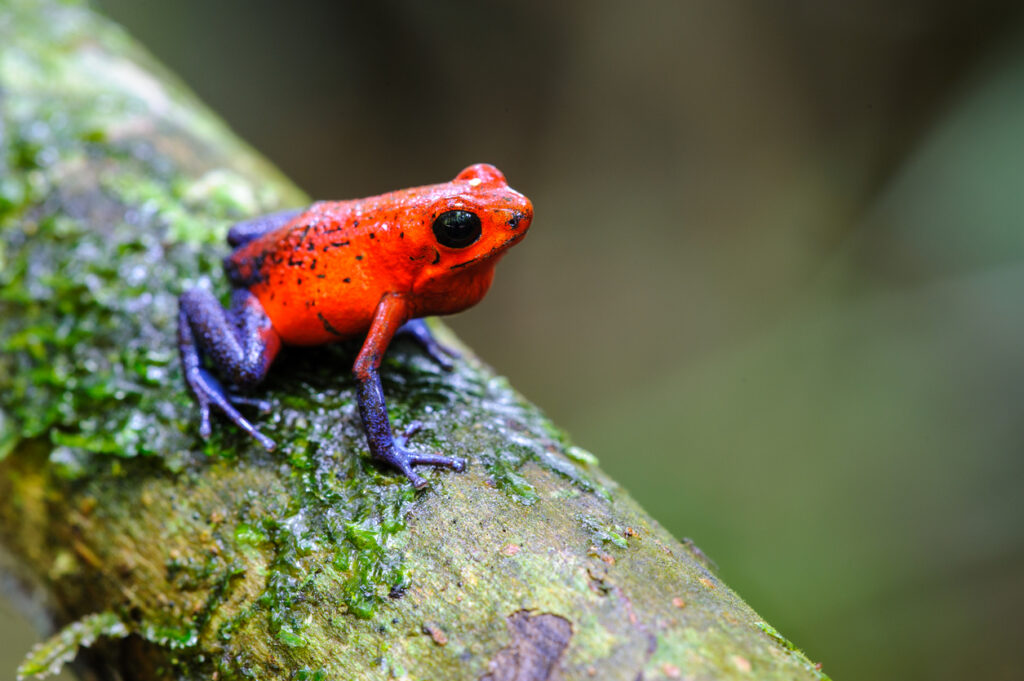
These tiny, brightly coloured frogs from Central and South America don’t need to attack you at all because their skin is covered in toxic alkaloids. Just touching one can transfer enough poison to make you seriously ill, and some species carry enough toxin to kill ten adult humans. Indigenous people used their secretions to poison blow darts for hunting, hence the name. The frogs get their toxicity from their diet of specific insects, so captive-bred ones aren’t actually poisonous, but wild ones are absolutely lethal without ever opening their mouths.
3. Stingrays use a barbed tail spine to inject venom.
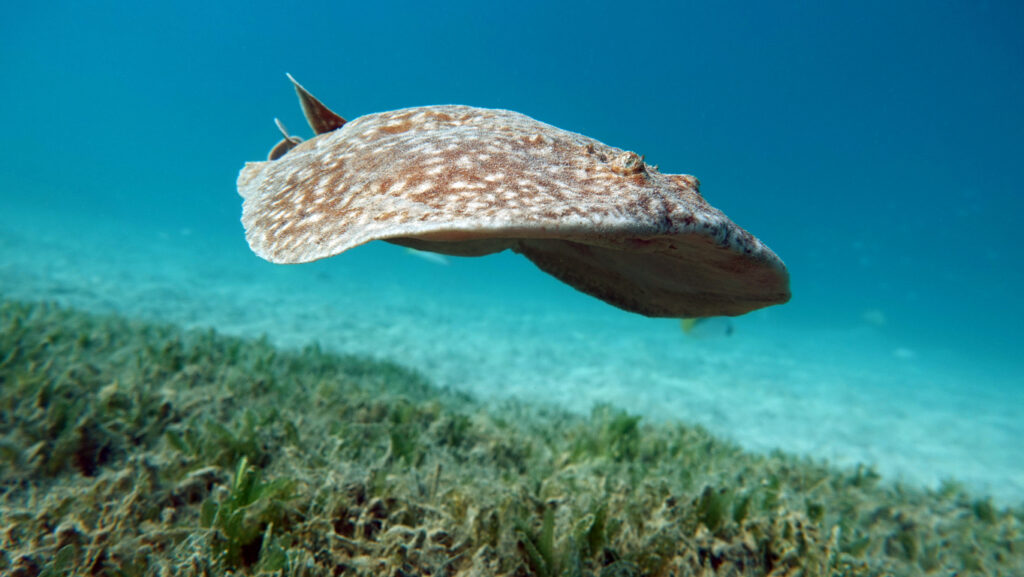
Stingrays have a serrated, venomous spine on their tail that they can whip forward when threatened, and the wounds are devastating. The barbs on the spine cause massive tissue damage going in and even worse damage coming out, while simultaneously injecting venom that causes severe pain, swelling, and muscle cramps. Steve Irwin died from a stingray barb to the chest, proving these creatures can absolutely kill without biting. Most stingray injuries happen when people accidentally step on them, and the ray defends itself with that tail strike.
4. Cassowaries slash with dagger-like claws on their feet.
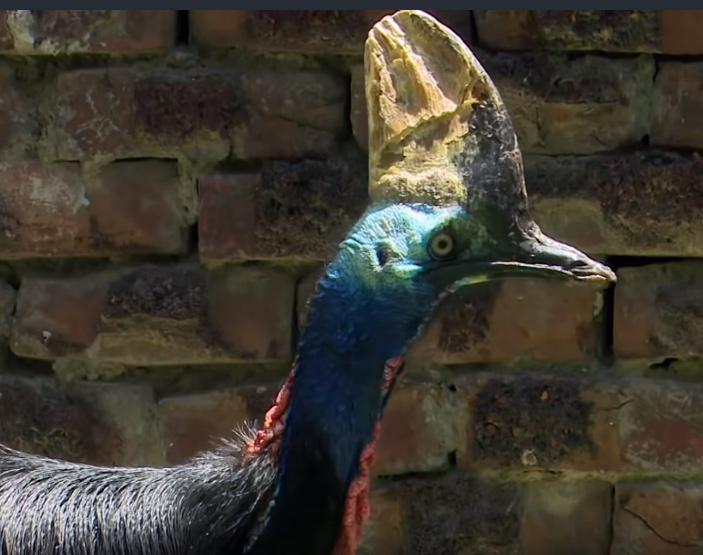
The cassowary is often called the world’s most dangerous bird, and it kills with powerful kicks using the 12 cm claw on each foot. These Australian birds can disembowel a person or a dog with a single strike, and they’re incredibly aggressive when they feel threatened. They’ll charge at perceived threats and use those claws like daggers, causing massive trauma without ever pecking or biting. People have died from cassowary attacks, and all of them involved kicks rather than the bird’s beak.
5. Pythons and anacondas constrict their prey to death.
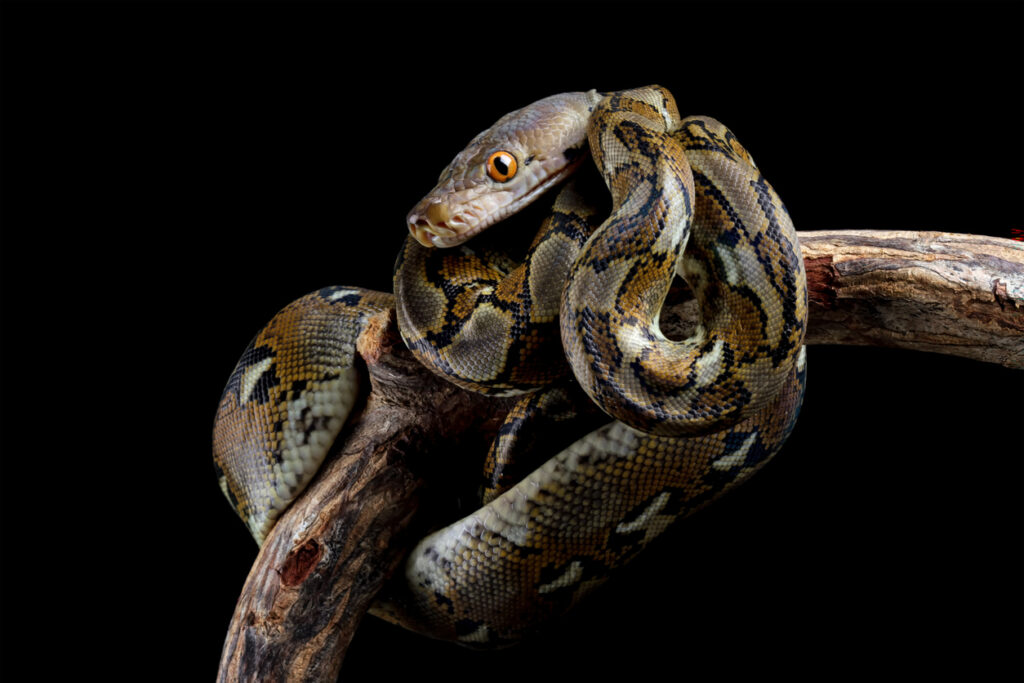
Large constrictor snakes kill by wrapping around their prey and squeezing until the victim can’t breathe or blood can’t circulate properly. Every time you exhale, the snake tightens its coils slightly, and eventually, your heart stops, or you suffocate. These snakes have teeth, but they use them only for gripping, not for injecting venom, and the actual killing is done purely through constriction. Reticulated pythons and green anacondas are large enough to kill adult humans this way, and there are documented cases of it happening.
6. Electric eels generate shocks powerful enough to stop your heart.
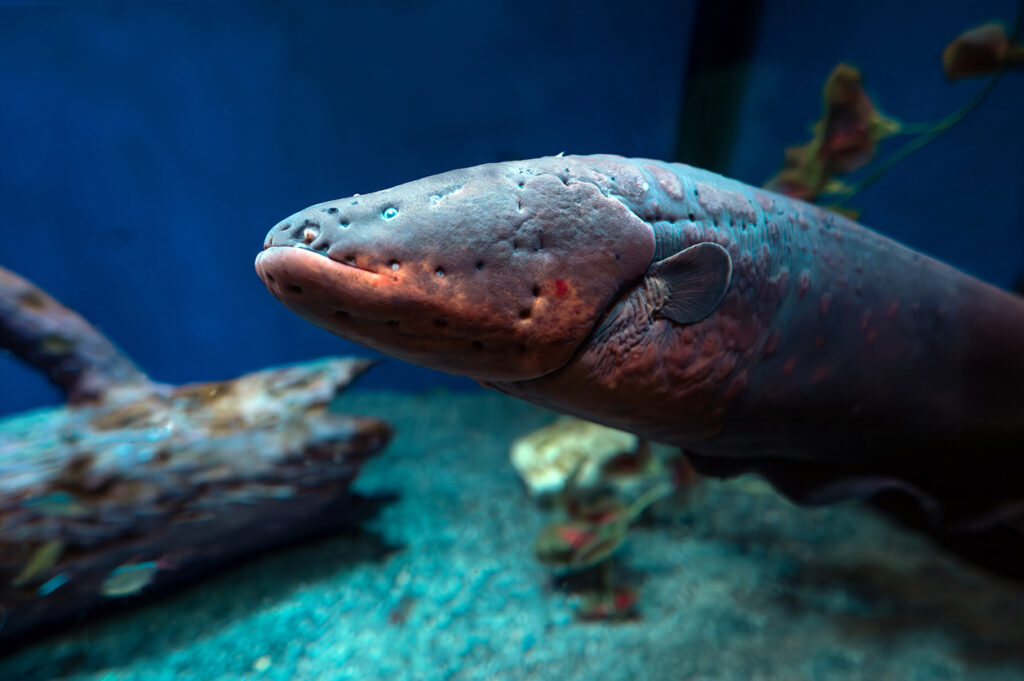
Despite the name, electric eels are actually a type of knifefish, and they can generate electric shocks of up to 860 volts. These shocks are used for hunting and self-defence, and they’re powerful enough to cause cardiac arrest in humans. The eel doesn’t bite you, it just needs to be near you in the water and discharge, and the electricity does all the work. Multiple shocks can cause respiratory failure even if the first one doesn’t kill you, and drowning becomes a serious risk when you’re stunned in water.
7. Hippopotamuses crush and gore with massive jaws and tusks.
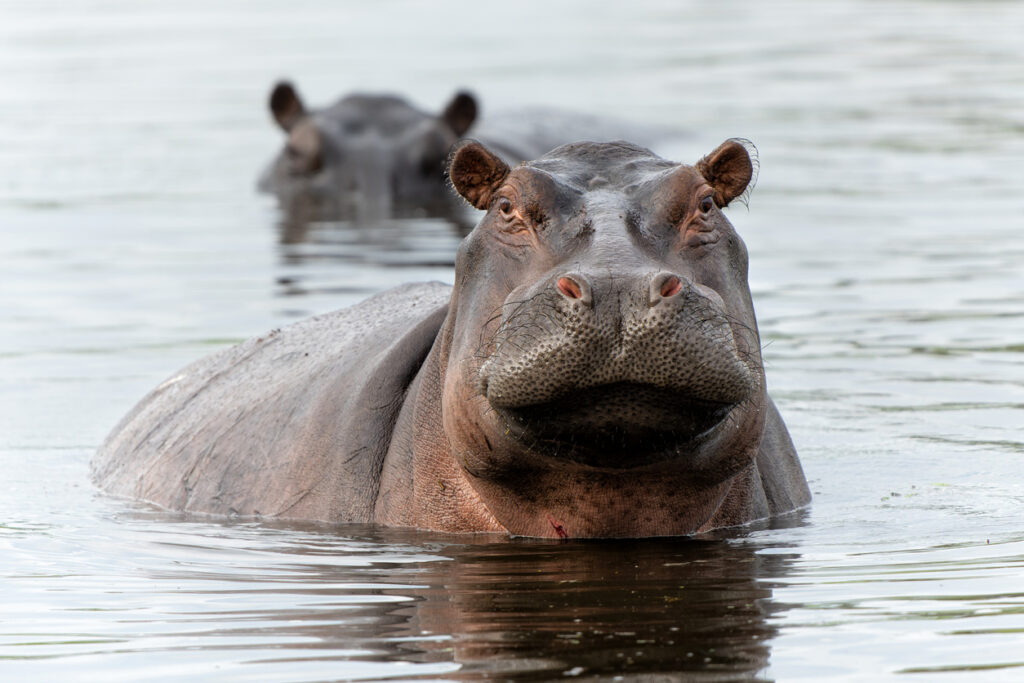
Hippos kill more people in Africa than any other large animal, and they do it by charging and using their enormous jaws to crush or their tusks to gore. While they do use their mouths, they’re not biting in the sense of using teeth to tear or chew, they’re using jaw pressure and tusk slashes. A hippo’s bite force is around 1,800 PSI and those canine tusks can grow up to 50 cm long, so when they attack, they’re either crushing you flat or stabbing you with what are essentially ivory daggers. Most victims die from massive trauma rather than anything resembling a traditional bite wound.
8. Cone snails fire harpoon-like teeth filled with venom.
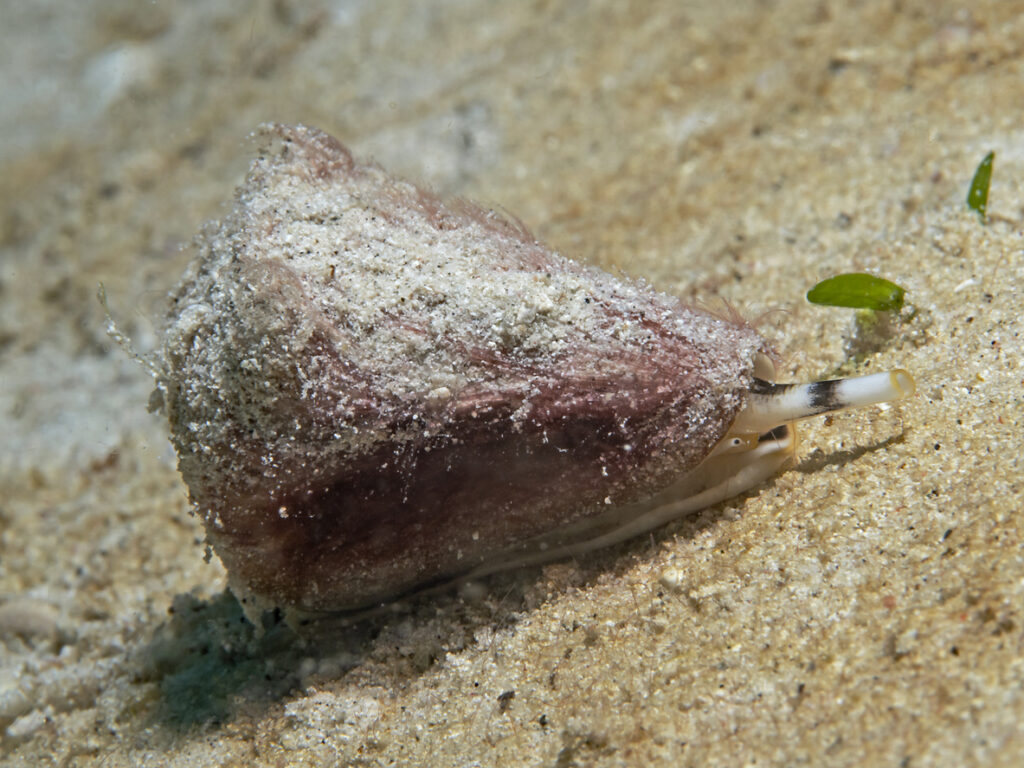
These beautiful shells contain one of the ocean’s deadliest killers, and the cone snail kills by harpooning prey with a modified tooth that injects powerful venom. The venom contains hundreds of different toxins that can cause paralysis, and there’s no antivenom for most species. The snail doesn’t bite in any conventional sense, it shoots out this harpoon tooth that penetrates skin and delivers the venom instantly. People have died from picking up cone snails because the harpoon can go straight through diving gloves.
9. Blue-ringed octopuses inject venom through their beak, but it’s not really a bite.
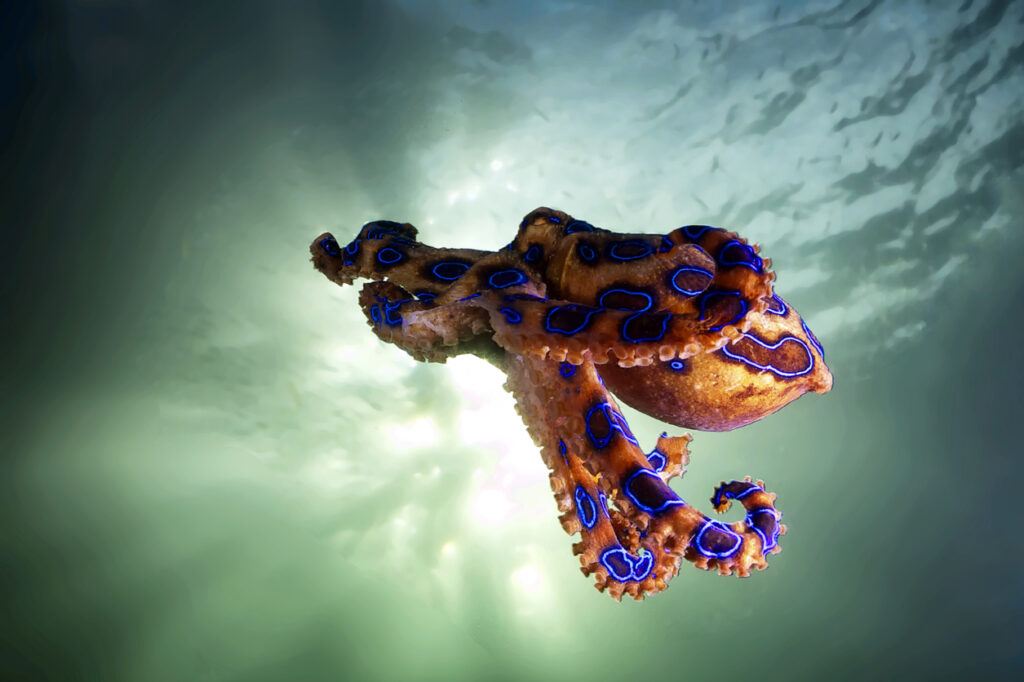
The blue-ringed octopus is tiny, about the size of a golf ball, but it carries enough venom to kill 26 adult humans in minutes. It has a beak that can pierce skin, but the venom delivery is more of an injection than a bite, and the octopus often just needs to touch you for the venom to enter through broken skin. The venom causes paralysis including respiratory failure, and victims are often fully conscious but completely unable to move or breathe. There’s no antivenom, so treatment involves keeping victims on life support until the venom wears off, if they make it that long.
10. Cape buffalo gore and trample rather than bite.
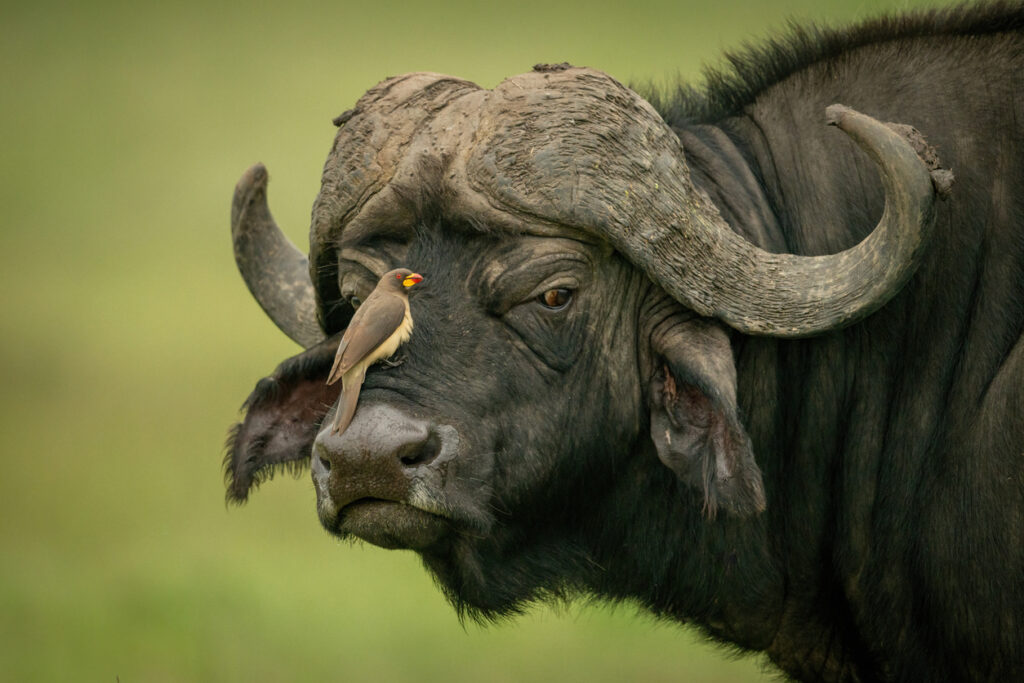
Known as one of Africa’s most dangerous animals, the Cape buffalo kills using its massive horns and hooves rather than its teeth. When threatened or wounded, they’ll charge and use their horns to gore and toss victims into the air, then trample them with hooves that can crush bones. These animals are responsible for killing more big game hunters than any other African animal, and they’re known for circling back to finish off wounded attackers. The damage comes entirely from blunt force trauma and penetrating horn wounds, never from biting, making them incredibly dangerous despite being herbivores.